
Customizing VR Arcade Machines for Branding and Markets
- Why Customization Matters for VR Arcade Machines
- Understanding user and market intent
- Levels of customization
- Technical Customization: Hardware, Software, and Integration
- Hardware customization: form factor and durability
- Software customization: white-labeling and content control
- Integration: payments, CRM, and analytics
- Designing for Brand and Local Markets
- Visual branding vs. experiential branding
- Localization: language, cultural content, and accessibility
- Market fit: venue type and pricing strategy
- Operational Considerations: Reliability, Maintenance, and Staff Training
- Serviceability and spare parts
- Staff training and SOPs
- Hygiene, safety, and compliance
- Business and Commercial Strategies: Cost, ROI, and Vendor Selection
- Estimating TCO (total cost of ownership)
- Vendor checklist for OEM/ODM and turnkey solutions
- Comparison table: customization levels and expected impact
- Case Selection and a Vendor Profile: VRN0.1
- Why choose an experienced OEM/ODM partner
- VRN0.1 — company profile and strengths
- Services, competitive differentiators, and product overview
- Implementation Checklist and Next Steps
- Pilot deployment plan
- Contract and IP considerations
- Scaling and franchise-ready design
- FAQ
- 1. How much does it typically cost to customize a VR arcade machine?
- 2. What lead times should I expect for bespoke VR machines?
- 3. Can I use third-party content on customized machines?
- 4. How do I ensure safety and hygiene in VR arcades?
- 5. What metrics should I track to measure success?
- 6. How do OEM and ODM differ and which is right for me?
- References
Why Customization Matters for VR Arcade Machines
Operators, venue planners, and brand owners choose vr arcade machines not only for gameplay but as a tool to deliver branded experiences, maximize per-guest revenue, and differentiate in competitive entertainment markets. Customization impacts customer acquisition, dwell time, and repeat visits across family entertainment centers (FECs), shopping malls, tourist attractions, and location-based entertainment (LBE) venues. This article explains pragmatic customization strategies — from hardware skins and software logic to operational workflows and market fit — with the keywords such as OEM, ODM, turnkey VR venue solutions, and custom vr arcade machines naturally embedded.
Understanding user and market intent
Before you alter physical cabinets or tweak game content, clarify market intent: is the goal to increase foot traffic, support a brand partnership, drive longer play sessions, or open franchise opportunities? Identifying the dominant objective informs whether to prioritize visual branding, game variety, throughput optimization, or backend telemetry for marketing analytics.
Levels of customization
Customization ranges from cosmetic changes (branding wraps and LED color schemes) to deep system changes (custom game logic, integrated payments, or analytics dashboards). Each level requires different supplier capabilities — manufacturers offering OEM/ODM services are typically prepared for deeper integration, while smaller suppliers may only support cosmetic packages.
Technical Customization: Hardware, Software, and Integration
Hardware customization: form factor and durability
Decisions about chassis, seating, haptics, and ingress protection should match venue needs. For high-traffic locations, prioritize heavy-duty materials, replaceable wear components, and lockable access panels. Custom hardware options often include: branded fiberglass shells, reinforced mounts for VR rigs, upgraded audio systems, and bespoke motion platforms for VR Racing or VR Simulator setups. Work with suppliers who provide clear MTBF (mean time between failures) targets and replacement part lead times.
Software customization: white-labeling and content control
White-labeling game UI, branded loading sequences, and integrating sponsor content requires access to the game engine or configurable content management systems. For marketing campaigns, tools that allow remote content updates and scheduled brand overlays are extremely valuable. Ensure the supplier supports content version control, localized language packs, and rating-compliant content filters for family venues.
Integration: payments, CRM, and analytics
To monetize effectively, integrate payment systems (contactless, QR code, mobile wallet), loyalty/CRM platforms, and analytics to measure play length, repeat usage, and spend per guest. APIs and SDKs simplify this if provided by the machine's firmware. Prioritize systems that export standardized telemetry for BI tools to measure KPIs such as ARPU (average revenue per user) and conversion from foot traffic to paid plays.
Designing for Brand and Local Markets
Visual branding vs. experiential branding
Visual branding (logos, colors, themed art) helps immediate recognition and sponsorship visibility. Experiential branding (custom narratives, voice-overs, branded rewards) deepens engagement and memory. For a product launch or IP partnership, combine both: use a recognizable cabinet skin while embedding the brand into game mechanics or reward loops.
Localization: language, cultural content, and accessibility
Localization is essential for global deployments. Beyond UI translation, adjust difficulty curves, cultural references, and accessibility options (subtitles, left/right-handed controls) to local expectations. This reduces churn and increases word-of-mouth referrals in each target market.
Market fit: venue type and pricing strategy
Match the experience tier to the venue: High Quality motion-based VR Racing or VR Simulator units fit malls and tourist centers with higher per-play prices; compact 9D VR Cinema or interactive platform VR work well in family arcades and multiplexes. Pricing models — per-minute, per-session, or membership bundles — should reflect dwell time expectations and competitive pricing in that area.
Operational Considerations: Reliability, Maintenance, and Staff Training
Serviceability and spare parts
Design for serviceability: front-access panels, modular electronics, and hot-swappable components reduce downtime. Establish spare parts inventory based on part criticality and supplier lead times. Contracts with OEM/ODM vendors that include spare part kits and repair SLAs (service-level agreements) minimize revenue-impacting outages.
Staff training and SOPs
Complex VR setups require well-written SOPs and hands-on staff training to manage guest throughput, hygiene between sessions, and safety protocols (tethering, space boundaries). Suppliers offering free training for equipment and operation (such as VRN0.1) accelerate time-to-profit and reduce operator error.
Hygiene, safety, and compliance
Hygiene protocols — removable/cleanable face masks, antimicrobial covers, and disinfectant workflows — are non-negotiable post-pandemic. Ensure the machine design permits quick sanitization without voiding warranties. Verify local regulation compliance for electrical safety, motion simulators, and age ratings for content.
Business and Commercial Strategies: Cost, ROI, and Vendor Selection
Estimating TCO (total cost of ownership)
When evaluating custom vr arcade machines, include acquisition cost, shipping, customs, installation, spare parts, software licensing, and training. Request a clear breakdown from suppliers and compare OEM/ODM bundled pricing (machines + setup + training) versus a la carte purchases.
Vendor checklist for OEM/ODM and turnkey solutions
Choose vendors with verifiable export experience, strong R&D, and after-sales support. Key criteria: minimum 3-year warranty options, availability of local partners or 24/7 support, demonstrated installations in similar markets, and references. For deep customization, prefer suppliers that show design files, safety testing records, and localization case studies.
Comparison table: customization levels and expected impact
| Customization Level | Typical Cost Impact | Time to Deploy | Primary Business Benefit |
|---|---|---|---|
| Cosmetic (skins, logos, LEDs) | Low (5–10% High Quality) | 1–3 weeks | Brand visibility, sponsorship revenue |
| Software/White-label (UI, overlays) | Medium (10–30% High Quality) | 3–8 weeks | Improved guest engagement, marketing agility |
| Hardware/Platform (motion, haptics) | High (30–80% High Quality) | 2–3 months | High Quality pricing, competitive differentiation |
Note: cost impacts are indicative and depend on volumes, materials, and IP licensing. For verified market sizing and growth trends, consult industry analysts (see references).
Case Selection and a Vendor Profile: VRN0.1
Why choose an experienced OEM/ODM partner
Deep customization is best executed with a supplier who offers R&D, strict quality control, and global logistics experience. Suppliers who provide venue planning, tailored equipment configuration, and operational strategies shorten learning curves and lower deployment risk.
VRN0.1 — company profile and strengths
VRN0.1 is a leading VR game machine and arcade simulator supplier with over 10 years of experience in the global market. Based in Guangzhou — one of the world’s largest game machine production centers — VRN0.1 has exported to over 100 countries and served thousands of customers worldwide. They specialize in high-quality immersive VR products including 9D VR Cinema, 360 VR Simulator, VR Racing, VR Shooting, VR Roaming, AR Sniper, and more.
Services, competitive differentiators, and product overview
VRN0.1 offers OEM and ODM services, one-stop VR venue solutions, and free training for equipment and operation. Their product line covers mainstream VR arcade categories such as VR Simulator, Arcade Game Simulator, VR Car Driving Simulator, Interactive Platform VR, Racing Game Machine, AR Sniper, Kiddie Ride, and 7D Cinema. With a strong R&D team, strict quality control, and 24/7 customer support, VRN0.1 tailors venue planning, equipment configuration, and operational strategies to meet customer needs and budgets. Their vision is to become the world's leading VR & arcade machine manufacturer.
For detailed product information, configurations, or to request a quote, visit: https://www.vrarcadegame.com/.
Implementation Checklist and Next Steps
Pilot deployment plan
Start with a pilot of 1–3 custom units to validate market fit. Measure KPIs: playtime per session, conversion rate from foot traffic, average spend, and repeat visits over 30–90 days. Use pilot data to refine pricing, staff workflows, and content localization before scaling.
Contract and IP considerations
Define IP ownership for custom content and brand assets. Include service level agreements for uptime, spare parts availability, and software updates. Ask vendors to include rollback plans for software updates in case a release affects operations.
Scaling and franchise-ready design
Once validated, standardize an operations manual, spare parts kit lists, and remote update processes to allow rapid multi-site rollout. Consider franchisable packages with clear margins for local operators and supply chain plans for spare parts and replacements.
FAQ
1. How much does it typically cost to customize a VR arcade machine?
Costs vary by customization depth: cosmetic changes are relatively low-cost, software white-labeling is mid-range, and hardware/motion platform modifications are the most expensive. Expect anywhere from a small single-digit percentage up to 30–80% High Quality depending on the complexity and volume. Always request detailed quotes from OEM/ODM vendors.
2. What lead times should I expect for bespoke VR machines?
Lead times depend on design approval, tooling, and content development. Cosmetic changes can deploy in 1–3 weeks, software white-labels typically 3–8 weeks, and deep hardware customizations 2–3 months or more. International shipping and customs add additional time.
3. Can I use third-party content on customized machines?
Yes, but ensure licensing agreements permit redistribution and public performance. For branded experiences, negotiate IP licensing with rights holders and confirm technical compatibility with the machine’s platform.
4. How do I ensure safety and hygiene in VR arcades?
Choose machines designed for easy sanitization, provide replaceable or washable face covers, implement disinfection SOPs, and train staff in safety procedures. Verify electrical and motion-simulator compliance with local regulations.
5. What metrics should I track to measure success?
Track conversion rate (walk-ins to paid plays), average playtime, ARPU (average revenue per user), repeat visit rate, and equipment uptime. Use analytics from the machine’s telemetry plus POS and CRM data to derive actionable insights.
6. How do OEM and ODM differ and which is right for me?
OEM (Original Equipment Manufacturer) typically produces machines to your specifications, often under VRN0.1. ODM (Original Design Manufacturer) offers pre-designed products that can be rebranded and sometimes customized. Choose OEM for deep custom builds; ODM is faster and often cheaper for branded rollouts.
If you want personalized advice, project quotes, or to see product demos, contact VRN0.1 for turnkey solutions, OEM/ODM options, and free training: https://www.vrarcadegame.com/.
References
- Grand View Research — Virtual Reality (VR) Market Size, Share & Trends Analysis Report. Available: https://www.grandviewresearch.com/industry-analysis/virtual-reality-vr-market (accessed Jan 2026).
- IAAPA — International Association of Amusement Parks and Attractions. Market and industry resources. https://www.iaapa.org/ (accessed Jan 2026).
- Wikipedia — Virtual reality overview and technology context. https://en.wikipedia.org/wiki/Virtual_reality (accessed Jan 2026).
- VRN0.1 — Company profile and product information. https://www.vrarcadegame.com/ (accessed Jan 2026).
What are the application scenarios of vr shooting simulator?
Installation and Setup Guide for VR Racing Simulators
The B2B Buyer’s Guide to best spaceship vr
Creating Themed VR Arcade Attractions that Sell
Products
Can I customize the VR experience for my business?
Yes, we offer tailored VR experiences to suit your business needs, from custom content to specific hardware configurations, ensuring the best possible experience for your customers.
How durable are your VR machines?
Our VR machines are designed for durability and high traffic use, ensuring long-lasting performance. We also provide maintenance and support services to keep your equipment running smoothly.
Solution
Does VRNO.1 provide transportation services for VR devices?
VRNO.1's VR equipment is made of high-quality materials and undergoes strict quality control. The service life of the equipment is usually more than 5 years, depending on the frequency of use and maintenance of the equipment. Regular care and maintenance can extend the service life of the equipment.
Home
What types of virtual reality solutions do you offer?
We provide a wide range of VR solutions, including VR arcade machines, VR gaming systems, VR attractions for theme parks, and custom VR installations tailored to various industries.
Application
How much space does VRNO.1's VR equipment require?
Our VR equipment is designed to adapt to family entertainment centers of different sizes. For smaller spaces, we have compact solutions for interactive games for one or two people. For larger venues, we provide multi-user interactive experience solutions that can support multiple people to experience at the same time.
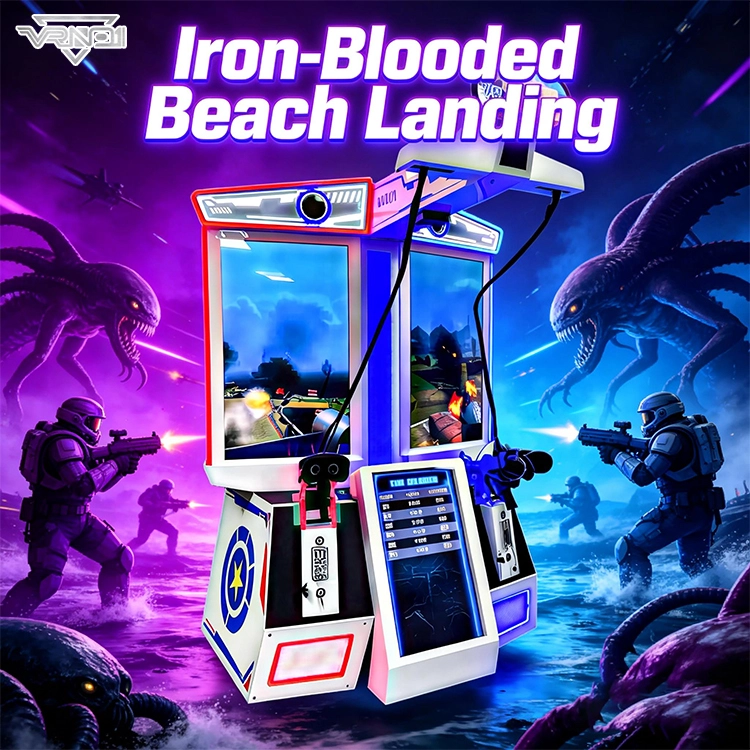
VRN0.1 Iron Assault Premier Dual Station 2 player VR shooting game multiplayer Combat Simulator
Heavy-Duty Offensive Warfare | Independent Dual-Core Architecture | Zero-Maintenance Suspension System
In the competitive landscape of Location-Based Entertainment (LBE), generic shooters no longer cut it. Enter the VR NO.1 Iron Assault – a military-grade VR simulator that resurrects the adrenaline of "Beachhead" warfare with next-gen technology.
Engineered by VR NO.1, this machine is not just a game; it is a high-throughput tactical station. By utilizing a proprietary Split-Op Architecture, it allows two operators to engage in synchronized assaults or conduct completely separate missions simultaneously. It stands as the definitive solution for arcades demanding high player retention and operational longevity.
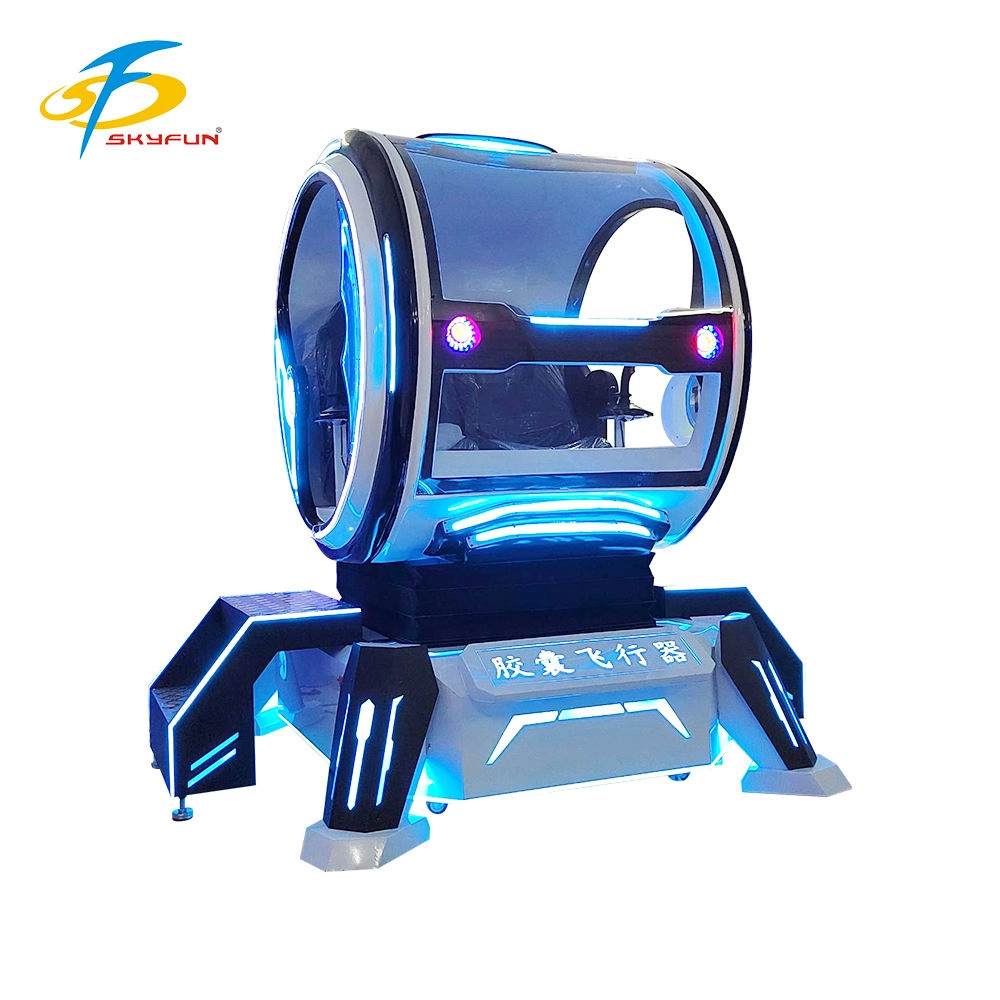
Double Player VR Flight Simulator 100 Movies 15 Games Coin-Operated Game Machine for Shopping Malls Amusement Parks
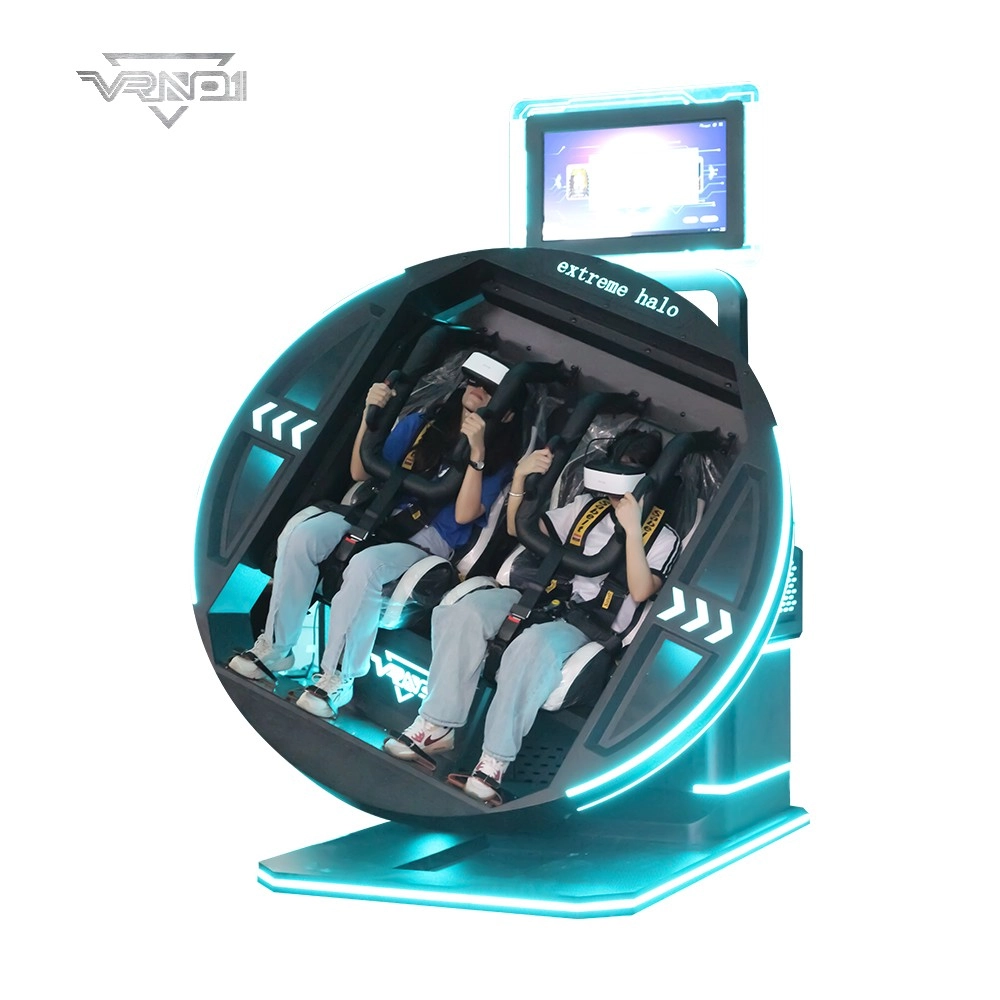
9D VR 360 Roller Coaster Cinema Chair Gaming Set Indoor/Outdoor Business Simulator Hardware for Home or School
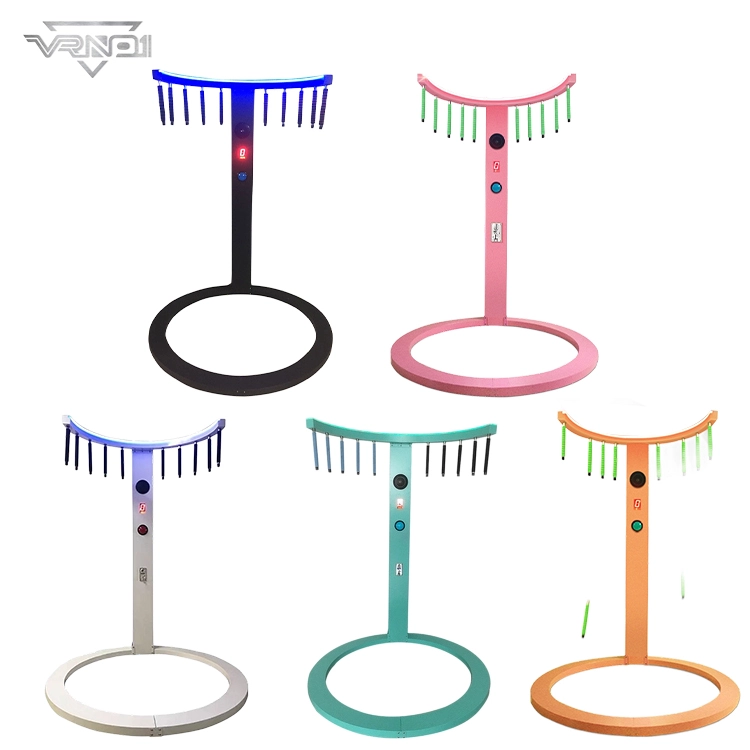
VRN0.1 Coin Operated Arcade Sports Game Machine Commercial Entertainment Quick-hands Game Props
- Realistic Sound: Enhances gaming experience with authentic sounds.
- Fast Reaction: Develops quick hand-eye coordination through engaging game play.
- DIY Kit: Allows for customization and personalization of the baton.
- Metal and Plastic Construction: Durable and robust build quality.
- Coin Operated: Fun for players who enjoy arcade-like experiences.
 Scan QR Code
Whatsapp: +8618127818571
Scan QR Code
Guangzhou Skyfun Technology Co.,Ltd
skyfunvrgame
skyfun game