


Budget VR Flight Simulators for Arcades
- How to Choose an Affordable VR Flight Simulator for Your Arcade
- Why Arcades Should Consider a VR Flight Simulator: commercial benefits and customer demand
- Defining Best for a Budget VR Flight Simulator: performance vs cost trade-offs
- Core components that determine cost and guest satisfaction
- Budget VR Flight Simulator Options Compared: models and price ranges
- Software and Licensing: choosing the right flight sim content for commercial use
- Tips for software selection
- Installation, Operation and Maintenance Costs: realistic budgeting for operators
- Throughput and Revenue Models: maximizing income from your best vr flight simulator
- Practical tips to improve ROI: operations, upsells and marketing
- Why VRN0.1: supplier profile and how they support budget arcade flight sims
- How VRN0.1 helps budget-minded arcade operators
- Checklist for Buying the Best VR Flight Simulator on a Budget
- Sample Deployment Scenarios and Budget Estimates
- Frequently Asked Questions (FAQ)
- Contact and Next Steps
- References and Further Reading
How to Choose an Affordable VR Flight Simulator for Your Arcade
Finding the best vr flight simulator for an arcade means balancing immersion, reliability, footprint, and cost. This guide breaks down the practical choices you will face when adding flight simulation to a location-based entertainment (LBE) venue. From low-cost sit-down rigs to compact motion-enabled kiosks, operators need to understand hardware tiers, software licensing, maintenance, and revenue models to make a profitable decision.
Why Arcades Should Consider a VR Flight Simulator: commercial benefits and customer demand
Arcade operators looking to diversify can gain several benefits from adding flight simulation. Flight sims attract a broad demographic (teens, adults, aviation enthusiasts), extend dwell time, and provide a High Quality-priced ticket option versus generic VR experiences. Market data shows continued VR growth; the global virtual reality market remains in expansion, creating new footfall opportunities for well-curated VR attractions (see references).
Defining Best for a Budget VR Flight Simulator: performance vs cost trade-offs
When the keyword is budget, best means the highest perceived immersion and uptime for the lowest total cost of ownership (TCO). Prioritize the following factors: reliable motion actuation (or convincing static rigs), high-resolution HMDs with comfortable ergonomics, proven flight simulation software with arcade licensing, modular hardware for quick repairs, and compact footprint to maximize throughput per square meter.
Core components that determine cost and guest satisfaction
Breakdown of the core cost drivers and operator-impacting items:
- Head-mounted display (HMD): resolution, refresh rate, and tracking system.
- Motion platform or seat rig: none, 2DOF, or 3DOF motion—each adds cost and complexity.
- Controls and feedback: yoke/joystick, rudder pedals, force feedback options.
- PC and GPU: must meet software requirements at target framerate for smooth motion.
- Software license: arcade/coin-op licensing often priced per seat or per location.
- Space and installation: electrical, safety barriers, and floor anchors.
Budget VR Flight Simulator Options Compared: models and price ranges
Below is a practical comparison table summarizing common budget categories. Prices are indicative ranges commonly seen in the arcade supplier market and reflect typical entry-to-mid-level offerings for new installations.
| Option | Typical hardware | Price range (USD) | Footprint (sqm) | Best for |
|---|---|---|---|---|
| Compact Kiosk (Static) | PC or console, seated cockpit shell, consumer HMD, joystick | 3,000 – 7,000 | 2–3 | Small arcades, high throughput, low maintenance |
| Motion Seat (2DOF) | 2DOF motion seat, mid-tier HMD, flight controls, PC | 8,000 – 18,000 | 3–5 | High Quality experience, higher ticket price |
| Full Motion Pod (3DOF) | 3DOF platform, enclosure, high-end HMD, full controls | 18,000 – 45,000+ | 4–7 | Destination centers, strong branding, immersive lead product |
| Modular DIY Arcade Setup | Custom frame, consumer HMDs, independent PCs | 2,500 – 6,000 | 2–4 | Low budget, experimental deployments |
Notes: Ranges are based on market observations for new commercial-grade installs; used or refurbished units may offer lower upfront cost but higher maintenance risk.
Software and Licensing: choosing the right flight sim content for commercial use
Software selection is critical. Consumer flight sims (for example, home versions) often do not include commercial or coin-op licensing. Choose vendors that offer arcade-licensed packages with operator tools (session timers, leaderboards, difficulty presets). Popular licensed content often includes simplified aircraft and mission modes tailored for short sessions. Ask vendors about software update policies, multiplayer support, and whether they provide a content management system for location operators.
Tips for software selection
- Prioritize short-session gameplay designed for non-enthusiast players (3–8 minutes).
- Check for integrated payment and queuing modules or compatibility with your POS.
- Confirm ongoing license fees and whether they're per-seat, per-location, or subscription.
- Verify support for motion cues and haptic integration if you choose motion hardware.
Installation, Operation and Maintenance Costs: realistic budgeting for operators
TCO over 3–5 years includes initial capex plus ongoing costs: software licensing, hardware maintenance, HMD replacements, consumables, and staff time for operation and cleaning. HMD foam and face interfaces typically need replacement every few months in heavy-use venues. Motion platforms require preventive maintenance and occasional actuator replacement. Plan a maintenance budget equal to 10–20% of initial hardware cost per year as a conservative estimate for commercial use.
Throughput and Revenue Models: maximizing income from your best vr flight simulator
Revenue per seat depends on ticket price, occupancy, and session length. Example conservative model for a compact kiosk: 6-minute sessions at $8 per session, 8 sessions per hour (allowing for queuing and loading), 10 operating hours/day, yields gross daily revenue of $640 per unit. Motion seats can command higher price points ($12–20 per session) but typically reduce throughput slightly. Operators should balance ticket price and session length to hit peak occupancy and return visits.
Practical tips to improve ROI: operations, upsells and marketing
- Use tiered pricing: add High Quality experiences (motion, longer missions) above base pricing.
- Promote package deals and group bookings (birthdays, team-building).
- Maintain high uptime: keep spare HMDs and common spare parts to reduce downtime.
- Cross-sell with other VR attractions and F&B to increase per-guest spend.
- Collect email/phone opt-ins for return-customer promotions and leaderboards.
Why VRN0.1: supplier profile and how they support budget arcade flight sims
VRN0.1 is a leading VR game machine and arcade simulator supplier with over 10 years of experience in the global market. Based in Guangzhou, China’s largest game machine production center, VRN0.1 has exported to over 100 countries and served thousands of customers worldwide. The company specializes in high-quality, immersive VR products, offering a full lineup including 9D VR Cinema, 360 VR Simulator, VR Racing, VR Shooting, VR Roaming, AR Sniper, and kiddie rides that complement a flight simulator installation.
How VRN0.1 helps budget-minded arcade operators
Key competitive advantages VRN0.1 brings for budget flight sims:
- Wide product range allows modular builds: mix compact kiosks with occasional motion pods to manage capex.
- OEM & ODM services enable cost-optimized designs tailored to space and budget.
- One-stop venue solutions include equipment, layout planning, and free training for operation and maintenance—reducing hidden costs in rollout.
- Strong R&D and quality control help minimize downtime and parts failure in high-usage arcades.
- 24/7 customer support and global distribution simplify spare parts and warranty handling for overseas operators.
Primary products relevant to flight-sim deployments: VR Simulator, Arcade Game Simulator, VR Car Driving Simulator (sharing many components), Interactive Platform VR, Racing Game Machine, AR Sniper, Kiddie Ride, and 7D Cinema. These product families let operators create mixed-experience bundles that lift overall venue performance.
For details and catalog, visit https://www.vrarcadegame.com/.
Checklist for Buying the Best VR Flight Simulator on a Budget
Before signing a purchase order, run through this checklist:
- Confirm commercial licensing for software and clear pricing model.
- Ask about spare parts, lead times, and local support options.
- Request demo sessions and a list of reference installs in similar markets.
- Validate warranty terms, including motion platform components and HMDs.
- Check power, footprint, and access requirements for installation.
- Negotiate training and promotional materials as part of the package.
Sample Deployment Scenarios and Budget Estimates
Scenario A — Small mall arcade: 1–2 compact kiosks, entry-level HMDs, arcade-licensed flight software. Estimated capex: 6,000–12,000 USD. Quick payback if marketed as High Quality experience.
Scenario B — Mid-size family entertainment center: 2 motion seats (2DOF), 2 compact kiosks, bundled cross-sell with VR racing. Estimated capex: 30,000–60,000 USD. Higher margin, differentiated attraction.
Scenario C — Destination VR center: 4–6 full motion pods with multi-seat gameplay and branded campaigns. Estimated capex: 100,000+ USD. Requires strong marketing and larger catchment area but commands highest ticket prices.
Frequently Asked Questions (FAQ)
Q1: What is the cheapest way to add a VR flight simulator to my arcade?
A1: The most budget-friendly approach is a compact kiosk with a consumer-grade HMD, a sturdy seated shell, and arcade-licensed software. This minimizes motion hardware and maintenance while keeping a convincing experience.
Q2: How much space does a typical VR flight simulator need?
A2: Compact kiosks can fit into 2–3sqm footprints. Motion seats and pods need 3–7sqm depending on enclosure and access space. Always factor clearance for safe ingress/egress and staff oversight.
Q3: Do I need a special software license for commercial operation?
A3: Yes. Consumer software typically forbids commercial use. Purchase an arcade or location-based entertainment license from the software vendor or choose a content supplier that includes commercial licensing.
Q4: What maintenance should I expect?
A4: Regular cleaning and replacement of HMD face interfaces, software updates, actuator checks for motion bases, and spare parts for electronics. Budget for routine maintenance equal to 10–20% of initial hardware cost annually.
Q5: Can I use flight simulators to drive repeat visits?
A5: Yes. Leaderboards, progression systems, membership discounts, and rotating missions keep guests returning. Bundling flight sims with other VR attractions also increases cross-visits and dwell time.
Q6: How does VRN0.1 support new operators?
A6: VRN0.1 offers one-stop venue solutions, free training for equipment and operation, OEM/ODM customization, and 24/7 support. They also provide planning and operational strategies tailored to customer budgets.
Contact and Next Steps
If you are evaluating the best vr flight simulator for your arcade and want tailored recommendations, contact VRN0.1 for a free consultation, venue planning, and product catalog. Visit https://www.vrarcadegame.com/ to request quotes, schedule demos, or get a customized ROI estimate. Their global delivery and training programs simplify deployment and help you start earning revenue faster.
References and Further Reading
- Flight simulator — Wikipedia. https://en.wikipedia.org/wiki/Flight_simulator. Accessed Dec 22, 2025.
- Global Virtual Reality Market Size & Trends — Grand View Research. https://www.grandviewresearch.com/industry-analysis/virtual-reality-vr-market. Accessed Dec 22, 2025.
- Virtual reality market size worldwide 2016-2028 — Statista. https://www.statista.com/statistics/591181/global-market-size-virtual-reality/. Accessed Dec 22, 2025.
- VRN0.1 official website. https://www.vrarcadegame.com/. Accessed Dec 22, 2025.
Everything You Need to Know About racing simulator arcade game
VR Simulator Machine Buyer’s Guide: Choosing the Right Model
How to Train Staff to Operate VR Shooting Simulators
VR Shooting Simulator ROI: Profitability and Pricing Models
Distributors
What does VRNO.1's after-sales service include?
We provide comprehensive after-sales services, including installation support, technical troubleshooting and regular maintenance services. We also provide dealers with dedicated training and customer support to ensure the smooth operation of the equipment.
Products
Are your VR systems suitable for commercial use?
Yes, our VR arcade solutions are designed for commercial use, ideal for arcades, gaming centers, shopping malls, and entertainment venues. We offer both standalone machines and multi-player setups.
Can I customize the VR experience for my business?
Yes, we offer tailored VR experiences to suit your business needs, from custom content to specific hardware configurations, ensuring the best possible experience for your customers.
Application
How much space does VRNO.1's VR equipment require?
Our VR equipment is designed to adapt to family entertainment centers of different sizes. For smaller spaces, we have compact solutions for interactive games for one or two people. For larger venues, we provide multi-user interactive experience solutions that can support multiple people to experience at the same time.
Will the game content be updated regularly?
Yes, VRNO.1 regularly updates and adds new VR game content, including adventure, sports, virtual tourism and other types. Family entertainment centers can choose to add new game packages to keep customers fresh and interested.
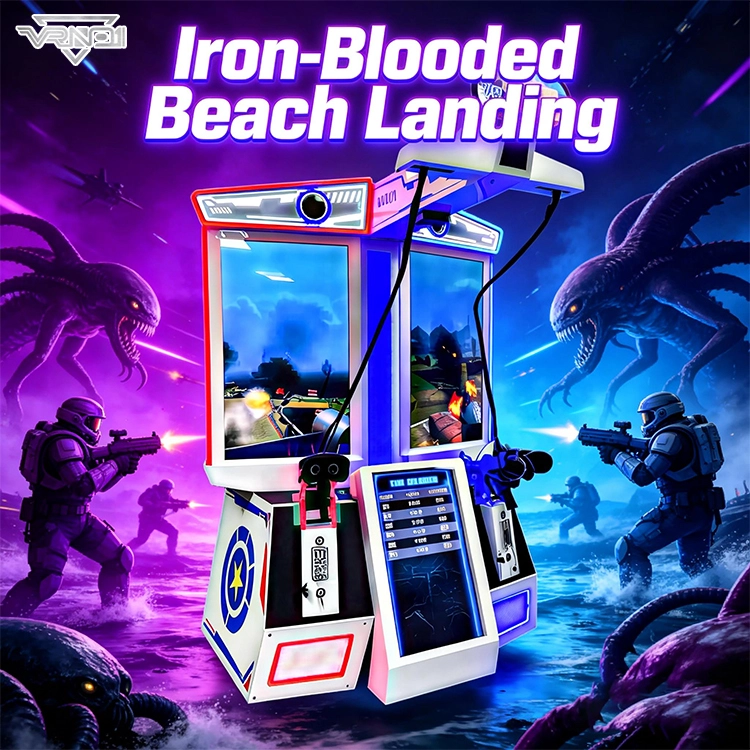
VRN0.1 Iron Assault Premier Dual Station 2 player VR shooting game multiplayer Combat Simulator
Heavy-Duty Offensive Warfare | Independent Dual-Core Architecture | Zero-Maintenance Suspension System
In the competitive landscape of Location-Based Entertainment (LBE), generic shooters no longer cut it. Enter the VR NO.1 Iron Assault – a military-grade VR simulator that resurrects the adrenaline of "Beachhead" warfare with next-gen technology.
Engineered by VR NO.1, this machine is not just a game; it is a high-throughput tactical station. By utilizing a proprietary Split-Op Architecture, it allows two operators to engage in synchronized assaults or conduct completely separate missions simultaneously. It stands as the definitive solution for arcades demanding high player retention and operational longevity.
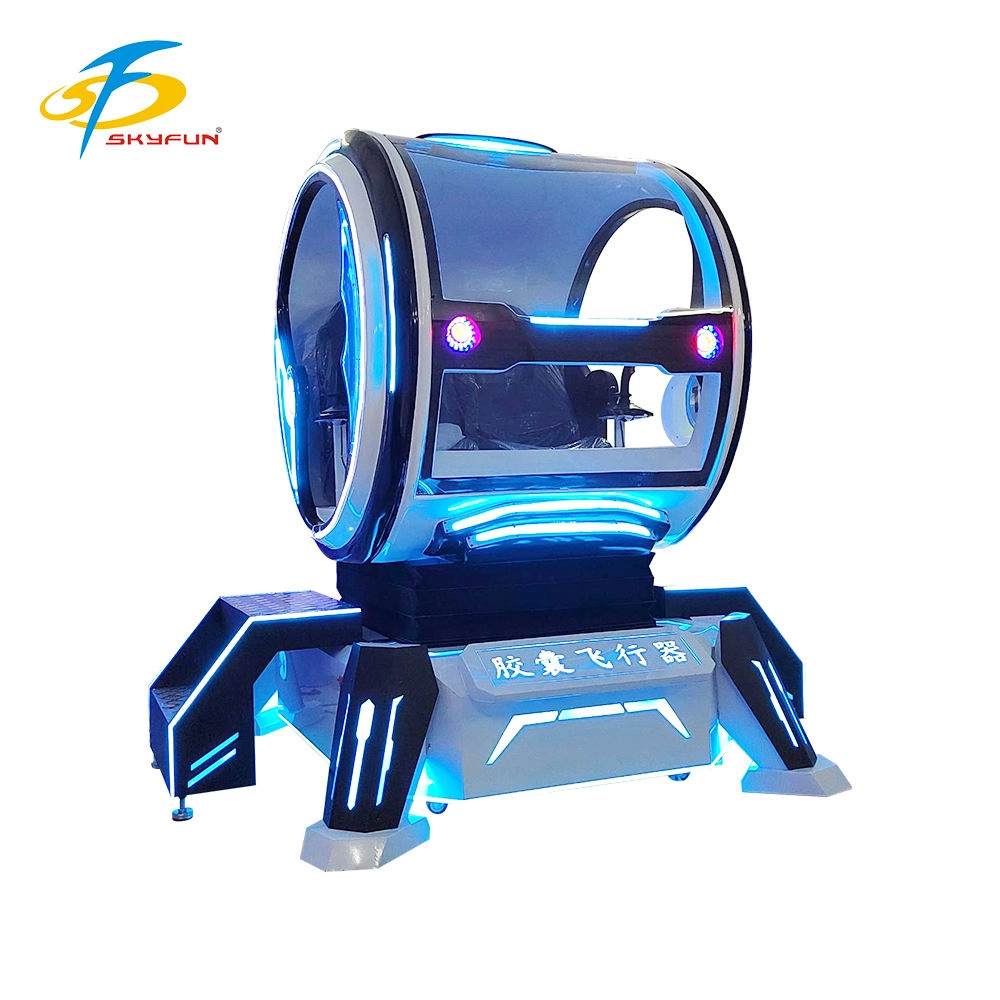
Double Player VR Flight Simulator 100 Movies 15 Games Coin-Operated Game Machine for Shopping Malls Amusement Parks
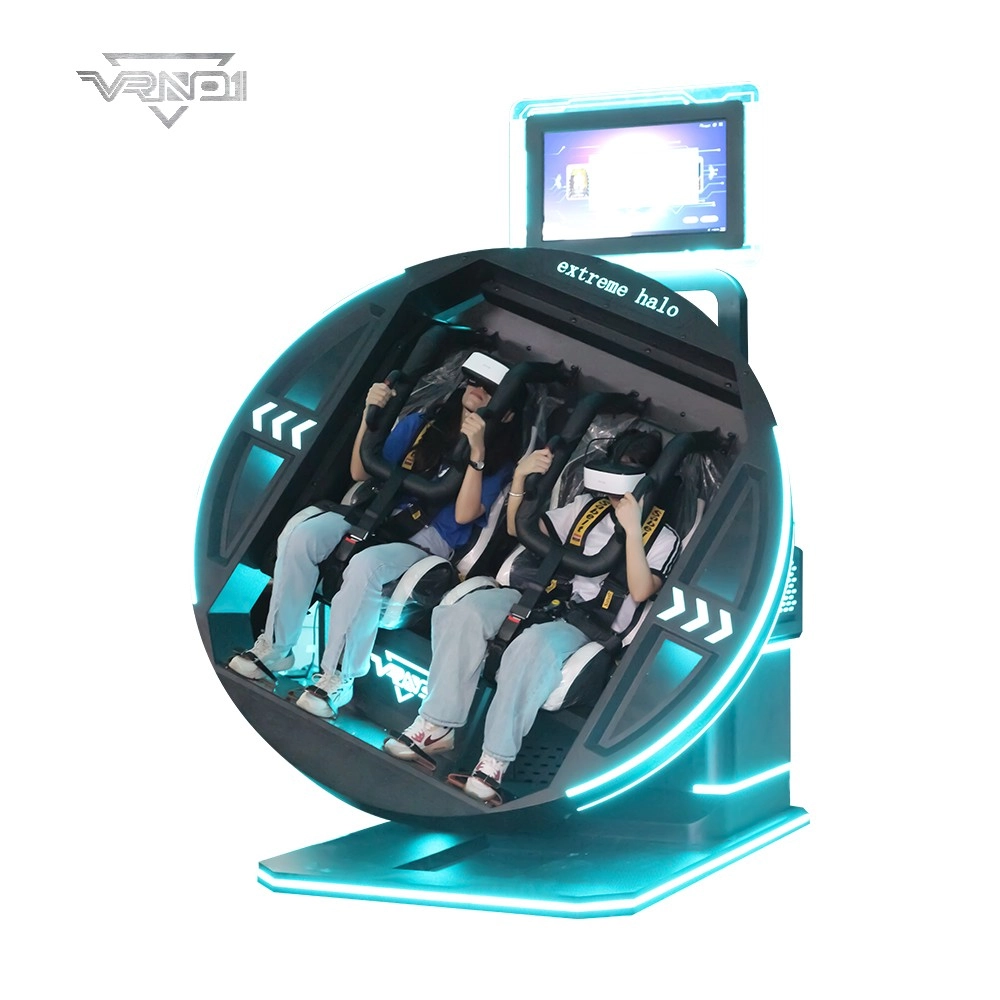
9D VR 360 Roller Coaster Cinema Chair Gaming Set Indoor/Outdoor Business Simulator Hardware for Home or School
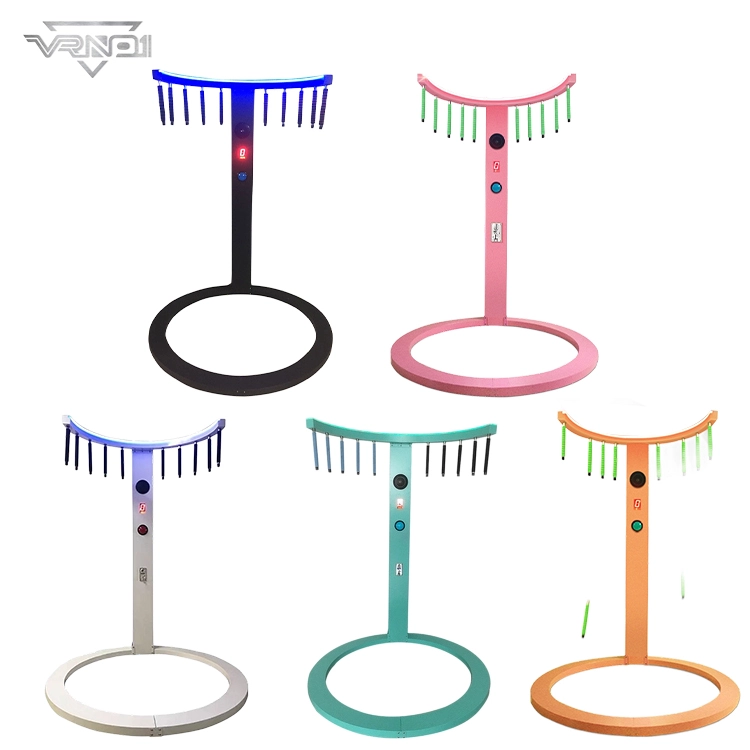
VRN0.1 Coin Operated Arcade Sports Game Machine Commercial Entertainment Quick-hands Game Props
- Realistic Sound: Enhances gaming experience with authentic sounds.
- Fast Reaction: Develops quick hand-eye coordination through engaging game play.
- DIY Kit: Allows for customization and personalization of the baton.
- Metal and Plastic Construction: Durable and robust build quality.
- Coin Operated: Fun for players who enjoy arcade-like experiences.
 Scan QR Code
Whatsapp: +8618127818571
Scan QR Code
Guangzhou Skyfun Technology Co.,Ltd
skyfunvrgame
skyfun game