


The latest trends for vr 360 flight simulator in us 2026 | VRN0.1 Ultimate Insights
- The latest trends for vr 360 flight simulator in US 2026 | VRN0.1 Insights
- Market Overview: Why the vr 360 flight simulator is a top arcade opportunity
- Technology drivers: Higher fidelity and lower operational complexity
- Headset & platform evolution: Making commercial vr 360 flight simulators more accessible
- Content realism and software trends: Flight physics, multiplayer, and curated scenarios
- Location-Based Entertainment (LBE) demand: Monetization and ROI strategies
- Audience and use cases: From casual players to training partners
- Design & safety: How operators should plan a vr 360 flight simulator area
- Hardware comparison: Choosing the right vr 360 flight simulator for your venue
- Operational best practices: Reducing downtime and maximizing revenue
- Monetization & marketing: How operators sell vr 360 flight simulator experiences
- Software & content partnerships: Keeping vr 360 flight simulator fresh
- Regulatory & training considerations: Compliance and potential for B2B revenue
- Why choose VRN0.1 for your vr 360 flight simulator purchase
- Case examples: Real-world arcade deployments and outcomes
- Investment checklist: Questions to ask before buying a vr 360 flight simulator
- Conclusion: Positioning your business for success in 2026 and beyond
The latest trends for vr 360 flight simulator in US 2026 | VRN0.1 Insights
Market Overview: Why the vr 360 flight simulator is a top arcade opportunity
The vr 360 flight simulator is increasingly a marquee attraction in location-based entertainment (LBE) venues across the US. Arcade operators and entertainment center owners look to vr 360 flight simulator experiences to drive higher ticket prices, longer dwell time, and repeat visits. As mainstream headsets mature and player expectations for realism rise, commercial demand for full-motion, multi-user flight simulators is expanding across family entertainment centers, mall arcades, and tourist destinations.
Technology drivers: Higher fidelity and lower operational complexity
Hardware and software improvements are primary drivers for growth in vr 360 flight simulator adoption. Advances such as inside-out tracking, 6DoF headsets, standalone processing, improved optics, and optimized GPU pipelines have reduced setup complexity and operating costs for commercial vr 360 flight simulator systems. In parallel, motion platforms and force feedback integrations now offer convincing vestibular cues that increase perceived realism — a critical factor for flight-sim customers who pay High Quality prices for immersion.
Headset & platform evolution: Making commercial vr 360 flight simulators more accessible
Standalone headsets (for example, Meta's Quest line) and robust commercial-grade HMDs reduce the need for high-end PCs per seat and simplify maintenance for arcades. Integration of tetherless or semi-tethered systems makes the vr 360 flight simulator easier to deploy in multi-seat setups. Operators who plan to buy or lease commercial vr 360 flight simulator units now prioritize reliability, easy hygiene measures, and quick turnaround between sessions.
Content realism and software trends: Flight physics, multiplayer, and curated scenarios
Software trends for the vr 360 flight simulator center on realistic flight physics, modular scenario design, and social features. Customers expect varied mission types — sightseeing, aerobatics, and combat-style dogfights — and content providers are delivering modular packages that arcades can upsell. Cloud-based content delivery and regular content updates as a service (SaaS) are emerging monetization models that help operators keep experiences fresh without heavy in-house development.
Location-Based Entertainment (LBE) demand: Monetization and ROI strategies
Arcade owners evaluate vr 360 flight simulator purchases with a strong : how quickly the unit converts foot traffic into revenue and how it supports recurring spend. Common revenue models include per-play pricing, timed sessions, memberships, group bookings, corporate events, private parties, and themed promotions. A well-executed vr 360 flight simulator can increase average spend per guest and create cross-sell opportunities (merchandise, F&B, VR photo/video packages).
Audience and use cases: From casual players to training partners
The vr 360 flight simulator appeals to a broad audience: families, teens, gamers, tourists, and corporate groups. Beyond entertainment, there is a rising among training providers and education centers to integrate vr 360 flight simulator modules for procedural training, spatial orientation practice, and STEM learning. While full certification for primary flight instruction depends on regulators, VR is widely used for procedural and rehearsal training under supervised conditions.
Design & safety: How operators should plan a vr 360 flight simulator area
Designing a vr 360 flight simulator space requires attention to safety, throughput, and hygiene. Operators pair clear ingress/egress lanes with padding, safety restraints, and sanitation stations. Good design minimizes downtime between sessions and supports higher daily throughput — an important consideration for venues looking to scale. VRN0.1 offers turnkey venue planning, including floor layouts and staffing models tailored to expected traffic.
Hardware comparison: Choosing the right vr 360 flight simulator for your venue
Choosing the right vr 360 flight simulator is a commercial decision balancing price, footprint, realism, and maintenance. Below is a practical comparison to help buyers decide which class fits their business model.
| Feature | Entry-level Arcade Unit | Mid-range Commercial 360 Rig | High-end Motion Flight Simulator |
|---|---|---|---|
| Typical Venue | Small arcades, malls, pop-ups | Family entertainment centers, tourist attractions | Theme parks, High Quality FECs, training centers |
| Headset | Standalone consumer-grade (6DoF) | Commercial HMD with hygiene covers | Commercial HMD + tether/PC for max fidelity |
| Motion | Static seat or light vibration | 6-axis motion or rotator platform | Full-motion hexapod / advanced force feedback |
| Throughput | High (short sessions) | Moderate (timed sessions) | Lower (High Quality, longer sessions) |
| Content | Single scenarios, low update cost | Multiple missions, DLC/SaaS updates | Custom scenarios, integration with training systems |
| Purchase Price (est.) | <$10K | $10K–$40K | >$40K |
| Best for | Cost-sensitive operators, trials | Balanced ROI, most mid-size FECs | High Quality experiences and specialized training |
Operational best practices: Reducing downtime and maximizing revenue
To maximize ROI for a vr 360 flight simulator, operators should focus on preventive maintenance, staff training, and efficient guest flow. Standard operating procedures include quick HMD swaps, headset sanitization protocols, and scheduled motion platform checks. VRN0.1 supports buyers with free training for equipment operation and maintenance to keep systems running with minimal downtime.
Monetization & marketing: How operators sell vr 360 flight simulator experiences
Marketing a vr 360 flight simulator combines experience positioning and flexible pricing. Use tiered pricing (standard, High Quality, VIP), time-limited promotions, group discounts, and event-based booking to capture varied customer segments. Social media clips, in-game photo capture, and cross-promotions with local attractions boost visibility and drive bookings.
Software & content partnerships: Keeping vr 360 flight simulator fresh
Long-term success depends on fresh, engaging content. Operators should select vr 360 flight simulator platforms that support modular content updates and third-party SDKs so new missions and seasonal themes can be added quickly. Content-as-a-service models reduce upfront software costs and encourage recurring revenue sharing between content creators and venue operators.
Regulatory & training considerations: Compliance and potential for B2B revenue
While entertainment remains the primary for most vr 360 flight simulator purchases, many operators explore B2B opportunities — offering VR-based procedural training to schools, flight clubs, or corporate clients. Regulatory acceptance for VR-based flight training varies by jurisdiction; operators should engage with local aviation authorities when offering training services and pursue partnerships with certified instructors when necessary.
Why choose VRN0.1 for your vr 360 flight simulator purchase
VRN0.1 is a leading supplier of VR game machines and arcade simulators with over 10 years of experience exporting to more than 100 countries. We offer OEM and ODM services, one-stop VR venue solutions, and free equipment and operations training — making VRN0.1 a strong commercial partner for operators buying a vr 360 flight simulator. Our in-house R&D, quality control, and 24/7 support reduce operational risk and help venues scale quickly.
Case examples: Real-world arcade deployments and outcomes
Operators deploying well-configured vr 360 flight simulator attractions report improvements in visit duration, increased ancillary sales, and stronger repeat visitation. Venues that combine a mid-range commercial 360 rig with effective staffing, dynamic pricing, and regular content updates tend to achieve the best balance of throughput and per-guest revenue.
Investment checklist: Questions to ask before buying a vr 360 flight simulator
When evaluating vendors and models, ask about warranty terms, spare-part availability, sanitation solutions, content update frequency, software licensing, and training support. Confirm lead times and OEM/ODM customization capabilities if you plan to brand or theme the vr 360 flight simulator for your venue.
Conclusion: Positioning your business for success in 2026 and beyond
The commercial outlook for the vr 360 flight simulator in the US through 2026 is driven by improved hardware, richer content, and LBE operators’ appetite for High Quality, high-margin attractions. Choosing the right balance of hardware fidelity, content strategy, and operational support is essential. VRN0.1’s decade of experience, global exports, and turnkey services make it a reliable partner for venues that want to buy a vr 360 flight simulator and scale quickly with minimal risk.
Sources:
- Meta Quest 3 product announcement (Oct 2023)
- VR/AR Association — Location-Based Entertainment (LBE) Industry Report (2022–2023)
- PwC — Global Entertainment & Media Outlook (annual reports)
- Grand View Research — Virtual Reality Market analyses (industry reports)
- FAA publications and guidance on simulation and training devices (public statements regarding VR use)
- Industry press coverage and trade shows (G-STAR, IAAPA) reporting LBE trends and deployments
The latest trends for vr game machine in us 2026 | VRN0.1 Ultimate Insights
Integrating Leaderboards and Social Features in VR Shooters
Top 10 vr game machine Manufacturers and Supplier Brands
Best VR Shooting Range Simulator for Arcades
Application
Is the VR experience harmful to health?
VRNO.1's VR equipment meets international safety standards. Long-term wearing or overuse may cause slight eye fatigue. Therefore, we recommend that each game experience time does not exceed 30 minutes and take regular breaks.
Does the VR game support multi-person interaction on the same screen?
Yes, VRNO.1's VR gaming devices support multiplayer on-screen interaction. Family members can participate in multiplayer competitive games, cooperative adventure games, etc., to enhance the interaction and entertainment experience among family members.
What age groups are suitable for VR games in family entertainment centers?
VRNO.1's VR equipment supports a wide range of age groups, from children, teenagers to adults. We provide a variety of game types, including parent-child interactive games, adventure games, sports competitions, etc., to ensure that they are suitable for the needs of different family members.
How much space does VRNO.1's VR equipment require?
Our VR equipment is designed to adapt to family entertainment centers of different sizes. For smaller spaces, we have compact solutions for interactive games for one or two people. For larger venues, we provide multi-user interactive experience solutions that can support multiple people to experience at the same time.
Products
What types of virtual reality solutions do you offer?
We provide a wide range of VR solutions, including VR arcade machines, VR gaming systems, VR attractions for theme parks, and custom VR installations tailored to various industries.
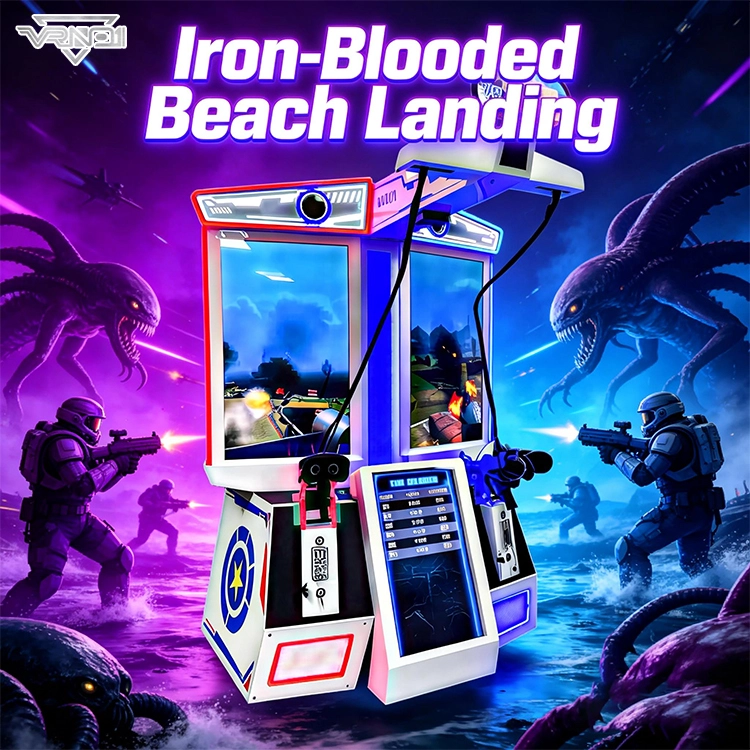
VRN0.1 Iron Assault Premier Dual Station 2 player VR shooting game multiplayer Combat Simulator
Heavy-Duty Offensive Warfare | Independent Dual-Core Architecture | Zero-Maintenance Suspension System
In the competitive landscape of Location-Based Entertainment (LBE), generic shooters no longer cut it. Enter the VR NO.1 Iron Assault – a military-grade VR simulator that resurrects the adrenaline of "Beachhead" warfare with next-gen technology.
Engineered by VR NO.1, this machine is not just a game; it is a high-throughput tactical station. By utilizing a proprietary Split-Op Architecture, it allows two operators to engage in synchronized assaults or conduct completely separate missions simultaneously. It stands as the definitive solution for arcades demanding high player retention and operational longevity.
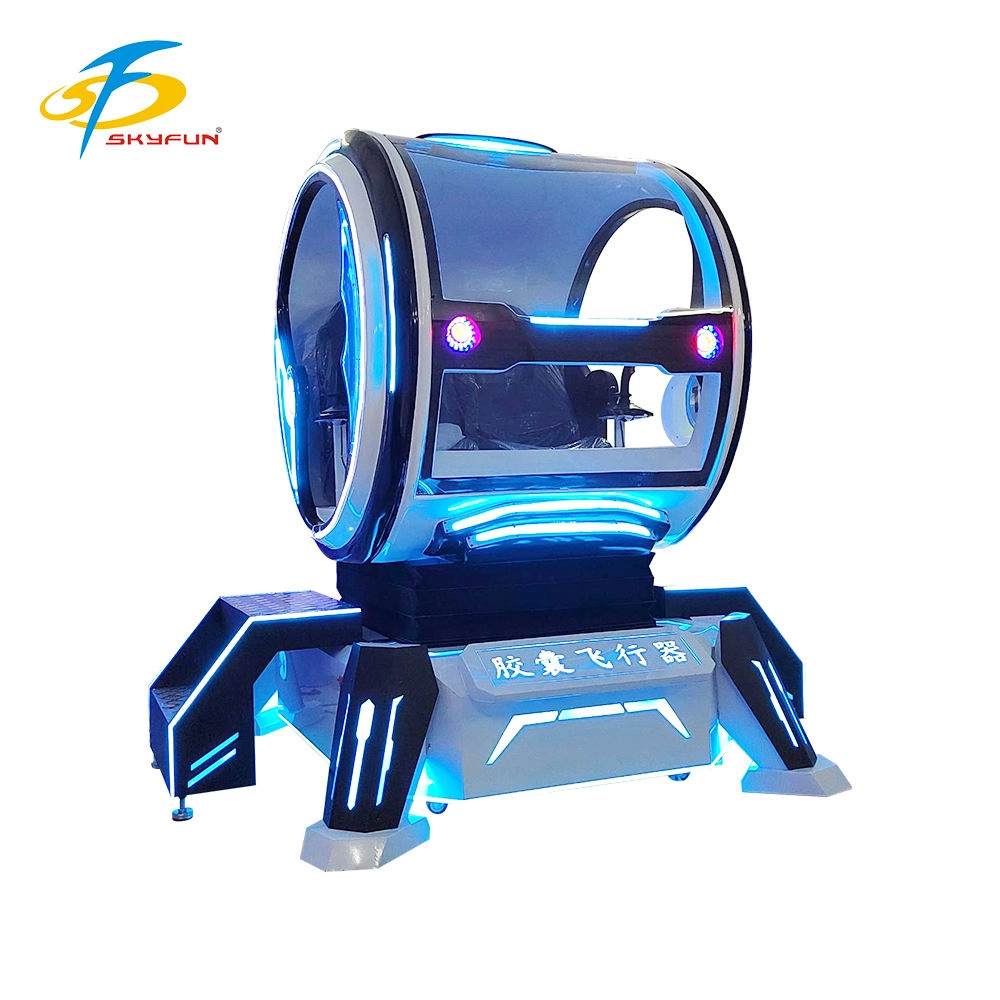
Double Player VR Flight Simulator 100 Movies 15 Games Coin-Operated Game Machine for Shopping Malls Amusement Parks
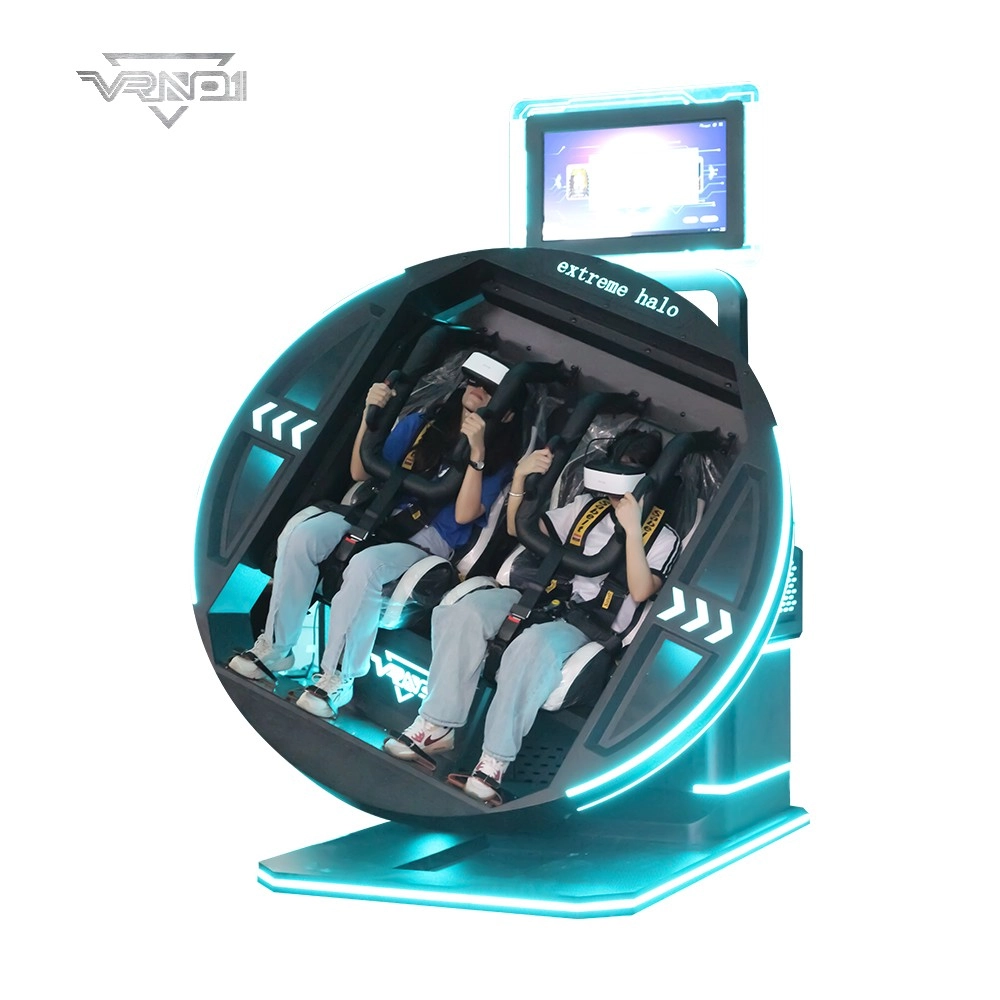
9D VR 360 Roller Coaster Cinema Chair Gaming Set Indoor/Outdoor Business Simulator Hardware for Home or School
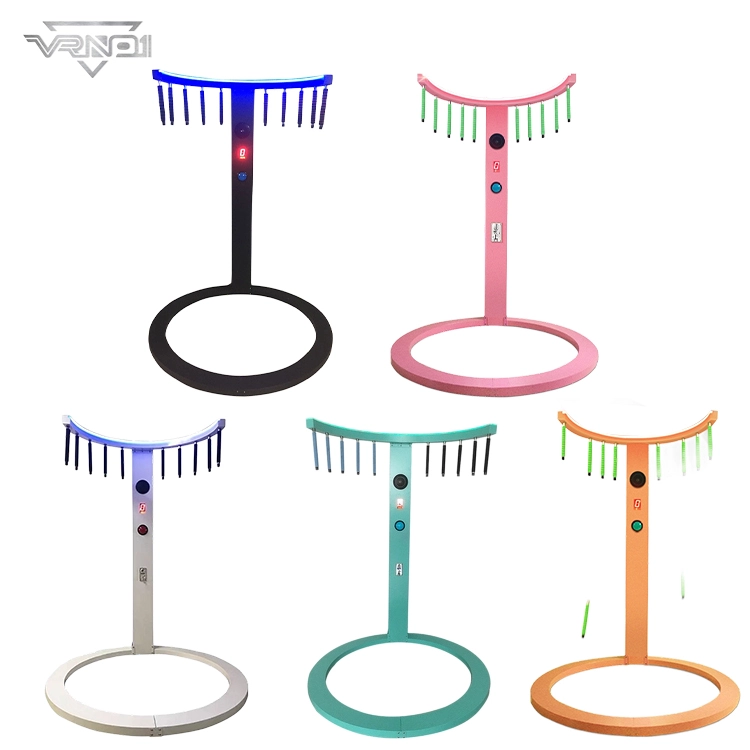
VRN0.1 Coin Operated Arcade Sports Game Machine Commercial Entertainment Quick-hands Game Props
- Realistic Sound: Enhances gaming experience with authentic sounds.
- Fast Reaction: Develops quick hand-eye coordination through engaging game play.
- DIY Kit: Allows for customization and personalization of the baton.
- Metal and Plastic Construction: Durable and robust build quality.
- Coin Operated: Fun for players who enjoy arcade-like experiences.
 Scan QR Code
Whatsapp: +8618127818571
Scan QR Code
Guangzhou Skyfun Technology Co.,Ltd
skyfunvrgame
skyfun game