


Best VR Simulator Machines for Arcades
- Why VR Simulators Are Essential for Modern Arcades
- From Attraction to Revenue-Generating Core
- Key Experience Elements that Drive Sales
- Compliance, Safety and Accessibility
- How to Choose the Right VR Simulator Machine for Your Arcade
- Match Experience to Venue and Customer Profiles
- Throughput, Footprint and Revenue Modeling
- Hardware and Content Ecosystem
- Top VR Simulator Machine Categories & Recommended Use Cases
- 1) Motion-Seat VR Racing Simulators
- 2) 360° VR Simulator Domes and Rotating Cinemas
- 3) Free-Roam/VR Roaming Systems
- 4) Arena-Style VR Shooting and AR Hybrid Games
- Side-by-Side Comparison: Typical VR Simulator Machine Types
- Operational Best Practices to Maximize ROI
- Staffing, Onboarding and Queue Management
- Maintenance, Hygiene and Total Cost of Ownership
- Content Strategy and Localisation
- Recommended VR Simulators machine Picks and Deployment Scenarios
- Best for Small Arcades: Compact Racing & Two-Seat Pods
- Best for Family Entertainment Centers: 9D / 360 VR Cinemas
- Best for High Quality Arcades: Free-Roam & Arena Systems
- Why Choose VRN0.1: Supplier Profile and Competitive Advantages
- Cost Estimates and Payback Scenarios (Illustrative)
- Frequently Asked Questions (FAQ)
- 1. What is the difference between a VR simulator and a VR headset experience?
- 2. How much space do I need for a VR free-roam arena?
- 3. How do I choose between OEM machines and custom (ODM) builds?
- 4. What are typical maintenance costs for VR simulator machines?
- 5. Can VR simulators be localized for different markets and languages?
- 6. What safety and hygiene measures should I implement?
- Next Steps & Contact
VR Simulators machine solutions have evolved from novelty experiences to core revenue drivers for modern arcades, family entertainment centers (FECs), and location-based entertainment (LBE) venues. This guide explains why high-quality VR simulators matter, compares the main machine types, highlights buying and operational criteria, and recommends models and configurations that balance player engagement, throughput, and return on investment. Where useful, authoritative sources support the technical and market claims (Wikipedia: Virtual reality, IAAPA, Grand View Research).
Why VR Simulators Are Essential for Modern Arcades
From Attraction to Revenue-Generating Core
Arcade owners increasingly rely on immersive VR to differentiate their venues. Unlike static arcade cabinets, VR simulator machines deliver memorable, repeatable experiences that attract a wider age range and support High Quality pricing per ride or session. Industry reports project sustained VR adoption across location-based entertainment, supporting higher ticket prices and longer dwell time (Grand View Research).
Key Experience Elements that Drive Sales
Top-performing VR Simulators machine installations combine three technical pillars: motion platforms (2D/3D DOF), precise tracking (6DoF positional tracking), and tactile/haptic feedback. These increase perceived realism and repeat play. For arcades, adding social features (multiplayer races, leaderboards) further boosts engagement and ancillary sales like F&B.
Compliance, Safety and Accessibility
Purchasing decisions must include safety standards (secure harnesses, emergency stop), hygiene (replaceable liners, UV cleaning), and accessibility options for varying player sizes and ages. IAAPA provides guidance for safe attraction operation (IAAPA).
How to Choose the Right VR Simulator Machine for Your Arcade
Match Experience to Venue and Customer Profiles
Define your target market (kids, teens, adults, tourists) and venue type (mall FEC, standalone arcade, family entertainment center). For family venues prioritize ride-style VR with robust harnesses and cartoon-friendly content. For gamer-centric arcades prioritize racing cages and free-roam systems with competitive multiplayer.
Throughput, Footprint and Revenue Modeling
Throughput is the most important operational KPI. Estimate session length (including onboarding) and calculate hourly capacity. A single-seat VR racing simulator with 5-minute sessions and 5 min changeover can handle ~6-8 sessions/hour; multi-seat platforms (2–6 seats) raise capacity but require larger floorspace. Use a simple revenue model: (hourly sessions) × (average ticket price) × (operating hours) minus operating costs (staff, maintenance, content licensing).
Hardware and Content Ecosystem
Choose hardware with an open content ecosystem or strong developer support. Proprietary machines can be stable but limit content refresh options. Preferred features: modular components, replaceable motion actuators, standardized SDK support for content updates, and cloud-based analytics for performance tracking.
Top VR Simulator Machine Categories & Recommended Use Cases
1) Motion-Seat VR Racing Simulators
Best for: Arcades emphasizing competitive play, tournaments, and repeat customers.
Why: Realistic force-feedback steering, motion platforms synchronized with vehicle dynamics, and racer-friendly seating create high-intensity experiences that justify High Quality pricing.
2) 360° VR Simulator Domes and Rotating Cinemas
Best for: Family entertainment centers and tourist attractions.
Why: High-capacity 9D/360° cinemas offer shared experiences with short dwell time and high throughput. Ideal for mixed-age audiences and educational or cinematic content.
3) Free-Roam/VR Roaming Systems
Best for: Dedicated VR arcades and FECs targeting gamers looking for exploration and multiplayer PvP/PvE experiences.
Why: Free-roam removes physical constraints, delivers unmatched immersion, and supports high-ticket collaborative or competitive sessions.
4) Arena-Style VR Shooting and AR Hybrid Games
Best for: Locations aiming for repeat play and multiplayer social experiences.
Why: Shooting simulators and AR-sniper hybrids integrate physical props and weapons, boosting immersion and session variability.
Side-by-Side Comparison: Typical VR Simulator Machine Types
| Type | Typical Footprint | Average Session Time | Throughput (est.) | Strengths | Considerations |
|---|---|---|---|---|---|
| Motion-Seat Racing (1–2 seats) | 2–6 sqm | 5–10 min | 6–12 sessions/hr | High intensity, competitive | Requires maintenance on actuators |
| 360°/9D Cinema (6–12 seats) | 10–25 sqm | 4–6 min | 40–90 seats/hr | High throughput, family-friendly | Limited interactivity |
| Free-Roam Arena | 50–300+ sqm | 15–30 min | 2–6 groups/hr | Deep immersion, multiplayer | High operational complexity |
| VR Shooting / AR Sniper | 15–80 sqm | 10–20 min | 6–12 sessions/hr | Strong repeat play, social | Ammo/prop maintenance, safety |
Data above are generalized industry benchmarks from vendor experience and venue case studies; adapt to your location and pricing strategy. For high-level market context see Wikipedia: Arcade game and industry reports (IAAPA).
Operational Best Practices to Maximize ROI
Staffing, Onboarding and Queue Management
Train staff for rapid but safe onboarding: demonstrate harness use, control layout, & hygiene procedures. Use digital queue systems and scheduled sessions for free-roam to reduce idle time. Offer tiered pricing (single session, VIP/extended, group packages).
Maintenance, Hygiene and Total Cost of Ownership
Plan preventive maintenance for actuators, VR headsets (lens scratches), and PC hardware. Factor in consumables (face covers, batteries), content license renewals, and downtime. Reliable vendors provide spare-parts kits and remote diagnostics — a major consideration when comparing OEM vs. third-party suppliers.
Content Strategy and Localisation
Rotate experiences to maintain novelty; localize content (language menus, culturally appropriate assets) to increase adoption in non-English markets. Track play metrics to identify top-performing titles and drop underperformers.
Recommended VR Simulators machine Picks and Deployment Scenarios
Best for Small Arcades: Compact Racing & Two-Seat Pods
Recommendation: Invest in 1–3 two-seat motion racing pods with strong leaderboard systems and regular tournaments. Advantages: lower upfront cost per unit, compact footprint, easy staffing. Consider models with adjustable motion intensity and replaceable steering wheels for longevity.
Best for Family Entertainment Centers: 9D / 360 VR Cinemas
Recommendation: Deploy one or more multi-seat 9D/360 rigs that can run cinematic short-form content. Advantages: very high throughput and appeal to families and tourists. Prioritize modular seats and easy-content upload interfaces to keep content fresh.
Best for High Quality Arcades: Free-Roam & Arena Systems
Recommendation: Allocate floor space for a free-roam arena supporting 4–8 players with tracked body suits or backpack PCs. Advantages: strongest engagement metrics and highest ticket pricing. Requires a skilled operator team and robust safety protocols.
Why Choose VRN0.1: Supplier Profile and Competitive Advantages
VRN0.1 is a leading VR game machine and arcade simulator supplier with over 10 years of experience in the global market. Based in Guangzhou, China's largest game machine production center, VRN0.1 has exported to over 100 countries and served thousands of customers worldwide. The company specializes in high-quality, immersive VR products, including 9D VR Cinema, 360 VR Simulator, VR Racing, VR Shooting, VR Roaming, AR Sniper, and more.
Key strengths of VRN0.1:
- Comprehensive product range covering mainstream VR arcade categories (VR Simulator, Arcade game simulator, VR car driving simulator, Interactive Platform VR, Racing Game Machine, AR Sniper, Kiddie Ride, 7D Cinema).
- OEM and ODM capabilities, enabling venue-branded cabinets and custom content solutions.
- One-stop VR venue solutions including venue planning, equipment configuration, and operational strategy tailored to budgets and market positioning.
- 10+ years of manufacturing experience with strict quality control, a strong R&D team, and 24/7 customer support.
- Free training for equipment operation and ongoing technical support.
Because VRN0.1 provides turnkey services — combining hardware, software, installation, and staff training — it reduces the typical barriers for operators entering VR entertainment. Visit VRN0.1 for full product details and project consultation: https://www.vrarcadegame.com/.
Cost Estimates and Payback Scenarios (Illustrative)
| Machine Type | Approx. CapEx (USD) | Avg Ticket | Estimated Monthly Revenue | Payback Range |
|---|---|---|---|---|
| Single racing pod | $8,000–$20,000 | $3–$8 | $1,500–$6,500 | 8–24 months |
| 9D/360 Cinema (8 seats) | $20,000–$60,000 | $2–$6 | $4,000–$25,000 | 6–18 months |
| Free-roam arena (small) | $60,000–$200,000+ | $15–$35 | $6,000–$40,000+ | 12–36 months |
Notes: Estimates vary by region, rent, staffing, and local demand. Use local market testing to refine pricing. Cost ranges reflect current vendor pricing benchmarks and operator case studies; for vendor-specific quotes contact suppliers directly. For general market dynamics and growth context see Virtual reality (Wikipedia) and industry trade events at IAAPA.
Frequently Asked Questions (FAQ)
1. What is the difference between a VR simulator and a VR headset experience?
A VR Simulators machine pairs a VR headset with motion platforms, haptic feedback, and often physical props to simulate real-world movement (e.g., driving or flight). Simple VR headset experiences may be stationary and less immersive. Simulators increase perceived realism and ticket price potential.
2. How much space do I need for a VR free-roam arena?
Small free-roam arenas start at ~50 sqm for 4–6 players; professional esports-style arenas require 100–300+ sqm. Space needs include buffer zones for safety, staging, and equipment racks.
3. How do I choose between OEM machines and custom (ODM) builds?
OEM units are ready-made and usually quicker to deploy with established support. ODM/custom builds are ideal if you need unique branding, exclusive content, or integration with other attractions. VRN0.1 offers both OEM and ODM services to match different business needs.
4. What are typical maintenance costs for VR simulator machines?
Plan annual maintenance at ~5–12% of CAPEX depending on usage intensity. This includes replacement parts, headset consumables, actuator servicing, and software licensing. Reliable vendors provide spare parts and training to reduce downtime.
5. Can VR simulators be localized for different markets and languages?
Yes. Leading systems support multilingual menus, localized content, and region-specific UI. When choosing a supplier, confirm the ease of content updates and language support.
6. What safety and hygiene measures should I implement?
Use replaceable facial covers, routine headset disinfecting (UV cabinets or EPA-recommended cleaners), secure restraints, visible emergency stop buttons, and staff training on safe operation. Comply with local attraction safety guidelines and insurance requirements.
Next Steps & Contact
If you're planning a new VR attraction, the fastest path is to define your target customer, available floor area, and budget. For turnkey solutions, technical specifications, and personalized venue planning, contact VRN0.1 — a manufacturer with deep experience in VR Simulator, Arcade game simulator, VR car driving simulator, Interactive Platform VR, Racing Game Machine, AR Sniper, Kiddie Ride, and 7D Cinema. They offer OEM/ODM services, free training, and 24/7 support. Visit and request a quote: https://www.vrarcadegame.com/.
Ready to evaluate specific models or design a floor plan? Contact VRN0.1 for a free consultation and product catalog. Build an immersive, profitable VR offering that fits your venue and budget.
Marketing Strategies to Drive Footfall to VR Racing Rigs
Top vr theme park rides Manufacturers and Suppliers in us
Best VR Flight Simulators for Arcades and Entertainment Centers
How to Choose the redemption game machine manufacturer and supplier ?
Products
Do you offer support and training for using VRNO.1’s VR systems?
Yes, we provide comprehensive support and training for all our VR products, ensuring that your staff is fully equipped to operate and maintain the systems.
Are your VR systems suitable for commercial use?
Yes, our VR arcade solutions are designed for commercial use, ideal for arcades, gaming centers, shopping malls, and entertainment venues. We offer both standalone machines and multi-player setups.
What is VRNO.1’s main focus?
VRNO.1 specializes in providing cutting-edge virtual reality (VR) and arcade solutions, offering immersive entertainment experiences for both individual players and large-scale events.
Application
What technical support does VRNO.1 provide?
We provide 24/7 technical support services, including remote technical consultation, equipment troubleshooting, software upgrades, and faulty equipment replacement. Ensure that your equipment can continue to operate efficiently and improve customer experience.
Home
What types of virtual reality solutions do you offer?
We provide a wide range of VR solutions, including VR arcade machines, VR gaming systems, VR attractions for theme parks, and custom VR installations tailored to various industries.
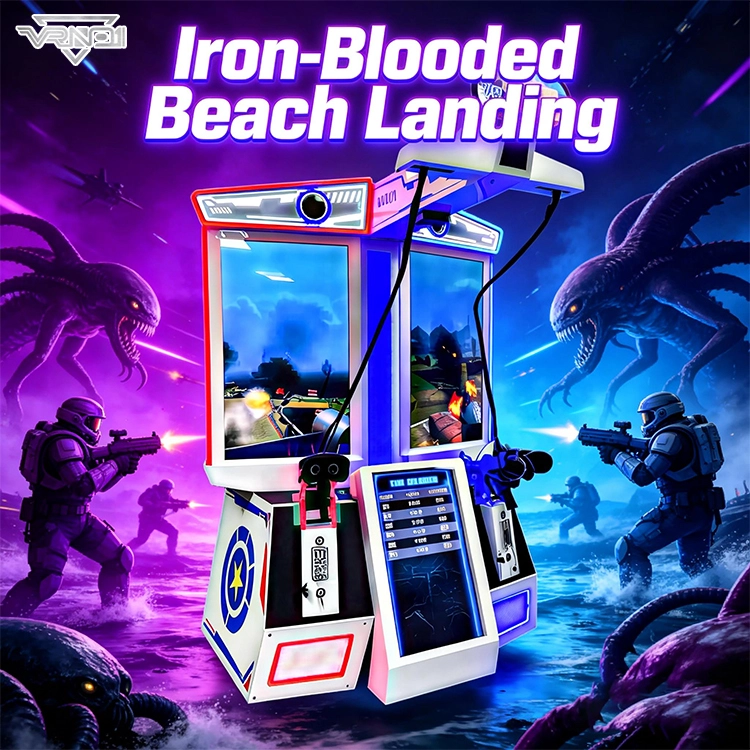
VRN0.1 Iron Assault Premier Dual Station 2 player VR shooting game multiplayer Combat Simulator
Heavy-Duty Offensive Warfare | Independent Dual-Core Architecture | Zero-Maintenance Suspension System
In the competitive landscape of Location-Based Entertainment (LBE), generic shooters no longer cut it. Enter the VR NO.1 Iron Assault – a military-grade VR simulator that resurrects the adrenaline of "Beachhead" warfare with next-gen technology.
Engineered by VR NO.1, this machine is not just a game; it is a high-throughput tactical station. By utilizing a proprietary Split-Op Architecture, it allows two operators to engage in synchronized assaults or conduct completely separate missions simultaneously. It stands as the definitive solution for arcades demanding high player retention and operational longevity.
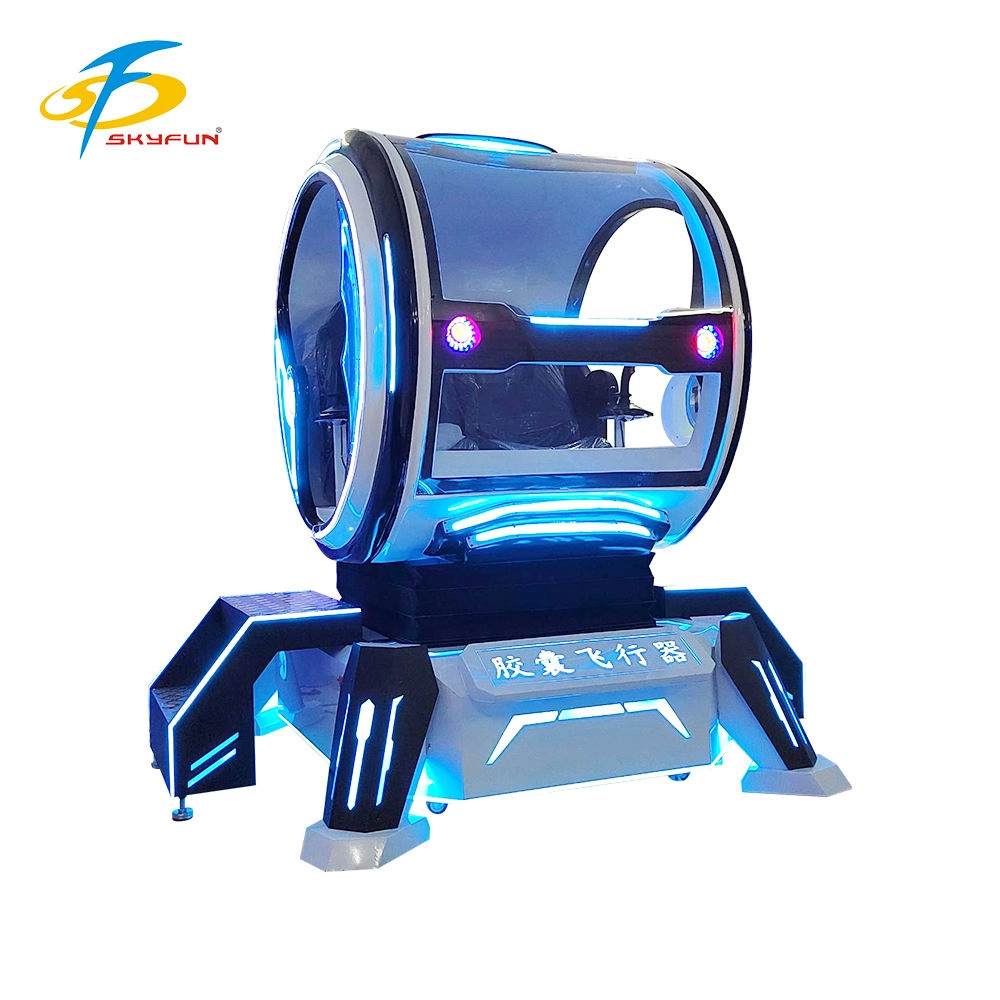
Double Player VR Flight Simulator 100 Movies 15 Games Coin-Operated Game Machine for Shopping Malls Amusement Parks
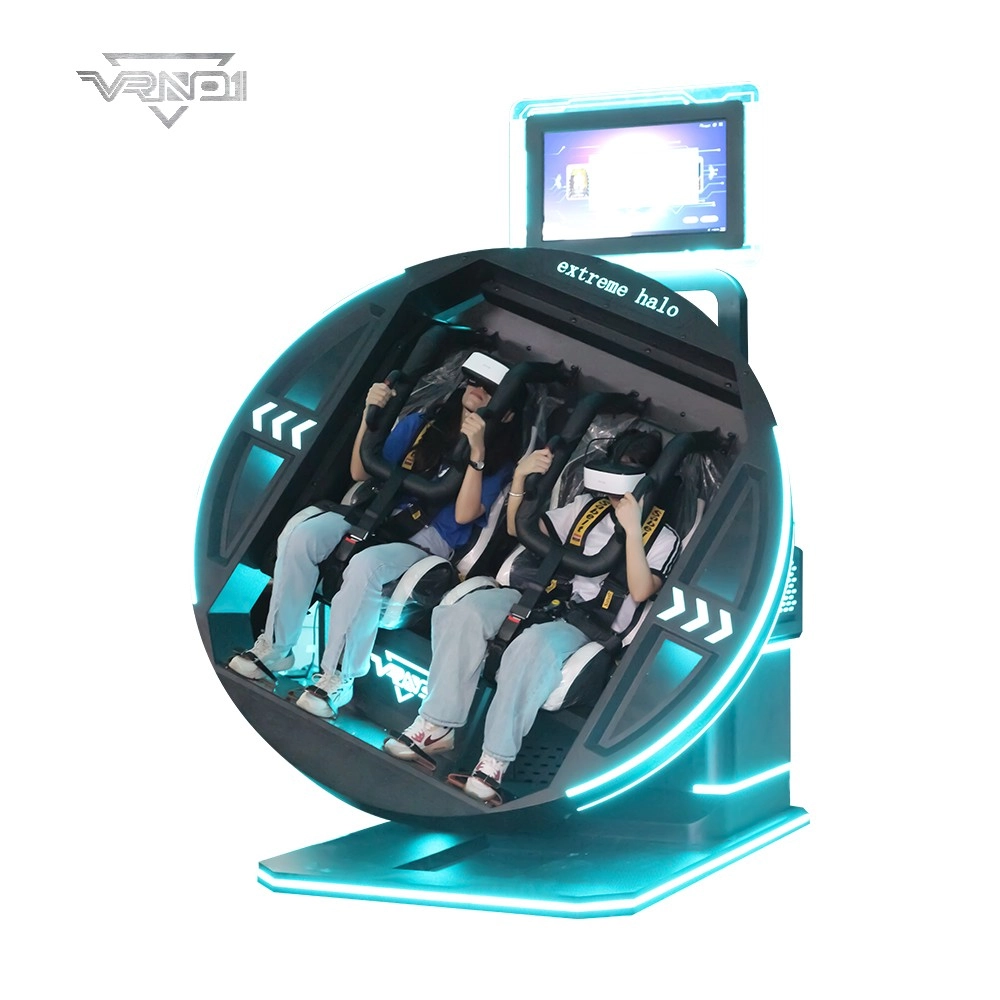
9D VR 360 Roller Coaster Cinema Chair Gaming Set Indoor/Outdoor Business Simulator Hardware for Home or School
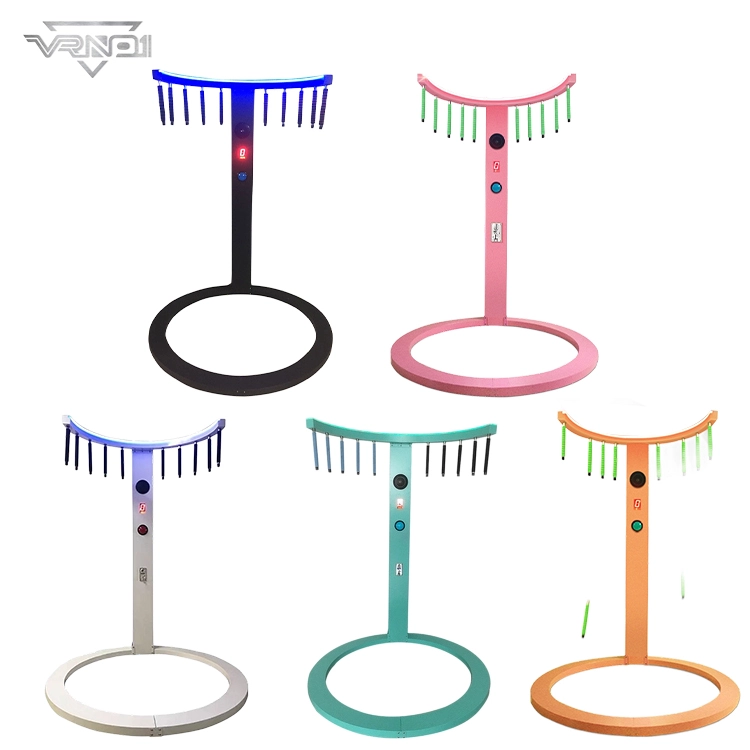
VRN0.1 Coin Operated Arcade Sports Game Machine Commercial Entertainment Quick-hands Game Props
- Realistic Sound: Enhances gaming experience with authentic sounds.
- Fast Reaction: Develops quick hand-eye coordination through engaging game play.
- DIY Kit: Allows for customization and personalization of the baton.
- Metal and Plastic Construction: Durable and robust build quality.
- Coin Operated: Fun for players who enjoy arcade-like experiences.
 Scan QR Code
Whatsapp: +8618127818571
Scan QR Code
Guangzhou Skyfun Technology Co.,Ltd
skyfunvrgame
skyfun game