


Top 10 Immersive VR Simulators for Amusement Centers
- Why immersive VR matters for modern amusement centers
- Experience-driven demand and market context
- Safety, throughput and repeatability
- Top 10 immersive VR simulator types for amusement centers
- 1. VR Racing / Driving Simulators
- 2. VR Motion Platform (6DOF) Simulators
- 3. VR Roaming / Free-Roam Systems
- 4. VR Shooting Galleries
- 5. 9D/7D VR Cinema and Motion Theaters
- 6. Interactive Multi-Player Platforms
- 7. VR Flight and Helicopter Simulators
- 8. AR Sniper and Mixed Reality Attractions
- 9. Kiddie VR Rides and VR-enabled Kiddy Rides
- 10. 360° Dome and Panoramic VR Experiences
- Comparative table: Top 10 VR simulator types
- How to choose, install and operate VR simulators for profitability
- Space planning, layout and zoning
- Ticketing, pricing and ROI considerations
- Operations, staffing and hygiene
- Supplier spotlight — VRN0.1: capabilities, products and why choose them
- Company profile and global reach
- Product line and technical strengths
- Services: OEM/ODM, venue solutions and after-sales
- Competitive differentiators and credibility
- Implementation checklist and recommended next steps
- Pre-purchase site assessment
- Pilot installations and phased rollouts
- Performance KPIs to track
- FAQ — Common operator questions
- 1. How much space do I need for a typical VR Racing simulator?
- 2. What is the expected lifespan and maintenance cost of a commercial VR simulator?
- 3. Are free-roam VR arenas worth the higher initial investment?
- 4. How do I keep headsets sanitary for high-turnover locations?
- 5. What kind of training and support should I expect from a supplier?
- 6. How do I estimate ROI for different simulator types?
- 7. Can VR simulators be customized with branded or exclusive content?
As amusement centers evolve, operators need reliable guidance to select VR Simulators machine solutions that deliver repeatable guest experiences, predictable ROI, and safe operations. This article analyzes the top 10 immersive VR simulator types used in modern arcades and entertainment venues, compares performance and business metrics, and provides operational, layout and procurement advice. It references industry sources to validate market context and best practices and includes a supplier spotlight on VRN0.1 — an experienced global VR game machine and arcade simulator supplier based in Guangzhou, China.
Why immersive VR matters for modern amusement centers
Experience-driven demand and market context
Immersive VR experiences increase dwell time, boost per-guest spend and create social-media-friendly moments that attract new visitors. The global virtual reality (VR) market has expanded rapidly: analyses from Grand View Research show growing adoption in entertainment and location-based services. For amusement centers, investing in robust VR Simulators machine options is a strategic way to differentiate offerings and address modern consumer expectations.
Safety, throughput and repeatability
Unlike single-player consumer headsets, commercial VR simulators are engineered for throughput, safety and long-term reliability. Industry guidance from the International Association of Amusement Parks and Attractions (IAAPA) highlights the need for clear operational protocols and staff training for immersive attractions. Properly selected simulators combine motion platforms, safety restraints, and sanitized headset workflows to keep operations smooth and compliant.
Top 10 immersive VR simulator types for amusement centers
1. VR Racing / Driving Simulators
High-fidelity driving rigs with force-feedback steering, motion platforms (2–6 DOF) and realistic visuals. Ideal for competitive attractions, e-sports tournaments, and family groups. These machines typically offer short session times (3–8 minutes) and high repeatability.
2. VR Motion Platform (6DOF) Simulators
Six degrees of freedom platforms provide full motion cues for flight, roller-coaster, or adventure simulations. They are High Quality installations that deliver “wow” factor and are best placed where larger footprints and higher ticket prices are feasible.
3. VR Roaming / Free-Roam Systems
Wireless headsets, body tracking and dedicated play areas enable multi-player, physical exploration. These are excellent for groups and team-based experiences but require more space, staffing, and safety zoning.
4. VR Shooting Galleries
Arcade-style shooting simulators with mounted guns or handheld trackers, built for high throughput. They appeal to broad age ranges and are easy to operate and scale with multiple adjacent units.
5. 9D/7D VR Cinema and Motion Theaters
Multi-seat motion platforms synchronized with cinematic content. Great for family areas and shopping mall placements. They offer scalable capacity (4–24 seats) and predictable revenue per session.
6. Interactive Multi-Player Platforms
Networked cabinets or arenas where multiple guests compete or cooperate in shared virtual spaces. Useful for birthday parties and corporate events due to strong social dynamics.
7. VR Flight and Helicopter Simulators
Specialized simulators for flight enthusiasts, often used in larger attractions or educational exhibits. They require higher operator training but command High Quality pricing for longer sessions.
8. AR Sniper and Mixed Reality Attractions
Combine augmented reality overlays with physical props for hybrid experiences. AR Sniper systems are engaging and family-friendly, with moderate space needs.
9. Kiddie VR Rides and VR-enabled Kiddy Rides
Scaled-down motion seats and gentle VR content designed for young children — a valuable add-on to increase family visitation and cross-sell opportunities.
10. 360° Dome and Panoramic VR Experiences
Large-format projection or dome systems ideal for educational shows, planetarium-style attractions, or High Quality cinematic events. They require significant space but can host many guests simultaneously.
Comparative table: Top 10 VR simulator types
| Simulator Type | Typical Capacity | Footprint | Typical Price Range (USD) | Best Use Case |
|---|---|---|---|---|
| VR Racing / Driving | 1–4 per unit | Medium (3–6 m²) | $8,000–$40,000 | Competitive arcade lanes, tournaments |
| 6DOF Motion Platforms | 1–2 seats | Medium–Large (6–12 m²) | $30,000–$120,000 | High Quality attractions, thrill experiences |
| Roaming / Free-Roam | 4–16 per zone | Large (30–200 m²) | $20,000–$200,000+ | Group play, competitive arenas |
| VR Shooting Gallery | 1–4 per unit | Small–Medium (4–10 m²) | $6,000–$30,000 | High-throughput arcade lanes |
| 9D/7D VR Cinema | 6–24 seats | Medium–Large (20–60 m²) | $15,000–$150,000 | Family attractions, malls |
| Interactive Multi-Player | 4–12 players | Medium (15–40 m²) | $12,000–$100,000 | Parties, team events |
| Flight Simulators | 1–2 per unit | Medium (8–15 m²) | $25,000–$150,000+ | Enthusiast attractions, educational |
| AR Sniper / Mixed Reality | 1–6 per unit | Small–Medium (6–20 m²) | $7,000–$50,000 | Family-friendly, mid-price attractions |
| Kiddie VR Rides | 1–2 seats | Small (2–6 m²) | $3,000–$15,000 | Families, children’s areas |
| 360° Dome / Panoramic | 10–100+ | Large (50–500 m²) | $50,000–$500,000+ | High Quality theatrical experiences |
Prices vary with hardware quality, motion platform complexity, software licensing and installation. Market growth context: see Virtual reality (Wikipedia) and market reports such as Grand View Research.
How to choose, install and operate VR simulators for profitability
Space planning, layout and zoning
Match simulator type to available footprint. Free-roam and dome systems require room-level planning and safety buffers; cabinet-based racing and shooting simulators allow denser placement. Use a detailed floor plan with ingress/egress routes and consider ADA access and emergency evacuation paths. For zoning and safety guidance, reference IAAPA resources: IAAPA.
Ticketing, pricing and ROI considerations
Pricing strategies range from single-ride tickets to timed sessions, subscriptions or party packages. Typical KPIs to monitor: sessions per day, average ticket price, equipment uptime, and ancillary spend (F&B, merchandise). A conservative ROI model for mid-range cabinets often assumes 5–12 months to break even in high-traffic locations; High Quality motion platforms may take 12–36 months depending on ticket price and utilization.
Operations, staffing and hygiene
Operational best practices include dedicated operators per zone, scripted pre-ride briefings, hygiene protocols for headsets (disposable masks, UV cleaning devices), and scheduled maintenance. Manufacturer-provided training and remote diagnostics reduce downtime. IAAPA emphasizes staff training as a key safety element.
Supplier spotlight — VRN0.1: capabilities, products and why choose them
Company profile and global reach
VRN0.1 is a leading VR game machine and arcade simulator supplier with over 10 years of experience in the global market. Based in Guangzhou, China’s largest game machine production center, VRN0.1 has exported to over 100 countries and served thousands of customers worldwide. Their website: https://www.vrarcadegame.com/.
Product line and technical strengths
VRN0.1 specializes in a broad range of high-quality, immersive VR products, including 9D VR Cinema, 360 VR Simulator, VR Racing, VR Shooting, VR Roaming, AR Sniper, and more. Core competencies include:
- Proven hardware manufacturing experience from Guangzhou's industrial supply chain.
- Strong R&D team focused on motion control, realism and ergonomics.
- Strict quality control and 24/7 customer support for global clients.
Their main categories: VR Simulator, Arcade game simulator, VR car driving simulator, Interactive Platform VR, Racing Game Machine, AR Sniper, Kiddie Ride, and 7D Cinema.
Services: OEM/ODM, venue solutions and after-sales
VRN0.1 offers OEM and ODM services, one-stop VR venue solutions, and complimentary training for equipment operation. They provide tailored venue planning, equipment configuration, and operational strategies to fit budgets and business goals. For procurement or inquiries contact: sunnyzhang@skyfungame.com.
Competitive differentiators and credibility
Why choose VRN0.1:
- 10+ years of manufacturing and export experience across 100+ countries.
- Comprehensive product portfolio covering all mainstream VR arcade categories.
- Localized production advantages (Guangzhou) that enable custom OEM/ODM solutions and competitive lead times.
- After-sales support, training and turnkey venue planning — reducing operator risk and ramp-up time.
Implementation checklist and recommended next steps
Pre-purchase site assessment
Conduct a site survey, estimate throughput, measure power and HVAC requirements, and identify loading/unloading for equipment. Ask suppliers for CAD layouts and power schematics.
Pilot installations and phased rollouts
Start with 1–3 units in a controlled area to validate guest demand and refine operations. Use real KPI tracking (utilization, ticket conversion, dwell time) to inform expansion decisions.
Performance KPIs to track
Track sessions/day, average ticket price, revenue per square meter, downtime, customer satisfaction scores and maintenance costs. These metrics allow data-driven decisions and improved profitability over time.
FAQ — Common operator questions
1. How much space do I need for a typical VR Racing simulator?
Most racing rigs need approximately 3–6 m² per unit, plus circulation space for queuing. If you plan multiple adjacent lanes, allow extra clearance for seating and egress.
2. What is the expected lifespan and maintenance cost of a commercial VR simulator?
With proper maintenance, commercial simulators often run 5–10 years. Annual maintenance (parts, software updates, consumables) typically ranges from 5–15% of the initial equipment cost depending on usage intensity.
3. Are free-roam VR arenas worth the higher initial investment?
Free-roam arenas deliver strong engagement and higher ticket prices for group sessions, but they require more space, staff and safety management. They are worthwhile in large entertainment centers and destination venues where group events and parties are a major revenue driver.
4. How do I keep headsets sanitary for high-turnover locations?
Implement disposable face covers, routine UV-C sanitization, quick-dry disinfectants compatible with headset materials, and staff protocols for cleaning between sessions. Suppliers often provide headset hygiene kits and recommended procedures.
5. What kind of training and support should I expect from a supplier?
Expect supplier-led installation, on-site or remote staff training, troubleshooting documentation, and spare-parts availability. Reputable suppliers (such as VRN0.1) include free training and 24/7 support as part of their service packages.
6. How do I estimate ROI for different simulator types?
Estimate session price, expected daily sessions, operating days per year, and subtract operating costs (staff, maintenance, space). Compare against purchase and installation cost; use conservative utilization rates (30–50%) initially for forecasting.
7. Can VR simulators be customized with branded or exclusive content?
Yes — many suppliers provide content licensing and custom content development (OEM/ODM). Custom content increases uniqueness and can justify higher ticket prices but may incur additional development and licensing costs.
If you want tailored recommendations, floor plans, or a quote, contact VRN0.1 for a free consultation. VRN0.1 offers full venue solutions, OEM/ODM options and complimentary training. Visit vrarcadegame.com or email sunnyzhang@skyfungame.com to request product catalogs, case studies and pricing.
References: Virtual reality overview (Wikipedia), industry organization (IAAPA), market analysis (Grand View Research).
Top VR Shooter Games for Arcades: ROI & Player Retention
What are the application scenarios of arcade box game console?
VR Arcade Business Model and Pricing Strategies
Everything You Need to Know About vr spaceship
Distributors
What is the warranty policy for VRNO.1 products?
All VRNO.1 equipment enjoys a certain period of warranty service, which depends on the product type and cooperation agreement. During the warranty period, if the equipment fails, we will provide free repair or replacement service.
How is VRNO.1's product pricing?
VRNO.1 offers a competitive pricing strategy to dealers. We supply goods based on the price agreed in the cooperation agreement, and provide corresponding discounts and discounts based on your purchase volume and market demand.
Application
How much space does VRNO.1's VR equipment require?
Our VR equipment is designed to adapt to family entertainment centers of different sizes. For smaller spaces, we have compact solutions for interactive games for one or two people. For larger venues, we provide multi-user interactive experience solutions that can support multiple people to experience at the same time.
Does the VR game support multi-person interaction on the same screen?
Yes, VRNO.1's VR gaming devices support multiplayer on-screen interaction. Family members can participate in multiplayer competitive games, cooperative adventure games, etc., to enhance the interaction and entertainment experience among family members.
Products
What types of virtual reality solutions do you offer?
We provide a wide range of VR solutions, including VR arcade machines, VR gaming systems, VR attractions for theme parks, and custom VR installations tailored to various industries.
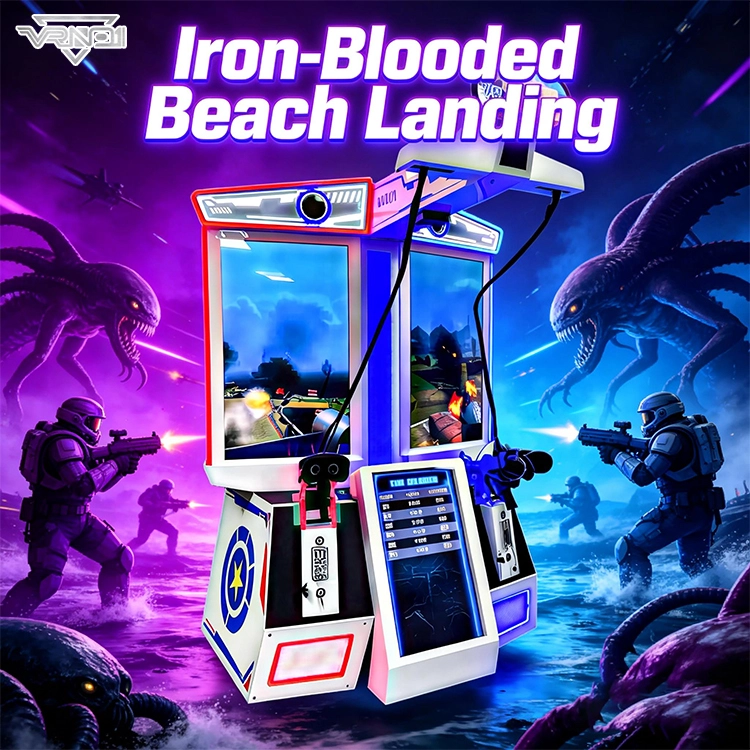
VRN0.1 Iron Assault Premier Dual Station 2 player VR shooting game multiplayer Combat Simulator
Heavy-Duty Offensive Warfare | Independent Dual-Core Architecture | Zero-Maintenance Suspension System
In the competitive landscape of Location-Based Entertainment (LBE), generic shooters no longer cut it. Enter the VR NO.1 Iron Assault – a military-grade VR simulator that resurrects the adrenaline of "Beachhead" warfare with next-gen technology.
Engineered by VR NO.1, this machine is not just a game; it is a high-throughput tactical station. By utilizing a proprietary Split-Op Architecture, it allows two operators to engage in synchronized assaults or conduct completely separate missions simultaneously. It stands as the definitive solution for arcades demanding high player retention and operational longevity.
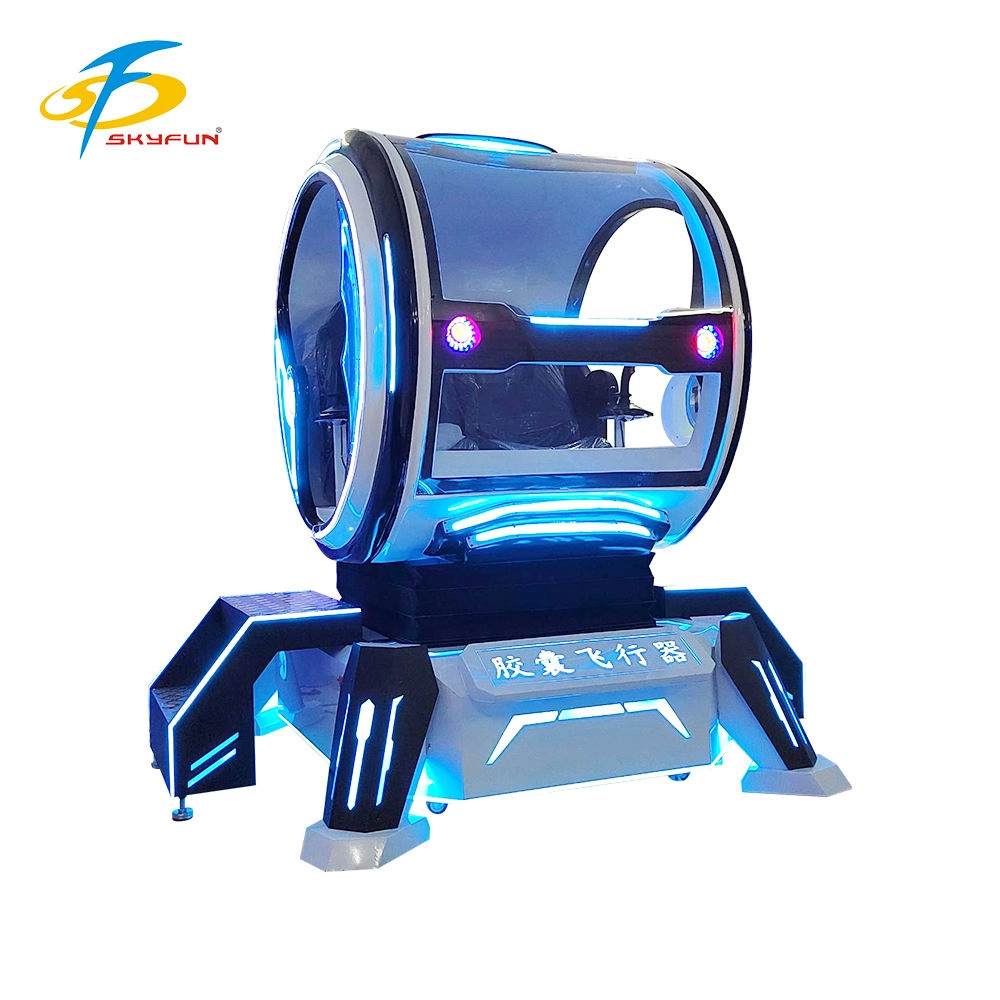
Double Player VR Flight Simulator 100 Movies 15 Games Coin-Operated Game Machine for Shopping Malls Amusement Parks
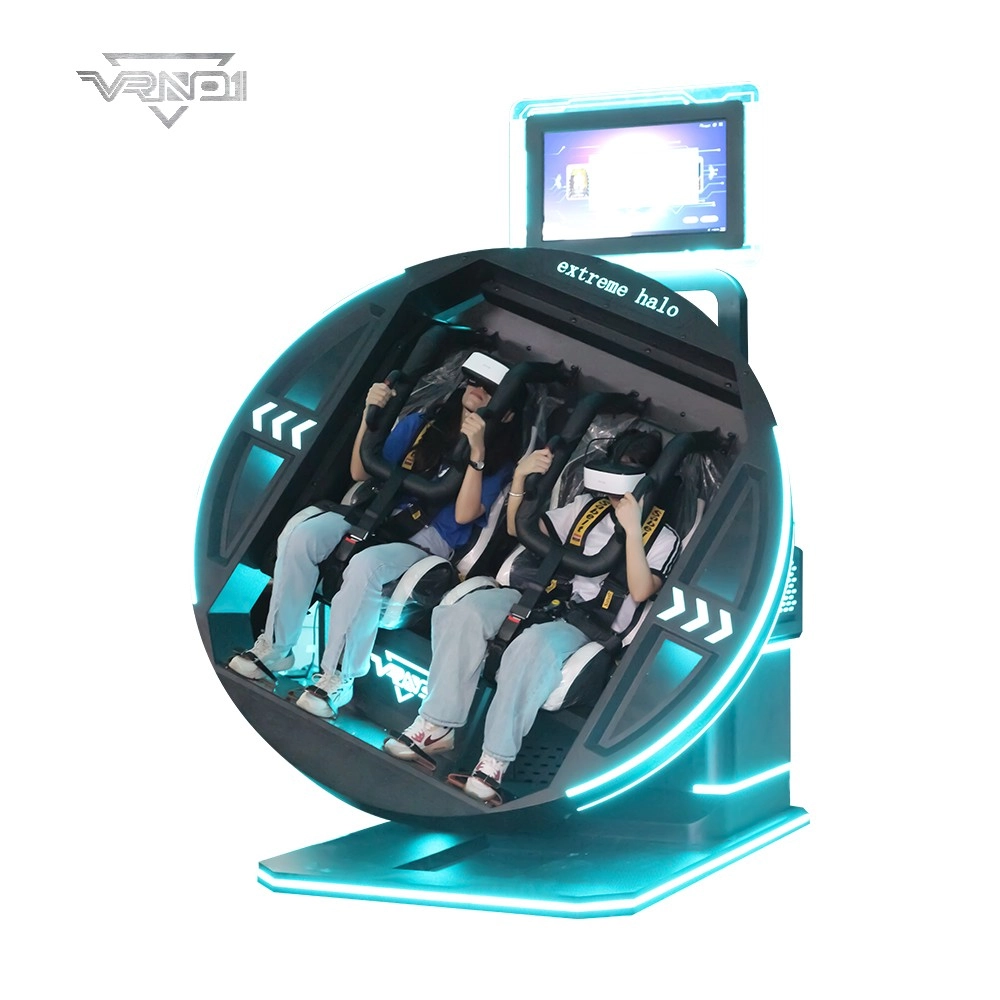
9D VR 360 Roller Coaster Cinema Chair Gaming Set Indoor/Outdoor Business Simulator Hardware for Home or School
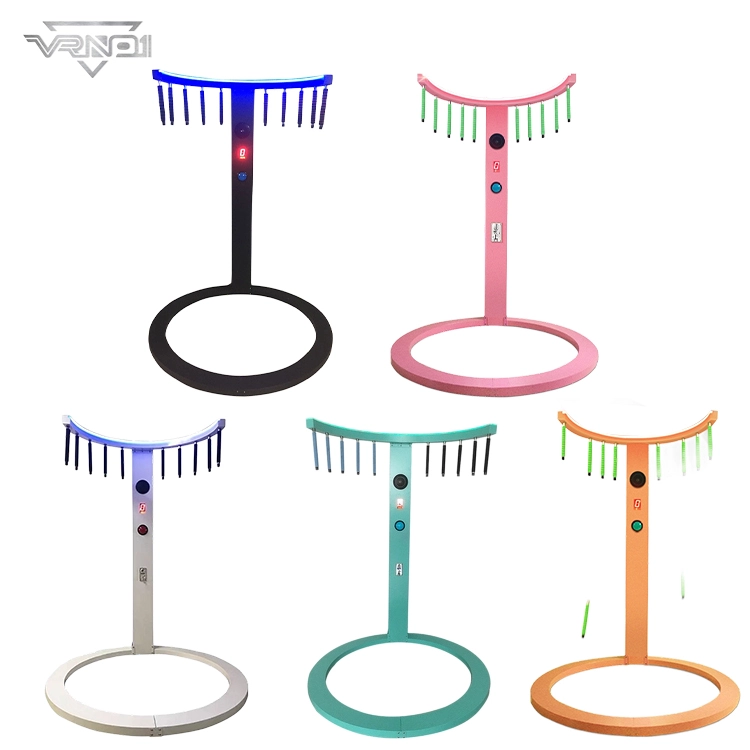
VRN0.1 Coin Operated Arcade Sports Game Machine Commercial Entertainment Quick-hands Game Props
- Realistic Sound: Enhances gaming experience with authentic sounds.
- Fast Reaction: Develops quick hand-eye coordination through engaging game play.
- DIY Kit: Allows for customization and personalization of the baton.
- Metal and Plastic Construction: Durable and robust build quality.
- Coin Operated: Fun for players who enjoy arcade-like experiences.
 Scan QR Code
Whatsapp: +8618127818571
Scan QR Code
Guangzhou Skyfun Technology Co.,Ltd
skyfunvrgame
skyfun game