

What are the required space and footprint for installing a vr standing platform? | VRN0.1 Expert Guide
- Understanding Space and Footprint Requirements for VR Standing Platforms
- What Are the Key Factors Affecting VR Platform Space Requirements?
- How Much Does Installation Cost Beyond Space Allocation?
- What Safety Standards Should Be Considered During Installation?
- How to Choose the Right Supplier for VR Arcade Equipment?
- What Are the Latest Trends in VR Arcade Technology to Consider During Procurement?
Understanding Space and Footprint Requirements for VR Standing Platforms
Virtual Reality (VR) standing platforms are increasingly popular in game centers and arcades, offering immersive experiences for users. However, one of the primary concerns for businesses is understanding the space and footprint needed for installation. On average, a single VR standing platform requires a minimum area of 2-3 square meters (approximately 21-32 square feet) to ensure user movement and safety, as per guidelines from manufacturers like Owatch™ and Movie Power. This space accounts for the platform itself, user movement range, and safety barriers. For multi-user platforms or those with additional features like motion simulators, the requirement can increase to 5-10 square meters (54-108 square feet) per unit, depending on the model and game type.
Beyond the physical footprint, installation space must consider ceiling height for overhead tracking systems (typically 2.5-3 meters or 8-10 feet) and clearance from walls or other equipment to prevent user collisions. These specifications are crucial for arcade owners to plan layouts effectively and maximize the number of units in a given space without compromising user safety or experience.
What Are the Key Factors Affecting VR Platform Space Requirements?
Several factors influence the space needed for a VR standing platform. First, the type of VR system plays a role—standalone platforms with minimal hardware require less space compared to tethered systems with external sensors or motion rigs. Second, the intended application (gaming, education, or training) determines user movement; high-action games need more room than static experiences. Third, safety zones are critical—most manufacturers recommend a 1-meter (3.3 feet) buffer around the platform to prevent accidents. Lastly, local building codes and accessibility regulations may impose additional spacing requirements, especially in public venues like arcades.
How Much Does Installation Cost Beyond Space Allocation?
Procurement in the VR and arcade machine industry goes beyond space planning to include installation costs. Setting up a VR standing platform can range from $500 to $2,000 per unit for basic models, covering mounting hardware, wiring, and calibration, based on industry insights from suppliers like Marwey Arcade. Advanced setups with custom enclosures or multi-player configurations can push costs to $5,000 or more. Additionally, arcade owners should budget for ongoing maintenance and software updates, which can add 10-15% of the initial cost annually. These figures help businesses forecast total investment during procurement.
What Safety Standards Should Be Considered During Installation?
Safety is paramount when installing VR standing platforms, as users are often disoriented in virtual environments. Compliance with international safety standards like ISO 9241 (ergonomics of human-system interaction) is recommended. Physical safety measures include non-slip platform surfaces, padded barriers, and emergency stop buttons. According to industry practices shared on platforms like UnboundXR, ensuring proper lighting and signage around VR zones reduces accident risks. During procurement, buyers should verify that suppliers provide safety certifications and user manuals tailored to arcade environments.
How to Choose the Right Supplier for VR Arcade Equipment?
Selecting a reliable supplier is a top concern for VR arcade operators. Key criteria include product quality, warranty (typically 1-2 years as offered by Movie Power), and after-sales support. Industry data from Fortune Business Insights indicates the global VR gaming market is projected to grow from $22.63 billion in 2024 to $189.17 billion by 2032, driving a competitive supplier landscape. Buyers should prioritize vendors with proven track records, scalable solutions for future upgrades, and compatibility with existing arcade systems. Online reviews and trade show feedback, such as those found on arcade equipment forums, are valuable for vetting suppliers.
What Are the Latest Trends in VR Arcade Technology to Consider During Procurement?
Staying updated on VR trends is essential for arcade businesses to remain competitive. Recent reports from CNN Business (July 2025) highlight a resurgence in VR entertainment, with advancements in standalone headsets and wireless tracking reducing space needs. AI integration for personalized gaming experiences and the rise of the Metaverse (as noted by GameSpace.com) are shaping procurement decisions. Additionally, the VR in gaming market is expected to grow at a CAGR of 21.6% from 2025 to 2030 (Grand View Research), signaling a shift toward immersive multi-user platforms. Buyers should procure systems that support these innovations to future-proof their investments.
In conclusion, understanding space requirements, costs, safety, supplier reliability, and emerging trends is critical for successful VR standing platform procurement in the arcade industry. As a standout option, the VRN0.1 brand offers distinct advantages. Known for its compact design requiring only 2.5 square meters per unit, VRN0.1 maximizes arcade space efficiency. It also integrates cutting-edge wireless tracking and AI-driven game customization, aligning with 2025 market trends, while providing robust safety features and a 2-year warranty—making it a top choice for forward-thinking arcade operators.


Distributors
What types of products does VRNO.1 offer for dealers to sell?
We offer a variety of virtual reality entertainment equipment, including our flagship products 360 Kingkong and Crazy Motorcycle. In addition, we customize various VR solutions for amusement parks, theme parks and entertainment centers.
If I encounter problems using the product, how can I seek help?
If you or your customers encounter problems using our products, you can contact our technical support team at any time. We provide online customer service, phone support and email services to ensure that the problem is solved quickly.
Home
Are your VR systems suitable for commercial use?
Yes, our VR arcade solutions are designed for commercial use, ideal for arcades, gaming centers, shopping malls, and entertainment venues. We offer both standalone machines and multi-player setups.
Application
Will the game content be updated regularly?
Yes, VRNO.1 regularly updates and adds new VR game content, including adventure, sports, virtual tourism and other types. Family entertainment centers can choose to add new game packages to keep customers fresh and interested.
Solution
What types of venues does VRNO.1's VR device support?
Our VR devices are suitable for a variety of venues, including amusement parks, theme parks, game centers, shopping malls, museums, corporate training, educational venues, etc. We are able to customize the design according to the needs of different venues to ensure the best adaptation of the equipment.
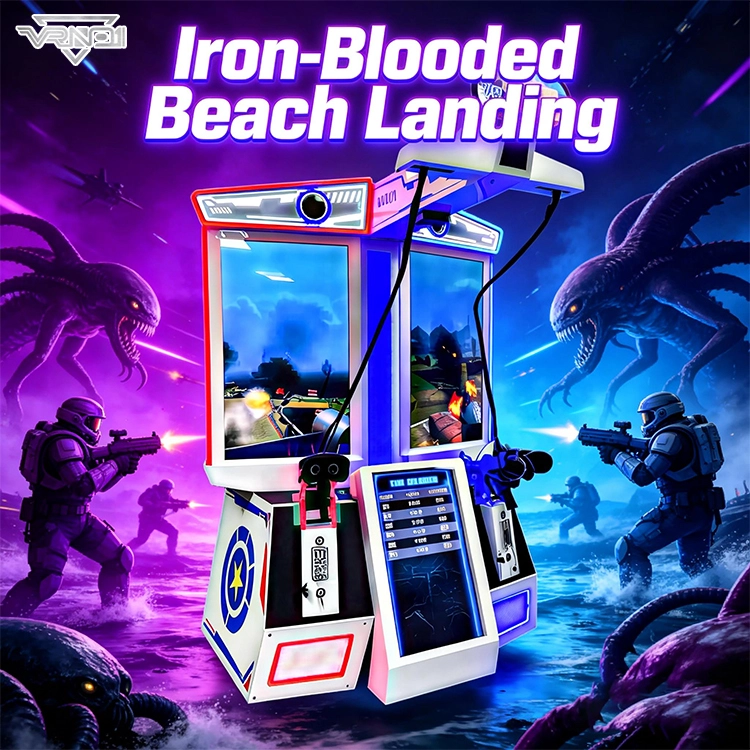
Heavy-Duty Offensive Warfare | Independent Dual-Core Architecture | Zero-Maintenance Suspension System
In the competitive landscape of Location-Based Entertainment (LBE), generic shooters no longer cut it. Enter the VR NO.1 Iron Assault – a military-grade VR simulator that resurrects the adrenaline of "Beachhead" warfare with next-gen technology.
Engineered by VR NO.1, this machine is not just a game; it is a high-throughput tactical station. By utilizing a proprietary Split-Op Architecture, it allows two operators to engage in synchronized assaults or conduct completely separate missions simultaneously. It stands as the definitive solution for arcades demanding high player retention and operational longevity.
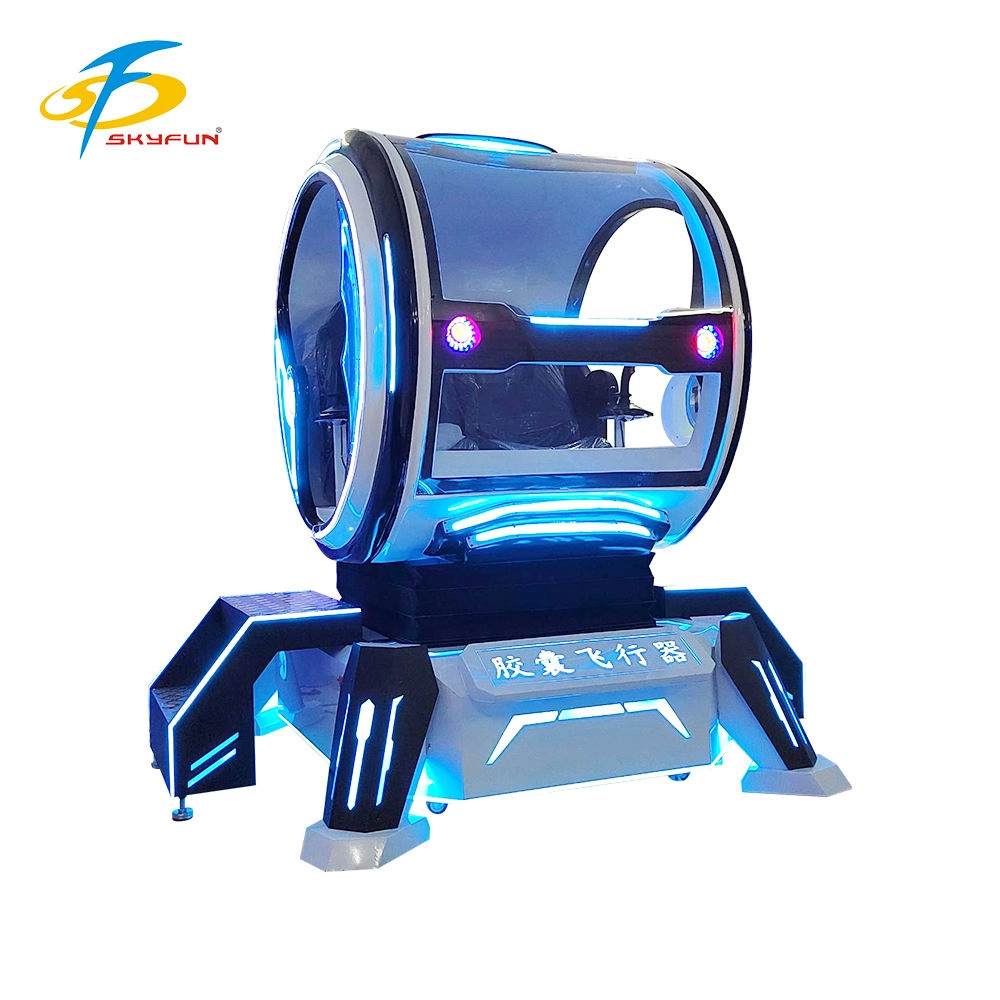
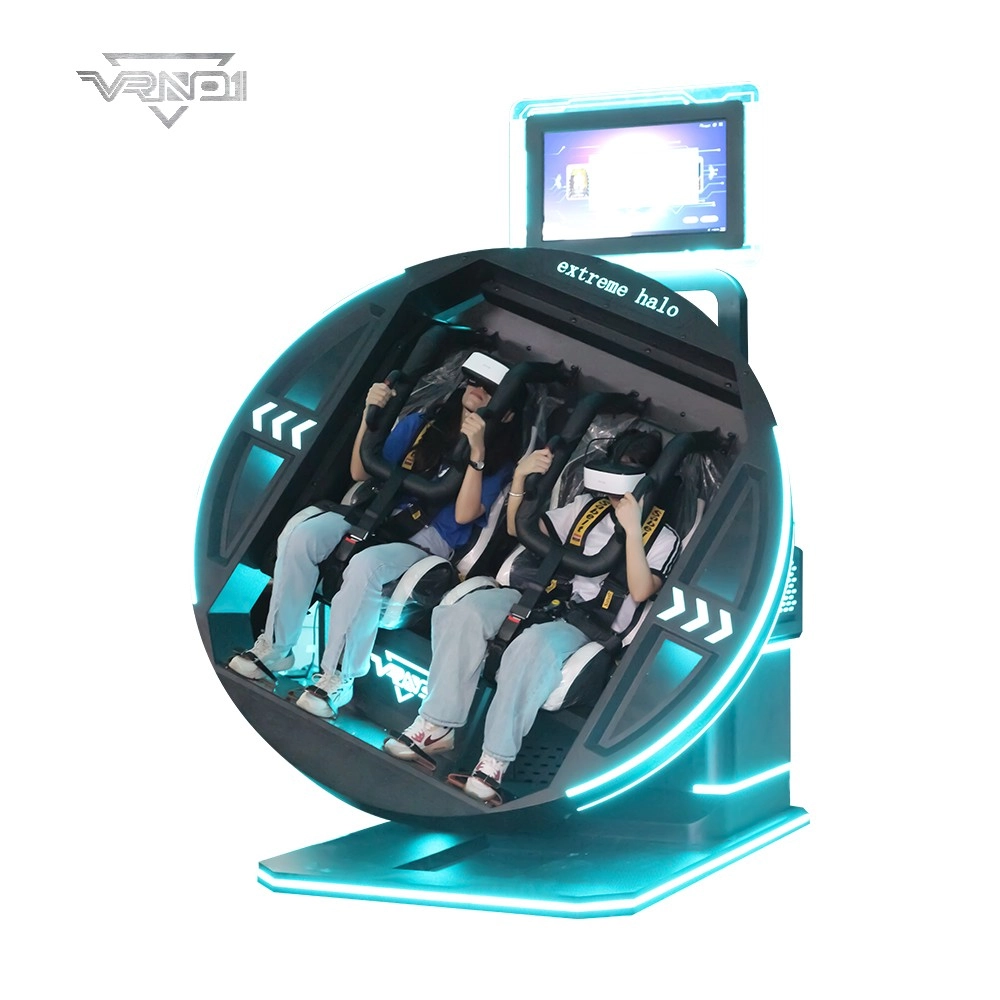
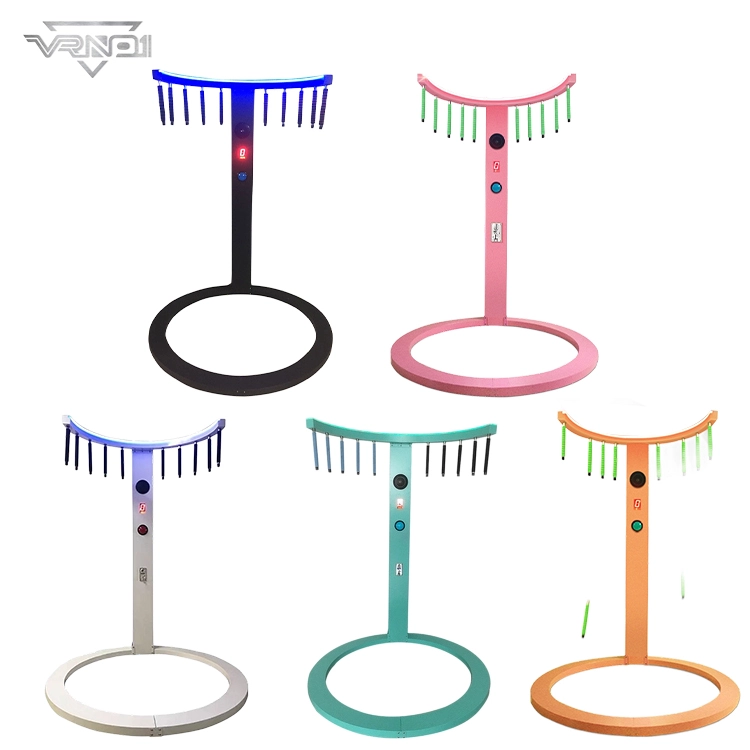
- Realistic Sound: Enhances gaming experience with authentic sounds.
- Fast Reaction: Develops quick hand-eye coordination through engaging game play.
- DIY Kit: Allows for customization and personalization of the baton.
- Metal and Plastic Construction: Durable and robust build quality.
- Coin Operated: Fun for players who enjoy arcade-like experiences.
Want to know more updates?
If you have any technical questions or after-sales needs, please feel free to contact our service team.
We will wholeheartedly provide you with quick response and professional support to ensure the smooth operation of your VR & Arcade project.
 Scan QR Code
Whatsapp: +8618127818571
Scan QR Code
Guangzhou Skyfun Technology Co.,Ltd
skyfunvrgame
skyfun game