


VR Flight Simulator Hardware: Yokes, Pedals and Motion Seats
- VR Flight Simulator Hardware: Choosing Yokes, Pedals and Motion Seats for Realistic Flight
- Why hardware matters for a VR flight simulator experience
- Understanding yokes: control fidelity and commercial durability
- Rudder pedals: precision, travel and toe-brake options
- Motion seats and platforms: degrees of freedom and player comfort
- Comparison table: yokes, pedals and motion seats for VR flight simulators
- Integrating hardware with VR headsets and software
- Choosing the right configuration for arcades and VR venues
- Installation, maintenance and safety considerations
- Cost vs. revenue: projecting ROI for vr flight simulator attractions
- Why choose VRN0.1 for VR flight simulator hardware and venue solutions
- Practical checklist for purchasing vr flight simulator hardware
- FAQ — Common questions about VR flight simulator hardware
- Contact and next steps — see and test VRN0.1 products
- Sources and references
VR Flight Simulator Hardware: Choosing Yokes, Pedals and Motion Seats for Realistic Flight
Why hardware matters for a VR flight simulator experience
Building an immersive vr flight simulator goes well beyond headsets and visuals. High-fidelity force feedback yokes, precise rudder pedals and reliable motion seats translate virtual cues into physical sensations. For hobbyists these components increase realism and training value; for arcades and venues they deliver consistent guest thrills and improve return-on-investment through higher throughput and repeat visits. This guide explains what to look for when buying or specifying hardware for both personal and commercial vr flight simulator installations.
Understanding yokes: control fidelity and commercial durability
Yokes are the primary tactile interface between pilot and plane. For vr flight simulator use you should evaluate three core attributes: mechanical fidelity (spring vs. gearbox vs. belt-drive), force feedback and build durability. Force-feedback yokes simulate aerodynamic loads (e.g., control forces during flap changes or turbulence). Belt- or gear-driven yokes typically offer smoother feel and longer life than simple spring-based units. Commercial installations require sealed components, replaceable parts, and easy calibration to minimize downtime.
Key buyer questions: Do I need true force feedback or is progressive spring resistance sufficient? For casual home users, high-quality spring/belt yokes give excellent realism at a lower cost. For professional simulation or high-usage arcade operation, invest in motorized force-feedback yokes that can endure continuous cycles and generate authentic control loads.
Rudder pedals: precision, travel and toe-brake options
Rudder pedals affect taxiing, crosswind landings and coordinated turns. Look for adjustable pedal spacing, smooth axis travel, and distinct toe-brake zones. High-end pedals use potentiometers or magnetic Hall-effect sensors for contactless sensing—these last longer under heavy use and provide consistent readings. For vr flight simulator arcades, pedals with metal frames, sealed bearings and serviceable parts reduce maintenance frequency.
Commercial tip: Offer a range of pedal adjustments so one cockpit can fit both adults and children safely. Consider adding quick-release or modular pedals to accommodate different seat setups and to reduce repair time.
Motion seats and platforms: degrees of freedom and player comfort
Motion seats bring the sensation of pitch, roll, yaw and G-forces to players. Options range from simple vibration seats to full 6-DOF (degrees of freedom) motion platforms. When integrating with vr flight simulator software, consider latency, motion cueing algorithms, and the trade-off between immersion and motion sickness. For arcades, seats should balance spectacle with comfort: too aggressive motion increases risk of discomfort and reduces session length.
Performance criteria: payload capacity, stroke length, response time and noise. For commercial installations, durability, ease of maintenance and safety features (seatbelts, emergency stop) are crucial. Many operators prefer 2-3 DOF platforms (pitch/roll + vibration) for consistent guest satisfaction and lower cost of ownership vs. full 6-DOF systems.
Comparison table: yokes, pedals and motion seats for VR flight simulators
The table below summarizes typical features and price ranges you can expect when specifying vr flight simulator hardware. Note these ranges reflect the current market and VRN0.1 field experience with global installations.
| Component | Typical Features | Price Range (USD) | Best For | Source / Notes |
|---|---|---|---|---|
| Basic Yoke | Spring or belt resistance, mechanical trim, USB | $100 - $350 | Home sim, casual VR flight simulator users | Manufacturer specs; retail listings; VRN0.1 field data |
| Force-Feedback Yoke | Motorized feedback, higher torque, programmable forces | $600 - $3,500 | Professional sims, commercial arcades, training | Manufacturer specs; trade listings; VRN0.1 commercial installs |
| Rudder Pedals (Basic) | Adjustable spacing, springs or dampers, compact | $80 - $300 | Home use, light commercial | Retail listings; VR forums; VRN0.1 experience |
| Rudder Pedals (High Quality) | Hall-effect sensors, metal frames, toe brakes | $300 - $1,200 | High-use arcade, flight schools | Manufacturer specs; VRN0.1 field data |
| Motion Seat (2-3 DOF) | Pitch/roll + vibration, compact footprint | $2,000 - $10,000 | Arcades wanting strong immersion with ROI control | Industry vendors; VRN0.1 installations |
| Motion Platform (6-DOF) | Full motion envelope, high payload, complex cueing | $10,000 - $80,000+ | Professional training facilities, High Quality attractions | Manufacturer data; trade shows; VRN0.1 testing |
Sources: manufacturer product pages (Honeycomb, Thrustmaster, Logitech), retail listings (Amazon), VRN0.1 installation logs and industry pricing surveys.
Integrating hardware with VR headsets and software
Integration is both technical and practical. On the technical side, ensure driver compatibility and that your vr flight simulator software supports multiple input mappings and force-feedback APIs. Popular platforms (e.g., X-Plane, Microsoft Flight Simulator) support external control hardware through direct SDKs or standardized joystick interfaces. For motion seats, middleware (or a motion driver) translates simulator telemetry into motion cues — choose drivers optimized for latency and smoothness to prevent cue conflicts that cause motion sickness.
On the practical side, cable routing, mounting, and calibration processes should be standardized. Commercial venues benefit from quick calibration routines, user-proof seating adjustments and protective shrouds to prevent vandalism or misuse. Always test hardware and software together before deploying to public use to refine motion profiles and control sensitivity for your chosen content and audience.
Choosing the right configuration for arcades and VR venues
Operators must balance immersive quality, throughput and cost. Consider three archetypes:
- Budget Arcade Setup: Basic yoke + standard pedals + vibration seat. Low capex, high reliability, suitable for high-turnover venues.
- Mid-Tier Attraction: Force-feedback yoke (entry-level motorized), High Quality pedals, 2-3 DOF motion seat. Higher immersion and longer session times; good for family entertainment centers.
- High Quality Simulator: High-torque force-feedback yoke, professional pedals with toe brakes, 6-DOF motion platform, full cockpit enclosure. Targeted at simulation centers and high-end arcades.
When ordering for multiple units, negotiate OEM/ODM pricing and spare parts packages. VRN0.1’s experience shows that including a spare parts kit (sensors, belts, actuators) and training for in-house technicians reduces downtime by 40% in the first year.
Installation, maintenance and safety considerations
Install in a space with adequate ventilation and service access. Motion actuators generate heat and sometimes noise; allow clearance for ventilation and sound dampening if placed near waiting areas. Safety features to implement: emergency stop switches, seatbelts, and clear signage for height/weight limits. For commercial liability, perform routine inspections of moving parts, sensor calibrations and electrical connections every 3-6 months depending on usage levels.
Maintenance tip: use predictive logs (track actuator cycles, hours of operation) to schedule parts replacement proactively rather than reactively. This improves uptime and guest satisfaction.
Cost vs. revenue: projecting ROI for vr flight simulator attractions
Estimating ROI depends on price-per-session, operating hours and occupancy. Example simplified projection for a mid-tier simulator (figures are illustrative): initial hardware & build: $18,000; average ticket: $12; average sessions per day: 30; days/year: 300. Annual revenue ≈ $108,000. Subtract operational costs and maintenance; payback often occurs within 12–24 months for well-marketed locations. VRN0.1 provides venue planning and operational strategy to refine these projections for local markets.
Why choose VRN0.1 for VR flight simulator hardware and venue solutions
VRN0.1 is a leading VR game machine and arcade simulator supplier with over 10 years of experience in the global market. Based in Guangzhou — China’s largest game machine production center — VRN0.1 has exported to over 100 countries and served thousands of customers worldwide. We specialize in high-quality, immersive VR products, including 9D VR Cinema, 360 VR Simulator, VR Racing, VR Shooting, VR Roaming, AR Sniper and more.
For commercial vr flight simulator projects, VRN0.1 offers the following advantages:
- One-stop venue solutions: equipment selection, OEM/ODM manufacturing, installation and training.
- Strong R&D: motion cueing and hardware integration tailored to global content platforms.
- Strict quality control: tested durability for high-usage arcade environments and spare parts supply chains.
- 24/7 customer support and free training: reduce operational risk and down-time for operators.
- Flexible configuration: products and motion profiles can be tailored to fit budgets and market positioning.
Core products relevant to vr flight simulator venues include VR Simulator, Arcade Game Simulator, VR Car Driving Simulator, Interactive Platform VR, Racing Game Machine, AR Sniper, Kiddie Ride, 7D Cinema. VRN0.1’s core competitive strengths are vertical manufacturing expertise, global distribution, customizable OEM/ODM services, and an experienced operations team that provides venue planning and staff training to maximize revenue per square meter.
Practical checklist for purchasing vr flight simulator hardware
Before you buy, run through this checklist:
- Define target audience and session length (family, enthusiasts, training).
- Decide on motion intensity (vibration, 2-3 DOF, full 6-DOF).
- Confirm software compatibility (driver, SDK, telemetry output).
- Assess maintenance capabilities and spare parts availability.
- Plan for safety and comfort (seatbelts, user limits, emergency stop).
- Request demo units and operation training from suppliers.
FAQ — Common questions about VR flight simulator hardware
Q: Do I need force-feedback yokes for a good VR flight simulator experience?
A: Not always. High-quality belt or spring yokes deliver realistic control for many users. Force-feedback adds realism and is recommended for professional training or High Quality arcade attractions where fidelity matters.
Q: How do motion seats affect motion sickness in VR?
A: Properly tuned motion cueing reduces dissonance between visual and vestibular cues. Aggressive or poorly synchronized motion increases sickness. Start with mild pitch/roll profiles and refine based on user testing.
Q: What maintenance should I expect for arcade-grade pedals and yokes?
A: Expect routine checks every 3-6 months. Replace wearable parts (belts, bearings, potentiometers) as recommended. Choose models with contactless sensors to reduce replacement frequency.
Q: Can I retrofit existing VR headsets to a motion seat platform?
A: Yes. Most motion platforms rely on simulator telemetry, not the headset. Ensure the motion driver supports your vr flight simulator software and test for latency and cueing smoothness.
Q: How to scale from one unit to multiple simulators in a venue?
A: Standardize on a configuration, bulk-purchase spare parts, train technicians, and set up monitoring logs. VRN0.1 offers OEM/ODM rates and venue planning to streamline scaling.
Contact and next steps — see and test VRN0.1 products
If you’re planning a vr flight simulator for home, training or a commercial venue, VRN0.1 can help configure the right mix of yokes, pedals and motion seats to meet your goals and budget. Visit our product catalog and contact our sales team for quotations, demo requests and venue planning support. We provide free training on equipment and operation and can tailor OEM/ODM manufacturing to your specification.
Explore VRN0.1 products and request a quote: https://www.vrarcadegame.com/ — or contact sales for personalized venue planning and support.
With the ideal hardware in place, it’s time to consider the business side. Check out our guide on monetizing VR flight simulators to implement pricing and revenue strategies that maximize your returns.
Sources and references
- Manufacturer product pages (Honeycomb Aeronautical, Thrustmaster, Logitech) — for publicly listed specifications and pricing.
- Retail marketplaces (Amazon, major simulation retailers) — for market pricing ranges and user reviews.
- VRN0.1 internal installation logs and performance testing — field data from over 1,000 deployed units and market experience.
- Industry trade resources and forums — community experience on reliability and ergonomics.
Tips for buy vr car game machine
VR Flight Simulator Hardware: Specs Dealers Should Know
Everything You Need to Know About coin operated gaming machines
Tips for buy airplane simulator arcade game
Solution
How to install and debug VRNO.1's VR equipment?
We provide professional installation and debugging services. After the equipment arrives at your venue, our technical team will send personnel to the site to install the equipment and ensure that all equipment and software functions can operate normally. After the installation is completed, we will also train your operators.
How to customize VR equipment and content for my venue?
VRNO.1 provides personalized customization services. You can choose different VR equipment and game content according to the type of venue, customer group and budget requirements. Our design team will communicate with you to ensure the best solution and design the venue layout.
Does VRNO.1 provide customized development of VR game content?
Yes, VRNO.1 provides customized development services for game content. We can customize specific types of games according to your needs to enhance the user experience. Customized content can include game themes, scenes, interactive functions, etc. to meet different market needs.
Products
How durable are your VR machines?
Our VR machines are designed for durability and high traffic use, ensuring long-lasting performance. We also provide maintenance and support services to keep your equipment running smoothly.
Distributors
How is VRNO.1's product pricing?
VRNO.1 offers a competitive pricing strategy to dealers. We supply goods based on the price agreed in the cooperation agreement, and provide corresponding discounts and discounts based on your purchase volume and market demand.
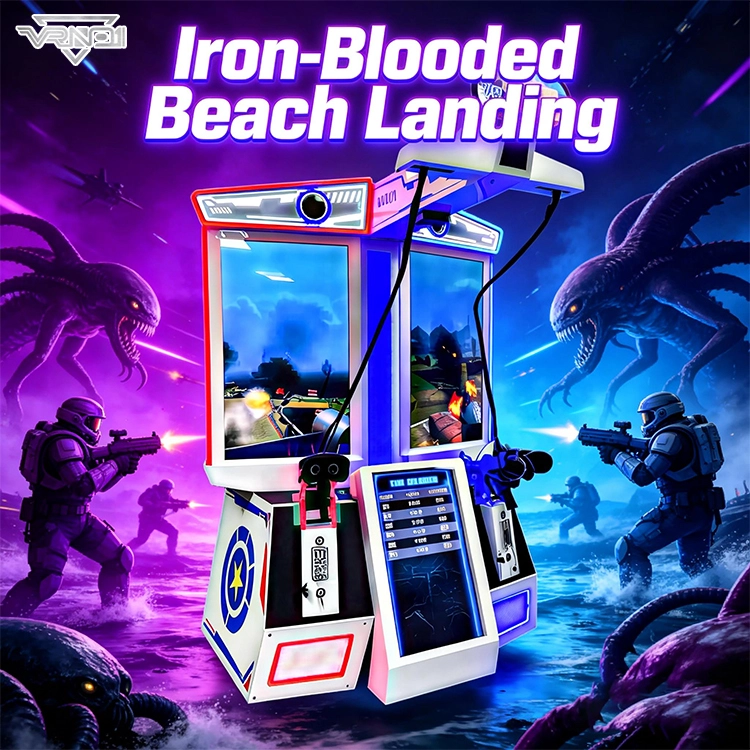
VRN0.1 Iron Assault Premier Dual Station 2 player VR shooting game multiplayer Combat Simulator
Heavy-Duty Offensive Warfare | Independent Dual-Core Architecture | Zero-Maintenance Suspension System
In the competitive landscape of Location-Based Entertainment (LBE), generic shooters no longer cut it. Enter the VR NO.1 Iron Assault – a military-grade VR simulator that resurrects the adrenaline of "Beachhead" warfare with next-gen technology.
Engineered by VR NO.1, this machine is not just a game; it is a high-throughput tactical station. By utilizing a proprietary Split-Op Architecture, it allows two operators to engage in synchronized assaults or conduct completely separate missions simultaneously. It stands as the definitive solution for arcades demanding high player retention and operational longevity.
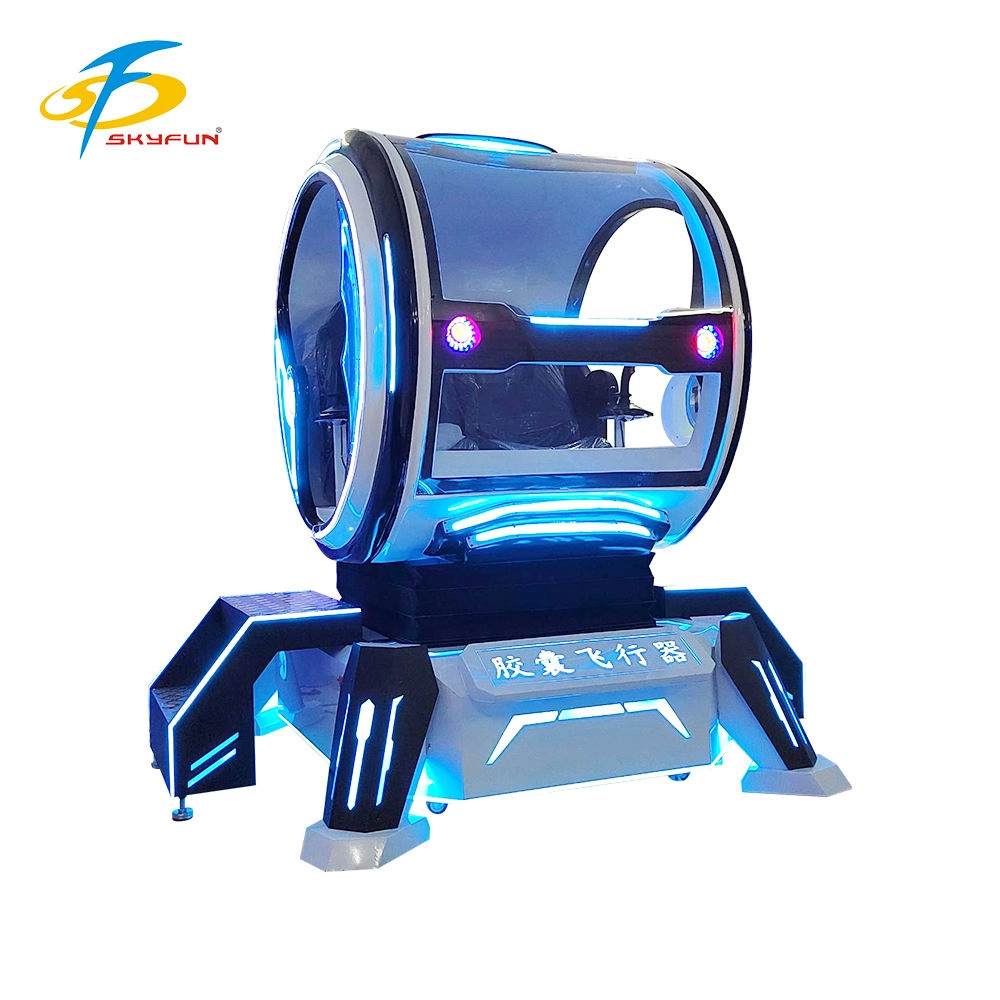
Double Player VR Flight Simulator 100 Movies 15 Games Coin-Operated Game Machine for Shopping Malls Amusement Parks
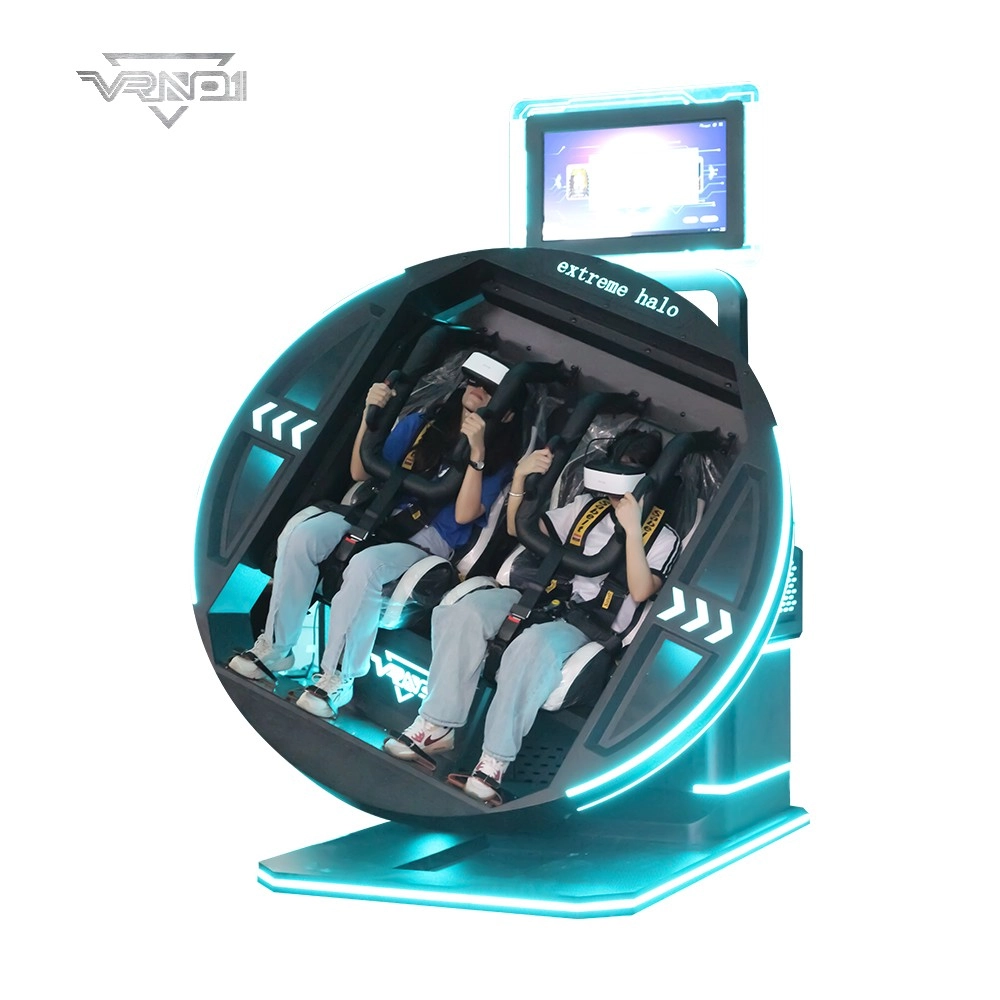
9D VR 360 Roller Coaster Cinema Chair Gaming Set Indoor/Outdoor Business Simulator Hardware for Home or School
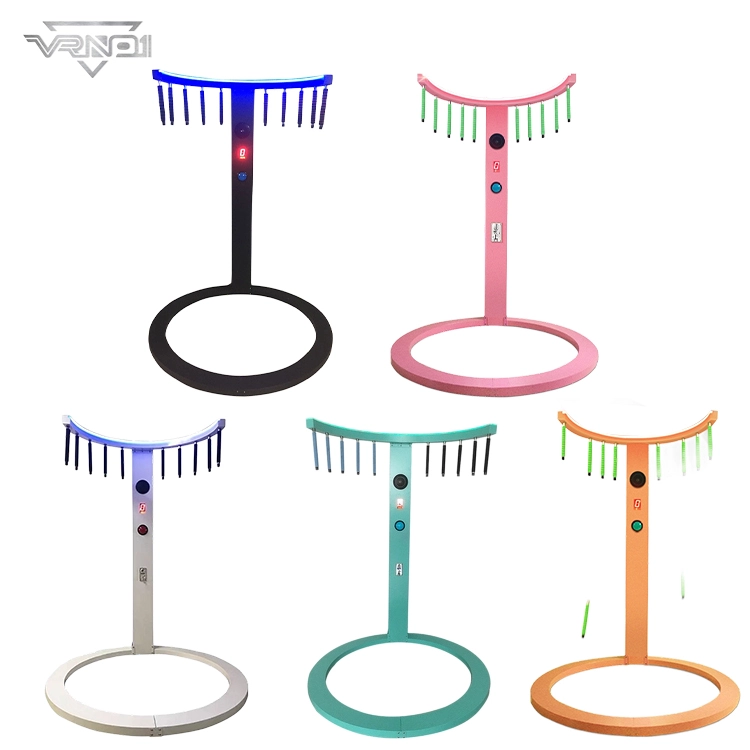
VRN0.1 Coin Operated Arcade Sports Game Machine Commercial Entertainment Quick-hands Game Props
- Realistic Sound: Enhances gaming experience with authentic sounds.
- Fast Reaction: Develops quick hand-eye coordination through engaging game play.
- DIY Kit: Allows for customization and personalization of the baton.
- Metal and Plastic Construction: Durable and robust build quality.
- Coin Operated: Fun for players who enjoy arcade-like experiences.
 Scan QR Code
Whatsapp: +8618127818571
Scan QR Code
Guangzhou Skyfun Technology Co.,Ltd
skyfunvrgame
skyfun game