


How to Set Up a VR Flight Simulator Arcade Experience
- How to Set Up a VR Flight Simulator Arcade Experience
- Understand the market opportunity for a vr flight simulator arcade
- Choose the right location and space layout for your vr flight simulator
- Select hardware: vr flight simulator rigs, motion platforms, and peripherals
- Choose software and vr flight simulator content
- Network infrastructure and IT requirements for a vr flight simulator arcade
- Safety, hygiene, and accessibility for vr flight simulator visitors
- Operations: staffing, training, and SOPs for vr flight simulator arcades
- Pricing, throughput, and expected ROI for a vr flight simulator arcade
- Marketing and partnerships to drive foot traffic to your vr flight simulator
- Maintenance, spare parts, and warranty planning for commercial vr flight simulator operations
- Why choose VRN0.1 for your vr flight simulator arcade needs
- How VRN0.1 supports setup and operation
- FAQ — Frequently Asked Questions about vr flight simulator arcades
- Contact and next steps — get started with a vr flight simulator arcade
- References and sources
How to Set Up a VR Flight Simulator Arcade Experience
Understand the market opportunity for a vr flight simulator arcade
Before investing in a vr flight simulator arcade, assess local demand and market fit. The VR location-based entertainment (LBE) market has grown as consumers seek immersive, social experiences that they can't replicate at home. A vr flight simulator appeals to a wide audience — gamers, aviation enthusiasts, corporate groups, tourists, and families — and can serve as a High Quality, ticketed experience with relatively high per-session pricing compared with casual VR booths.
Key business-intent considerations: required upfront investment, expected foot traffic, local competition, and pricing elasticity. Use a short market survey or social media poll to validate interest and preferred session lengths (typically 8–20 minutes for simulator rides).
Choose the right location and space layout for your vr flight simulator
Location is critical. Choose high-traffic retail centers, entertainment districts, arcades, or family entertainment centers (FEC). Space planning must balance safety, customer flow, and operational efficiency. Typical space requirements:
- Single-unit simulator: 6–12 m² (65–130 ft²) including access and queuing area
- Dual or tandem setups: 15–30 m² (160–320 ft²) per paired units
- Dedicated VR arena with multiple simulators: plan for circulation, waiting lounge, and staff station
Design tips: create a clear entrance, an eye-catching façade to attract walk-ins, visible safety signage, and a comfortable waiting area with merchandising to increase ancillary sales (photos, merchandise, extended packages).
Select hardware: vr flight simulator rigs, motion platforms, and peripherals
Hardware choices will define the user experience. For a convincing vr flight simulator arcade, combine high-quality VR headsets with a motion platform and realistic controls:
- Headsets: Choose wired or wireless headsets with inside-out tracking and at least 90–120 Hz refresh rates for flight sims to minimize latency and motion sickness.
- Motion platforms: 2DOF or 3DOF platforms provide tilt and pitch to simulate aircraft movement. For High Quality experiences, consider full-motion 6DOF platforms or hydraulic actuators.
- Control interfaces: Yoke/stick, throttle, pedals, and instrument panels increase immersion. For arcade environments, ruggedized custom controls designed for heavy use are preferable.
- Audio: Integrated spatial audio (headset or external surround) and vibration transducers (bass shakers) amplify realism.
Select hardware designed for commercial, continuous use with easy maintenance and quick swap components to minimize downtime. Include spare parts for headsets, cables, and motion actuators in your inventory.
Choose software and vr flight simulator content
Software drives replayability. Decide whether you will use licensed flight-sim engines, custom arcade-style flight experiences, or a hybrid. Consider the following:
- Realistic flight sims (for enthusiasts): Popular flight engines offer detailed aerodynamics and real-world scenery. These attract aviation fans and can command higher price points.
- Arcade-style experiences: Short, objective-based missions (air races, combat scenarios, aerial tours) are more accessible for casual customers and support higher throughput.
- Customized content: Partner with developers to create branded or themed experiences exclusive to your venue.
Licensing and updates: Ensure licensing allows commercial deployment and plan for regular content updates to keep users returning.
Network infrastructure and IT requirements for a vr flight simulator arcade
Reliability is essential. Your vr flight simulator setup needs robust networking and IT support to manage software updates, multiplayer features, queue systems, and payment terminals.
- Network: Use business-class wired Ethernet for each simulator PC; reserve Wi‑Fi for guest use and backups.
- PC specifications: High-end GPUs with adequate cooling, SSD storage, and stable power supplies. For multi-station arcades, standardize on identical specs to simplify maintenance.
- Server and management: Central content management, session logging, and remote diagnostics save time and reduce downtime. Consider remote-access tools for vendor support.
- Electrical: Dedicated circuits and surge protection for motion platforms and PCs. Consult an electrician for power load calculations.
Safety, hygiene, and accessibility for vr flight simulator visitors
Safety and cleanliness are primary operational concerns. Implement standardized safety briefings, physical barriers or rails around moving platforms, and emergency stop buttons reachable by both players and operators. Address hygiene with replaceable headset covers, disinfectant sprays, and replaceable face cushions. For accessibility, offer experiences that can be played seated and create clear instructions for users with mobility needs.
Operations: staffing, training, and SOPs for vr flight simulator arcades
Efficient operations reduce wait times and increase revenue. Key staffing roles: front desk/cashier, floor host/assistant, and technician. Staff training should cover:
- Equipment operation and troubleshooting
- Safety procedures and emergency stops
- Customer service, upselling, and briefings
- Sanitization routines
Standard operating procedures (SOPs) should define session start and end workflows, cleaning checklists between players, inspection intervals for mechanical parts, and a chain-of-command for equipment failures.
Pricing, throughput, and expected ROI for a vr flight simulator arcade
Pricing depends on location, experience quality, and session length. Typical pricing: $8–$25 per session for arcade-style flights; $20–$60 for High Quality, realistic sims. Throughput calculations hinge on session length and turnover. Below is a comparison of three typical setups:
| Setup | Initial CapEx (est.) | Space | Sessions/hour per unit | Estimated break-even |
|---|---|---|---|---|
| Small pop-up (single unit) | $8,000–$18,000 | 6–12 m² | 3–6 | 6–18 months |
| Mid-size arcade (2–4 units) | $35,000–$90,000 | 30–80 m² | 6–12 (combined) | 9–24 months |
| Large venue (8+ simulators, High Quality motion) | $150,000–$600,000+ | 150–500 m² | 30–80 (combined) | 12–36 months |
Note: Estimates depend on hardware choices (e.g., 6DOF platforms multiply costs), local rent, labor, and marketing spend. Sources for market sizing and consumer behavior are listed at the end.
Marketing and partnerships to drive foot traffic to your vr flight simulator
Launch strategies that work for vr flight simulator arcades include local promotions, targeted social media ads, influencer partnerships, corporate team-building packages, tourist-focused bundling, and cross-promotion with nearby entertainment businesses. Offer introductory discounts, photo/video packages, and membership packages to build repeat customers.
Maintenance, spare parts, and warranty planning for commercial vr flight simulator operations
Plan for proactive maintenance schedules for motion systems and combined hardware checks for headsets and PCs. Keep a stock of consumables and critical spares (headset cushions, cables, fuses, actuators) to minimize downtime. Negotiate commercial warranties and rapid-response maintenance contracts with suppliers to ensure fast replacements.
Why choose VRN0.1 for your vr flight simulator arcade needs
VRN0.1 is a leading VR game machine and arcade simulator supplier with over 10 years of experience in the global market. Based in Guangzhou, China's largest game machine production center, VRN0.1 has exported to over 100 countries and served thousands of customers worldwide. Specializing in high-quality, immersive VR products, VRN0.1 provides solutions ideal for vr flight simulator arcades: 9D VR Cinema, 360 VR Simulator, VR Racing, VR Shooting, VR Roaming, AR Sniper, and more.
Core reasons to partner with VRN0.1 for a vr flight simulator arcade:
- End-to-end venue solutions: OEM/ODM production, venue planning, equipment configuration, and operational consultation tailored to your budget and market.
- Product variety: From compact simulator pods for pop-ups to full-motion platforms for High Quality venues, enabling scalable rollouts.
- Quality and support: Strong R&D, strict quality control, and 24/7 customer support with free training for equipment operation and venue management.
- Global experience: Decade-long export history to over 100 countries — practical insight into international operating models and local adaptations.
VRN0.1’s main product categories and competitive strengths include:
- VR Simulator: Immersive single- or multi-seat simulator rigs with motion platforms and commercial-grade components.
- Arcade Game Simulator: Robust arcades tailored for high turnover, including flight, racing, and shooting themes.
- VR Car Driving Simulator: Proven platforms for training-style and entertainment driving experiences that can be cross-promoted with flight sims.
- Interactive Platform VR: Multi-user platforms for shared experiences and B2B applications like training and events.
- Racing Game Machine: High-ROI machines for arcades that synergize with flight-sim marketing and crossover players.
- AR Sniper & VR Shooting: Complementary attractions to increase dwell time in venues.
- Kiddie Ride & 7D Cinema: Family-friendly options to round out FEC offerings and drive additional footfall.
Visit VRN0.1’s website to explore product catalogs and request a customized venue plan: https://www.vrarcadegame.com/
How VRN0.1 supports setup and operation
VRN0.1 provides OEM/ODM customization, tailored venue layout planning, staff training, and marketing consultation. Their 24/7 support and spare-part supply chains help minimize downtime and maximize lifetime value of installations. For operators seeking franchise or multi-site rollouts, VRN0.1 can scale production and tailor features to local needs.
FAQ — Frequently Asked Questions about vr flight simulator arcades
Q: How much space do I need for a single vr flight simulator?
A: Plan for 6–12 m² (65–130 ft²) to include the unit, operator access, and guest queuing. High Quality motion platforms need more clearance for safety.
Q: What is the typical session length and price?
A: Arcade-style sessions often run 8–12 minutes and price between $8–$25. High Quality realistic flights can be 15–20 minutes priced $20–$60 depending on fidelity and market.
Q: Can I operate multiple simulators with one technician?
A: For small venues, one technician can manage 2–4 units with robust remote diagnostics and automation. Large venues require dedicated operators for customer flow and maintenance.
Q: How do I reduce motion sickness complaints?
A: Use high-frame-rate headsets, smooth motion profiling on platforms, short sessions, and clear customer briefings. Offer options without motion for sensitive users.
Q: Do I need commercial licenses for software?
A: Yes. Ensure all software used in a commercial environment is properly licensed for location-based entertainment. Work with content providers or an integrator like VRN0.1 to secure rights.
Contact and next steps — get started with a vr flight simulator arcade
If you’re ready to plan a vr flight simulator arcade or want a free consultation, contact VRN0.1 for a tailored venue plan, equipment quotes, and training packages. VRN0.1 offers OEM/ODM services, one-stop VR venue solutions, and free training for equipment and operation. Visit https://www.vrarcadegame.com/ or request a quote to discuss your market, budget, and rollout timeline.
To make your setup truly engaging, selecting the right hardware is essential. Explore VR flight simulator hardware: yokes, pedals, and motion seats to ensure your arcade offers a realistic and exciting flight experience.
References and sources
The following sources were consulted for market trends and cost benchmarks referenced in this
- Grand View Research — Global Virtual Reality Market Size and Forecast (industry analysis up to 2024).
- Statista — VR market revenue and location-based entertainment statistics (2022–2024 reports).
- Allied Market Research — Location-Based Virtual Reality Market Reports (market trends and growth drivers).
- Industry operator case studies and vendor product pages (commercial VR simulator vendors, 2020–2024).
Everything You Need to Know About rc airplane with vr headset
Everything You Need to Know About arcade shooting game machine
The latest trends for vr airplane simulator in us 2026 | VRN0.1 Ultimate Insights
Best VR Simulator Machines for Arcades
Home
Are your VR systems suitable for commercial use?
Yes, our VR arcade solutions are designed for commercial use, ideal for arcades, gaming centers, shopping malls, and entertainment venues. We offer both standalone machines and multi-player setups.
Distributors
What support does VRNO.1 provide after becoming a dealer?
We provide full support to dealers, including sales training, marketing materials, technical support and after-sales service. Our goal is to help you sell and operate our products successfully.
Solution
Does VRNO.1 provide customized development of VR game content?
Yes, VRNO.1 provides customized development services for game content. We can customize specific types of games according to your needs to enhance the user experience. Customized content can include game themes, scenes, interactive functions, etc. to meet different market needs.
Does the VR device consume a lot of power?
Our VR devices are designed with energy efficiency in mind. The power consumption of the device is low and suitable for long-term use. The specific power consumption will vary depending on the type of device and frequency of use, and usually runs at standard voltage.
Products
What types of arcade games do you offer?
We offer a variety of arcade games, including VR-based games, classic arcade machines, and multi-player interactive setups. Our games cater to various genres, from action and adventure to sports and puzzles.
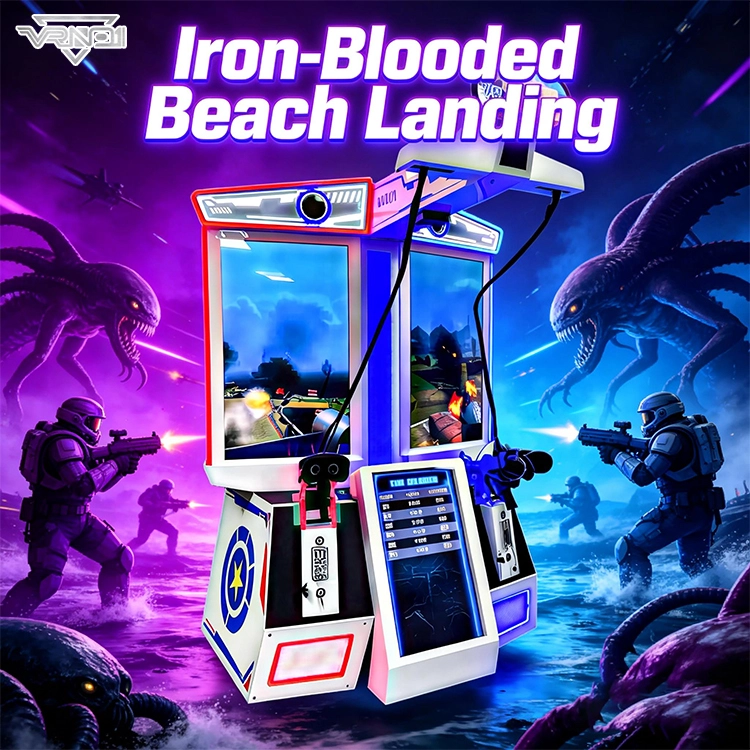
VRN0.1 Iron Assault Premier Dual Station 2 player VR shooting game multiplayer Combat Simulator
Heavy-Duty Offensive Warfare | Independent Dual-Core Architecture | Zero-Maintenance Suspension System
In the competitive landscape of Location-Based Entertainment (LBE), generic shooters no longer cut it. Enter the VR NO.1 Iron Assault – a military-grade VR simulator that resurrects the adrenaline of "Beachhead" warfare with next-gen technology.
Engineered by VR NO.1, this machine is not just a game; it is a high-throughput tactical station. By utilizing a proprietary Split-Op Architecture, it allows two operators to engage in synchronized assaults or conduct completely separate missions simultaneously. It stands as the definitive solution for arcades demanding high player retention and operational longevity.
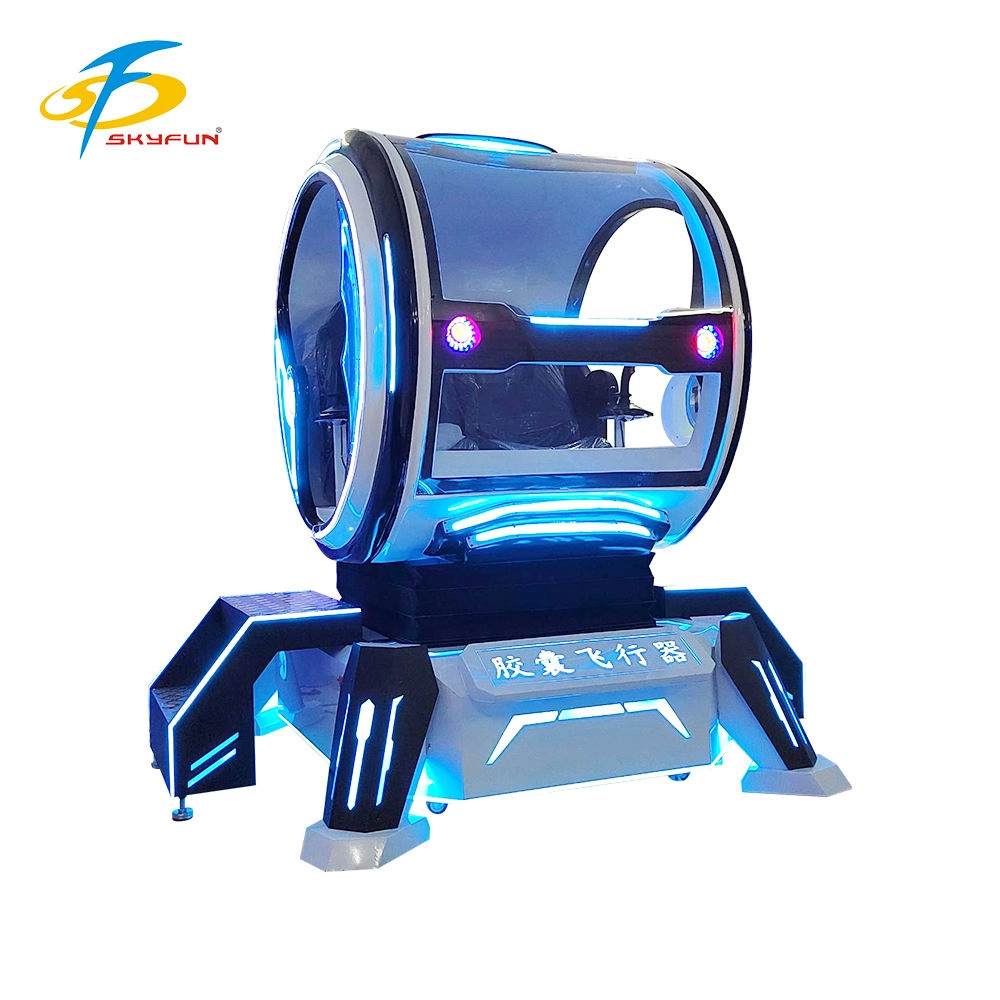
Double Player VR Flight Simulator 100 Movies 15 Games Coin-Operated Game Machine for Shopping Malls Amusement Parks
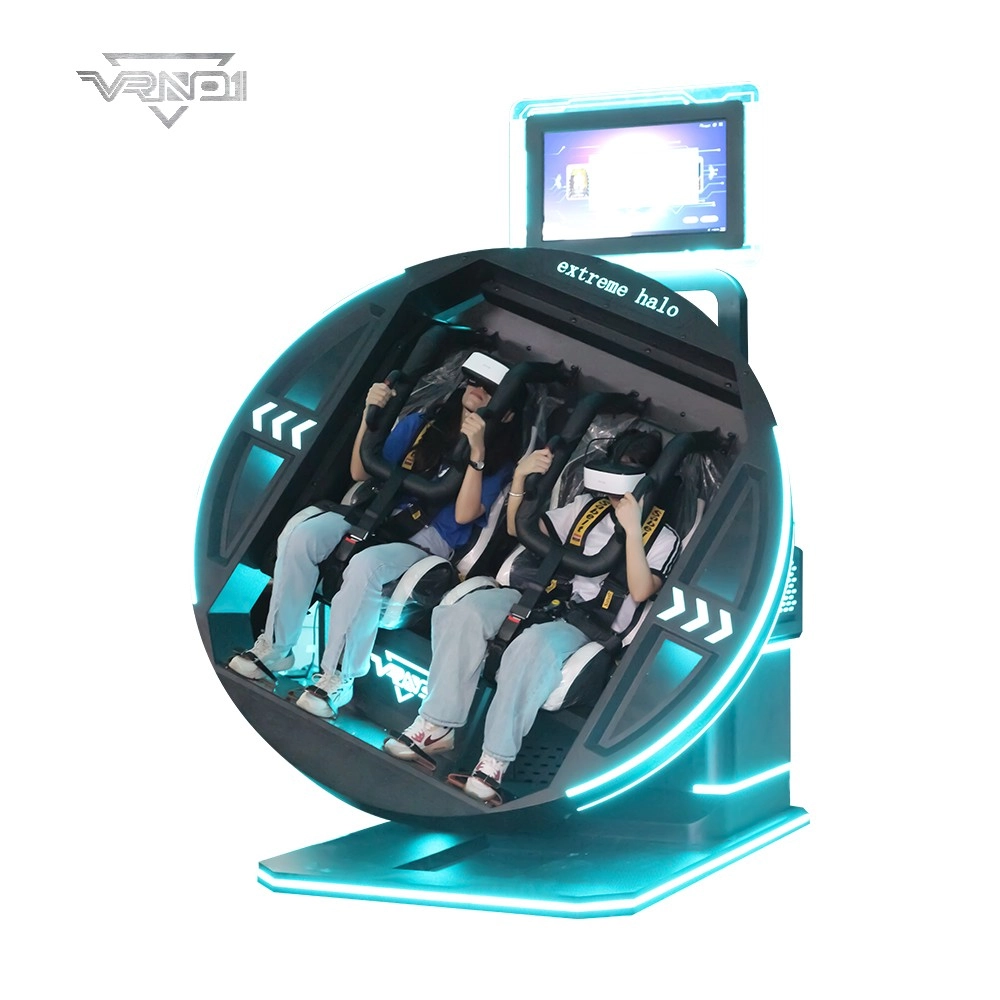
9D VR 360 Roller Coaster Cinema Chair Gaming Set Indoor/Outdoor Business Simulator Hardware for Home or School
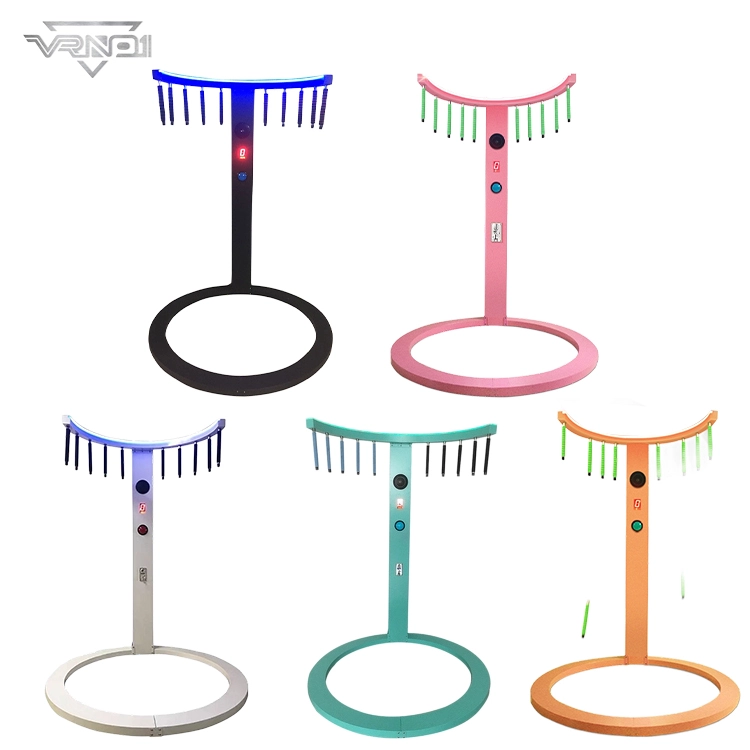
VRN0.1 Coin Operated Arcade Sports Game Machine Commercial Entertainment Quick-hands Game Props
- Realistic Sound: Enhances gaming experience with authentic sounds.
- Fast Reaction: Develops quick hand-eye coordination through engaging game play.
- DIY Kit: Allows for customization and personalization of the baton.
- Metal and Plastic Construction: Durable and robust build quality.
- Coin Operated: Fun for players who enjoy arcade-like experiences.
 Scan QR Code
Whatsapp: +8618127818571
Scan QR Code
Guangzhou Skyfun Technology Co.,Ltd
skyfunvrgame
skyfun game