


How to Build a Profitable VR Amusement Park: 7 Costly Mistakes to Avoid for Maximum ROI (2026 Guide)
- What is a Profitable VR Amusement Park Business?
- Executive Summary: Key Takeaways for Building in 2026
- Mistake #1: Ignoring the 'Throughput vs. Footprint' Ratio
- Mistake #2: Investing in Outdated 3-DOF Hardware
- Mistake #3: Neglecting the 'Hygiene Loop' and Operational Flow
- Mistake #4: Underestimating Content Licensing and Replayability
- Mistake #5: Choosing a Layout That Kills Social Interaction
- Mistake #6: Failing to Diversify (The 'Coaster-Only' Fallacy)
- Mistake #7: Going It Alone Without a Turnkey Partner
- Gap Analysis: Future Trends Competitors Are Missing
- Conclusion
- FAQ
- How much does it cost to build a VR amusement park in 2026?
- What is the ROI for a VR theme park business?
- What is the difference between 3-DOF and 6-DOF VR simulators?
- How much space do I need for a VR arcade business?
- What is the best VR equipment for commercial use?
- How do I maintain hygiene in a VR park?
- Is the VR theme park industry growing?
- Where can I find a reliable VR amusement park supplier?
- References
What is a Profitable VR Amusement Park Business?
A profitable VR amusement park is a Location-Based Entertainment (LBE) venue that monetizes high-fidelity virtual reality experiences through ticket sales and secondary revenue streams. Unlike home VR, these commercial parks utilize heavy-duty motion simulators to provide immersive physical sensations that cannot be replicated in a living room.
To ensure profitability, successful operators focus on high throughput and repeat visitation. The core business model relies on moving customers efficiently through premium experiences that blend digital immersion with physical hardware.
- Core Value: Offers haptic feedback (motion seats, wind, vibration) and social multiplayer environments.
- Hardware: Utilizes commercial-grade simulators like 9D VR Cinemas and free-roam arenas.
- Goal: Achieve ROI within 12-18 months by maximizing the 'Guests Per Hour' metric.
Executive Summary: Key Takeaways for Building in 2026
Building a successful VR park in 2026 requires shifting focus from pure novelty to operational efficiency and 6-DOF VR Motion Platforms. Investors must prioritize equipment that delivers high immersion with low motion sickness while maintaining a strict hygiene and maintenance schedule to protect brand reputation.
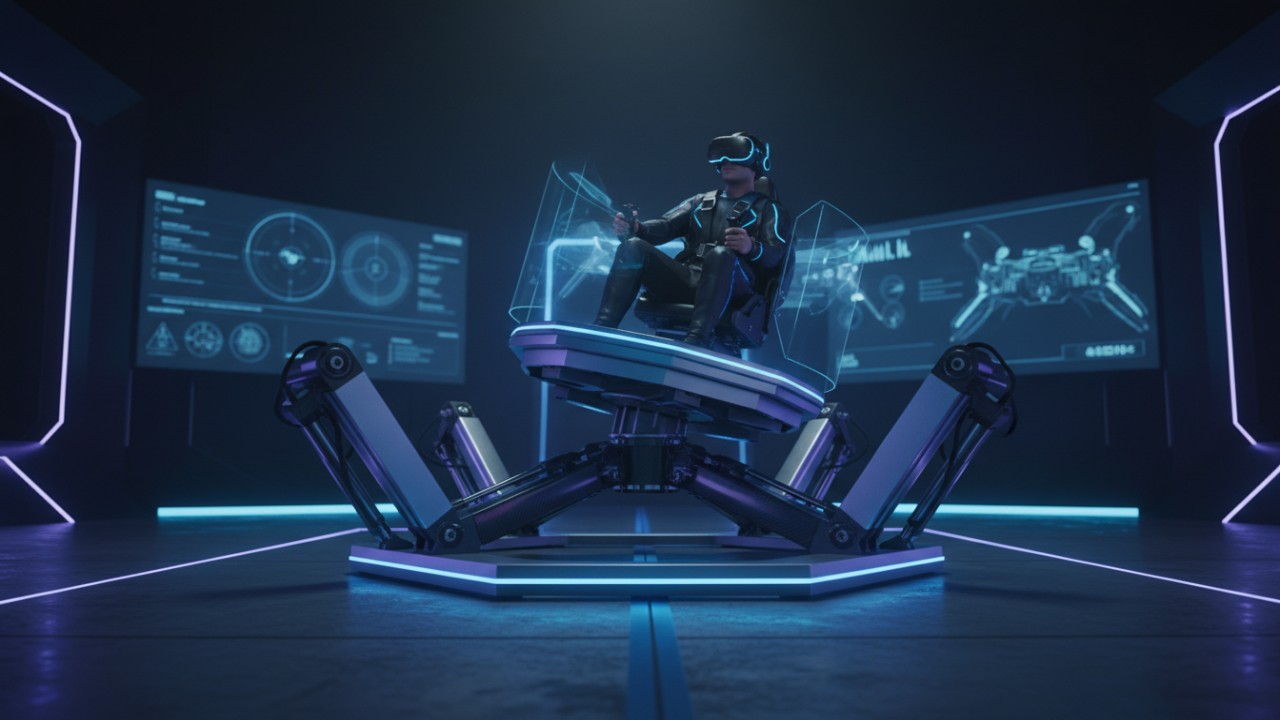
The landscape has evolved from simple standalone headsets to integrated mechanical simulators. Entrepreneurs who fail to adapt to these new standards risk rapid obsolescence.
- Efficiency First: Success depends on Guests Per Hour (GPH), not just the visual appeal of the tech.
- Hardware Matters: Shifting from 3-DOF to 6-DOF is essential for immersion and minimizing motion sickness.
- Content is King: A library of licensed, replayable games beats a single 'one-off' demo experience.
- Strategic Partnership: Aligning with a supplier who offers after-sales support is critical for uptime.
Mistake #1: Ignoring the 'Throughput vs. Footprint' Ratio
A common error is purchasing bulky equipment that occupies too much floor space while only serving one player at a time, drastically reducing revenue potential. If a machine takes up 20 square meters but only sells 6 tickets per hour, your rent costs will quickly eat your profits.
To fix this, smart owners calculate the revenue per square foot before purchasing. High-capacity machines, such as multiplayer shooting arenas or 6-seat cinemas, allow you to process groups of friends and families simultaneously, effectively multiplying your hourly income.
- The Fix: Prioritize high-capacity machines (e.g., 6-seat VR Cinemas or Multiplayer Arenas).
- Metric: Calculate 'turnover time' including onboarding and offboarding, not just game length.
- Layout: Optimize your floor plan to ensure queues do not block high-traffic walkways.
Mistake #2: Investing in Outdated 3-DOF Hardware
Investing in cheaper 3-DOF (Three Degrees of Freedom) simulators is a costly mistake because modern consumers expect the realism of 6-DOF VR Motion Platforms. While 3-DOF systems only allow for rotational movement (looking around), they often cause a disconnect between visual and physical sensation, leading to nausea.
As explained by industry experts at ARwall, 6-DOF systems add translational movement—heave (up/down), surge (forward/backward), and sway (left/right). This technological leap is non-negotiable for a Virtual Reality Arcade ROI in 2026.
- The Problem: 3-DOF only pitches, rolls, and yaws, which is insufficient for high-speed racing or flying sims.
- The Standard: 2026 consumers demand platforms that physically move them through space (Surge, Sway, Heave).
- Long-Term Value: 6-DOF motion platforms reduce motion sickness, encouraging longer play sessions and repeat visits.
Mistake #3: Neglecting the 'Hygiene Loop' and Operational Flow
Failing to design a fast and effective sanitization workflow creates bottlenecks that kill throughput and drive away health-conscious customers. If your staff takes 5 minutes to clean a headset between users, you lose 50% of your potential daily revenue.
Successful parks integrate hygiene into the customer journey. By using UV sanitization boxes and disposable masks, you reassure guests while keeping the line moving. Separation of 'clean' and 'dirty' zones prevents cross-contamination and confusion.
- Best Practice: Implement UV sanitization stations and disposable masks as part of the standard workflow.
- Zone Design: Design the floor plan to separate 'queuing' zones from 'playing' zones to prevent congestion.
- Staff Training: Train employees to wipe down contact points (controllers, seat handles) in under 30 seconds.
Mistake #4: Underestimating Content Licensing and Replayability
Hardware is merely the vessel; the software content is the actual product, and relying on pirated or stagnant games guarantees customers won't return. A stunning simulator with a boring, repetitive game will attract a customer once, but never twice.
To build a Location-Based Entertainment (LBE) Business Plan that lasts, you must secure a diverse library of licensed content. Cloud-based updates ensure your venue always has the latest horror, adventure, and kid-friendly titles without needing expensive hardware upgrades.
- Solution: Partner with suppliers that offer cloud-based content updates and a diverse library.
- Competition: Use 'Leaderboards' and 'Tournaments' to drive competitive social play.
- Variety: Ensure you have genres that appeal to all ages, not just hardcore gamers.
Mistake #5: Choosing a Layout That Kills Social Interaction
Isolating players in closed booths reduces the 'Spectator Effect,' which is a powerful psychological driver for walk-in traffic. When potential customers see others screaming, laughing, and having fun, they are more likely to buy a ticket themselves.
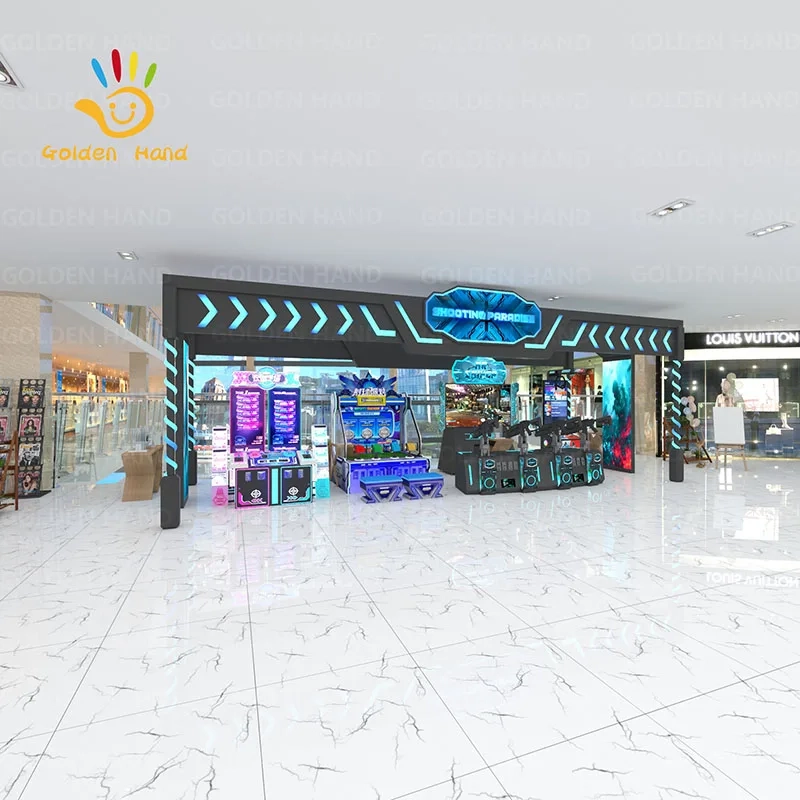
An open layout acts as free marketing. By positioning your most exciting Commercial VR Equipment Suppliers near the entrance or windows, you turn your current players into live advertisements for your park.
- Layout Tip: Use open designs where bystanders can see players reacting and laughing.
- Visuals: Integrate large external monitors to mirror the VR gameplay for the queue to watch.
- Atmosphere: Use lighting and sound to extend the excitement beyond the headset.
Mistake #6: Failing to Diversify (The 'Coaster-Only' Fallacy)
Over-indexing on passive experiences like VR roller coasters alienates demographics who prefer interactive gaming or are prone to motion sickness. A balanced park needs a mix of 'ride' experiences and 'do' experiences to capture the widest market share.
Diversification ensures you have something for everyone: intense thrill rides for teenagers, interactive shooting games for competitive groups, and educational exploration for younger children. This approach maximizes your average ticket value per group.
- The Mix: Ensure a balance of thrill rides (passive), shooting games (interactive), and exploration (educational/kids).
- Emerging Tech: Incorporate VR Escape Rooms for high-ticket group bookings and corporate team-building events.
- Retention: Different experiences encourage customers to stay longer and try multiple machines.
Mistake #7: Going It Alone Without a Turnkey Partner
Attempting to source hardware from disparate vendors often leads to integration nightmares, fragmented warranties, and a lack of unified technical support. Without a central partner, you become a system integrator rather than a business owner, wasting time troubleshooting instead of marketing.
This is where VRN0.1 excels. With over 10 years of experience and a base in Guangzhou, we provide Turnkey VR Theme Park Solutions that cover everything from site planning to installation. Unlike drop-shippers, we manufacture our own 9D VR Cinemas and VR Racing simulators, ensuring all equipment works seamlessly together. Our 24/7 support means you never face technical downtime alone.
- The Advantage: Leveraging a 'One-Stop Solution' provider ensures compatibility between headsets, PCs, and motion platforms.
- Support: VRN0.1 offers OEM/ODM services and free training, backed by exports to over 100 countries.
- Risk Mitigation: Trusted suppliers provide spare parts and remote troubleshooting to keep your park running.
Gap Analysis: Future Trends Competitors Are Missing
To stay ahead, savvy operators must look at the macro trends driving the Location-Based Entertainment (LBE) sector, such as the integration of AI and haptics. According to market analysis by Grand View Research, the LBE market is projected to see significant growth through 2030, driven by consumers seeking high-end social experiences they cannot replicate at home.
Competitors often miss the shift towards 'Eatertainment'—combining VR with food and beverage. Additionally, the rise of Generative AI allows for dynamic NPCs (Non-Player Characters) that react differently to every player, making games infinitely replayable.
- AI-Driven NPCs: Generative AI is creating dynamic characters in LBE VR experiences for 2026.
- Haptic Integration: Beyond the chair—vests and gloves that add physical sensation to the virtual world.
- Hybrid Venues: Combining VR with traditional arcade elements or F&B for longer dwell times.
Conclusion
Building a profitable VR amusement park requires balancing cutting-edge immersion with strict operational discipline. By avoiding these 7 costly mistakes—such as choosing the wrong hardware or neglecting the spectator effect—you position your venue for long-term success. The industry is growing rapidly, but only for those who invest in quality 6-DOF experiences and reliable partners.
Contact our team today to optimize your Location-Based Entertainment (LBE) Business Plan.
FAQ
How much does it cost to build a VR amusement park in 2026?
Costs vary wildly based on size, typically ranging from $50,000 for a small mall zone to over $1 million for a large-scale park. Major expenses include 6-DOF equipment, high-end PCs, interior decoration, and licensing fees. It is crucial to budget for both the initial hardware and the operational runway.
What is the ROI for a VR theme park business?
With high throughput and strategic location, ROI is often achieved within 12 to 18 months. Profitability depends heavily on minimizing downtime and maximizing 'Guests Per Hour'. Venues that utilize turnkey solutions to reduce maintenance costs often see faster returns.
What is the difference between 3-DOF and 6-DOF VR simulators?
3-DOF allows rotational movement (pitch, roll, yaw), suitable for passive viewing. 6-DOF adds translational movement (heave, surge, sway), crucial for realistic simulation and reducing motion sickness. For modern commercial parks, 6-DOF is the standard for immersion.
How much space do I need for a VR arcade business?
A small setup can start with 50-100 sqm, while a full park requires 500+ sqm. Allocating space for waiting areas and spectator viewing is as important as the equipment footprint. Efficient layouts maximize the revenue per square meter.
What is the best VR equipment for commercial use?
Top choices include 360-degree rotating chairs, VR racing simulators, and multiplayer free-roam arenas. Durability and ease of cleaning are key factors for commercial-grade gear. VRN0.1 specializes in these high-traffic machines tailored for durability.
How do I maintain hygiene in a VR park?
Use PU leather face masks that are easy to wipe, UV sanitization boxes, and disposable eye masks. Train staff to sanitize equipment immediately after every single use. Visible hygiene practices also build trust with your customers.
Is the VR theme park industry growing?
Yes, the market is projected to grow significantly as LBE (Location-Based Entertainment) recovers and expands. Consumers are seeking premium social experiences they cannot access at home, driving demand for high-fidelity VR venues.
Where can I find a reliable VR amusement park supplier?
Look for manufacturers with a track record of global installations and after-sales support. Check for suppliers who offer 'turnkey solutions' including design, shipping, and installation services. VRN0.1, with 10 years of experience, is a prime example of a reliable partner.
References
Location-Based VR Market Size, Competitors & Forecast
Location Based VR Market Size, Trends | Report [2034]
Location Based VR Market - Industry Growth & Companies
Location-based VR Entertainment Market Size to Reach US$ 20.47 Bn by 2032
Location-Based VR Entertainment Market Set for Expansion to US$ 49.2 Bn by 2033

Home
Can I customize the VR experience for my business?
Yes, we offer tailored VR experiences to suit your business needs, from custom content to specific hardware configurations, ensuring the best possible experience for your customers.
What types of virtual reality solutions do you offer?
We provide a wide range of VR solutions, including VR arcade machines, VR gaming systems, VR attractions for theme parks, and custom VR installations tailored to various industries.
Solution
Does the VR device consume a lot of power?
Our VR devices are designed with energy efficiency in mind. The power consumption of the device is low and suitable for long-term use. The specific power consumption will vary depending on the type of device and frequency of use, and usually runs at standard voltage.
Products
How durable are your VR machines?
Our VR machines are designed for durability and high traffic use, ensuring long-lasting performance. We also provide maintenance and support services to keep your equipment running smoothly.
Application
How much space does VRNO.1's VR equipment require?
Our VR equipment is designed to adapt to family entertainment centers of different sizes. For smaller spaces, we have compact solutions for interactive games for one or two people. For larger venues, we provide multi-user interactive experience solutions that can support multiple people to experience at the same time.
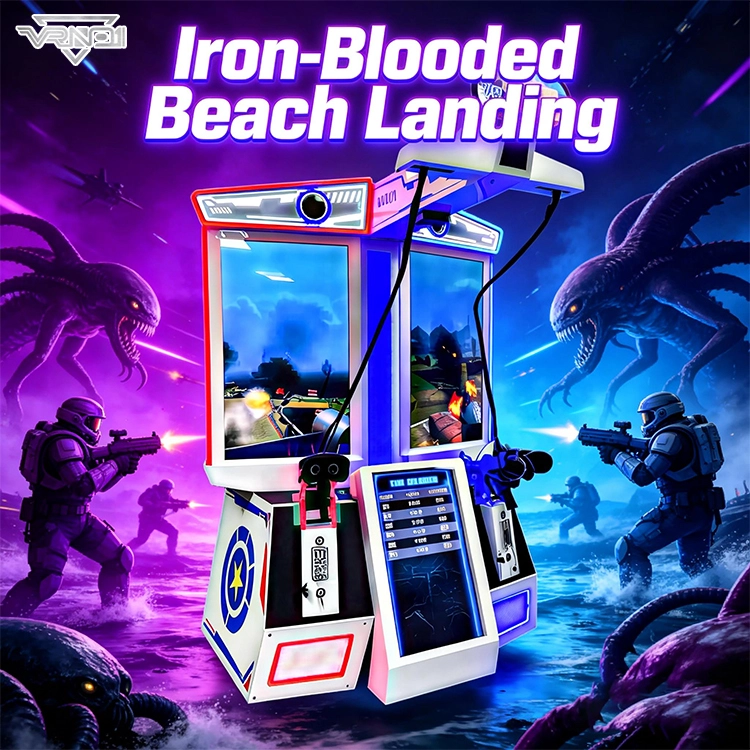
Heavy-Duty Offensive Warfare | Independent Dual-Core Architecture | Zero-Maintenance Suspension System
In the competitive landscape of Location-Based Entertainment (LBE), generic shooters no longer cut it. Enter the VR NO.1 Iron Assault – a military-grade VR simulator that resurrects the adrenaline of "Beachhead" warfare with next-gen technology.
Engineered by VR NO.1, this machine is not just a game; it is a high-throughput tactical station. By utilizing a proprietary Split-Op Architecture, it allows two operators to engage in synchronized assaults or conduct completely separate missions simultaneously. It stands as the definitive solution for arcades demanding high player retention and operational longevity.
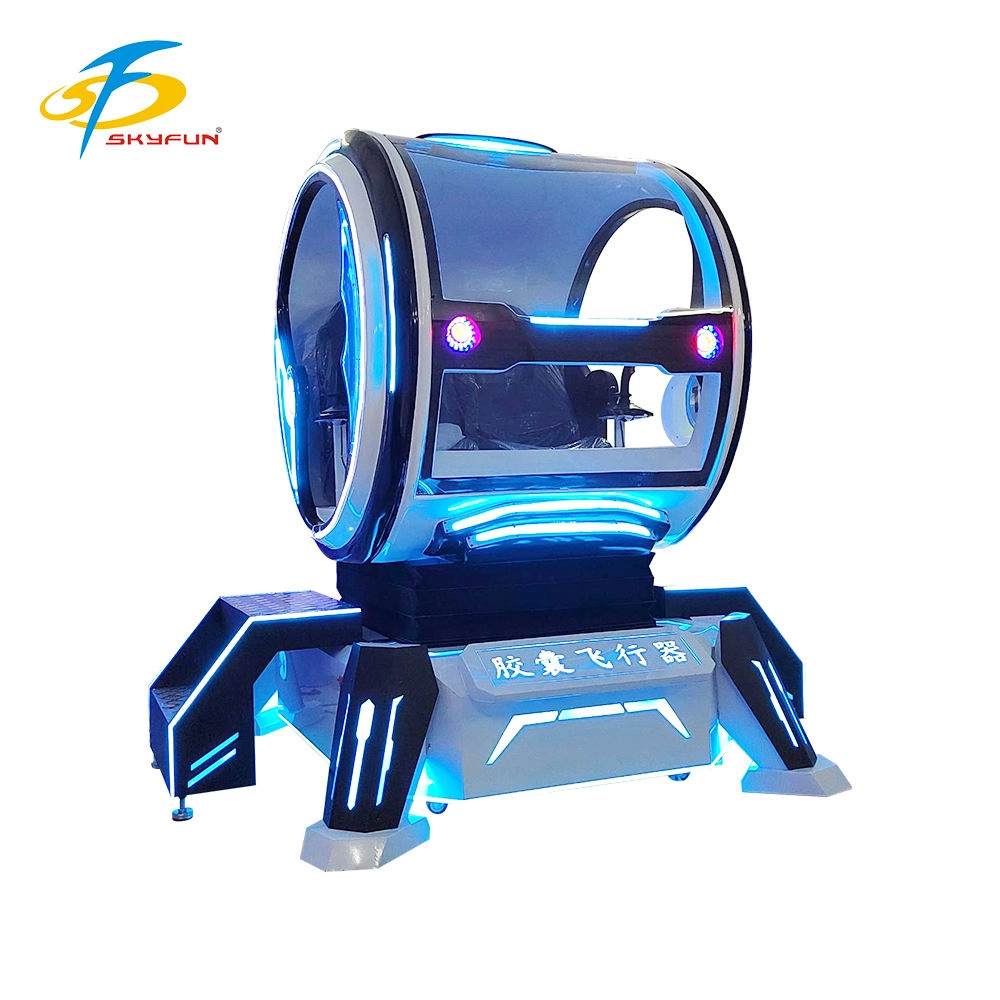
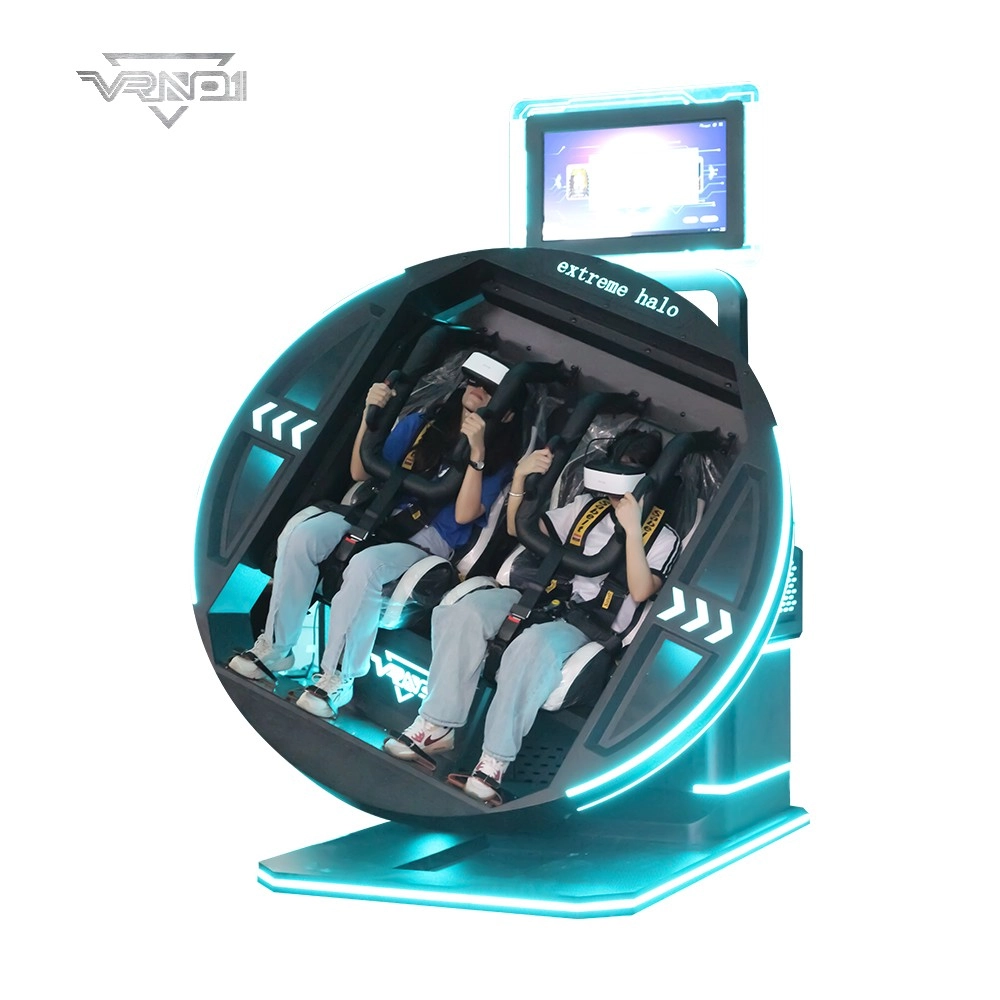
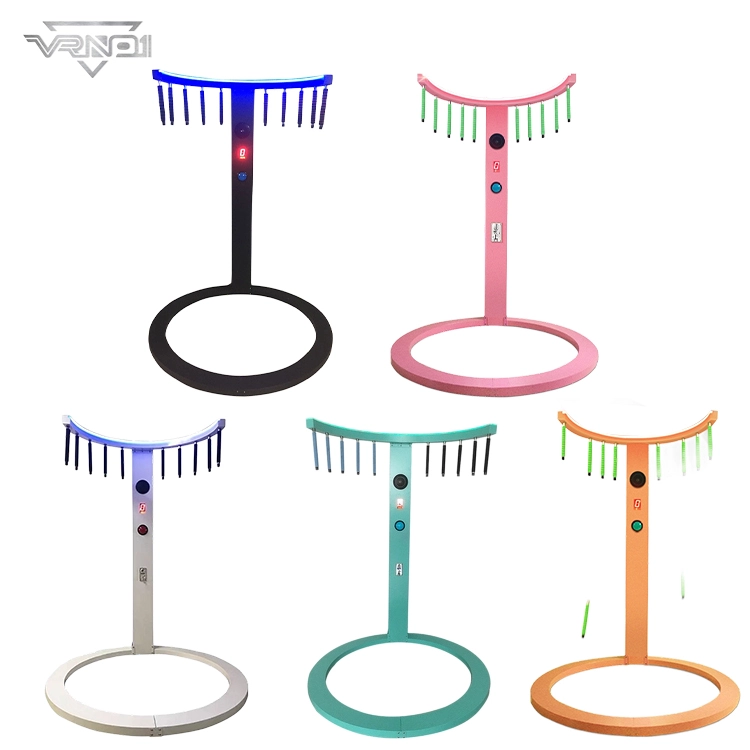
- Realistic Sound: Enhances gaming experience with authentic sounds.
- Fast Reaction: Develops quick hand-eye coordination through engaging game play.
- DIY Kit: Allows for customization and personalization of the baton.
- Metal and Plastic Construction: Durable and robust build quality.
- Coin Operated: Fun for players who enjoy arcade-like experiences.
Want to know more updates?
If you have any technical questions or after-sales needs, please feel free to contact our service team.
We will wholeheartedly provide you with quick response and professional support to ensure the smooth operation of your VR & Arcade project.
 Scan QR Code
Whatsapp: +8618127818571
Scan QR Code
Guangzhou Skyfun Technology Co.,Ltd
skyfunvrgame
skyfun game