


Beyond Beat Saber: 15 Mind-Blowing VR Arcade Games You Have Never Heard Of [2026 List]
As we navigate 2026, the VR arcade industry demands more than just hardware; it requires a sophisticated blend of AAA content like 'Batman: Arkham Shadow' and rigorous financial planning. By adopting Mixed Reality technologies to lower staffing costs and utilizing data-driven ROI models, operators can secure their slice of this multi-billion dollar market. Don
- The 2026 LBE Landscape: A $2.7 Billion Opportunity
- From Solo Pods to Social Free-Roam
- Why "Cut-off" Content Fails
- The Rise of Mixed Reality (MR) Passthrough
- Top AAA VR Arcade Games for 2026
- Moving Beyond 2020 Classics
- The "Arcade-Ready" Checklist
- Category Breakdown: Rhythm vs. Story
- Hardware Trends: Standalone vs. PC VR
- The Decline of the Backpack PC
- Investment Analysis: Capex Comparison
- Maintenance Realities
- The Business of VR: ROI & EBITDA Models
- Detailed Financial Breakdown
- Staffing Ratios: Optimizing Labor Efficiency
- Commercial Licensing Fees
- Maximizing Ancillary Revenue
- F&B Integration
- Merchandising and Replay Videos
- Corporate Events & Buyouts
- Conclusion
- FAQs
The Location-Based Entertainment (LBE) sector has undergone a radical transformation. As we settle into 2026, the novelty era of Virtual Reality is officially dead. It has been replaced by a mature, high-stakes industry where operational efficiency, IP power, and Mixed Reality (MR) integration dictate survival. For operators, the question is no longer "Will people try VR?" but rather "How do I optimize throughput and retention in a saturated market?"
This guide delves deep into the strategies necessary to run a profitable venue this year, ranging from selecting the right VR Arcade Games 2026 has to offer, to mastering the financial intricacies of a modern LBE VR ROI Calculator.
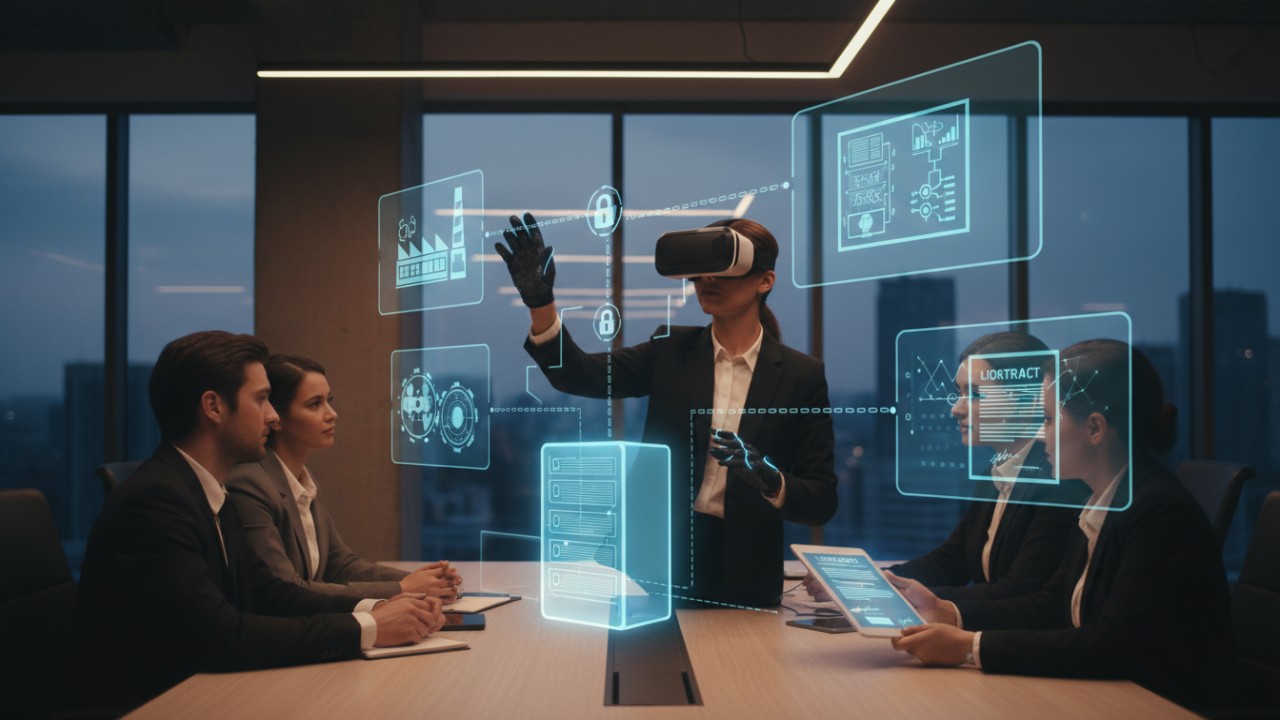
The 2026 LBE Landscape: A $2.7 Billion Opportunity
The global appetite for immersive experiences has not just recovered from the post-pandemic lull; it has exploded into a sophisticated market. According to recent data analyzing the location-based virtual reality market size, the industry is on a trajectory to exceed previous valuations, driven largely by a shift in consumer behavior.
From Solo Pods to Social Free-Roam
In the early 2020s, the standard arcade model consisted of 8x8 "pods" where isolated players waved controllers while their friends watched on a monitor. In 2026, this model is obsolete. The market has pivoted aggressively toward social, free-roam experiences. Customers can play solo VR at home on their own high-fidelity headsets; they come to an arcade to share a physical and virtual space with friends.
The "Arena Scale" turnkey solution is now the gold standard. These setups allow 4 to 10 players to share a single play space, interacting physically and digitally. This shift not only increases ticket value (group pricing) but also maximizes floor space utilization, a critical factor in urban real estate.
Why "Cut-off" Content Fails
A common pitfall for failing arcades is the reliance on "cut-off" content—standard consumer games licensed via steam commercial accounts that offer no onboarding or offboarding journey. In an LBE setting, the customer journey must be end-to-end.
Successful venues in 2026 utilize launchers that automate the "put on, play, take off" cycle. If a customer has to ask a staff member how to reload a weapon or restart a level, the operational friction destroys profitability. Content must be designed specifically for LBE, with simplified controls, automated tutorials, and clear time-limits to ensure reliable turnover.
The Rise of Mixed Reality (MR) Passthrough
One of the most defining Mixed Reality Arcade Trends of 2026 is the integration of color passthrough. Modern commercial headsets now allow players to see the physical world (and their friends) seamlessly blended with digital assets.
This technology solves two massive problems:
1. Safety: Players no longer run into walls or each other, significantly reducing liability insurance premiums.
2. Staffing Efficiency: Because players can see their surroundings to equip gear or navigate to the play zone, the need for "sherpas" (staff members who guide blindfolded players) is drastically reduced.
Top AAA VR Arcade Games for 2026
Content is king, but in the arcade world, brand recognition is the emperor. The casual consumer walking past your venue may not know what a "physics-based sandbox" is, but they know major movie and video game franchises.
Moving Beyond 2020 Classics
While classics like Arizona Sunshine served the industry well, the 2026 consumer demands AAA fidelity. To capture the high-end market, operators must license titles with massive marketing budgets behind them.
A prime example of this tier of content is Batman: Arkham Shadow. Licensing a title of this caliber does half the marketing work for you. The graphical fidelity, voice acting, and narrative depth provide an experience that feels "premium"—justifying a higher ticket price ($35-$50 per session) compared to generic wave shooters. Similarly, titles like Alien: Rogue Incursion capitalize on horror-thrill seekers, a demographic that historically spends more on group experiences.
The "Arcade-Ready" Checklist
Before licensing any game in 2026, smart operators run it through the "Arcade-Ready" checklist. If a game fails these points, it will clog your operations:
· Kiosk Mode Support: Can the game be launched remotely by an operator tablet?
· Automated Tutorials: Does the game teach the player how to play within the first 60 seconds without staff intervention?
· LAN/Local Server Support: Does the game function if the internet drops? (Critical for reliability).
· Haptic Integration: Does it support vest and gun recoil peripherals to distinguish the experience from home play?
Category Breakdown: Rhythm vs. Story
To maximize the Turnkey VR Business Model, your content library must be balanced:
· High-Throughput Rhythm Games: Short duration (3-5 minutes), high replayability. These are your "quarter eaters." They are perfect for waiting areas or as add-ons to main events.
· High-Ticket Story Campaigns: Long duration (30-45 minutes). These are your destination anchors. Games like Batman or Alien fall here. They drive reservations and group bookings.
Hardware Trends: Standalone vs. PC VR
The hardware debate has largely been settled in 2026. The era of the heavy, hot, and expensive backpack PC is ending, replaced by advanced streaming and standalone processing.
The Decline of the Backpack PC
For years, "Free Roam" meant strapping a $3,000 computer to a player's back. This created a massive Capital Expenditure (Capex) barrier and a maintenance nightmare (batteries, sweat damage, cable failure).
Today, the industry standard has shifted to Wi-Fi 6E and Wi-Fi 7 streaming. High-end standalone headsets can now render decent graphics natively or receive pristine PC-quality visuals streamed wirelessly from a central server stack located in a cool, dust-free server room. This setup reduces weight on the player, improving comfort and extending play sessions.
Investment Analysis: Capex Comparison
When utilizing an LBE VR ROI Calculator, the hardware savings are undeniable:
· Legacy Tethered/Backpack Setup: Approx. $4,500 per player station (PC + Headset + Peripherals).
· Modern Streaming/Standalone Setup: Approx. $1,200 - $1,800 per player station.
This reduction in upfront cost allows operators to achieve ROI months earlier. Furthermore, standalone headsets are becoming easier to replace. If a unit breaks, you swap it out for a spare on the shelf in seconds, rather than troubleshooting a custom PC build.
Maintenance Realities
Commercial controllers in high-traffic zones take a beating. In 2026, durability metrics are a key purchasing factor. Operators are moving away from consumer-grade plastic controllers toward commercial-grade peripherals (gun stocks, haptic vests) that use tracking pucks. These are designed to be dropped, sanitized with industrial cleaners, and used for 12 hours a day without drift.
The Business of VR: ROI & EBITDA Models
Running a VR arcade is not just about fun; it is a rigorous logistics business. To achieve the targeted 37% EBITDA margin, operators must adhere to strict financial modeling.
Detailed Financial Breakdown
To be profitable, your revenue per square foot must exceed traditional retail metrics.
· Target Occupancy: 20-30% on weekdays, 85%+ on weekends.
· Average Ticket Value (ATV): Should aim for $45 per head for a 45-minute experience.
· Throughput: A 10-player arena should be able to process 12 groups per day minimum.
Staffing Ratios: Optimizing Labor Efficiency
Labor is usually the highest operating expense. In the old model, you needed one attendant for every two stations (1:2 ratio) to manage cables and safety.
With the adoption of Mixed Reality Arcade Trends and wireless headsets, the ratio has shifted to 1:6 or even 1:8. A single "Game Master" can oversee an entire arena session via tablet, intervening only for technical glitches. This efficiency is supported by organizations like the Academy of International Extended Reality, which advocates for standardized safety and operational training to professionalize the LBE workforce.
Commercial Licensing Fees
Understanding Commercial VR Licensing is vital for cash flow. There are two main models:
1. Per-Minute (PPM): You pay ~$0.08 to $0.12 per minute of gameplay. Best for new venues with fluctuating traffic. You only pay when you earn.
2. Monthly Subscription/SaaS: A flat fee per headset (e.g., $30/month). Best for high-volume venues. If your utilization is high, this creates a predictable, lower effective cost per minute.
Maximizing Ancillary Revenue
A Turnkey VR Business Model relies on more than just ticket sales. Successful venues in 2026 function as social hubs where VR is the hook, but F&B and merch provide the margin.
F&B Integration
Food and Beverage can account for 30-40% of total revenue. However, the menu must be "VR Compatible."
· The "Clean Hands" Rule: Avoid greasy foods like wings or nachos that will smear controllers.
· Menu Engineering: Focus on skewers, sliders, and straw-based drinks.
· Themed Drinks: Create cocktails or mocktails named after the games (e.g., "The Arkham Asylum," "Xenomorph Acid") to encourage social sharing.
Merchandising and Replay Videos
The post-game experience is a sales opportunity. Automated systems now record "Highlight Reels" of the players' in-game avatars mixed with their real-world reactions (using external cameras). Selling this video for $5, or bundling it with a VIP ticket, is pure profit with zero marginal cost. Additionally, selling game-specific souvenirs (keychains, t-shirts) immediately after a high-adrenaline game capitalizes on the emotional high.
Corporate Events & Buyouts
B2B sales are the secret weapon for weekday utilization. Corporate team building in VR is highly effective because it levels the playing field—CEOs and interns are equal in the virtual world. Structuring high-margin packages (e.g., "3 Hours Arena Access + Buffet + Private Bar = $2,500") ensures revenue stability during off-peak hours.
Conclusion
As we navigate 2026, the VR arcade industry demands more than just hardware; it requires a sophisticated blend of AAA content like Batman: Arkham Shadow and rigorous financial planning. By adopting Mixed Reality technologies to lower staffing costs and utilizing data-driven ROI models, operators can secure their slice of this multi-billion dollar market. Don't let your venue rely on outdated strategies—embrace the next generation of LBE entertainment today.
FAQs
What are the most profitable VR arcade games in 2026?
Multiplayer shooters and co-op cooking games tend to have the highest ROI due to group bookings. Short-session horror experiences (5-8 mins) also perform well because they have high turnover rates, allowing you to serve more customers per hour. Finally, free-roam arena games command the highest ticket prices in the industry.
Can I use Steam VR games in my arcade business?
Generally, no. You cannot use standard consumer Steam licenses for commercial use as it violates the end-user license agreement (EULA). You must obtain a Commercial License via platforms like SpringboardVR, SynthesisVR, or direct developer agreements. Using consumer versions risks legal action and account bans.
What is the best alternative to Beat Saber for arcades?
Ragnarock is a top contender for multiplayer engagement due to its competitive viking theme. Synth Riders offers a more 'dance-like' flow that appeals to fitness enthusiasts, while Audio Trip provides high-fidelity visuals that attract spectators to the station.
How do I choose VR games for a family entertainment center (FEC)?
Focus on 'low friction' games with no complex buttons, relying on intuitive motion only. Prioritize multiplayer titles to encourage families to play together. Additionally, avoid extreme motion sickness triggers (locomotion) in favor of room-scale or teleportation games to ensure comfort for all ages.
What is a Free-Roam VR experience?
Free-Roam VR Multiplayer allows players to walk physically around a large open space without tethers, using backpack PCs or wireless streaming to headsets. These are exclusive to LBE venues and cannot be played in living rooms, offering a unique selling point for your business.
Are VR arcade games different from home VR games?
Yes, arcade versions often have 'Arcade Mode' enabled. This removes long tutorials, simplifies menus, and creates a timer-based system. They are optimized for quick turnover, instant fun, and easy onboarding for new players.
How much space is needed for a VR arcade station?
Standard room-scale requires roughly 8x8 to 10x10 feet per player to ensure safety. Standing-only stations can be smaller (5x5 feet). However, free-roam arenas require significantly more space, starting at 20x20 feet and going up depending on the player count.
What hardware is best for VR arcades in 2026?
Commercial headsets like the HTC Vive Focus 3 or Pico 4 Enterprise are industry standards due to their durability and hygiene features. Highly durable controllers and replaceable face gaskets are essential. Furthermore, wireless streaming solutions are becoming the norm to reduce cable tripping hazards.



Distributors
How is VRNO.1's product pricing?
VRNO.1 offers a competitive pricing strategy to dealers. We supply goods based on the price agreed in the cooperation agreement, and provide corresponding discounts and discounts based on your purchase volume and market demand.
Application
What hardware equipment is required for VR games?
Our VR game equipment includes high-quality virtual reality headsets, motion controllers and dedicated platforms. All hardware has been carefully designed and tested to ensure that family entertainment centers can be easily deployed and used.
Does the device support wireless use?
Some VRNO.1 VR devices support wireless connection, which makes it easier to move freely in different spaces without worrying about cable restrictions, enhancing the immersion and freedom of the game.
What should I do if there is a problem with the equipment?
If the VR device fails, you can submit the question through our customer support system or contact our after-sales service team. We will provide you with a solution as soon as possible, including equipment maintenance, replacement parts, etc., to ensure that your business operations are not interrupted.
Solution
Does VRNO.1 provide customized development of VR game content?
Yes, VRNO.1 provides customized development services for game content. We can customize specific types of games according to your needs to enhance the user experience. Customized content can include game themes, scenes, interactive functions, etc. to meet different market needs.
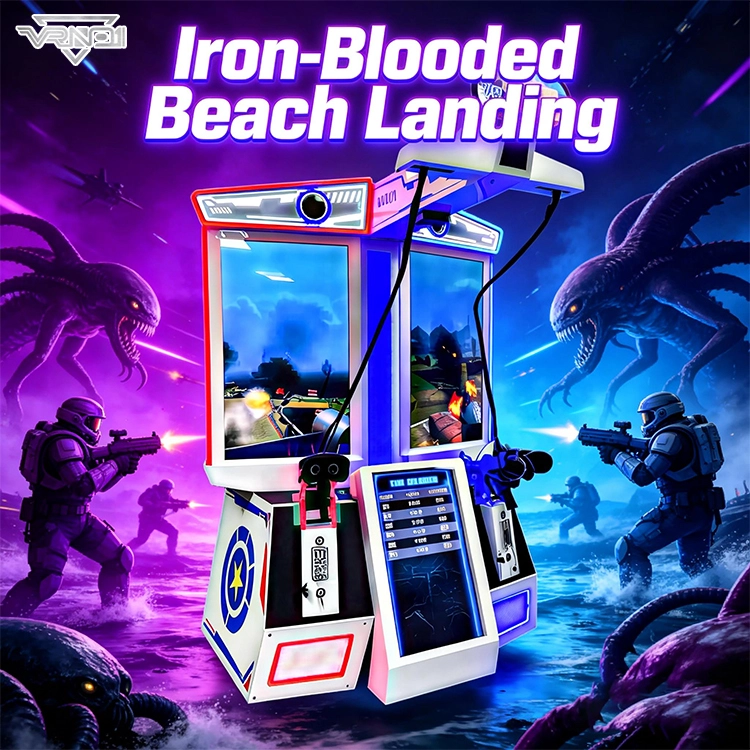
Heavy-Duty Offensive Warfare | Independent Dual-Core Architecture | Zero-Maintenance Suspension System
In the competitive landscape of Location-Based Entertainment (LBE), generic shooters no longer cut it. Enter the VR NO.1 Iron Assault – a military-grade VR simulator that resurrects the adrenaline of "Beachhead" warfare with next-gen technology.
Engineered by VR NO.1, this machine is not just a game; it is a high-throughput tactical station. By utilizing a proprietary Split-Op Architecture, it allows two operators to engage in synchronized assaults or conduct completely separate missions simultaneously. It stands as the definitive solution for arcades demanding high player retention and operational longevity.
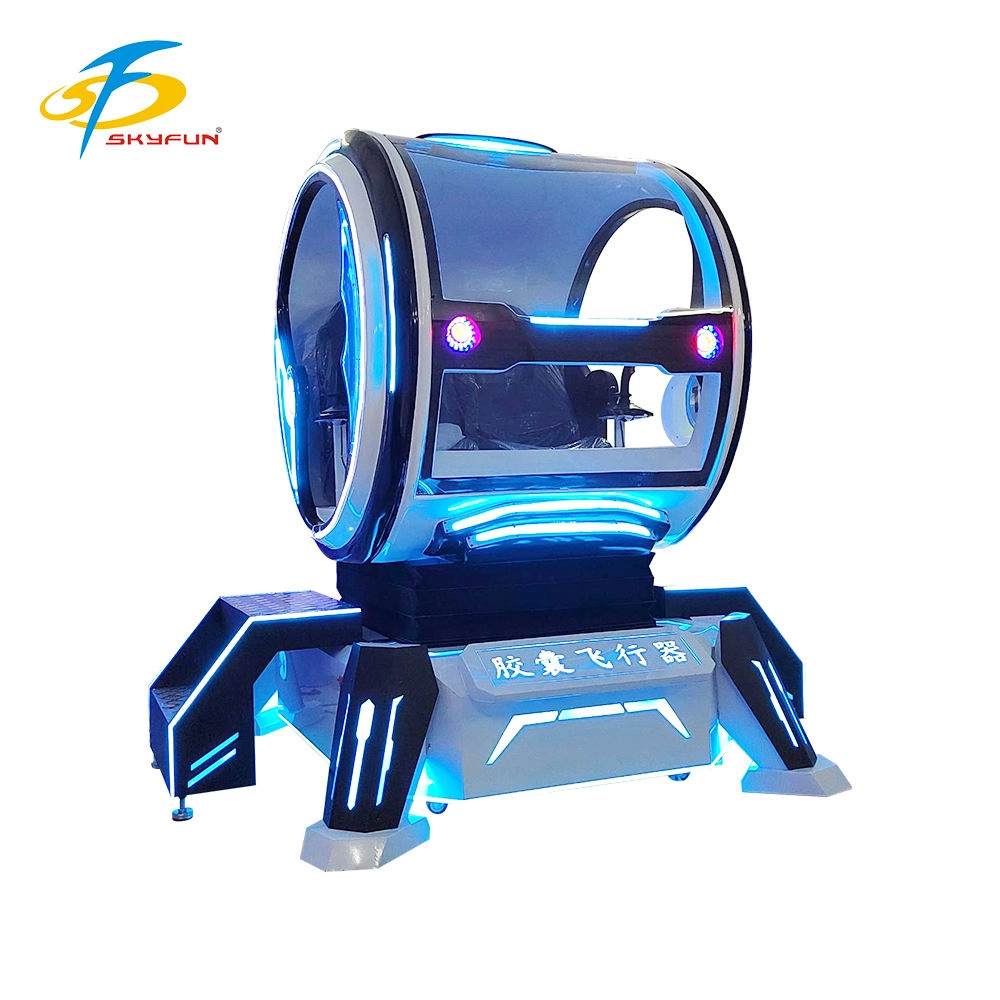
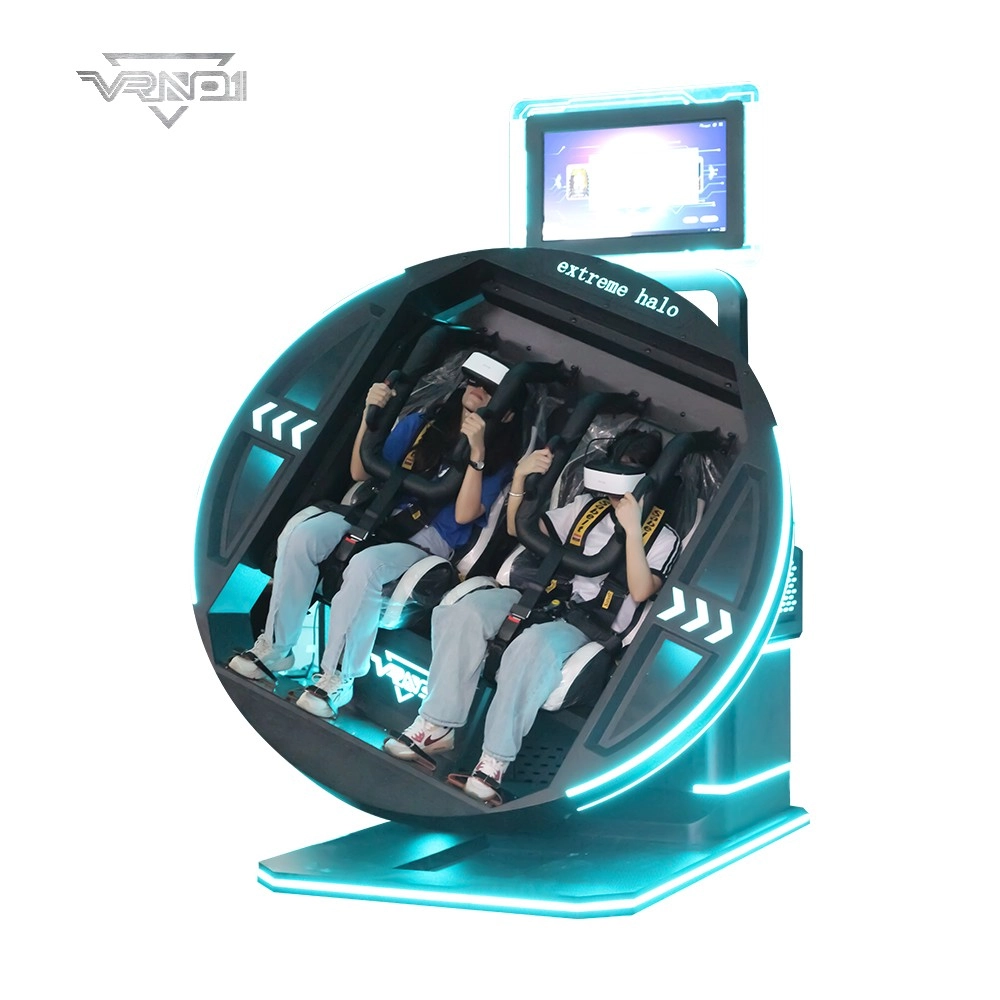
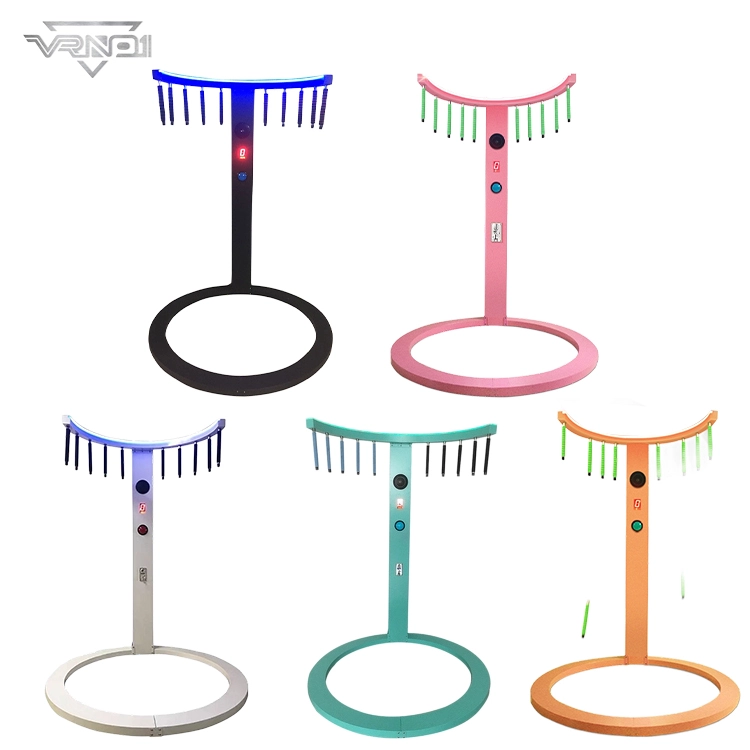
- Realistic Sound: Enhances gaming experience with authentic sounds.
- Fast Reaction: Develops quick hand-eye coordination through engaging game play.
- DIY Kit: Allows for customization and personalization of the baton.
- Metal and Plastic Construction: Durable and robust build quality.
- Coin Operated: Fun for players who enjoy arcade-like experiences.
Want to know more updates?
If you have any technical questions or after-sales needs, please feel free to contact our service team.
We will wholeheartedly provide you with quick response and professional support to ensure the smooth operation of your VR & Arcade project.
 Scan QR Code
Whatsapp: +8618127818571
Scan QR Code
Guangzhou Skyfun Technology Co.,Ltd
skyfunvrgame
skyfun game