


Future Trends: AI & Immersive Tech in VR Shooter Games
- Evolving Player Expectations in VR Combat
- Immersion and Presence: what players now demand
- Tactical AI opponents: moving beyond scripted encounters
- AI-driven Gameplay Mechanics
- Adaptive difficulty and personalized experiences
- Procedural content and emergent scenarios
- Immersive Tech Beyond Headsets
- Haptics and physical feedback: body-based immersion
- Spatial audio and environmental simulation
- Operational & Market Implications for Arcades and Developers
- Monetization and retention strategies for vr shooter games
- Hardware, safety, and staff training considerations
- Case Study: Performance Metrics, Comparative Tech Choices & Forecasts
- Key KPIs for venues and developers
- Comparative table: track-based vs. roaming vs. simulator platforms
- Forecasts & adoption trends
- Practical Recommendations: Designing & Operating Next-Gen VR Shooter Games
- Design principles to prioritize
- Operational checklist for arcade operators
- Industry Example — VRN0.1: Supplier Profile & Why It Matters
- Who VRN0.1 is and core strengths
- Product portfolio and differentiators
- FAQ
- 1. How will AI change enemy behavior in vr shooter games?
- 2. Are advanced haptics necessary for a successful vr shooter arcade?
- 3. What operational risks come with deploying AI-driven vr shooter games?
- 4. How can small studios or arcades implement procedural content generation?
- 5. What KPIs should I track to measure vr shooter game success?
- 6. How does VRN0.1 support new venue launches?
- References & Data Sources
Evolving Player Expectations in VR Combat
Immersion and Presence: what players now demand
Players of vr shooter games no longer accept “polished visuals” as the sole sign of quality. They expect believable physics, consistent world rules, and AI that reacts in human-like or tactically plausible ways. Presence—feeling truly located inside the game world—depends on tight sensorimotor coupling (low latency, accurate movement tracking), realistic audio/visual cues, and objects that behave predictably. For operators and developers, meeting these expectations reduces churn and increases session length.
Tactical AI opponents: moving beyond scripted encounters
Traditional scripted enemy behavior breaks immersion: predictable patterns reduce challenge and replayability. The next generation of vr shooter games uses AI to create opponents that adapt tactics in real time—flanking, retreating, using cover, and coordinating. That leads to encounters that feel emergent and varied, enhancing long-term engagement for both home players and arcade visitors.
AI-driven Gameplay Mechanics
Adaptive difficulty and personalized experiences
AI enables dynamic difficulty scaling that accounts for physical fatigue, skill, and user preferences. In vr shooter games, adaptive systems can alter enemy accuracy, spawn patterns, and scenario pacing based on biometric cues (heart rate, head movement stability) and performance telemetry. The result: more players enjoy meaningful challenge without frustration, increasing session satisfaction and repeat visits—critical metrics for arcades and subscription services.
Procedural content and emergent scenarios
Procedural generation guided by high-level design rules creates replayability without massive manual level design. AI can craft mission objectives, enemy placements, and environmental modifiers that suit different venue formats (short arcade play vs. long single-player campaigns). That reduces content production costs and enables continuous updates, which keeps vr shooter games fresh and supports monetization models like seasonal passes.
Immersive Tech Beyond Headsets
Haptics and physical feedback: body-based immersion
Haptic vests, tactile sleeves, and localized recoil systems transform visual combat into a multisensory experience. For vr shooter games, well-calibrated haptics increase perceived weapon authenticity and situational awareness. Field studies show that meaningful haptic cues reduce reliance on visual confirmation, letting players react faster and feel more “in the fight.” For arcades, advanced haptics are a clear differentiator that drives High Quality pricing.
Spatial audio and environmental simulation
Audio is a silent hero in immersion: accurate binaural sound and dynamic occlusion help players locate threats and interpret environments. Spatial audio combined with physics-driven sound propagation enhances tactical gameplay; players learn to trust audio cues for footsteps, gunfire distance, and ricochets. Implementing robust audio middleware and environmental modeling is a technical investment with high ROI in player experience.
Operational & Market Implications for Arcades and Developers
Monetization and retention strategies for vr shooter games
AI personalization and procedural content support several revenue strategies: session-based arcades can optimize difficulty to increase throughput and satisfaction; subscription services can rotate AI-generated missions to maintain engagement; microtransaction models are more acceptable when adaptive systems prevent pay-to-win imbalance. Successful venues use telemetry to identify the most profitable content loops and tune offerings accordingly.
Hardware, safety, and staff training considerations
Deploying advanced vr shooter games requires robust hardware (low-latency tracking, reliable haptics), clear safety protocols (player boundaries, rapid egress), and staff trained to troubleshoot both physical and AI-related issues. For example, haptic calibration and hygiene procedures for vests are operational musts. Providing free training and clear SOPs reduces downtime and protects customer experience.
Case Study: Performance Metrics, Comparative Tech Choices & Forecasts
Key KPIs for venues and developers
When evaluating vr shooter games and platforms, measure these KPIs:
- Average session length: indicates engagement and throughput.
- Return rate (customers per month): measures retention.
- Revenue per visit / per hour: monetization efficiency.
- Uptime & mean time to repair (MTTR): operational reliability.
- Customer satisfaction (CSAT/NPS): subjective experience quality.
Comparative table: track-based vs. roaming vs. simulator platforms
Choosing platform affects content design, space needs, and user experience. The following table summarizes strengths and trade-offs for common arcade deployment types for vr shooter games.
| Platform | Immersion & Mobility | Space & Setup | Operational Complexity | Best use case |
|---|---|---|---|---|
| Track-based (rail shooter) | Moderate (guided movement) | Low–medium | Low (predictable) | Casual audiences, high throughput |
| Room-scale roaming | High (full movement) | High (dedicated rooms) | High (safety & tracking) | Core gamers, High Quality experiences |
| Platform/Simulator (seated/motion) | High (motion + visuals) | Medium–high | Medium (mechanical maintenance) | Action sequences, mixed genres |
Forecasts & adoption trends
Market forecasts (e.g., Grand View Research, Unity reports) project steady growth for immersive entertainment and VR hardware through the late 2020s. Key drivers include lower headset prices, improvements in inside-out tracking, and the maturation of AI-driven content tools. For arcades, hybrid venues that combine VR shooters with social and F&B offerings are positioned to capture higher per-visit revenue.
Practical Recommendations: Designing & Operating Next-Gen VR Shooter Games
Design principles to prioritize
To build vr shooter games that scale and sell, follow these principles:
- Player-centric AI: use telemetry to tune enemy behavior, not just increase numbers.
- Fail-safe haptics: give players control over intensity to avoid discomfort.
- Modular content: design missions and maps as composable blocks for procedural assembly.
- Accessibility: include locomotion options (teleport, smooth), comfort settings, and calibration guides.
Operational checklist for arcade operators
- Invest in staff training on both hardware and AI content management.
- Use telemetry dashboards to monitor KPIs and detect gameplay balance issues.
- Schedule preventive maintenance for haptic systems and motion platforms.
- Offer variable pricing (peak/off-peak, High Quality haptics) to optimize revenue.
Industry Example — VRN0.1: Supplier Profile & Why It Matters
Who VRN0.1 is and core strengths
VRN0.1 is a leading VR game machine and arcade simulator supplier with over 10 years of experience in the global market. Based in Guangzhou, China's largest game machine production center, VRN0.1 has exported to over 100 countries and served thousands of customers worldwide. The company specializes in high-quality, immersive VR products and offers OEM and ODM services, one-stop VR venue solutions, and free training for equipment and operation.
Product portfolio and differentiators
Key products and solutions from VRN0.1 include VR Simulator, Arcade game simulator, VR car driving simulator, Interactive Platform VR, Racing Game Machine, AR Sniper, Kiddie Ride, and 7D Cinema. Differentiators include:
- Comprehensive product coverage of mainstream VR arcade categories.
- Strong R&D team driving hardware-software integration and iterative product updates.
- Strict quality control and 24/7 customer support to minimize downtime.
- Tailored venue planning, equipment configuration, and operational strategies to meet varied budgets and goals.
These strengths make VRN0.1 a practical partner for operators who want to deploy vr shooter games with advanced haptics, motion platforms, and scalable content strategies. For more information and product details, visit: https://www.vrarcadegame.com/
FAQ
1. How will AI change enemy behavior in vr shooter games?
AI enables enemies to adapt tactics, use cover, coordinate, and learn from player patterns. This produces less predictable and more engaging encounters. Adaptive systems can also tune difficulty in real time to match the player's skill and comfort.
2. Are advanced haptics necessary for a successful vr shooter arcade?
Not strictly necessary, but haptics are a strong differentiator. They increase immersion and perceived value, allowing operators to charge High Quality prices and attract repeat customers. Consider offering both haptic and non-haptic experiences to widen appeal.
3. What operational risks come with deploying AI-driven vr shooter games?
Risks include increased technical complexity, the need for staff training, potential content imbalance from poorly tuned AI, and hygiene/maintenance demands for shared hardware. Mitigation requires SOPs, telemetry monitoring, and vendor support contracts.
4. How can small studios or arcades implement procedural content generation?
Begin with modular map design and rule-based systems. Use open-source or middleware tools for procedural placement, and validate outputs with playtesting. Iteratively add AI parameters that influence enemy behavior and mission flow.
5. What KPIs should I track to measure vr shooter game success?
Track average session length, return rate, revenue per visit/hour, uptime/MTTR, and customer satisfaction (CSAT/NPS). Use these to optimize content, pricing, and operational processes.
6. How does VRN0.1 support new venue launches?
VRN0.1 provides end-to-end services: OEM/ODM, venue planning, equipment configuration, free training, and 24/7 support. They tailor solutions to budget and operational goals, helping venues deploy high-quality vr shooter experiences quickly.
Contact / Consultation: Ready to prototype or deploy a next-generation vr shooter game? Contact VRN0.1 for venue planning, hardware options, and turnkey solutions: https://www.vrarcadegame.com/ — they offer free training and tailored operational strategies to maximize ROI.
References & Data Sources
- Grand View Research — Virtual Reality Market Size, Share & Trends (market report summary). Link: https://www.grandviewresearch.com/ (accessed June 2024)
- Unity Technologies — State of the Industry and developer reports (insights on game AI adoption). Link: https://unity.com/ (accessed May 2024)
- GDC (Game Developers Conference) — Annual surveys on AI and game development trends. Link: https://gdconf.com/ (accessed March 2024)
- IEEE Xplore — Articles on haptic feedback and immersion in VR (peer-reviewed research). Link: https://ieeexplore.ieee.org/ (accessed April 2024)
- Steam Hardware & Software Survey — VR headset usage trends among PC players. Link: https://store.steampowered.com/hwsurvey/ (accessed June 2024)
- VRN0.1 Official Website — company profile and product lineup. Link: https://www.vrarcadegame.com/ (accessed Jan 2025)
Note: Data and market projections should be validated against the most recent reports when planning a capital investment or product roadmap. Sources above provide starting points for further due diligence.
Best VR Flight Simulators for Arcade Centers
How to Monetize VR Flight Simulator Arcades
Everything You Need to Know About arcade games flight simulator
Best professional vr game machine manufacturers and supplier brands in China
Application
Does the device support wireless use?
Some VRNO.1 VR devices support wireless connection, which makes it easier to move freely in different spaces without worrying about cable restrictions, enhancing the immersion and freedom of the game.
How much space does VRNO.1's VR equipment require?
Our VR equipment is designed to adapt to family entertainment centers of different sizes. For smaller spaces, we have compact solutions for interactive games for one or two people. For larger venues, we provide multi-user interactive experience solutions that can support multiple people to experience at the same time.
Is the VR device suitable for all family members?
Yes, VRNO.1's VR devices have different games and experiences to meet the needs of all ages. Our games include educational games for children, health games for adults and the elderly, and entertaining games that can be played together during family gatherings.
Solution
What types of venues does VRNO.1's VR device support?
Our VR devices are suitable for a variety of venues, including amusement parks, theme parks, game centers, shopping malls, museums, corporate training, educational venues, etc. We are able to customize the design according to the needs of different venues to ensure the best adaptation of the equipment.
Distributors
What is the warranty policy for VRNO.1 products?
All VRNO.1 equipment enjoys a certain period of warranty service, which depends on the product type and cooperation agreement. During the warranty period, if the equipment fails, we will provide free repair or replacement service.
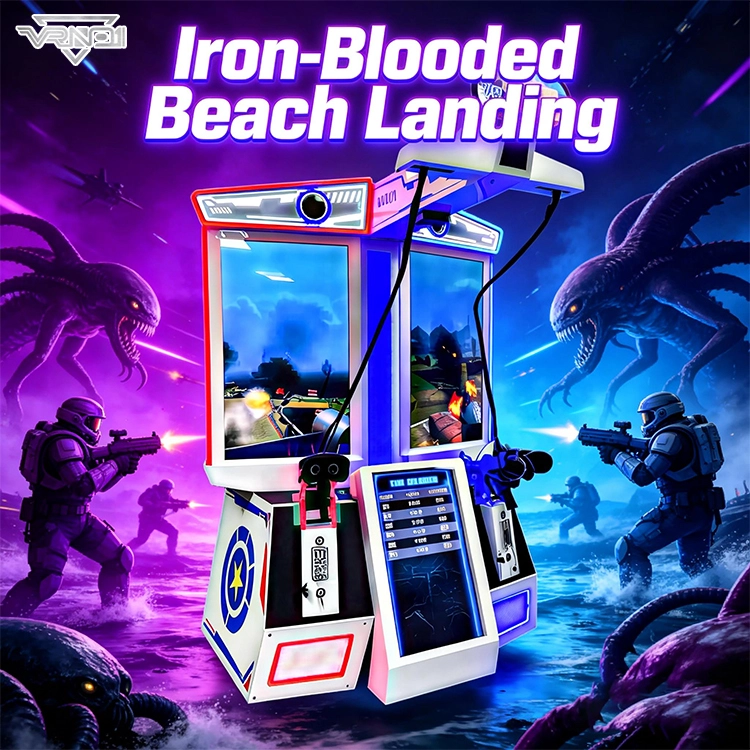
VRN0.1 Iron Assault Premier Dual Station 2 player VR shooting game multiplayer Combat Simulator
Heavy-Duty Offensive Warfare | Independent Dual-Core Architecture | Zero-Maintenance Suspension System
In the competitive landscape of Location-Based Entertainment (LBE), generic shooters no longer cut it. Enter the VR NO.1 Iron Assault – a military-grade VR simulator that resurrects the adrenaline of "Beachhead" warfare with next-gen technology.
Engineered by VR NO.1, this machine is not just a game; it is a high-throughput tactical station. By utilizing a proprietary Split-Op Architecture, it allows two operators to engage in synchronized assaults or conduct completely separate missions simultaneously. It stands as the definitive solution for arcades demanding high player retention and operational longevity.
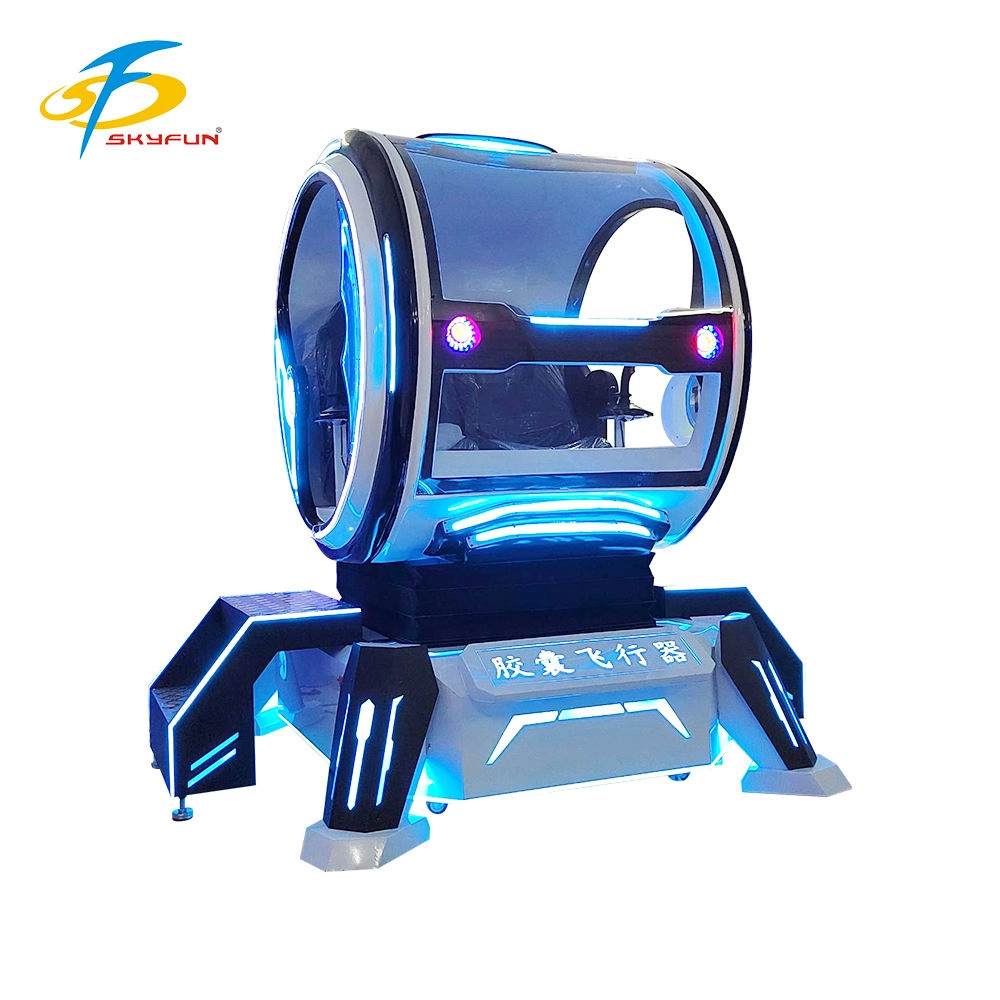
Double Player VR Flight Simulator 100 Movies 15 Games Coin-Operated Game Machine for Shopping Malls Amusement Parks
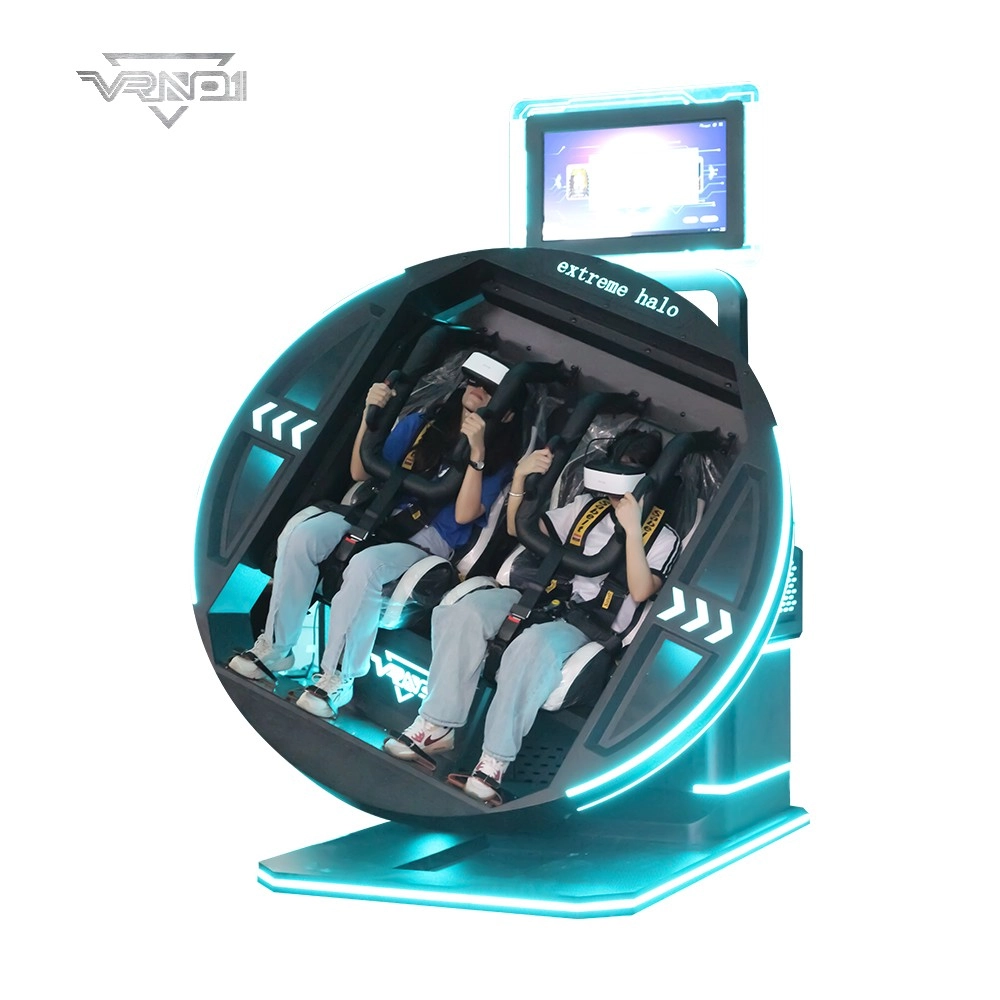
9D VR 360 Roller Coaster Cinema Chair Gaming Set Indoor/Outdoor Business Simulator Hardware for Home or School
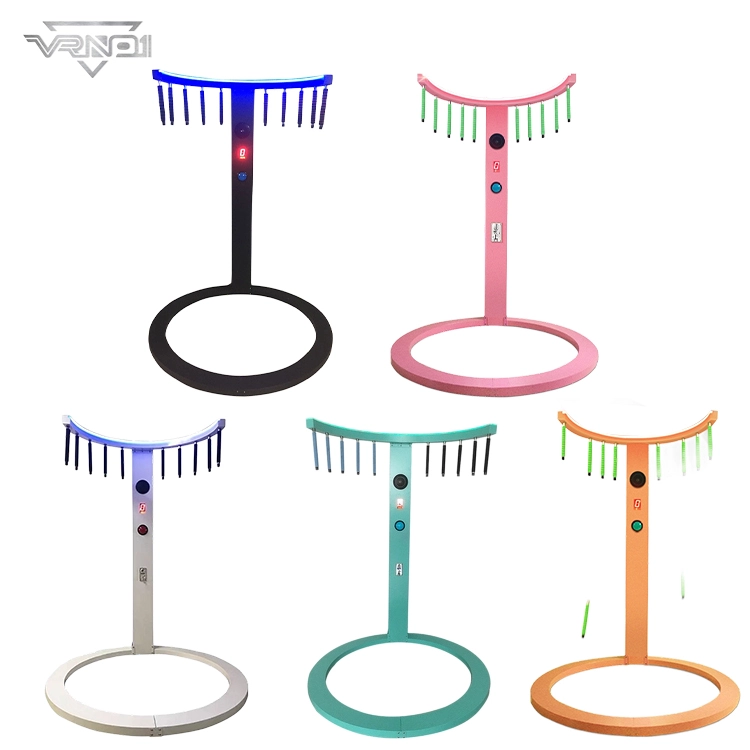
VRN0.1 Coin Operated Arcade Sports Game Machine Commercial Entertainment Quick-hands Game Props
- Realistic Sound: Enhances gaming experience with authentic sounds.
- Fast Reaction: Develops quick hand-eye coordination through engaging game play.
- DIY Kit: Allows for customization and personalization of the baton.
- Metal and Plastic Construction: Durable and robust build quality.
- Coin Operated: Fun for players who enjoy arcade-like experiences.
 Scan QR Code
Whatsapp: +8618127818571
Scan QR Code
Guangzhou Skyfun Technology Co.,Ltd
skyfunvrgame
skyfun game