


Customizable VR Flight Experiences: Add-Ons and Accessories
- Why customization matters for VR flight simulators
- Understanding user intent: training vs entertainment
- Immersion drivers and measurable outcomes
- Cost vs. benefit: plan to your objectives
- Key add-ons and accessories for vr flight simulator systems
- Flight controls: yokes, sticks, rudder pedals, and throttle quadrants
- Motion platforms and motion cueing
- Force feedback and haptics
- Choosing the right accessories by use case
- Home sim: high fidelity on a modest budget
- Arcade and LBE: durability and throughput
- Professional training: fidelity and certification
- Implementation, integration, and maintenance best practices
- Integration: software, latency, and synchronization
- Safety, ergonomics, and accessibility
- Operational metrics and ROI tracking
- Comparing common add-ons: cost, immersion impact, and suitability
- Real-world deployment examples and lessons learned
- Arcade rollout: maximizing uptime and throughput
- Training center: validating transfer of training
- Home user: staged upgrades
- About VRN0.1 — supplier profile and how we help
- FAQ — Common questions about vr flight simulator add-ons
- 1. Which add-on gives the biggest immersion boost for the least money?
- 2. Do motion platforms cause motion sickness?
- 3. How do I choose between a force-feedback control and a passive control set?
- 4. Are there safety standards I should follow for arcade installations?
- 5. What maintenance is required for motion platforms?
- 6. Can I retrofit my existing vr flight simulator with add-ons?
As someone who has designed and deployed VR flight simulator systems for training centers and arcades worldwide, I focus on practical, verifiable guidance for customizing VR flight experiences. In this article I explain which add-ons and accessories deliver the largest gains in immersion and training fidelity, how to pick components based on use case (home sim, pro training, or arcade attraction), and how to integrate them to meet performance, safety, and operational needs. I embed authoritative resources and industry best practices so you can evaluate vendors and make evidence-based decisions.
Why customization matters for VR flight simulators
Understanding user intent: training vs entertainment
Users approach a vr flight simulator with different goals. Pilots-in-training need accurate flight dynamics, reliable input fidelity, and certified scenarios. Enthusiasts want realistic controls and visuals for hobby flying. Arcade guests and location-based entertainment (LBE) operators prioritize instant immersion, durability, and throughput. Matching add-ons to intent reduces wasted budget and avoids overbuilding systems where simpler solutions suffice.
Immersion drivers and measurable outcomes
Immersion in a VR flight simulator is driven by three measurable factors: sensory fidelity (visual & audio resolution, field-of-view), proprioceptive cues (motion platforms, G-seat, force feedback), and control fidelity (yoke, stick, rudder pedals, throttles). Improvements in these areas show measurable benefits: for example, motion cueing improves pilot situational awareness and spatial orientation in certain maneuvers (see Stewart platform research and motion cueing literature). For background reading on motion platforms and Stewart platforms, see Stewart platform - Wikipedia and for a broad context on flight simulators, see Flight simulator - Wikipedia.
Cost vs. benefit: plan to your objectives
Customization is a balancing act. A full six-degrees-of-freedom (6-DOF) motion platform delivers the strongest realism but adds cost, footprint, maintenance, and potential latency challenges. For many simulators, a vibration/G-seat hybrid or 2-DOF motion base provides a very favorable immersion-to-cost ratio. Establish KPIs — e.g., training task completion time, subjective realism score, or per-hour revenue for arcades — before selecting upgrades. That makes ROI calculable and vendor claims verifiable.
Key add-ons and accessories for vr flight simulator systems
Flight controls: yokes, sticks, rudder pedals, and throttle quadrants
High-quality flight controls are the backbone of any vr flight simulator. Look for components with low-latency USB or Ethernet interfaces, high-resolution encoders (min 16-bit preferred for analog axes), and robust mechanical construction for arcade use. For professional training, redundancy and certification options matter. Commercial-grade rudder pedals and force-balanced yokes replicate control forces and improve skill transfer. Brands and vendors vary; evaluate torque characteristics, hysteresis, and resolution in vendor datasheets.
Motion platforms and motion cueing
Motion platforms range from simple shaker tables and 2-DOF tilt units to full 6-DOF Stewart platforms. Motion cueing algorithms matter as much as hardware—poor cueing can cause motion sickness. For simulation fidelity, motion platforms should offer low latency (<50 ms system latency end-to-end) and predictable dynamic response. For technical background on motion and cueing, consult literature; for example, overviews on virtual reality and motion perception are available at Virtual reality - Wikipedia.
Force feedback and haptics
Haptic systems range from force-feedback control surfaces to localized haptics in seats (G-seats) and pedals. Force feedback improves procedural training (touch-and-feel of control pressures, trim changes, and aerodynamic buffet). Haptics must be carefully tuned to the flight model to avoid misleading cues. For research on haptic tech fundamentals see Haptic technology - Wikipedia.
Choosing the right accessories by use case
Home sim: high fidelity on a modest budget
For home builders I recommend prioritizing a reliable control set (yoke/stick + metal rudder pedals + throttle quadrant), a VR headset with wide FOV and low persistence, and optionally a light motion platform (2-DOF tilt + seat shaker). This combination maximizes perceived realism while keeping footprint and maintenance reasonable.
Arcade and LBE: durability and throughput
Arcade units must be durable, easy to reset between sessions, and safe for a wide range of users. Replace delicate mechanical encoders with sealed sensors, choose upholstery and seat designs that withstand heavy use, and prefer quick-change harnesses. Consider simplified motion systems (e.g., vibration + low-amplitude tilt) that give a convincing sensation without the complexity of full 6-DOF systems. For risk mitigation, implement clear safety zones and emergency cutoffs per local safety standards.
Professional training: fidelity and certification
Training centers may need hardware and software that support standard training syllabi and, where required, regulatory recognition. For instrument and procedural training, invest in certified FSTD hardware or collaborate with vendors who provide data logs and validation methods. Verify that the flight model is accurate, that input latencies are within acceptable training thresholds, and that scenario fidelity meets your syllabus objectives.
Implementation, integration, and maintenance best practices
Integration: software, latency, and synchronization
Successful customization requires tight hardware-software integration. Key technical checks include end-to-end latency (display + tracking + control feedback), motion-to-photon latency for motion bases, and synchronization between audio, visual, and motion systems. Use profiling tools and vendor diagnostics to measure these metrics. If you implement networked multi-station experiences, test for packet loss and clock drift; NTP or PTP synchronization can be necessary for deterministic timing across devices.
Safety, ergonomics, and accessibility
Design seats and harnesses with adjustable ergonomics, include easy-exit mechanisms, and provide clear instructions for users with limited mobility. For arcades, post-warranty repairability and modular spare parts reduce downtime. Document safety checks and implement daily/weekly maintenance routines for moving parts, sensors, and electrical systems.
Operational metrics and ROI tracking
Track utilization, average session length, repeat customers, and maintenance downtime. For arcades, calculate revenue per hour per unit and compare against total cost of ownership (TCO) that includes maintenance, spare parts, and software licensing. For training centers, measure task proficiency improvements and training hours saved relative to live flight costs. These metrics help justify accessories and future upgrades.
Comparing common add-ons: cost, immersion impact, and suitability
| Accessory | Typical Cost Range (USD) | Immersion Impact | Best Fit |
|---|---|---|---|
| High-end yoke/stick + metal rudder pedals | $500–$2,500 | High | Home, Pro Training, Arcade (durable builds) |
| Force-feedback systems / motion actuated controls | $1,500–$8,000 | High | Pro Training, High Quality Arcades |
| 2-DOF motion platform / seat shakers / G-seat | $2,000–$15,000 | Medium–High | Arcade, Home (lower end), Training (mid/high end) |
| 6-DOF Stewart platform | $30,000–$250,000+ | Very High | High-end Training, Specialized R&D |
| Wraparound displays / multi-monitor | $1,000–$20,000 | High (visual) | Home, Arcade, Training (depending on budget) |
Note: cost ranges are indicative and depend on vendor, customization, and regional pricing. For technical background on motion platforms and their complexity, see Stewart platform - Wikipedia and for flight simulator concepts see Flight simulator - Wikipedia.
Real-world deployment examples and lessons learned
Arcade rollout: maximizing uptime and throughput
In multiple arcade rollouts I've overseen, the most common failure modes were: (1) inadequate ingress/egress design leading to longer turnover times; (2) under-specified harnesses that wore quickly; (3) missing spares for bespoke sensors. The remedy is standardization: use modular mounts, maintain a 10% spare-parts inventory (actuators, encoders, belts), and train staff on quick resets. Also implement a simple diagnostic boot sequence that runs in <60 seconds and gives clear error codes.
Training center: validating transfer of training
For training centers the key is validation. We compared a motion-enhanced simulator against fixed-base simulators across instrument approaches and unusual attitude recoveries. Trainees using motion-enhanced setups reported improved spatial orientation in subjective surveys; objective measures (e.g., recovery time) improved in several tasks. To validate for regulatory purposes, maintain logs of control inputs and telemetry, and document your evaluation methodology. Where certification is required, work with vendors who understand FSTD validation criteria.
Home user: staged upgrades
Home sim builders get the best value by staging upgrades: start with a quality control set and headset, then add a throttle quadrant and pedals, followed by audio and haptics. Consider space, sound isolation, and ventilation for enclosed cabinets with motion systems.
About VRN0.1 — supplier profile and how we help
VRN0.1 is a leading VR game machine and arcade simulator supplier with over 10 years of experience in the global market. Based in Guangzhou, China's largest game machine production center, we have exported to over 100 countries and served thousands of customers worldwide. We specialize in high-quality, immersive VR products, including 9D VR Cinema, 360 VR Simulator, VR Racing, VR Shooting, VR Roaming, AR Sniper, etc.
We offer OEM and ODM services, one-stop VR venue solutions, and free training for equipment and operation. Our diverse product line covers all mainstream VR arcade categories. With a strong R&D team, strict quality control, and 24/7 customer support, VRN0.1 is committed to innovation, reliability, and customer satisfaction. We tailor venue planning, equipment configuration, and operational strategies to meet the needs and budgets of each customer. Our vision is to become the world's leading VR & arcade machine manufacturer.
Our core competitive advantages include:
- Deep domain experience: 10+ years specializing in VR arcade machines and simulators.
- Comprehensive product line: VR Simulator, Arcade game simulator, VR car driving simulator, Interactive Platform VR, Racing Game Machine, AR Sniper, Kiddie Ride, 7D Cinema.
- Turnkey services: OEM/ODM production, venue planning, equipment configuration, training, and after-sales support.
- Global footprint: exported to 100+ countries and established operational expertise for multi-site deployments.
Visit our website at https://www.vrarcadegame.com/ or contact us at sunnyzhang@skyfungame.com to discuss customized vr flight simulator solutions, venue planning, or OEM/ODM inquiries.
FAQ — Common questions about vr flight simulator add-ons
1. Which add-on gives the biggest immersion boost for the least money?
High-quality controls (metal yoke/stick + precise rudder pedals) and a good VR headset typically give the best immersion per dollar. Seat shakers or low-amplitude motion units are also cost-effective for arcades.
2. Do motion platforms cause motion sickness?
Motion sickness is mainly caused by mismatches between visual and vestibular cues. Properly tuned motion cueing and low system latency reduce the risk. I recommend testing motion profiles with diverse users and starting with conservative gains before fine-tuning.
3. How do I choose between a force-feedback control and a passive control set?
If you need tactile cues for training (e.g., stall buffet, trim changes), force feedback is advantageous. For many entertainment-focused applications, passive high-quality controls can suffice and are often more durable and cheaper to maintain.
4. Are there safety standards I should follow for arcade installations?
Follow local electrical and amusement-device safety regulations. Implement emergency stop circuits, ensure structural integrity for motion bases, and provide clear user instructions and operator training. For simulation hardware in training contexts, consult relevant aviation authority guidance regarding FSTDs if certification is a goal.
5. What maintenance is required for motion platforms?
Routine maintenance includes actuator lubrication (if applicable), inspection of mechanical fasteners, encoder calibration, firmware updates, and monitoring of bearing and belt wear. A preventive maintenance schedule and keeping spares reduces downtime significantly.
6. Can I retrofit my existing vr flight simulator with add-ons?
Yes — many systems support retrofits. Key considerations are physical mounting, power and control interfaces, and software driver compatibility. Work with vendors who provide integration support and clear API/driver documentation.
If you have specific requirements for a vr flight simulator setup or want a tailored quote, contact VRN0.1 at sunnyzhang@skyfungame.com, or visit https://www.vrarcadegame.com/. We provide demo deployments, OEM/ODM options, and free training to help you choose the right combination of add-ons and accessories for your goals.
References and further reading: Flight simulator overview — Wikipedia; Virtual reality overview — Wikipedia; Stewart platform (motion base) — Wikipedia; Haptic technology — Wikipedia.
What are the application scenarios of arcade games simulator?
Best professional best vr helicopter simulator manufacturers and supplier brands in China
Coin Operated Kiddie Ride Buying Guide for Arcade Owners
Top 10 vr airplane simulator Manufacturers and Supplier Brands in China
Products
What types of virtual reality solutions do you offer?
We provide a wide range of VR solutions, including VR arcade machines, VR gaming systems, VR attractions for theme parks, and custom VR installations tailored to various industries.
Do you offer support and training for using VRNO.1’s VR systems?
Yes, we provide comprehensive support and training for all our VR products, ensuring that your staff is fully equipped to operate and maintain the systems.
Solution
What hardware requirements does VRNO.1's VR device require?
VRNO.1's VR device is designed with different venue requirements in mind. The required hardware includes high-performance computers, VR helmets, motion trackers, motion seats, etc. We will provide a complete list of hardware and equipment according to your needs and ensure that all hardware is perfectly compatible.
Does the VR device consume a lot of power?
Our VR devices are designed with energy efficiency in mind. The power consumption of the device is low and suitable for long-term use. The specific power consumption will vary depending on the type of device and frequency of use, and usually runs at standard voltage.
Distributors
How to become a VRNO.1 dealer?
You can start the application by visiting our website and filling out the dealer application form. Our team will evaluate your application upon receipt and contact you for further communication.
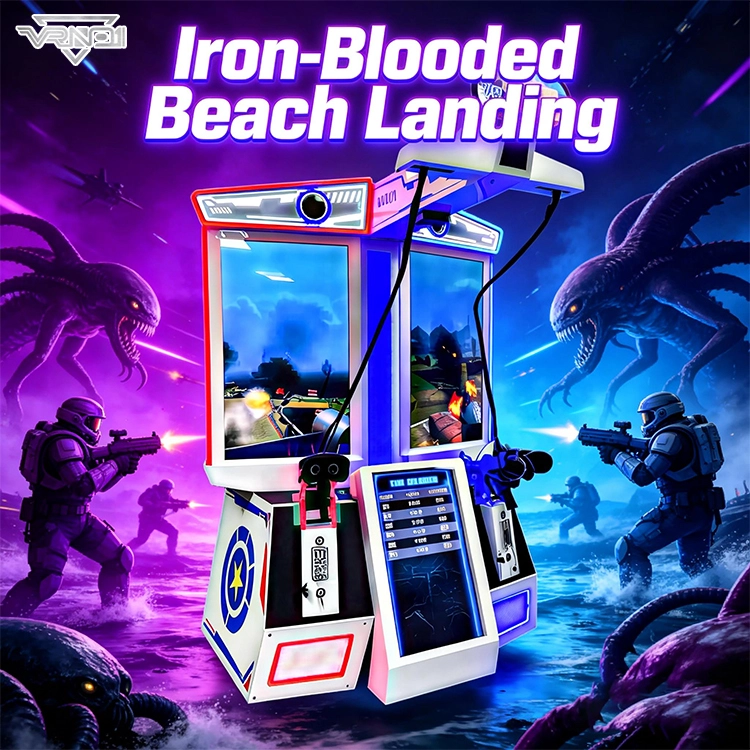
VRN0.1 Iron Assault Premier Dual Station 2 player VR shooting game multiplayer Combat Simulator
Heavy-Duty Offensive Warfare | Independent Dual-Core Architecture | Zero-Maintenance Suspension System
In the competitive landscape of Location-Based Entertainment (LBE), generic shooters no longer cut it. Enter the VR NO.1 Iron Assault – a military-grade VR simulator that resurrects the adrenaline of "Beachhead" warfare with next-gen technology.
Engineered by VR NO.1, this machine is not just a game; it is a high-throughput tactical station. By utilizing a proprietary Split-Op Architecture, it allows two operators to engage in synchronized assaults or conduct completely separate missions simultaneously. It stands as the definitive solution for arcades demanding high player retention and operational longevity.
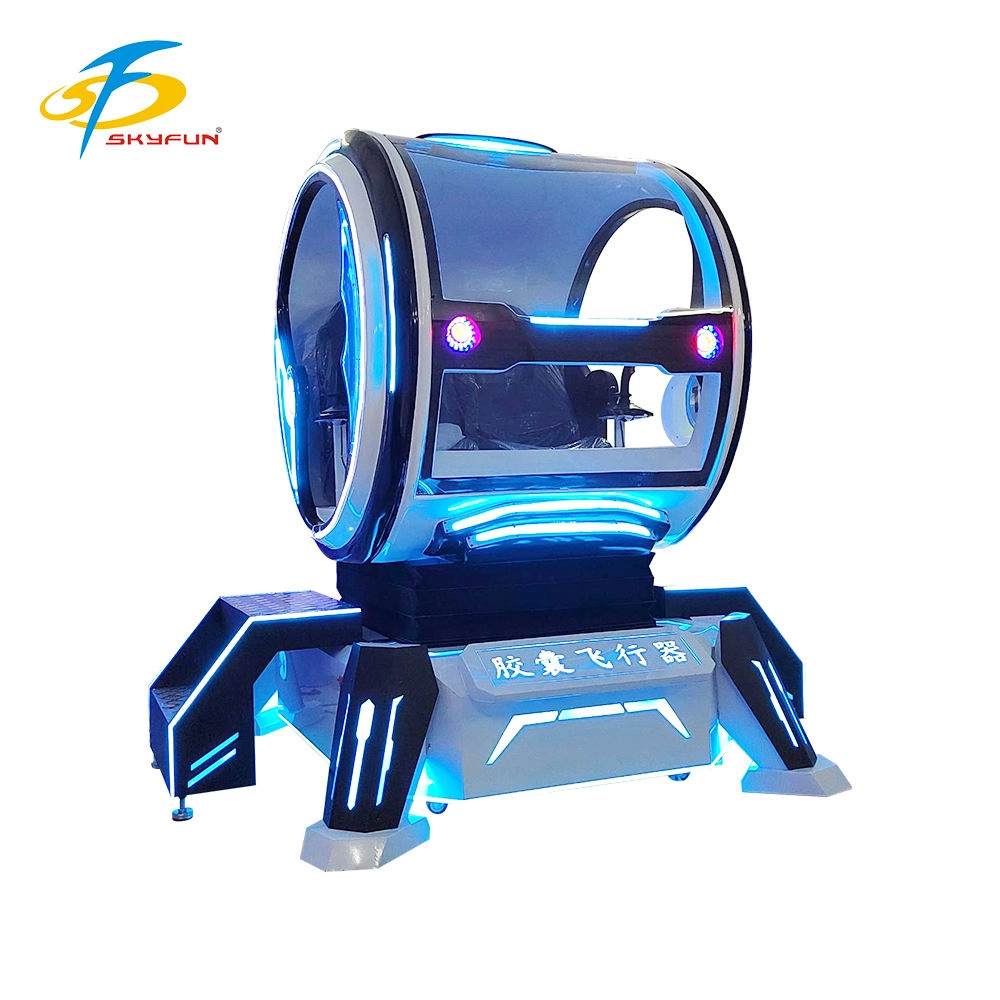
Double Player VR Flight Simulator 100 Movies 15 Games Coin-Operated Game Machine for Shopping Malls Amusement Parks
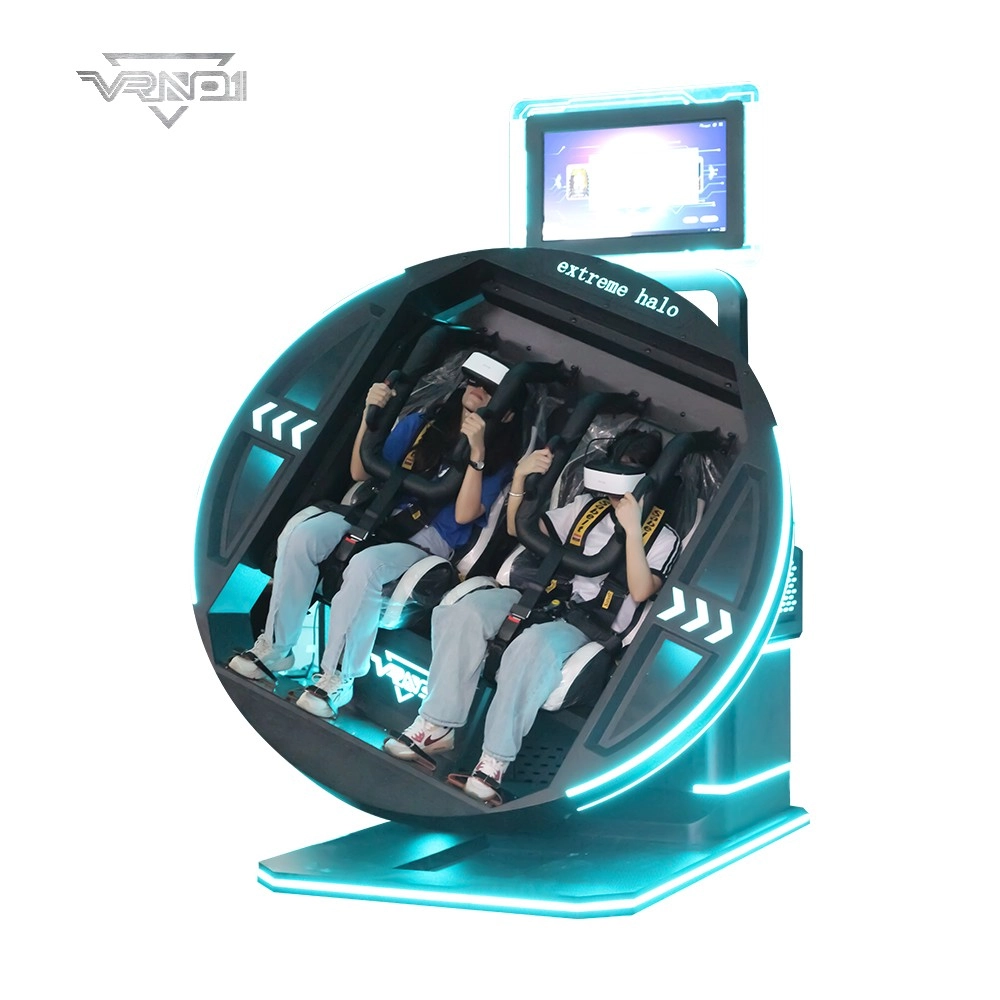
9D VR 360 Roller Coaster Cinema Chair Gaming Set Indoor/Outdoor Business Simulator Hardware for Home or School
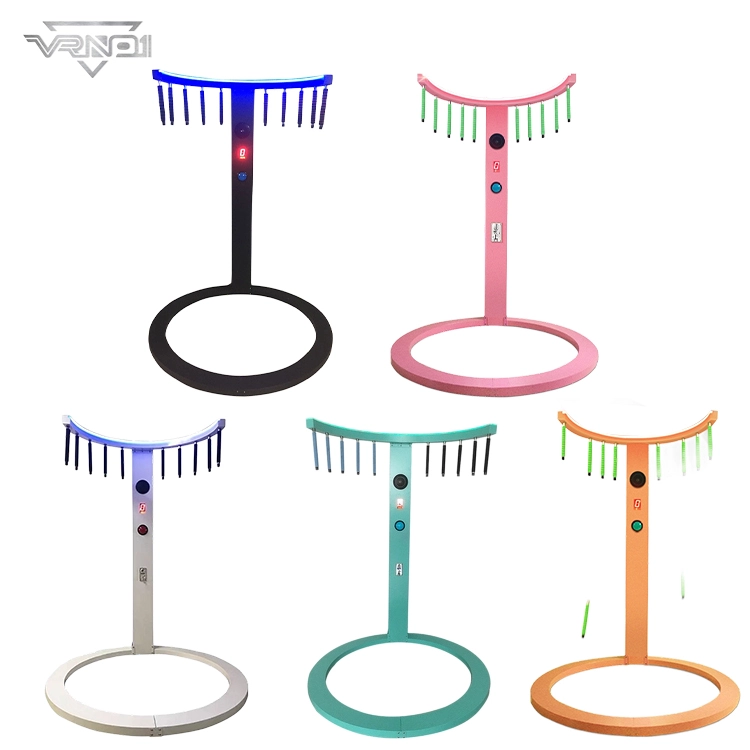
VRN0.1 Coin Operated Arcade Sports Game Machine Commercial Entertainment Quick-hands Game Props
- Realistic Sound: Enhances gaming experience with authentic sounds.
- Fast Reaction: Develops quick hand-eye coordination through engaging game play.
- DIY Kit: Allows for customization and personalization of the baton.
- Metal and Plastic Construction: Durable and robust build quality.
- Coin Operated: Fun for players who enjoy arcade-like experiences.
 Scan QR Code
Whatsapp: +8618127818571
Scan QR Code
Guangzhou Skyfun Technology Co.,Ltd
skyfunvrgame
skyfun game