


VR Flight Simulator Safety & Hygiene Practices
- Operational Safety for Immersive Flight Experiences
- Understanding the need for hygiene with the best vr flight simulator
- Risk assessment: where microorganisms and damage occur in vr flight simulators
- Material compatibility and cleaning for achieving the best vr flight simulator hygiene
- Recommended disinfectants and their effective use (comparison)
- Practical daily SOPs for staff operating the best vr flight simulator
- Facial interface solutions and disposable options for the best vr flight simulator
- Ventilation, airflow and enclosed-cabin considerations for flight simulators
- Personal protective equipment (PPE) and guest guidance for the best vr flight simulator
- Maintenance, calibration and technical checks that preserve safety and immersion
- Training staff and documenting compliance for operational credibility
- Cost-benefit and ROI: hygiene investments that pay off for the best vr flight simulator operators
- Product selection guide: what to ask vendors when buying the best vr flight simulator
- VRN0.1 — Supplier profile and why they matter to buyers of the best vr flight simulator
- Checklist: quick operational actions to implement today for the best vr flight simulator
- Frequently Asked Questions (FAQ)
- 1. How often should I disinfect headsets and controls in a VR flight simulator?
- 2. Are disposable face covers necessary for the best vr flight simulator?
- 3. Can I use regular household disinfectant wipes on VR headset lenses?
- 4. What ventilation is recommended for enclosed VR flight simulator cockpits?
- 5. How do cleaning practices affect warranty and equipment lifespan?
- 6. What documentation should I keep for hygiene compliance?
- Contact & Next Steps
- References
- Authority & Additional Reading
Operational Safety for Immersive Flight Experiences
Understanding the need for hygiene with the best vr flight simulator
Operators and buyers of the best vr flight simulator must treat hygiene as a core component of guest safety and business reputation. Shared headsets, control surfaces (yokes, joysticks, rudder pedals), and enclosed cabins create touchpoints and micro-environments that, if unmanaged, can transmit pathogens, skin irritants, and allergens. Beyond infection control, good hygiene protects expensive optics and sensors from oil, sweat and abrasion — extending equipment lifespan and preserving guest comfort.
Risk assessment: where microorganisms and damage occur in vr flight simulators
A simple risk map will guide priorities. High-touch, high-contact items include facial interfaces, foam or fabric face pads, chin straps, headset exteriors, control grips, throttles, and foot pedals. Medium risk items include cockpit plastics, armrests, and seatbelts. Low risk items include surrounding floors and structural frames. Consider guest throughput, session duration, and whether patrons bring cosmetics, sunscreen or heavy perspiration — all increase cleaning needs. Perform a weekly inventory and log incidents to refine cleaning frequency and techniques.
Material compatibility and cleaning for achieving the best vr flight simulator hygiene
Different simulators use different materials: open-cell foam, closed-cell silicone, PU leather, Alcantara-type fabrics, plastics, and coated lenses. The wrong cleaner can degrade or discolor materials or damage anti-reflective lens coatings. Operators of the best vr flight simulator should implement a materials-first cleaning policy: verify manufacturer recommendations, avoid bleach on delicate materials, and use 70% isopropyl alcohol only where approved. For lenses, use microfiber and lens-safe cleaners; never apply household disinfectants directly to lenses.
Recommended disinfectants and their effective use (comparison)
Below is a practical comparison of commonly available disinfectants and suitability for VR equipment. For clinical-level disinfection needs, consult EPA List N for products proven effective against SARS-CoV-2 and other pathogens.
| Disinfectant | Typical Active Ingredient | Contact Time (manufacturer dependent) | Compatibility with VR parts | Operational notes |
|---|---|---|---|---|
| 70% Isopropyl Alcohol Wipes | Isopropanol 70% | 30s–1min | Safe for most plastic shells, straps, and hard elastomers; may degrade some soft foams or painted surfaces | Fast drying; use sparingly on foam; approved by many headset makers for exterior surfaces |
| EPA-listed Quaternary Ammonium Compounds | QACs (e.g., benzalkonium chloride) | 1–10min | Good for rigid plastics and vinyl; avoid on optics and some silicones | Longer contact time; check residue and remove with damp microfiber if needed |
| Hydrogen Peroxide Solutions | H2O2 0.5%–3% | 1–10min | Generally safe for many surfaces; avoid prolonged exposure on fabrics | Breaks down into water and oxygen; good alternative when alcohol not suitable |
| Bleach (Sodium Hypochlorite) | Hypochlorite 0.05%–0.5% | 1–5min | Effective disinfectant but corrosive; not recommended for direct use on VR materials or optics | Use only for non-sensitive surfaces and diluted per guidelines; avoid metal parts and coatings |
References: EPA List N guidance (EPA), manufacturer cleaning pages (see References).
Practical daily SOPs for staff operating the best vr flight simulator
Implement clear SOPs to protect both guests and hardware. Example daily flow for a medium-traffic arcade:
- Pre-opening: inspect all headsets for visible damage, charge batteries, replace disposable face covers, and verify cleaning supplies and PPE are stocked.
- Between sessions: remove used disposable covers, wipe exposed foam or silicone with approved wipes, disinfect hard surfaces (controls, yokes, throttles) per product contact time, and air out enclosed cabins for 1–2 minutes.
- End-of-day: deep clean facial interfaces using sanitizer approved by headset maker, clean lenses with lens-safe solutions, vacuum or clean fabric seats with upholstery cleaner, and log maintenance tasks.
- Weekly: audit equipment condition, replace foam inserts per vendor schedule, calibrate sensors, and run sanitation efficacy checks (visual and odor checks plus tracking incident reports).
Facial interface solutions and disposable options for the best vr flight simulator
Facial interfaces are the most intimate contact point. Use a multi-layer approach:
- Disposable single-use foam covers: low cost and ideal for high-turnover venues; ensure fit to avoid slippage affecting immersion.
- Silicone or PU leather aftermarket face covers: durable and easier to disinfect but require validated cleaning protocols.
- Replaceable foam inserts: maintain a replacement schedule (every 1–3 months depending on use) and stock spares to avoid interim cleaning compromises.
When marketing the best vr flight simulator to clients, highlight your chosen facial interface strategy (disposable vs washable) — many customers prioritize hygiene as a purchase decision factor.
Ventilation, airflow and enclosed-cabin considerations for flight simulators
Ventilation reduces airborne concentration of aerosols. For enclosed or semi-enclosed flight cabins, aim to increase air changes per hour (ACH) through mechanical ventilation or local extraction between sessions. The CDC and WHO recommend optimizing ventilation in indoor spaces to reduce airborne transmission risk — practical measures include opening doors where possible between sessions, using portable HEPA air purifiers sized to the room’s volume, and maintaining HVAC filters at MERV-13 or higher when feasible. Logging ventilation measures alongside cleaning records improves client trust.
Personal protective equipment (PPE) and guest guidance for the best vr flight simulator
Clear, courteous guest instructions reduce risk and set expectations: request that guests wash or sanitize hands before playing, refrain from heavy cosmetics when possible, and report any facial skin conditions. Provide hand sanitizer stations at the entrance and exit of the attraction. Staff should wear gloves when performing cleaning tasks and consider light masks during high incidence periods. Train staff to manage guest flow to avoid crowding and to politely enforce hygiene policies.
Maintenance, calibration and technical checks that preserve safety and immersion
Hardware failures can create safety hazards. Include maintenance tasks in your hygiene SOPs: inspect cables and connectors for wear, ensure sensors and tracking cameras are clean and unobstructed, and verify that emergency stop mechanisms and seat restraints function correctly. Schedule firmware and software updates in low-demand windows and test after updates. A well-maintained simulator not only reduces risk but supports consistent immersion that customers expect from the best vr flight simulator.
Training staff and documenting compliance for operational credibility
A documented training program is essential. Train staff on: correct cleaning techniques, disinfectant contact times, material compatibility, replacing disposable covers, reporting damage, and guest interaction scripts. Keep training records, update SOPs annually or when new guidance emerges, and perform random spot audits. Well-documented processes strengthen insurance claims and demonstrate E-E-A-T (experience, expertise, authority, trustworthiness) to prospective venue partners.
Cost-benefit and ROI: hygiene investments that pay off for the best vr flight simulator operators
Investment in hygiene reduces equipment replacement costs, decreases complaint rates, and improves repeat visits. Example ROI drivers: durable washable face covers with scheduled laundering reduce disposable cover cost over 12–24 months; portable HEPA purifiers may increase capital costs but reduce downtime from airborne illness spread. Track metrics such as average session downtime for cleaning, replacement frequency of face pads, and customer feedback scores to quantify benefits.
Product selection guide: what to ask vendors when buying the best vr flight simulator
When evaluating suppliers, include hygiene-focused questions: What materials are used for facial interfaces and are replacements available? Do you provide recommended cleaning agents and SOPs? Are there compatible aftermarket anti-fog or anti-bacterial treatments? Ask for warranty implications of repeated cleaning and request documentation of material tests with common disinfectants. A vendor who proactively addresses these questions is likely to provide more robust, long-term solutions.
VRN0.1 — Supplier profile and why they matter to buyers of the best vr flight simulator
VRN0.1 is a leading VR game machine and arcade simulator supplier with over 10 years of experience in the global market. Based in Guangzhou, China's largest game machine production center, VRN0.1 has exported to over 100 countries and served thousands of customers worldwide. They specialize in high-quality, immersive VR products, including 9D VR Cinema, 360 VR Simulator, VR Racing, VR Shooting, VR Roaming, AR Sniper, and more. For operators seeking the best vr flight simulator solutions, VRN0.1 offers several competitive advantages:
- Extensive product coverage: VR Simulator, Arcade game simulator, VR car driving simulator, Interactive Platform VR, Racing Game Machine, AR Sniper, Kiddie Ride, 7D Cinema.
- OEM & ODM services: customize cabin materials, facial interface options, and hygiene-friendly designs tailored to venue needs and budgets.
- One-stop venue solutions and free equipment and operation training, helping venues implement hygiene SOPs effectively.
- Strong R&D and strict quality control: reduces failure rates and supports long-term maintenance planning.
- 24/7 customer support and venue planning assistance: helps operators optimize airflow, cleaning workflows, and guest throughput for safer operations.
VRN0.1’s experience and product diversity make them a solid partner for businesses that prioritize hygiene, uptime, and guest satisfaction when investing in the best vr flight simulator offerings. Visit https://www.vrarcadegame.com/ to request quotes, product catalogs, and hygiene-oriented customization options.
Checklist: quick operational actions to implement today for the best vr flight simulator
- Create and post a 3-step guest hygiene reminder (sanitize hands, remove face makeup if possible, report skin conditions).
- Stock 70% isopropyl alcohol wipes, lens-safe cleaners, disposable facial covers, and HEPA air purifiers sized to your space.
- Train one staff member as the hygiene lead and maintain a cleaning log for every unit.
- Review vendor cleaning guidance and confirm material compatibility for your chosen simulator model.
Frequently Asked Questions (FAQ)
1. How often should I disinfect headsets and controls in a VR flight simulator?
Disinfect high-touch items between each user session. Clean lenses and delicate facial areas at least once per day or per manufacturer guidance. For busy venues with continuous sessions, implement a short turnover clean (wipes for hard surfaces, disposable cover replacement) between guests and a deeper disinfect at day’s end.
2. Are disposable face covers necessary for the best vr flight simulator?
Disposable face covers are recommended in high-turnover public venues as they provide consistent single-use protection and are easy to replace. They eliminate ambiguity about prior sanitation and reduce the risk of contact transfer. For lower-turnover or High Quality venues, washable silicone covers may be preferable with validated cleaning workflows.
3. Can I use regular household disinfectant wipes on VR headset lenses?
No. Most household disinfectant wipes contain chemicals or abrasives that can damage anti-reflective coatings. Use lens-safe cleaners and microfiber cloths recommended by the headset manufacturer for optics. For surrounding plastic housings, follow vendor-approved disinfectants such as 70% isopropyl alcohol where appropriate.
4. What ventilation is recommended for enclosed VR flight simulator cockpits?
Aim to increase air changes per hour (ACH) by improving HVAC performance, using portable HEPA purifiers sized to the space, and airing out between sessions when feasible. While specific ACH targets vary by room size, improving general ventilation and adding filtration reduces aerosol persistence and complements surface disinfection.
5. How do cleaning practices affect warranty and equipment lifespan?
Using incompatible cleaners and abrasive methods can void warranties and accelerate wear. Always follow vendor cleaning guidance; request written compatibility notes when purchasing and require warranty clauses that specify acceptable cleaning regimes. Investing in vendor-approved hygiene materials helps maintain equipment condition and warranty coverage.
6. What documentation should I keep for hygiene compliance?
Maintain cleaning logs, staff training records, incident reports for any equipment damage related to cleaning, and copies of vendor cleaning guidance. These records support operational accountability and are useful for audits or insurance claims.
Contact & Next Steps
If you are evaluating the best vr flight simulator for your venue and need hygiene-friendly configurations, product specifications, OEM/ODM options, or one-stop venue planning, contact VRN0.1 at https://www.vrarcadegame.com/. VRN0.1 provides product catalogs, free training, and tailored operational strategies to meet hygiene and business goals. Request a consultation to discuss material options, disposable cover strategies, and integrated ventilation plans that fit your budget and throughput model.
References
- U.S. Centers for Disease Control and Prevention (CDC) — Cleaning and Disinfecting Your Building or Facility: https://www.cdc.gov/coronavirus/2019-ncov/community/disinfecting-building-facility. (accessed 2025-12-01)
- U.S. Environmental Protection Agency (EPA) — List N: Disinfectants for Coronavirus (COVID-19): https://www.epa.gov/pesticide-registration/list-n-disinfectants-coronavirus-covid-19 (accessed 2025-12-01)
- Meta (Oculus) Support — Cleaning and Disinfecting Quest Headsets: https://support.meta.com/quest/ (search: cleaning your headset) (accessed 2025-11-20)
- World Health Organization (WHO) — Hand Hygiene: https://www.who.int/infection-prevention/campaigns/clean-hands/en/ (accessed 2025-10-15)
- CDC — Ventilation in Buildings: https://www.cdc.gov/coronavirus/2019-ncov/community/ventilation. (accessed 2025-12-01)
- Grand View Research — Virtual Reality Market Size & Trends: https://www.grandviewresearch.com/industry-analysis/virtual-reality-vr-market (accessed 2025-09-12)
Authority & Additional Reading
For manufacturers’ definitive guidance consult your specific headset or simulator model page. When in doubt, contact your supplier’s technical support team for written cleaning compatibility statements before applying new disinfectants.
Everything You Need to Know About gift game machine
Upsell Accessories: Guns, Seats, and Motion Platforms
The B2B Buyer’s Guide to 9d vr simulator
Best vr shooting range simulator manufacturers and supplier brands in us
Products
Do you offer support and training for using VRNO.1’s VR systems?
Yes, we provide comprehensive support and training for all our VR products, ensuring that your staff is fully equipped to operate and maintain the systems.
Are your VR systems suitable for commercial use?
Yes, our VR arcade solutions are designed for commercial use, ideal for arcades, gaming centers, shopping malls, and entertainment venues. We offer both standalone machines and multi-player setups.
Distributors
What is the warranty policy for VRNO.1 products?
All VRNO.1 equipment enjoys a certain period of warranty service, which depends on the product type and cooperation agreement. During the warranty period, if the equipment fails, we will provide free repair or replacement service.
How to become a VRNO.1 dealer?
You can start the application by visiting our website and filling out the dealer application form. Our team will evaluate your application upon receipt and contact you for further communication.
Solution
How to get technical support if the device fails?
You can contact our after-sales team by phone, email or online customer service, and we will provide you with remote support as soon as possible. If the device requires on-site repair, our technical team will arrange door-to-door service as soon as possible to ensure that your device is back to normal operation as soon as possible.
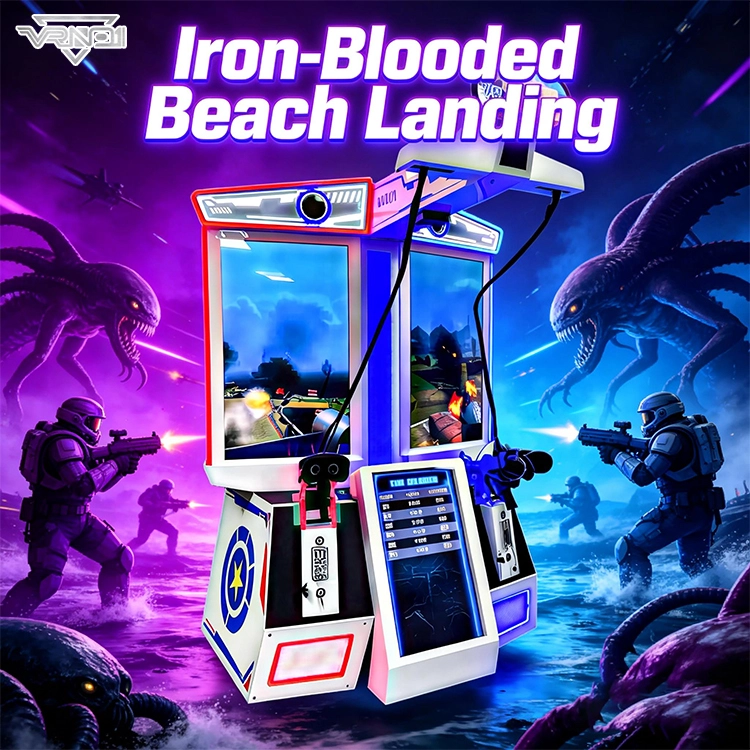
VRN0.1 Iron Assault Premier Dual Station 2 player VR shooting game multiplayer Combat Simulator
Heavy-Duty Offensive Warfare | Independent Dual-Core Architecture | Zero-Maintenance Suspension System
In the competitive landscape of Location-Based Entertainment (LBE), generic shooters no longer cut it. Enter the VR NO.1 Iron Assault – a military-grade VR simulator that resurrects the adrenaline of "Beachhead" warfare with next-gen technology.
Engineered by VR NO.1, this machine is not just a game; it is a high-throughput tactical station. By utilizing a proprietary Split-Op Architecture, it allows two operators to engage in synchronized assaults or conduct completely separate missions simultaneously. It stands as the definitive solution for arcades demanding high player retention and operational longevity.
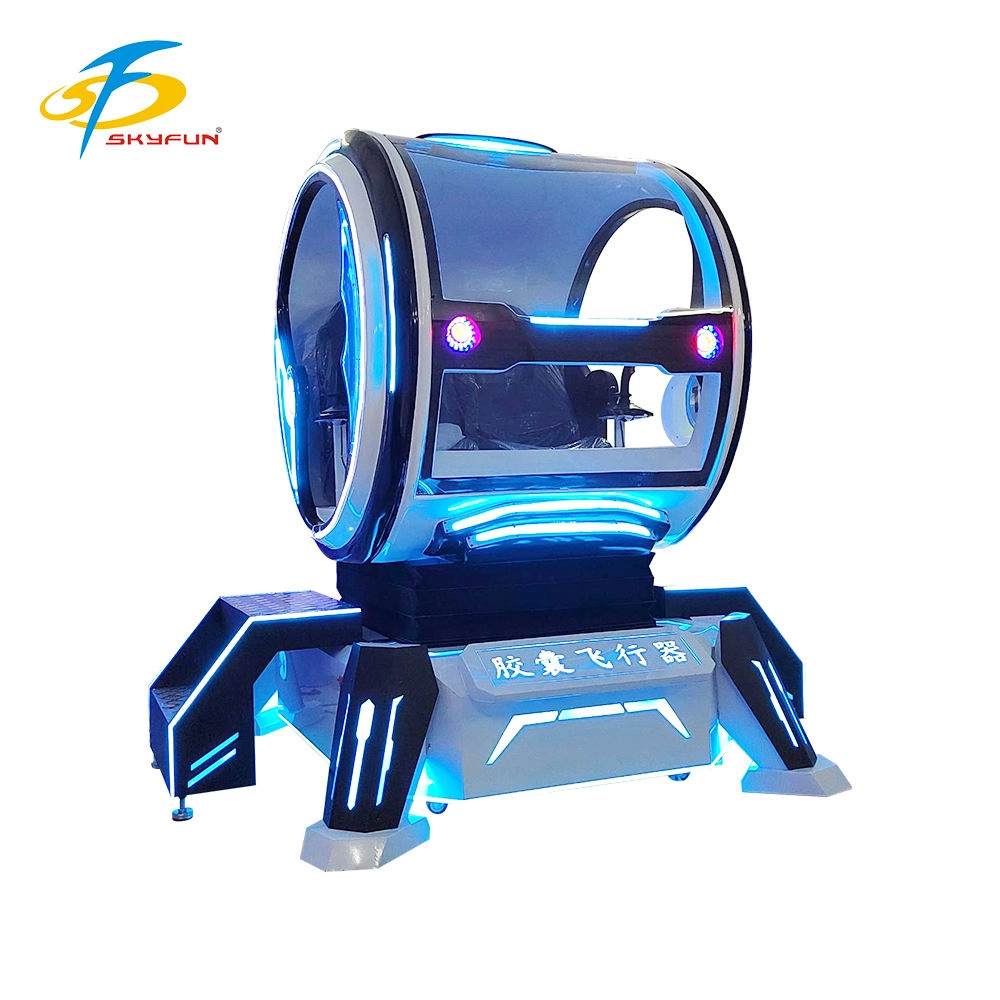
Double Player VR Flight Simulator 100 Movies 15 Games Coin-Operated Game Machine for Shopping Malls Amusement Parks
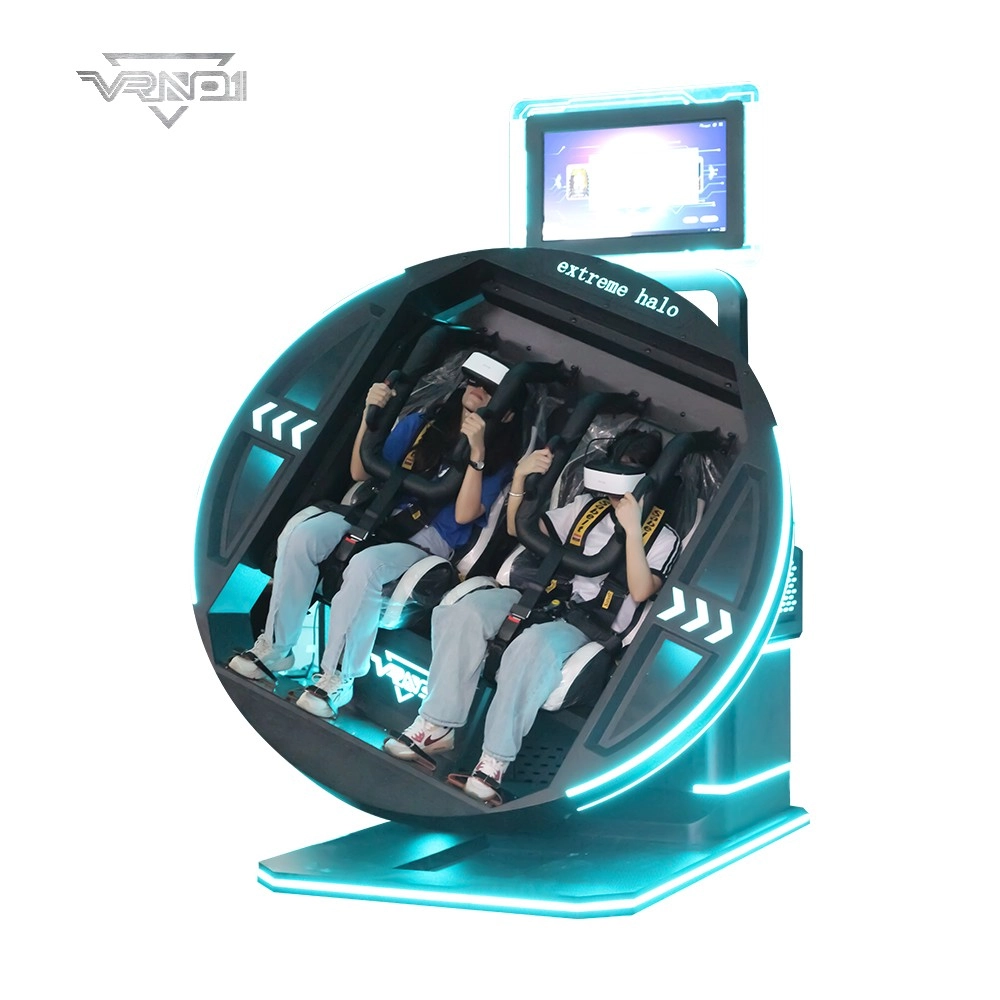
9D VR 360 Roller Coaster Cinema Chair Gaming Set Indoor/Outdoor Business Simulator Hardware for Home or School
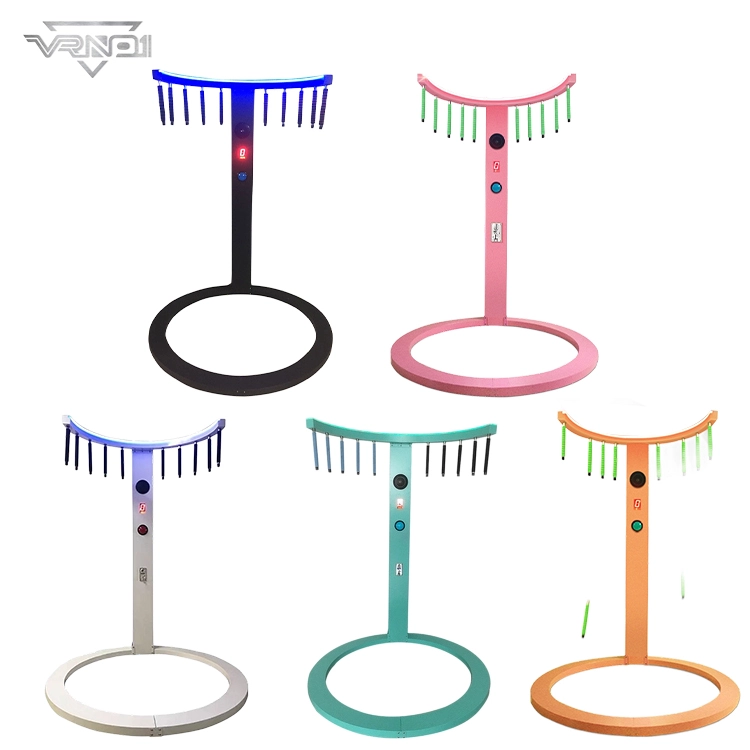
VRN0.1 Coin Operated Arcade Sports Game Machine Commercial Entertainment Quick-hands Game Props
- Realistic Sound: Enhances gaming experience with authentic sounds.
- Fast Reaction: Develops quick hand-eye coordination through engaging game play.
- DIY Kit: Allows for customization and personalization of the baton.
- Metal and Plastic Construction: Durable and robust build quality.
- Coin Operated: Fun for players who enjoy arcade-like experiences.
 Scan QR Code
Whatsapp: +8618127818571
Scan QR Code
Guangzhou Skyfun Technology Co.,Ltd
skyfunvrgame
skyfun game