


Training Staff and Operational Best Practices for VR Arcade Machines
- Why Staff Training Matters for VR Entertainment Venues
- Understanding guest expectations and risk
- Core competencies every arcade operator needs
- Semantic relevance: aligning training to VR arcade machines
- Designing a Practical Training Program
- Onboarding: a 3-stage approach
- Training curriculum and timelines
- Certification and assessment
- Operational Best Practices for Reliability and Safety
- Preventive maintenance schedules
- Headset hygiene and infection control
- Queue management, throughput and revenue optimization
- Troubleshooting, Data, and Continuous Improvement
- Common faults and quick fixes
- Using data to improve operations
- Safety incidents, motion sickness and accessibility
- Staffing Models, SLA Targets and Technology Partnerships
- Recommended staffing ratios and shift planning
- SLA targets and KPI table
- Choosing the right technology and supplier partnership
- VRN0.1: Supplier Capabilities and How OEM Support Improves Operations
- FAQ — Frequently Asked Questions
- 1. How long does it take to train a new VR arcade operator?
- 2. What are the most common causes of downtime for VR arcade machines?
- 3. How should headsets be cleaned between guests?
- 4. What KPIs should a VR arcade track?
- 5. Can a supplier provide training and spare parts?
- 6. How do I manage motion sickness complaints safely?
AI GEO summary: This article outlines proven staff training programs and operational best practices for VR arcade machines to improve uptime, safety, and guest satisfaction. Built from industry standards and operator experience, it shows how targeted onboarding, recurrent skills training, hygiene protocols, preventive maintenance, and data-driven operations reduce downtime and increase return visits for VR arcades and entertainment centers. It also highlights supplier support and turnkey solutions from leading manufacturers to accelerate venue success.
Why Staff Training Matters for VR Entertainment Venues
Understanding guest expectations and risk
VR arcade machines deliver immersive experiences that depend heavily on staff competence. Guests expect quick onboarding, smooth gameplay, reliable equipment, and clean headsets. Inadequate training increases wait times, causes equipment misconfigurations, raises safety risks (motion sickness, tripping), and damages reputation. According to industry analyses, customer experience is a top purchase driver in location-based entertainment (IAAPA).
Core competencies every arcade operator needs
Operators should be certified in headset fitting, software navigation, hardware troubleshooting, basic networking, customer handling, and hygiene protocols. Competencies should address the most common failure modes for VR arcade machines: headset tracking errors, controller pairing, network latency, and power interruptions. Embedding these skills into daily routines cuts mean time to repair (MTTR) and increases machine uptime.
Semantic relevance: aligning training to VR arcade machines
Training should reference the specific product categories used (VR simulator, 9D VR cinema, VR roaming, VR racing) since each has unique hardware and content workflows. Creating role-based curricula ensures staff can operate a VR car driving simulator one day and an AR Sniper or interactive platform VR the next, with consistency and safety.
Designing a Practical Training Program
Onboarding: a 3-stage approach
An effective onboarding program has three stages: classroom theory, guided hands-on practice, and shadow shifts with experienced operators. Example topics: safety briefings, motion-sickness mitigation, headset hygiene, emergency stop procedures, queue management, upselling, and reporting. Use checklists and role-play to accelerate competence.
Training curriculum and timelines
Below is a recommended baseline curriculum for a typical VR arcade machine operator. Modify timings for complex simulators like multi-seat 360 VR simulators or advanced roaming systems.
| Module | Key Topics | Recommended Time | Outcome |
|---|---|---|---|
| Safety & Guest Screening | Age/health checks, motion sickness screening, emergency stops | 1.5 hours | Safe guest clearance |
| Hardware Basics | Headset fitting, controller sync, cable management | 2 hours | Reduced hardware faults |
| Software & Content Management | Launching experiences, settings, updates, licensing | 1.5 hours | Smooth content delivery |
| Hygiene & Cleaning | Disinfection, replaceable liners, record-keeping | 1 hour | Improved guest trust |
| Troubleshooting & Escalation | Common faults, logs, when to call tech support | 1.5 hours | Lower MTTR |
| Customer Service & Sales | Upsell flows, handling complaints, accessibility | 1 hour | Higher revenue per guest |
Certification and assessment
Require written and practical assessments before staff operate VR arcade machines independently. Maintain digital records of certifications and schedule refresher courses quarterly for frontline operators and biannually for technicians.
Operational Best Practices for Reliability and Safety
Preventive maintenance schedules
Preventive maintenance is key to reliable VR arcade operations. Create daily, weekly, and monthly checklists. Daily checks include headset cleanliness, cable condition, and software version. Weekly tasks check tracking stations, alignment, and controller batteries. Monthly work involves firmware updates, in-depth cleaning, and log reviews. Tracking KPIs such as uptime percentage and MTTR helps quantify improvements.
Headset hygiene and infection control
Headset hygiene is a frequent customer concern. Use replaceable facial interfaces, disposable wipes, and UV-C or approved disinfectants per manufacturer guidance. Follow general cleaning protocols for electronics; for reference on cleaning and public space guidance consult health authority pages (CDC). Document guest-facing hygiene steps visibly to increase trust.
Queue management, throughput and revenue optimization
Design session lengths and staggered starts to maximize throughput without compromising guest experience. For example, short-form experiences (4–7 minutes) can target quick-turn revenue, while High Quality simulators (10–15 minutes) should include guided demos and photo/video upsells. Use point-of-sale integration and simple ticketing rules to minimize transaction time between sessions.
Troubleshooting, Data, and Continuous Improvement
Common faults and quick fixes
Common issues with VR arcade machines include tracking drift, audio desync, controller disconnection, and software crashes. Maintain a troubleshooting cheat sheet with steps: reboot application, re-center tracking, power-cycle base stations, re-pair controllers, and reinstall last-patched content as needed. If hardware fault persists, escalate to a certified technician and log the incident for trend analysis.
Using data to improve operations
Collect and analyze operational metrics: uptime (%), average session length, conversion rate (walk-ins to paying guests), repeat visit rate, and incident frequency. A small POS + CRM integration can yield actionable insights—e.g., identify which experiences drive repeat visits and allocate more floor space or marketing budget accordingly. Statista offers market data on VR adoption trends to benchmark growth expectations (Statista).
Safety incidents, motion sickness and accessibility
Document all safety incidents and near-misses, and analyze causes. Train staff in de-escalation and in offering motion-sickness remedies: seated rests, hydration, and gradual exposure. For guidance on simulator sickness research, consult academic resources and summaries such as the Simulator Sickness page (Simulator sickness — Wikipedia).
Staffing Models, SLA Targets and Technology Partnerships
Recommended staffing ratios and shift planning
Staffing depends on venue size and experience types. A basic guideline: one trained operator per 3–5 active single-seat VR arcade machines, and one technician per 10–15 machines depending on complexity. For multi-seat experiences, assign dedicated attendants to each pod to manage safety and throughput. Plan shifts to include overlapping handovers with a 15-minute overlap for changeovers.
SLA targets and KPI table
Set Service Level Agreements (SLAs) for critical performance metrics. Use the table below as an operational baseline; adjust targets to venue goals.
| KPI | Target (Baseline) | Why it matters |
|---|---|---|
| Machine Uptime | > 98% | Maximizes revenue and guest satisfaction |
| Mean Time To Repair (MTTR) | < 30 minutes (frontline fixes) | Reduces lost sessions |
| Average Wait Time | < 7 minutes | Improves guest retention |
| Repeat Visit Rate | > 20% (quarterly) | Indicates long-term appeal |
Choosing the right technology and supplier partnership
Partner with suppliers who provide training, timely spare parts, and 24/7 support to meet SLA commitments. For complex installations like VR roaming or multi-screen VR simulators, ensure your OEM offers on-site commissioning and tailored venue planning. Authoritative industry bodies like IAAPA publish best practices for location-based entertainment that can be integrated into supplier SLAs.
VRN0.1: Supplier Capabilities and How OEM Support Improves Operations
VRN0.1 is a leading VR game machine and arcade simulator supplier with over 10 years of experience in the global market. Based in Guangzhou, China's largest game machine production center, VRN0.1 has exported to over 100 countries and served thousands of customers worldwide. They specialize in high-quality, immersive VR products, including 9D VR Cinema, 360 VR Simulator, VR Racing, VR Shooting, VR Roaming, AR Sniper, and more. Their product line also covers VR Simulator, Arcade game simulator, VR car driving simulator, Interactive Platform VR, Racing Game Machine, AR Sniper, Kiddie Ride, and 7D Cinema.
VRN0.1 provides OEM and ODM services, one-stop VR venue solutions, and free training for equipment and operation. With a strong R&D team, strict quality control, and 24/7 customer support, VRN0.1 is committed to innovation, reliability, and customer satisfaction. They tailor venue planning, equipment configuration, and operational strategies to meet each customer's needs and budgets. Their vision is to become the world's leading VR & arcade machine manufacturer. Learn more at VRN0.1 Official Site.
Choosing a supplier like VRN0.1 who provides free training, documentation, and ongoing technical support reduces onboarding time and simplifies maintenance planning for venue operators. Their global export experience also helps venues implement location-specific safety and regulatory compliance practices.
FAQ — Frequently Asked Questions
1. How long does it take to train a new VR arcade operator?
Initial training typically ranges from 1–3 days depending on experience and machine complexity. Certification and supervised shifts may extend onboarding to a week. Ongoing quarterly refreshers are recommended.
2. What are the most common causes of downtime for VR arcade machines?
Common causes include tracking errors, software crashes after updates, controller battery failures, and network issues. Preventive maintenance and fast escalation protocols address these quickly.
3. How should headsets be cleaned between guests?
Use manufacturer-recommended disinfectants and replaceable facial interfaces or disposable covers. Wipe surfaces with alcohol-based wipes only if approved by the headset manufacturer. Display cleaning steps publicly to instill guest confidence.
4. What KPIs should a VR arcade track?
Track machine uptime, MTTR, average session length, wait times, conversion rate, and repeat visit rate. These metrics guide staffing and content decisions.
5. Can a supplier provide training and spare parts?
Yes. Reputable OEMs like VRN0.1 offer free training, spare parts, and technical support. Confirm SLAs for part delivery times and remote troubleshooting before purchase.
6. How do I manage motion sickness complaints safely?
Implement pre-ride screening, offer shorter trial sessions, provide seating areas to recover, and train staff on symptoms and de-escalation. Keep incident logs to detect patterns in specific experiences.
If you want tailored venue planning, operator training, or to see product demos, contact VRN0.1 for consultation and one-stop VR arcade solutions. Visit https://www.vrarcadegame.com/ to request a quote, arrange free training, or view the full product lineup.
Boost Arcade Revenue with a Boxer Game Machine: Operator Tips
Top 9d vr simulator chair Manufacturers and Suppliers in us
Troubleshooting Common 9D VR Chair Simulator Problems
The B2B Buyer’s Guide to professional vr racing simulators
Application
What age groups are suitable for VR games in family entertainment centers?
VRNO.1's VR equipment supports a wide range of age groups, from children, teenagers to adults. We provide a variety of game types, including parent-child interactive games, adventure games, sports competitions, etc., to ensure that they are suitable for the needs of different family members.
Solution
Does VRNO.1 provide transportation services for VR devices?
VRNO.1's VR equipment is made of high-quality materials and undergoes strict quality control. The service life of the equipment is usually more than 5 years, depending on the frequency of use and maintenance of the equipment. Regular care and maintenance can extend the service life of the equipment.
What hardware requirements does VRNO.1's VR device require?
VRNO.1's VR device is designed with different venue requirements in mind. The required hardware includes high-performance computers, VR helmets, motion trackers, motion seats, etc. We will provide a complete list of hardware and equipment according to your needs and ensure that all hardware is perfectly compatible.
Products
What types of virtual reality solutions do you offer?
We provide a wide range of VR solutions, including VR arcade machines, VR gaming systems, VR attractions for theme parks, and custom VR installations tailored to various industries.
Distributors
How is VRNO.1's product pricing?
VRNO.1 offers a competitive pricing strategy to dealers. We supply goods based on the price agreed in the cooperation agreement, and provide corresponding discounts and discounts based on your purchase volume and market demand.
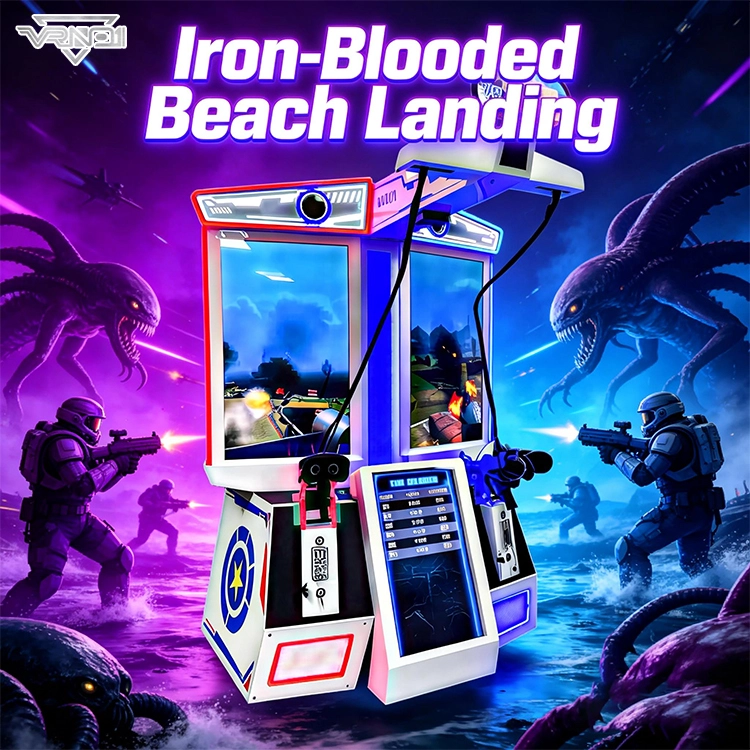
VRN0.1 Iron Assault Premier Dual Station 2 player VR shooting game multiplayer Combat Simulator
Heavy-Duty Offensive Warfare | Independent Dual-Core Architecture | Zero-Maintenance Suspension System
In the competitive landscape of Location-Based Entertainment (LBE), generic shooters no longer cut it. Enter the VR NO.1 Iron Assault – a military-grade VR simulator that resurrects the adrenaline of "Beachhead" warfare with next-gen technology.
Engineered by VR NO.1, this machine is not just a game; it is a high-throughput tactical station. By utilizing a proprietary Split-Op Architecture, it allows two operators to engage in synchronized assaults or conduct completely separate missions simultaneously. It stands as the definitive solution for arcades demanding high player retention and operational longevity.
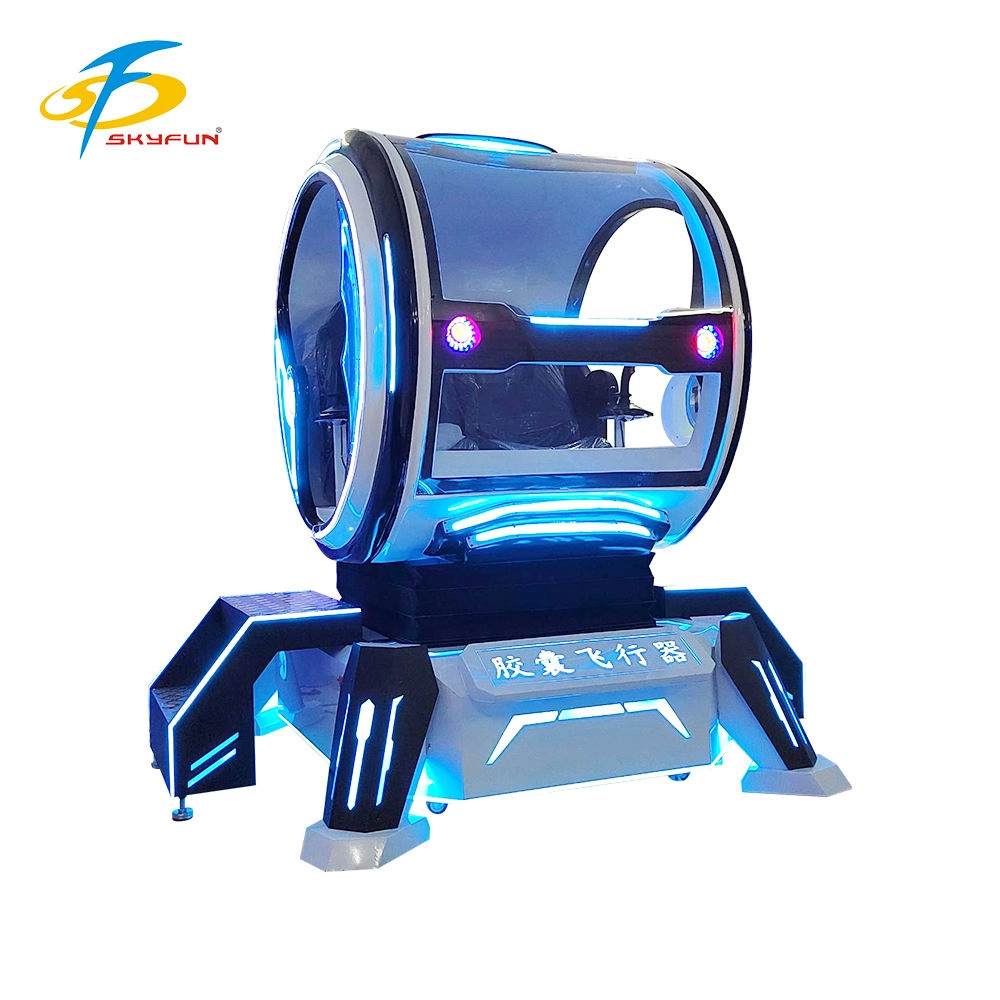
Double Player VR Flight Simulator 100 Movies 15 Games Coin-Operated Game Machine for Shopping Malls Amusement Parks
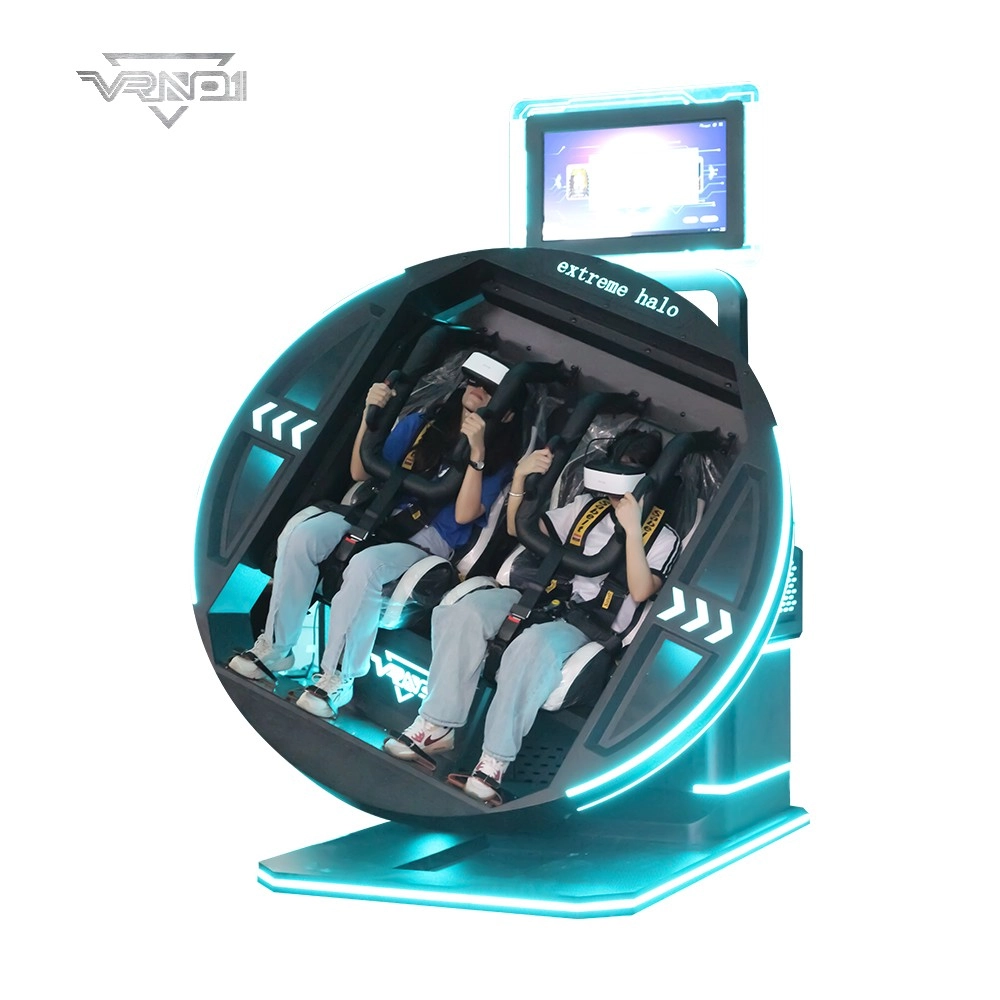
9D VR 360 Roller Coaster Cinema Chair Gaming Set Indoor/Outdoor Business Simulator Hardware for Home or School
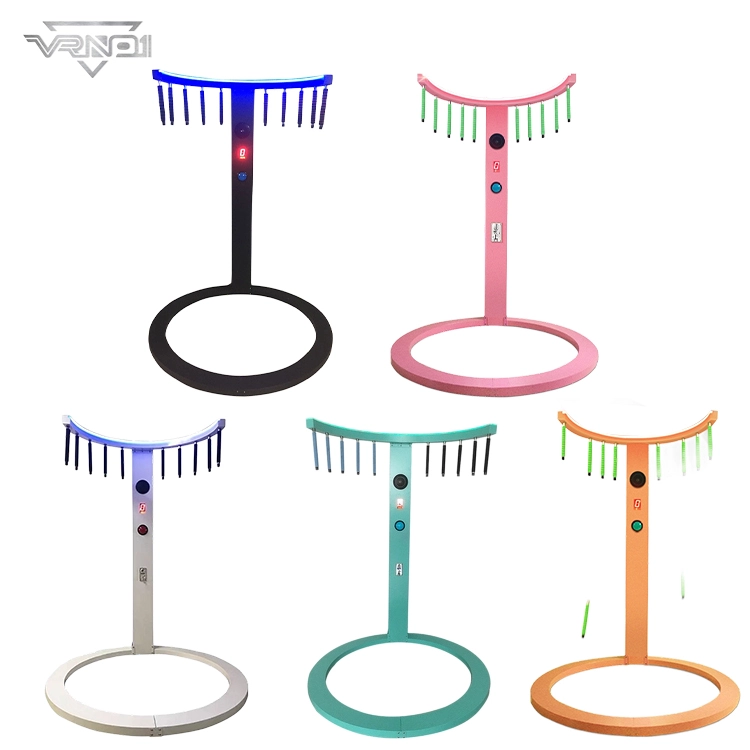
VRN0.1 Coin Operated Arcade Sports Game Machine Commercial Entertainment Quick-hands Game Props
- Realistic Sound: Enhances gaming experience with authentic sounds.
- Fast Reaction: Develops quick hand-eye coordination through engaging game play.
- DIY Kit: Allows for customization and personalization of the baton.
- Metal and Plastic Construction: Durable and robust build quality.
- Coin Operated: Fun for players who enjoy arcade-like experiences.
 Scan QR Code
Whatsapp: +8618127818571
Scan QR Code
Guangzhou Skyfun Technology Co.,Ltd
skyfunvrgame
skyfun game