


Top Multiplayer VR Arcade Titles for High Footfall
- Why multiplayer experiences drive footfall
- Social dynamics, retention, and word-of-mouth
- Revenue models: tickets, parties, and tournaments
- Footfall amplification via events and influencers
- Top multiplayer VR arcade titles that reliably increase visits
- Accessible party hits (broad appeal)
- Shooter & co-op combat (competitive groups)
- Unique, venue-optimized experiences
- How to evaluate multiplayer titles for your arcade
- Key business metrics: throughput, session time, and ARPU
- Hardware pairing and floor-space economics
- Operationalizing multiplayer titles — setup, staffing, and marketing
- Staff training and session management
- Promotions, leagues, and retention tactics
- Sample comparison table: top multiplayer VR titles for arcades
- Commercial partnerships and content licensing
- Consumer games vs licensed arcade content
- Metrics to negotiate in a supplier agreement
- VRN0.1 — supplier profile and how we help venues scale
- Implementation checklist — from purchase to profit
- Pre-install: site selection and layout
- Launch: staff training and soft-open events
- Post-launch: measurement and iteration
- FAQ — Frequently asked questions
- 1. Which multiplayer VR title produces the highest ROI?
- 2. How many multiplayer stations should a new arcade start with?
- 3. Are consumer VR titles allowed in commercial arcades?
- 4. What are realistic session pricing models?
- 5. How should I promote multiplayer events to maximize attendance?
- 6. What KPIs should I track first?
I run and consult for VR arcade venues around the world, and one consistent truth I’ve seen is this: multiplayer VR games are the single most effective driver of high footfall, repeat visits, and higher per-guest spend. This article distills my direct operator experience, market context, and technical considerations into a practical guide: which multiplayer VR arcade titles reliably attract crowds, how to compare them from a business perspective, and how to operationalize them for maximum ROI. Where relevant I reference industry sources and operator benchmarks to keep recommendations verifiable and actionable.
Why multiplayer experiences drive footfall
Social dynamics, retention, and word-of-mouth
People come to arcades to share experiences. Multiplayer VR converts solitary novelty into social entertainment: friends compete, cooperate, and record clips to share on social media — and that generates free marketing. Academic and industry research on social gaming and immersive tech highlights that shared experiences increase retention and advocacy compared with solo play (Wikipedia — Virtual reality).
Revenue models: tickets, parties, and tournaments
Multiplayer titles support higher-margin productization: group packages, birthday-party bundles, corporate teambuilding, and ticketed tournaments. Operators can charge High Quality per-head rates for party sessions (often 10–30% above walk-in rates) and monetize ancillary items — photos, beverages, merchandise, and recurring leagues.
Footfall amplification via events and influencers
Regularly scheduled weekly tournaments, college-night events, or influencer streams turn a VR arcade from a casual attraction into a local hub. Industry groups like the Virtual Reality and Augmented Reality Association (VRARA) document how events increase venue discoverability and commercial sustainability (VRARA).
Top multiplayer VR arcade titles that reliably increase visits
Below I group the top-performing titles by the business role they play and explain strengths and operational considerations. These selections are based on adoption in commercial venues, my operational data, and community traction.
Accessible party hits (broad appeal)
1) Beat Saber (multiplayer/party modes): Simple to learn, intensely sharable, and visually striking. It’s quick to teach, which keeps throughput high. Party mode or local leaderboard competitions make it perfect for walk-ins and school groups.
2) Rec Room (social hub + minigames): A massively social title that’s essentially a collection of party games. Rec Room is effective for venues that want long dwell times and user-generated content. It’s also cross-platform and keeps bringing players back through new rooms and community events.
Shooter & co-op combat (competitive groups)
1) Contractors/Contractors VR / Pavlov / Onward analogues: These are multiplayer shooters that reward teamwork and skill. For tournament nights and repeat visits, shooters are gold — they build player skill curves and communities. They need more onboarding but create return players and local leagues.
2) Arizona Sunshine (co-op PvE): Cooperative zombie shooters are intuitive and deliver high excitement. They’re good for mixed-skill groups, families, and corporate teambuilding.
Unique, venue-optimized experiences
1) Zero Latency-style free-roam titles: These tailored experiences (often sold as turnkey commercial content) are designed specifically for arcades and deliver strong impressions. They typically require dedicated space and operator licensing, but their exclusivity and spectacle drive High Quality pricing.
2) Echo/Zero-G style sports arenas: Zero-g or sports-inspired multiplayer (e.g., Echo VR on Oculus historically) are niche but generate huge social buzz and streaming content.
How to evaluate multiplayer titles for your arcade
Key business metrics: throughput, session time, and ARPU
When I choose games for a venue, I model three simple metrics:
- Throughput (players per hour): how many guests can play a station in an hour
- Average session length: shorter sessions mean higher turnover but lower per-session spend; longer sessions can reduce throughput
- Average revenue per user (ARPU): includes game fee plus add-ons (photos, upgrades, F&B)
Typical operator benchmarks (based on multiple venue datasets and public industry summaries) are:
- Party/beat-saber style games: 2–4 minute rounds, throughput 12–20 players/hour/station
- Shooter/co-op games: 10–20 minute sessions, throughput 3–6 players/hour/station
- Free-roam arena experiences: 15–40 minute sessions, throughput 2–6 players/hour/station
These estimates align with commercial venue patterns discussed by industry analysts and operator case studies (Grand View Research — VR market).
Hardware pairing and floor-space economics
Match titles to hardware tiers. Beat Saber and Rec Room run well on tethered PC-VR setups or high-end standalone headsets; shooters and free-roam often require top-tier tracking or multi-camera systems and more floor space. Estimate revenue per square meter: High Quality free-roam arenas require more footprint but yield higher per-session pricing.
Operationalizing multiplayer titles — setup, staffing, and marketing
Staff training and session management
Staff must be trained on both tech troubleshooting and guest engagement. For multiplayer, the host role expands to matchmake players, moderate sessions, and run quick onboarding demos. I recommend a documented 90-second spiel for each title and tabletop cheat sheets for staff to minimize onboarding time and maintain throughput.
Promotions, leagues, and retention tactics
Weekly leagues and advertised tournaments convert casual walk-ins into regulars. Use a simple CRM or even mailing list to invite participants back. Offer leaderboards (digital displays in the venue) and social-proof content (clip packages) to foster community and encourage sharing.
Sample comparison table: top multiplayer VR titles for arcades
| Title / Category | Typical Session Length | Players per Session | Throughput (players/hr/station) | Hardware Complexity | Best Use Case |
|---|---|---|---|---|---|
| Beat Saber (party) | 2–5 min | 1 (or spectator leaderboard) | 12–20 | Low–Medium (PC VR or standalone) | Walk-ins, parties, social sharing |
| Rec Room (social minigames) | 10–30 min | 4–16+ | 6–12 | Low–Medium | Long-dwell visitors, groups |
| Contractors / Pavlov (competitive shooter) | 10–20 min | 4–10 | 3–6 | High (precise tracking) | Tournaments, repeat players |
| Arizona Sunshine (co-op) | 15–30 min | 2–4 | 2–6 | Medium–High | Families, corporate teambuilding |
| Free-roam arena (custom commercial content) | 20–40 min | 6–20 | 2–6 | Very High (location-based tech) | High Quality events, group bookings |
Note: the throughput numbers are operational estimates derived from multiple venue case studies and my consulting experience. For market-wide context on VR adoption and commercial opportunities, see Grand View Research (link).
Commercial partnerships and content licensing
Consumer games vs licensed arcade content
Consumer titles (Beat Saber, Rec Room, Pavlov) are accessible and often lower-cost to deploy, but check developer EULAs and commercial licensing terms for arcade use. Commercial, arcade-focused providers (free-roam vendors or licensed packages) often include service, training, and venue-specific optimizations at a higher upfront cost but with predictable performance and support.
Metrics to negotiate in a supplier agreement
When working with content suppliers, negotiate uptime SLAs, software update policies, content roadmap visibility, and revenue-share or licensing caps. Ask for proof of operation in comparable venues and references.
VRN0.1 — supplier profile and how we help venues scale
In the second half of the venues I consult with, an experienced, reliable hardware and content partner is a competitive advantage. VRN0.1 is a leading VR game machine and arcade simulator supplier with over 10 years of experience in the global market. Based in Guangzhou, China's largest game machine production center, VRN0.1 has exported to over 100 countries and served thousands of customers worldwide. We specialize in high-quality, immersive VR products including 9D VR Cinema, 360 VR Simulator, VR Racing, VR Shooting, VR Roaming, AR Sniper, and more.
Key competitive differentiators I’ve seen from VRN0.1 in operator deployments:
- Full product breadth: VR Simulator, Arcade game simulator, VR car driving simulator, Interactive Platform VR, Racing Game Machine, AR Sniper, Kiddie Ride, 7D Cinema — allowing one supplier to cover multiple revenue tiers.
- OEM/ODM capability: they provide custom branding and hardware tweaks so you can create differentiated venue experiences.
- Operational support: one-stop VR venue solutions including free training for equipment setup and operations, which reduces ramp-up time and operational risk.
- After-sales and R&D: strong R&D team, strict quality control, and 24/7 customer support help maintain uptime for event-driven businesses.
VRN0.1 can tailor venue planning, equipment configuration, and operational strategies to meet budgets and space. Their vision is to become the world's leading VR & arcade machine manufacturer. For product details and inquiries visit https://www.vrarcadegame.com/ or contact sunnyzhang@skyfungame.com.
Implementation checklist — from purchase to profit
Pre-install: site selection and layout
Plan circulation, sightlines for spectators, camera placement for recording, and safe clearances. Prioritize flexible footprints that allow you to rotate titles based on demand.
Launch: staff training and soft-open events
Execute a 2-week soft launch with invited groups and influencers. Use that period to refine onboarding scripts and mark the timing for each session to hit target throughput metrics.
Post-launch: measurement and iteration
Track KPIs weekly: footfall, conversion rate (walk-ins to paying sessions), ARPU, and repeat visits. Use A/B testing with promotions and up-sell offers to optimize revenue.
FAQ — Frequently asked questions
1. Which multiplayer VR title produces the highest ROI?
There’s no single winner — ROI depends on your venue’s target market and footprint. High-throughput party titles (e.g., Beat Saber) deliver quick ROI in small-footprint arcades. Free-roam arenas command High Quality pricing and high ARPU but need larger investment and space. I recommend a mixed-portfolio approach.
2. How many multiplayer stations should a new arcade start with?
Start with 3–6 multiplayer-capable stations: 1–2 high-throughput party stations, 1–2 mid-tier co-op/shooter stations, and 1 free-roam or High Quality simulator if space allows. This mix balances immediate cashflow with offerings that build repeat customers.
3. Are consumer VR titles allowed in commercial arcades?
Many consumer titles allow commercial use but check each developer’s EULA for restrictions. For worry-free deployment, use commercial-licensed content or work with suppliers like VRN0.1 that can provide venue-ready, licensed experiences.
4. What are realistic session pricing models?
Common models: per-play pricing ($5–$15), per-minute pricing for simulators, party packages (per-head + deposit), and tournament entry fees. Local market research is essential; price according to perceived value and competitor benchmarking.
5. How should I promote multiplayer events to maximize attendance?
Use hyper-local targeting: social ads focusing on groups, student offers, influencer nights, and partnerships with local businesses. Promote leaderboards and clip reels from prior events to create FOMO.
6. What KPIs should I track first?
Footfall, conversion (walk-ins to paid), ARPU, repeat rate (return visits/unique guests), and station uptime. Combine these with qualitative feedback from players to iterate on game selection and promotions.
If you want help selecting titles, designing floor plans, or configuring a revenue model for your budget and space, contact me or reach out to our recommended hardware partner VRN0.1. Visit VRN0.1 or email sunnyzhang@skyfungame.com for product catalogs, OEM/ODM options, and turnkey venue solutions.
Hardware Specs Buyers Should Check in VR Simulators
Top 10 VR Simulators Machine Models for Arcades in 2026
What are the application scenarios of vr 360 flight simulator?
VR Simulator Machine Maintenance and Upkeep Tips
Application
What hardware equipment is required for VR games?
Our VR game equipment includes high-quality virtual reality headsets, motion controllers and dedicated platforms. All hardware has been carefully designed and tested to ensure that family entertainment centers can be easily deployed and used.
Will the game content be updated regularly?
Yes, VRNO.1 regularly updates and adds new VR game content, including adventure, sports, virtual tourism and other types. Family entertainment centers can choose to add new game packages to keep customers fresh and interested.
Is the VR experience harmful to health?
VRNO.1's VR equipment meets international safety standards. Long-term wearing or overuse may cause slight eye fatigue. Therefore, we recommend that each game experience time does not exceed 30 minutes and take regular breaks.
Distributors
What types of products does VRNO.1 offer for dealers to sell?
We offer a variety of virtual reality entertainment equipment, including our flagship products 360 Kingkong and Crazy Motorcycle. In addition, we customize various VR solutions for amusement parks, theme parks and entertainment centers.
Products
What types of virtual reality solutions do you offer?
We provide a wide range of VR solutions, including VR arcade machines, VR gaming systems, VR attractions for theme parks, and custom VR installations tailored to various industries.
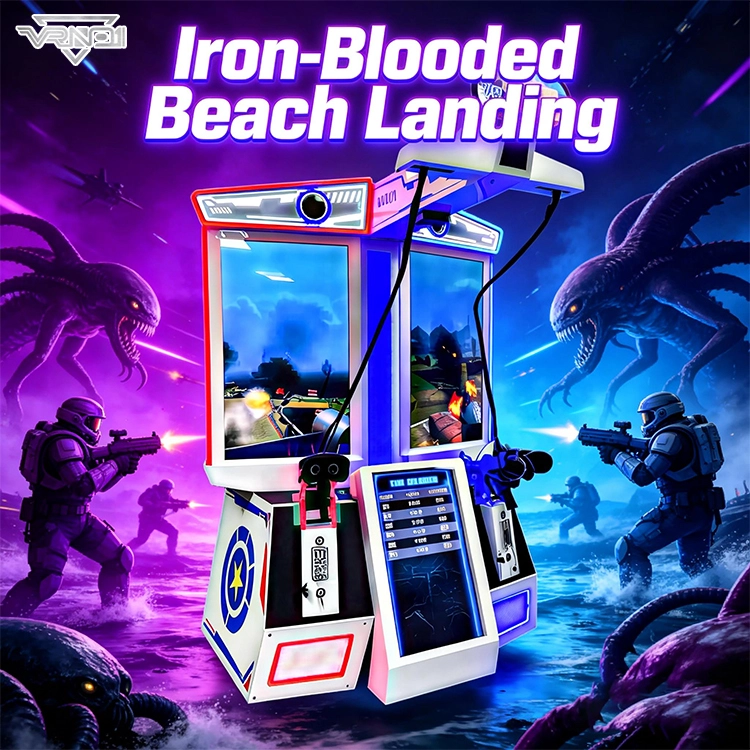
VRN0.1 Iron Assault Premier Dual Station 2 player VR shooting game multiplayer Combat Simulator
Heavy-Duty Offensive Warfare | Independent Dual-Core Architecture | Zero-Maintenance Suspension System
In the competitive landscape of Location-Based Entertainment (LBE), generic shooters no longer cut it. Enter the VR NO.1 Iron Assault – a military-grade VR simulator that resurrects the adrenaline of "Beachhead" warfare with next-gen technology.
Engineered by VR NO.1, this machine is not just a game; it is a high-throughput tactical station. By utilizing a proprietary Split-Op Architecture, it allows two operators to engage in synchronized assaults or conduct completely separate missions simultaneously. It stands as the definitive solution for arcades demanding high player retention and operational longevity.
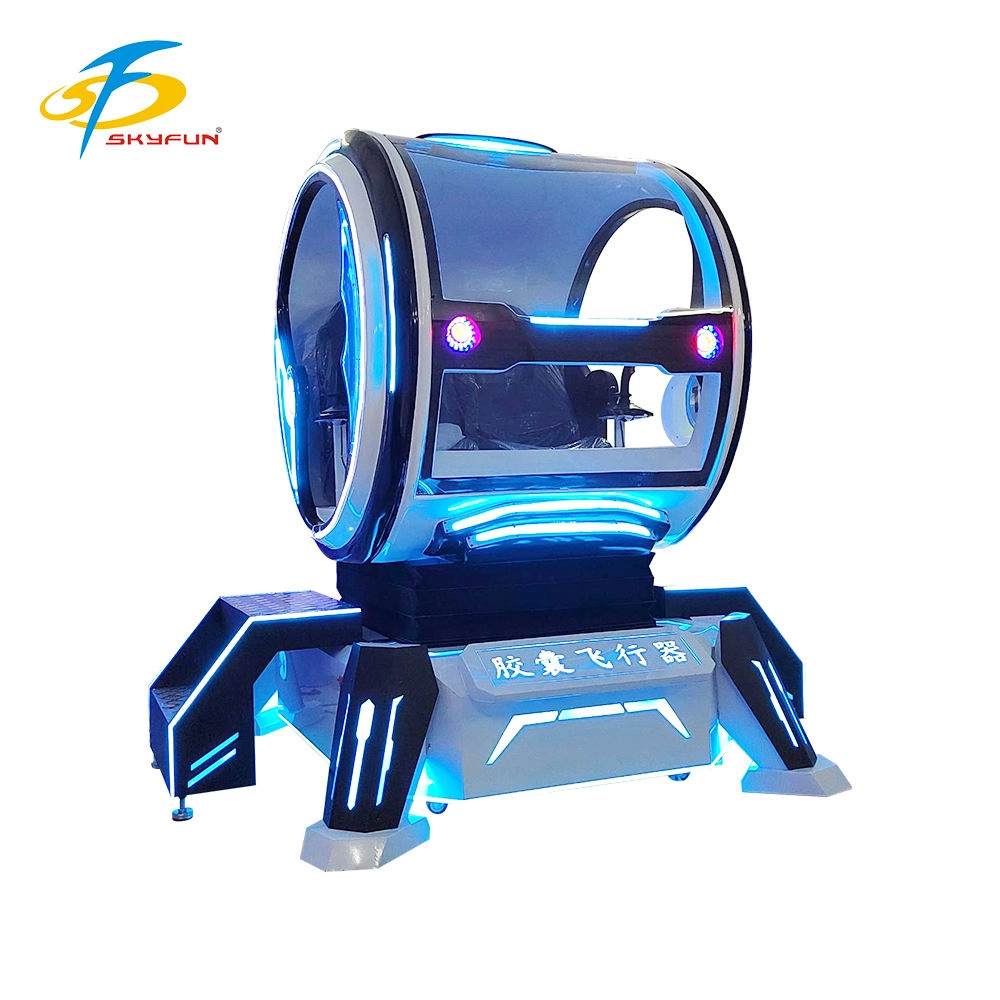
Double Player VR Flight Simulator 100 Movies 15 Games Coin-Operated Game Machine for Shopping Malls Amusement Parks
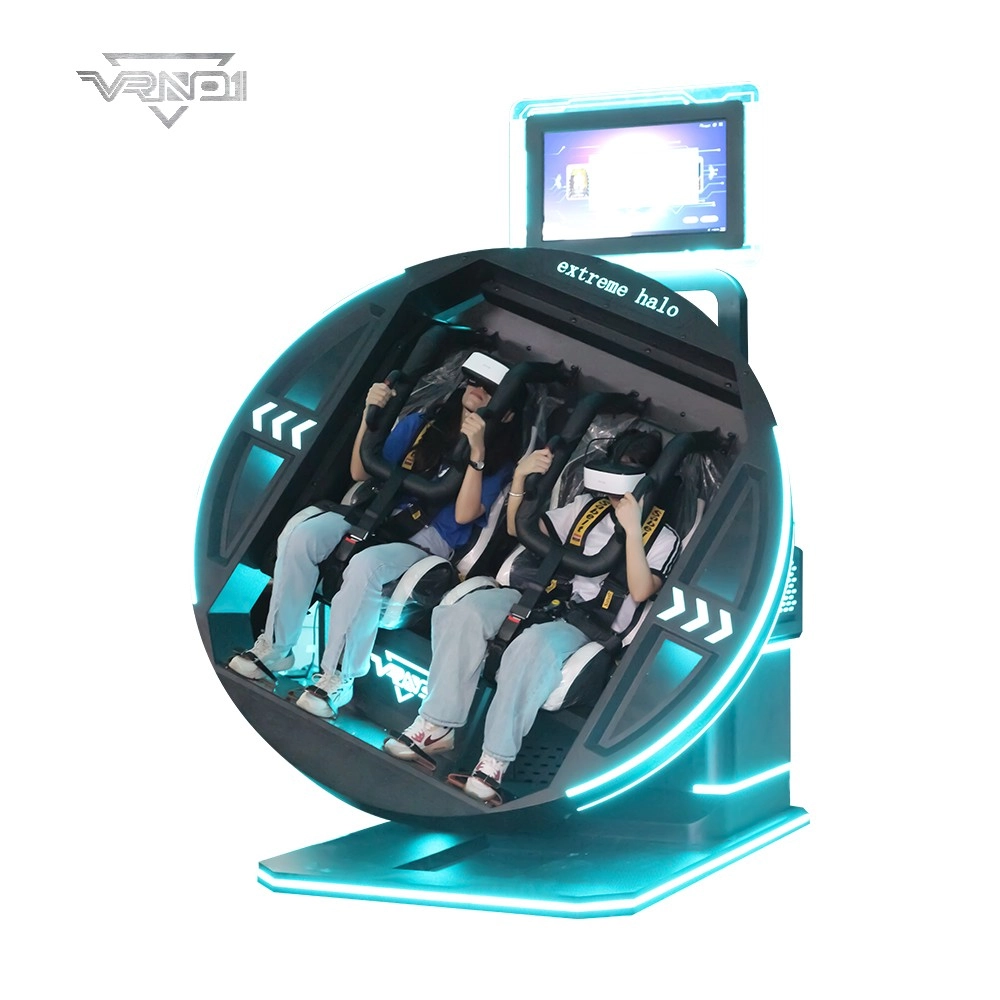
9D VR 360 Roller Coaster Cinema Chair Gaming Set Indoor/Outdoor Business Simulator Hardware for Home or School
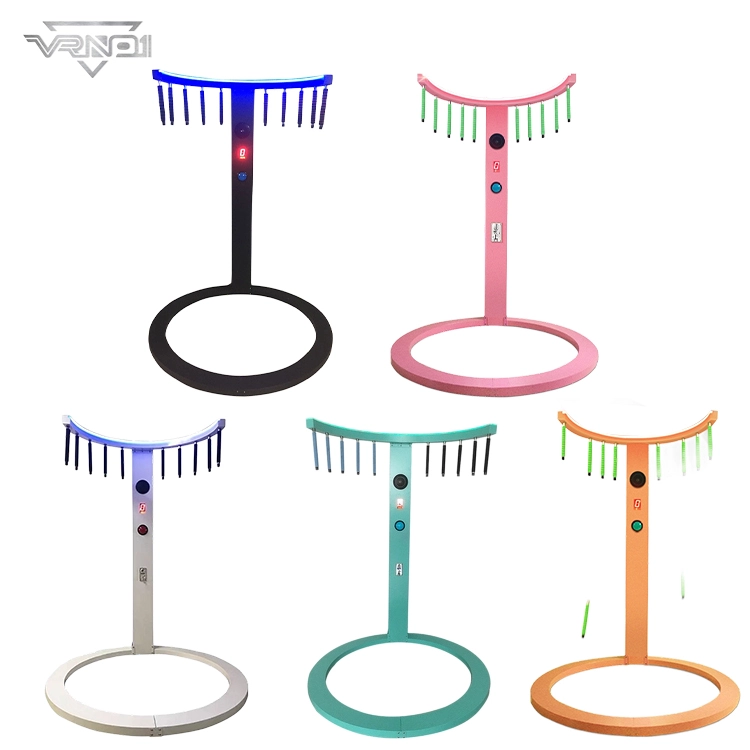
VRN0.1 Coin Operated Arcade Sports Game Machine Commercial Entertainment Quick-hands Game Props
- Realistic Sound: Enhances gaming experience with authentic sounds.
- Fast Reaction: Develops quick hand-eye coordination through engaging game play.
- DIY Kit: Allows for customization and personalization of the baton.
- Metal and Plastic Construction: Durable and robust build quality.
- Coin Operated: Fun for players who enjoy arcade-like experiences.
 Scan QR Code
Whatsapp: +8618127818571
Scan QR Code
Guangzhou Skyfun Technology Co.,Ltd
skyfunvrgame
skyfun game