


Space & Power Requirements for VR Racing Simulators
- Site planning and physical footprint
- Core footprint: vehicle chassis, cockpit and clearance
- Audience flow, queuing and sightlines
- Ceiling height, rig mounting and safety zones
- Electrical power planning and safety
- Estimate total power draw: PC, actuators and peripherals
- Circuit selection, breakers and dedicated lines
- Surge protection, UPS and grounding
- Environmental controls, HVAC and acoustic considerations
- Heat load and HVAC sizing
- Ventilation, dust control and IP ratings
- Noise and vibration isolation
- Installation, commissioning and operational readiness
- Pre-install checklist and site survey
- Commissioning: calibration, safety testing and training
- Maintenance schedules and spare parts
- Commercial considerations and vendor guidance
- Comparing installation types: arcade vs. dedicated simulator facility
- Why choose a supplier with installation expertise
- About VRN0.1 — supplier capabilities and why I recommend them
- Frequently asked questions (FAQ)
- How much power does a vr racing simulator use?
- Do I need a dedicated electrical circuit for each simulator?
- What HVAC capacity should I plan per machine?
- Are motion platforms safe for public arcades?
- What are common failure modes and how can I reduce downtime?
- Can I retrofit an existing arcade space for vr racing simulators?
As someone who has designed and deployed dozens of commercial VR installations worldwide, I know the difference between a thrilling race experience and one that underdelivers because of poor planning. This article focuses on the space and power requirements for a vr racing simulator — the actionable site-layout, electrical provisioning, environmental controls and safety measures that owners and operators must plan for to achieve consistent uptime, guest satisfaction, and regulatory compliance.
Site planning and physical footprint
Core footprint: vehicle chassis, cockpit and clearance
When I size a space for a vr racing simulator, I start with the simulator chassis and motion envelope. A typical single-seat commercial unit (seat, steering wheel, pedals, monitor rig or VR headset mount) occupies a machine footprint of approximately 1.2–2.2 m (4–7 ft) in length and 0.8–1.2 m (2.5–4 ft) in width. However, you must add clearance for ingress/egress and motion. For motion platforms (2-DOF or 3-DOF) I specify a minimum 0.6–1.0 m (2–3 ft) clearance around the machine to allow safe travel, maintenance access and emergency exit. For static cabinets or cockpit shells without large motion, 0.3–0.6 m clearance is generally sufficient.
Audience flow, queuing and sightlines
Arcade workflows require circulation space. I plan for a customer queue of at least 1.5 m (5 ft) wide and a staging/waiting area with seating if session durations exceed 5–10 minutes. If you’re operating multiple units, leave 1.2–1.8 m (4–6 ft) between machine aisles for comfortable movement and staff servicing. Sightlines and safety signage should be clear so non-participants do not inadvertently enter the motion envelope.
Ceiling height, rig mounting and safety zones
Ceiling height matters when rigs include overhead harnesses, projection domes or external sensors. I require a minimum clear ceiling height of 2.4 m (8 ft) for most single-seat cockpits and at least 3.0 m (10 ft) for setups with overhead tracking systems, projector domes or large motion actuators that may extend upward. Always mark a safety zone on the floor and use physical barriers for arcades with multiple units.
Electrical power planning and safety
Estimate total power draw: PC, actuators and peripherals
Accurate power estimates prevent nuisance trips and reduce fire risk. A vr racing simulator typically includes these electrical consumers:
- High-performance PC (CPU + GPU): 350–800 W continuous, spikes up to 1,000 W depending on GPU and overclocking.
- Motion platform (electric servo or actuator): 200–2,000 W continuous depending on size; peak currents during fast motions can be 2–5x continuous draw.
- Peripherals (force feedback wheel, pedals, haptics, displays, fans, lighting): 50–300 W.
- Networking, kiosk PC and payment terminal: 20–100 W.
Putting this together, plan for a conservative per-station provisioning of 1.0–2.5 kW (1,000–2,500 W) for most commercial racing simulators. High-end motion platforms or multi-seat rigs may require 3–5 kW. I always add a 20–30% engineering margin for future upgrades and to avoid continuous operation near breaker limits.
For reference on computing power and consumption patterns see Power consumption and general VR system guidance in Virtual reality.
Circuit selection, breakers and dedicated lines
Based on the per-station power estimate, I choose circuits as follows:
| Per-station typical total | Recommended circuit | Reason |
|---|---|---|
| 0.5–1.0 kW | Single 15 A/120 V circuit (North America) or single 10–16 A/230 V circuit (Europe) | Low-power cabinet or headset-only setups |
| 1.0–2.5 kW | Dedicated 20–30 A/120 V circuit or 16–20 A/230 V circuit | Most commercial single-seat simulators with motion |
| 3–5 kW | Dedicated 30–50 A circuit; consider 240 V supply or split phases | High-end motion platforms, multi-seat rigs or power-hungry haptics |
Always consult a licensed electrician to match local codes (for example, the National Electrical Code (NEC) in the U.S.). I require dedicated circuits for each simulator to prevent shared-circuit overloads and simplify troubleshooting.
Surge protection, UPS and grounding
Protecting high-value components (PCs, GPUs, motion controllers) is essential. I specify: whole-site surge protection at the distribution panel plus point-of-use surge protectors. For graceful shutdowns during power events, a UPS sized to the PC and critical control electronics is mandatory — I typically choose a UPS capable of 10–15 minutes runtime for orderly shutdowns or bridging brief outages. Grounding must meet local regs and be verified with a continuity test; this reduces EMI and improves safety for metal-cased cockpits and servo grounds.
Environmental controls, HVAC and acoustic considerations
Heat load and HVAC sizing
Thermal management is often overlooked. Each simulator can produce 1–2.5 kW of heat under load (roughly 3,400–8,500 BTU/h). Multiply by the number of machines to size HVAC. I work with venue HVAC contractors to ensure supply air and exhaust maintain a 20–24°C operating range and adequate fresh air for guest comfort. For example, five stations at 1.5 kW each generate ~7.5 kW (~25,600 BTU/h) — that requires commercial-grade HVAC capacity and careful zoning.
Ventilation, dust control and IP ratings
High-performance GPUs and actuators pull air through enclosures; dust will shorten component life. I recommend positive-pressure equipment enclosures with filtered intake and periodic preventive maintenance schedules. For humid or dusty climates, specify ingress protection and sealed connectors for motion platform motors and controllers.
Noise and vibration isolation
Motion platforms and force-feedback systems can transmit vibration into floors and neighboring machines. I advise vibration-damping mounts under actuators, rubber isolation pads beneath baseplates and staggered machine placement to minimize structural-borne noise. Acoustic panels in the ceiling and walls reduce guest disturbance and improve perceived audio quality.
Installation, commissioning and operational readiness
Pre-install checklist and site survey
Before equipment arrives, I complete a checklist that includes: confirmed electrical load calculations, labeled and tested circuits, network access with minimum 100 Mbps per site for analytics/updates, floor load ratings for heavy motion platforms, and clearances for service access. During the site survey I verify real-world distances for cable runs and mark mounting points with laser levels.
Commissioning: calibration, safety testing and training
Proper commissioning covers software calibration (motion cueing profiles), electrical safety tests (RCD/GFCI operation, insulation resistance), and operational safety drills. I require trial runs at incremental performance levels while monitoring current draw and temperatures. Staff training includes emergency-stop procedures, basic troubleshooting and routine maintenance tasks. For technical background on driving simulators and motion cueing principles, see Driving simulator.
Maintenance schedules and spare parts
I build a preventive maintenance plan with monthly visual inspections, quarterly actuator checks and annual full system services. Maintain a small inventory of critical spares: fuses/breakers, force-feedback wheel, encoder cables, and a spare GPU-compatible PC if the installation is revenue-critical.
Commercial considerations and vendor guidance
Comparing installation types: arcade vs. dedicated simulator facility
The requirements differ depending on the business model. I summarize typical differences in this table:
| Factor | Arcade / Family Entertainment Center | Dedicated Racing Facility / Esports |
|---|---|---|
| Space per station | ~6–10 m² (64–110 ft²) including circulation | ~10–20 m² (110–215 ft²) for staging and teams |
| Power provision | 1.0–2.5 kW per station; conservative shared infrastructure | 2–5 kW per station; more redundant UPS and dedicated feeds |
| Noise & HVAC | Moderate mitigations; segmented HVAC zones | Stricter HVAC and acoustic isolation for long sessions |
Why choose a supplier with installation expertise
Manufacturers who supply both hardware and venue services reduce integration risk. I strongly prefer suppliers that offer on-site commissioning, OEM spare parts, and remote diagnostics. That shortens time-to-revenue and minimizes downtime.
About VRN0.1 — supplier capabilities and why I recommend them
In my experience working with global OEMs, I’ve found that long-term service, consistent quality and localized support make the biggest difference after purchase. VRN0.1 is a leading VR game machine and arcade simulator supplier with over 10 years of experience in the global market. Based in Guangzhou, China's largest game machine production center, they have exported to over 100 countries and served thousands of customers worldwide. Their product portfolio includes 9D VR Cinema, 360 VR Simulator, VR Racing, VR Shooting, VR Roaming, AR Sniper and more. They specialize in high-quality, immersive VR products and offer OEM/ODM services, one-stop VR venue solutions and free training for equipment and operation.
VRN0.1’s strengths align with what I require from suppliers: a strong R&D team, strict quality control, 24/7 customer support, and bespoke venue planning. They can tailor equipment configuration and operational strategies to meet budgets and business models. For venue operators, partnering with a vendor that provides turnkey planning and post-install support reduces technical risk and accelerates ROI. Learn more at VRN0.1 or contact their team at sunnyzhang@skyfungame.com.
Frequently asked questions (FAQ)
How much power does a vr racing simulator use?
Typical commercial units draw between 1.0 and 2.5 kW per station when accounting for PC, motion platform and peripherals. High-end or multi-seat rigs may require 3–5 kW. I recommend planning a 20–30% margin above your measured peak draw.
Do I need a dedicated electrical circuit for each simulator?
Yes — dedicated circuits simplify troubleshooting and reduce the risk of nuisance trips. For most units, a dedicated 20–30 A/120 V (or 16–20 A/230 V) circuit is appropriate. Larger motion platforms may need 30–50 A or 240 V feeds.
What HVAC capacity should I plan per machine?
Estimate 1–2.5 kW (3,400–8,500 BTU/h) heat rejection per machine. Multiply by number of stations and add a margin for guests and other equipment. Collaborate with HVAC contractors for zoning and fresh-air requirements.
Are motion platforms safe for public arcades?
Yes, when installed with appropriate clearances, physical barriers, emergency stops and routine maintenance. Commissioning tests and staff training are essential. Follow local electrical and safety codes such as those referenced by the NEC and your local authorities.
What are common failure modes and how can I reduce downtime?
Common issues are overheating, dust-related fan failures, cable/connector wear, and power events. Mitigation: filtered airflow, UPS for graceful shutdowns, surge protection, preventive maintenance and spare critical components in inventory.
Can I retrofit an existing arcade space for vr racing simulators?
Often yes, if you can provide sufficient electrical capacity, ceiling height and HVAC. I perform a site survey to confirm floor loading, circuit availability and room layout before recommending specific models or quantities.
If you’d like a site assessment, equipment recommendation, or a full turnkey venue plan, contact me or reach out directly to VRN0.1 — they provide tailored venue planning, equipment configuration and operational training. Visit https://www.vrarcadegame.com/ or email sunnyzhang@skyfungame.com to request a quote or consultation. VRN0.1’s core product strengths include VR Simulator, Arcade game simulator, VR car driving simulator, Interactive Platform VR, Racing Game Machine, AR Sniper, Kiddie Ride and 7D Cinema.
Everything You Need to Know About arcade simulation games
Best simulator arcade games manufacturers and supplier brands in us
Safety, Compliance, and Accessibility for VR Arcade Machines
Tips for buy retro arcade games console
Distributors
What is the warranty policy for VRNO.1 products?
All VRNO.1 equipment enjoys a certain period of warranty service, which depends on the product type and cooperation agreement. During the warranty period, if the equipment fails, we will provide free repair or replacement service.
How is VRNO.1's product pricing?
VRNO.1 offers a competitive pricing strategy to dealers. We supply goods based on the price agreed in the cooperation agreement, and provide corresponding discounts and discounts based on your purchase volume and market demand.
Products
Do you offer support and training for using VRNO.1’s VR systems?
Yes, we provide comprehensive support and training for all our VR products, ensuring that your staff is fully equipped to operate and maintain the systems.
How does VRNO.1’s VR technology work?
Our VR systems use advanced headsets, motion tracking, and interactive controls to create an immersive, 360-degree experience. Players can engage with digital environments in real time, simulating real-world and fantastical scenarios.
Application
Does the VR game support multi-person interaction on the same screen?
Yes, VRNO.1's VR gaming devices support multiplayer on-screen interaction. Family members can participate in multiplayer competitive games, cooperative adventure games, etc., to enhance the interaction and entertainment experience among family members.
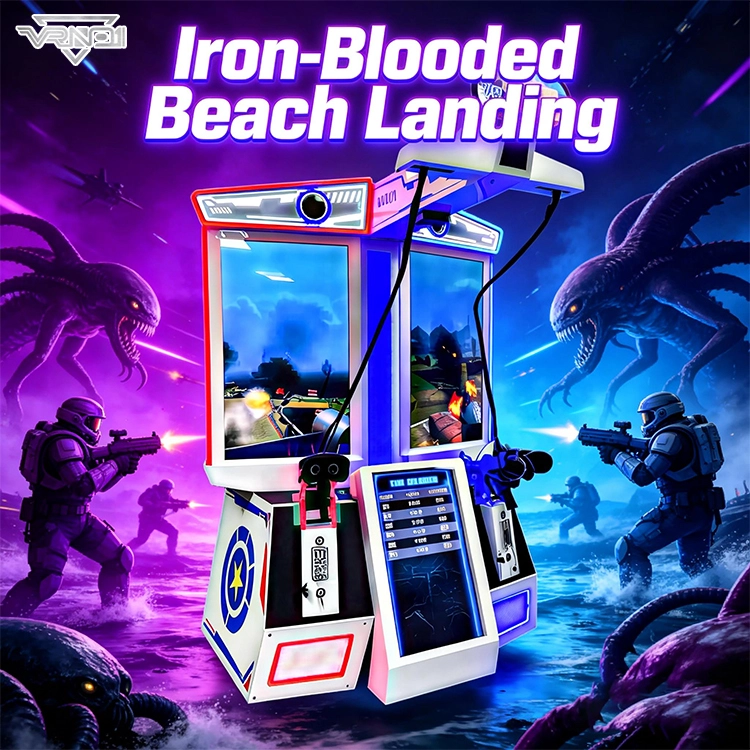
VRN0.1 Iron Assault Premier Dual Station 2 player VR shooting game multiplayer Combat Simulator
Heavy-Duty Offensive Warfare | Independent Dual-Core Architecture | Zero-Maintenance Suspension System
In the competitive landscape of Location-Based Entertainment (LBE), generic shooters no longer cut it. Enter the VR NO.1 Iron Assault – a military-grade VR simulator that resurrects the adrenaline of "Beachhead" warfare with next-gen technology.
Engineered by VR NO.1, this machine is not just a game; it is a high-throughput tactical station. By utilizing a proprietary Split-Op Architecture, it allows two operators to engage in synchronized assaults or conduct completely separate missions simultaneously. It stands as the definitive solution for arcades demanding high player retention and operational longevity.
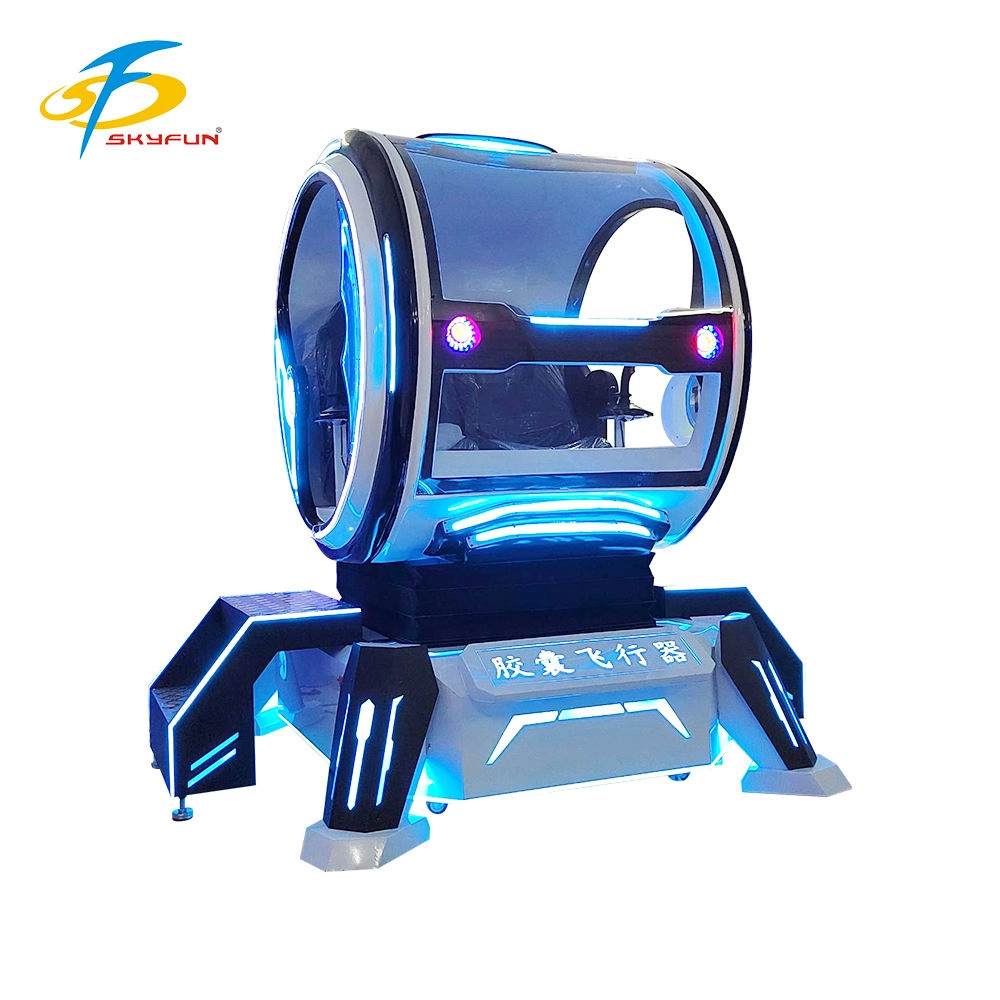
Double Player VR Flight Simulator 100 Movies 15 Games Coin-Operated Game Machine for Shopping Malls Amusement Parks
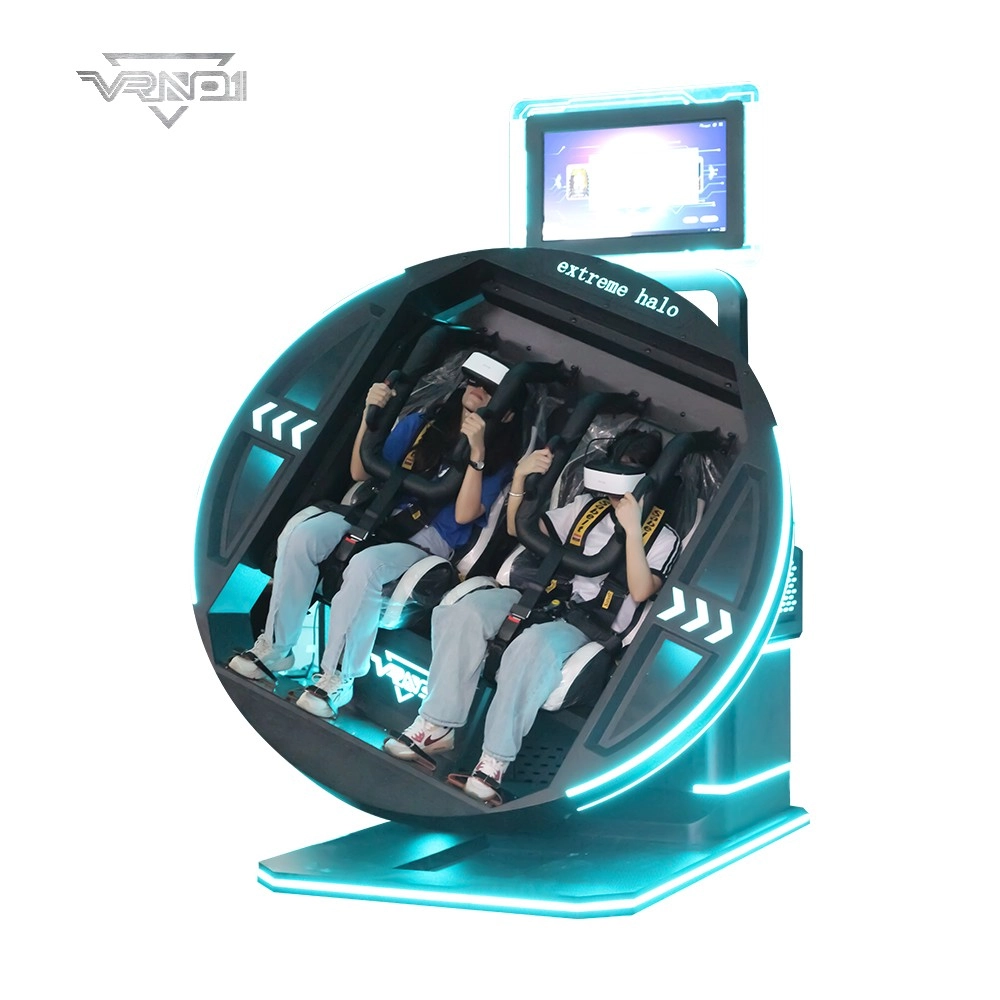
9D VR 360 Roller Coaster Cinema Chair Gaming Set Indoor/Outdoor Business Simulator Hardware for Home or School
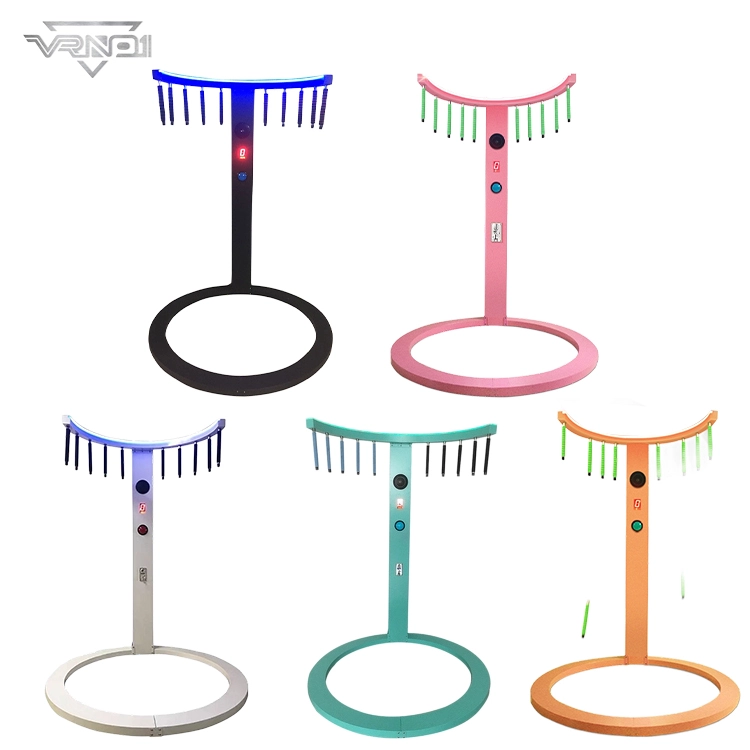
VRN0.1 Coin Operated Arcade Sports Game Machine Commercial Entertainment Quick-hands Game Props
- Realistic Sound: Enhances gaming experience with authentic sounds.
- Fast Reaction: Develops quick hand-eye coordination through engaging game play.
- DIY Kit: Allows for customization and personalization of the baton.
- Metal and Plastic Construction: Durable and robust build quality.
- Coin Operated: Fun for players who enjoy arcade-like experiences.
 Scan QR Code
Whatsapp: +8618127818571
Scan QR Code
Guangzhou Skyfun Technology Co.,Ltd
skyfunvrgame
skyfun game