


Safety, Compliance, and Accessibility for VR Arcade Machines
- Operational Safety and Physical Risk Management
- Identifying the main hazards
- Design controls: space, layout, and fixtures
- Mitigating cybersickness and health triggers
- Regulatory Compliance and Standards
- Key regulations and standards to reference
- Compliance checklist
- Insurance, liability, and documentation
- Accessibility and Inclusive Experiences
- Why accessibility matters for vr arcade machines
- Practical accessibility adaptations
- Web and booking accessibility
- Practical Implementation: Hygiene, Training, and Incident Management
- Headset sanitation and infection control
- Staff training and guest briefing
- Incident reporting and continuous improvement
- Buying, Installing, and Operating: A Practical Checklist
- Pre-purchase and site planning
- Installation and commissioning
- Ongoing operations and marketing transparency
- FAQ
- 1. Are vr arcade machines safe for children?
- 2. What legal documents should I have guests sign?
- 3. How do I make VR experiences accessible to people with mobility impairments?
- 4. How often should I clean headsets between sessions?
- 5. What can I do to reduce cybersickness for new users?
- References and Further Reading
VR arcades combine immersive technology with public, physical environments. Operators, owners, and integrators who deploy vr arcade machines must manage physical safety, regulatory compliance, and accessibility to protect guests, reduce liability, and increase revenue. This guide provides practical, evidence-based controls, standards to reference, operational workflows, and checklists you can apply when you buy, install, or run vr arcade machines in a commercial setting.
Operational Safety and Physical Risk Management
Identifying the main hazards
Primary hazards around vr arcade machines are trips and falls, collisions with fixtures or other players, headset-related injuries (impact with hard surfaces), motion sickness (cybersickness), and health events triggered by visual stimuli (photosensitive seizures). Environmental hazards include inadequate floor surfacing, poor sightlines, electrical and cable trip risks, and inadequate sanitation for shared headsets. A systematic hazard assessment before opening a site reduces incidents and insurance exposure.
Design controls: space, layout, and fixtures
Design your play area to remove sharp edges and create clear play zones. Recommended practices:
- Define a minimum clear play boundary per station; many operators use 2.0–2.5 m (6.5–8.2 ft) diameter per standing/room-scale station depending on activities.
- Use low-profile cable management, cord covers, or wireless solutions to eliminate trip hazards.
- Install impact-absorbing floor surfaces (e.g., commercial rubber tile) in play zones to reduce injury severity.
These measures reduce trip/fall risk and align with general workplace safety practices promoted by occupational safety agencies.
Mitigating cybersickness and health triggers
Cybersickness incidence varies by title and user; reviews report 20–80% susceptibility depending on simulation type and exposure length (see References). To reduce cybersickness:
- Limit session length (recommended initial exposure 5–15 minutes for new users).
- Provide pre-ride orientation and in-headset comfort options (vignette/field-of-view reduction, stable horizon, teleport locomotion).
- Offer seating alternatives or experiences designed for seated play for sensitive guests.
Post clear warnings about possible nausea, dizziness, and seizure risks; instruct guests with a history of epilepsy, heart conditions, or pregnancy to consult a physician before participating.
Regulatory Compliance and Standards
Key regulations and standards to reference
There is no single global standard exclusively for vr arcade machines, but several authoritative references cover aspects operators must follow:
- Americans with Disabilities Act (ADA) – accessibility requirements for public facilities.
- W3C Web Content Accessibility Guidelines (WCAG) – for digital signage, booking sites, kiosks, and VR UX analogues.
- Occupational Safety and Health Administration (OSHA) recommendations – workplace safety, electrical and trip hazards mitigation.
- Clinical and human-factors literature on cybersickness and visual triggers (see academic reviews).
Use these documents to construct a compliance matrix tailored to local jurisdiction (city, state, national). Always verify local business licensing, amusement ride regulations, and building codes; some jurisdictions classify immersive experiences as “amusement devices” requiring inspection.
Compliance checklist
Operators should verify the following before opening or when retrofitting:
- Business licenses and any amusement-device permits.
- Proof of equipment electrical safety (grounding, surge protection, certified power supplies).
- ADA-accessible routes, clearances, and alternative experiences or exemption procedures.
- Staff training records and incident reporting procedures.
Insurance, liability, and documentation
Commercial liability insurers expect documented safety procedures. Maintain:
- Written operating procedures for each vr arcade machine and experience.
- Signed waivers or informed consent forms where legally appropriate (local law varies on enforceability).
- Equipment maintenance logs and cleaning records.
Work with an insurer experienced in location-based entertainment to ensure policy language covers virtual-reality-specific risks and staff-related liabilities.
Accessibility and Inclusive Experiences
Why accessibility matters for vr arcade machines
Accessible VR expands your market, meets legal requirements (where applicable), and demonstrates social responsibility. Accessibility includes physical access to the venue and inclusive game design so people with sensory, cognitive, or mobility impairments can participate. While not all VR titles can be fully accessible, many design adaptations provide meaningful participation.
Practical accessibility adaptations
Adopt a layered approach:
- Physical: Ensure wheelchair-accessible routes to stations, adjustable seating, transfer spaces, and reachable controls.
- Digital/UI: Offer subtitles, high-contrast UI, simple menus, remappable controls, and alternative control schemes (gamepad vs motion controllers).
- Experience design: Provide seated modes, reduced-motion options, fixed-camera modes, and single-controller play where possible.
Document which experiences are accessible and publish this information on your website and booking platforms to set clear expectations for guests.
Web and booking accessibility
Follow WCAG 2.1 AA for your website and booking kiosks so visitors with disabilities can learn about, book, and prepare for sessions. Include clear accessibility statements, staff contact options, and virtual tours or photos of your space to help guests plan visits.
Practical Implementation: Hygiene, Training, and Incident Management
Headset sanitation and infection control
Shared headsets present hygiene concerns. Best practices:
- Use removable, machine-washable face covers or disposable liners for each session.
- Follow manufacturer guidance for disinfecting lenses, straps, and foam; avoid alcohol on optical surfaces where prohibited.
- Implement a documented cleaning protocol with timestamps and staff initials; consider providing hand sanitizer stations near each station.
| Method | Effectiveness | Pros | Cons |
|---|---|---|---|
| Removable fabric covers (washable) | High | Comfortable, reusable, machine-washable | Requires inventory and laundry process |
| Disposable liners | High | Single-use, low cross-contamination | Ongoing cost and waste |
| EPA-approved disinfectant wipes | Medium–High | Fast, easy to apply | Potential optical surface damage if not manufacturer-approved |
Reference manufacturer cleaning instructions and CDC guidance on cleaning public spaces for product-appropriate disinfectants (see References).
Staff training and guest briefing
Staff should receive structured training covering:
- Pre-session screening questions and how to interpret disclosure (e.g., history of seizures).
- Emergency response protocols including first aid and evacuation.
- Sanitation procedures, headset fitting, and how to adjust experiences for motion sensitivity.
Guest briefings should be concise: safety boundaries, expected motions, how to stop an experience (panic button/voice command), and hygiene expectations.
Incident reporting and continuous improvement
Create an incident log capturing: date/time, description, staff on duty, witness statements, photos (if appropriate), and corrective actions. Review incidents monthly to identify trends (e.g., repeat trips near a specific station) and implement engineering or administrative controls.
Buying, Installing, and Operating: A Practical Checklist
Pre-purchase and site planning
When you buy vr arcade machines or related hardware, evaluate:
- Manufacturer safety documentation, warranty and service options.
- Power and network requirements, ventilation needs for enclosed pods, and spatial footprint per station.
- Availability of commercial support, spare parts, and upgrade paths.
Installation and commissioning
During installation:
- Complete a hazard assessment and verify all safety devices (stops, emergency exits, ergonomic mounting) work.
- Test sightlines and guest flows under simulated peak traffic conditions.
- Document a commissioning checklist and sign-off by facility manager or third-party inspector if required.
Ongoing operations and marketing transparency
Be transparent in consumer-facing materials about comfort levels, age/height limits, accessibility features, and required waivers. Three reasons this matters:
- Reduces surprises and negative reviews.
- Improves conversion when customers know exactly what to expect.
- Decreases the chance of health- or safety-related disputes.
FAQ
1. Are vr arcade machines safe for children?
Children can use VR, but operators should follow manufacturer age recommendations and local regulations. Many headsets recommend minimum ages (often 12+), and sessions for younger children should use age-appropriate content and shorter durations. Always require parental consent for minors and provide staff-supervised sessions.
2. What legal documents should I have guests sign?
Standard documents include an informed-consent or liability waiver and a code of conduct. Legal enforceability varies by jurisdiction; consult local counsel to craft waivers, and never rely solely on a waiver instead of implementing reasonable safety controls.
3. How do I make VR experiences accessible to people with mobility impairments?
Provide wheelchair-accessible stations, seating options, and experiences designed to be playable using alternate control schemes (single-hand controllers or gamepad). Clearly label which experiences support these modes and train staff to assist with transfers if required and lawful.
4. How often should I clean headsets between sessions?
Clean or replace face covers between every customer session. Wipe down head straps and exterior surfaces after each use with manufacturer-compatible disinfectants. Maintain cleaning logs to document compliance with your hygiene protocol.
5. What can I do to reduce cybersickness for new users?
Introduce new users with short sessions (5–15 minutes), choose low-intensity titles for first-time users, offer seated alternatives, and enable comfort options in-game. Provide a calm waiting area for guests to recover if they experience discomfort.
If you have more specific questions about purchasing, installing, or certifying vr arcade machines for your venue, contact our specialists for a site survey, compliance audit, or product demonstration. View our vr arcade machines catalog or request a quote at our contact page.
References and Further Reading
- Epilepsy Foundation — Lighting and Visual Patterns (Photosensitive Seizure Guidance)
- CDC — Cleaning and Disinfecting Your Facility (general cleaning guidance)
- W3C — Web Content Accessibility Guidelines (WCAG)
- U.S. Department of Justice — ADA (Americans with Disabilities Act)
- U.S. Occupational Safety and Health Administration (OSHA)
- Rebenitsch L., Owen C. (2016). Review on cybersickness in virtual reality. Frontiers in Psychology.
Last reviewed: 2026-01-12
The B2B Buyer’s Guide to spaceship vr game
Top 10 best vr racing simulator Manufacturers and Supplier Brands
Monetizing VR Flight Simulators: Pricing and Revenue Strategies
The latest trends for vr theme park
Distributors
What does VRNO.1's after-sales service include?
We provide comprehensive after-sales services, including installation support, technical troubleshooting and regular maintenance services. We also provide dealers with dedicated training and customer support to ensure the smooth operation of the equipment.
Products
How durable are your VR machines?
Our VR machines are designed for durability and high traffic use, ensuring long-lasting performance. We also provide maintenance and support services to keep your equipment running smoothly.
Application
What technical support does VRNO.1 provide?
We provide 24/7 technical support services, including remote technical consultation, equipment troubleshooting, software upgrades, and faulty equipment replacement. Ensure that your equipment can continue to operate efficiently and improve customer experience.
How much space does VRNO.1's VR equipment require?
Our VR equipment is designed to adapt to family entertainment centers of different sizes. For smaller spaces, we have compact solutions for interactive games for one or two people. For larger venues, we provide multi-user interactive experience solutions that can support multiple people to experience at the same time.
Solution
How to customize VR equipment and content for my venue?
VRNO.1 provides personalized customization services. You can choose different VR equipment and game content according to the type of venue, customer group and budget requirements. Our design team will communicate with you to ensure the best solution and design the venue layout.
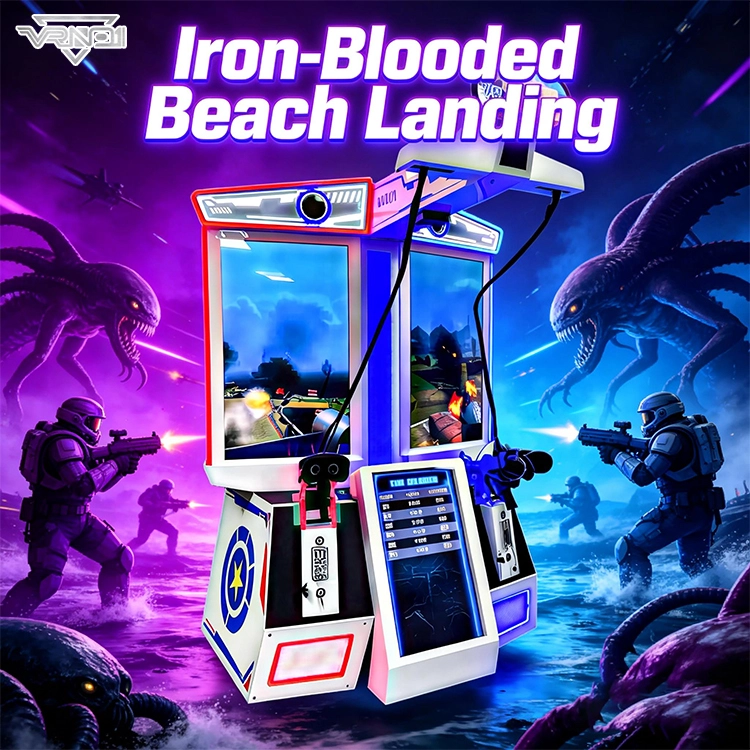
VRN0.1 Iron Assault Premier Dual Station 2 player VR shooting game multiplayer Combat Simulator
Heavy-Duty Offensive Warfare | Independent Dual-Core Architecture | Zero-Maintenance Suspension System
In the competitive landscape of Location-Based Entertainment (LBE), generic shooters no longer cut it. Enter the VR NO.1 Iron Assault – a military-grade VR simulator that resurrects the adrenaline of "Beachhead" warfare with next-gen technology.
Engineered by VR NO.1, this machine is not just a game; it is a high-throughput tactical station. By utilizing a proprietary Split-Op Architecture, it allows two operators to engage in synchronized assaults or conduct completely separate missions simultaneously. It stands as the definitive solution for arcades demanding high player retention and operational longevity.
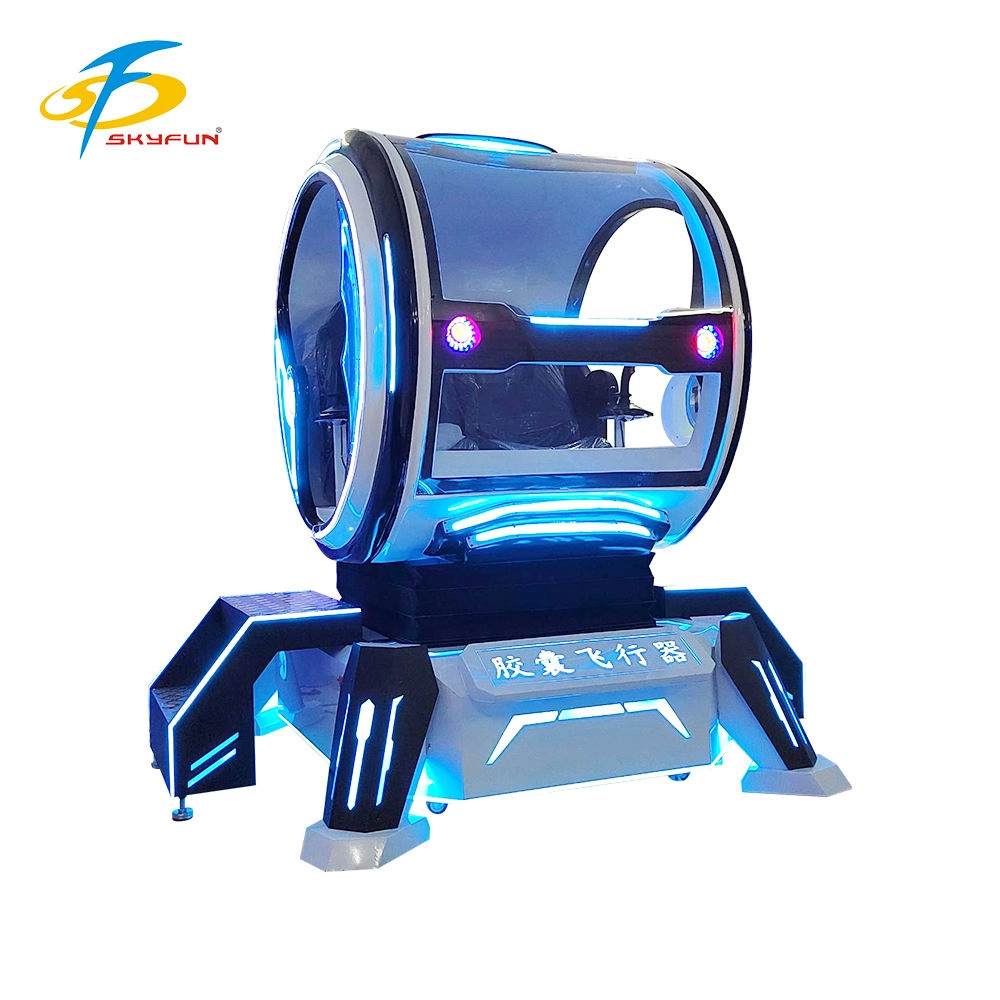
Double Player VR Flight Simulator 100 Movies 15 Games Coin-Operated Game Machine for Shopping Malls Amusement Parks
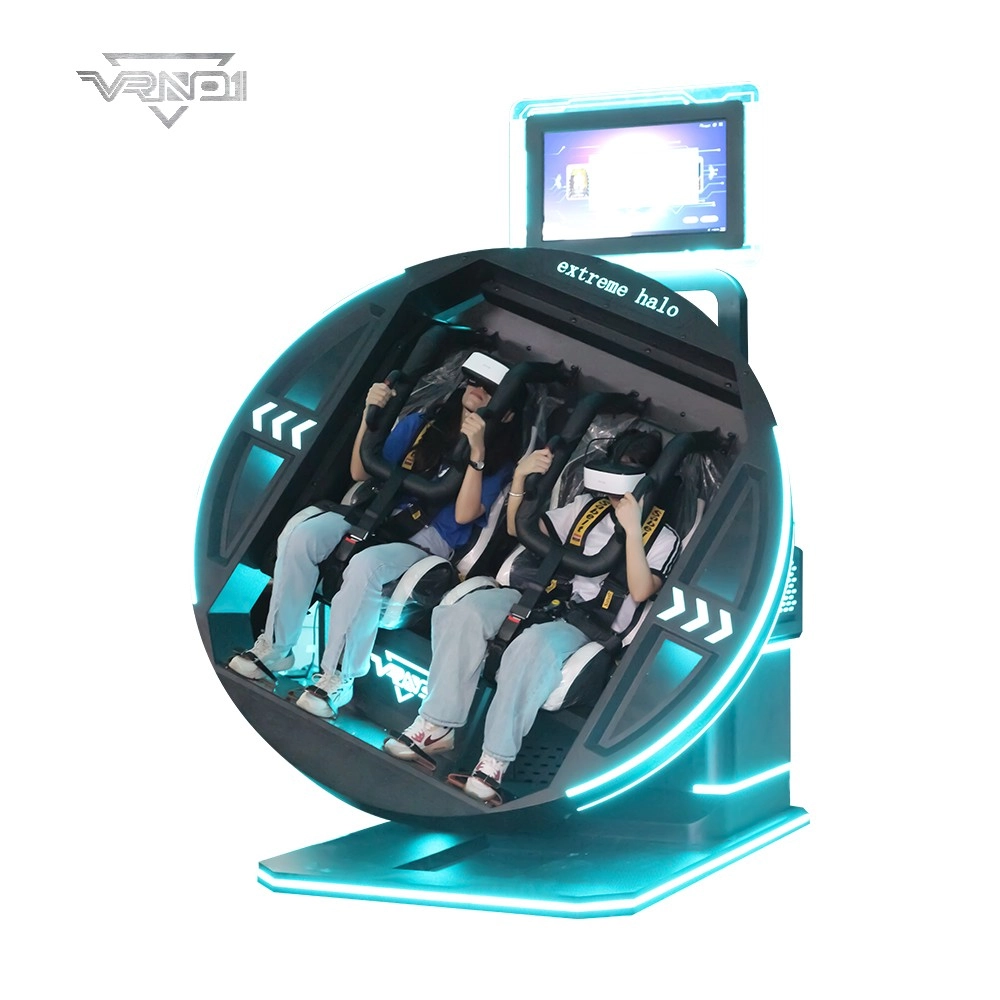
9D VR 360 Roller Coaster Cinema Chair Gaming Set Indoor/Outdoor Business Simulator Hardware for Home or School
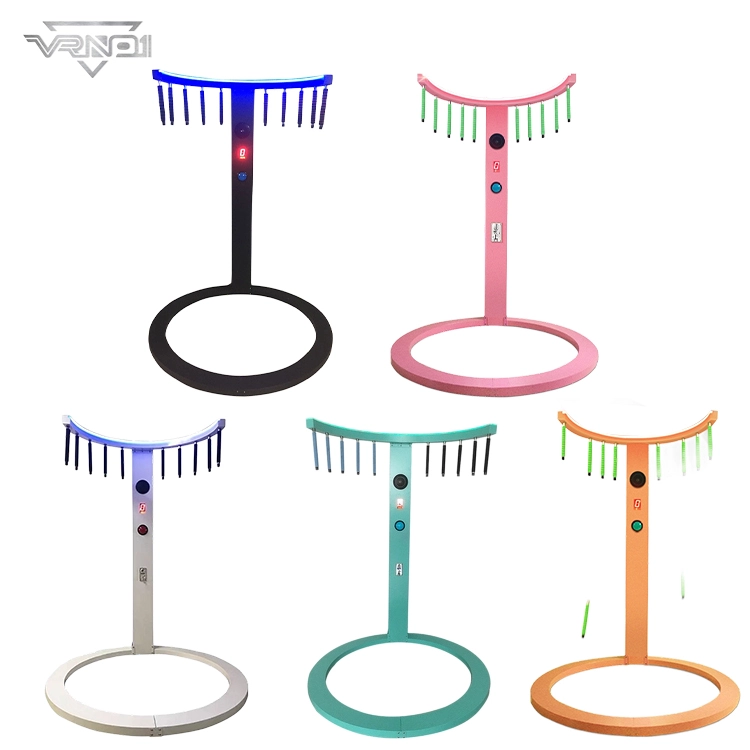
VRN0.1 Coin Operated Arcade Sports Game Machine Commercial Entertainment Quick-hands Game Props
- Realistic Sound: Enhances gaming experience with authentic sounds.
- Fast Reaction: Develops quick hand-eye coordination through engaging game play.
- DIY Kit: Allows for customization and personalization of the baton.
- Metal and Plastic Construction: Durable and robust build quality.
- Coin Operated: Fun for players who enjoy arcade-like experiences.
 Scan QR Code
Whatsapp: +8618127818571
Scan QR Code
Guangzhou Skyfun Technology Co.,Ltd
skyfunvrgame
skyfun game