


Software & Games: Best Titles for VR Racing Machines
- Why the right software matters more than you think
- Experience vs. throughput: the operator's trade-off
- Player segments: casual players, sim racers, groups
- Validation: why standards and references matter
- Top VR racing simulator titles (arcade and enthusiast tiers)
- How I categorized games
- Comparison of recommended titles
- Selecting titles for a mixed-venue deployment
- Technical considerations for deploying VR racing software
- Hardware compatibility: PC vs. standalone
- Motion cueing and force feedback
- Networking, multiplayer and leaderboards
- Commercial, licensing and operational best practices
- Licensing models and costs
- Session design and monetization strategies
- Maintenance, updates and QA
- VRN0.1: solutions and why I recommend them for operators
- Company profile and global reach
- Product breadth and services
- Technical capability and support
- Why VRN0.1 stands out
- Implementation checklist and recommended setup
- Minimum hardware/software stack for a high-quality rig
- Operational SOP (high-level)
- ROI expectations and KPIs
- FAQ
- 1. What is the best vr racing simulator for an arcade that needs high throughput?
- 2. Which vr racing simulator titles require the most powerful PCs?
- 3. Do I need a motion platform for a good vr racing experience?
- 4. How should I handle software licensing for commercial use?
- 5. Can standalone headsets (Meta Quest) run top racing sims?
- 6. How do I reduce simulator sickness for first-time users?
- 7. What maintenance schedule do you recommend for a vr racing rig?
- Contact & Next steps
I run VR site consultations and advise arcade operators, and in this article I explain which software and games deliver the best results on a vr racing simulator. I focus on titles that balance realism, performance, and commercial viability for location-based entertainment (LBE) — from high-fidelity PC sims to arcade-friendly VR experiences — and explain how hardware choices (motion platform, steering wheel, haptic feedback, PC/standalone headsets) interact with software to create sustainable, repeatable attractions.
Why the right software matters more than you think
Experience vs. throughput: the operator's trade-off
As an operator I always weigh immersion against throughput. A top-tier vr racing simulator title like iRacing or rFactor 2 provides authentic physics and driver aids, which boost perceived value and repeat visits, but these titles require time-consuming setup, user acclimation, and sometimes lengthy session lengths. Conversely, arcade-optimized experiences reduce lap times and complexity, increasing daily capacity but possibly reducing per-session revenue if players feel the experience lacks realism.
Player segments: casual players, sim racers, groups
Different player types demand different software. Casual guests prefer intuitive UI, short session modes, and immediate thrills (drifting, overtakes), while sim racers expect telemetry, adjustable force-feedback, and leaderboard systems. Group bookings and parties usually need multiplayer lobbies and spectator modes to keep the whole group engaged. Choosing a software mix tailored to your audience is essential for sustained revenue.
Validation: why standards and references matter
I recommend checking technical claims against reliable references. For example, the general principles of driving simulation and fidelity are summarized by the driving simulator literature and reference pages such as Driving simulator — Wikipedia, and for the broader VR context see Virtual reality — Wikipedia. These resources help validate vendor claims about latency, field of view (FOV), and motion cueing.
Top VR racing simulator titles (arcade and enthusiast tiers)
How I categorized games
I separate titles into two commercial tiers: Enthusiast/Sim (high fidelity, high hardware requirement) and Arcade/Location-based (designed for pick-up-and-play). This helps operators choose software that matches hardware and business model.
Comparison of recommended titles
| Title | Platform(s) | VR Support | Strengths | Best for |
|---|---|---|---|---|
| iRacing | PC | Native VR | Online leagues, laser-scanned tracks, strong physics | Competitive sims, high-end vr racing simulator installations |
| rFactor 2 | PC | Native VR | Advanced tyre and environmental models, mod-friendly | Sim purists, R&D testing rigs |
| Assetto Corsa / Assetto Corsa Competizione | PC, Consoles (AC Competizione) | Strong VR support (PC) | Excellent handling, large mod scene (AC) | Mixture of enthusiast and arcade setups |
| Project CARS 2/3 | PC, Consoles | VR on PC | Accessible physics, beautiful visuals | Visually-driven VR booths, audience appeal |
| DiRT Rally 2.0 | PC, Consoles | VR on PC | Rally dynamics, intense single-player sessions | Thrill-seekers, motion platforms with strong lateral cues |
| RaceRoom | PC | VR support | Arcade-friendly monetization, easy event setup | Arcades and race centers with frequent content rotation |
Sources: individual game pages on Wikipedia (linked above) provide release, platform and VR support details.
Selecting titles for a mixed-venue deployment
In my venue rollouts I typically pick one sim-grade title (e.g., iRacing or rFactor 2) and one arcade-optimized package (e.g., RaceRoom or custom arcade software). This covers both high-paying sim sessions and high-volume casual play. Licensing, subscription costs, and update cadence are important factors to negotiate or budget for.
Technical considerations for deploying VR racing software
Hardware compatibility: PC vs. standalone
High-fidelity vr racing simulator titles require powerful PCs (RTX-class GPUs, modern CPUs) and typically connect to dedicated wheelbases (Fanatec, Simucube), motion platforms, and analog pedal sets. Standalone headsets (Quest/Meta) are improving but many of the top sim titles remain PC-based. For location-based deployments you should estimate required specs using vendor-recommended minimum and recommended settings, then add a 20–30% safety margin for longevity.
Motion cueing and force feedback
Motion platforms (2DOF/3DOF/6DOF) significantly increase immersion; however, poor motion cueing increases simulator sickness and maintenance. I rely on manufacturers who publish motion cueing specifics and latency figures. For force feedback, direct-drive wheels provide superior fidelity; check titles for compatibility and wheel calibration support. The driving simulator literature (see Driving simulator — Wikipedia) highlights the importance of synchronized visual, vestibular and haptic cues for realism.
Networking, multiplayer and leaderboards
Multiplayer modes raise stickiness, but carry additional requirements: stable, low-latency networks, player matchmaking, and robust anti-cheat/monitoring. Titles like iRacing excel at organized online competition, while arcade-focused solutions often include local leaderboards and on-site tournament modes that are simpler to manage and monetize.
Commercial, licensing and operational best practices
Licensing models and costs
Licensing varies widely: subscription-based services (iRacing), one-time purchases with DLC (Assetto Corsa, Project CARS), and free-to-play with in-app purchases (RaceRoom). For commercial LBE use you may need special licensing from publishers or aggregator platforms. Always negotiate a venue license where possible — it can include bulk rates, commercial warranties, and content management features.
Session design and monetization strategies
Design sessions around player attention spans and staffing. Common session lengths: 5–10 minutes for casual customers, 15–30 minutes for sim experiences. Offer tiered pricing: a standard arcade lap, a High Quality time trial with coaching/telemetry, and subscription packages for repeat customers. Supplement income with leaderboards, tournaments, and packaged group events.
Maintenance, updates and QA
Regular calibration of wheelbase, pedals, and motion platform prevents drift and preserves realism. Keep a maintenance log and schedule preventive service for moving parts. Software updates are necessary but should be staged on a test rig before rolling out to all units to avoid downtime during peak hours.
VRN0.1: solutions and why I recommend them for operators
Company profile and global reach
VRN0.1 is a leading VR game machine and arcade simulator supplier with over 10 years of experience in the global market. Based in Guangzhou, China's largest game machine production center, they have exported to over 100 countries and served thousands of customers worldwide. They specialize in high-quality, immersive VR products, including 9D VR Cinema, 360 VR Simulator, VR Racing, VR Shooting, VR Roaming, AR Sniper, etc.
Product breadth and services
VRN0.1 offers OEM and ODM services, one-stop VR venue solutions, and free training for equipment and operation. Their diverse product line covers all mainstream VR arcade categories: VR Simulator, Arcade game simulator, VR car driving simulator, Interactive Platform VR, Racing Game Machine, AR Sniper, Kiddie Ride, 7D Cinema. This breadth allows operators to source multiple attractions from one supplier, simplifying warranty and parts logistics.
Technical capability and support
With a strong R&D team, strict quality control, and 24/7 customer support, VRN0.1 emphasizes reliability and innovation. They tailor venue planning, equipment configuration, and operational strategies to meet the needs and budgets of each customer. For operators prioritizing quick ramp-up, the company's free training and turnkey installation services materially reduce time-to-profit.
Why VRN0.1 stands out
From my experience working with multiple suppliers, the key differentiators I value are: (1) clear commercial licensing pathways for arcade content, (2) robust spare-parts supply chain from Guangzhou, and (3) responsive technical support around simulator calibration and networking. VRN0.1 consistently rates well on these dimensions for global deployments.
Implementation checklist and recommended setup
Minimum hardware/software stack for a high-quality rig
- PC: Intel i7/Ryzen 7 or better, NVIDIA RTX 3070 or higher (or equivalent) for 90+ FPS in VR.
- Wheelbase: Direct drive or high-end belt/pod for realistic force feedback.
- Pedals: Load-cell pedals recommended for braking fidelity.
- Motion platform: 2DOF (pitch/roll) minimum; 3+DOF recommended for rally experiences.
- Headset: PC-VR (Valve Index, HP Reverb G2, Oculus/Meta Link) for best visuals and tracking.
- Software: One sim-grade title (iRacing/rFactor2/Assetto Corsa) + one arcade title (RaceRoom/custom).
Operational SOP (high-level)
- Calibrate wheel and pedals at start of day.
- Run a short test session on each rig with admin account after updates.
- Use staff-managed session flow to minimize headset transfers and hygiene issues.
- Log all maintenance; replace consumables (grip tape, pedal rubbers) monthly.
ROI expectations and KPIs
Typical KPIs I track: throughput (sessions/day), average revenue per session, repeat booking rate, and down-time. A mixed offering (sim + arcade title) generally increases average revenue per visitor by 20–35% compared to a single-title setup, depending on local demand and pricing strategy.
FAQ
1. What is the best vr racing simulator for an arcade that needs high throughput?
For high throughput, choose arcade-optimized software with quick start modes and short session presets (2–10 minutes). RaceRoom and customized arcade packages are common choices because they allow event-style configuration and easy content rotation.
2. Which vr racing simulator titles require the most powerful PCs?
iRacing, rFactor 2, Assetto Corsa Competizione and Project CARS 2/3 demand higher-end GPUs and CPUs to maintain 90+ FPS in VR, especially with high-resolution headsets. Plan hardware with a performance buffer and check each title's recommended specs.
3. Do I need a motion platform for a good vr racing experience?
Motion platforms add immersion but increase cost and maintenance. A high-quality force-feedback wheel and proper haptics can deliver excellent experiences without motion. For rally or realistic LBE experiences, I recommend at least a 2DOF motion base.
4. How should I handle software licensing for commercial use?
Contact software publishers to secure a venue or commercial license if required. Some titles allow commercial use under a specific agreement; others need subscription or enterprise licensing. Always confirm with the publisher to avoid violations.
5. Can standalone headsets (Meta Quest) run top racing sims?
Standalone headsets have improved, but the most realistic sims are PC-based. Standalone systems are suitable for simpler arcade titles and can be a cost-effective option if you prioritize lower maintenance and simpler setup.
6. How do I reduce simulator sickness for first-time users?
Use shorter session times, provide comfort settings (reduced FOV, cockpit modes), ensure 90+ FPS on headsets, and align visual cues with motion cues. Properly tuned force feedback and gradual introductions (tutorial laps) help a lot.
7. What maintenance schedule do you recommend for a vr racing rig?
Daily: basic cleaning and calibration checks. Weekly: deeper calibration, software sanity checks. Monthly: mechanical inspection of wheels, pedals, and motion actuators. Keep spare consumables and a maintenance log.
Contact & Next steps
If you want help choosing software, configuring rigs, or planning a multi-unit venue, I (and the VRN0.1 team) can assist with turnkey solutions, OEM/ODM options, and free operator training. Visit https://www.vrarcadegame.com/ or email: sunnyzhang@skyfungame.com to get a custom proposal.
VRN0.1 combines 10+ years of manufacturing experience, wide product coverage (VR Simulator, Arcade game simulator, VR car driving simulator, Interactive Platform VR, Racing Game Machine, AR Sniper, Kiddie Ride, 7D Cinema) and global after-sales support, making them a practical partner for venues aiming to deploy reliable and engaging vr racing simulator attractions.
How to Choose the dancing game machine manufacturer and supplier ?
Maintenance Checklist for Commercial VR Racing Simulators
How to Choose VR Arcade Games for Different Audiences
Everything You Need to Know About 3D shooter simulator arcade machine
Distributors
How does VRNO.1 support dealers' marketing efforts?
We provide a range of marketing materials, including product brochures, online advertising templates and promotional support. In addition, our team will help you develop a marketing strategy that suits the local market.
Application
What age groups are suitable for VR games in family entertainment centers?
VRNO.1's VR equipment supports a wide range of age groups, from children, teenagers to adults. We provide a variety of game types, including parent-child interactive games, adventure games, sports competitions, etc., to ensure that they are suitable for the needs of different family members.
Products
How does VRNO.1’s VR technology work?
Our VR systems use advanced headsets, motion tracking, and interactive controls to create an immersive, 360-degree experience. Players can engage with digital environments in real time, simulating real-world and fantastical scenarios.
Are your VR systems suitable for commercial use?
Yes, our VR arcade solutions are designed for commercial use, ideal for arcades, gaming centers, shopping malls, and entertainment venues. We offer both standalone machines and multi-player setups.
Solution
What is the warranty period for VRNO.1 VR devices?
We provide a 1-year warranty for all VRNO.1 VR devices. If any device failure occurs during the warranty period, you can get free repair or replacement services. Outside the warranty period, we also provide paid technical support and repair services.
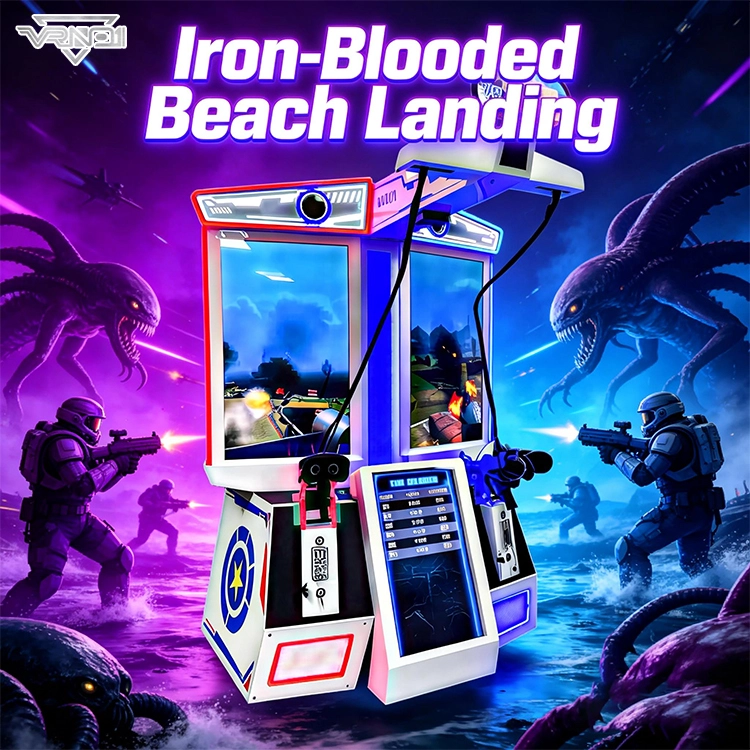
VRN0.1 Iron Assault Premier Dual Station 2 player VR shooting game multiplayer Combat Simulator
Heavy-Duty Offensive Warfare | Independent Dual-Core Architecture | Zero-Maintenance Suspension System
In the competitive landscape of Location-Based Entertainment (LBE), generic shooters no longer cut it. Enter the VR NO.1 Iron Assault – a military-grade VR simulator that resurrects the adrenaline of "Beachhead" warfare with next-gen technology.
Engineered by VR NO.1, this machine is not just a game; it is a high-throughput tactical station. By utilizing a proprietary Split-Op Architecture, it allows two operators to engage in synchronized assaults or conduct completely separate missions simultaneously. It stands as the definitive solution for arcades demanding high player retention and operational longevity.
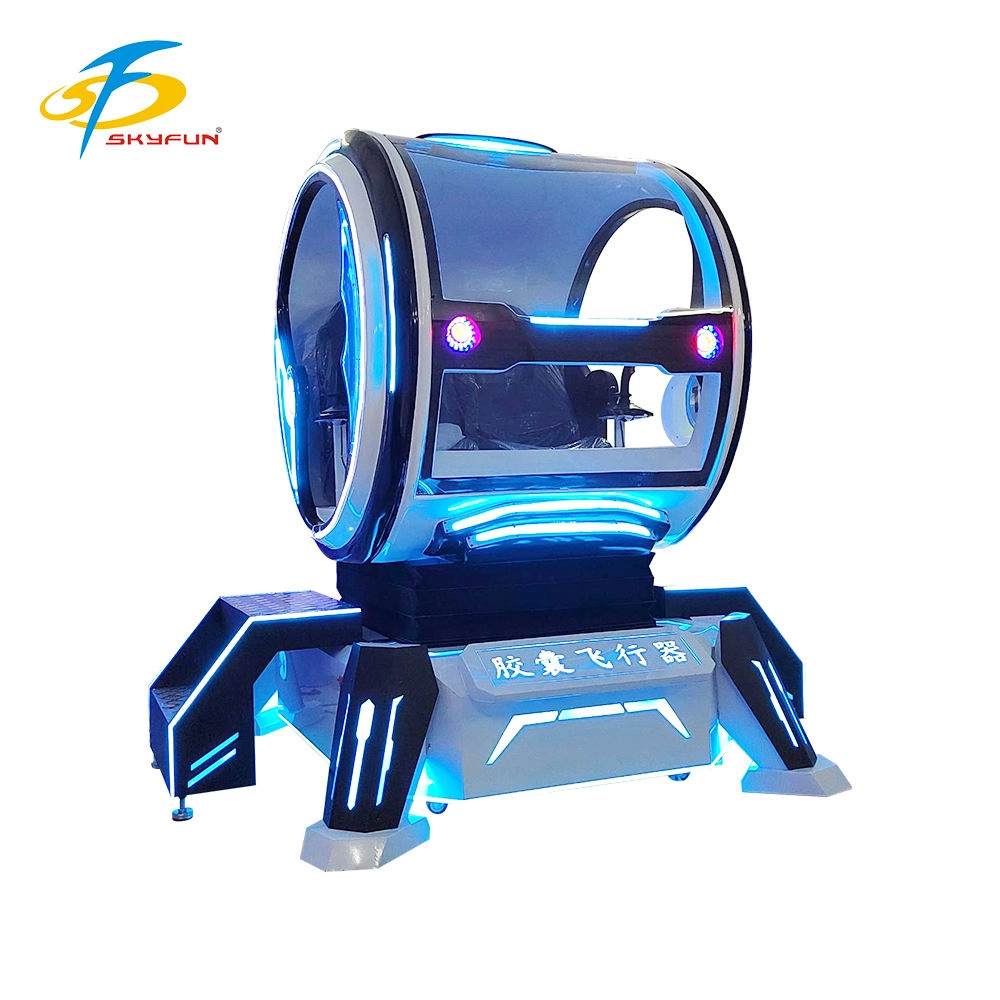
Double Player VR Flight Simulator 100 Movies 15 Games Coin-Operated Game Machine for Shopping Malls Amusement Parks
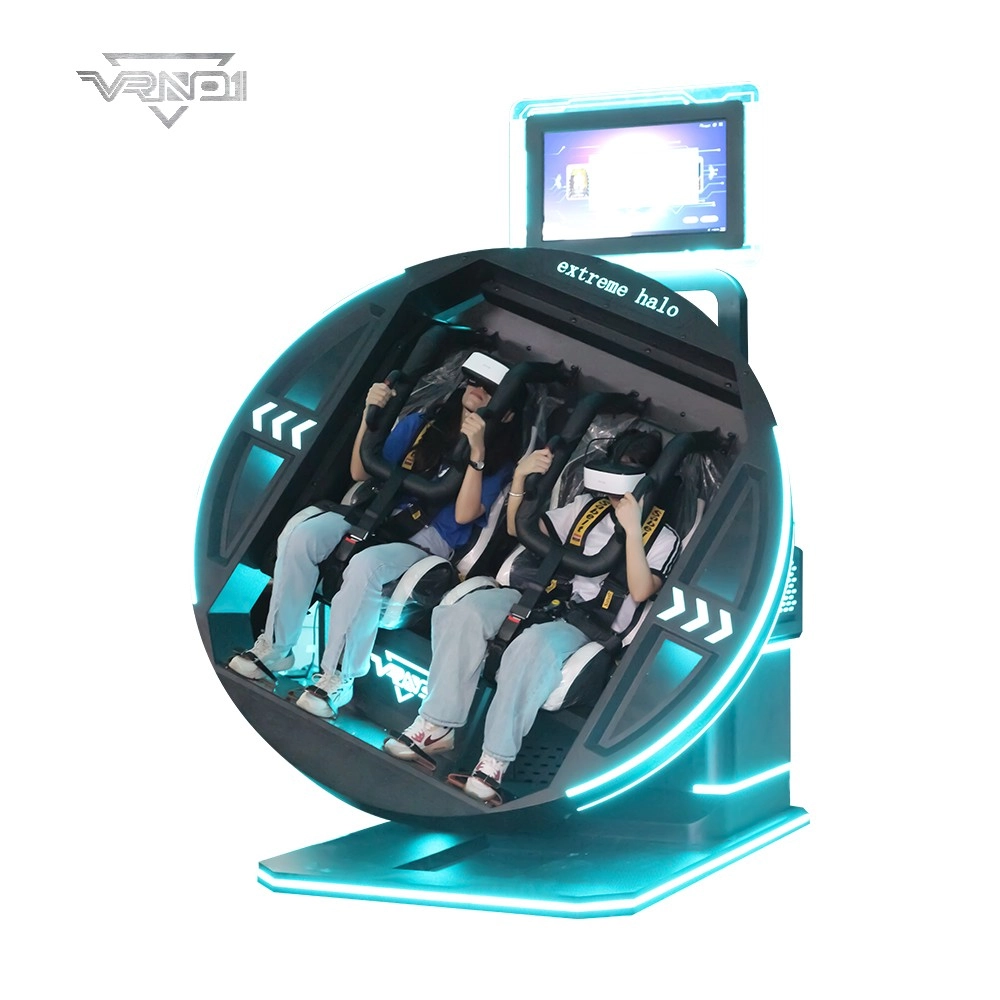
9D VR 360 Roller Coaster Cinema Chair Gaming Set Indoor/Outdoor Business Simulator Hardware for Home or School
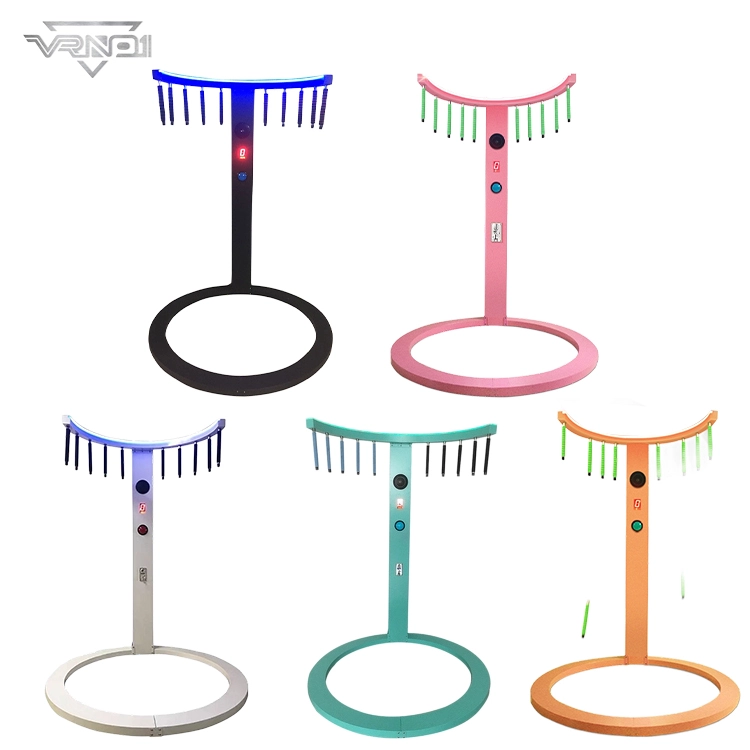
VRN0.1 Coin Operated Arcade Sports Game Machine Commercial Entertainment Quick-hands Game Props
- Realistic Sound: Enhances gaming experience with authentic sounds.
- Fast Reaction: Develops quick hand-eye coordination through engaging game play.
- DIY Kit: Allows for customization and personalization of the baton.
- Metal and Plastic Construction: Durable and robust build quality.
- Coin Operated: Fun for players who enjoy arcade-like experiences.
 Scan QR Code
Whatsapp: +8618127818571
Scan QR Code
Guangzhou Skyfun Technology Co.,Ltd
skyfunvrgame
skyfun game