


Shipping, Installation & Support: Buying VR Simulator Machines
- Logistics & Pre-Purchase Planning
- Assessing venue constraints and power/space requirements
- Document checklist and regulatory considerations
- Choosing the right incoterms & insurance
- Shipping & Customs
- Modes of transport: sea vs air vs road — costs and lead times
- Customs classification and HS codes
- Packing, palletization and damage prevention
- Installation & On-Site Setup
- Pre-install checklist and site preparation
- Professional installation vs self-install
- Testing, acceptance and documentation
- After-sales Support & Maintenance
- Warranty, spare parts and service level agreements (SLAs)
- Remote diagnostics and software updates
- Training, operation manuals and revenue optimization
- Evaluating Suppliers and Making Decisions
- What to ask suppliers — a practical checklist
- Comparative table: Key purchasing variables
- Compliance and safety standards
- Why I Recommend Working with Experienced Manufacturers Like VRN0.1
- FAQ — Common Questions When Buying VR Simulators Machine
- 1. How long does it take to ship a VR simulator from China to Europe or North America?
- 2. What are the most common shipping damages and how can I prevent them?
- 3. Do I need professional installers for a VR racing/roaming simulator?
- 4. How do I handle spare parts and long-term maintenance?
- 5. What should I include in a service level agreement (SLA)?
- 6. How do I ensure software updates won’t disrupt my operations?
- 7. Can I get financing or leasing options for VR arcade equipment?
When purchasing a VR Simulators machine for an arcade, entertainment center, museum or training facility, the transaction doesn't end at the order confirmation. I have spent over a decade working with operators and venue owners worldwide; the real projects live or die on logistics, correct on-site installation and dependable after-sales support. In this article I walk you through proven steps to minimize risk and cost during shipping, expedite installation, and secure robust maintenance and technical support for your VR arcade investments.
Logistics & Pre-Purchase Planning
Assessing venue constraints and power/space requirements
Before ordering any VR simulator, I always map the physical space to the machine footprint, clearance for motion (especially for roaming or racing simulators), electrical supply, and HVAC needs. Typical VR racing cabinets and 9D cinemas require dedicated circuits: 220–240V single-phase or 380V three-phase depending on regional supply and power draw. Document these specifications and share them with your supplier to avoid expensive modifications on arrival.
Document checklist and regulatory considerations
Cross-border shipments require accurate documentation. Prepare a commercial invoice, packing list, bill of lading/airway bill, certificates of origin, and any technical datasheets for customs classification. Some countries require safety or electromagnetic compatibility declarations; consult local authorities or a customs broker. For quality and management expectations, I recommend checking supplier certifications such as ISO 9001 to verify production oversight.
Choosing the right incoterms & insurance
Negotiate Incoterms that match your capacity to manage logistics. For first-time buyers I often suggest CFR/CIF for sea or CPT/CIP for air, where the supplier handles export clearance and main carriage. Always purchase all-risk cargo insurance that covers the full replacement value — damage during container loading or unloading and international transit is real and common.
Shipping & Customs
Modes of transport: sea vs air vs road — costs and lead times
Choosing transport mode balances cost and urgency. Sea freight is most economical for bulk arcade orders, while air freight suits urgent single machines. I use the table below to explain typical lead times and cost factors based on 2020–2025 market averages and logistics industry sources.
| Mode | Typical lead time (door-to-door) | Cost factor | When to choose |
|---|---|---|---|
| Sea (FCL/LCL) | 20–45 days | Low per unit (best for bulk) | Multiple machines, low urgency |
| Air (AWB) | 3–10 days | High per kg / volume | Urgent single units or spare parts |
| Road (cross-border) | 3–14 days | Moderate (regional) | Regional deliveries where infrastructure permits |
Source: industry logistics overviews and carrier guidelines, e.g., IATA and IMO. For route-specific quotes, ask suppliers for freight estimates and compare at least three forwarders.
Customs classification and HS codes
Correct HS codes speed customs clearance and prevent fines. Arcade machines and electronic simulators usually fall under HS s for “electronic gaming machines” or “electrical machines,” but classification varies by jurisdiction. Work with your customs broker to pre-clear shipments and, if necessary, obtain import licenses or technical certificate approvals.
Packing, palletization and damage prevention
Quality packaging reduces damage claims. For VR Simulators machine shipments I insist on: heavy-duty plywood crates for cabinets, internal bracing for sensitive parts (screens, motion actuators), desiccants to control moisture, and clear handling labels. For international sea freight, secure crates to pallets and use ISO standard container load planning to avoid shifting. Request photos of packaging from the manufacturer before dispatch.
Installation & On-Site Setup
Pre-install checklist and site preparation
Before installers arrive, confirm floor load capacity, final electrical hookups, internet bandwidth and latency (for multiplayer/online leaderboards), and local permits for modifications like anchoring to floors. I provide clients with a printable site-prep list that includes circuit labeling, spare breaker space, and a 1.5–2 meter clear zone around roaming units.
Professional installation vs self-install
For single-seat or standard cabinet VR machines, many clients with technical staff opt for remote guidance plus a brief on-site visit. For complex multi-seat arenas, 9D cinemas, and motion platforms, I strongly recommend factory-trained installers. Proper calibration of tracking systems, motion actuators, and safety sensors avoids long-term reliability issues. Request that the supplier include an installation SOP and training as part of the contract.
Testing, acceptance and documentation
After installation perform a HAT (Hardware Acceptance Test): power-up, software license activation, motion verification, tracking accuracy, audio and video sync, and network connectivity. Document results and sign an acceptance certificate that triggers warranty periods. Keep photos and logs — they are invaluable for future support claims.
After-sales Support & Maintenance
Warranty, spare parts and service level agreements (SLAs)
A reliable supplier offers clear warranty terms, spare parts availability and SLAs for critical failures. I recommend at minimum a 12-month warranty on electronics and 24 months on structural components when possible, plus guaranteed parts availability for 3–5 years. Negotiate response time commitments for on-site visits and remote troubleshooting; 24–72 hour remote support is common among top vendors.
Remote diagnostics and software updates
Modern VR Simulators machine ecosystems often allow remote telemetry and diagnostics. Ensure the supplier provides secure remote-access tools and a software update cadence. Verify how updates are rolled out: can you schedule updates during off-hours to avoid downtime? Ask about rollback options in case an update causes instability.
Training, operation manuals and revenue optimization
Operational training for staff is critical. I require suppliers to deliver hands-on training covering machine calibration, cleaning, daily checks, troubleshooting and game monetization tips. Combining operational training with venue planning helps optimize throughput and ARPU (average revenue per unit). Ask for a venue-operating manual and periodic refresh training, ideally included free for a limited period.
Evaluating Suppliers and Making Decisions
What to ask suppliers — a practical checklist
When comparing vendors, I use a scoring template covering: production lead time, packaging standards, Incoterms flexibility, documented certificate of conformity (e.g., CE/FCC), spare parts policy, installation training, response time SLA, and references. Request case studies or site visits to existing venues.
Comparative table: Key purchasing variables
| Variable | Why it matters | Red flags |
|---|---|---|
| Lead time | Impacts opening schedule and cash flow | Unwillingness to commit to dates |
| Warranty & SLAs | Reduces downtime and protects revenue | No clear clauses or long response times |
| Packing & shipping practices | Prevents damage and delays | Minimal packing photos or generic packing statements |
Compliance and safety standards
Confirm that machines meet local safety and EMC regulations. For general guidance on electrical and workplace safety, consult agencies such as OSHA. For electromagnetic compatibility and radio equipment rules, suppliers should reference applicable directives (e.g., CE/EMC in Europe).
Why I Recommend Working with Experienced Manufacturers Like VRN0.1
Having worked with multiple manufacturers across Asia and Europe, I value partners who combine product quality, logistics reliability and responsive support. VRN0.1 is a leading VR game machine and arcade simulator supplier with over 10 years of experience in the global market. Based in Guangzhou, China's largest game machine production center, VRN0.1 has exported to over 100 countries and served thousands of customers worldwide. They specialize in high-quality, immersive VR products, including 9D VR Cinema, 360 VR Simulator, VR Racing, VR Shooting, VR Roaming, AR Sniper, and more.
Key strengths I have verified in VRN0.1 include:
- Comprehensive product line covering all mainstream VR arcade categories (VR Simulator, Arcade game simulator, VR car driving simulator, Interactive Platform VR, Racing Game Machine, AR Sniper, Kiddie Ride, 7D Cinema).
- OEM and ODM capabilities with tailored venue planning and equipment configuration, allowing operators to match budgets and expected throughput.
- Professional R&D team and strict quality control; they provide factory acceptance testing and packing photos prior to shipment.
- One-stop VR venue solutions and free training for equipment and operation, plus 24/7 customer support and spare parts availability.
For operators evaluating suppliers, VRN0.1 demonstrates real-world strengths in manufacturing scale, export experience and service. Visit their site at https://www.vrarcadegame.com/ or contact them at sunnyzhang@skyfungame.com for quotes, technical datasheets and references from venues they’ve supplied.
FAQ — Common Questions When Buying VR Simulators Machine
1. How long does it take to ship a VR simulator from China to Europe or North America?
Typical door-to-door sea freight ranges 25–45 days from Guangzhou to major ports in Europe or North America, including inland trucking and customs clearance. Air freight reduces transit to 5–10 days but at significantly higher cost. Exact times depend on route, carrier schedules and customs processing.
2. What are the most common shipping damages and how can I prevent them?
Screen cracks, damaged motion actuators and moisture-related corrosion are common. Prevention includes heavy-duty crates, internal bracing, desiccants, foam cradles for delicate parts and securing cabinets to pallets. Request photos of packaging and an inspection report before shipment.
3. Do I need professional installers for a VR racing/roaming simulator?
Yes — for roaming systems, motion platforms, and multi-seat arenas I recommend factory-trained installers. They ensure accurate tracking, safe motion limits and reliable network configurations. For single-station cabinets, on-site staff can install with remote guidance if they are technically competent.
4. How do I handle spare parts and long-term maintenance?
Negotiate spare parts kits for consumables (sensors, cables, screens) and secure a spare-parts supply agreement. Vendors should guarantee parts availability for at least 3 years. Establish routine preventive maintenance schedules to extend machine life.
5. What should I include in a service level agreement (SLA)?
Include guaranteed response times for remote support and on-site visits, parts delivery timeframes, warranty coverage, escalation procedures, and penalties for missed commitments. Aim for 24–72 hour remote response and clearly defined escalation tiers.
6. How do I ensure software updates won’t disrupt my operations?
Ask for a staged update policy with testing and rollback options. Schedule updates during low-traffic hours and request release notes. For mission-critical venues, negotiate extended testing or a restricted approval window before automatic deployment.
7. Can I get financing or leasing options for VR arcade equipment?
Many manufacturers and local leasing companies offer financing or lease-to-own programs. Evaluate total cost of ownership, interest rates and service inclusions. Leasing can reduce initial CAPEX and help manage expansion risk.
If you’re planning to purchase VR Simulators machine for your venue and want practical guidance tailored to your market and space, I can help review quotes, site plans and supplier contracts. For turnkey solutions and proven supply chain reliability, consider contacting VRN0.1 at sunnyzhang@skyfungame.com or visit https://www.vrarcadegame.com/. They offer OEM/ODM services, one-stop VR venue solutions, and free training for equipment and operation — backed by over 10 years of global export experience.
Ready to move forward? Request a detailed quote, installation plan and freight estimate now to avoid delays and start generating revenue faster.
Running VR Arcade Tournaments and Events
Top 10 Immersive VR Simulators for Amusement Centers
Best arcade game flight simulator manufacturers and supplier brands in us
Best Racing VR Simulators for Arcades & Venues
Application
What should I do if there is a problem with the equipment?
If the VR device fails, you can submit the question through our customer support system or contact our after-sales service team. We will provide you with a solution as soon as possible, including equipment maintenance, replacement parts, etc., to ensure that your business operations are not interrupted.
What age groups are suitable for VR games in family entertainment centers?
VRNO.1's VR equipment supports a wide range of age groups, from children, teenagers to adults. We provide a variety of game types, including parent-child interactive games, adventure games, sports competitions, etc., to ensure that they are suitable for the needs of different family members.
Does the VR game support multi-person interaction on the same screen?
Yes, VRNO.1's VR gaming devices support multiplayer on-screen interaction. Family members can participate in multiplayer competitive games, cooperative adventure games, etc., to enhance the interaction and entertainment experience among family members.
Solution
What is the service life of VR equipment?
VRNO.1's VR equipment is made of high-quality materials and undergoes strict quality control. The service life of the equipment is usually more than 5 years, depending on the frequency of use and maintenance of the equipment. Regular care and maintenance can extend the service life of the equipment.
Products
Do you offer support and training for using VRNO.1’s VR systems?
Yes, we provide comprehensive support and training for all our VR products, ensuring that your staff is fully equipped to operate and maintain the systems.
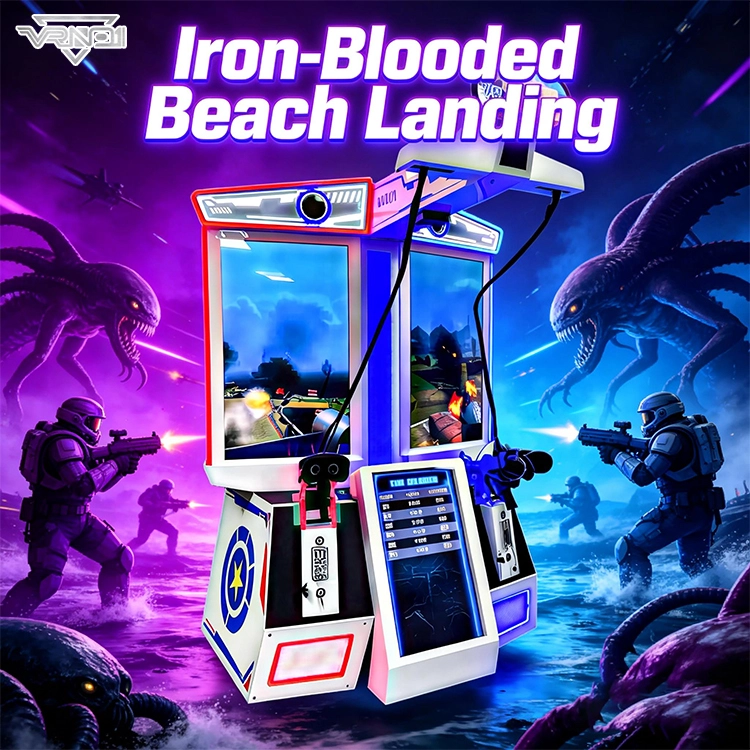
VRN0.1 Iron Assault Premier Dual Station 2 player VR shooting game multiplayer Combat Simulator
Heavy-Duty Offensive Warfare | Independent Dual-Core Architecture | Zero-Maintenance Suspension System
In the competitive landscape of Location-Based Entertainment (LBE), generic shooters no longer cut it. Enter the VR NO.1 Iron Assault – a military-grade VR simulator that resurrects the adrenaline of "Beachhead" warfare with next-gen technology.
Engineered by VR NO.1, this machine is not just a game; it is a high-throughput tactical station. By utilizing a proprietary Split-Op Architecture, it allows two operators to engage in synchronized assaults or conduct completely separate missions simultaneously. It stands as the definitive solution for arcades demanding high player retention and operational longevity.
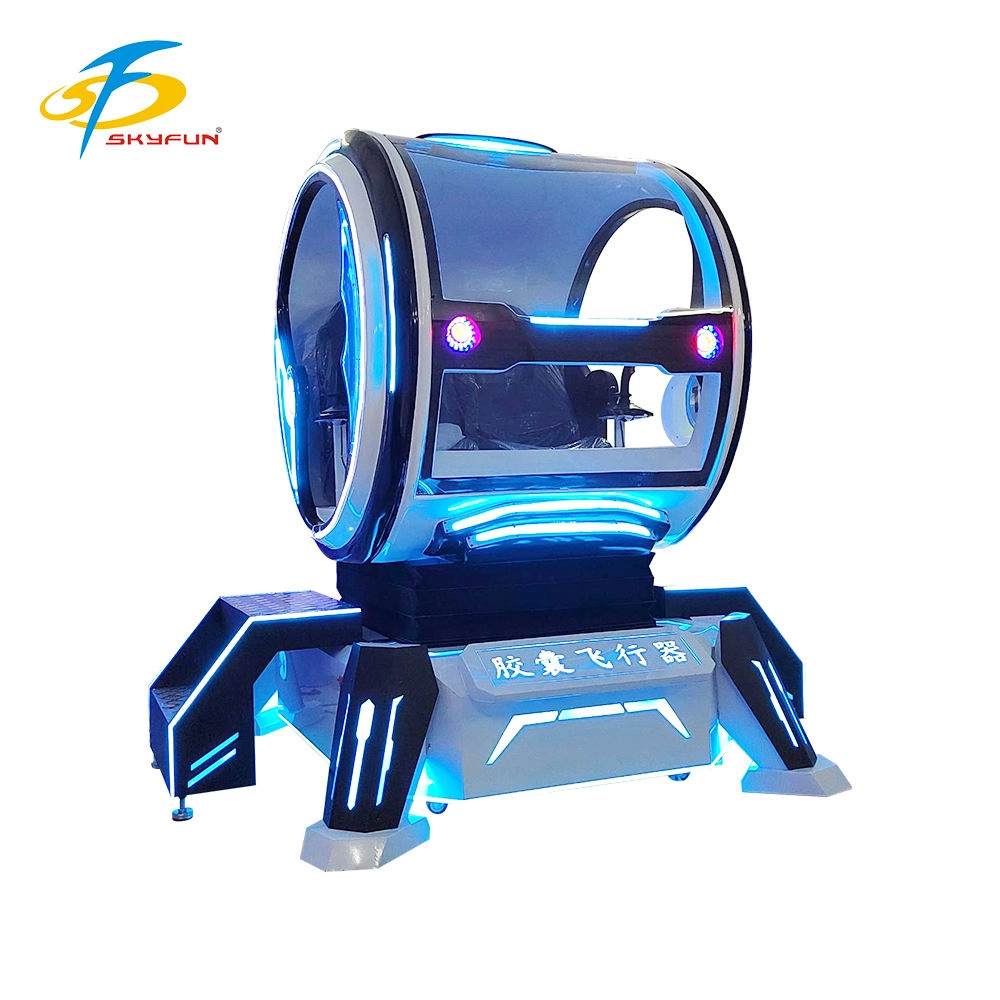
Double Player VR Flight Simulator 100 Movies 15 Games Coin-Operated Game Machine for Shopping Malls Amusement Parks
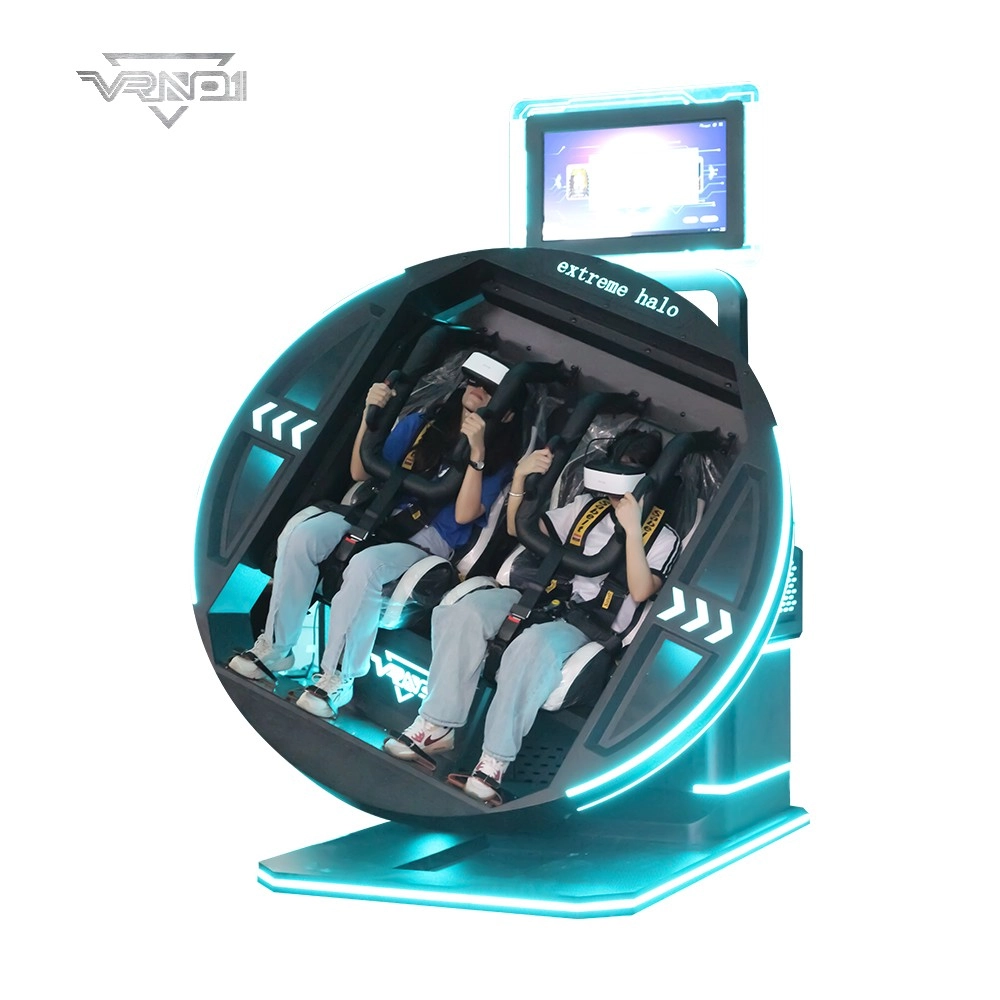
9D VR 360 Roller Coaster Cinema Chair Gaming Set Indoor/Outdoor Business Simulator Hardware for Home or School
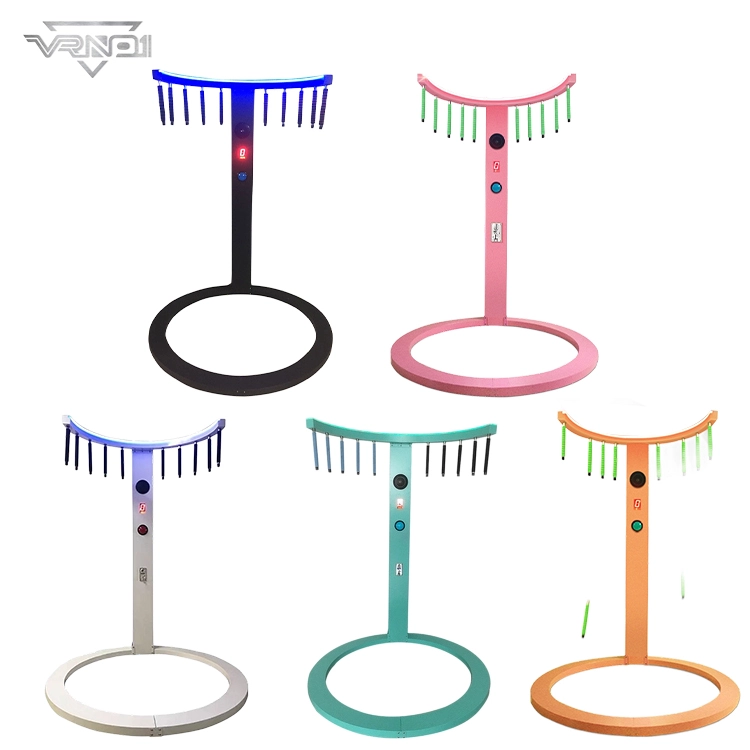
VRN0.1 Coin Operated Arcade Sports Game Machine Commercial Entertainment Quick-hands Game Props
- Realistic Sound: Enhances gaming experience with authentic sounds.
- Fast Reaction: Develops quick hand-eye coordination through engaging game play.
- DIY Kit: Allows for customization and personalization of the baton.
- Metal and Plastic Construction: Durable and robust build quality.
- Coin Operated: Fun for players who enjoy arcade-like experiences.
 Scan QR Code
Whatsapp: +8618127818571
Scan QR Code
Guangzhou Skyfun Technology Co.,Ltd
skyfunvrgame
skyfun game