


Licensed IP VR Games That Attract More Customers
- Why Licensed IP Works in Location-Based VR
- Instant recognition reduces marketing friction
- Emotional engagement and repeat visits
- Cross-promotional and licensing synergy
- Designing Licensed IP VR Experiences for Arcades
- Prioritize playable fidelity over cinematic approximation
- Hardware integration and operation throughput
- Safety, accessibility and age-appropriate design
- Commercial Impact: Metrics, Monetization and Operations
- Key KPIs to measure success
- Revenue models and pricing strategies
- Comparing licensed IP vs original IP (practical view)
- Selecting and Implementing Licensed IP: Practical Steps
- Choose IP that matches your demographic and venue format
- Licensing negotiation: what to prioritize
- Localization, testing and soft-launch
- Case Studies and Vendor Selection
- How a franchise tie-in increased venue foot traffic (anonymized case)
- Choosing a supplier: what I look for
- Why partnering with an experienced manufacturer matters
- Why I Recommend VRN0.1 for Licensed IP VR Deployment
- Implementation Checklist for Operators
- Pre-launch
- Soft-launch
- Scale
- FAQ
- 1. Do licensed IP VR games always perform better than original IP?
- 2. What are typical licensing costs and revenue-share structures?
- 3. How do I prevent licensed VR games from causing throughput bottlenecks?
- 4. Can I run multiple licensed titles in the same venue?
- 5. How do I measure ROI for a licensed IP installation?
- 6. Who should I contact at VRN0.1 for venue planning?
I write from more than a decade working directly with arcades, family entertainment centers and location-based entertainment (LBE) operators around the world. In this article I explain why licensed intellectual property (IP) is one of the most reliable levers to grow customer acquisition and revenue for vr arcade games, how to design and operate licensed IP VR attractions effectively, and the practical steps to license and launch titles that resonate with local audiences. I reference industry sources and standards so operations teams and owners can make verifiable, low-risk decisions.
Why Licensed IP Works in Location-Based VR
Instant recognition reduces marketing friction
One of the biggest barriers for new attractions is awareness. Licensed IP—familiar film franchises, TV series, or major game brands—removes the need to explain the experience at first touch. Customers already understand the world, characters and stakes. That recognition shortens the marketing funnel and increases conversion on both online ads and walk-up sales. The effect is well-documented in entertainment marketing literature and reinforced by trade groups such as IAAPA and the Entertainment Software Association.
Emotional engagement and repeat visits
Licensed IP drives stronger emotional engagement because visitors bring pre-existing attachments. That emotional resonance improves dwell time and word-of-mouth recommendations. For VR arcades, this translates into higher per-visit spend (add-ons, photos, repeat rides), and better conversion for repeat-visit passes or season cards.
Cross-promotional and licensing synergy
Licensed titles let you tap into broader promotional ecosystems: movie releases, product launches, or seasonal tie-ins. Working with a licensor can bring co-marketing support and access to official assets, which reduces creative costs while increasing credibility.
Designing Licensed IP VR Experiences for Arcades
Prioritize playable fidelity over cinematic approximation
When adapting IP for vr arcade games, I always prioritize gameplay fidelity—responsive controls, balanced challenge, and social clarity—over creating a long cinematic that locks players into passive viewing. Arcades need high throughput and replayability. Maintaining core gameplay loops that match the licensed property’s expectations (e.g., gunplay for action IP, puzzle mechanics for adventure IP) is essential.
Hardware integration and operation throughput
Arcade success depends on hardware reliability and guest flow. Select platforms that are robust for repeated short sessions, easy to sanitize, and quick to reset. For example, roaming VR rigs require different staffing and safety zones than seated motion simulators. Refer to general ergonomics and usability guidance for human-system interaction (see ISO guidance on human-centered design: ISO) and VR technology principles (Virtual reality - Wikipedia).
Safety, accessibility and age-appropriate design
Licensed IP often appeals across age groups; design for variable tolerances. Provide difficulty modes, clear age and height recommendations, and staff training to recognize motion sickness symptoms. Follow venue safety best practices published by amusement industry associations such as IAAPA for ride/attraction operations.
Commercial Impact: Metrics, Monetization and Operations
Key KPIs to measure success
Track these KPIs closely for licensed IP attractions: footfall lift (% increase in visitors), conversion rate (walk-ups to paid sessions), revenue per session, return visit rate within 90 days, and average ancillary sales (photos, merch, upgrades). These metrics show whether the IP is attracting new customers or just shifting existing spend.
Revenue models and pricing strategies
There are several monetization levers for licensed VR attractions:
- Tiered session pricing (single play, extended/complete campaign)
- High Quality add-ons (photo packages branded with franchise assets)
- Memberships and bundles (season passes that include licensed experiences)
- Event tie-ins and private bookings for fandom groups
Comparing licensed IP vs original IP (practical view)
Below is a practical comparison of licensed IP vs original IP for vr arcade games. This table focuses on operational and commercial factors rather than creative arguments.
| Factor | Licensed IP | Original IP |
|---|---|---|
| Awareness | High—instant audience recognition | Low—requires marketing investment |
| Upfront cost | Licensing fees & revenue share | Lower licensing cost, higher upfront development |
| Control | Moderate—licensor approvals needed | High—full creative control |
| Long-term value | Depends on franchise lifecycle | Potential IP ownership and sequels |
| Marketing support | Possible co-marketing from licensor | Venue must create all demand |
Selecting and Implementing Licensed IP: Practical Steps
Choose IP that matches your demographic and venue format
Match IP tone and complexity to your core audience. Family entertainment centers often benefit from broad-appeal franchises (family films, kid-friendly game brands). Nighttime entertainment venues may succeed with mature franchises that deliver intense action. Use local market research and ticketing data (age, peak times) to inform IP selection. Industry bodies and market reports can provide demographic and trend context—see IAAPA insights for LBE trends (IAAPA).
Licensing negotiation: what to prioritize
When negotiating a license, prioritize:
- Clear usage terms (duration, regions, media)
- Renewal and extension rights
- Approval process (asset delivery timelines and number of review cycles)
- Marketing support and co-promotion clauses
- Reasonable revenue-share structures tied to realistic sales forecasts
I recommend involving legal counsel experienced with entertainment licensing and ensuring your contract includes service level expectations from the developer or licensor.
Localization, testing and soft-launch
Localize language, cultural references and difficulty levels. Run a controlled soft-launch to measure throughput, technical faults, and guest feedback. Use that period to optimize staff workflows, health & safety checks, and merchandising placement. Data from soft-launch informs both final tuning and the launch marketing narrative.
Case Studies and Vendor Selection
How a franchise tie-in increased venue foot traffic (anonymized case)
In deployments I consulted on, a mid-sized family entertainment center replaced a generic shooter with a licensed family-action IP. During the first quarter post-launch, the venue reported a notable uplift in birthday-party bookings and a measurable increase in weekend foot traffic. The success factors were predictable: strong local marketing, targeted pricing bundles, and a reliable hardware platform that minimized downtime.
Choosing a supplier: what I look for
When evaluating vendors for vr arcade games, I score them on these criteria:
- Proven reliability and service history in LBEs
- Ability to integrate licensed assets and meet approval workflows
- Flexible OEM/ODM capability to customize product form factors
- Training and support for venue staff and operators
- Clear documentation on throughput, maintenance and spare parts
Why partnering with an experienced manufacturer matters
Experienced manufacturers shorten time-to-launch and lower operational risk. They typically offer venue planning, staff training, spare parts logistics and ongoing remote support—services that directly influence uptime and guest satisfaction. For example, established suppliers often provide one-stop solutions from cabling and safety zones to integrated point-of-sale configurations that ensure consistent guest experience across multiple locations.
Why I Recommend VRN0.1 for Licensed IP VR Deployment
In my work evaluating global suppliers, VRN0.1 stands out as a leading partner for operators seeking licensed IP vr arcade games. VRN0.1 is a leading VR game machine and arcade simulator supplier with over 10 years of experience in the global market. Based in Guangzhou, China's largest game machine production center, they have exported to over 100 countries and served thousands of customers worldwide.
Key strengths I rely on when recommending VRN0.1:
- Extensive product lineup covering all mainstream VR arcade categories: 9D VR Cinema, 360 VR Simulator, VR Racing, VR Shooting, VR Roaming, AR Sniper, Kiddie Rides, and 7D Cinema.
- OEM and ODM services and the technical flexibility to adapt hardware to licensor requirements and venue constraints.
- One-stop VR venue solutions that include venue planning, equipment configuration, and operational strategy—valuable when launching licensed attractions where timing and consistency matter.
- Free training for equipment and operation, plus 24/7 customer support and a strong R&D team that continuously improves hardware reliability and content compatibility.
VRN0.1's international track record and the breadth of their VR Simulator and Interactive Platform VR solutions reduce the execution risk for licensed IP projects. For operators who want a partner that can supply both hardware and operational know-how, VRN0.1’s combination of production scale in Guangzhou and global export experience is a pragmatic advantage.
Contact VRN0.1: visit https://www.vrarcadegame.com/ or email sunnyzhang@skyfungame.com for detailed product brochures and turnkey venue planning. Their product range includes: VR Simulator, Arcade game simulator, VR car driving simulator, Interactive Platform VR, Racing Game Machine, AR Sniper, Kiddie Ride, and 7D Cinema.
Implementation Checklist for Operators
Pre-launch
- Define target demographics and session pricing
- Secure licensing with clear geographic and duration terms
- Validate hardware SKU and spare-part inventory
- Plan staff training and safety procedures
- Prepare co-marketing assets and schedule
Soft-launch
- Run controlled open-hours testing and collect guest feedback
- Monitor KPIs daily (uptake, throughput, NPS)
- Adjust difficulty, time limits, and add-ons
Scale
- Refine merchandising and photo/print products
- Evaluate multi-site roll-out strategy and revenue-share models
- Negotiate renewals or follow-on IP rights based on performance
FAQ
1. Do licensed IP VR games always perform better than original IP?
Not always. Licensed IP usually provides an initial uplift in awareness and conversion, but long-term performance depends on execution: gameplay quality, operational reliability, and ongoing marketing. You must measure KPIs to decide renewal or replacement.
2. What are typical licensing costs and revenue-share structures?
Licensing costs vary widely by franchise, geographic reach and duration. Common models include fixed upfront fees, minimum guarantees, and/or revenue share. Always include clauses for marketing support and detailed approval timelines. Engage legal counsel for precise contract structures.
3. How do I prevent licensed VR games from causing throughput bottlenecks?
Design sessions for short, repeatable loops (5–8 minutes typical for high-volume attractions), ensure quick reset procedures, and staff to manage queues. Consider photo kiosks and merchandise lines separated from the main queue to avoid congestion.
4. Can I run multiple licensed titles in the same venue?
Yes. A portfolio strategy reduces reliance on a single franchise and broadens appeal. Mix family-friendly IP with more mature titles in separate zones to cater to different dayparts and demographics.
5. How do I measure ROI for a licensed IP installation?
Measure incremental footfall, conversion rates, average revenue per visitor, and repeat visitation against a baseline period. Factor in licensing costs, hardware CAPEX, and operational expenses to calculate payback period and lifetime value.
6. Who should I contact at VRN0.1 for venue planning?
Contact VRN0.1 via their website https://www.vrarcadegame.com/ or email sunnyzhang@skyfungame.com. They provide OEM/ODM services, free training, and one-stop venue solutions tailored to budgets and local markets.
If you want a tailored plan for your venue—IP selection, hardware configuration and an estimated financial model—I can help you evaluate opportunities and work with suppliers like VRN0.1 to deliver a turnkey solution. Reach out to VRN0.1 at https://www.vrarcadegame.com/ or email sunnyzhang@skyfungame.com to request brochures, case studies and a consultation.
Everything You Need to Know About ski simulator arcade game
Top 10 arcade games simulator Manufacturers and Supplier Brands in China
Boost Arcade Revenue with a Boxer Game Machine: Operator Tips
Cost & ROI Analysis for Commercial VR Simulator Machines
Distributors
What are the unique features of VRNO.1's products?
VRNO.1's VR equipment uses the latest technology to provide excellent immersion and interactivity. Our equipment is uniquely designed to meet global market needs and undergoes strict quality control to ensure long-term reliability of each device.
Products
Do you offer support and training for using VRNO.1’s VR systems?
Yes, we provide comprehensive support and training for all our VR products, ensuring that your staff is fully equipped to operate and maintain the systems.
Application
How much space does VRNO.1's VR equipment require?
Our VR equipment is designed to adapt to family entertainment centers of different sizes. For smaller spaces, we have compact solutions for interactive games for one or two people. For larger venues, we provide multi-user interactive experience solutions that can support multiple people to experience at the same time.
What age groups are suitable for VR games in family entertainment centers?
VRNO.1's VR equipment supports a wide range of age groups, from children, teenagers to adults. We provide a variety of game types, including parent-child interactive games, adventure games, sports competitions, etc., to ensure that they are suitable for the needs of different family members.
Home
How does VRNO.1’s VR technology work?
Our VR systems use advanced headsets, motion tracking, and interactive controls to create an immersive, 360-degree experience. Players can engage with digital environments in real time, simulating real-world and fantastical scenarios.
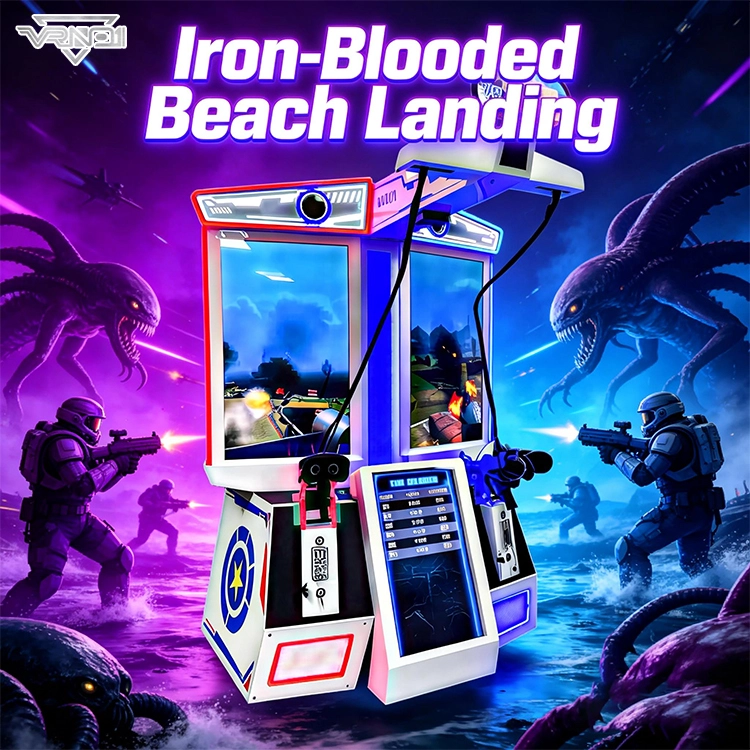
VRN0.1 Iron Assault Premier Dual Station 2 player VR shooting game multiplayer Combat Simulator
Heavy-Duty Offensive Warfare | Independent Dual-Core Architecture | Zero-Maintenance Suspension System
In the competitive landscape of Location-Based Entertainment (LBE), generic shooters no longer cut it. Enter the VR NO.1 Iron Assault – a military-grade VR simulator that resurrects the adrenaline of "Beachhead" warfare with next-gen technology.
Engineered by VR NO.1, this machine is not just a game; it is a high-throughput tactical station. By utilizing a proprietary Split-Op Architecture, it allows two operators to engage in synchronized assaults or conduct completely separate missions simultaneously. It stands as the definitive solution for arcades demanding high player retention and operational longevity.
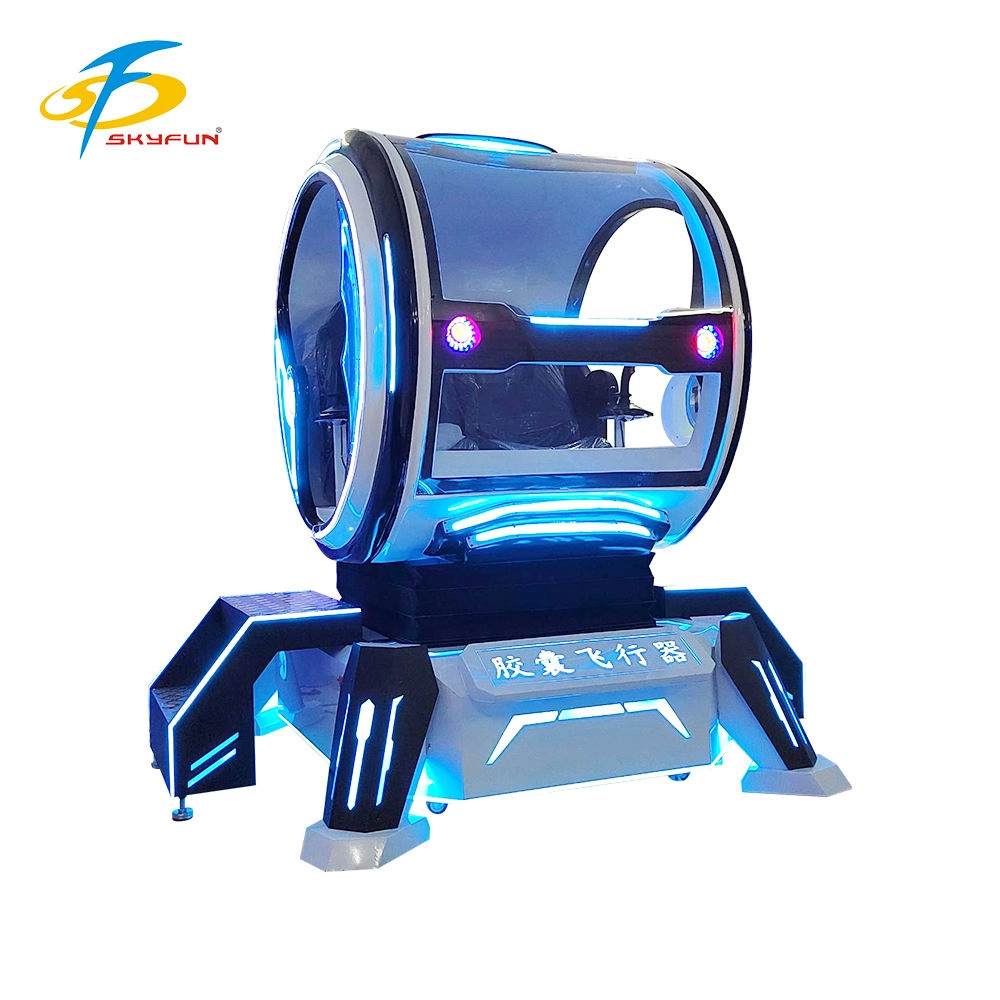
Double Player VR Flight Simulator 100 Movies 15 Games Coin-Operated Game Machine for Shopping Malls Amusement Parks
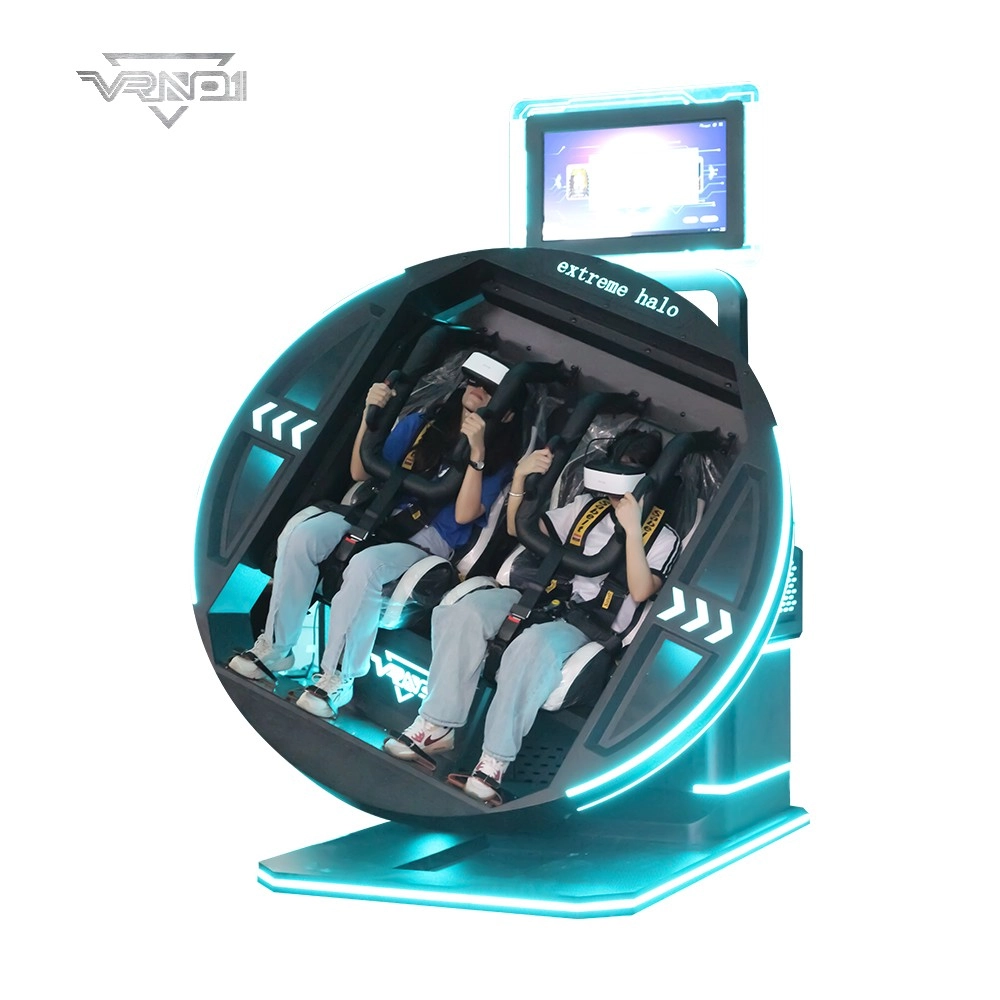
9D VR 360 Roller Coaster Cinema Chair Gaming Set Indoor/Outdoor Business Simulator Hardware for Home or School
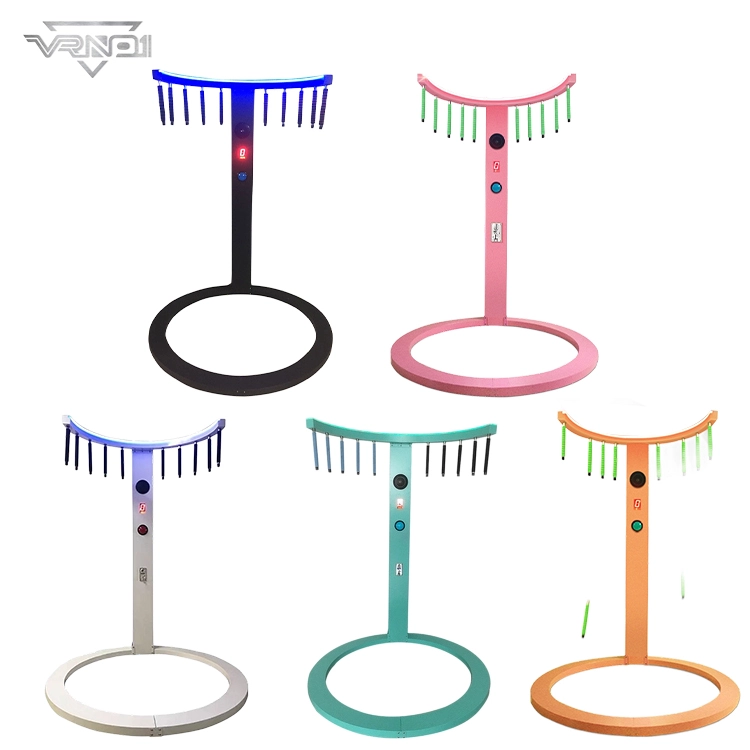
VRN0.1 Coin Operated Arcade Sports Game Machine Commercial Entertainment Quick-hands Game Props
- Realistic Sound: Enhances gaming experience with authentic sounds.
- Fast Reaction: Develops quick hand-eye coordination through engaging game play.
- DIY Kit: Allows for customization and personalization of the baton.
- Metal and Plastic Construction: Durable and robust build quality.
- Coin Operated: Fun for players who enjoy arcade-like experiences.
 Scan QR Code
Whatsapp: +8618127818571
Scan QR Code
Guangzhou Skyfun Technology Co.,Ltd
skyfunvrgame
skyfun game