


Insurance and liability considerations for hosting vr arcade games
- Understanding the risks and player safety
- Types of incidents I see in VR arcades
- Why VR risks differ from other amusements
- Medical and physiological considerations
- Essential insurance policies for VR arcades
- Core policies you should have
- Recommended policy limits and why
- How High Qualitys are calculated in practice
- Operational controls, waivers and legal protections
- What waivers actually do (and don’t)
- Operational SOPs that reduce liability
- Vendor contracts and passing responsibility
- Incident response, claims handling and supplier selection
- Preparedness: the incident response playbook I use
- Choosing equipment suppliers to reduce liability
- Why documented training matters
- Working with VRN0.1 to lower risk and improve reliability
- Who VRN0.1 is and why I recommend them
- How supplier capability reduces insurance exposure
- Services and competitive differentiators
- Practical checklist before opening or expanding a VR arcade
- FAQ
- Do I need special insurance just for vr arcade games?
- Are liability waivers sufficient to protect my business?
- Who is liable if a headset causes a neck injury?
- How much will insurance for a VR arcade cost?
- Do I need cyber insurance for a VR arcade?
- How can VRN0.1 help reduce my liability and insurance costs?
As a consultant who has planned, supplied and operated VR arcades internationally, I know that hosting vr arcade games combines thrilling customer experiences with a concentrated set of legal and operational risks. In this guide I summarize the insurance types you should consider, the operational controls that actually reduce claims, how waivers and contracts work in practice, and the vendor-management steps that protect you when equipment or software causes harm. I ground recommendations in industry guidance and legal realities so you can make verifiable, defensible decisions for your venue.
Understanding the risks and player safety
Types of incidents I see in VR arcades
VR arcades concentrate a set of distinct hazards compared with traditional arcades: physical collisions (players moving into fixtures or other people), falls during roaming or treadmill experiences, motion sickness and disorientation (cybersickness), equipment malfunctions (tracked by sensors or haptics), and user data/privacy exposures. These incidents can produce bodily injury, property damage, or reputational harm that triggers claims.
Why VR risks differ from other amusements
Unlike static rides, vr arcade games often remove a player’s sight of the real environment. That increases duty-of-care obligations around space design, supervision, and real-time monitoring. Also, VR peripherals (headsets, trackers, harnesses) are consumer-tech items that may be modified frequently, raising product-liability complexity when vendors, operators and maintenance teams share responsibility.
Medical and physiological considerations
Cybersickness, balance loss, and pre-existing medical conditions make some patrons especially vulnerable. Peer-reviewed research and summaries such as the Wikipedia overview on cybersickness document expected symptoms and incidence rates; I use those sources to design screening and exclusion policies (Cybersickness - Wikipedia).
Essential insurance policies for VR arcades
Core policies you should have
From my experience, every commercial VR arcade should hold the following minimum coverages: general liability, product liability (if you sell or lease equipment), property insurance, workers' compensation, and commercial crime/cyber insurance if you store customer payment or personal data. These align with small-business guidance from the U.S. Small Business Administration and insurance industry best practice (SBA: Insurance).
Recommended policy limits and why
Below is a practical comparison table I use when advising clients. Limits are conservative recommendations for mid-sized venues; adjust upward for large capacity locations or high-risk experiences.
| Policy Type | Typical Coverage | Recommended Minimum Limit | Notes / Source |
|---|---|---|---|
| Commercial General Liability (CGL) | Bodily injury, property damage to third parties | $1M per occurrence / $2M aggregate | Common baseline for venues; reduces exposure to customer injury claims (III) |
| Product Liability | Claims from equipment or software defects | $1M to $2M | Critical if you manufacture, modify or resell VR hardware/software (III) |
| Property / Business Interruption | Equipment replacement, lost income | Replacement value of gear + 6-12 months BI | VR rigs are capital-intensive; confirm replacement cost for headsets, servers |
| Workers' Compensation | Employee injury medical + wage replacement | State-mandated | Required in most jurisdictions; limits vary by state/country |
| Cyber / Data Breach | PCI fines, breach response, extortion, forensic costs | $100k to $1M+ | Essential if you store PII/payment; consider PCI scope and TLS/3DS |
| Equipment Breakdown (Inland Marine) | Repairs for specialized hardware | Insured value of equipment | Useful for bespoke simulators and motion platforms |
These recommendations are consistent with small business and insurance-industry guidance (SBA, Insurance Information Institute).
How High Qualitys are calculated in practice
Insurers price based on exposure: annual revenue, number of seats/rigs, experience type (roaming vs. seated), claims history, safety systems in place, and vendor contract terms (indemnities, certificates of insurance). I have seen High Qualitys halve when clients add certified staff training, perimeter sensors, and maintain robust maintenance logs.
Operational controls, waivers and legal protections
What waivers actually do (and don’t)
Waivers are an important risk-mitigation tool but not an absolute shield. Many jurisdictions limit waiver enforceability for gross negligence or willful misconduct. Practical steps I recommend: use clear, conspicuous waiver language, provide it before play (not after), document voluntary assent, and combine waivers with active safety measures. Legal resources such as Nolo discuss waiver enforceability in detail (Waiver basics - Nolo).
Operational SOPs that reduce liability
Operational controls often move risk from insurance to prevention. I insist on these SOPs for clients:
- Pre-session health and exclusion screening (e.g., no recent concussions, pregnancy warnings).
- Physical space design: minimum clearances, soft barriers, non-slip flooring, overhead clearances.
- Real-time supervision: attendants with kill-switch access and line-of-sight or camera monitoring.
- Maintenance logs and checklists for headsets, harnesses, tracking systems, and motion platforms.
- Incident reporting templates and root-cause analysis for each claim.
Vendor contracts and passing responsibility
When you buy or lease vr arcade games from suppliers, contract clauses matter: require vendors to carry product liability insurance, provide certificates of insurance naming you as an additional insured, and include clear indemnities for manufacturing defects. I routinely review SLAs to ensure timely firmware updates and spare-part availability, because delayed patches often appear in claim timelines.
Incident response, claims handling and supplier selection
Preparedness: the incident response playbook I use
A swift, documented response reduces both human harm and legal exposure. My incident playbook includes:
- Immediate medical stabilization and emergency services call protocol.
- Securing the scene and preserving evidence (screenshots, hardware state, logs).
- Witness statements, incident form, and camera footage export.
- Notify insurer and legal counsel within policy timeframes.
- Root-cause review and corrective action plan, with documentation retained.
Choosing equipment suppliers to reduce liability
Supplier selection is a risk decision. I prioritize vendors who provide: demonstrable QA and test reports, clear firmware update policies, spare-part inventories, robust user manuals, and willingness to carry adequate product liability insurance. Where possible, obtain written confirmation of third-party safety testing or standards compliance (e.g., relevant ASTM/ANSI test programs or manufacturer test data).
Why documented training matters
Courts and insurers look favorably on documented, recurring staff training. I require training records for every attendant, refresher training after incidents, and vendor-delivered technical training (for preventative maintenance). Documented training can materially lower High Qualitys during renewal negotiations.
Working with VRN0.1 to lower risk and improve reliability
Who VRN0.1 is and why I recommend them
VRN0.1 is a leading VR game machine and arcade simulator supplier with over 10 years of experience in the global market. Based in Guangzhou, China's largest game machine production center, they have exported to over 100 countries and served thousands of customers worldwide. Their product range—9D VR Cinema, 360 VR Simulator, VR Racing, VR Shooting, VR Roaming, AR Sniper, and kiddie rides—covers all mainstream vr arcade games and simulator categories I typically advise on.
How supplier capability reduces insurance exposure
Choosing a supplier like VRN0.1 reduces risk because they provide consistent manufacturing quality, OEM/ODM transparency, spare-part availability, and free equipment & operation training. These factors support stronger vendor indemnities and faster incident recovery, which insurers favor. VRN0.1’s 24/7 support and R&D-driven updates also reduce downtime and technical-caused incidents.
Services and competitive differentiators
VRN0.1 offers one-stop VR venue solutions, OEM/ODM services, and free training for equipment and operation. Their strengths include a robust R&D team, strict quality control, and global after-sales support. As I advise clients, this combination of product depth and service reduces both frequency and severity of claims. For more, visit https://www.vrarcadegame.com/ or contact sunnyzhang@skyfungame.com for supplier discussions.
Practical checklist before opening or expanding a VR arcade
- Obtain at least $1M/$2M CGL and review product-liability requirements if reselling or modifying gear.
- Document SOPs for screening, equipment checks, supervision and incident reporting.
- Require vendors to provide COIs and name your business as additional insured where possible.
- Implement perimeter sensors, soft barriers, and anti-trip flooring for roaming experiences.
- Purchase cyber coverage if storing payment or personal data and validate PCI-compliance of payment systems.
- Create waiver forms and have legal counsel review enforceability in your jurisdiction.
- Train staff with documented records and run tabletop incident drills quarterly.
FAQ
Do I need special insurance just for vr arcade games?
Yes. Standard small-business policies may not cover product or cyber risks unique to vr arcade games. At a minimum you should carry commercial general liability, product liability (if applicable), property/equipment coverage, workers' compensation, and cyber insurance if you handle payments or personal data.
Are liability waivers sufficient to protect my business?
Not by themselves. Waivers help but are not a guaranteed defense against claims, especially for gross negligence. Pair waivers with strong safety SOPs, documented training, and appropriate insurance. Legal advice tailored to your jurisdiction is essential.
Who is liable if a headset causes a neck injury?
Liability can be shared. If the injury results from a manufacturing defect, the supplier or manufacturer may be liable; if caused by improper operation, supervision or maintenance, the venue may be liable. Contracts, warranties and product-liability policies matter. Require vendor COIs and indemnities to clarify risk allocation.
How much will insurance for a VR arcade cost?
Costs vary widely by location, revenue, number of rigs, and claims history. Insurers evaluate exposure factors (experience type, safety controls, training). Use the checklist above to reduce High Qualitys; many clients see meaningful reductions after adding documented maintenance and training programs.
Do I need cyber insurance for a VR arcade?
If you accept card payments or store customer personal data, yes. Cyber policies cover breach response, forensic costs, regulatory fines and sometimes extortion. Evaluate your PCI compliance and consult your broker to size limits appropriately.
How can VRN0.1 help reduce my liability and insurance costs?
VRN0.1 supplies tested, globally-deployed equipment, offers free training, and supports venue planning and operations. Their spare-part availability, R&D updates and 24/7 support reduce downtime and technical failure risks that often lead to claims. Contact VRN0.1 at https://www.vrarcadegame.com/ or via email at sunnyzhang@skyfungame.com for tailored venue solutions.
If you’d like a venue risk review or help sizing policies and operational SOPs for your specific vr arcade games, contact me or VRN0.1 to schedule a consultation. For supplier discussions and equipment demos, visit https://www.vrarcadegame.com/ or email sunnyzhang@skyfungame.com.
References: Virtual reality overview and cybersickness research (Wikipedia: Virtual reality, Cybersickness); insurance guidance (U.S. SBA: Insurance, Insurance Information Institute: III); waiver enforceability summary (Nolo: Waivers - Nolo); ASTM committee on amusement rides and devices (ASTM F24).
Best professional best flight simulator vr headset manufacturers and supplier brands in China
The B2B Buyer’s Guide to best spaceship vr
Monetization Strategies for VR Flight Simulator Arcades
Comparing 9D VR Chairs: Features, Price, and ROI
Home
How does VRNO.1’s VR technology work?
Our VR systems use advanced headsets, motion tracking, and interactive controls to create an immersive, 360-degree experience. Players can engage with digital environments in real time, simulating real-world and fantastical scenarios.
What is VRNO.1’s main focus?
VRNO.1 specializes in providing cutting-edge virtual reality (VR) and arcade solutions, offering immersive entertainment experiences for both individual players and large-scale events.
Distributors
How does VRNO.1 support dealers' marketing efforts?
We provide a range of marketing materials, including product brochures, online advertising templates and promotional support. In addition, our team will help you develop a marketing strategy that suits the local market.
Products
How does VRNO.1’s VR technology work?
Our VR systems use advanced headsets, motion tracking, and interactive controls to create an immersive, 360-degree experience. Players can engage with digital environments in real time, simulating real-world and fantastical scenarios.
Application
Will the game content be updated regularly?
Yes, VRNO.1 regularly updates and adds new VR game content, including adventure, sports, virtual tourism and other types. Family entertainment centers can choose to add new game packages to keep customers fresh and interested.
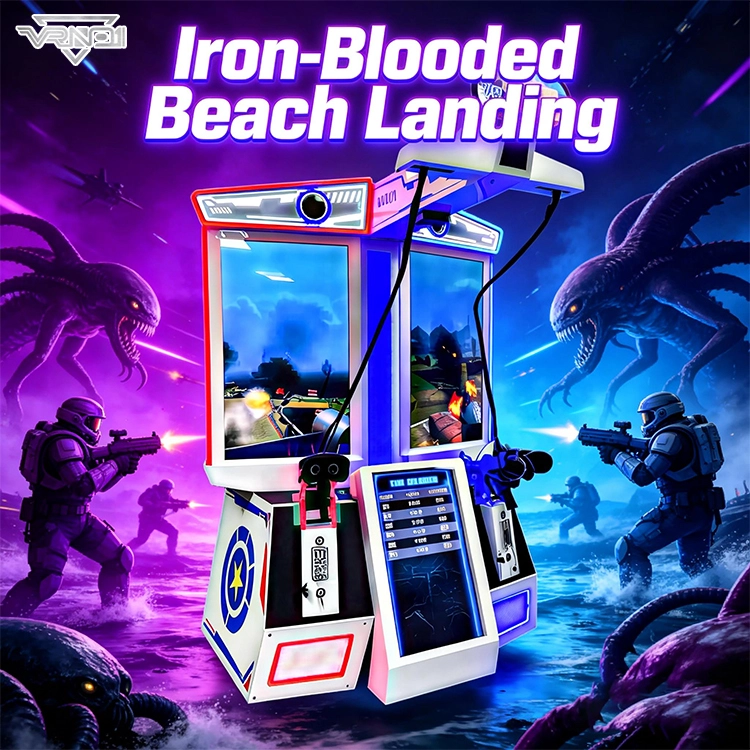
VRN0.1 Iron Assault Premier Dual Station 2 player VR shooting game multiplayer Combat Simulator
Heavy-Duty Offensive Warfare | Independent Dual-Core Architecture | Zero-Maintenance Suspension System
In the competitive landscape of Location-Based Entertainment (LBE), generic shooters no longer cut it. Enter the VR NO.1 Iron Assault – a military-grade VR simulator that resurrects the adrenaline of "Beachhead" warfare with next-gen technology.
Engineered by VR NO.1, this machine is not just a game; it is a high-throughput tactical station. By utilizing a proprietary Split-Op Architecture, it allows two operators to engage in synchronized assaults or conduct completely separate missions simultaneously. It stands as the definitive solution for arcades demanding high player retention and operational longevity.
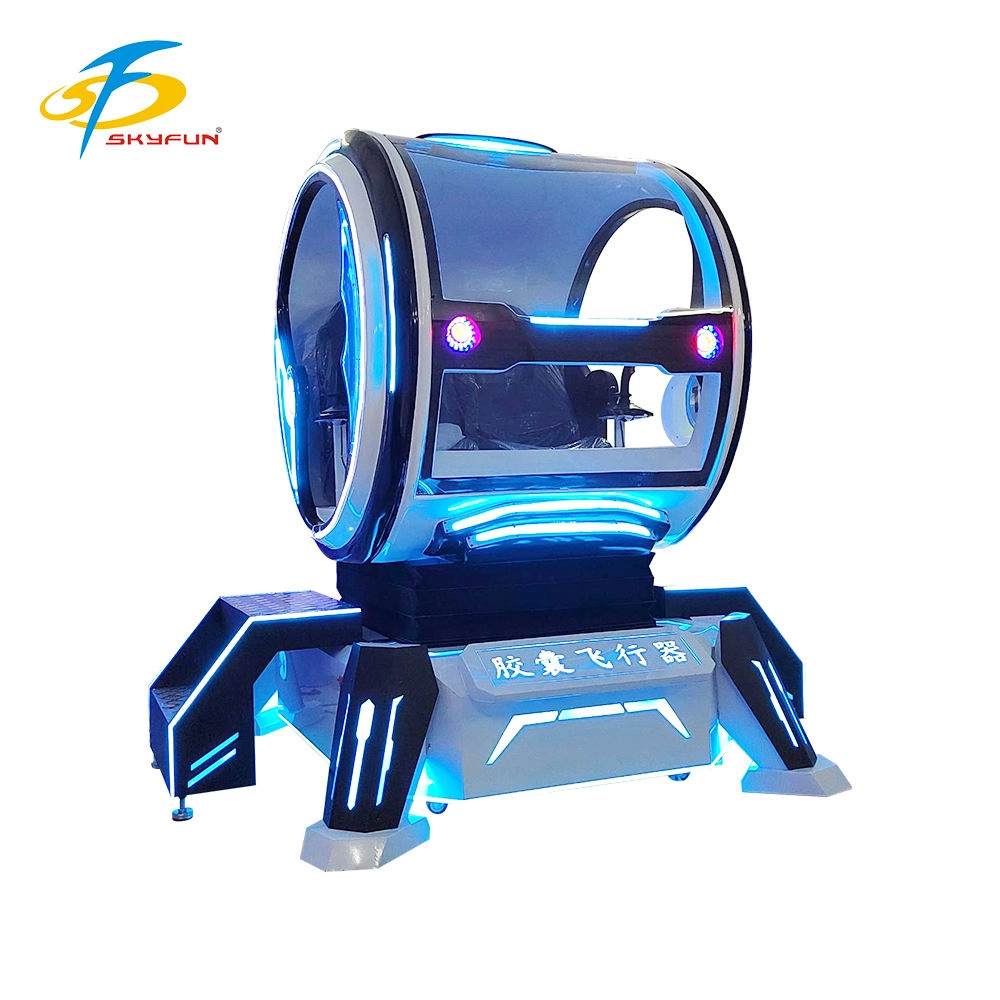
Double Player VR Flight Simulator 100 Movies 15 Games Coin-Operated Game Machine for Shopping Malls Amusement Parks
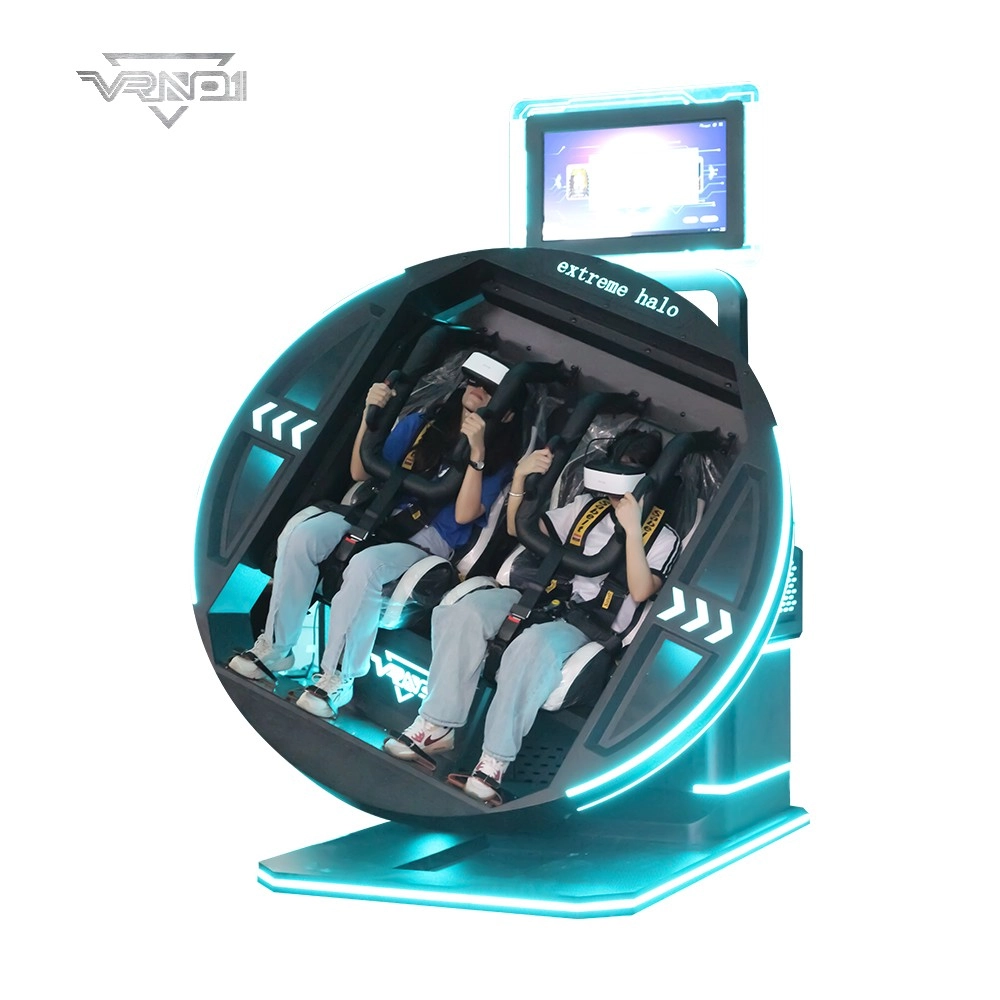
9D VR 360 Roller Coaster Cinema Chair Gaming Set Indoor/Outdoor Business Simulator Hardware for Home or School
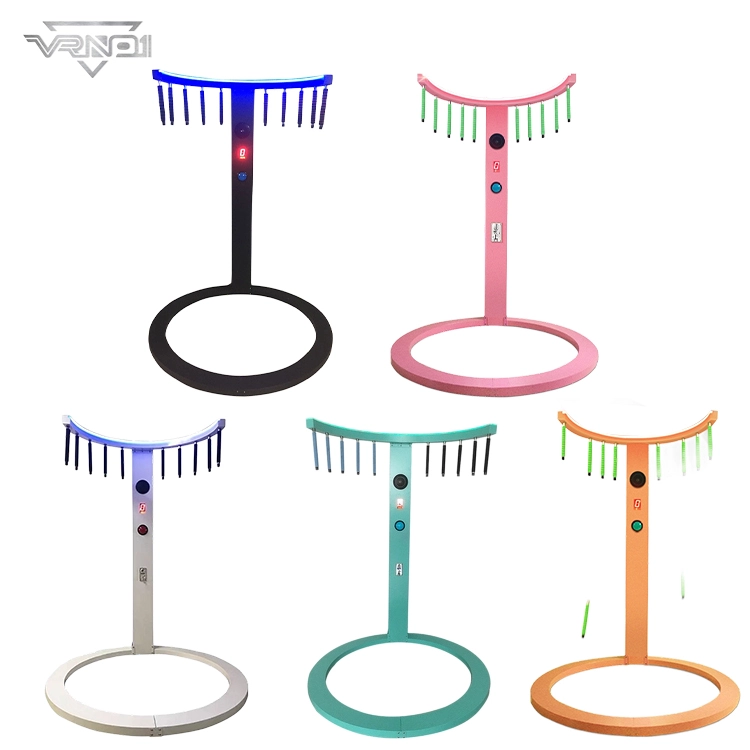
VRN0.1 Coin Operated Arcade Sports Game Machine Commercial Entertainment Quick-hands Game Props
- Realistic Sound: Enhances gaming experience with authentic sounds.
- Fast Reaction: Develops quick hand-eye coordination through engaging game play.
- DIY Kit: Allows for customization and personalization of the baton.
- Metal and Plastic Construction: Durable and robust build quality.
- Coin Operated: Fun for players who enjoy arcade-like experiences.
 Scan QR Code
Whatsapp: +8618127818571
Scan QR Code
Guangzhou Skyfun Technology Co.,Ltd
skyfunvrgame
skyfun game