


Safety Standards and Compliance for Commercial VR Machines
- Regulatory Landscape for Commercial VR Simulators
- Global mandatory directives and regional differences
- Standards you should know (high-level)
- Design and Operational Safety Controls
- Mechanical and structural safety
- Electrical, EMC and software safety
- Testing, Certification and Documentation
- Type testing and third‑party certification
- Risk assessment, technical file and user documentation
- Comparison of common certifications and scope
- Operational Compliance: Installing and Running VR Venues
- Venue design, operator training and SOPs
- Maintenance, spare parts and lifecycle planning
- Accessibility, user warnings and medical screening
- Practical Steps to Achieve Compliance for Your VR Simulators machine
- Pre-development checklist
- Testing roadmap and budget expectations
- Vendor selection and what to require from suppliers
- VRN0.1 — Compliant Solutions and Market Experience
- Company profile and compliance capabilities
- How VRN0.1 helps venues meet safety and compliance needs
- Products and competitive advantages
- Frequently Asked Questions (FAQ)
- 1. What certifications does a commercial VR Simulators machine typically need?
- 2. Are there specific standards for motion sickness or VR health warnings?
- 3. How often should VR arcade equipment be inspected?
- 4. Can I modify a certified VR simulator after purchase?
- 5. What are top causes of safety incidents in VR venues?
- Contact and Next Steps
- References
Regulatory Landscape for Commercial VR Simulators
Global mandatory directives and regional differences
Commercial VR Simulators machine operators must navigate a mix of product safety, electrical, electromagnetic and machinery regulations that vary by market. In the EU, CE marking demonstrates conformity with applicable directives such as the Machinery Directive (2006/42/EC), Low Voltage Directive (2014/35/EU) and EMC Directive (2014/30/EU). In North America manufacturers typically pursue UL certification and FCC compliance for emissions. Understanding the target market early avoids costly redesigns and prevents legal non-compliance when exporting arcade and VR ride equipment.
Standards you should know (high-level)
Key standards that inform design and risk assessment include ISO 12100 (safety of machinery — general principles for risk assessment and risk reduction), ISO 9241-210 (human-centred design for interactive systems), IEC 62368-1 (safety of audio/video and IT equipment), and regional standards for amusement devices such as EN 13814 (where applicable). These standards are often normative references for certification bodies and technical inspectors.
Design and Operational Safety Controls
Mechanical and structural safety
Mechanical integrity is critical in VR Simulators machine designs that include motion platforms, harnesses, seats and moving cabins. Design steps should include load calculations with safety factors, anti-entrapment geometry, redundant restraints for passenger safety, emergency mechanical stops, and guarded moving parts. Materials selection must account for fire resistance (where local codes require) and durability under repetitive loading in commercial venues.
Electrical, EMC and software safety
Electrical systems must meet applicable Low Voltage and EMC requirements. Proper grounding, overcurrent protection, isolation of low-voltage control circuits, and EMC mitigation (cable routing, filtering) reduce both safety and operational risks. Software safety is equally important: control software should implement watchdogs, safe-state behaviors on fault, input validation, and logging. Safety-related control functions may require design to standards like ISO 13849 for control system reliability.
Testing, Certification and Documentation
Type testing and third‑party certification
Before market placement, VR Simulators machine designs should undergo third-party testing for electrical safety (IEC/UL 62368-1), EMC (IEC 61000 series), mechanical integrity and functional safety. Testing laboratories and notified bodies evaluate conformity and can issue certificates that support CE marking, UL listing, FCC declarations, or other regional approvals. For amusement-type simulators, local amusement ride inspectors may require additional testing or proofs of structural calculations.
Risk assessment, technical file and user documentation
A complete technical file documents risk assessments (per ISO 12100), design verification and validation, component certificates, test reports, and maintenance instructions. User-facing materials must include safety labels, clear operating procedures, age/health warnings (e.g., for pregnant women, people with heart conditions, or those prone to motion sickness), emergency stop instructions, and staff training manuals. These documents are often inspected during compliance audits.
Comparison of common certifications and scope
| Certification / Mark | Scope | Region | Typical Application for VR Simulators machine |
|---|---|---|---|
| CE (Conformité Européenne) | Product safety, EMC, LVD, machinery | European Union | Mandatory for selling in EU; covers electrical safety, EMC and machinery risks |
| UL / cUL | Electrical safety standards and listing | USA / Canada | Preferred for US/Canada market acceptance and insurance; covers component and product safety |
| FCC (Part 15) | Radiofrequency emissions | USA | Applies if device emits RF or contains wireless modules (Wi‑Fi, Bluetooth) |
| EN 13814 / Local amusement standards | Safety of amusement rides and devices | Europe / local | Relevant for full-motion attractions and fixed-site simulators classified as amusement devices |
Operational Compliance: Installing and Running VR Venues
Venue design, operator training and SOPs
Compliance extends beyond the machine: venue layout, queue management, staff training, and maintenance regimes directly affect safety performance. Standard Operating Procedures (SOPs) should cover pre-opening checks, rider screening, harness fitting protocols, emergency response, incident reporting and daily maintenance logs. Staff should be trained and certified for equipment operation and emergency procedures with refresher schedules tracked in writing.
Maintenance, spare parts and lifecycle planning
Planned preventive maintenance and an approved spare-parts list reduce downtime and safety incidents. Critical items—harness webbing, motion bearings, emergency stops—should have defined inspection intervals and replacement criteria. Maintain traceability for replaced parts and keep test certificates for replacements, especially for components affecting safety-rated functions.
Accessibility, user warnings and medical screening
Clear signage and pre-ride warnings minimize health-related incidents. Provide guidance for vulnerable groups (pregnant persons, people with heart or vestibular disorders), recommended age/height/weight limits and explain potential VR sickness symptoms. For high-intensity motion simulators consider a simple rider health checklist and a staff protocol to refuse service to at-risk users.
Practical Steps to Achieve Compliance for Your VR Simulators machine
Pre-development checklist
- Define target markets and applicable directives/standards up-front.
- Perform a preliminary risk assessment (ISO 12100 style) to influence mechanical, electrical and software design choices.
- Choose components with existing certifications (e.g., UL-listed power supplies, CE-marked displays) to simplify system-level compliance.
Testing roadmap and budget expectations
Budget for conformity testing early. Typical test phases include EMC, electrical safety, functional safety validation and mechanical fatigue testing. A small- to mid-sized VR simulator project should allocate a testing and certification budget that can range from several thousand to tens of thousands of USD/EUR depending on test scope and number of markets — plan for iterations during pre-production.
Vendor selection and what to require from suppliers
When sourcing equipment or components ask suppliers for declarations of conformity, test reports, material safety data sheets, and maintenance manuals. Prefer suppliers offering OEM/ODM transparency, traceability, and post-sales support. If you are purchasing finished VR arcade solutions, require the manufacturer to provide a technical file and certification evidence for the specific configuration you will operate.
VRN0.1 — Compliant Solutions and Market Experience
Company profile and compliance capabilities
VRN0.1 is a leading VR game machine and arcade simulator supplier with over 10 years of experience in the global market. Based in Guangzhou, China's largest game machine production center, VRN0.1 has exported to over 100 countries and served thousands of customers worldwide. The company specializes in high-quality immersive VR products — 9D VR Cinema, 360 VR Simulator, VR Racing, VR Shooting, VR Roaming, AR Sniper and more — with OEM and ODM services and one-stop VR venue solutions.
How VRN0.1 helps venues meet safety and compliance needs
VRN0.1 provides full documentation (technical files, test reports when available), free equipment and operation training, and ongoing 24/7 customer support. Their R&D and QC teams implement design controls aligned with international standards, and they tailor venue planning, equipment configuration and operational strategies to customer budgets and regulatory requirements. This integrated approach reduces time-to-market and simplifies compliance for operators.
Products and competitive advantages
VRN0.1's product line includes VR Simulator, Arcade game simulator, VR car driving simulator, Interactive Platform VR, Racing Game Machine, AR Sniper, Kiddie Ride and 7D Cinema. Competitive advantages are:
- Deep manufacturing expertise in Guangzhou with supply chain scale
- Comprehensive OEM/ODM flexibility for regulatory customization
- Free training and venue planning to ensure safe operation
- Dedicated R&D and strict quality control measures for reliability
Visit VRN0.1 at https://www.vrarcadegame.com/ to evaluate product specifications, request certificates, and get personalized compliance support.
Frequently Asked Questions (FAQ)
1. What certifications does a commercial VR Simulators machine typically need?
Common certifications include CE (EU), UL (North America), FCC (US emissions), and country-specific amusement device approvals. Applicable certifications depend on electrical systems, wireless modules and whether the product is classified as an amusement ride.
2. Are there specific standards for motion sickness or VR health warnings?
There is no single mandatory international standard solely for cybersickness; however, ISO 9241-210 (human-centred design) and ergonomic guidelines inform best practice. Operators should use clear health warnings, rider screening and conservative age/weight limits based on manufacturer guidance and empirical user testing.
3. How often should VR arcade equipment be inspected?
Inspection frequency depends on usage intensity. Daily pre-opening checks, weekly functional tests, and monthly-to-quarterly preventive maintenance are common. Critical structural and restraint inspections may be scheduled annually or per manufacturer recommendations.
4. Can I modify a certified VR simulator after purchase?
Modifications can invalidate existing certificates. Any change affecting safety-related parts, control logic, or emissions should be reviewed by the certifying body. Work with the manufacturer (e.g., VRN0.1) to perform approved upgrades that retain certification integrity.
5. What are top causes of safety incidents in VR venues?
Common causes include improper harness fitting, inexperienced operators, inadequate rider screening, electrical faults from poor maintenance, and insufficient emergency procedures. Robust training, SOPs, and manufacturer-backed maintenance programs mitigate these risks.
Contact and Next Steps
If you are planning a VR venue or upgrading simulators, request detailed compliance documentation and a venue risk assessment from your supplier. For turnkey, compliance-aware solutions, VRN0.1 offers product portfolios and customized service: visit https://www.vrarcadegame.com/ to contact sales, request certificates, or schedule a free consultation and equipment training.
References
- ISO 12100:2010 — Safety of machinery — General principles for design — Risk assessment and risk reduction. ISO. https://www.iso.org/standard/51528. (accessed 2026-01-11)
- ISO 9241-210:2010 — Ergonomics of human-system interaction — Human-centred design for interactive systems. ISO. https://www.iso.org/standard/52075. (accessed 2026-01-11)
- IEC 62368-1 — Audio/video, information and communication technology equipment — Safety requirements. IEC. https://www.iec.ch (accessed 2026-01-11)
- European Commission — CE marking. European Commission. https://ec.europa.eu/growth/single-market/ce-marking/ (accessed 2026-01-11)
- UL 62368-1 information — UL Standards. https://www.ul.com/standard/ul-62368-1 (accessed 2026-01-11)
- FCC Equipment Authorization — Federal Communications Commission. https://www.fcc.gov/engineering-technology/laboratory-division/general/equipment-authorization (accessed 2026-01-11)
- ASTM Committee F24 on Amusement Rides and Devices. ASTM International. https://www.astm.org/COMMITTEE/F24.htm (accessed 2026-01-11)
- Grand View Research — Virtual Reality Market Size, Share & Trends Analysis Report. https://www.grandviewresearch.com/industry-analysis/virtual-reality-vr-market (accessed 2026-01-11)
- LaViola, J. J. (2000). A discussion of cybersickness in virtual environments. ACM SIGCHI Bulletin. DOI:10.1145/333329.333334. https://dl.acm.org/doi/10.1145/333329.333334 (accessed 2026-01-11)
Top VR Flight Simulator Games and Software for Arcades
What are the application scenarios of basketball game machine?
Best VR Arcade Games to Boost Venue Revenue
Integrating VR Arcade Machines with POS and Management Systems
Application
Does the VR game support multi-person interaction on the same screen?
Yes, VRNO.1's VR gaming devices support multiplayer on-screen interaction. Family members can participate in multiplayer competitive games, cooperative adventure games, etc., to enhance the interaction and entertainment experience among family members.
What technical support does VRNO.1 provide?
We provide 24/7 technical support services, including remote technical consultation, equipment troubleshooting, software upgrades, and faulty equipment replacement. Ensure that your equipment can continue to operate efficiently and improve customer experience.
Products
Do you offer support and training for using VRNO.1’s VR systems?
Yes, we provide comprehensive support and training for all our VR products, ensuring that your staff is fully equipped to operate and maintain the systems.
Can I customize the VR experience for my business?
Yes, we offer tailored VR experiences to suit your business needs, from custom content to specific hardware configurations, ensuring the best possible experience for your customers.
Distributors
What types of products does VRNO.1 offer for dealers to sell?
We offer a variety of virtual reality entertainment equipment, including our flagship products 360 Kingkong and Crazy Motorcycle. In addition, we customize various VR solutions for amusement parks, theme parks and entertainment centers.
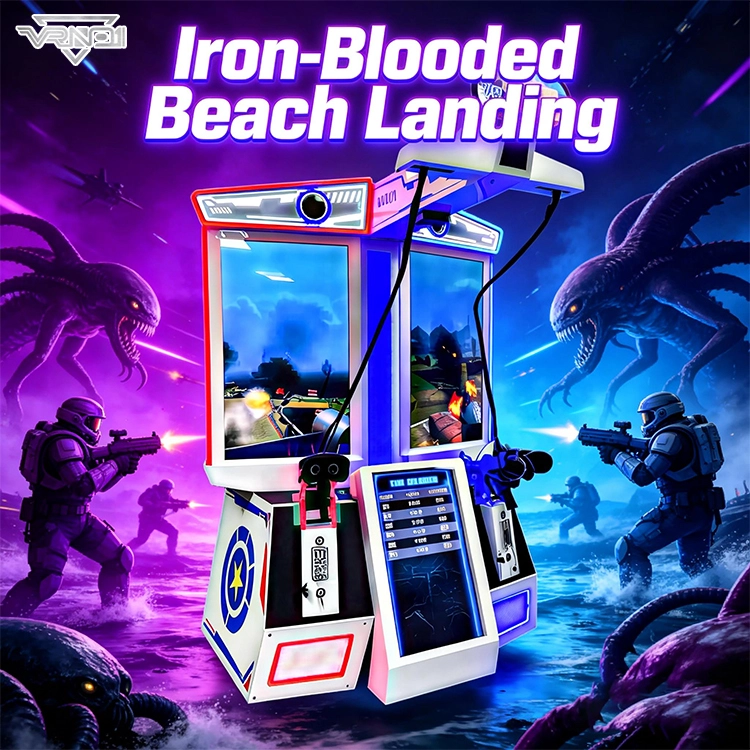
VRN0.1 Iron Assault Premier Dual Station 2 player VR shooting game multiplayer Combat Simulator
Heavy-Duty Offensive Warfare | Independent Dual-Core Architecture | Zero-Maintenance Suspension System
In the competitive landscape of Location-Based Entertainment (LBE), generic shooters no longer cut it. Enter the VR NO.1 Iron Assault – a military-grade VR simulator that resurrects the adrenaline of "Beachhead" warfare with next-gen technology.
Engineered by VR NO.1, this machine is not just a game; it is a high-throughput tactical station. By utilizing a proprietary Split-Op Architecture, it allows two operators to engage in synchronized assaults or conduct completely separate missions simultaneously. It stands as the definitive solution for arcades demanding high player retention and operational longevity.
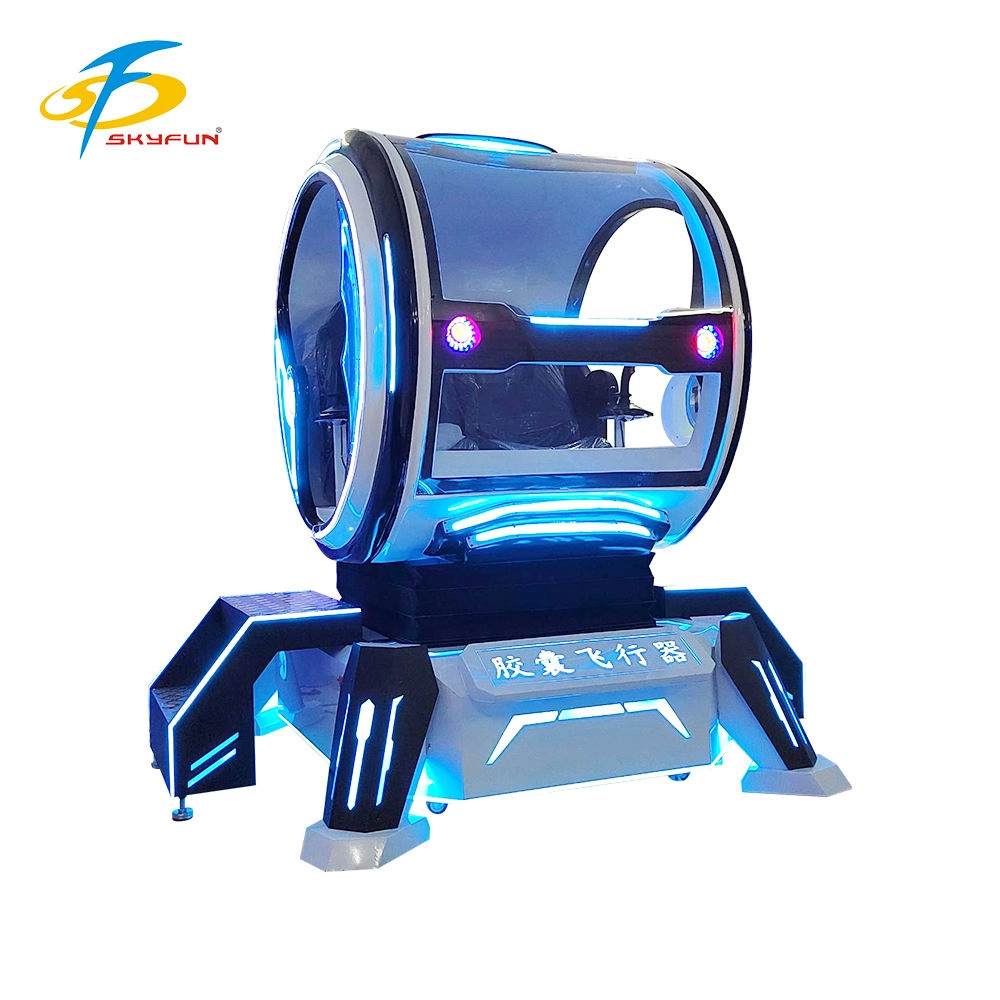
Double Player VR Flight Simulator 100 Movies 15 Games Coin-Operated Game Machine for Shopping Malls Amusement Parks
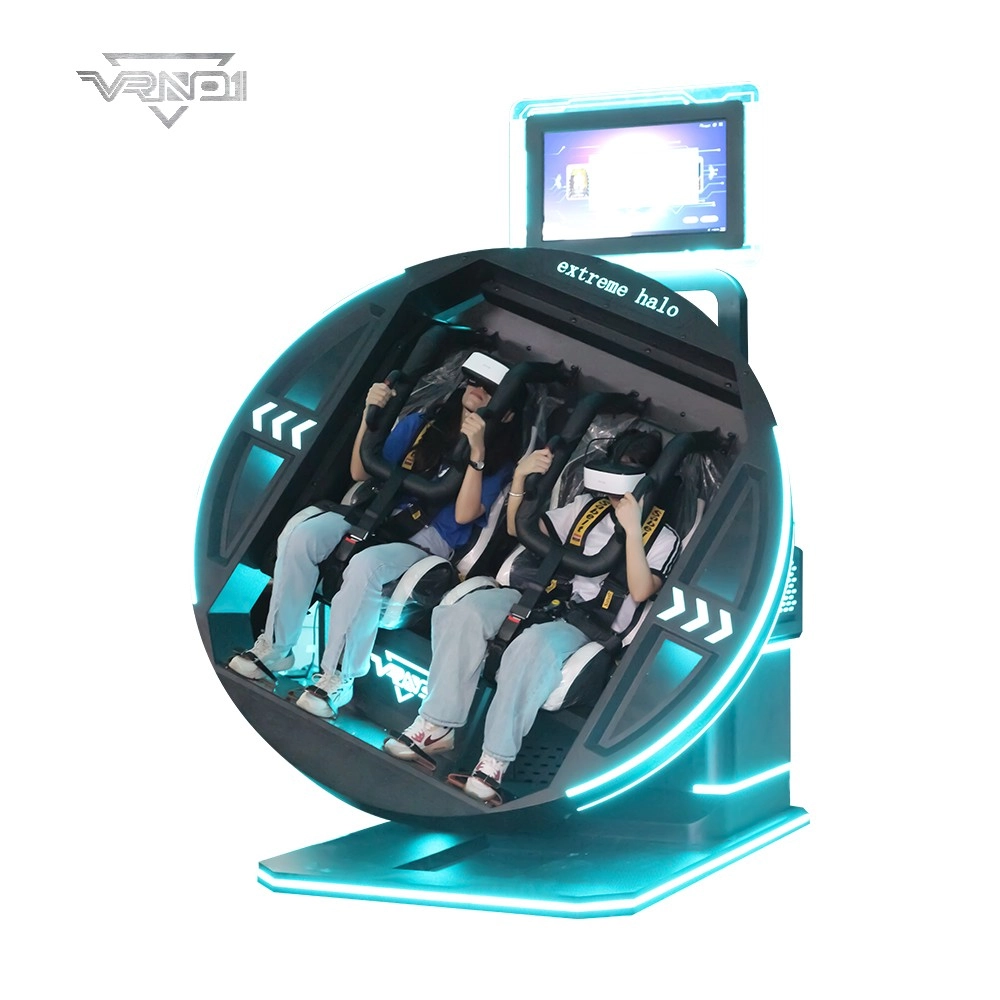
9D VR 360 Roller Coaster Cinema Chair Gaming Set Indoor/Outdoor Business Simulator Hardware for Home or School
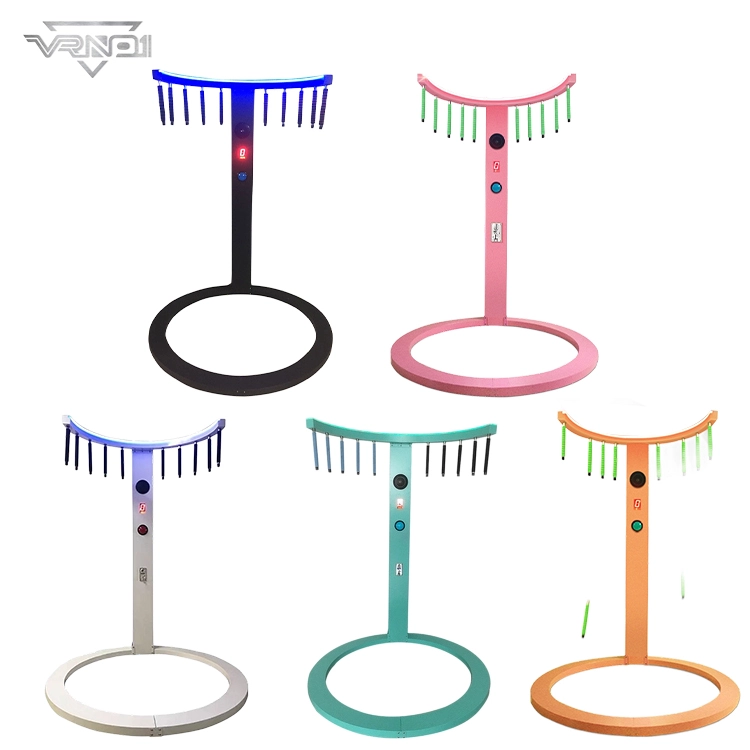
VRN0.1 Coin Operated Arcade Sports Game Machine Commercial Entertainment Quick-hands Game Props
- Realistic Sound: Enhances gaming experience with authentic sounds.
- Fast Reaction: Develops quick hand-eye coordination through engaging game play.
- DIY Kit: Allows for customization and personalization of the baton.
- Metal and Plastic Construction: Durable and robust build quality.
- Coin Operated: Fun for players who enjoy arcade-like experiences.
 Scan QR Code
Whatsapp: +8618127818571
Scan QR Code
Guangzhou Skyfun Technology Co.,Ltd
skyfunvrgame
skyfun game