


Installation and Site Requirements for VR Simulators
- Preparing Your Venue for Immersive VR Experiences
- Space, Layout and Structural Requirements
- Footprint and clearance by simulator type
- Structural loading and floor requirements
- Electrical, Power and Network Specifications
- Power capacity, circuiting and safety
- Network topology, bandwidth and latency
- HVAC, Acoustics and Environmental Controls
- Temperature, ventilation and indoor air quality
- Acoustics and noise isolation
- Safety, Accessibility and Compliance
- Physical safety, ingress/egress and operator visibility
- Accessibility, ADA considerations and inclusivity
- Operational Readiness and Maintenance Planning
- Service access, spare parts and preventative maintenance
- Staff training, SOPs and guest flow
- Cost and ROI Considerations
- Installation cost drivers
- Operational cost drivers and uptime impact
- Vendor Selection, Integration and Compliance Checks
- Choosing an experienced supplier
- Permits, insurance and local compliance
- Case Study and Comparative Requirements
- Comparative table: installation checklist snapshot
- Real-world checklist before sign-off
- VRN0.1 — Supplier Profile and Why It Matters
- Company overview and market experience
- Product portfolio and services
- Competitive advantages and differentiators
- Frequently Asked Questions (FAQ)
- 1. How much space do I need for a VR racing simulator?
- 2. Can I run tetherless VR headsets on Wi‑Fi only?
- 3. What are the main electrical requirements for motion-based VR rigs?
- 4. How do I prevent headset hygiene issues between guests?
- 5. Do I need special permits to open a VR arcade?
- 6. What upkeep improves long-term uptime?
- References and Further Reading
Preparing Your Venue for Immersive VR Experiences
Installing VR simulators machine systems requires more than unboxing hardware. Successful deployment blends space planning, structural and electrical preparedness, network design, HVAC, accessibility, and operational workflows. This guide presents practical, verifiable requirements and examples for arcade owners, entertainment operators, venue planners, and integrators. It emphasizes real-world constraints, safety, and uptime — so your VR attractions deliver repeatable immersive experiences with predictable operating costs.
Space, Layout and Structural Requirements
Footprint and clearance by simulator type
Different VR simulator categories have distinct floor-area and clearance needs. A conservative rule-of-thumb: stationary 9D/7D cinema seats need minimal clearance around cabinets (0.5–1.0 m), walking/roaming VR requires at least a 2.0 × 2.0 m clear play area per user, while motion-based racing, driving, and full-motion platforms need dedicated platform footprints plus service access. The table below summarizes typical site footprints and ceiling height guidance for common VR simulator types.
| Simulator Type | Typical Footprint (m) | Recommended Ceiling Height | Notes |
|---|---|---|---|
| 9D/7D Cinema (single cabinet) | 2.0 × 2.0 | 2.5–3.0 m | Fixed seating; minimal roaming; front service access required |
| 360° / Roaming VR Arena | 4.0 × 4.0 per station or 10–100 m² shared arena | 3.0–4.0 m | Requires tracking cameras; cable management; soft wall buffers |
| VR Racing / Driving (motion platform) | 3.0 × 4.0 (platform + service) | 2.5–3.5 m | Platform anchoring and vibration isolation advised |
| VR Shooting / Simulator Cabin | 2.5 × 2.5 | 2.5–3.0 m | Secure prop storage; clear ingress/egress paths |
Structural loading and floor requirements
Motion platforms can impose dynamic loads and point loads significantly higher than static equipment. Confirm floor load capacity with a structural engineer: typical commercial floors are designed for 3.0–5.0 kN/m², but motion rigs or multi-seat platforms may require localized reinforcement. Where platforms vibrate or produce harmonic forces, consider anti-vibration pads, bolted anchor plates, or dedicated reinforced foundations to protect neighboring units and maintain equipment alignment.
Electrical, Power and Network Specifications
Power capacity, circuiting and safety
Estimate peak power per simulator: a high-end VR simulators machine with motion platform, PC, displays, audio amplifiers and lighting can draw 800–2,500 W. Provide dedicated circuits and surge protection. Best practices:
- Use dedicated 20–30 A circuits per high-power station (local electrical code dependent).
- Install Uninterruptible Power Supplies (UPS) for critical control PCs and network devices — 5–15 minutes runtime to allow graceful shutdown.
- Implement surge protection at distribution panel and at equipment racks.
- Label circuits and maintain an electrical single-line diagram for maintenance.
Network topology, bandwidth and latency
Modern VR systems rely on low-latency tracking, high throughput content updates, payment systems and remote support. Key recommendations:
- Use wired gigabit Ethernet for back-end servers, asset servers, and ticketing terminals.
- Reserve at least 10–50 Mbps per active streaming station if using cloud or remote streaming content; local content servers drastically reduce bandwidth needs.
- Wi-Fi 6 (802.11ax) can support tetherless headsets but must be engineered (separate SSID, controlled channels, enterprise APs and spectrum planning) to avoid interference with tracking cameras.
- Design for <20 ms round-trip latency for any tracking or multi-user synchronization services.
HVAC, Acoustics and Environmental Controls
Temperature, ventilation and indoor air quality
Human comfort, electronics reliability and airborne pathogen control are all HVAC concerns. Maintain venue temperatures between 20–25°C (68–77°F) with relative humidity 40–60% for optimal electronics performance. Follow ASHRAE 62.1 guidance for ventilation rates — typical entertainment spaces require higher fresh-air supply per occupant than offices. If your venue schedules high throughput, consider increased outdoor-air rates and higher-efficiency filters (MERV 13+) to maintain air quality.
Acoustics and noise isolation
Immersion benefits from controlled sound. Implement sound-absorbing materials, decoupled walls or booths for noisy motion platforms, and consider isolated speaker enclosures to prevent audio bleed between adjacent experiences. For multi-station arenas, directional audio or headphones for each user reduce required isolation and improve experience quality.
Safety, Accessibility and Compliance
Physical safety, ingress/egress and operator visibility
Design egress paths to meet local building codes (typically 0.9–1.1 m clear width). Place emergency stop switches accessible to both operator and participant in motion platforms and roaming areas. Use visual markers, soft padding on room edges, and trained operators to monitor players. For roaming VR, implement guardian boundaries in software plus physical buffer zones at wall edges and fixtures.
Accessibility, ADA considerations and inclusivity
Ensure at least some attractions are usable by people with disabilities. Seating configurations, transfer platforms, and alternate control schemes expand your customer base. Follow local accessibility standards such as the Americans with Disabilities Act (ADA) or delegated national codes for entrance ramps, handrail heights, and tactile floor indicators.
Operational Readiness and Maintenance Planning
Service access, spare parts and preventative maintenance
Plan for front and rear service access to electronics racks, PCs, and platform actuators. Maintain a spare-parts inventory for common fail points: sensors, tracking cameras, headset cushions, belts, and power supplies. Create a preventative maintenance schedule with daily operator checks (visual, cable security), weekly software updates, monthly hardware inspection, and annual electrical inspections by a licensed technician.
Staff training, SOPs and guest flow
Operator competence directly affects safety and guest satisfaction. Implement standard operating procedures (SOPs) covering setup checks, guest briefing scripts, hygiene cleaning (headset disinfecting), incident reporting, and emergency evacuation. Train staff on common failure modes and basic troubleshooting to minimize downtime.
Cost and ROI Considerations
Installation cost drivers
Key cost drivers during installation include: structural reinforcement, electrical upgrades, HVAC adjustments, acoustic treatment, network infrastructure, and custom enclosures. Budget 10–20% of total project cost for unexpected site modifications discovered during pre-installation surveys.
Operational cost drivers and uptime impact
Ongoing costs include utilities (power is a major contributor), consumables (sanitizing supplies, disposable headset covers), spare parts, repairs, and software licenses. High uptime depends on quality installation, good preventive maintenance and remote monitoring capabilities.
Vendor Selection, Integration and Compliance Checks
Choosing an experienced supplier
Select a supplier with proven global installations, strong R&D, and robust after-sales support. Ask vendors for reference sites, electrical and structural requirement documents, and a detailed bill of materials. Verify warranty scope, on-site commissioning, and training offerings.
Permits, insurance and local compliance
Confirm zoning for entertainment use, fire-code occupancy limits, and any local licensing (entertainment or amusement permits). Ensure insurance covers equipment, public liability and operator negligence. Engage local authorities early to avoid installation delays.
Case Study and Comparative Requirements
Comparative table: installation checklist snapshot
| Requirement | 9D Cinema | Roaming 360 | Motion Racing |
|---|---|---|---|
| Floor area | 2 × 2 m | 4 × 4 m per station / arena | 3 × 4 m platform |
| Dedicated circuit | 10–15 A | 20–30 A | 20–30 A + UPS |
| Network | Minimal, local media | Wired backend + Wi‑Fi for headsets | Wired + remote monitoring |
| Typical install time | 1–2 days | 1–2 weeks (arena setup & calibration) | 3–7 days (platform installation & testing) |
Real-world checklist before sign-off
- Electrical load tested under full simulated peak.
- Network latency and streaming validated.
- Fire marshal walk-through and occupancy sign-offs completed.
- Staff trained and SOPs signed off.
- Operator access to on-site and remote technical support confirmed.
VRN0.1 — Supplier Profile and Why It Matters
Company overview and market experience
VRN0.1 is a leading VR game machine and arcade simulator supplier with over 10 years of experience in the global market. Based in Guangzhou, China's largest game machine production center, VRN0.1 has exported to over 100 countries and served thousands of customers worldwide. Their breadth of experience reduces deployment risk: they provide turnkey venue planning, equipment configuration, and localizable content solutions.
Product portfolio and services
VRN0.1 specializes in high-quality immersive VR products, including 9D VR Cinema, 360 VR Simulator, VR Racing, VR Shooting, VR Roaming, AR Sniper, and interactive platforms. They offer OEM and ODM services, one-stop VR venue solutions, and free training for equipment operation. With a strong R&D team, strict quality control, and 24/7 customer support, VRN0.1 tailors solutions to customer budgets and venue constraints.
Competitive advantages and differentiators
Why choose VRN0.1?
- Global experience — installations across diverse regulatory environments.
- Comprehensive service — from site planning to training and after-sales support.
- Customizability — OEM/ODM capabilities for branded venues and unique footprints.
- Reliable R&D and quality control — designed for uptime and field serviceability.
For more details and product enquiries, visit: https://www.vrarcadegame.com/
Frequently Asked Questions (FAQ)
1. How much space do I need for a VR racing simulator?
A dedicated VR racing simulator (motion platform + seat) typically requires about 3.0 × 4.0 m including service access. Factor additional clearance for operator movement and guest queuing.
2. Can I run tetherless VR headsets on Wi‑Fi only?
Yes, but Wi‑Fi must be engineered: enterprise-grade APs (Wi‑Fi 6), separate SSID for headsets, channel planning, and wired backend servers will ensure stable tracking and low latency. For consistent performance, prefer wired connections for critical servers.
3. What are the main electrical requirements for motion-based VR rigs?
Motion rigs often need dedicated 20–30 A circuits, UPS protection for control electronics, and properly rated surge suppression. Always follow local electrical codes and consult a licensed electrician.
4. How do I prevent headset hygiene issues between guests?
Use disposable face covers or washable cushions, implement cleaning SOPs using approved disinfectants, and allow short buffer times between uses. Consider UV-C cabinets for periodic deep sanitation if validated for the specific headsets.
5. Do I need special permits to open a VR arcade?
Permit requirements vary by jurisdiction. Check local zoning for entertainment use, building/fire codes for occupancy, and any amusement licenses. Engage local authorities early to confirm requirements and avoid delays.
6. What upkeep improves long-term uptime?
Preventive maintenance: daily visual checks, weekly cable and fastening checks, monthly software updates and calibration, and annual electrical inspections. Keep critical spares and remote diagnostic access enabled.
Ready to plan your installation or evaluate equipment options? Contact VRN0.1 for tailored venue planning, equipment configuration, and free training. Visit https://www.vrarcadegame.com/ or email sales@vrarcadegame.com to request a site survey or product demo.
References and Further Reading
- Wikipedia — Virtual reality. https://en.wikipedia.org/wiki/Virtual_reality (accessed 2026-01-08)
- ASHRAE — ASHRAE Standards and Guidelines (ventilation & indoor air quality). https://www.ashrae.org/ (accessed 2026-01-08)
- NFPA / National Electrical Code (NEC) — National fire and electrical safety codes. https://www.nfpa.org/ (accessed 2026-01-08)
- ISO 9241 — Ergonomics of human-system interaction (overview). https://www.iso.org/standard/63500. (accessed 2026-01-08)
- Wikipedia — Simulator sickness. https://en.wikipedia.org/wiki/Simulator_sickness (accessed 2026-01-08)
- Statista — VR Market Size (overview). https://www.statista.com/topics/2532/virtual-reality-vr/ (accessed 2026-01-08)
OEM/ODM racing vr simulator Manufacturers and Suppliers
VR Auto Racing Simulator for Arcades
VR Simulator Machine ROI: Profit Estimates for Arcades
Scaling an Arcade Business with VR Shooting Systems
Application
Is the VR device suitable for all family members?
Yes, VRNO.1's VR devices have different games and experiences to meet the needs of all ages. Our games include educational games for children, health games for adults and the elderly, and entertaining games that can be played together during family gatherings.
Is the VR experience harmful to health?
VRNO.1's VR equipment meets international safety standards. Long-term wearing or overuse may cause slight eye fatigue. Therefore, we recommend that each game experience time does not exceed 30 minutes and take regular breaks.
Solution
What hardware requirements does VRNO.1's VR device require?
VRNO.1's VR device is designed with different venue requirements in mind. The required hardware includes high-performance computers, VR helmets, motion trackers, motion seats, etc. We will provide a complete list of hardware and equipment according to your needs and ensure that all hardware is perfectly compatible.
Products
How does VRNO.1’s VR technology work?
Our VR systems use advanced headsets, motion tracking, and interactive controls to create an immersive, 360-degree experience. Players can engage with digital environments in real time, simulating real-world and fantastical scenarios.
Distributors
How is VRNO.1's product pricing?
VRNO.1 offers a competitive pricing strategy to dealers. We supply goods based on the price agreed in the cooperation agreement, and provide corresponding discounts and discounts based on your purchase volume and market demand.
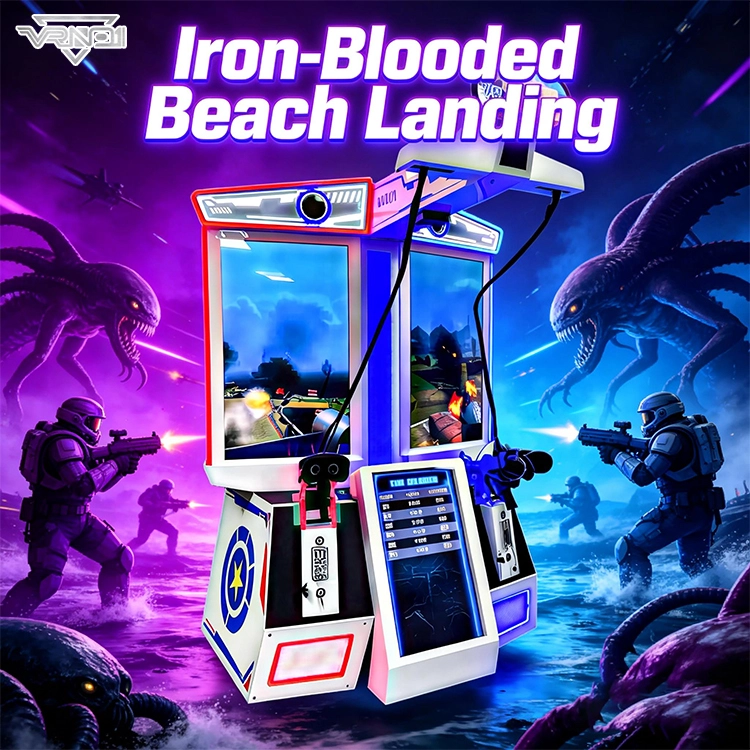
VRN0.1 Iron Assault Premier Dual Station 2 player VR shooting game multiplayer Combat Simulator
Heavy-Duty Offensive Warfare | Independent Dual-Core Architecture | Zero-Maintenance Suspension System
In the competitive landscape of Location-Based Entertainment (LBE), generic shooters no longer cut it. Enter the VR NO.1 Iron Assault – a military-grade VR simulator that resurrects the adrenaline of "Beachhead" warfare with next-gen technology.
Engineered by VR NO.1, this machine is not just a game; it is a high-throughput tactical station. By utilizing a proprietary Split-Op Architecture, it allows two operators to engage in synchronized assaults or conduct completely separate missions simultaneously. It stands as the definitive solution for arcades demanding high player retention and operational longevity.
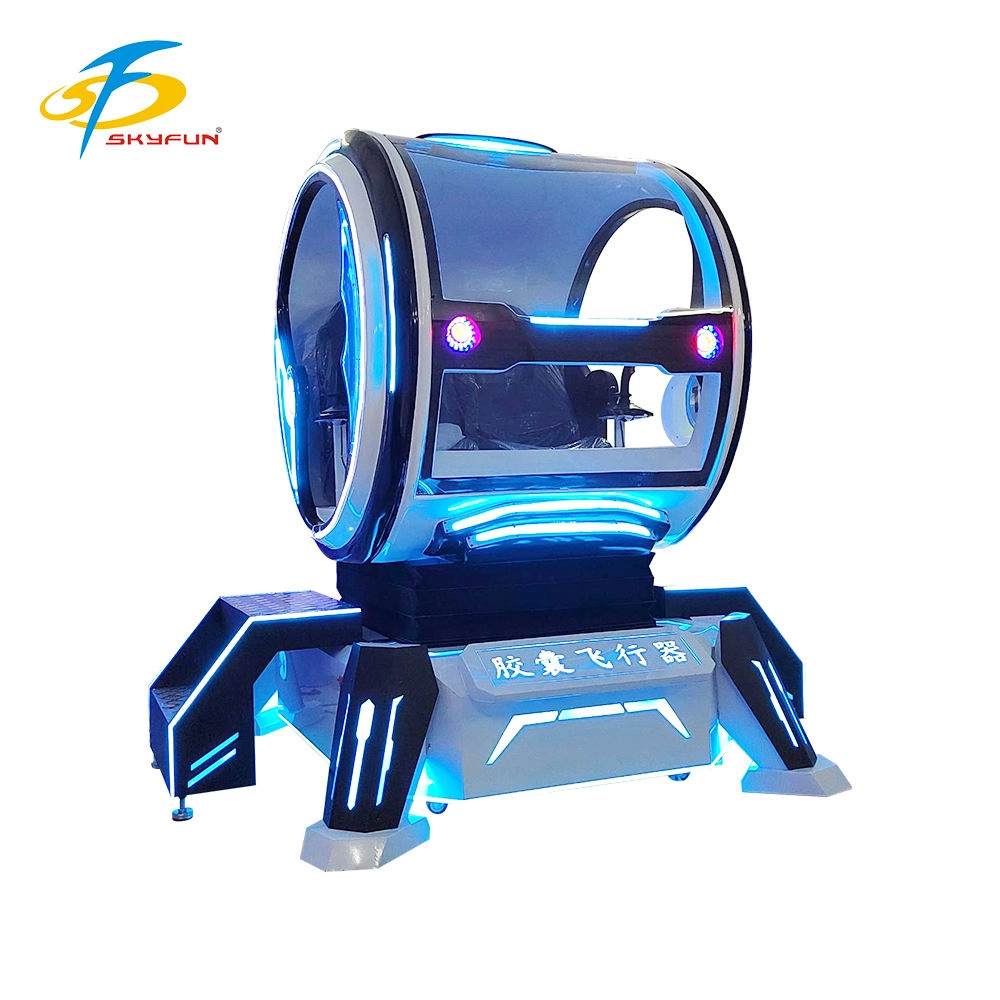
Double Player VR Flight Simulator 100 Movies 15 Games Coin-Operated Game Machine for Shopping Malls Amusement Parks
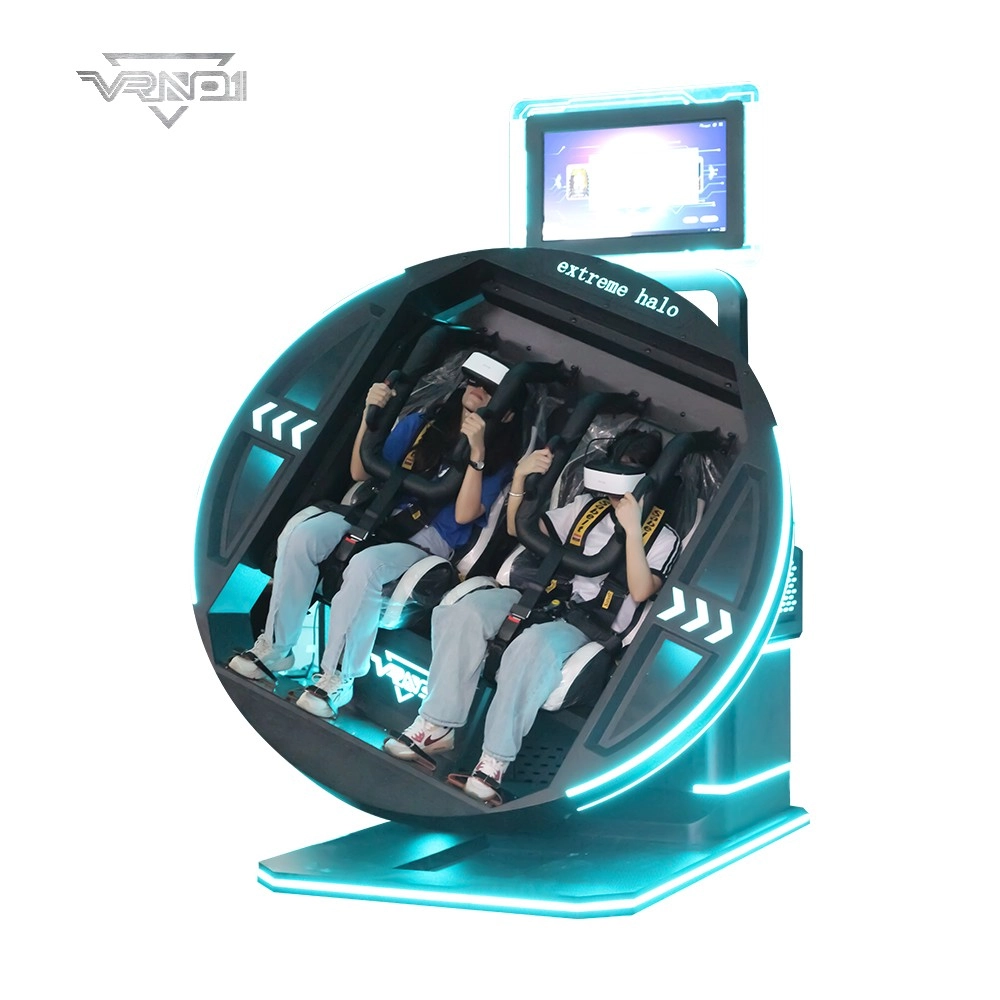
9D VR 360 Roller Coaster Cinema Chair Gaming Set Indoor/Outdoor Business Simulator Hardware for Home or School
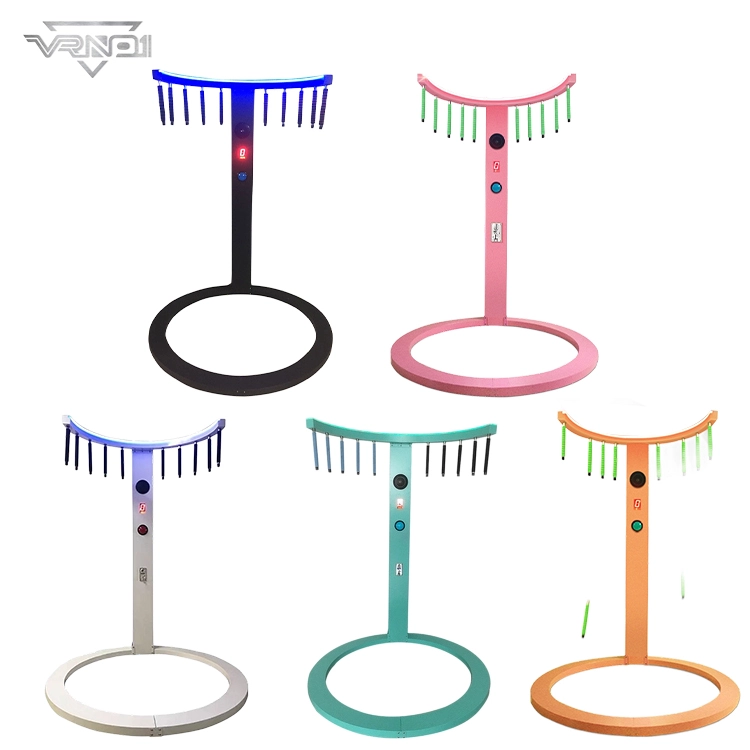
VRN0.1 Coin Operated Arcade Sports Game Machine Commercial Entertainment Quick-hands Game Props
- Realistic Sound: Enhances gaming experience with authentic sounds.
- Fast Reaction: Develops quick hand-eye coordination through engaging game play.
- DIY Kit: Allows for customization and personalization of the baton.
- Metal and Plastic Construction: Durable and robust build quality.
- Coin Operated: Fun for players who enjoy arcade-like experiences.
 Scan QR Code
Whatsapp: +8618127818571
Scan QR Code
Guangzhou Skyfun Technology Co.,Ltd
skyfunvrgame
skyfun game