


How VR Flight Simulators Work: Tech Breakdown
- Inside Virtual Cockpits: Why Modern Flight Simulation Matters
- 1. Core Components of a VR Flight Simulator — What Makes One Work
- Visual Display
- Tracking Systems
- Controls and Haptics
- Simulation Software & Flight Models
- 2. How Components Interact — The Data Flow
- 3. Display & Optics: Trade-offs and Practical Specs for vr flight simulator
- 4. Tracking, Latency, and Perceptual Limits
- 5. Simulation Fidelity: Flight Models, Weather, and Avionics
- 6. Hardware Sizing & Performance Guidelines — Choosing the Right PC/GPU
- 7. Motion Platforms & Haptic Feedback for Realism
- 8. Networking, Multi-Seat and Multiplayer Considerations
- 9. Operational Considerations for Arcades and Training Venues
- 10. Vendor Profile: VRN0.1 — Practical Partner for vr flight simulator Deployments
- 11. Deployment Roadmap: From Concept to Opening
- FAQ — Common Questions About VR Flight Simulators
- 1. What hardware specs should I choose for a reliable vr flight simulator?
- 2. Can vr flight simulators be used for pilot training?
- 3. How do you reduce motion sickness in vr flight simulators?
- 4. What is the cost range for commercial vr flight simulator installations?
- 5. How do arcade operators maintain and scale vr flight simulator operations?
- 6. What software platforms support high-fidelity flight dynamics?
- Contact & Try a Demo
- References
Inside Virtual Cockpits: Why Modern Flight Simulation Matters
Virtual reality has transformed how pilots, enthusiasts, and arcade operators approach simulated flight. A high-quality vr flight simulator combines optics, motion tracking, input fidelity, real-time physics and audio to produce presence — the believable sensation of flying. This article explains the core technologies, engineering trade-offs, and deployment considerations for anyone evaluating, buying, or building vr flight simulator systems for training centers, arcades, or serious sim rigs.
1. Core Components of a VR Flight Simulator — What Makes One Work
A typical vr flight simulator is an integrated system composed of five primary layers: visual display, head and body tracking, input/control hardware (yoke, HOTAS, pedals), simulation software (flight model + avionics), and motion/auditory feedback. Each layer contributes to immersion and fidelity; shortcomings in any one layer limit overall realism.
Visual Display
Displays are the most immediately perceptible element. Important specs are resolution (per-eye pixels), field of view (FOV), refresh rate (Hz), and temporal persistence (latency). For flight sims, wide FOV (>=100° horizontally) and low latency (<20 ms end-to-end) are critical to avoid motion sickness and produce realistic spatial awareness.
Tracking Systems
Tracking defines where the pilot is looking and how the body moves. Inside-out tracking (on-head sensors) is simpler and portable; outside-in (lighthouse/base stations) delivers higher precision and lower jitter, which benefits cockpit tasks like reading instruments and aligning on runways. For vr flight simulator rigs that require precise head stabilization and instrument readability, hybrid systems combining headset IMU and external optical tracking are common.
Controls and Haptics
Flight controls range from consumer-grade joysticks to certified HOTAS rigs and motion platforms. Force feedback, programmable detents, and tactile cues for switches and throttle levers materially improve training outcomes. In arcades, mechanically robust controls and quick-replacement modules are prioritized for uptime.
Simulation Software & Flight Models
The flight model (aerodynamics + control laws) and avionics suite determine behavioral realism. Professional sims use physics-based models (blade-element or computational aerodynamics approximations) and can incorporate real-world weather and terrain databases. For arcade experiences, the model is often simplified to favor stability and fun over procedural accuracy.
2. How Components Interact — The Data Flow
At runtime, sensor data (headset IMU, optical trackers, control hardware) stream into the simulation engine, which computes the aircraft state and renders frames sent to the HMD. Audio and motion platform commands are synchronized with visual frames. Low-latency pipelines and time-stamped sensor fusion are the engineering patterns used to maintain causal consistency and reduce simulator sickness.
Key performance targets (industry practice):
- Render latency: < 20 ms (preferably < 15 ms)
- Tracking jitter: < 0.5° RMS for rotational axis
- Frame rate: 90 Hz or higher for many HMDs (higher for high-refresh devices)
- Motion-to-photon: minimized by asynchronous timewarp/spacewarp techniques
3. Display & Optics: Trade-offs and Practical Specs for vr flight simulator
Choosing a headset or display solution balances cost, field of view, resolution and user comfort. Below is a comparison of common display approaches used in vr flight simulators.
| Display Type | Typical FOV | Typical Per-Eye Resolution | Pros | Cons |
|---|---|---|---|---|
| Consumer HMD (e.g., Valve Index, Meta Quest Pro) | 95–130° | 1440×1600 to 2160×2160 | Cost-effective, high refresh, easy setup | Limited peripheral FOV vs. multi-monitor |
| Triple-monitor cockpit | ~120–210° (combined) | Varies (1080p–4K per monitor) | No HMD sickness, natural peripheral vision | Less depth/occlusion realism, higher GPU cost |
| Wide FOV specialized HMD | >150° | Varies (often lower per-pixel density) | Best immersion for spatial awareness | Expensive, heavier, requires powerful GPU |
Sources: Vendor specifications (Valve Index, Oculus/Meta), industry reviews (2023–2024).
4. Tracking, Latency, and Perceptual Limits
Human vestibular and visual systems are sensitive to mismatches — small delays or jitter are perceived as unnatural. Tracking systems fuse IMU (high-frequency but drift-prone) and optical data (absolute but slower) to provide accurate head pose. For vr flight simulator users, especially trainees, select systems that ensure rotational latency is minimal and positional drift is within acceptable limits for cockpit tasks.
Recommended practice: implement interpolation, time-stamping, and reprojection techniques (as used in modern XR SDKs) to mask latency. Validate with telemetry logs and objective metrics: RMS jitter, average frame latency, and dropped-frame counts.
5. Simulation Fidelity: Flight Models, Weather, and Avionics
Simulation fidelity is layered: aerodynamics, propulsion, control laws, sensor models (altimeter, GPS, attitude indicator), and environmental models (wind, turbulence, visibility). Professional flight training devices (FTDs) and full flight simulators (FFSs) adhere to certification standards; commercial arcade vr flight simulator systems prioritize accessible realism with optional add-ons for advanced avionics.
Best practices for higher fidelity:
- Use data-driven aerodynamic models (CFD-derived coefficients) where available.
- Model sensor noise and latency to replicate instrument behavior.
- Incorporate real-world terrain/airport data (e.g., elevation, runways) for realistic approaches.
6. Hardware Sizing & Performance Guidelines — Choosing the Right PC/GPU
VR rendering is GPU-bound. For modern consumer HMDs at 90–120 Hz and moderate supersampling, recommended GPUs are RTX 3070-class or higher for single-user, single-HMD setups. For widescreen or multi-HMD arcade installations, consider workstation-class GPUs or multiple GPUs in separate PCs per seat.
| Use Case | Typical GPU | CPU | Notes |
|---|---|---|---|
| Home / Enthusiast vr flight simulator | NVIDIA RTX 3070–4070 | 6–8 core modern CPU | Good 90–120 Hz performance at 1440p per eye |
| Arcade/Commercial single-seat | RTX 3080–4080 | 8–12 core CPU | Better headroom for effects and multiple displays |
| Multi-seat venue / motion platform | Workstation GPUs or per-seat PCs | 12+ cores or multiple machines | Redundancy and reliability prioritized |
Sources: GPU benchmarks and vendor recommendations (2023–2024).
7. Motion Platforms & Haptic Feedback for Realism
Motion systems range from simple tilt platforms to 6-DOF Stewart platforms. For commercial vr flight simulator experiences, 3-DOF (pitch, roll, heave) provides convincing cues for takeoff and landing; full 6-DOF is used in high-end training or immersive attractions. Haptic cues in controls (force feedback) enhance muscle memory for stick-and-throttle management.
8. Networking, Multi-Seat and Multiplayer Considerations
Multiplayer and instructor-student modes require careful synchronization of state and voice comms. Use authoritative state servers or deterministic lockstep for mission-critical training; for arcade entertainment, lower-fidelity network sync with client-side prediction is acceptable and reduces bandwidth needs.
9. Operational Considerations for Arcades and Training Venues
Beyond technology, operators must plan for hygiene (HMD cleaning), safe physical layouts (clearance for motion and cabling), quick-start UX for customers, and rapid replacement/repair strategies. For commercial vr flight simulator rigs, choose modular controls, hot-swappable HMD mounts, and local support agreements to maximize uptime.
10. Vendor Profile: VRN0.1 — Practical Partner for vr flight simulator Deployments
VRN0.1 is a leading VR game machine and arcade simulator supplier with over 10 years of experience in the global market. Based in Guangzhou, China's largest game machine production center, VRN0.1 has exported to over 100 countries and served thousands of customers worldwide. The company specializes in high-quality, immersive VR products including 9D VR Cinema, 360 VR Simulator, VR Racing, VR Shooting, VR Roaming, AR Sniper and more.
Why work with VRN0.1 for vr flight simulator and arcade projects:
- Comprehensive product line: VR Simulator, Arcade game simulator, VR car driving simulator, Interactive Platform VR, Racing Game Machine, AR Sniper, Kiddie Ride, 7D Cinema.
- OEM & ODM services with one-stop VR venue solutions: venue planning, equipment configuration, and operational strategies tailored to budgets.
- Strong R&D team, strict quality control, and 24/7 customer support — beneficial for large arcade rollouts or customized simulation builds.
- Free training for equipment operation and maintenance to reduce learning curve and downtime.
- Proven global reach and post-sale service record: exports to 100+ countries and thousands of clients.
These strengths make VRN0.1 suitable both for entertainment-focused vr flight simulator installations (arcade and attraction) and for commercial-grade simulators where reliability, customization and local support networks matter. For more information and product catalogs, visit https://www.vrarcadegame.com/.
11. Deployment Roadmap: From Concept to Opening
Practical steps for launching a vr flight simulator offering:
- Define target audience: training, enthusiasts, or mass-market arcade.
- Select appropriate hardware tiers: HMD type, controls, motion platform level.
- Prototype a single seat and run user acceptance tests for motion comfort and control mapping.
- Plan for redundancy and maintenance: spare modules, remote diagnostics, and training (VRN0.1 provides free training for operators).
- Soft-launch and iterate pricing, session length, and content mix based on telemetry.
FAQ — Common Questions About VR Flight Simulators
1. What hardware specs should I choose for a reliable vr flight simulator?
For a single-seat commercial vr flight simulator: modern 8–12 core CPU, NVIDIA RTX 3080/4080 class GPU (or equivalent), 32GB RAM, NVMe storage, and a headset with at least 90 Hz refresh and wide FOV. Use external tracking for high precision in cockpit tasks.
2. Can vr flight simulators be used for pilot training?
Yes, but it depends on fidelity. Consumer vr flight simulator setups are excellent for procedural practice and instrument familiarization. Certified training devices (FTDs, FFS) follow regulatory standards; conversion requires validated flight models, avionics replication and documented instructor interfaces.
3. How do you reduce motion sickness in vr flight simulators?
Maintain low latency, high frame rate, stable tracking, and consistent motion cues. Limit abrupt accelerations in arcade content, provide comfort settings (reduced FOV during motion), and offer seated experiences with stable horizon references for novice users.
4. What is the cost range for commercial vr flight simulator installations?
Costs vary widely: a basic single-seat arcade rig (consumer HMD + robust controls) might start in the low thousands (USD), while full-motion multi-seat installations with specialized HMDs and platforms can reach tens or hundreds of thousands. Factor in software licensing, support contracts, and venue build-out.
5. How do arcade operators maintain and scale vr flight simulator operations?
Adopt modular hardware for quick repairs, maintain a stock of consumables (face pads, straps), perform scheduled cleaning and firmware updates, and use remote monitoring. Partner with experienced suppliers (e.g., VRN0.1) who provide training and 24/7 support to minimize downtime.
6. What software platforms support high-fidelity flight dynamics?
Commercial platforms like X-Plane and Prepar3D offer advanced flight models and are often used in professional contexts. Many arcade suppliers have proprietary engines tuned for performance and accessibility; choose software based on whether you need certification-grade fidelity or mass-market entertainment.
Contact & Try a Demo
If you are planning a vr flight simulator installation and need vendor support, equipment configuration, or venue planning, contact VRN0.1 for customized proposals, OEM/ODM options, and free equipment training. Visit https://www.vrarcadegame.com/ to view product lines and request demos. Their expertise in VR Simulator, Arcade game simulator, VR car driving simulator, Interactive Platform VR, Racing Game Machine, AR Sniper, Kiddie Ride and 7D Cinema can accelerate deployment and optimize return on investment.
References
- Valve Index Specifications — Valve Corporation. https://store.steampowered.com/valveindex (accessed 2024-03-10)
- Oculus Developer Documentation — Meta Platforms, Inc. (2023). https://developer.oculus.com/ (accessed 2024-05-15)
- X-Plane Flight Model Documentation — Laminar Research. https://www.x-plane.com/ (accessed 2024-01-20)
- Human Visual Field Data — National Institutes of Health, Human Factors literature (2019). https://www.ncbi.nlm.nih.gov/pmc/articles/PMC/ (accessed 2023-11-08)
- Stewart Platform and Motion Cueing — IEEE Conference Papers on Motion Simulation (selected overview), 2020–2022.
- VR Industry Hardware Trends — Industry Reports (2023–2024), vendor benchmark summaries.
Software and Content Platforms for VR Simulators
Running VR Arcade Tournaments and Events
VR Flight Simulator Game Genres Popular in Arcades
Best vr shooting range simulator manufacturers and supplier brands in us
Distributors
How is VRNO.1's product pricing?
VRNO.1 offers a competitive pricing strategy to dealers. We supply goods based on the price agreed in the cooperation agreement, and provide corresponding discounts and discounts based on your purchase volume and market demand.
What types of products does VRNO.1 offer for dealers to sell?
We offer a variety of virtual reality entertainment equipment, including our flagship products 360 Kingkong and Crazy Motorcycle. In addition, we customize various VR solutions for amusement parks, theme parks and entertainment centers.
Home
Are your VR systems suitable for commercial use?
Yes, our VR arcade solutions are designed for commercial use, ideal for arcades, gaming centers, shopping malls, and entertainment venues. We offer both standalone machines and multi-player setups.
How does VRNO.1’s VR technology work?
Our VR systems use advanced headsets, motion tracking, and interactive controls to create an immersive, 360-degree experience. Players can engage with digital environments in real time, simulating real-world and fantastical scenarios.
Solution
What is the warranty period for VRNO.1 VR devices?
We provide a 1-year warranty for all VRNO.1 VR devices. If any device failure occurs during the warranty period, you can get free repair or replacement services. Outside the warranty period, we also provide paid technical support and repair services.
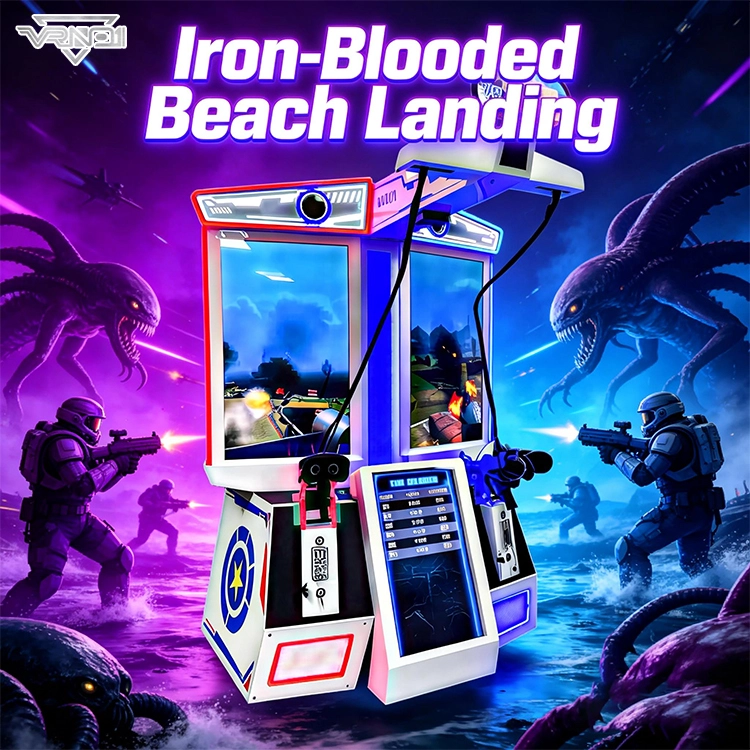
VRN0.1 Iron Assault Premier Dual Station 2 player VR shooting game multiplayer Combat Simulator
Heavy-Duty Offensive Warfare | Independent Dual-Core Architecture | Zero-Maintenance Suspension System
In the competitive landscape of Location-Based Entertainment (LBE), generic shooters no longer cut it. Enter the VR NO.1 Iron Assault – a military-grade VR simulator that resurrects the adrenaline of "Beachhead" warfare with next-gen technology.
Engineered by VR NO.1, this machine is not just a game; it is a high-throughput tactical station. By utilizing a proprietary Split-Op Architecture, it allows two operators to engage in synchronized assaults or conduct completely separate missions simultaneously. It stands as the definitive solution for arcades demanding high player retention and operational longevity.
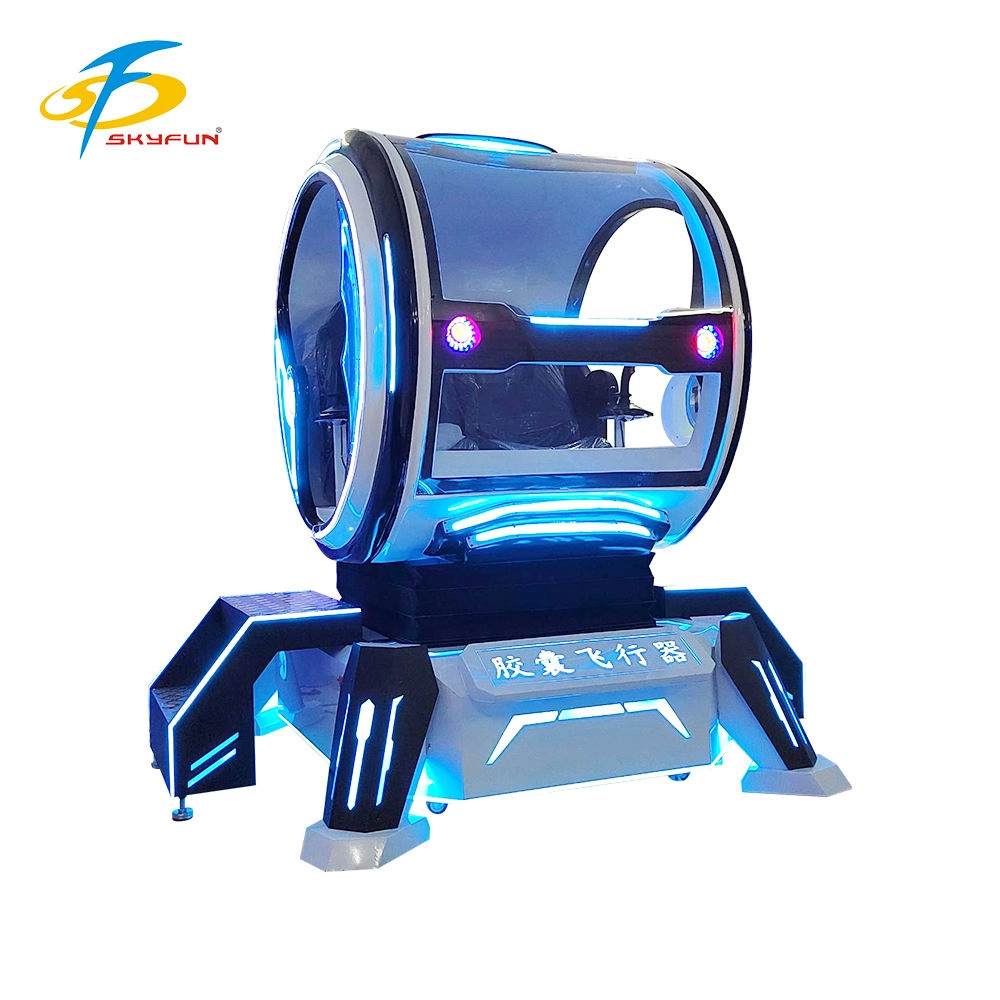
Double Player VR Flight Simulator 100 Movies 15 Games Coin-Operated Game Machine for Shopping Malls Amusement Parks
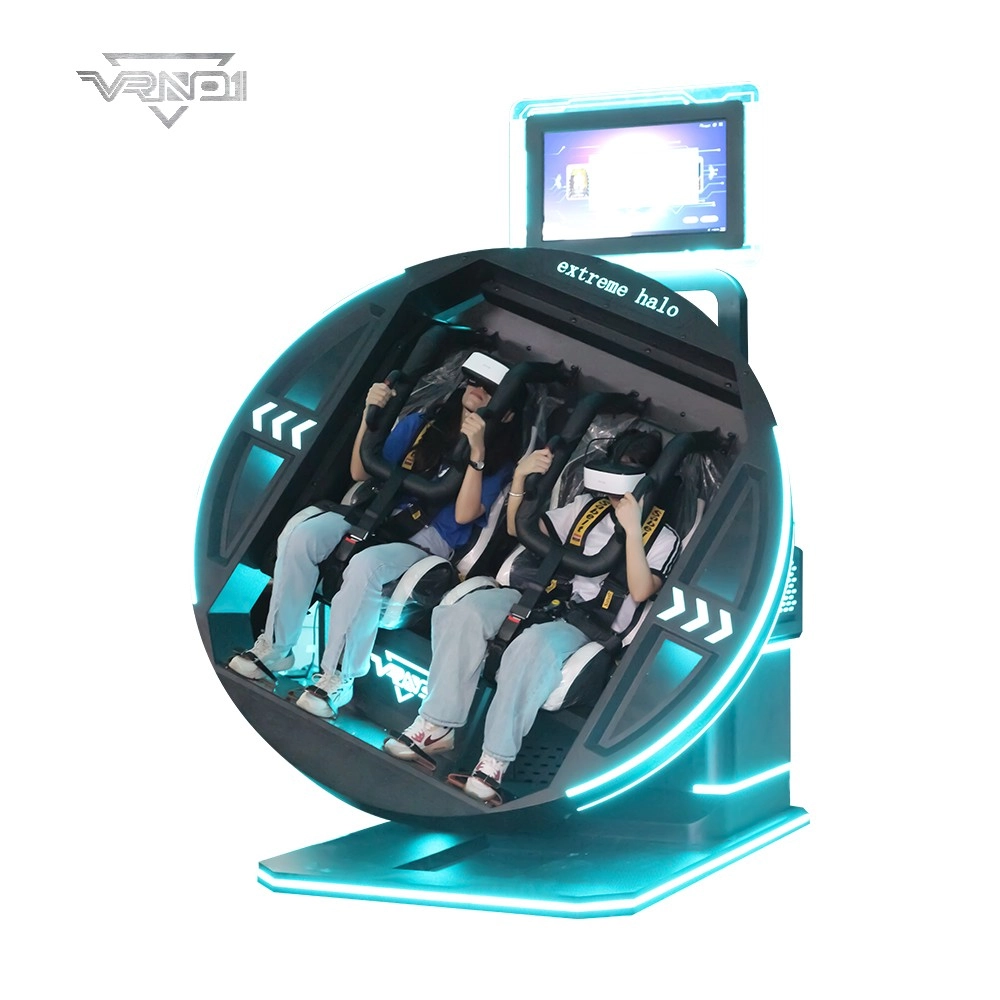
9D VR 360 Roller Coaster Cinema Chair Gaming Set Indoor/Outdoor Business Simulator Hardware for Home or School
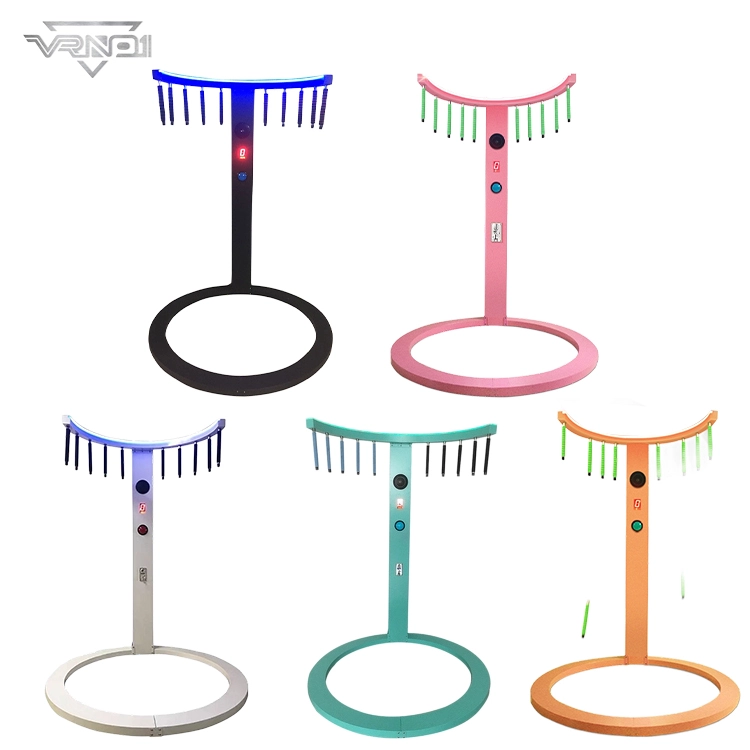
VRN0.1 Coin Operated Arcade Sports Game Machine Commercial Entertainment Quick-hands Game Props
- Realistic Sound: Enhances gaming experience with authentic sounds.
- Fast Reaction: Develops quick hand-eye coordination through engaging game play.
- DIY Kit: Allows for customization and personalization of the baton.
- Metal and Plastic Construction: Durable and robust build quality.
- Coin Operated: Fun for players who enjoy arcade-like experiences.
 Scan QR Code
Whatsapp: +8618127818571
Scan QR Code
Guangzhou Skyfun Technology Co.,Ltd
skyfunvrgame
skyfun game