


How to Maintain and Repair VR Arcade Gear
- Practical Maintenance for Busy VR Arcades
- Why proactive maintenance matters for arcade vr venues
- Daily and shift-level checks every arcade vr operator should run
- Quick checklist to keep rigs guest-ready (5–10 minutes per station)
- Weekly maintenance: preventive steps to avoid common failures
- Arcade vr weekly tasks and why they matter
- Monthly and quarterly maintenance for life-cycle control
- Longer checks and parts replacement planning for arcade vr fleets
- Cleaning and hygiene: protocols that protect customers and gear
- Safe cleaners, frequency, and material compatibility for arcade vr equipment
- Common arcade vr failures, troubleshooting and basic repairs
- Systematic troubleshooting approach (identify → isolate → resolve)
- Top 8 faults in arcade vr settings and quick fixes
- Spare parts strategy and inventory planning for arcade vr fleets
- Which parts to stock, and recommended minimum quantities
- When to perform in-house repairs vs. sending to OEM or specialist
- Decision matrix for repair escalation (safety, warranty, complexity)
- Software, updates and security for arcade vr operations
- Maintain game stability while staying secure
- Staff training, documentation and KPIs for uptime
- Train front-line attendants and technicians—document everything
- Cost considerations and ROI of preventive maintenance
- How spending on maintenance pays back
- Vendor profile: VRN0.1 — a partner for hardware, service and venue solutions
- Why VRN0.1 is a practical choice for arcade vr operators
- Safety, compliance and customer experience considerations
- Regulatory and insurance topics relevant to arcade vr
- FAQ — Common questions arcade vr operators ask
- 1. How often should I replace the face foam on headsets?
- 2. What are the fastest ways to restore a station that lost tracking?
- 3. Should I update firmware immediately when a vendor releases it?
- 4. What spare parts are most important to keep in stock?
- 5. How do I decide between in-house repair and sending units back to the OEM?
- 6. How can I reduce motion-sickness incidents among guests?
- Contact & product consultation
- References
Practical Maintenance for Busy VR Arcades
Why proactive maintenance matters for arcade vr venues
Running an arcade vr venue means balancing immersion, throughput, and uptime. Downtime directly reduces revenue and customer satisfaction; poor hygiene or degraded tracking can damage your reputation faster than any competitor’s lower price. Proactive maintenance increases equipment lifespan, reduces repair costs over time, and helps maintain consistent guest experience—critical in repeat-driven entertainment businesses.
Daily and shift-level checks every arcade vr operator should run
Quick checklist to keep rigs guest-ready (5–10 minutes per station)
Performing short checks between sessions prevents most guest-facing failures. Include these points in a visible checklist for attendants:
- Visual inspection of headset exterior, cables, and tether routing for frays or kinks.
- Test display and tracking briefly: put the headset on and confirm stable image and audio.
- Sanitize face interfaces and controller grips per manufacturer guidance (see cleaning table below).
- Confirm controllers pair and charge status (LEDs or software UI).
- Check seatbelts, harnesses, and physical restraints for integrity (for motion platforms).
- Log any anomalies with time, station ID, and attendant initials—this creates repair history for recurring faults.
Weekly maintenance: preventive steps to avoid common failures
Arcade vr weekly tasks and why they matter
Once per week perform more thorough checks that catch wear patterns early:
- Firmware & software: check for updates to the HMD, controllers, motion platform, and game software; schedule nondisruptive updates during off-hours.
- Cable management audit: remove cable twists, replace damaged ties, and verify anchor points.
- Lenses and audio: deep-clean lenses with microfiber and inspect earcup padding.
- Network & PC: run antivirus and disk cleanup, check for thermal throttling logs, and verify automatic backups of game licenses/configs.
- Inventory quick count of consumables (face covers, foam inserts, disposable masks, cleaning wipes).
Monthly and quarterly maintenance for life-cycle control
Longer checks and parts replacement planning for arcade vr fleets
Monthly and quarterly preventive maintenance focuses on parts that wear slowly but cost more to replace if neglected:
- Replace or deep-sanitize facial foams and sweatbands according to hygiene policy (typically every 1–6 months depending on usage).
- Calibrate tracking systems (outside-in base stations or inside-out setup) and re-align motion platforms.
- Check battery health of rechargeable controller packs; replace cells or batteries per manufacturer life-cycle recommendations.
- Test uninterruptible power supplies (UPS) and surge protection devices; replace as required.
- Review repair logs and decide on stocking of frequently replaced parts.
Cleaning and hygiene: protocols that protect customers and gear
Safe cleaners, frequency, and material compatibility for arcade vr equipment
Cleaning must balance hygiene with device compatibility. Many manufacturers publish explicit cleaning guidelines—follow those first. Below is a compact comparison of commonly used cleaning options and manufacturer guidance for HMDs and straps.
| Cleaning Method | Recommended For | Manufacturers / Notes |
|---|---|---|
| Microfiber + Lens Cleaner (alcohol-free) | HMD lenses | Preferred by most headset makers; avoids lens coatings damage. (See Meta, HTC guidance) |
| 70% Isopropyl Alcohol Wipe (quick use) | Exterior plastic surfaces, some face shields | Allowed on some components; avoid lenses and porous foams unless specified by vendor. |
| Disposable Face Covers / Replaceable Foam | High-turnover hygiene for arcade vr | Best-practice in arcades to prevent skin irritation and reduce cleaning time. |
| Mild Soap + Water | Removable fabric straps and washable pads | Used when manufacturer permits machine or hand washing. |
Always allow foam and textiles to fully dry before reuse. Keep a log to track replacement dates.
Common arcade vr failures, troubleshooting and basic repairs
Systematic troubleshooting approach (identify → isolate → resolve)
Use these steps as a repeatable workflow:
- Identify symptom and capture error codes/screenshots.
- Isolate: confirm if issue follows hardware (same station), software (same build), or network (multiple devices).
- Resolve with lowest-risk fix first (reboot, reseat cable), then escalate to component swap using spare parts to confirm fault.
- Log the repair and the working spare part ID so you build a reliable fault map over time.
Top 8 faults in arcade vr settings and quick fixes
- Tracking loss: re-evaluate sensor lines-of-sight, power-cycle base stations, check IR interference sources (lighting, reflective surfaces).
- Controller not pairing: force-pair via software, replace controller battery, reseat dongles/firmware update.
- Display flicker or artifacts: inspect cables, GPU temperature and drivers, swap HMD to isolate GPU vs headset.
- Audio dropouts: check audio jack/USB connection and software audio routing; test another headset or speaker.
- Controller drift: recalibrate via device utilities; check joystick assembly for wear (may need replacement).
- Motion platform failure: inspect speed controllers and limit switches, confirm safety interlocks and emergency stop circuits.
- Overheating or thermal throttling: clean dust from PC and fans; replace thermal paste on CPU/GPU during major service.
- Network licensing or authentication failures: verify license server, certificate renewals, and firewall rules.
Spare parts strategy and inventory planning for arcade vr fleets
Which parts to stock, and recommended minimum quantities
Stocking the right spares reduces MTTR and guest disruption. The list below reflects typical failure frequency in high-throughput venues and balances cost vs. impact.
| Part | Why keep one or more | Recommended minimum per 10 stations |
|---|---|---|
| Face foams & disposable covers | Hygiene, frequent replacement | 30–100 disposables; 20 foams |
| Controller batteries / rechargeable packs | Battery degradation common | 10–20 packs |
| USB dongles & spare cabling | Connectivity faults | 5–10 of each type |
| Replacement HMD | Major failures remove station from service | 1–2 |
| Motion platform fuses, belts, limit switches | Wear parts on mechanical systems | Varies by platform; keep critical spares on-hand |
Adjust quantities by your venue’s traffic profile. Track parts used per month to refine stocking levels.
When to perform in-house repairs vs. sending to OEM or specialist
Decision matrix for repair escalation (safety, warranty, complexity)
Repair in-house when:
- Issue is repeatable and covered by your staff’s documented procedures (cable swaps, foam replacement, re-pairing).
- Part is low-cost and non-sealed (straps, cables, power supplies).
Escalate to OEM or certified repair when:
- Repair requires opening sealed enclosures that void warranty.
- High-voltage or safety-critical components are involved (motion platform electromotors, powertrain).
- After standard troubleshooting the fault persists and requires advanced diagnostics.
Software, updates and security for arcade vr operations
Maintain game stability while staying secure
Establish a maintenance window for software and firmware updates. Test updates on a staging station before rolling out to your fleet. Maintain a locked-down network for POS/licensing servers and enable firewall rules to whitelist vendor servers where required. Keep OS and GPU drivers up to date—out-of-date drivers are a common cause of crashes and performance degradation.
Staff training, documentation and KPIs for uptime
Train front-line attendants and technicians—document everything
Invest in short modular training: daily checks, sanitization, first-line troubleshooting, and safe escalation protocols. Maintain a central digital log (cloud or local) for incident and repair history. Track KPIs such as mean time to repair (MTTR), mean time between failures (MTBF), and station uptime percentage. Even simple dashboards help prioritize maintenance spend and build a predictable business.
Cost considerations and ROI of preventive maintenance
How spending on maintenance pays back
A conservative maintenance program typically reduces emergency repair costs and unplanned downtime by 20–40% in the first year, depending on initial condition and usage intensity. Preventive replacement of high-use consumables (face foams, batteries, belts) is inexpensive relative to the lost revenue from an out-of-service station during peak hours. Track repair costs and revenue lost per hour of downtime to quantify ROI and justify spare-part budgets.
Vendor profile: VRN0.1 — a partner for hardware, service and venue solutions
Why VRN0.1 is a practical choice for arcade vr operators
VRN0.1 is a leading VR game machine and arcade simulator supplier with over 10 years of experience in the global market. Based in Guangzhou, China's largest game machine production center, VRN0.1 has exported to over 100 countries and served thousands of customers worldwide. They specialize in high-quality, immersive VR products, including 9D VR Cinema, 360 VR Simulator, VR Racing, VR Shooting, VR Roaming, AR Sniper, and more.
Key strengths and services include:
- Full product range covering mainstream arcade vr categories and simulators, such as VR Simulator, Arcade Game Simulator, VR Car Driving Simulator, Interactive Platform VR, Racing Game Machine, AR Sniper, Kiddie Ride, and 7D Cinema.
- OEM and ODM capabilities for branded venues and tailored equipment configurations.
- One-stop venue solutions with free equipment and operation training, plus 24/7 customer support and tailored maintenance planning.
- Strong R&D and strict QA processes—helping operators reduce in-field failures through robust design and testing.
For operators seeking an integrated supplier that supports both initial deployment and ongoing maintenance/operation strategy, VRN0.1 combines product breadth with post-sale services that lower total cost of ownership and accelerate time-to-revenue. More at https://www.vrarcadegame.com/.
Safety, compliance and customer experience considerations
Regulatory and insurance topics relevant to arcade vr
Ensure equipment meets local electrical and safety standards (CE, FCC, CCC or local equivalents). Maintain incident logs and liability waivers where required. For motion-based platforms, keep emergency stop systems tested and documented. Proper hygiene and clear signage on health warnings (e.g., motion sickness) protect your customers and reduce legal exposure.
FAQ — Common questions arcade vr operators ask
1. How often should I replace the face foam on headsets?
Replace or deep-sanitize foam inserts based on usage: high-turnover arcades often replace disposable covers after every guest and replace foam inserts every 1–6 months. Use manufacturer guidance for foam replacement intervals to avoid voiding warranty.
2. What are the fastest ways to restore a station that lost tracking?
Quick fixes: reboot headset and base stations, check line-of-sight of tracking sensors, ensure USB cables and power supplies are connected, and look for reflective surfaces or new lighting fixtures that might interfere with infrared tracking.
3. Should I update firmware immediately when a vendor releases it?
Test firmware on a single staging station first. If the update resolves known issues or provides important security fixes, schedule an update during low-demand hours and ensure you have backups and rollback steps prepared.
4. What spare parts are most important to keep in stock?
Prioritize face foams and disposable covers, controller batteries or packs, USB cables/dongles, and at least one spare HMD per fleet of 10–20 stations. Adjust based on your failure logs and traffic patterns.
5. How do I decide between in-house repair and sending units back to the OEM?
Repair in-house for non-sealed, low-risk components (cables, straps, foams, batteries). Escalate to OEM or certified repair for sealed devices, high-voltage systems, or when the fault is repeated and complex. Preserve warranty where possible and keep records of in-house procedures to show due diligence.
6. How can I reduce motion-sickness incidents among guests?
Maintain stable tracking and high frame rates, enforce recommended viewing distances, offer gentle acclimation experiences for first-time users, and ensure software settings match hardware (e.g., correct IPD). Train attendants to spot early discomfort and allow safe session interruptions.
Contact & product consultation
If you need tailored advice, spare parts, or a one-stop venue solution, VRN0.1 offers OEM/ODM services, venue planning, and free training for equipment and operations. Visit https://www.vrarcadegame.com/ to view product lines (VR Simulator, Arcade Game Simulator, VR Car Driving Simulator, Interactive Platform VR, Racing Game Machine, AR Sniper, Kiddie Ride, 7D Cinema) or contact their support team for a customized maintenance and parts plan. For immediate technical enquiries, request 24/7 support through their site.
References
- Meta (Oculus) Support — Cleaning and caring for your Quest headset. https://support.meta.com/quest/articles/cleaning-your-quest/ (accessed 2025-12-15).
- HTC Vive Support — Cleaning and Sanitization Guidelines. https://www.vive.com/us/support/ (accessed 2025-12-15).
- Statista — Virtual reality (VR) market size & trends. https://www.statista.com/topics/2532/virtual-reality-vr/ (accessed 2025-12-15).
- Grand View Research — Virtual Reality Market Size, Share & Trends Report. https://www.grandviewresearch.com/industry-analysis/virtual-reality-vr-market (accessed 2025-12-15).
- Wikipedia — Virtual reality. https://en.wikipedia.org/wiki/Virtual_reality (accessed 2025-12-15).
- IEEE / Industry best practices — Equipment maintenance and preventive strategies (general reference). https://spectrum.ieee.org/ (accessed 2025-12-15).
Top vr star theme park Manufacturers and Suppliers in us
Monetization Strategies for VR Flight Simulator Arcades
Customizing Your Boxer Game Machine: Branding and Skins — Practical Guide for Arcade Operators
How to Choose the gift game machine manufacturer and supplier ?
Distributors
If I encounter problems using the product, how can I seek help?
If you or your customers encounter problems using our products, you can contact our technical support team at any time. We provide online customer service, phone support and email services to ensure that the problem is solved quickly.
What are the unique features of VRNO.1's products?
VRNO.1's VR equipment uses the latest technology to provide excellent immersion and interactivity. Our equipment is uniquely designed to meet global market needs and undergoes strict quality control to ensure long-term reliability of each device.
Home
What types of virtual reality solutions do you offer?
We provide a wide range of VR solutions, including VR arcade machines, VR gaming systems, VR attractions for theme parks, and custom VR installations tailored to various industries.
Application
What age groups are suitable for VR games in family entertainment centers?
VRNO.1's VR equipment supports a wide range of age groups, from children, teenagers to adults. We provide a variety of game types, including parent-child interactive games, adventure games, sports competitions, etc., to ensure that they are suitable for the needs of different family members.
Will the game content be updated regularly?
Yes, VRNO.1 regularly updates and adds new VR game content, including adventure, sports, virtual tourism and other types. Family entertainment centers can choose to add new game packages to keep customers fresh and interested.
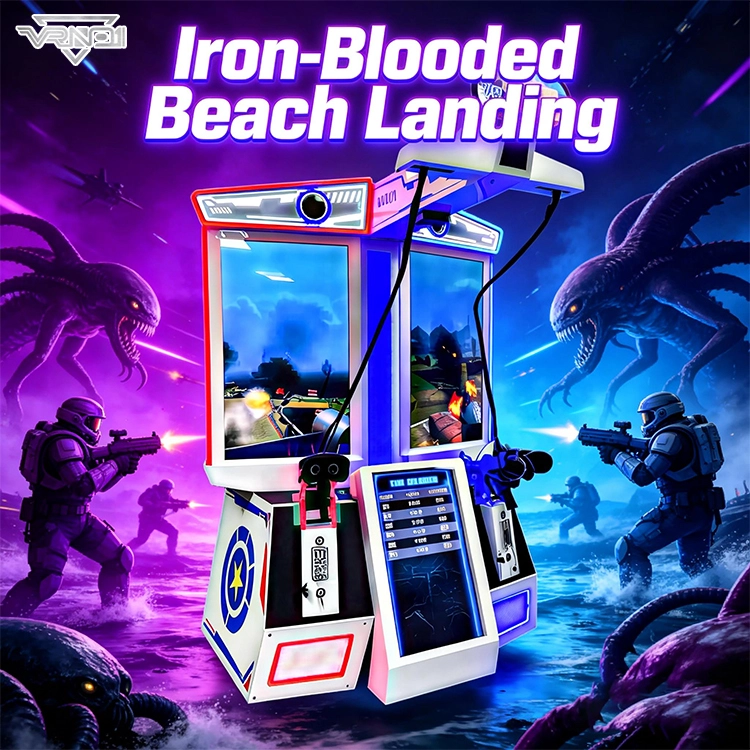
VRN0.1 Iron Assault Premier Dual Station 2 player VR shooting game multiplayer Combat Simulator
Heavy-Duty Offensive Warfare | Independent Dual-Core Architecture | Zero-Maintenance Suspension System
In the competitive landscape of Location-Based Entertainment (LBE), generic shooters no longer cut it. Enter the VR NO.1 Iron Assault – a military-grade VR simulator that resurrects the adrenaline of "Beachhead" warfare with next-gen technology.
Engineered by VR NO.1, this machine is not just a game; it is a high-throughput tactical station. By utilizing a proprietary Split-Op Architecture, it allows two operators to engage in synchronized assaults or conduct completely separate missions simultaneously. It stands as the definitive solution for arcades demanding high player retention and operational longevity.
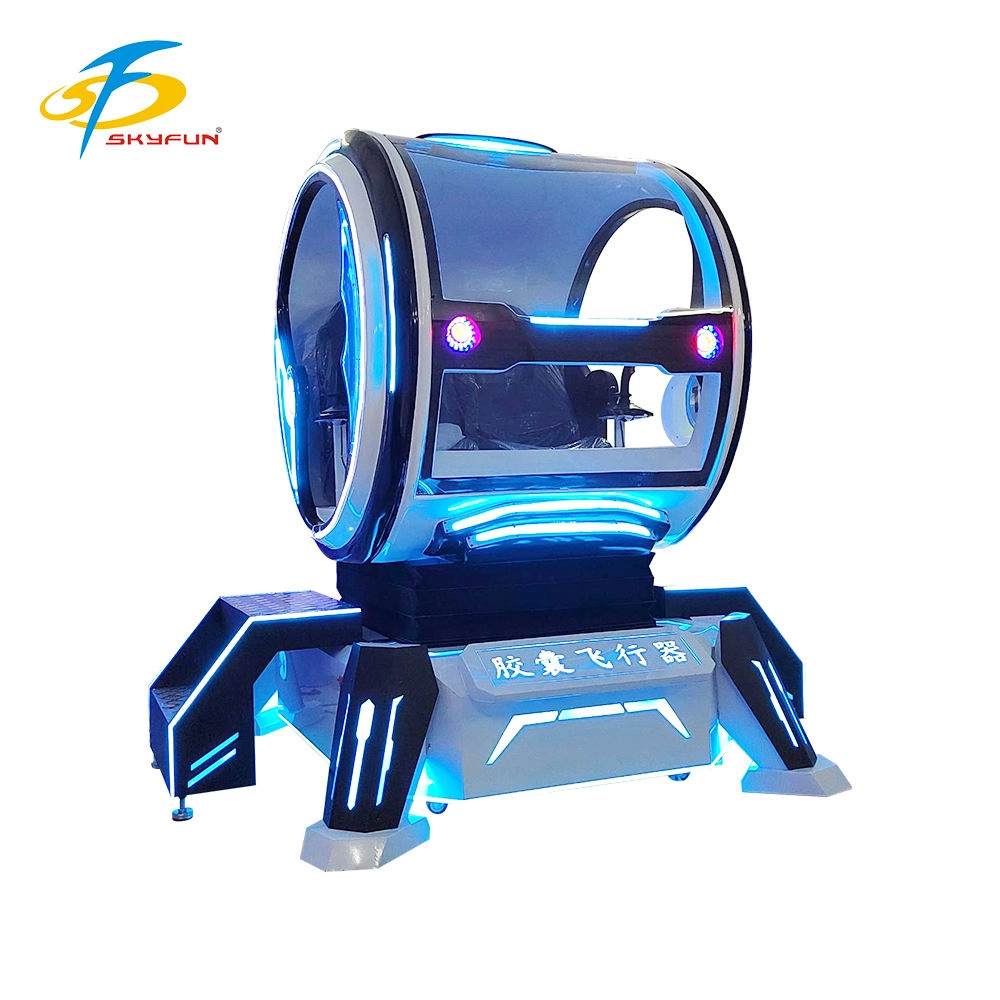
Double Player VR Flight Simulator 100 Movies 15 Games Coin-Operated Game Machine for Shopping Malls Amusement Parks
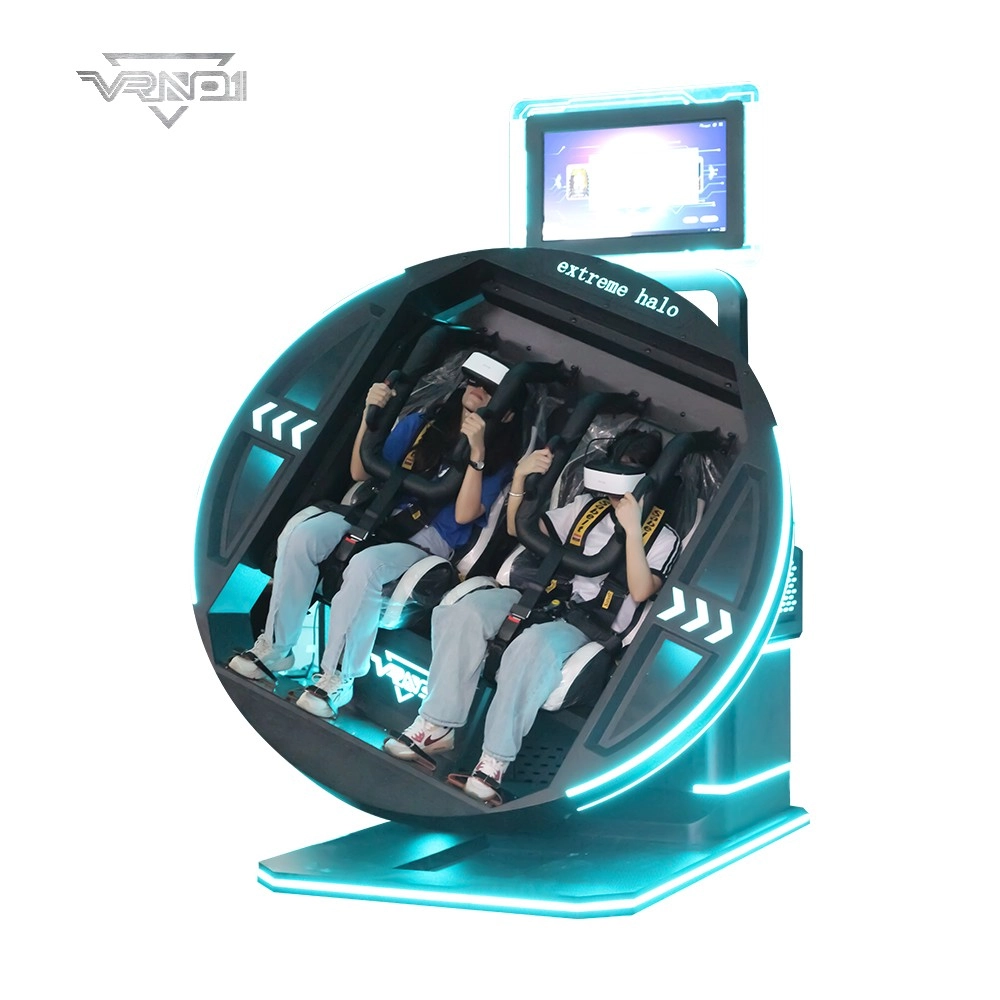
9D VR 360 Roller Coaster Cinema Chair Gaming Set Indoor/Outdoor Business Simulator Hardware for Home or School
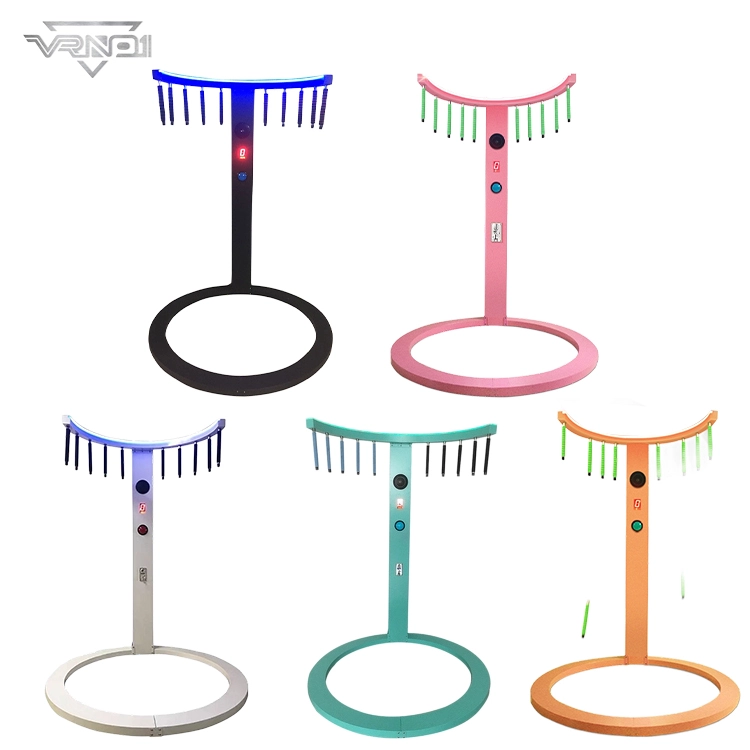
VRN0.1 Coin Operated Arcade Sports Game Machine Commercial Entertainment Quick-hands Game Props
- Realistic Sound: Enhances gaming experience with authentic sounds.
- Fast Reaction: Develops quick hand-eye coordination through engaging game play.
- DIY Kit: Allows for customization and personalization of the baton.
- Metal and Plastic Construction: Durable and robust build quality.
- Coin Operated: Fun for players who enjoy arcade-like experiences.
 Scan QR Code
Whatsapp: +8618127818571
Scan QR Code
Guangzhou Skyfun Technology Co.,Ltd
skyfunvrgame
skyfun game