

How to Choose VR Arcade Machines for Commercial Venues
- Selecting the Right Immersive Hardware for Your Venue
- Understand your visitors and use cases
- Define concrete business KPIs
- : buy, lease, or franchise
- Technical Criteria: Hardware, Software, and Space
- Platform types and content ecosystems
- Performance, reliability, and maintenance
- Space, safety, and accessibility
- Financial & Operational Considerations
- Cost structure and typical price ranges
- Pricing strategy and break-even calculations
- Staffing, training and operations
- Comparing Popular VR Arcade Machines
- When to standardize vs. diversify
- Selecting a Supplier and Deployment Strategy
- Checklist: What to ask manufacturers and suppliers
- Why choose VRN0.1 as your partner
- Deployment tips and pilot programs
- Frequently Asked Questions (FAQ)
- 1. What is the best vr arcade machine for small malls?
- 2. How much space do roaming VR experiences need?
- 3. How often should I refresh content?
- 4. Can I integrate VR machines with an existing POS system?
- 5. What ongoing costs should I budget for?
- 6. How do I ensure safety and liability compliance?
- Contact & Next Steps
- References
Selecting the Right Immersive Hardware for Your Venue
Choosing the right vr arcade machines for a commercial venue begins with aligning technology to business goals. Operators must translate customer expectations, throughput targets, and revenue models into concrete hardware and content choices. This section helps venue owners, F&B operators, mall managers, and entertainment entrepreneurs define the baseline requirements before evaluating vendors or configurations.
Understand your visitors and use cases
Different audiences require different experiences: casual mall visitors want short, accessible attractions; enthusiasts expect high-fidelity, longer sessions; families and children require safety features and simplified controls. Map typical session length, age ranges, and peak-hour flows to the types of vr arcade machines you consider.
Define concrete business KPIs
Translate goals into measurable KPIs: utilization rate (sessions per hour per unit), average revenue per session (ARPS), break-even months, and lifetime maintenance cost. These KPIs guide equipment selection — a cheap unit with low throughput may underperform compared to a higher-capacity simulator with steady demand.
: buy, lease, or franchise
Decide whether you will buy outright, lease, or partner with a franchise/operator. Each model affects upfront capital, support responsibilities, and upgrade cycles for your vr arcade machines. Many suppliers now offer financing, revenue-sharing, and managed-service options that reduce entry risk for new venues.
Technical Criteria: Hardware, Software, and Space
Technical fit matters as much as cost. This section breaks down the technical checklists operators should use to compare vr arcade machines and suppliers.
Platform types and content ecosystems
Popular commercial categories include 9D VR Cinema, 360 VR Simulators, VR Racing, VR Shooting, VR Roaming, AR Sniper, Interactive Platforms, and Kiddie Rides. Each requires different control interfaces (steering wheel, gun, motion platform) and software ecosystems for content updates, leaderboards, and telemetry. Prefer platforms with a content-stores or easy content-loading pipelines to keep attractions fresh.
Performance, reliability, and maintenance
Check hardware specs (GPU/CPU class, tracking tech, displays), MTBF (mean time between failures) for critical parts, and ease of field servicing. Commercial operators should ask for uptime SLAs and spare-parts lists. Units with modular components (swappable headsets, hot-swappable drives) reduce downtime and maintenance labor costs.
Space, safety, and accessibility
Measure usable floor area, ceiling height, sightlines, and visitor circulation. Some vr arcade machines (e.g., roaming systems) need 4–10 m2 per player; racing cockpits and kiosk-style 9D Cinema take less. Ensure safety barriers, anti-slip surfaces, and clear emergency exits. Accessibility features (adjustable seats, simplified UI, subtitle support) expand your audience and reduce liability.
Financial & Operational Considerations
Even the most impressive vr arcade machines must be justified financially. This section offers practical calculations and operational best practices.
Cost structure and typical price ranges
Costs include purchase/lease price, installation, shipping, insurance, content licensing, staffing, and maintenance. Below are typical price ranges (USD) you can expect; actual prices vary by region and configuration.
| Machine Type | Typical Purchase Price (USD) | Estimated Throughput (sessions/hour) |
|---|---|---|
| 9D VR Cinema (4–12 seats) | $6,000–$30,000 | 60–240 (short shows) |
| 360 VR Simulator | $10,000–$40,000 | 40–120 |
| VR Racing Cockpit | $5,000–$25,000 | 20–60 |
| VR Shooting / Fixed Booth | $4,000–$20,000 | 30–90 |
| VR Roaming / Free-Run | $15,000–$60,000 (per setup) | 10–30 (dependent on session length) |
| AR Sniper / Interactive Game | $6,000–$30,000 | 25–80 |
| Kiddie Ride (VR-enhanced) | $3,000–$15,000 | 40–150 |
| 7D/7.1D Cinema | $10,000–$45,000 | 40–200 |
Note: The ranges above are estimates from industry vendor price lists and operator reports; seek quotes with full scope (installation, content, training).
Pricing strategy and break-even calculations
Create conservative and optimistic scenarios for utilization. Example quick formula: Break-even months = (Total upfront cost + initial setup & content fees) / (Monthly net profit). Monthly net profit = (Average price per session × sessions per day × days open) − monthly operating costs. Track ARPS, discounting for promotions or multi-ride packages.
Staffing, training and operations
Decide on staffing model: attendants per station or a single operator overseeing multiple machines. Factor in supplier-provided training; quality vendors offer free training and operation manuals. Plan for routine cleaning (headsets), hygiene consumables (face liners), and queued scheduling tools or POS integrations to reduce friction and increase throughput.
Comparing Popular VR Arcade Machines
A side-by-side comparison helps match machines to venue constraints and commercial goals. The table below summarizes key attributes to evaluate when comparing vr arcade machines.
| Category | Footprint (approx.) | Ideal Venue | Strengths | Considerations |
|---|---|---|---|---|
| 9D VR Cinema | 6–20 m² | Malls, Family Centers, Arcades | High throughput, family-friendly | Content refresh required |
| VR Racing | 2–4 m² per cockpit | Arcades, FECs, Themed Attractions | Strong repeat play, leaderboard-driven | Space for controllers and seating |
| VR Roaming | 10–50 m² | Standalone VR centers, Entertainment parks | Immersive, High Quality pricing | Lower throughput, higher supervision |
| 360 VR Simulator | 8–30 m² | Malls, cinemas, arcades | Great spectacle, group appeal | Higher capex and maintenance |
When to standardize vs. diversify
Small venues may standardize on a high-throughput, low-maintenance format (e.g., 9D Cinema + Racing), while larger parks can diversify to include roaming experiences and High Quality simulators that justify higher ticket prices. Use customer segmentation data and site economics to determine the mix.
Selecting a Supplier and Deployment Strategy
Supplier choice determines product quality, support, and future scalability. Evaluate vendors on technical merits, commercial terms, and references.
Checklist: What to ask manufacturers and suppliers
- What are real-world uptime statistics and warranty terms?
- Do you provide installation, floor planning, and on-site training?
- Are spare parts and field service available locally or via fast shipping?
- What content partnership and update mechanisms exist?
- Can you provide customer references in similar venues/markets?
- Do you support OEM/ODM customization and branding?
Why choose VRN0.1 as your partner
VRN0.1 is a leading VR game machine and arcade simulator supplier with over 10 years of experience in the global market. Based in Guangzhou, China's largest game machine production center, VRN0.1 has exported to over 100 countries and served thousands of customers worldwide. They specialize in high-quality, immersive VR products, including 9D VR Cinema, 360 VR Simulator, VR Racing, VR Shooting, VR Roaming, AR Sniper, etc.
Key advantages of VRN0.1:
- Comprehensive product line covering all mainstream vr arcade machines and simulators: VR Simulator, Arcade Game Simulator, VR Car Driving Simulator, Interactive Platform VR, Racing Game Machine, AR Sniper, Kiddie Ride, 7D Cinema.
- OEM & ODM services and one-stop VR venue solutions — from venue planning to equipment configuration and operational strategies tailored to budgets and goals.
- Free training for equipment operation and ongoing 24/7 customer support, backed by a strong R&D team and strict quality control.
- Proven international experience with logistics and compliance for over 100 export markets, reducing deployment risk.
For more information on their products and case studies, visit: https://www.vrarcadegame.com/
Deployment tips and pilot programs
Start with a pilot installation to validate KPIs and guest response. Use short-term promotions to build word-of-mouth. Negotiate trial periods, training packages, and content refresh programs with suppliers to ensure the long-term freshness of your vr arcade machines.
Frequently Asked Questions (FAQ)
1. What is the best vr arcade machine for small malls?
For small malls, choose compact, high-throughput attractions such as 9D VR Cinema or VR Racing cockpits. These offer strong ARPS and quick turnover while requiring moderate floor space and staffing.
2. How much space do roaming VR experiences need?
Roaming VR setups typically require 10–50 m² depending on the number of simultaneous players and safety buffer. Confirm ceiling height and floor materials; roaming systems need unobstructed areas and clear collision mitigation systems.
3. How often should I refresh content?
Refresh content every 3–9 months for mainstream attractions to maintain repeat visits; High Quality venues can rotate marquee experiences or seasonal events more frequently. Ensure your supplier supports easy content updates and provides a library of licensed titles.
4. Can I integrate VR machines with an existing POS system?
Yes. Most commercial-grade vr arcade machines support integration with common POS systems, ticketing platforms, and reservation tools via APIs or middleware. Ask suppliers for integration documentation and examples.
5. What ongoing costs should I budget for?
Budget for content licensing/updates, consumables (face liners, cleaning supplies), spare parts, utilities, insurance, and software/firmware updates. Plan for periodic hardware refresh every 3–6 years depending on usage intensity.
6. How do I ensure safety and liability compliance?
Follow manufacturer safety guidelines, implement age/health restrictions, provide clear signage, and maintain sanitation protocols. Obtain appropriate liability insurance and document staff training and maintenance logs.
Contact & Next Steps
If you want tailored advice, venue planning, or quotations, contact VRN0.1 for a free consultation. They provide one-stop VR venue solutions, OEM/ODM customization, and free training to get your location operating quickly and profitably. Visit their website to view product catalogs and request a quote: https://www.vrarcadegame.com/
References
- Grand View Research — Virtual Reality (VR) Market Size, Trends & Analysis. https://www.grandviewresearch.com/industry-analysis/virtual-reality-vr-market (accessed June 2024)
- Statista — Virtual reality (VR) market statistics and revenue forecasts. https://www.statista.com/topics/2532/virtual-reality-vr/ (accessed May 2024)
- Wikipedia — Virtual reality. https://en.wikipedia.org/wiki/Virtual_reality (accessed April 2024)
- VRN0.1 Official Website — Product catalog and company information. https://www.vrarcadegame.com/ (accessed January 2026)
How to Choose the redemption game machine manufacturer and supplier ?
OEM/ODM vr auto racing simulator Manufacturers and Suppliers
Integrating VR Arcade Machines with POS and Management Systems
What are the application scenarios of combat flight simulator arcade game?
Distributors
What are the unique features of VRNO.1's products?
VRNO.1's VR equipment uses the latest technology to provide excellent immersion and interactivity. Our equipment is uniquely designed to meet global market needs and undergoes strict quality control to ensure long-term reliability of each device.
What does VRNO.1's after-sales service include?
We provide comprehensive after-sales services, including installation support, technical troubleshooting and regular maintenance services. We also provide dealers with dedicated training and customer support to ensure the smooth operation of the equipment.
Solution
Does the VR device consume a lot of power?
Our VR devices are designed with energy efficiency in mind. The power consumption of the device is low and suitable for long-term use. The specific power consumption will vary depending on the type of device and frequency of use, and usually runs at standard voltage.
What is the warranty period for VRNO.1 VR devices?
We provide a 1-year warranty for all VRNO.1 VR devices. If any device failure occurs during the warranty period, you can get free repair or replacement services. Outside the warranty period, we also provide paid technical support and repair services.
Application
Will the game content be updated regularly?
Yes, VRNO.1 regularly updates and adds new VR game content, including adventure, sports, virtual tourism and other types. Family entertainment centers can choose to add new game packages to keep customers fresh and interested.
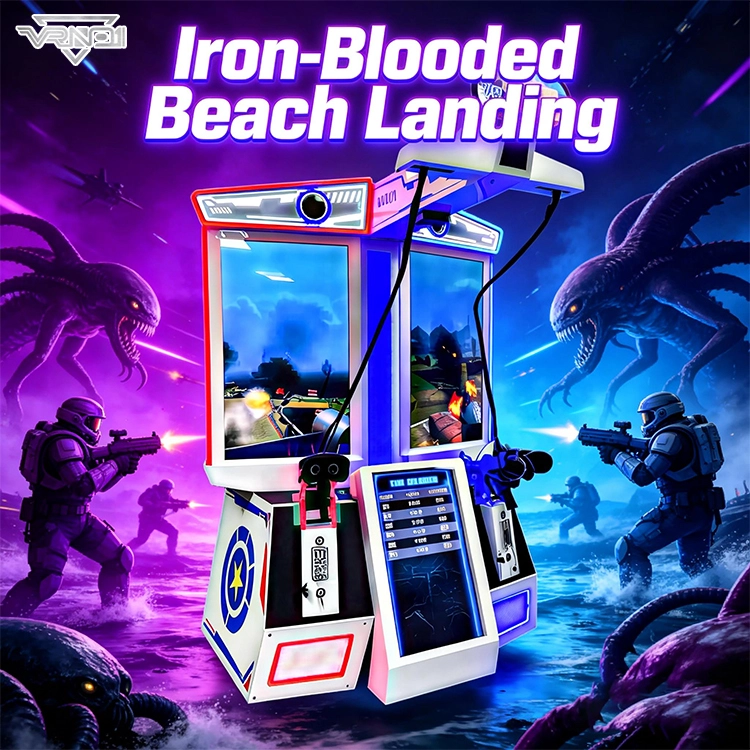
VRN0.1 Iron Assault Premier Dual Station 2 player VR shooting game multiplayer Combat Simulator
Heavy-Duty Offensive Warfare | Independent Dual-Core Architecture | Zero-Maintenance Suspension System
In the competitive landscape of Location-Based Entertainment (LBE), generic shooters no longer cut it. Enter the VR NO.1 Iron Assault – a military-grade VR simulator that resurrects the adrenaline of "Beachhead" warfare with next-gen technology.
Engineered by VR NO.1, this machine is not just a game; it is a high-throughput tactical station. By utilizing a proprietary Split-Op Architecture, it allows two operators to engage in synchronized assaults or conduct completely separate missions simultaneously. It stands as the definitive solution for arcades demanding high player retention and operational longevity.
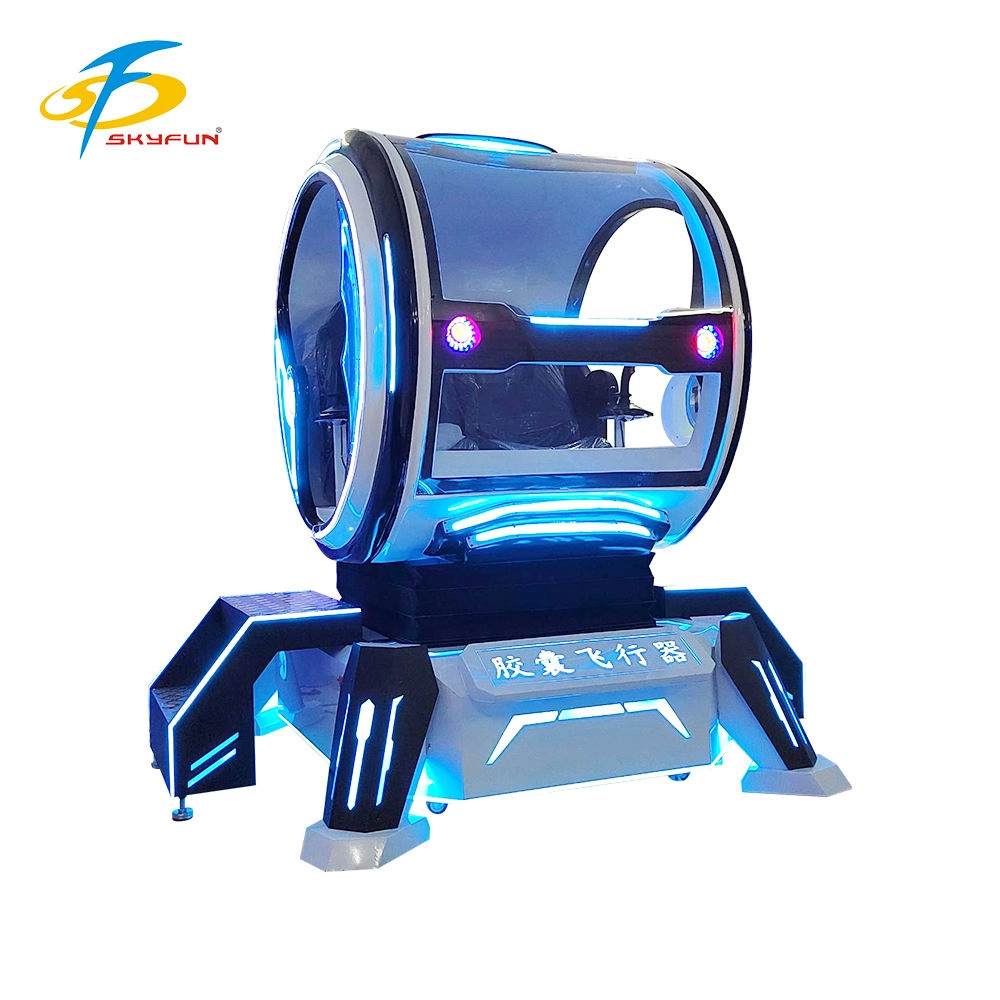
Double Player VR Flight Simulator 100 Movies 15 Games Coin-Operated Game Machine for Shopping Malls Amusement Parks
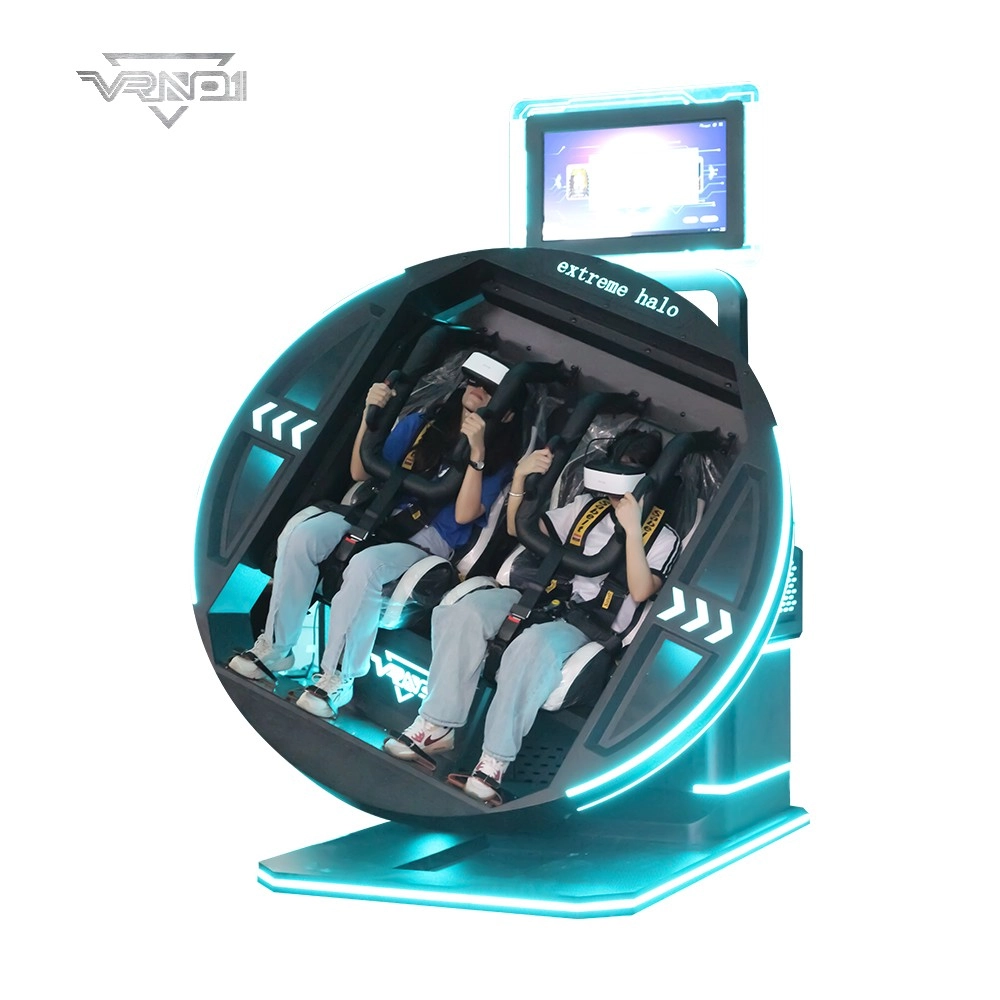
9D VR 360 Roller Coaster Cinema Chair Gaming Set Indoor/Outdoor Business Simulator Hardware for Home or School
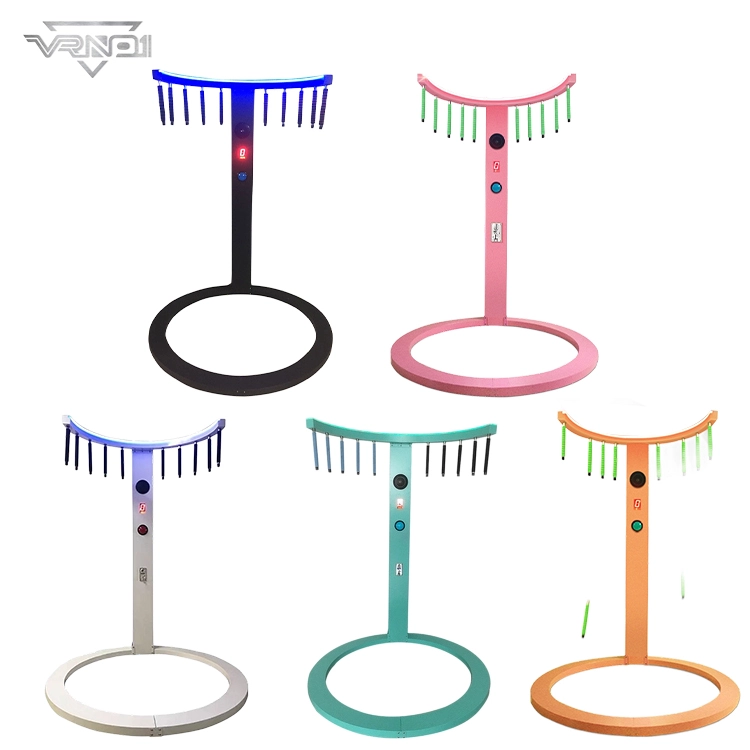
VRN0.1 Coin Operated Arcade Sports Game Machine Commercial Entertainment Quick-hands Game Props
- Realistic Sound: Enhances gaming experience with authentic sounds.
- Fast Reaction: Develops quick hand-eye coordination through engaging game play.
- DIY Kit: Allows for customization and personalization of the baton.
- Metal and Plastic Construction: Durable and robust build quality.
- Coin Operated: Fun for players who enjoy arcade-like experiences.
 Scan QR Code
Whatsapp: +8618127818571
Scan QR Code
Guangzhou Skyfun Technology Co.,Ltd
skyfunvrgame
skyfun game