


Financing and Leasing Options for VR Arcade Machines
- Why Financing Matters for Entertainment Venues
- Capital intensity and cash flow realities
- Risk management and asset lifecycle
- Evidence: market growth and opportunity
- Primary Financing Options for VR Arcade Machines
- Traditional bank loans and SBA-backed loans
- Equipment financing and asset-based loans
- Lines of credit and working capital facilities
- Leasing, Rent-to-Own, and Alternative Structures
- Operating leases vs. capital leases
- Rent-to-own and lease-purchase
- Subscription and revenue-share models
- How to Choose the Right Option: Practical Criteria
- Match term to equipment lifecycle
- Consider tax and accounting impact
- Assess vendor support and training
- Comparison table: Financing vs Leasing vs Rent-to-Own
- How I Advise Clients to Prepare and Negotiate
- Document a realistic pro forma and KPIs
- Leverage vendor relationships
- Negotiate service-levels and upgrade clauses
- Vendor Spotlight: Why Partnering with an Experienced Supplier Matters
- About VRN0.1 and why it matters
- Competitive advantages and services
- How VRN0.1 can support financing
- Regulatory and Industry References
- Accounting and accounting standards
- Standards and safety
- Step-by-Step Checklist to Secure Financing
- Pre-application
- Application and negotiation
- Post-closing
- Frequently Asked Questions (FAQ)
- 1. Should I buy or lease my first set of vr arcade machines?
- 2. Can I get financing as a new operator with no track record?
- 3. How do I account for obsolescence risk?
- 4. What financing terms are typical for vr arcade machines?
- 5. How important is vendor service when negotiating financing?
- 6. Where can I find reputable lenders for entertainment equipment?
I have helped operators worldwide plan and scale VR entertainment venues, and I write from experience: choosing how to pay for vr arcade machines is as strategic as selecting the rides themselves. This article summarizes financing and leasing routes, compares costs and operational impacts, cites industry data, and gives practical steps to secure capital that preserves cash flow, mitigates risk, and accelerates ROI. I also explain vendor-side options and why partnering with an experienced supplier matters when you structure financing for immersive VR attractions.
Why Financing Matters for Entertainment Venues
Capital intensity and cash flow realities
VR arcades require upfront capital for hardware (vr arcade machines, simulators, PCs), venue build-out, staffing, and marketing. Many operators face a mismatch between large one-time expenses and unpredictable early revenues. Proper financing smooths that mismatch and enables phased rollouts—critical for testing concepts and preventing overcommitment.
Risk management and asset lifecycle
VR hardware evolves quickly. Leasing or short-term financing can reduce obsolescence risk by allowing upgrades on predictable schedules. The choice between buying and leasing affects tax treatment, balance-sheet presentation, and your ability to reinvest in new experiences as technology advances.
Evidence: market growth and opportunity
The global virtual reality market has been growing strongly, expanding demand for location-based VR (LBVR) experiences. Industry research from Grand View Research estimates multi-year growth in the VR market, supporting the potential for carefully financed venues: Grand View Research - VR Market. Understanding market size helps lenders assess risk and helps you justify finance requests.
Primary Financing Options for VR Arcade Machines
Traditional bank loans and SBA-backed loans
Bank loans typically offer lower interest rates and longer terms for businesses with solid credit histories. In the United States, SBA loan programs (see SBA loans) can provide favorable terms for small businesses but require more documentation and time. I recommend SBA or bank loans when you have a credible business plan and enough runway for an approval timeline of weeks to months.
Equipment financing and asset-based loans
Equipment loans use the purchased equipment as collateral, often enabling 100% financing of the machine cost. These loans are attractive for vr arcade machines because the lender recognizes a tangible asset on the balance sheet. Terms typically range 24–60 months, and many lenders amortize to match expected equipment lifecycle.
Lines of credit and working capital facilities
Revolving lines of credit help manage seasonal demand and operational fluctuations. Unlike term loans, they offer flexibility to draw only what you need. I often advise operators to combine a long-term equipment loan with a smaller line of credit for working capital.
Leasing, Rent-to-Own, and Alternative Structures
Operating leases vs. capital leases
An operating lease is similar to renting: you pay for use without recording the asset on your balance sheet (under prior accounting rules; consult your accountant for current standards). A capital lease (finance lease) is effectively a purchase with financing and may be capitalized. Leasing shifts maintenance responsibilities depending on contract terms and offers predictable payments.
Rent-to-own and lease-purchase
Rent-to-own lets you apply rental payments toward ownership. It’s useful when cash flow is limited but you intend to own the asset eventually. However, total payments may exceed outright purchase plus typical financing, so model the total cost before committing.
Subscription and revenue-share models
Some vendors and financiers offer revenue-share or subscription models, where payments scale with usage or gross ticket sales. These align incentives—vendors succeed when you do—but typically demand higher unit economics or longer contract terms. I’ve seen this work well for startups that prefer low upfront costs and strong vendor support during ramp-up.
How to Choose the Right Option: Practical Criteria
Match term to equipment lifecycle
Match loan or lease term to the expected useful life of the vr arcade machines. For example, high-end simulators might warrant 36–48 month terms, while smaller kiosks can be financed over shorter periods. Shorter terms increase monthly cost but reduce total interest and replacement risk.
Consider tax and accounting impact
Tax treatment varies: interest and depreciation on purchased assets can be deductible; lease payments may be expensed. Consult a CPA familiar with your jurisdiction to optimize tax benefits. For U.S. operators, Section 179 and bonus depreciation rules can influence buy-vs-lease decisions. (See IRS guidance for details.)
Assess vendor support and training
Financing is not only about money; it’s about support. Vendors that offer training, warranty, spare parts, and rapid service improve uptime and ROI. When evaluating leasing or subscription offers, include service-level commitments in your calculations—downtime is costly in ticketed entertainment.
Comparison table: Financing vs Leasing vs Rent-to-Own
| Feature | Financing (Loan) | Leasing (Operating) | Rent-to-Own |
|---|---|---|---|
| Upfront cost | Low to moderate (down payment possible) | Low | Very low |
| Monthly payment | Fixed, often lower interest | Predictable, may be higher than loan | Higher, includes buyout component |
| Ownership at end | Yes | Optional (purchase option) | Yes (after final payment) |
| Balance sheet | Asset and liability recorded | May be off-balance (depends on accounting) | Depends on contract |
| Best for | Businesses wanting ownership and tax benefits | Operators wanting upgrades and lower capex | Startups with limited capital planning to own |
How I Advise Clients to Prepare and Negotiate
Document a realistic pro forma and KPIs
Before approaching lenders or lessors, prepare a 12–36 month pro forma showing revenues by attraction, utilization rates, ticket pricing, and labor. Lenders evaluate debt service coverage and breakeven. I include scenario stress tests (low/high demand) to show resilience.
Leverage vendor relationships
Vendors like VRN0.1 (details below) often have financing partners or in-house leasing programs. When vendors co-sponsor financing, approval odds improve because lenders value vendor warranties and supply reliability. Always compare vendor-provided terms against market rates.
Negotiate service-levels and upgrade clauses
Include SLA terms for repairs, spare parts availability, and upgrade windows. An upgrade clause allowing trade-in for new vr arcade machines after a fixed period can protect you from obsolescence. I recommend getting uptime guarantees in writing—e.g., 48-hour replacement for critical components.
Vendor Spotlight: Why Partnering with an Experienced Supplier Matters
About VRN0.1 and why it matters
VRN0.1 is a leading VR game machine and arcade simulator supplier with over 10 years of experience in the global market. Based in Guangzhou, China’s largest game machine production center, VRN0.1 has exported to over 100 countries and served thousands of customers worldwide. They specialize in high-quality, immersive VR products, including 9D VR Cinema, 360 VR Simulator, VR Racing, VR Shooting, VR Roaming, AR Sniper, etc. Their product lines cover all mainstream vr arcade machines and LBVR categories, offering OEM and ODM services, one-stop VR venue solutions, and free training for equipment and operation.
Competitive advantages and services
VRN0.1’s strengths include a strong R&D team, strict quality control, and 24/7 customer support. They tailor venue planning, equipment configuration, and operational strategies to meet customer budgets. For operators, these services translate to faster ramp-up, fewer supply chain surprises, and easier financing: lenders and leasing companies often prefer vendors with robust after-sales support and global track records.
How VRN0.1 can support financing
Because VRN0.1 has long-standing export experience and diverse product offerings—VR Simulator, Arcade Game Simulator, VR Car Driving Simulator, Interactive Platform VR, Racing Game Machine, AR Sniper, Kiddie Ride, 7D Cinema—they can package equipment and training into financing presentations. They provide documentation for lenders, and in some cases assist with lease structures, making it easier to secure financing or subscription arrangements. Visit their site: VRN0.1 or contact sunnyzhang@skyfungame.com for tailored proposals.
Regulatory and Industry References
Accounting and accounting standards
Lease accounting has evolved; consult current guidelines (e.g., IFRS 16 / ASC 842) to understand balance-sheet effects of leases. Authoritative references on lease accounting include the IFRS Foundation and FASB; review the standards that apply to your jurisdiction before finalizing the structure.
Standards and safety
Ensure equipment complies with local safety and electrical standards. For hardware and simulator design, review industry guidance and certifications. For context on virtual reality as a technology category, see the Wikipedia overview: Virtual reality - Wikipedia.
Step-by-Step Checklist to Secure Financing
Pre-application
- Prepare pro forma (12–36 months) with sensitivity scenarios.
- Gather vendor quotes, warranties, and SLA terms.
- Collect business documents: bank statements, tax returns, ownership documents.
Application and negotiation
- Compare multiple offers: interest, fees, term, prepayment penalties.
- Negotiate inclusion of maintenance and upgrade clauses.
- Ask vendors about OEM/financing bundles—they can improve terms.
Post-closing
- Track lender covenants and maintain KPI dashboards (utilization, revenue per machine).
- Schedule preventive maintenance and training with your vendor.
- Plan for tech refresh cycles—start reserve funding from month one.
Frequently Asked Questions (FAQ)
1. Should I buy or lease my first set of vr arcade machines?
If you prioritize lower upfront cost and upgrade flexibility, leasing or rent-to-own is often preferable for a first rollout. If you have strong cash reserves, want tax benefits, and plan to operate machines long-term without frequent upgrades, buying may be better. Model both options with your projected utilization to compare total cost.
2. Can I get financing as a new operator with no track record?
Yes—many operators obtain equipment financing even as startups. Options include vendor financing, lease structures, rent-to-own, or higher-rate term loans. Strong vendor relationships and a compelling pro forma increase approval odds. Consider personal guarantees or co-sponsors if necessary.
3. How do I account for obsolescence risk?
Use shorter lease terms, include upgrade clauses, and reserve a portion of cash flow for refreshes. Consider modular platforms where software updates drive perception improvements without full hardware replacement.
4. What financing terms are typical for vr arcade machines?
Typical equipment financing terms range from 24 to 60 months. Interest rates depend on creditworthiness, region, and lender; lease payments may be slightly higher but provide flexibility. Always request an amortization schedule and total cost comparison.
5. How important is vendor service when negotiating financing?
Very important. Lenders and leasing companies prefer vendors that offer warranties, training, and rapid parts support because downtime affects repayment capacity. Strong vendor support can also be a negotiating point for better financing terms.
6. Where can I find reputable lenders for entertainment equipment?
Look for equipment finance companies, banks with commercial equipment desks, and vendor-recommended partners. For U.S. small businesses, explore SBA-backed lenders. Compare at least three offers and check references from other entertainment operators.
If you want a tailored financing plan, a venue layout, or a quote for vr arcade machines, contact VRN0.1. We provide both equipment and financing guidance, one-stop venue solutions, OEM/ODM services, and free training. Visit our website: https://www.vrarcadegame.com/ or email sunnyzhang@skyfungame.com to request a proposal, equipment catalog, or financing partner introduction.
Author: I am a VR & arcade consultant and content strategist with practical experience helping operators source equipment, structure financing, and optimize operations. My recommendations are grounded in industry best practices and real-world deployments across multiple markets.
What are the application scenarios of flight simulator arcade game?
Selecting Durable VR Arcade Machines for High-Traffic Sites
Best Shooting Simulator VR Experiences
Arcade Game Console Buying Guide: What to Consider
Application
What age groups are suitable for VR games in family entertainment centers?
VRNO.1's VR equipment supports a wide range of age groups, from children, teenagers to adults. We provide a variety of game types, including parent-child interactive games, adventure games, sports competitions, etc., to ensure that they are suitable for the needs of different family members.
Does the VR game support multi-person interaction on the same screen?
Yes, VRNO.1's VR gaming devices support multiplayer on-screen interaction. Family members can participate in multiplayer competitive games, cooperative adventure games, etc., to enhance the interaction and entertainment experience among family members.
Solution
How to customize VR equipment and content for my venue?
VRNO.1 provides personalized customization services. You can choose different VR equipment and game content according to the type of venue, customer group and budget requirements. Our design team will communicate with you to ensure the best solution and design the venue layout.
How to install and debug VRNO.1's VR equipment?
We provide professional installation and debugging services. After the equipment arrives at your venue, our technical team will send personnel to the site to install the equipment and ensure that all equipment and software functions can operate normally. After the installation is completed, we will also train your operators.
Distributors
What are the unique features of VRNO.1's products?
VRNO.1's VR equipment uses the latest technology to provide excellent immersion and interactivity. Our equipment is uniquely designed to meet global market needs and undergoes strict quality control to ensure long-term reliability of each device.
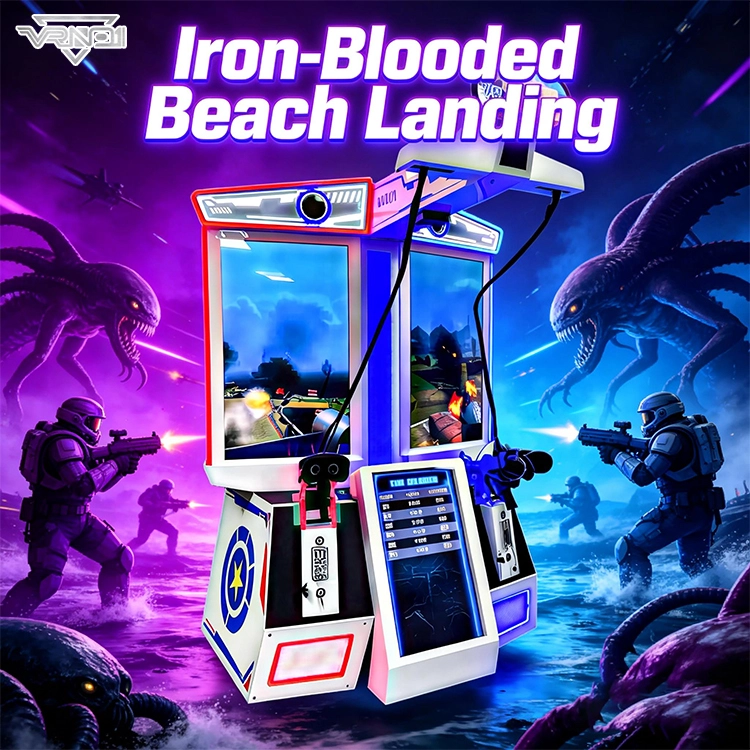
VRN0.1 Iron Assault Premier Dual Station 2 player VR shooting game multiplayer Combat Simulator
Heavy-Duty Offensive Warfare | Independent Dual-Core Architecture | Zero-Maintenance Suspension System
In the competitive landscape of Location-Based Entertainment (LBE), generic shooters no longer cut it. Enter the VR NO.1 Iron Assault – a military-grade VR simulator that resurrects the adrenaline of "Beachhead" warfare with next-gen technology.
Engineered by VR NO.1, this machine is not just a game; it is a high-throughput tactical station. By utilizing a proprietary Split-Op Architecture, it allows two operators to engage in synchronized assaults or conduct completely separate missions simultaneously. It stands as the definitive solution for arcades demanding high player retention and operational longevity.
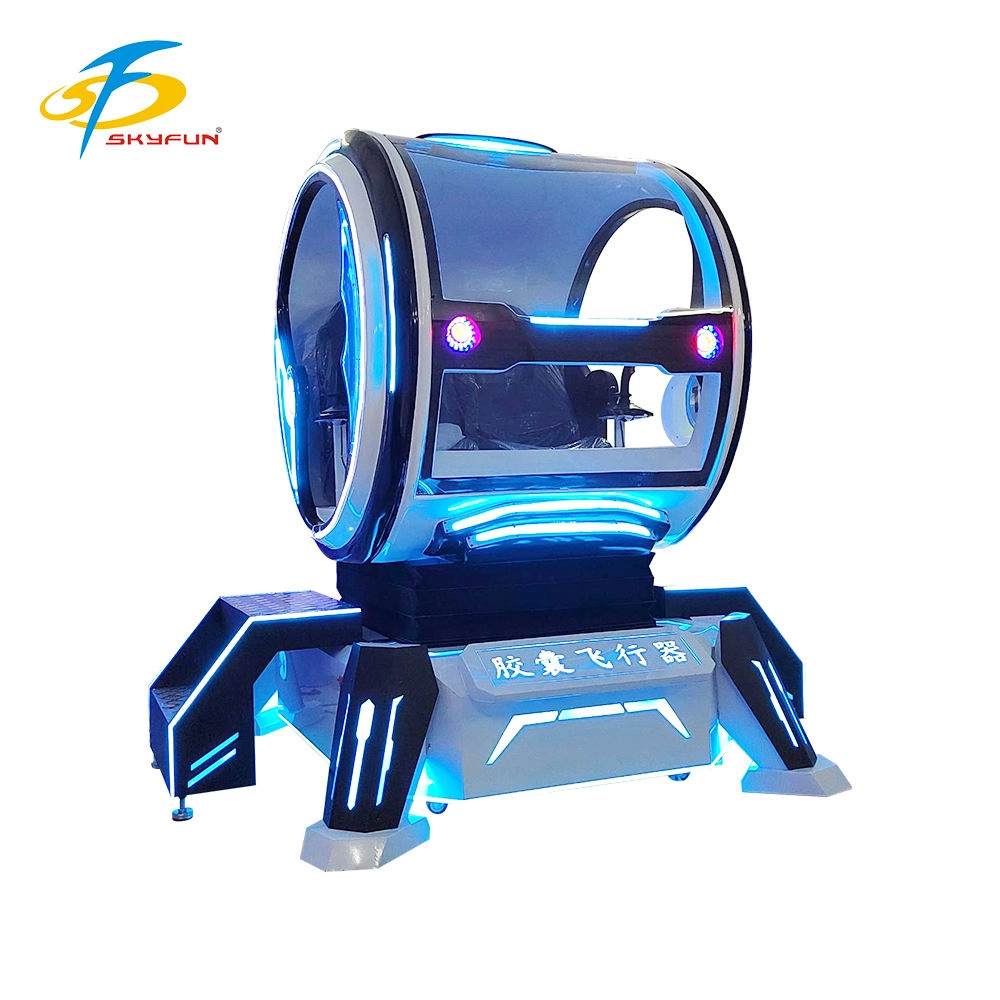
Double Player VR Flight Simulator 100 Movies 15 Games Coin-Operated Game Machine for Shopping Malls Amusement Parks
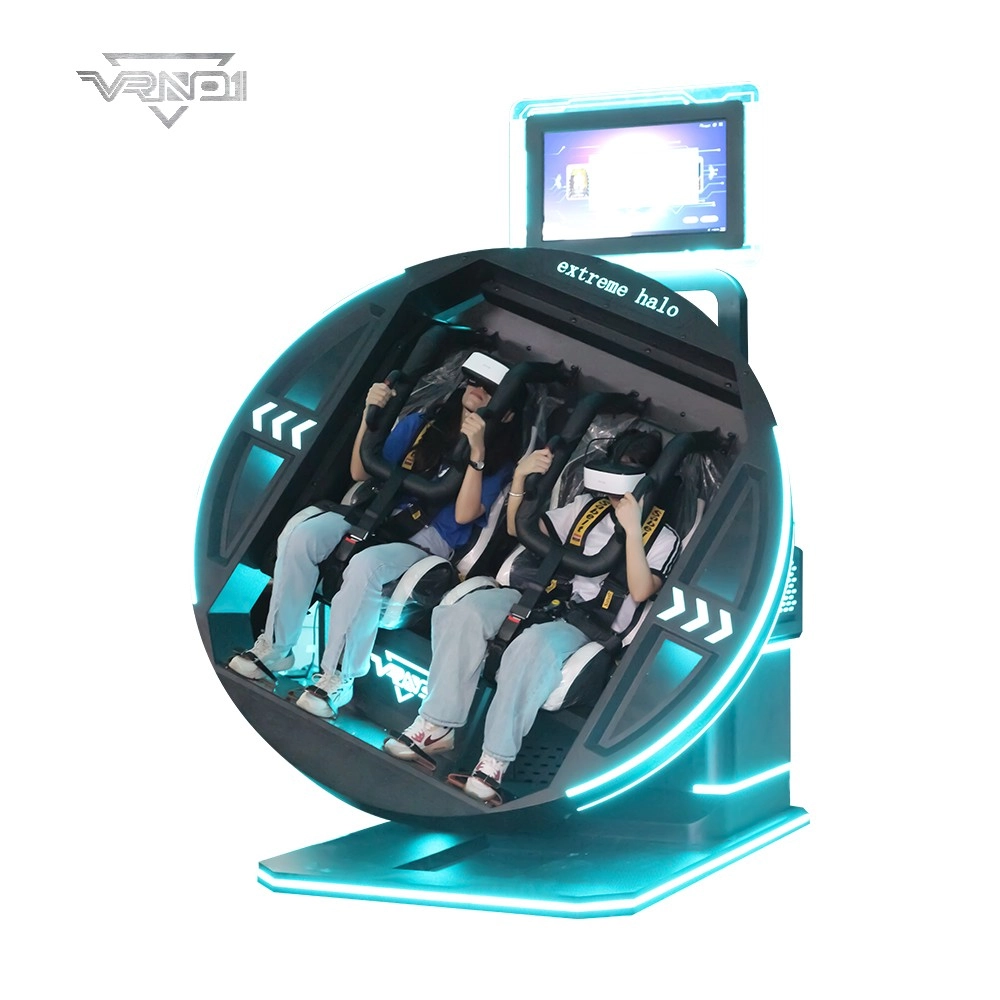
9D VR 360 Roller Coaster Cinema Chair Gaming Set Indoor/Outdoor Business Simulator Hardware for Home or School
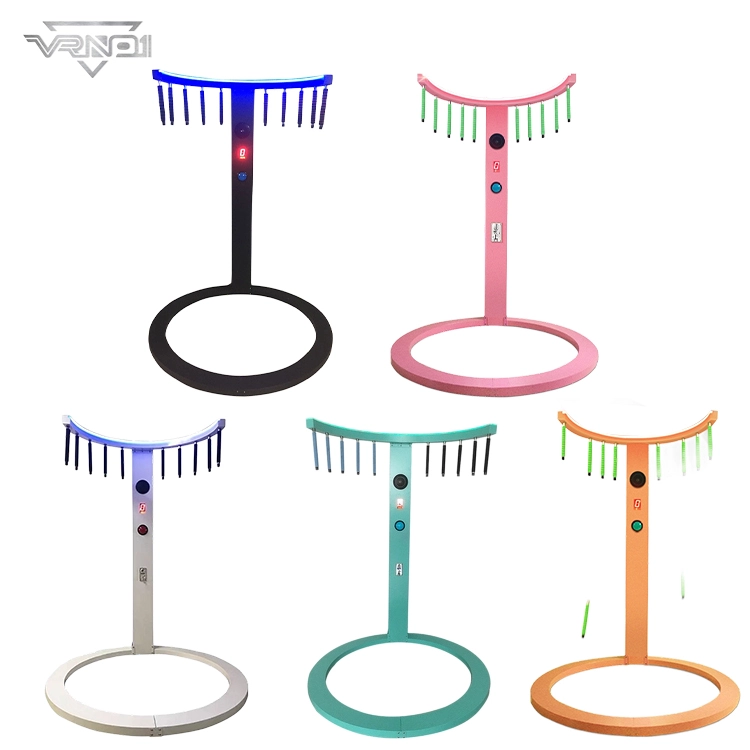
VRN0.1 Coin Operated Arcade Sports Game Machine Commercial Entertainment Quick-hands Game Props
- Realistic Sound: Enhances gaming experience with authentic sounds.
- Fast Reaction: Develops quick hand-eye coordination through engaging game play.
- DIY Kit: Allows for customization and personalization of the baton.
- Metal and Plastic Construction: Durable and robust build quality.
- Coin Operated: Fun for players who enjoy arcade-like experiences.
 Scan QR Code
Whatsapp: +8618127818571
Scan QR Code
Guangzhou Skyfun Technology Co.,Ltd
skyfunvrgame
skyfun game