


Installation and Space Planning for VR Simulator Machines
- Assessing Site Requirements for Immersive Entertainment
- Understanding user flow and capacity planning
- Regulatory and safety standards to review
- Power, HVAC and network infrastructure
- Installation Steps for VR Simulators Machine
- Pre-installation checklist
- Physical installation and anchoring
- Testing, calibration and acceptance
- Space Planning and Layout Strategies
- Clearance, sightlines and user comfort
- Zoning: active, spectator and back-of-house areas
- Accessibility and ADA compliance
- Operational Considerations, Maintenance and ROI
- Routine maintenance and downtime prevention
- Staff training and safety procedures
- Measuring performance and optimizing revenue per square meter
- Comparison: Typical Space & Power Needs by VR Simulator Type
- Vendor Selection, Warranty and Compliance
- Choosing a supplier and verifying credentials
- Warranty, spare parts and global support
- Data, privacy and software licensing
- VRN0.1 — Venue Solutions and Competitive Advantages
- FAQ — Common Questions about Installing and Planning VR Simulators machine
- 1. What minimum floor space do I need for a single VR Simulators machine?
- 2. How much electrical power should I provision per unit?
- 3. Are free-roam VR arenas more profitable than cockpit experiences?
- 4. What safety measures should I implement for motion sickness or falls?
- 5. How do I keep VR headsets hygienic between users?
- 6. Where can I find manufacturer specs and global installation guidance?
- Contact & Next Steps
For owners, designers and operators of VR entertainment venues, precise installation and space planning for VR Simulators machine is critical to safety, user experience and profitability. This article synthesizes industry standards, practical dimensional guidance, power and network requirements, and operational best practices to help you plan, install and operate immersive VR machines effectively—citing authoritative sources and manufacturer-grade recommendations to enable replicable, verifiable decisions for venue layout and equipment selection.
Assessing Site Requirements for Immersive Entertainment
Understanding user flow and capacity planning
Start by modeling peak usage: expected session length, throughput per machine and queuing space. For example, a 5–10 minute VR Racing or Shooting session will demand faster turnover than a 10–20 minute VR Roaming or 9D Cinema experience. Use simple formulas: Required machines = (peak daily customers × average sessions per customer) / (operational hours × sessions per hour per machine). Trackable KPIs (throughput, average dwell time, conversion rate) let you refine layout over time.
Regulatory and safety standards to review
Confirm local building codes, fire egress widths and electrical permitting. Accessibility and clearance considerations should follow authoritative guidance such as the ADA Standards for Accessible Design (see ADA 2010 Standards) and local fire codes (e.g., NFPA). For general context on virtual reality technology and safety considerations, see the overview at Wikipedia: Virtual reality.
Power, HVAC and network infrastructure
Plan dedicated circuits for power-hungry simulators (especially motion-base racing rigs and cinema platforms). Typical arcade VR units require single-phase 220–240V, 10–20A circuits; some motion platforms may need 30A. Reserve UPS or surge protection for PCs and networking equipment. Ensure robust wired Ethernet (Gigabit) to each console or reliable Wi‑Fi with enterprise-grade access points to avoid latency. HVAC must keep CPU and GPU heat manageable — aim for ambient server-room thinking in dense clusters.
Installation Steps for VR Simulators Machine
Pre-installation checklist
Before arrival of the machine: confirm floor load capacity (especially for motion platforms), door clearances for equipment entry, number and location of dedicated power outlets, network drops and a clean flat mounting surface. Document measurements and mark anchor points on the floor plan.
Physical installation and anchoring
Follow manufacturer's installation manual for anchoring motion bases and large platforms. For fixed kiosks, use anti-tip brackets and vibration-isolating pads if required. When installing racing cockpits and driving simulators, position them to allow cable chases and service access from the rear or side panels (not obstructing public walkways).
Testing, calibration and acceptance
After physical setup, perform electrical testing, network latency checks, and calibration of tracking systems (inside-out or outside-in). Use a standard acceptance checklist: tracking accuracy within manufacturer tolerance, audio levels balanced, emergency-stop and sensor interlocks functioning, and VR content launching and exiting cleanly. Log results and capture baseline photos for warranty records.
Space Planning and Layout Strategies
Clearance, sightlines and user comfort
Provide adequate space per user to avoid collisions with equipment and bystanders. For tethered room-scale setups allow a minimum of 2 m × 2 m (6.6 ft × 6.6 ft) of clear play area for one user; for motion-base simulators the envelope is primarily determined by the platform footprint plus service clearance. Keep spectator areas separated by rails or low barriers for safety and to create High Quality viewing zones. When planning sightlines, consider raised platforms for 9D VR Cinema viewers to improve visibility.
Zoning: active, spectator and back-of-house areas
Divide the venue into active zones (where VR Simulators machine are located), spectator/viewing zones, queuing and merchandising, and staff-only back-of-house (maintenance, spare parts, office). Effective zoning reduces cross-traffic and improves throughput. Use signage and floor markings to guide users and avoid encroachment onto active play areas.
Accessibility and ADA compliance
Ensure at least one accessible unit or adapted experience in your lineup when possible. ADA guidance specifies minimum passage widths (e.g., 36 inches / 915 mm) for accessible routes and clear turning spaces; review the ADA Standards for specifics. Consider transfer platforms, adjustable seating and staff assistance policies to expand customer reach.
Operational Considerations, Maintenance and ROI
Routine maintenance and downtime prevention
Create a preventative maintenance schedule: daily checks (headset hygiene, cable routing), weekly checks (sensor calibration, power connections), monthly checks (firmware updates, mechanical wear). Track Mean Time Between Failures (MTBF) for critical components and keep a stocked parts kit (headset face cushions, straps, spare HDMI/DP/USB cables, fuses).
Staff training and safety procedures
Train attendants to help users don headsets, to perform basic troubleshooting, and to enforce safety zones. Establish emergency stop procedures and quick user exit protocols. Staff should be trained on sanitization best practices for headsets (approved wipes, UV sanitizers) and on how to handle motion sickness incidents.
Measuring performance and optimizing revenue per square meter
Track utilization, average session revenue, and ancillary sales. Use yield optimization: locate fast-turnover machines near entrances, offer High Quality experiences (motion-base racing, private roaming) in dedicated rooms, and cross-sell photo/video add-ons. Retail displays and comfortable waiting areas improve dwell time and secondary spend.
Comparison: Typical Space & Power Needs by VR Simulator Type
| Simulator Type | Typical Footprint (L×W) | Recommended Clearance | Power (approx.) | Typical Install Time |
|---|---|---|---|---|
| 9D VR Cinema | 3–6 m² per seat | 2 m aisle | 1–2 kW per row | 1–2 days |
| 360 VR Simulator / Dome | 9–20 m² (depending on dome) | 2–3 m clearance | 2–5 kW | 2–4 days |
| VR Racing (motion cockpit) | 2–4 m² per unit | 1–1.5 m service access | 1–3 kW | 1 day |
| VR Shooting / Booth | 3–6 m² | 1–2 m spectator/wait | 0.5–1.5 kW | 0.5–1 day |
| VR Roaming (free-roam) | 20–200 m² per arena | Dedicated ingress/egress lanes | 3–10 kW (centralized) | several days – 2 weeks |
Notes: values are indicative and vary by manufacturer, hardware spec and local code. For product-level specifications refer to manufacturer datasheets (e.g., VRN0.1 product pages at vrarcadegame.com).
Vendor Selection, Warranty and Compliance
Choosing a supplier and verifying credentials
Evaluate suppliers by experience, installed base, R&D capability and after-sales support. Look for suppliers with documented exports and venue projects, robust QA processes and international certifications. Independent market reports from industry research firms (example: Grand View Research) can help validate growth assumptions and vendor scale.
Warranty, spare parts and global support
Confirm warranty length, coverage terms (on-site, parts and labor), lead times for spare parts, and availability of remote diagnostics. For international venues, ask about local partners or rapid shipping options to minimize downtime.
Data, privacy and software licensing
Review software license terms for content, user data policies and analytics used by VR platforms. Ensure compliance with local data protection laws where user data (photos, play logs) is stored or transmitted. Request documentation on how vendors handle updates and content licensing.
VRN0.1 — Venue Solutions and Competitive Advantages
VRN0.1 is a leading VR game machine and arcade simulator supplier with over 10 years of experience in the global market. Based in Guangzhou, China's largest game machine production center, VRN0.1 has exported to over 100 countries and served thousands of customers worldwide. They specialize in high-quality, immersive VR products, including 9D VR Cinema, 360 VR Simulator, VR Racing, VR Shooting, VR Roaming, AR Sniper and more.
Key differentiators:
- Comprehensive product line covering mainstream VR arcade categories (VR Simulator, Arcade game simulator, VR car driving simulator, Interactive Platform VR, Racing Game Machine, AR Sniper, Kiddie Ride, 7D Cinema).
- OEM & ODM capabilities and one-stop VR venue solutions, including free training for equipment and operation.
- Strong R&D team and strict quality control: design-to-production workflows minimize defects and accelerate time-to-market.
- 24/7 customer support and tailored venue planning: VRN0.1 provides equipment configuration, operational strategies and budget-aligned solutions.
For detailed product specs and case studies, visit VRN0.1 or contact the sales team at sunnyzhang@skyfungame.com. VRN0.1's vision is to become the world's leading VR & arcade machine manufacturer by combining innovation, reliability and customer satisfaction.
FAQ — Common Questions about Installing and Planning VR Simulators machine
1. What minimum floor space do I need for a single VR Simulators machine?
It depends on the type: tethered room-scale experiences typically need at least 2 m × 2 m of clear space; motion-base racing rigs require the platform footprint plus 1–1.5 m service clearance. Refer to the product datasheet for exact dimensions and the comparison table above for typical estimates.
2. How much electrical power should I provision per unit?
Most arcade VR units consume between 0.5–3 kW depending on motion systems and peripherals. Provide dedicated circuits and account for peak loads; consult your vendor’s electrical specification and local electrician to size breakers and detect overloads.
3. Are free-roam VR arenas more profitable than cockpit experiences?
Free-roam arenas have higher throughput per event and can command High Quality pricing for exclusive sessions, but they require larger upfront space, more complex tracking infrastructure and higher staffing. Cockpit experiences are denser per sqm and simpler to operate. Profitability depends on location, customer mix and ancillary revenue strategies.
4. What safety measures should I implement for motion sickness or falls?
Implement clear pre-ride warnings, provide staff supervision, restrict certain experiences for those with specific medical conditions, and maintain an unobstructed safety zone. Ensure emergency stop systems are accessible and attendants are trained to assist quickly.
5. How do I keep VR headsets hygienic between users?
Use replaceable face cushions, approved disinfectant wipes, or UV sanitizers where applicable. Follow manufacturer cleaning instructions to avoid degrading foam or electronics. Log cleaning frequency to maintain customer confidence.
6. Where can I find manufacturer specs and global installation guidance?
Start with the vendor’s official website and installation manuals; for regulatory guidance consult the ADA Standards (ada.gov) and local building/fire authorities. Industry market context can be found at sources like Grand View Research.
Contact & Next Steps
If you’re planning a VR venue or upgrading an arcade, VRN0.1 offers turnkey planning, equipment configuration and free training to get you operational quickly. Visit https://www.vrarcadegame.com/ or email sunnyzhang@skyfungame.com for a tailored quote, floor-plan consultation and product catalog. Our team can provide site-specific layouts, ROI estimates and installation timelines to match your budget and audience.
How to Choose a VR Simulator for Your Arcade Business
Best vr car racing simulator manufacturers and supplier brands in us
Top 10 Boxer Game Machines for Arcades and VR Centers: Buyer's Guide & Comparisons
Everything You Need to Know About vr 360 flight simulator
Application
What age groups are suitable for VR games in family entertainment centers?
VRNO.1's VR equipment supports a wide range of age groups, from children, teenagers to adults. We provide a variety of game types, including parent-child interactive games, adventure games, sports competitions, etc., to ensure that they are suitable for the needs of different family members.
Solution
What is the warranty period for VRNO.1 VR devices?
We provide a 1-year warranty for all VRNO.1 VR devices. If any device failure occurs during the warranty period, you can get free repair or replacement services. Outside the warranty period, we also provide paid technical support and repair services.
Does VRNO.1 provide transportation services for VR devices?
VRNO.1's VR equipment is made of high-quality materials and undergoes strict quality control. The service life of the equipment is usually more than 5 years, depending on the frequency of use and maintenance of the equipment. Regular care and maintenance can extend the service life of the equipment.
Products
What types of virtual reality solutions do you offer?
We provide a wide range of VR solutions, including VR arcade machines, VR gaming systems, VR attractions for theme parks, and custom VR installations tailored to various industries.
How does VRNO.1’s VR technology work?
Our VR systems use advanced headsets, motion tracking, and interactive controls to create an immersive, 360-degree experience. Players can engage with digital environments in real time, simulating real-world and fantastical scenarios.
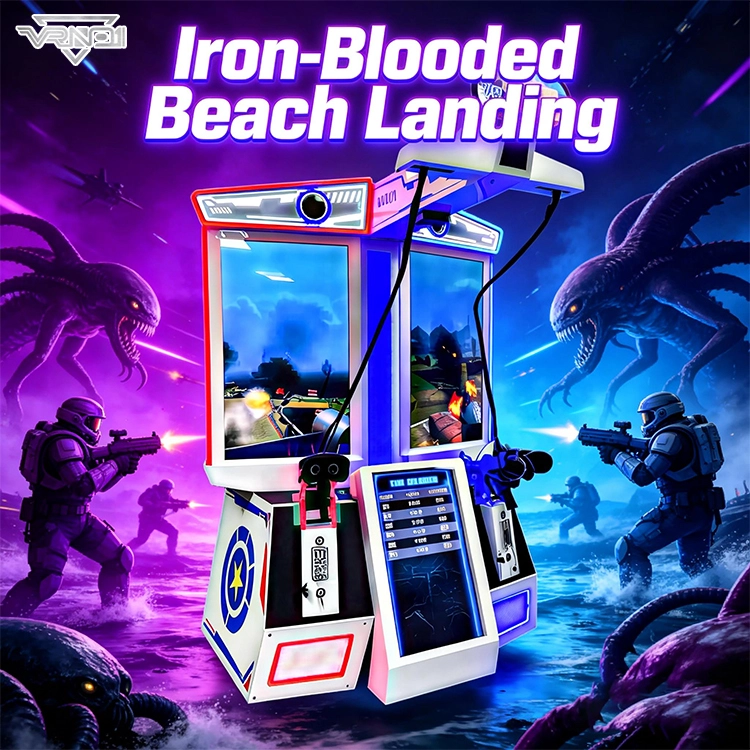
VRN0.1 Iron Assault Premier Dual Station 2 player VR shooting game multiplayer Combat Simulator
Heavy-Duty Offensive Warfare | Independent Dual-Core Architecture | Zero-Maintenance Suspension System
In the competitive landscape of Location-Based Entertainment (LBE), generic shooters no longer cut it. Enter the VR NO.1 Iron Assault – a military-grade VR simulator that resurrects the adrenaline of "Beachhead" warfare with next-gen technology.
Engineered by VR NO.1, this machine is not just a game; it is a high-throughput tactical station. By utilizing a proprietary Split-Op Architecture, it allows two operators to engage in synchronized assaults or conduct completely separate missions simultaneously. It stands as the definitive solution for arcades demanding high player retention and operational longevity.
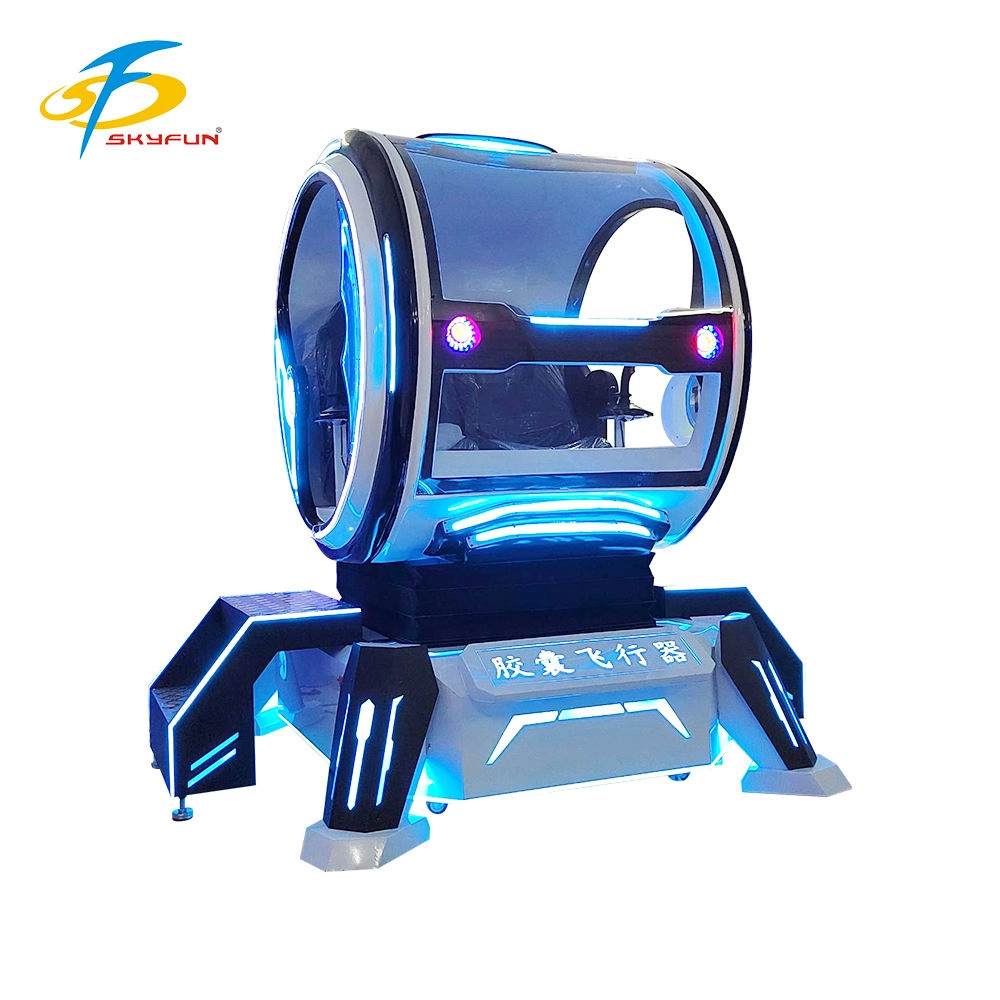
Double Player VR Flight Simulator 100 Movies 15 Games Coin-Operated Game Machine for Shopping Malls Amusement Parks
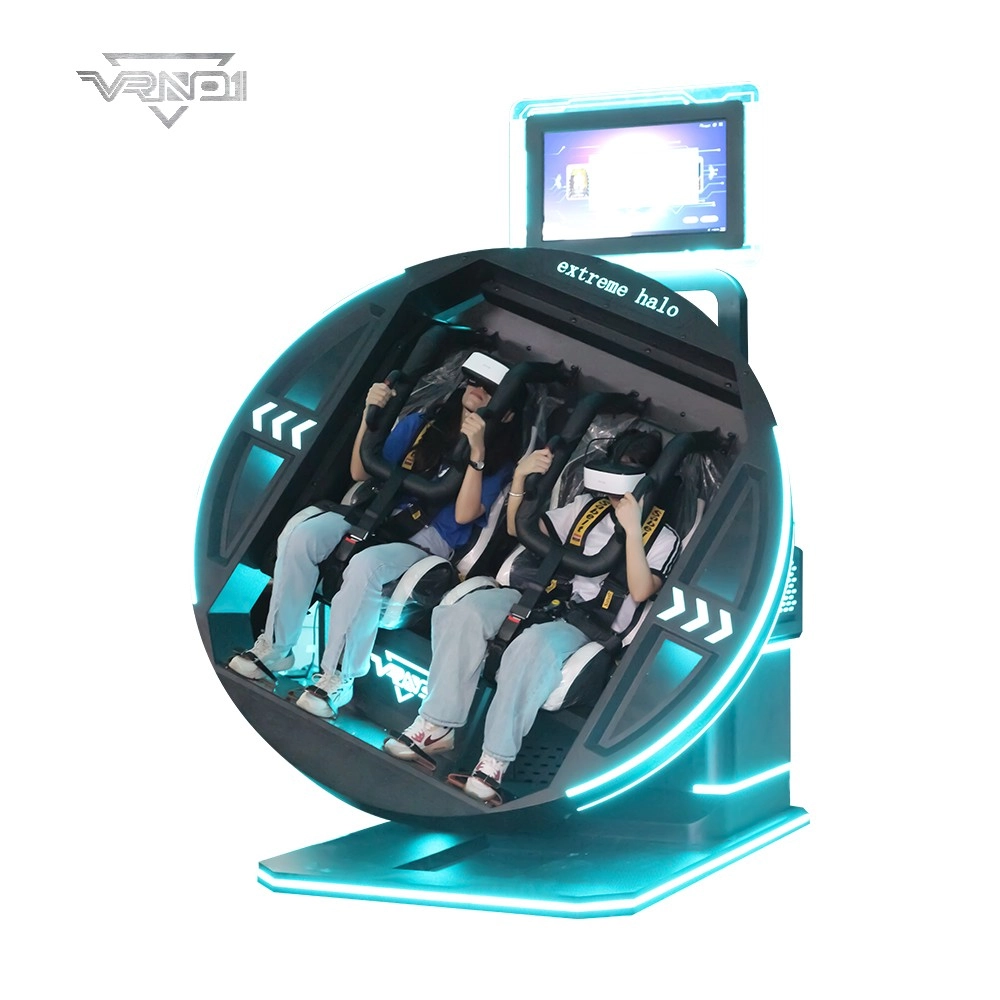
9D VR 360 Roller Coaster Cinema Chair Gaming Set Indoor/Outdoor Business Simulator Hardware for Home or School
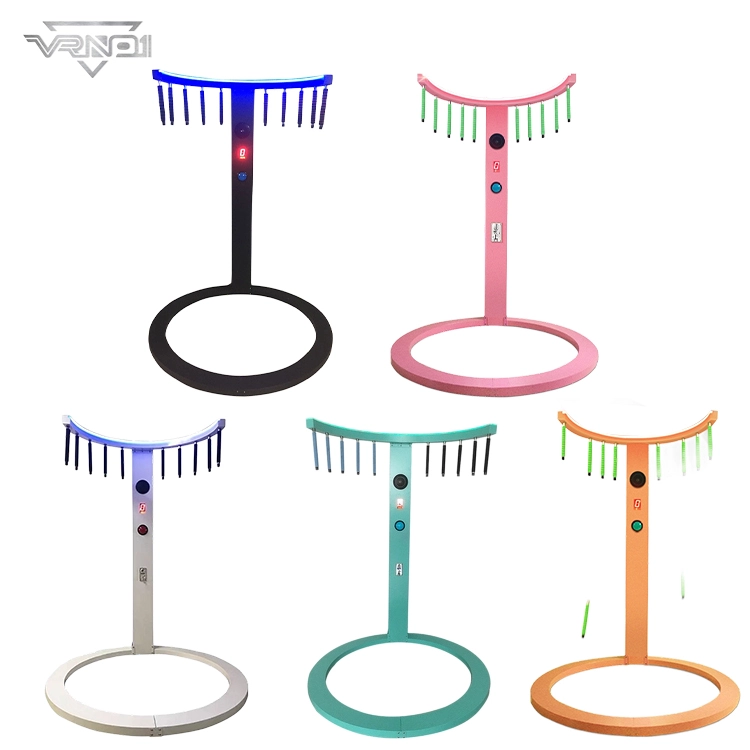
VRN0.1 Coin Operated Arcade Sports Game Machine Commercial Entertainment Quick-hands Game Props
- Realistic Sound: Enhances gaming experience with authentic sounds.
- Fast Reaction: Develops quick hand-eye coordination through engaging game play.
- DIY Kit: Allows for customization and personalization of the baton.
- Metal and Plastic Construction: Durable and robust build quality.
- Coin Operated: Fun for players who enjoy arcade-like experiences.
 Scan QR Code
Whatsapp: +8618127818571
Scan QR Code
Guangzhou Skyfun Technology Co.,Ltd
skyfunvrgame
skyfun game