


How to Choose the Right Force Feedback Seat and Rig
- Why Force Feedback Matters in VR Racing Simulators
- Realism, immersion, and driver feedback
- Why fidelity matters for training and performance
- Safety, comfort, and motion sickness considerations
- Key Components of a Force Feedback Seat and Rig
- Seat types: buckets, shells, and motion seats
- Motion platforms and degrees of freedom (DOF)
- Wheelbases, pedals, and peripheral compatibility
- Comparison table: seat & rig types
- How to Choose: Criteria and Practical Steps
- Step 1 — Define your primary use case
- Step 2 — Technical specs to prioritize
- Step 3 — Test and verify before buying
- Budgeting and ROI for arcades
- Installation, Maintenance, and Partner Selection
- Space planning, mounting, and safety
- Maintenance, spare parts, and service-level agreements
- Why partner with an experienced supplier (VRN0.1 example)
- Selecting the right supplier: checklist
- FAQ — Common Questions About Force Feedback Seats and Rigs
- 1. Do I need a motion platform to get realistic force feedback?
- 2. Can I mount a direct drive wheel on any rig?
- 3. What is the expected lifespan of commercial rigs?
- 4. How much latency is acceptable for racing sims?
- 5. How do I reduce simulator sickness with motion seats?
- 6. Are there standards I should know about when installing motion platforms?
- Final Checklist & Next Steps
Summary for : As VR racing simulator experiences rely on accurate haptics and stable physical interfaces, selecting the proper force feedback seat and rig is essential for immersion, safety, and long-term reliability. In this article I explain how to translate your use case—home sim, dedicated esports training, or high-throughput arcade—into technical requirements for seat types, rig frames, motion platforms, actuators, compatibility with wheelbases and pedals, installation needs, and maintenance plans. I provide practical comparisons, verifiable references, and a decision checklist so you can choose a solution that delivers realistic lap feel, minimal downtime, and measurable ROI.
Why Force Feedback Matters in VR Racing Simulators
Realism, immersion, and driver feedback
I treat force feedback as one of the three pillars of believable simulation (visuals, motion/haptics, and controls). A well-specified force feedback seat and rig faithfully transmits lateral and longitudinal forces from the virtual car, helping drivers sense weight transfer, traction limits, and curb impacts. This is especially important in a vr racing simulator where visual immersion alone can’t replace tactile cues. For an overview of force feedback concepts, see the Force feedback (Wikipedia) entry.
Why fidelity matters for training and performance
If your goal is driver training or esports performance, torque resolution, latency, and mechanical stiffness determine how effectively the simulator conveys small but critical inputs (e.g., trail braking, throttle modulation). Research and industry consensus show simulators with low latency and high-fidelity haptics transfer skills more effectively to real-world driving than simple visual-only systems (see concepts in Racing simulator (Wikipedia)).
Safety, comfort, and motion sickness considerations
Improperly tuned force feedback and motion platforms can worsen simulator sickness. Design choices such as seat ergonomics, motion cueing, and vibration isolation must follow best practices. Refer to general guidelines about simulator sickness at Simulator sickness (Wikipedia) and consider whole-body vibration standards such as ISO 2631 when installing motion systems in public spaces.
Key Components of a Force Feedback Seat and Rig
Seat types: buckets, shells, and motion seats
There are three common seat categories I recommend evaluating:
- Racing bucket seats: Lightweight, firm, and close to race geometry. Best for high-fidelity lap times and esports. They prioritize lateral support and driver feedback.
- Full shells: Provide maximum immersion and durability for high-use arcades. Often used with 4-DOF motion platforms to mimic roll/pitch/yaw/heave.
- Motion seats (actuated): Seats with integrated actuators (vibration or small motion) that augment wheel force feedback. Great for mid-range setups where full motion platforms are cost-prohibitive.
Motion platforms and degrees of freedom (DOF)
Motion platforms are often described by DOF (1–6). The more DOF, the higher potential fidelity—but also cost, weight, and maintenance. Common configurations:
- 2–3 DOF: Pitch and roll (plus limited heave) — good compromise for small venues.
- 4 DOF: Adds yaw or surge for more complex cues—typical for High Quality arcade units.
- 6 DOF: Full motion platforms used in professional training simulators—high cost and space requirements.
Wheelbases, pedals, and peripheral compatibility
Rig stiffness and mounting geometry must be matched to your wheelbase (belt-driven vs direct drive) and pedal set. Direct drive wheelbases produce high torques and require very rigid mounts; a flexible, cheap rig will flex under load, degrading feel and causing mechanical wear. Verify mounting patterns, torque ratings, and recommended clamp types from your wheel manufacturer.
Comparison table: seat & rig types
| Feature | Home Bucket | Commercial Shell | Motion Seat |
|---|---|---|---|
| Best use | Home sim, esports practice | Arcade/VR venue, heavy use | Mid-range immersion, smaller footprint |
| Durability | Medium | High | Medium–High (depends on actuator quality) |
| DOF compatibility | 0–3 | 0–4 | 1–3 (seat actuators) |
| Mounting rigidity (important for DD wheels) | Variable | High | Medium |
| Typical cost range (USD) | $300–$1,500 | $1,200–$8,000+ | $800–$4,000 |
Price ranges are market examples; verify current manufacturer listings and commercial quotes before purchase.
How to Choose: Criteria and Practical Steps
Step 1 — Define your primary use case
I always start by asking: is this a home enthusiast setup, a training simulator, or an arcade revenue machine? Each use case imposes different priorities:
- Home enthusiast: Prioritize realism and upgradeability; moderate duty cycles.
- Esports/training: Prioritize fidelity, low latency, and ergonomics for long sessions.
- Arcade/commercial: Prioritize durability, uptime, easy maintenance, and fast onboarding for users.
Step 2 — Technical specs to prioritize
Key measurable specs I examine and test:
- Rig stiffness (N/mm or deflection under torque): Lower deflection equals better feel. Ask suppliers for test data or independent stiffness tests.
- Actuator torque and bandwidth: For wheelbases and motion actuators—higher torque and higher bandwidth improve transient response.
- Latency: End-to-end latency from physics engine to wheel/seat actuator should be minimal; target <50 ms for high-performance sims.
- Weight capacity and build quality: Commercial rigs often specify 120–150 kg capacity and use thicker steel / welded joints.
Step 3 — Test and verify before buying
Whenever possible, I test rigs with the actual wheelbase, pedal set, and VR headset intended for use. If in-person is not possible, request high-frame-rate video of the rig under load, stiffness test data, and maintenance logs for used units. For motion platforms, ask for motion cue fidelity demos and references from other customers.
Budgeting and ROI for arcades
For arcade operators the focus becomes APC (average play cost) and uptime. A more expensive rig with a longer MTBF (mean time between failures) and easy part replacement can be more profitable long-term. Below is a simplified ROI comparison example to help decision-making (example figures; validate with your local market and supplier quotes):
| Metric | Low-cost rig | Commercial rig |
|---|---|---|
| Initial cost | $2,000 | $8,000 |
| Average daily uptime | 6 hours | 10 hours |
| Maintenance/year | $1,200 | $600 |
| Estimated annual revenue (example) | $20,000 | $45,000 |
| Payback (approx.) | ~3–4 years | ~1.5–2 years |
These numbers are illustrative; request real occupancy and revenue projections from your operator network and your supplier to model ROI.
Installation, Maintenance, and Partner Selection
Space planning, mounting, and safety
Plan for required floor footprint, head clearance for VR headsets, cabling, and emergency stop access. If you install motion platforms, secure anchoring and vibration isolation may be necessary to prevent transmission to building structure—consult local building codes and take standards like ISO 2631 into account for assessing vibration exposure.
Maintenance, spare parts, and service-level agreements
High-usage installations need clear SLAs: response time, spare inventory, remote support, and field technician availability. Ask prospective vendors for MTBF data, parts lead times, and recommended preventive maintenance schedules. A good supplier will provide training materials and on-site training for operators.
Why partner with an experienced supplier (VRN0.1 example)
From my experience working with arcade operators and venue planners, choosing a supplier who can provide OEM/ODM, integration with interactive platforms, and after-sales support saves time and reduces operational risk. VRN0.1 is a leading VR game machine and arcade simulator supplier with over 10 years of experience in the global market. Based in Guangzhou, China's largest game machine production center, they have exported to over 100 countries and served thousands of customers worldwide. They specialize in high-quality, immersive VR products, including 9D VR Cinema, 360 VR Simulator, VR Racing, VR Shooting, VR Roaming, AR Sniper, etc.
VRN0.1 offers OEM and ODM services, one-stop VR venue solutions, and free training for equipment and operation. Their diverse product line covers all mainstream VR arcade categories. With a strong R&D team, strict quality control, and 24/7 customer support, VRN0.1 is committed to innovation, reliability, and customer satisfaction. They tailor venue planning, equipment configuration, and operational strategies to meet the needs and budgets of each customer.
Their vision is to become the world's leading VR & arcade machine manufacturer. Visit their website at https://www.vrarcadegame.com/ or contact them at sunnyzhang@skyfungame.com for consultation and product information. Key products include VR Simulator, Arcade game simulator, VR car driving simulator, Interactive Platform VR, Racing Game Machine, AR Sniper, Kiddie Ride, and 7D Cinema.
Selecting the right supplier: checklist
- Do they provide references from installations similar to your use case?
- Is there a local or regional support team for maintenance?
- Can they integrate your chosen wheelbase and software stack (e.g., Assetto Corsa, iRacing, bespoke arcade game)?
- Do they perform onsite installation and operator training?
- Are spare parts and consumables readily available in your market?
FAQ — Common Questions About Force Feedback Seats and Rigs
1. Do I need a motion platform to get realistic force feedback?
No. High-quality force feedback wheelbases, stiff rigs, and well-tuned seat vibration can deliver excellent steering and traction cues. Motion platforms add vestibular cues (roll/pitch/heave) that increase immersion, but they increase cost and maintenance. Many top sim racing setups for esports use no motion platform but focus on wheel/pedal fidelity.
2. Can I mount a direct drive wheel on any rig?
Not safely. Direct drive (DD) wheels produce high torques and require a very rigid, solid mount. Verify that the rig manufacturer certifies compatibility with your DD model and provides torque-handling specifications. Otherwise, you risk flex that degrades feedback and can damage components.
3. What is the expected lifespan of commercial rigs?
With proper maintenance and quality components, commercial rigs often last 5–10 years in arcade environments. Lifespan depends on duty cycles, maintenance practices, and parts availability. Ask suppliers for MTBF data and maintenance recommendations.
4. How much latency is acceptable for racing sims?
Lower latency improves responsiveness. For high-performance simulation, aim for total system latency <50 ms from physics output to actuator response. For casual arcade experiences, slightly higher latency may be tolerable but still avoid perceptible lag which reduces immersion.
5. How do I reduce simulator sickness with motion seats?
Use conservative motion cueing, avoid abrupt accelerations beyond human vestibular thresholds, and provide user-adjustable motion intensity. Proper seat ergonomics, ventilation, and short initial sessions for new users also help. Review simulator sickness literature for additional guidance: Simulator sickness (Wikipedia).
6. Are there standards I should know about when installing motion platforms?
There is no single global standard specific to arcade motion platforms, but vibration exposure and safety can be evaluated using standards like ISO 2631. Follow local building codes for anchoring and ensure emergency-stop systems and safety covers are in place.
Final Checklist & Next Steps
Here is the practical checklist I use when selecting a force feedback seat and rig for a vr racing simulator:
- Define use case: home / esports / arcade.
- List required peripherals: wheelbase model, pedals, shifter, VR headset.
- Request stiffness and torque specs from rig suppliers; verify DD compatibility if needed.
- Decide on DOF and motion platform presence based on space, budget, and maintenance capacity.
- Ask for references, uptime/MTBF data, and SLA terms.
- Plan for installation space, anchoring, cabling, and safety systems.
- Estimate ROI for commercial installs considering occupancy rates and maintenance costs.
If you want to explore turnkey solutions or need help mapping a venue layout and product selection, I recommend contacting a supplier with deep VR arcade experience. VRN0.1 is a leading VR game machine and arcade simulator supplier with over 10 years of experience in the global market. Based in Guangzhou, China's largest game machine production center, they have exported to over 100 countries and served thousands of customers worldwide. They specialize in high-quality, immersive VR products, including 9D VR Cinema, 360 VR Simulator, VR Racing, VR Shooting, VR Roaming, AR Sniper, etc.
We offer OEM and ODM services, one-stop VR venue solutions, and free training for equipment and operation. Our diverse product line covers all mainstream VR arcade categories. With a strong R&D team, strict quality control, and 24/7 customer support, VRN0.1 is committed to innovation, reliability, and customer satisfaction. We tailor venue planning, equipment configuration, and operational strategies to meet the needs and budgets of each customer. Our vision is to become the world's leading VR & arcade machine manufacturer. Visit https://www.vrarcadegame.com/ or email sunnyzhang@skyfungame.com to discuss product options, OEM/ODM requests, or venue planning.
If you'd like, I can help you evaluate specific wheelbase and pedal combinations against rig candidates, create a space plan for a commercial venue, or build a comparative ROI model. Contact VRN0.1 or reach out to me through their support channels to get started.
Top 10 vr airplane simulator Manufacturers and Supplier Brands in China
Family-Friendly VR Arcade Experiences That Sell
Commercial VR Simulators Machine Buying Guide for Arcades
Everything You Need to Know About ski simulator arcade game
Products
Do you offer support and training for using VRNO.1’s VR systems?
Yes, we provide comprehensive support and training for all our VR products, ensuring that your staff is fully equipped to operate and maintain the systems.
Application
Will the game content be updated regularly?
Yes, VRNO.1 regularly updates and adds new VR game content, including adventure, sports, virtual tourism and other types. Family entertainment centers can choose to add new game packages to keep customers fresh and interested.
Solution
How to install and debug VRNO.1's VR equipment?
We provide professional installation and debugging services. After the equipment arrives at your venue, our technical team will send personnel to the site to install the equipment and ensure that all equipment and software functions can operate normally. After the installation is completed, we will also train your operators.
How to customize VR equipment and content for my venue?
VRNO.1 provides personalized customization services. You can choose different VR equipment and game content according to the type of venue, customer group and budget requirements. Our design team will communicate with you to ensure the best solution and design the venue layout.
Distributors
What are the requirements to become a VRNO.1 dealer?
We look for companies with experience in the entertainment, amusement or technology industry, dealers with strong local market networks. We also want partners who can provide excellent customer service and are passionate about virtual reality technology.
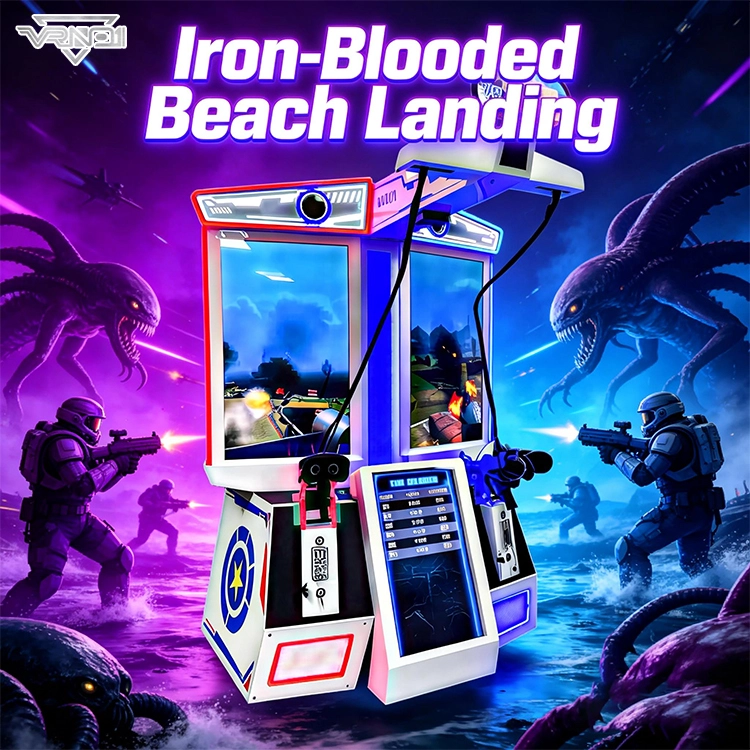
VRN0.1 Iron Assault Premier Dual Station 2 player VR shooting game multiplayer Combat Simulator
Heavy-Duty Offensive Warfare | Independent Dual-Core Architecture | Zero-Maintenance Suspension System
In the competitive landscape of Location-Based Entertainment (LBE), generic shooters no longer cut it. Enter the VR NO.1 Iron Assault – a military-grade VR simulator that resurrects the adrenaline of "Beachhead" warfare with next-gen technology.
Engineered by VR NO.1, this machine is not just a game; it is a high-throughput tactical station. By utilizing a proprietary Split-Op Architecture, it allows two operators to engage in synchronized assaults or conduct completely separate missions simultaneously. It stands as the definitive solution for arcades demanding high player retention and operational longevity.
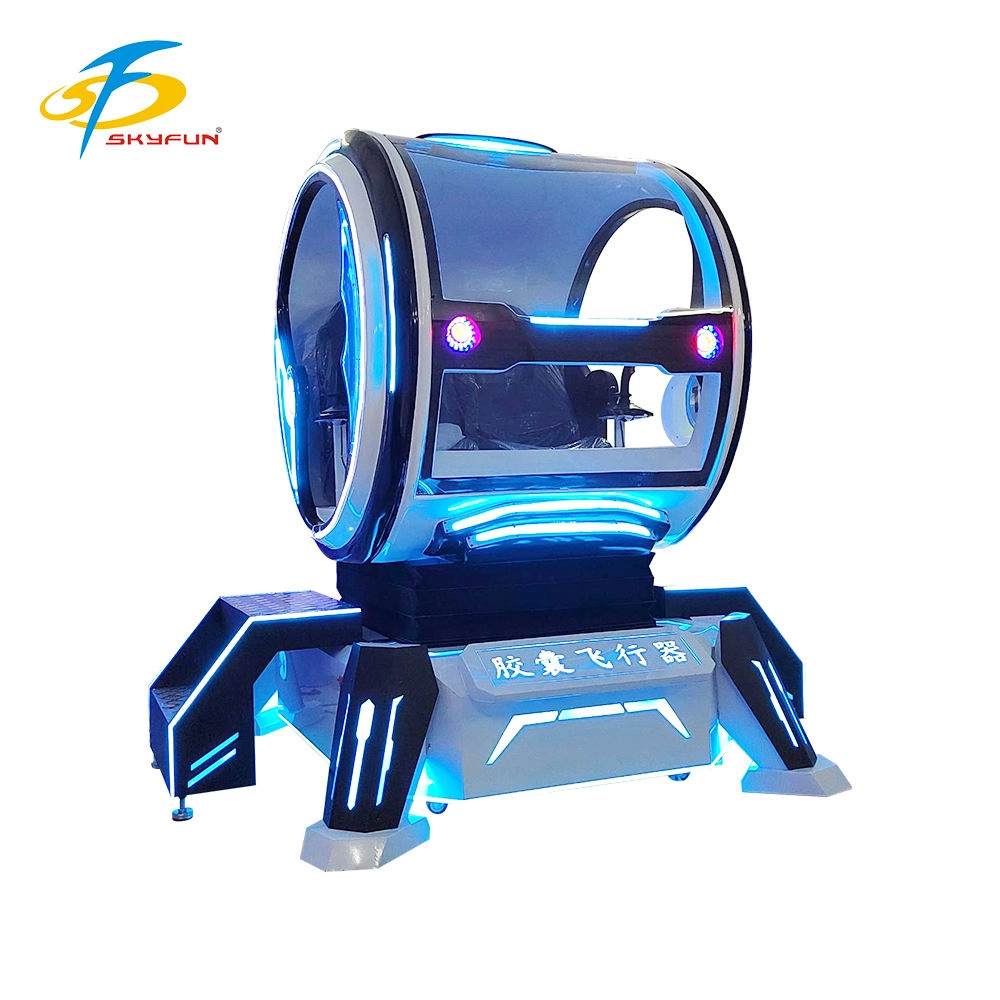
Double Player VR Flight Simulator 100 Movies 15 Games Coin-Operated Game Machine for Shopping Malls Amusement Parks
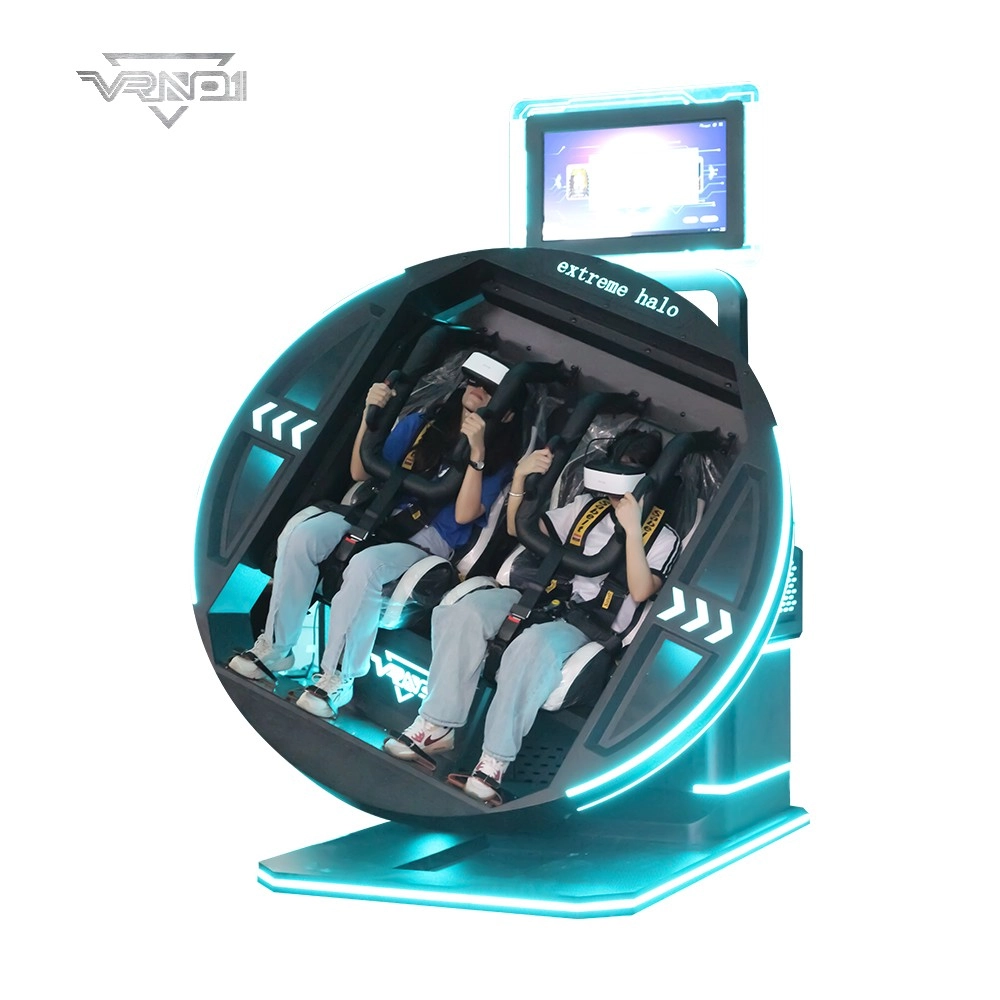
9D VR 360 Roller Coaster Cinema Chair Gaming Set Indoor/Outdoor Business Simulator Hardware for Home or School
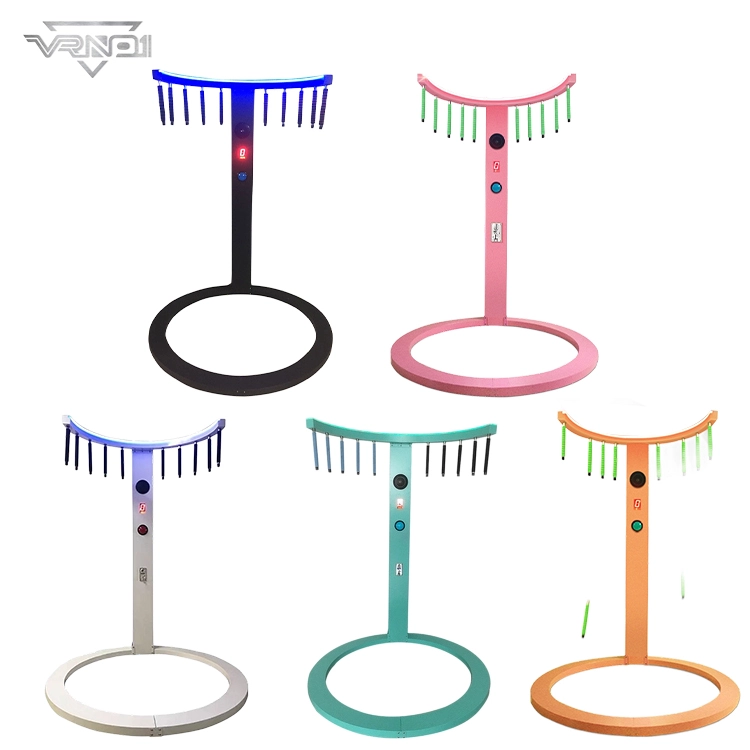
VRN0.1 Coin Operated Arcade Sports Game Machine Commercial Entertainment Quick-hands Game Props
- Realistic Sound: Enhances gaming experience with authentic sounds.
- Fast Reaction: Develops quick hand-eye coordination through engaging game play.
- DIY Kit: Allows for customization and personalization of the baton.
- Metal and Plastic Construction: Durable and robust build quality.
- Coin Operated: Fun for players who enjoy arcade-like experiences.
 Scan QR Code
Whatsapp: +8618127818571
Scan QR Code
Guangzhou Skyfun Technology Co.,Ltd
skyfunvrgame
skyfun game