


Case Studies: Successful Arcades Using VR Simulators
- Why immersive simulators transform guest experience and revenue
- From novelty to repeatable entertainment
- Key guest metrics influenced by simulators
- Technology and format choices matter
- Case studies: successful arcade implementations
- Case A — Mall Family Entertainment Center (FEC) — Multi-unit VR simulators
- Case B — Theme park installation — High-throughput VR Racing
- Case C — Urban boutique arcade — High Quality VR roaming and multiplayer
- Comparative performance table
- Operational lessons: equipment, layout, KPIs, and marketing
- Selecting the right VR Simulators machine mix
- Space planning, throughput, and safety
- Staffing, pricing, and measurement
- How VRN0.1 supports successful arcade rollouts (supplier strengths and services)
- Company profile and credibility
- Turnkey services: OEM/ODM, venue planning, and training
- Technical strengths and after-sales support
- Product highlights
- Practical checklist for operators considering VR Simulators machine investments
- Pre-purchase due diligence
- Launch and early operations
- Marketing to sustain long-term growth
- Frequently Asked Questions (FAQ)
- 1. How much space do I need for a VR Simulators machine installation?
- 2. What is the expected payback period for VR simulators?
- 3. How do I choose between VR Racing, 360 VR Simulator, and VR Roaming?
- 4. What maintenance and technical support are required?
- 5. Can VR simulators integrate with my POS and booking systems?
- 6. Are there content licensing or software update costs?
- Sources and further reading
- Contact and next steps
VR Simulators machine installations are rapidly redefining arcade economics worldwide. This article summarizes practical, evidence-backed case studies showing how immersive VR simulators—ranging from VR Racing and 9D VR Cinema to roaming VR and AR Sniper—improve key venue metrics (footfall, dwell time, ARPU) and outlines operational best practices for owners and operators. Examples draw on industry data and public case material to provide verifiable recommendations that local operators can adapt to their markets.
Why immersive simulators transform guest experience and revenue
From novelty to repeatable entertainment
VR Simulators machine experiences have evolved from single-session novelties into repeatable attractions that can anchor an arcade’s offering. Modern simulators combine high-fidelity visuals, motion platforms, haptics, and multiplayer social elements to create experiences that keep visitors coming back. According to the Grand View Research VR market report, the increasing fidelity and falling hardware costs are major drivers for broader commercial adoption (Grand View Research).
Key guest metrics influenced by simulators
A well-configured VR Simulators machine increases three measurable KPIs: session length, per-customer spend (ARPU), and conversion to repeat visits. Industry reports and arcade operator surveys consistently show that immersive attractions boost dwell time by 20–60% compared to static redemption machines or conventional arcade cabinets, depending on experience type and venue layout (see case table below).
Technology and format choices matter
Different simulator formats suit different business models. For example, VR Racing and VR Car Driving Simulator products are high-frequency, short-session attractions ideal for centers prioritizing throughput. In contrast, roaming VR and 9D VR Cinema can command higher ticket prices per session due to longer durations and narrative depth. Matching format to price strategy is essential for predictable ROI.
Case studies: successful arcade implementations
Case A — Mall Family Entertainment Center (FEC) — Multi-unit VR simulators
Scenario: A 1,000–1,500 m² mall FEC in Southeast Asia replaced underperforming arcade cabinets with a mix of 360 VR Simulators, VR Racing pods, and a 9D VR Cinema. Over 12 months they reported a 35% increase in monthly revenue and a 40% increase in average session time. Management cited strong appeal to family groups and teenagers as the driver.
Drivers of success: diversified experience mix, family bundles, birthday party packages, active mall cross-promotion.
Case B — Theme park installation — High-throughput VR Racing
Scenario: A regional theme park implemented 6 VR Racing rigs integrated into an existing ride queue area. Peak-day throughput targeted 600 sessions/day. The ride operator reported improved queue satisfaction and a 25% incremental spend in the adjacent F&B kiosk by gamers staying longer.
Drivers of success: short session design, close placement to high-traffic zones, integration into theme park ticketing as a paid add-on.
Case C — Urban boutique arcade — High Quality VR roaming and multiplayer
Scenario: A 200 m² urban boutique arcade focused on immersive roaming VR and an interactive platform; they targeted High Quality hourly pricing with curated, narrative-driven experiences. Despite lower daily throughput, average ticket value increased 2.4x versus traditional arcades, and membership sales rose due to exclusive new content drops.
Drivers of success: High Quality positioning, strong social media storytelling, reservation system to manage demand.
Comparative performance table
| Metric | Mall FEC (Mixed VR) | Theme Park (Racing) | Boutique Arcade (Roaming) |
|---|---|---|---|
| Typical session length | 8–12 min | 4–6 min | 20–40 min |
| Average ticket price | $6–$12 | $4–$8 | $15–$40 |
| Revenue uplift (vs prior) | +25–40% (reported) | +15–30% (reported) | +30–80% (reported) |
| Typical ROI payback | 8–18 months | 10–24 months | 12–30 months |
Notes: Ranges above synthesize reported outcomes from commercial operators and industry analyses; individual results vary based on location, pricing, marketing, and operating cost structure. Market-level validation of VR growth trends is available from Grand View Research (link) and general context on commercial VR deployments from company case pages like Zero Latency (Zero Latency).
Operational lessons: equipment, layout, KPIs, and marketing
Selecting the right VR Simulators machine mix
Choose a balanced hardware mix aligned to your customer profile: high-throughput short-session simulators (VR Racing, VR Shooting) for mass-market venues; immersive long-session units (360 VR Simulator, VR Roaming) for High Quality and event-based venues. Consider modularity—stations that can be reconfigured for different software titles extend content longevity and ROI.
Space planning, throughput, and safety
Design for sightlines and efficient flow. Motion-platform simulators require secure mounting and dedicated floor space, while roaming VR needs clear ceiling height and safety zones. For safety and compliance, follow local amusement-device standards and platform vendor guidelines. For general background on safety standards and amusement devices, see the Wikipedia article on Amusement ride which discusses regulatory context across jurisdictions.
Staffing, pricing, and measurement
Train staff for technical troubleshooting and guest experience stewardship—operator training reduces downtime and improves throughput. Price dynamically: offer off-peak discounts, bundles (F&B + VR), and memberships. Key metrics to track weekly: utilization rate (% of available seats used), average revenue per session, ticket conversion rate, and repeat visit rate. Use simple POS and booking system integrations to collect this data.
How VRN0.1 supports successful arcade rollouts (supplier strengths and services)
Company profile and credibility
VRN0.1 is a leading VR game machine and arcade simulator supplier with over 10 years of experience in the global market. Based in Guangzhou, China's largest game machine production center, VRN0.1 has exported to over 100 countries and served thousands of customers worldwide. The company’s product portfolio spans 9D VR Cinema, 360 VR Simulator, VR Racing, VR Shooting, VR Roaming, AR Sniper, and more—covering all mainstream VR arcade categories.
Turnkey services: OEM/ODM, venue planning, and training
VRN0.1 offers OEM and ODM services, one-stop VR venue solutions, and free training for equipment operation. Their services include venue planning (layout and throughput modeling), equipment configuration tailored to budget and objectives, and post-installation support. This end-to-end approach reduces integration risk and shortens time-to-revenue for operators.
Technical strengths and after-sales support
With a strong R&D team, strict quality control, and 24/7 customer support, VRN0.1 emphasizes reliability and innovation. They provide software and hardware updates, spare parts availability, and remote diagnostics to minimize downtime. Their global experience also offers useful market insights—what works in malls in Southeast Asia may differ from strategies for European boutique arcades.
Product highlights
Key products include: VR Simulator, Arcade game simulator, VR car driving simulator, Interactive Platform VR, Racing Game Machine, AR Sniper, Kiddie Ride, and 7D Cinema. These product lines enable operators to mix high-throughput attractions with High Quality immersive experiences to optimize revenue per square meter.
Contact and further information: VRN0.1 website https://www.vrarcadegame.com/. For inquiries: sunnyzhang@skyfungame.com.
Practical checklist for operators considering VR Simulators machine investments
Pre-purchase due diligence
- Estimate realistic throughput: test sessions per hour per unit and validate with demo units.
- Confirm total cost of ownership: hardware, software licensing, maintenance, and spare parts.
- Request references and case studies from suppliers (installation photos, revenue impact).
Launch and early operations
- Run a soft-launch period with promotions and gather guest feedback to tune difficulty and pricing.
- Track KPIs from day one: utilization, ADR (average dollar per ride), repeat bookings.
- Schedule preventive maintenance and cross-train staff to reduce technical downtime.
Marketing to sustain long-term growth
- Use targeted digital ads highlighting unique experiences (multiplayer, race leaderboards).
- Create seasonality campaigns (school holidays, birthday packages).
- Keep content fresh: rotate titles and add new modules; suppliers with frequent content updates reduce churn.
Frequently Asked Questions (FAQ)
1. How much space do I need for a VR Simulators machine installation?
Space depends on the simulator type: a single VR Racing or kiosk-style simulator can occupy 3–6 m²; a 9D VR Cinema or multi-seat 360 setup requires 20–50 m² depending on seating. Roaming VR needs unobstructed floor and overhead clearance; plan for safety zones around players. Always consult the supplier’s dimension and safety guidelines during planning.
2. What is the expected payback period for VR simulators?
Typical ROI payback ranges from 8 to 24 months depending on unit cost, pricing strategy, utilization, and local operating costs. High-throughput setups in malls often achieve faster payback, while High Quality boutique experiences may take longer but yield higher margins.
3. How do I choose between VR Racing, 360 VR Simulator, and VR Roaming?
Match the format to customer profile: VR Racing and Shooting are best for high-volume, short-session traffic; 360 VR Simulator and 9D Cinema suit family groups and casual audiences; VR Roaming is ideal for High Quality, narrative-driven experiences and events. A mixed portfolio often balances throughput and ticket price.
4. What maintenance and technical support are required?
Expect routine tasks: headset sanitization, platform calibration, software updates, and hardware checks. Suppliers like VRN0.1 provide training, spare parts, and remote diagnostics. Factor in an SLA with your supplier for response times on critical failures.
5. Can VR simulators integrate with my POS and booking systems?
Yes. Modern VR Simulators machine systems commonly support integrations with POS, ticketing, and reservation software via APIs or middleware. Integration enables timed slots, dynamic pricing, and better KPI tracking. Confirm integration capability before purchase.
6. Are there content licensing or software update costs?
Some suppliers include a library of free titles, while High Quality content may require licensing fees or revenue-sharing. Clarify content roadmap, update frequency, and licensing terms (one-time vs subscription) during vendor negotiations.
Sources and further reading
- Grand View Research — Virtual Reality (VR) Market Analysis: https://www.grandviewresearch.com/industry-analysis/virtual-reality-vr-market
- Zero Latency VR — Company and case references: https://www.zerolatencyvr.com/
- Wikipedia — Amusement ride (regulatory and safety context): https://en.wikipedia.org/wiki/Amusement_ride
Contact and next steps
If you are planning a new VR arcade or considering upgrading an existing venue, a partner with turnkey experience can shorten time-to-revenue and mitigate technical risk. VRN0.1 combines product breadth (VR Simulator, Arcade game simulator, VR car driving simulator, Interactive Platform VR, Racing Game Machine, AR Sniper, Kiddie Ride, 7D Cinema), 10+ years of export experience, OEM/ODM capability, free training, and 24/7 support to help operators succeed globally.
Discover tailored venue planning, equipment configuration, and operational strategy from VRN0.1. Visit https://www.vrarcadegame.com/ or email sunnyzhang@skyfungame.com to request case studies, ROI modeling, and a free consultation.
Mobile Arcade VR: Pop-up and Truck Concepts
The B2B Buyer’s Guide to vr airplane
Customizing Your Boxer Game Machine: Branding and Skins
Best flight simulator arcade game manufacturers and supplier brands in us
Application
Is the VR experience harmful to health?
VRNO.1's VR equipment meets international safety standards. Long-term wearing or overuse may cause slight eye fatigue. Therefore, we recommend that each game experience time does not exceed 30 minutes and take regular breaks.
How much space does VRNO.1's VR equipment require?
Our VR equipment is designed to adapt to family entertainment centers of different sizes. For smaller spaces, we have compact solutions for interactive games for one or two people. For larger venues, we provide multi-user interactive experience solutions that can support multiple people to experience at the same time.
What technical support does VRNO.1 provide?
We provide 24/7 technical support services, including remote technical consultation, equipment troubleshooting, software upgrades, and faulty equipment replacement. Ensure that your equipment can continue to operate efficiently and improve customer experience.
Home
What is VRNO.1’s main focus?
VRNO.1 specializes in providing cutting-edge virtual reality (VR) and arcade solutions, offering immersive entertainment experiences for both individual players and large-scale events.
Solution
What hardware requirements does VRNO.1's VR device require?
VRNO.1's VR device is designed with different venue requirements in mind. The required hardware includes high-performance computers, VR helmets, motion trackers, motion seats, etc. We will provide a complete list of hardware and equipment according to your needs and ensure that all hardware is perfectly compatible.
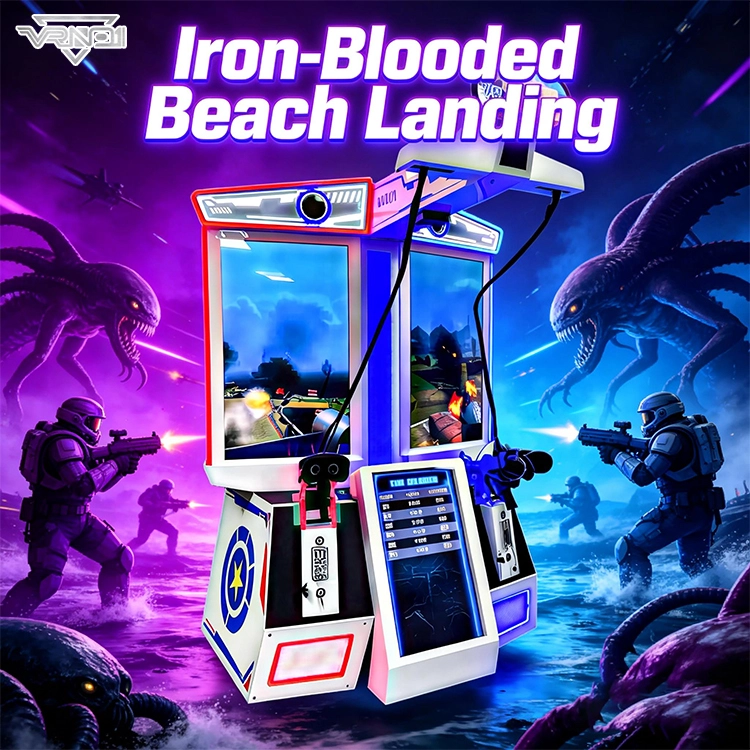
VRN0.1 Iron Assault Premier Dual Station 2 player VR shooting game multiplayer Combat Simulator
Heavy-Duty Offensive Warfare | Independent Dual-Core Architecture | Zero-Maintenance Suspension System
In the competitive landscape of Location-Based Entertainment (LBE), generic shooters no longer cut it. Enter the VR NO.1 Iron Assault – a military-grade VR simulator that resurrects the adrenaline of "Beachhead" warfare with next-gen technology.
Engineered by VR NO.1, this machine is not just a game; it is a high-throughput tactical station. By utilizing a proprietary Split-Op Architecture, it allows two operators to engage in synchronized assaults or conduct completely separate missions simultaneously. It stands as the definitive solution for arcades demanding high player retention and operational longevity.
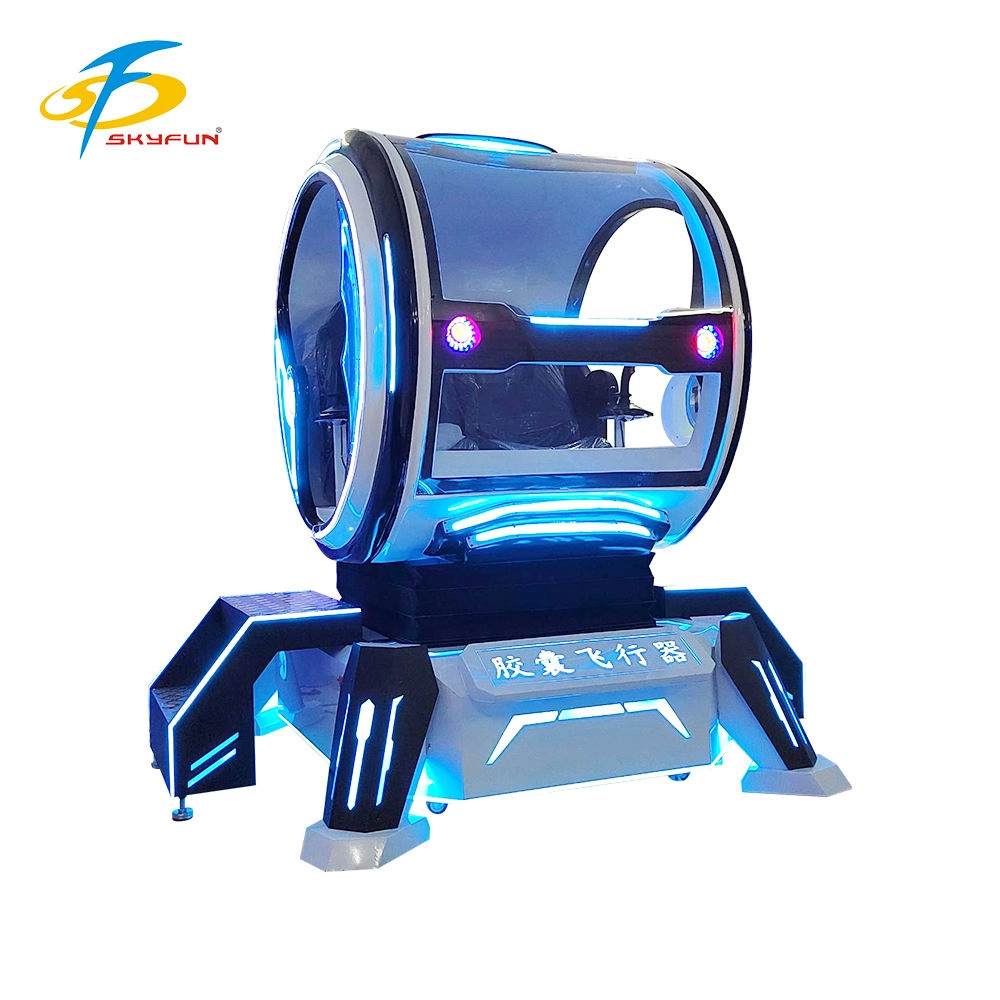
Double Player VR Flight Simulator 100 Movies 15 Games Coin-Operated Game Machine for Shopping Malls Amusement Parks
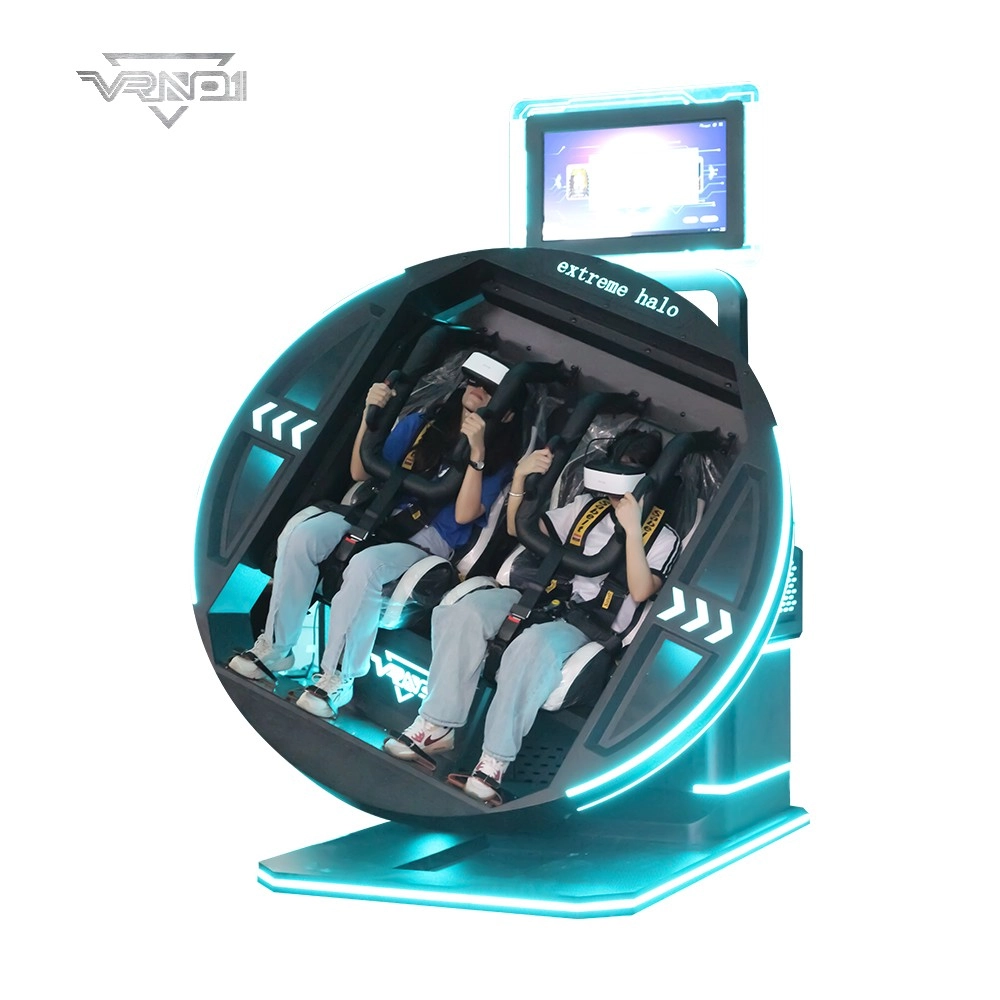
9D VR 360 Roller Coaster Cinema Chair Gaming Set Indoor/Outdoor Business Simulator Hardware for Home or School
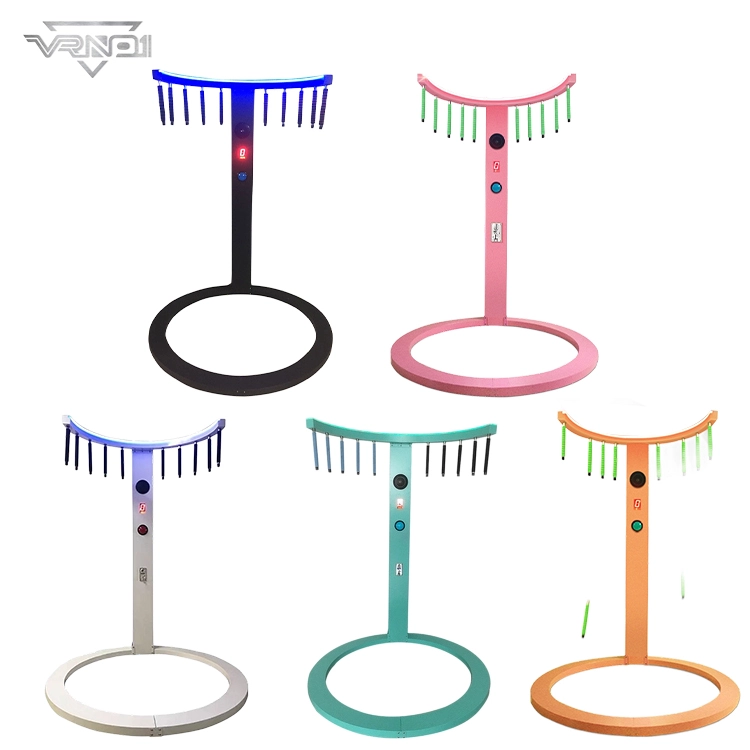
VRN0.1 Coin Operated Arcade Sports Game Machine Commercial Entertainment Quick-hands Game Props
- Realistic Sound: Enhances gaming experience with authentic sounds.
- Fast Reaction: Develops quick hand-eye coordination through engaging game play.
- DIY Kit: Allows for customization and personalization of the baton.
- Metal and Plastic Construction: Durable and robust build quality.
- Coin Operated: Fun for players who enjoy arcade-like experiences.
 Scan QR Code
Whatsapp: +8618127818571
Scan QR Code
Guangzhou Skyfun Technology Co.,Ltd
skyfunvrgame
skyfun game