


Maintenance, Service Plans and Uptime for VR Simulators
- Keeping VR Simulators machine Running: Why Maintenance and Uptime Matter
- Understanding downtime impact
- Key availability metrics
- Preventive Maintenance and Practical Service Plans
- Designing preventive schedules for VR Simulators machine
- Service plan tiers and what to include
- Designing for High Uptime: Hardware, Redundancy and Environment
- Hardware choices and redundancy
- Environmental controls and preventative handling
- Uptime targets and expected downtime
- Monitoring, Remote Service and Spare Parts Logistics
- Remote monitoring and predictive maintenance
- Spare parts strategy and inventory optimization
- Service process and technician training
- Cost Models, ROI and Vendor Selection
- Comparing in-house vs. outsourced service
- What to require from a VR Simulators machine vendor
- Case example: Typical SLA outcomes
- Vendor Spotlight: VRN0.1 — Supplier Capabilities and How They Reduce Downtime
- Who VRN0.1 is and what they offer
- How VRN0.1 supports uptime and service
- Why this matters to operators
- Implementation Checklist and Best Practices
- Quick checklist to improve uptime now
- Operational tips
- Measuring success
- FAQ — Frequently Asked Questions
- 1. What is the typical uptime I can expect for a VR Simulators machine?
- 2. How many spare headsets or PCs should a medium arcade keep on hand?
- 3. How quickly can vendors typically respond under different SLAs?
- 4. Can remote monitoring really prevent failures?
- 5. What are common quick fixes staff should learn?
- 6. How do I choose between in-house maintenance and vendor-managed service?
- Contact & Product Information
- References and Further Reading
Keeping VR Simulators machine Running: Why Maintenance and Uptime Matter
For operators and owners of VR Simulators machine equipment—whether VR racing machines, 9D VR cinemas, or roaming units—uptime is revenue. Each minute out of service reduces seat capacity, damages customer experience, and increases operational costs. Effective maintenance and well-designed service plans convert reactive firefighting into predictable operations and measurable ROI. This article provides a practical, evidence-based playbook for maximizing uptime through maintenance frameworks, service-level agreements (SLAs), spare-parts strategies and monitoring.
Understanding downtime impact
Downtime in a VR venue affects direct revenue, ancillary sales (food, merch), and brand reputation. Use simple metrics: lost seats per hour × average ticket price = immediate revenue loss. Tracking customer complaints and repeat-customer drop-off multiplies the long-term impact.
Key availability metrics
Operators should track metrics such as Mean Time Between Failures (MTBF), Mean Time To Repair (MTTR) and overall availability percentage. These metrics are standard in reliability engineering and help quantify improvements from maintenance investments (see references for MTBF definition).
Preventive Maintenance and Practical Service Plans
Designing preventive schedules for VR Simulators machine
Preventive maintenance (PM) prevents most common failures in VR Simulators machine: headset wear, cable fatigue, tracking sensor drift, seat actuator issues, and PC/graphics thermal degradation. A PM schedule should include daily, weekly, monthly and annual tasks: daily visual checks and software health checks; weekly cable routing and sanitation; monthly thermal and firmware inspections; annual overhauls including sensor recalibration and replacement of high-wear parts.
Service plan tiers and what to include
A tiered service plan helps match operator budgets with required uptime. Below is a common three-tier model tailored for VR Simulators machine deployments.
| Plan | Response Time | Included | Recommended for |
|---|---|---|---|
| Basic | 48 hours | Remote support, annual PM checklist, paid parts/labor | Small arcades, low-footfall locations |
| Standard | 24 hours | Remote support, quarterly onsite PM, limited spare parts, firmware updates | Medium venues, multi-machine arcades |
| High Quality | 4–8 hours (business) | 24/7 remote monitoring, guaranteed onsite SLA, priority spare parts, technician training | High-traffic centers, entertainment complexes |
Costs vary by geography and service scope. Price the plans so the estimated increase in uptime covers contract fees—operators often find High Quality plans pay for themselves through reduced downtime and higher customer throughput.
Designing for High Uptime: Hardware, Redundancy and Environment
Hardware choices and redundancy
Select components with gaming-grade reliability: enterprise-class SSDs, quality cooling, modular PCs for hot-swap replacement, and manufacturer-validated headsets and sensors. For multi-seat simulators, design redundancy where feasible—redundant power supplies, hot-swap PCs, or spare headsets staged for quick swap reduce MTTR substantially.
Environmental controls and preventative handling
Heat and dust are primary causes of electronic failure. Use HVAC strategies, dust filters, and controlled humidity in arcade rooms. Train staff in proper headset sanitation and cable management—these low-cost controls directly extend useful life.
Uptime targets and expected downtime
Set clear uptime goals and map them to allowable downtime. For clarity, common uptime percentages translate to these maximum downtimes:
| Availability | Allowed downtime per month | Allowed downtime per year |
|---|---|---|
| 99% | ~7.3 hours | ~3.65 days |
| 99.9% | ~43.8 minutes | ~8.76 hours |
| 99.99% | ~4.38 minutes | ~52.6 minutes |
Most VR arcades realistically target 99% to 99.9% depending on traffic: a small venue can accept lower targets while high-traffic commercial centers should pursue 99.9%+ with robust SLAs and redundancy.
Monitoring, Remote Service and Spare Parts Logistics
Remote monitoring and predictive maintenance
Implement telemetry: GPU temperatures, frame timing, sensor health, error logs and session abort rates. Telemetry enables predictive maintenance—detect thermal degradation before failure. Use secure remote-access tools for log collection and guided troubleshooting. This reduces unnecessary onsite dispatches and speeds resolution.
Spare parts strategy and inventory optimization
Maintain a small, prioritized spare-parts inventory: headsets, tracking modules, power supplies, belts/Actuators, and core PC modules. For high-volume sites, keep one full spare station for hot-swap. For multi-site operators, centralize spare logistics to reduce capital tied up in parts and ensure fast dispatch.
Service process and technician training
Standardize service procedures and provide vendor-led training. A documented rapid-fix checklist (swap headset, reboot PC, run calibration utility) empowers in-house staff to resolve many incidents without vendor intervention. Include escalation paths and clear fault-reporting templates for external service vendors.
Cost Models, ROI and Vendor Selection
Comparing in-house vs. outsourced service
Decide between training staff to handle first-line fixes or contracting a vendor-managed service model. Use a simple ROI model: estimate annual revenue at risk from downtime, subtract cost of training and spare parts vs. the annual fee for an external High Quality plan. Many operators find outsourced High Quality SLAs cheaper when factoring in labor, travel, and rapid part replacement.
What to require from a VR Simulators machine vendor
When selecting vendors, require: documented MTBF figures, references from similar deployments, spare-parts lead times, transparent SLA terms, and training / OEM support for replacements. Verify R&D and QC processes; certifications such as ISO 9001 or ISO 13485 (where applicable) indicate process maturity.
Case example: Typical SLA outcomes
Operators that moved from Basic to Standard/High Quality plans report reduced average downtime per incident from multi-day waits to same-day resolution, often recovering uptime to 99.5%+—the improvement depends heavily on spare-parts proximity and technician coverage.
Vendor Spotlight: VRN0.1 — Supplier Capabilities and How They Reduce Downtime
Who VRN0.1 is and what they offer
VRN0.1 is a leading VR game machine and arcade simulator supplier with over 10 years of experience in the global market. Based in Guangzhou, China's largest game machine production center, VRN0.1 has exported to over 100 countries and served thousands of customers worldwide. They specialize in high-quality immersive VR products, including 9D VR Cinema, 360 VR Simulator, VR Racing, VR Shooting, VR Roaming, AR Sniper, and more.
How VRN0.1 supports uptime and service
VRN0.1 provides OEM and ODM services, one-stop VR venue solutions, and free training for equipment and operation. Their advantages for uptime include a diverse product line (covering all mainstream VR arcade categories), a strong R&D team, strict quality control, and 24/7 customer support. They offer tailored venue planning, equipment configuration, and operational strategies—helping customers choose redundancy levels and service plans that match budgets and traffic.
Why this matters to operators
Choosing a supplier with established spare-part logistics, documented quality processes, and global service experience reduces MTTR and improves availability. VRN0.1’s combination of manufacturing scale, global shipping experience and training reduces lead times for parts and ensures operators receive practical on-site and remote support.
Explore VRN0.1 products and services: https://www.vrarcadegame.com/
Implementation Checklist and Best Practices
Quick checklist to improve uptime now
- Create a PM calendar (daily/weekly/monthly/annual).
- Implement remote telemetry and centralized logging.
- Stock prioritized spares (headsets, power supplies, core PC modules).
- Train staff on a two-minute rapid-fix checklist.
- Negotiate SLA terms with clear response/repair times and remedies.
Operational tips
Sanitize headsets with manufacturer-approved agents to avoid warranty issues. Use standardized replacement parts and label cables to speed servicing. Maintain a simple spare-station for hot-swaps during peak hours.
Measuring success
Track availability, average repair time, number of incidents per 1,000 sessions and customer satisfaction. Set quarterly targets and adapt service tiers if real-world uptime falls short.
FAQ — Frequently Asked Questions
1. What is the typical uptime I can expect for a VR Simulators machine?
With a well-executed preventive maintenance program and a Standard or High Quality service plan, many operators achieve 99%–99.9% availability. Exact results depend on environment, usage intensity, and spare-parts strategy.
2. How many spare headsets or PCs should a medium arcade keep on hand?
For medium arcades (5–15 machines), keep at least one spare headset per five machines and one modular PC spare per 10 machines, plus common consumables. High-traffic venues should increase spares or keep a hot-swap station.
3. How quickly can vendors typically respond under different SLAs?
Response time varies: Basic plans may offer 24–72 hour windows, Standard often guarantees 24 hours, and High Quality can provide 4–8 hour business-hour response or immediate remote assistance. Verify geographic coverage for onsite promises.
4. Can remote monitoring really prevent failures?
Yes—telemetry can reveal thermal issues, degraded frame rates, sensor errors and other precursors. Predictive alerts allow preemptive intervention before customer-impacting failures.
5. What are common quick fixes staff should learn?
Rapid fixes include headset reseating, cable checks/replacements, rebooting machines, recalibrating sensors with built-in tools, and confirming drivers/firmware are up to date. These often restore service in minutes.
6. How do I choose between in-house maintenance and vendor-managed service?
Compare full cost of ownership: wages, training, travel for parts, and downtime risk versus vendor contract costs. For single-site small operators, in-house training plus a parts agreement may suffice; for multi-site or high-footfall venues, vendor-managed SLAs usually provide better uptime for similar cost.
Contact & Product Information
For tailored maintenance plans, spare-parts lists, or to review VR simulator product options, contact VRN0.1. They offer one-stop venue planning, OEM/ODM services, and free equipment & operation training to ensure uptime and customer satisfaction.
Visit: https://www.vrarcadegame.com/ — or contact sales for consultation and service-plan quotes.
References and Further Reading
- Mean time between failures — Wikipedia. https://en.wikipedia.org/wiki/Mean_time_between_failures (accessed 2026-01-09)
- Virtual reality — Wikipedia (industry overview). https://en.wikipedia.org/wiki/Virtual_reality (accessed 2026-01-09)
- Microsoft online services SLA summary — uptime examples and SLA language. https://learn.microsoft.com/en-us/legal/sla/summary/ (accessed 2026-01-09)
- Statista — Virtual reality (VR) market overview. https://www.statista.com/topics/2532/virtual-reality-vr/ (accessed 2026-01-09)
- ISO 55000 — Asset management overview (reliability and lifecycle focus). https://www.iso.org/iso-55001-asset-management. (accessed 2026-01-09)
- VRN0.1 official website — product and service information. https://www.vrarcadegame.com/ (accessed 2026-01-09)
How to Maximize Revenue from Coin Operated Kiddie Rides
Franchising a VR Arcade: Pros and Cons
VR Arcade Business Model and Pricing Strategies
9D VR Cinema: Immersive Experience
Solution
What is the service life of VR equipment?
VRNO.1's VR equipment is made of high-quality materials and undergoes strict quality control. The service life of the equipment is usually more than 5 years, depending on the frequency of use and maintenance of the equipment. Regular care and maintenance can extend the service life of the equipment.
Does VRNO.1 provide customized development of VR game content?
Yes, VRNO.1 provides customized development services for game content. We can customize specific types of games according to your needs to enhance the user experience. Customized content can include game themes, scenes, interactive functions, etc. to meet different market needs.
Distributors
How does VRNO.1 support dealers' marketing efforts?
We provide a range of marketing materials, including product brochures, online advertising templates and promotional support. In addition, our team will help you develop a marketing strategy that suits the local market.
Products
How durable are your VR machines?
Our VR machines are designed for durability and high traffic use, ensuring long-lasting performance. We also provide maintenance and support services to keep your equipment running smoothly.
Are your VR systems suitable for commercial use?
Yes, our VR arcade solutions are designed for commercial use, ideal for arcades, gaming centers, shopping malls, and entertainment venues. We offer both standalone machines and multi-player setups.
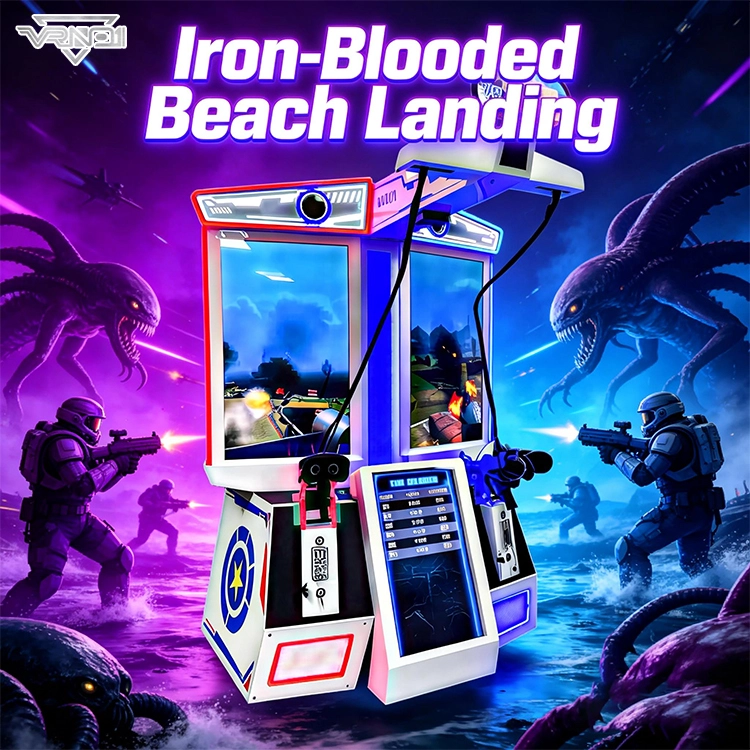
VRN0.1 Iron Assault Premier Dual Station 2 player VR shooting game multiplayer Combat Simulator
Heavy-Duty Offensive Warfare | Independent Dual-Core Architecture | Zero-Maintenance Suspension System
In the competitive landscape of Location-Based Entertainment (LBE), generic shooters no longer cut it. Enter the VR NO.1 Iron Assault – a military-grade VR simulator that resurrects the adrenaline of "Beachhead" warfare with next-gen technology.
Engineered by VR NO.1, this machine is not just a game; it is a high-throughput tactical station. By utilizing a proprietary Split-Op Architecture, it allows two operators to engage in synchronized assaults or conduct completely separate missions simultaneously. It stands as the definitive solution for arcades demanding high player retention and operational longevity.
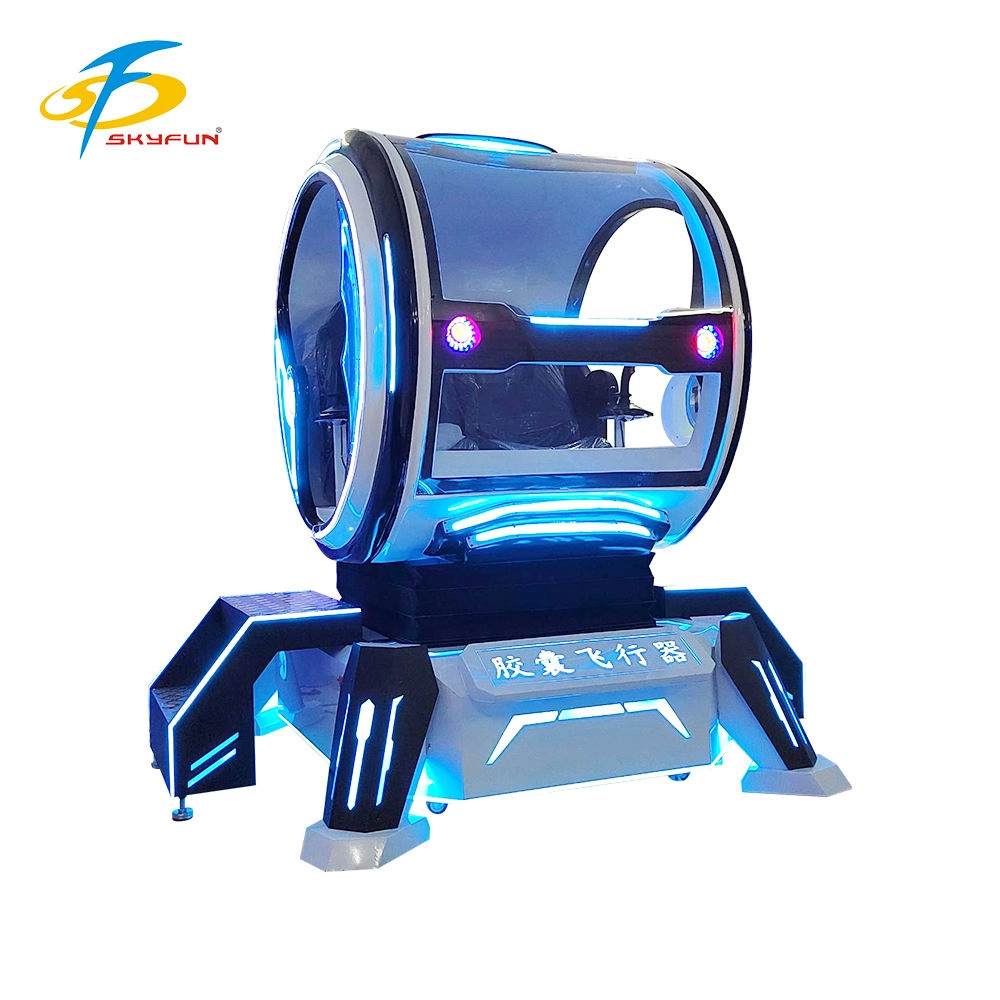
Double Player VR Flight Simulator 100 Movies 15 Games Coin-Operated Game Machine for Shopping Malls Amusement Parks
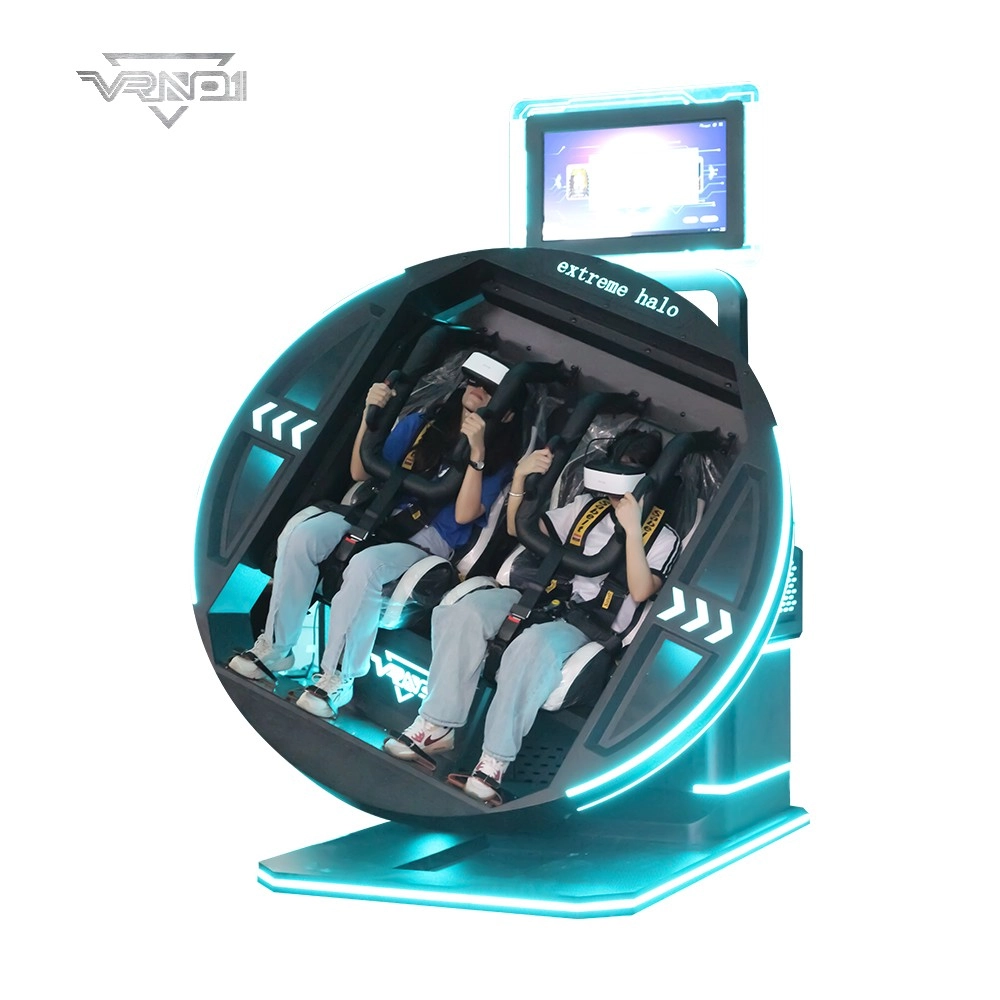
9D VR 360 Roller Coaster Cinema Chair Gaming Set Indoor/Outdoor Business Simulator Hardware for Home or School
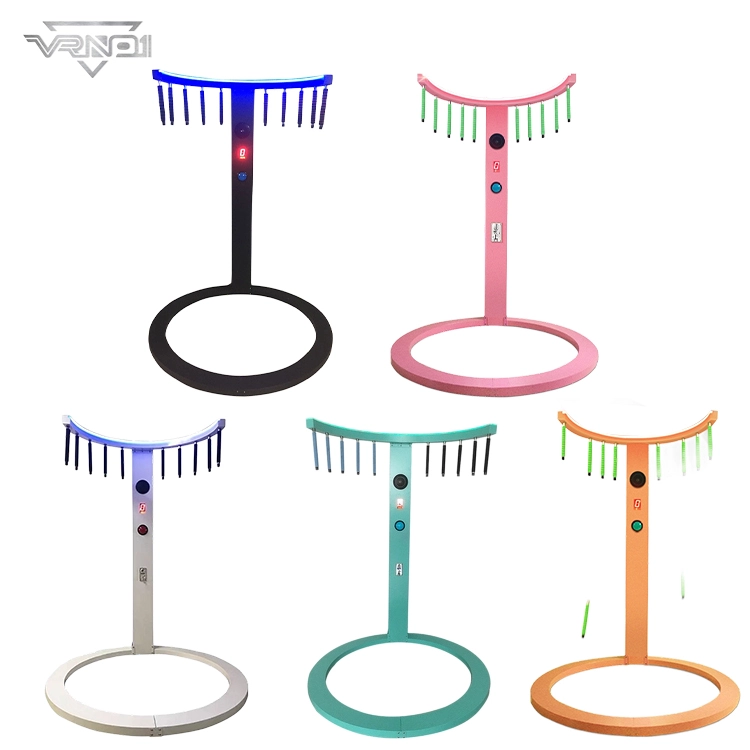
VRN0.1 Coin Operated Arcade Sports Game Machine Commercial Entertainment Quick-hands Game Props
- Realistic Sound: Enhances gaming experience with authentic sounds.
- Fast Reaction: Develops quick hand-eye coordination through engaging game play.
- DIY Kit: Allows for customization and personalization of the baton.
- Metal and Plastic Construction: Durable and robust build quality.
- Coin Operated: Fun for players who enjoy arcade-like experiences.
 Scan QR Code
Whatsapp: +8618127818571
Scan QR Code
Guangzhou Skyfun Technology Co.,Ltd
skyfunvrgame
skyfun game