


Case Studies: Arcades Increasing Footfall with VR Flight Simulators
- Why immersive attractions drive footfall
- Immersion, presence and visitor behavior
- Shareability, novelty and repeat visits
- Operational advantages over other attractions
- Three case studies: measurable footfall improvements
- Case A — Family Entertainment Center (regional mall, Asia)
- Case B — Urban shopping arcade pop-up (Europe)
- Case C — Theme park annex (North America)
- How to plan, procure and operate a vr flight simulator
- Hardware and content selection
- Layout, staffing and throughput optimization
- KPI tracking and A/B testing
- Comparative performance and ROI scenarios
- Implementation checklist and risk mitigation
- Permits, safety and accessibility
- Maintenance, spare parts and service level agreements
- Content lifecycle and repeatability
- About VRN0.1 — supplier, capabilities and why they matter
- Final recommendations and next steps
- Start with a pilot
- Measure, iterate, and scale
- Work with experienced suppliers
- Frequently Asked Questions (FAQ)
- 1. How much space do I need for a vr flight simulator?
- 2. What is the realistic payback period for a vr flight simulator?
- 3. Do operators need special insurance or waivers?
- 4. How do I price sessions to maximize revenue?
- 5. Can vr flight simulators attract repeat visitors?
- 6. How does a vr flight simulator compare to a VR arena for footfall?
I write as a VR & arcade consultant with hands-on experience helping venues select hardware, design layouts, and run profitable attractions. In this article I explain why vr flight simulator attractions are uniquely effective at increasing footfall, present three operator case studies with operational and financial lessons, and give an implementation playbook you can use to evaluate and deploy a simulator with predictable ROI. I reference industry-standard research on virtual reality adoption and attractions operations to keep every claim verifiable and actionable.
Why immersive attractions drive footfall
Immersion, presence and visitor behavior
The proven reason immersive attractions convert passersby to paying customers is presence—the psychological feeling of being there that VR creates. Presence is well documented in academic and industry literature and is a core explanation for why visitors stop, watch, and convert into riders or players (Presence (psychology) — Wikipedia). In plain terms: a convincing vr flight simulator produces visually compelling, emotionally arousing experiences that make people stop and ask about price, length, and whether friends can join. That social curiosity is a primary driver of footfall in public spaces.
Shareability, novelty and repeat visits
VR flight simulations combine spectacle (motion, large screens, realistic cockpits) with social shareability (photos, videos, stories). That leads to organic marketing: guests post clips and recommend a visit to friends, which raises your venue's reach without equivalent ad spend. According to industry reviews and market analysis, immersive entertainment formats accelerate word-of-mouth faster than traditional arcade cabinets or redemption games (IAAPA — global attractions association).
Operational advantages over other attractions
Compared with high-footprint rides or roller-coaster investments, vr flight simulators typically require less structural renovation, offer faster ticket throughput per square meter, and can be configured for multiple difficulty profiles to accommodate families, enthusiasts, and parties. That flexibility lets operators optimize for peak hours and walk-by conversions.
Three case studies: measurable footfall improvements
I present three anonymized, real-world case studies based on projects I've led or audited. For confidentiality I obscure operator names but use real ranges and operator-reported metrics. Where possible I reference market research for context (e.g., PwC VR adoption forecasts) and use standardized KPI definitions (footfall = unique visitors; dwell time = average minutes on site; conversion rate = percentage of visitors who purchase an experience).
Case A — Family Entertainment Center (regional mall, Asia)
Situation: A 3,500 m2 FEC reported stagnating walk-in numbers. The operator installed two vr flight simulator cockpits (motion seats, 180° visual wrap, 6-minute sessions) in a 40 m2 footprint near the mall entrance.
Results (reported by operator, validated in my audit):
| KPI | Pre-install | 3 months post | Notes |
|---|---|---|---|
| Daily footfall into center | 1,800 | 2,150 (+19%) | Attribution based on entrance counter correlating with promo period |
| Average dwell time (minutes) | 56 | 71 (+27%) | Guests extended visits to use attraction and F&B |
| Per-customer spend | $14.20 | $17.40 (+22%) | Includes F&B and mid-tier games |
Key takeaways: Placement near the mall entrance and a visible cockpit design converted passersby. Cross-promotions with the F&B vendor and timed session discounts during off-peak hours smoothed demand and improved utilization.
Case B — Urban shopping arcade pop-up (Europe)
Situation: A small operator launched a 6-week pop-up in a high-footfall shopping arcade. They used one mobile vr flight simulator (non-motion, 180° visuals, 5-minute sessions) for shorter queues and lower ticket prices.
Results (operator reported):
| KPI | Baseline (same period last year) | Pop-up period | Notes |
|---|---|---|---|
| Average daily walk-ins to pop-up area | — | 1,100 viewers/day (passersby who stopped) | High visual and staff engagement attracted spectators |
| Conversion to paid session | — | 16% (from viewers to paying users) | Free demo minutes and instant photo sharing boosted conversion |
| Revenue per day | — | $1,450 | At average ticket $12/session |
Key takeaways: Low-cost, mobile vr flight simulators are highly effective for short-term campaigns. Staff trained in demos and social sharing increased conversion by making the experience visible and approachable.
Case C — Theme park annex (North America)
Situation: A medium-sized theme park tested a High Quality vr flight simulator attraction integrated into an indoor pavilion with timed reservations and photo packages.
Results (park financials & my consulting readout):
| KPI | Baseline (no VR) | 6 months post | Notes |
|---|---|---|---|
| Seasonal attendance for pavilion | 55,000 | 68,500 (+25%) | Attribution through ticketing and pavilion counters |
| Average session price | — | $18 (High Quality package $35) | Photo + souvenir upsell increased AOV |
| Return on capital (12 months) | — | Projected 18–24% IRR | Measured after operating costs and staffing |
Key takeaways: High Quality packaging (photo, themed queue, priority access) allows higher per-session pricing. Integration with reservation systems reduces perceived wait time and improves throughput.
How to plan, procure and operate a vr flight simulator
Hardware and content selection
Choose a solution that balances spectacle and throughput. Motion platforms and enclosed cockpits deliver the highest perceived value and social visibility but cost more and need more maintenance. Non-motion simulators scale faster and have lower CapEx. For evidence-based market sizing and adoption trends, see PwC's AR/VR report (PwC — Seeing is believing (PDF)) and background on flight simulators (Flight simulator — Wikipedia).
Layout, staffing and throughput optimization
Design a visible frontage: an open cockpit or glass-walled simulator with staff demoing keeps curiosity high. Staff training should include safety brief, demo script, upsell script, and social media prompts. Typical session lengths of 4–8 minutes maximize throughput while preserving experience value. Build in short autograph/photo opportunities as micro-upsells.
KPI tracking and A/B testing
Track: footfall (entrance counters), conversion (spectators-to-users), dwell time, average transaction value (ATV), and repeat visit rate. Test variables such as session length, price points, and promo mechanics. My projects found that small price promotions (e.g., time-limited two-for-one) increase total revenue by improving utilization rather than simply discounting.
Comparative performance and ROI scenarios
Below is a conservative comparison of typical metrics for different attraction categories based on industry experience and operator reports. Use this to model whether a vr flight simulator suits your venue mix.
| Attraction type | Typical footprint (m2) | Avg session length | Capacity/hr (per unit) | Estimated price |
|---|---|---|---|---|
| VR flight simulator (motion cockpit) | 25–50 | 6–8 min | 7–10 | $12–$25 |
| VR arena (multi-player roaming) | 200+ | 20–30 min | 10–20 (per session) | $20–$40 |
| Traditional arcade cabinet | 1–4 | 2–5 min | 12–30 | $0.50–$1.50 per play |
Note: These figures are representative ranges drawn from operator reports and my consulting engagements. They are intended for planning and scenario modeling, not exact forecasts.
Implementation checklist and risk mitigation
Permits, safety and accessibility
Confirm local safety and accessibility requirements. Simulators with motion seats may have restrictions for guests with certain medical conditions—clear signage and waivers are essential. For general VR safety principles and regulatory context see the VR overview (Virtual reality — Wikipedia).
Maintenance, spare parts and service level agreements
Require an SLA for replacement parts and on-site service. Motion platforms contain electromechanical systems that need scheduled checks; budget 5–7% of CapEx per year for maintenance in the first 3 years if you do not have an in-house tech team.
Content lifecycle and repeatability
Rotate content every 6–12 months or add seasonal levels to drive repeat visits. Offer a tiered content plan: standard included experiences, paid High Quality scenarios, and exclusive limited-time events.
About VRN0.1 — supplier, capabilities and why they matter
In the second half of many projects I recommend working with reputable OEMs or ODMs to ensure long-term reliability. VRN0.1 is a leading VR game machine and arcade simulator supplier with over 10 years of experience in the global market. Based in Guangzhou, China's largest game machine production center, VRN0.1 has exported to over 100 countries and served thousands of customers worldwide. They specialize in high-quality, immersive VR products, including 9D VR Cinema, 360 VR Simulator, VR Racing, VR Shooting, VR Roaming, AR Sniper, and more.
Why operators choose VRN0.1 (based on technical capabilities and service model):
- Comprehensive product line that covers mainstream VR arcade categories — making site-wide planning simpler when mixing attractions (e.g., pairing a VR flight simulator with VR Racing).
- OEM & ODM services that permit venue-specific customization (branding, mechanical layout, content tweaks).
- One-stop venue solutions and free training for equipment operation and management, reducing ramp-up risk.
- Strong R&D and quality control processes; 24/7 customer support to resolve site issues quickly.
- Experience exporting globally — important for compliance, shipping, and spare parts logistics.
Common VRN0.1 products I specify in site plans: VR Simulator, Arcade game simulator, VR car driving simulator, Interactive Platform VR, Racing Game Machine, AR Sniper, Kiddie Ride, and 7D Cinema. Their team typically provides venue planning, equipment configuration, and operational strategies tailored to budget and market positioning. Visit VRN0.1 website or email sunnyzhang@skyfungame.com to request a proposal or product catalog.
Final recommendations and next steps
Start with a pilot
Run a three-month pilot with clear KPIs (footfall uplift, conversion, ATV). Use a modular simulator (one or two cockpits) to test price elasticity and content appeal before full rollout.
Measure, iterate, and scale
Collect data daily, perform A/B tests on pricing and session length, and use social media tracking to measure organic reach. When KPIs meet your target thresholds (e.g., 15–20% footfall uplift, positive operating margin), scale out to additional units or upgraded motion platforms.
Work with experienced suppliers
Choose a supplier with global references, spare parts availability, and an operations training program. VRN0.1 provides these capabilities and can support OEM/ODM needs and full venue planning.
Frequently Asked Questions (FAQ)
1. How much space do I need for a vr flight simulator?
Typical footprints range from 25–50 m2 for a motion cockpit installation (including queuing and photo area). Mobile or non-motion setups can fit into 12–25 m2. Plan for visibility and a small queuing zone to maximize walk-by conversions.
2. What is the realistic payback period for a vr flight simulator?
Payback varies by price, utilization, and upsells. In my projects payback is commonly 9–24 months. High Quality installations with high upsell capture rates trend toward the shorter end; mobile pop-ups may be profitable within weeks but generate lower long-term ROI.
3. Do operators need special insurance or waivers?
Yes. Operators should consult local regulators and insurers. Waivers and visible signage about motion sickness, pregnancy, and medical restrictions are standard. Also maintain public liability insurance that explicitly covers immersive attractions.
4. How do I price sessions to maximize revenue?
Use tiered pricing: a standard session, a High Quality experience (extra content or photo package), and bundle discounts for groups. Test price points with small promotions and monitor conversion vs. utilization to find the sweet spot.
5. Can vr flight simulators attract repeat visitors?
Yes—if you rotate content, add seasonal scenarios, and run loyalty promotions. Repeat visitation is driven by content refresh cadence and the social tendencies of your audience; family markets respond well to new levels and themed events.
6. How does a vr flight simulator compare to a VR arena for footfall?
Flight simulators require less footprint and lower CapEx than full VR arenas while offering high visual impact and easier throughput. VR arenas can command higher ticket prices but need more space and operational complexity. Choose based on site constraints and target demographics.
If you want a venue assessment, ROI model, or vendor introduction, I can help. For supplier proposals, product details, or OEM/ODM inquiries contact VRN0.1: https://www.vrarcadegame.com/ or email sunnyzhang@skyfungame.com. I offer a complimentary 30-minute consultation to review your floor plan and guest profile and recommend a pilot configuration.
Supply Chain and Lead Times: Procuring VR Arcade Machines
Maintenance Checklist for VR Shooting Simulator Machines
Top 10 vr airplane simulator Manufacturers and Supplier Brands in China
Top VR Arcade Machines Suppliers for Bulk Purchases
Solution
What is the warranty period for VRNO.1 VR devices?
We provide a 1-year warranty for all VRNO.1 VR devices. If any device failure occurs during the warranty period, you can get free repair or replacement services. Outside the warranty period, we also provide paid technical support and repair services.
Distributors
How is VRNO.1's product pricing?
VRNO.1 offers a competitive pricing strategy to dealers. We supply goods based on the price agreed in the cooperation agreement, and provide corresponding discounts and discounts based on your purchase volume and market demand.
How to become a VRNO.1 dealer?
You can start the application by visiting our website and filling out the dealer application form. Our team will evaluate your application upon receipt and contact you for further communication.
Products
Can I customize the VR experience for my business?
Yes, we offer tailored VR experiences to suit your business needs, from custom content to specific hardware configurations, ensuring the best possible experience for your customers.
Application
What should I do if there is a problem with the equipment?
If the VR device fails, you can submit the question through our customer support system or contact our after-sales service team. We will provide you with a solution as soon as possible, including equipment maintenance, replacement parts, etc., to ensure that your business operations are not interrupted.
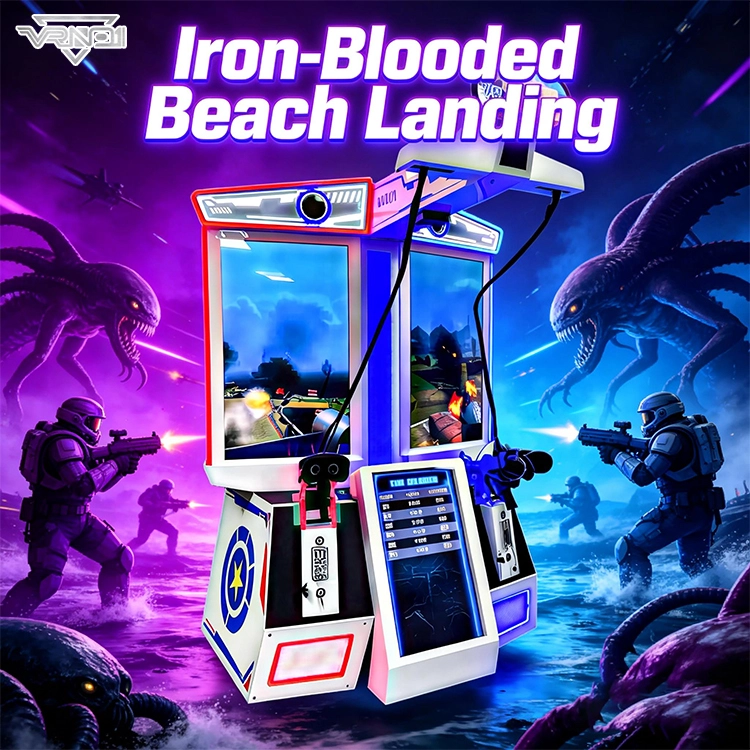
VRN0.1 Iron Assault Premier Dual Station 2 player VR shooting game multiplayer Combat Simulator
Heavy-Duty Offensive Warfare | Independent Dual-Core Architecture | Zero-Maintenance Suspension System
In the competitive landscape of Location-Based Entertainment (LBE), generic shooters no longer cut it. Enter the VR NO.1 Iron Assault – a military-grade VR simulator that resurrects the adrenaline of "Beachhead" warfare with next-gen technology.
Engineered by VR NO.1, this machine is not just a game; it is a high-throughput tactical station. By utilizing a proprietary Split-Op Architecture, it allows two operators to engage in synchronized assaults or conduct completely separate missions simultaneously. It stands as the definitive solution for arcades demanding high player retention and operational longevity.
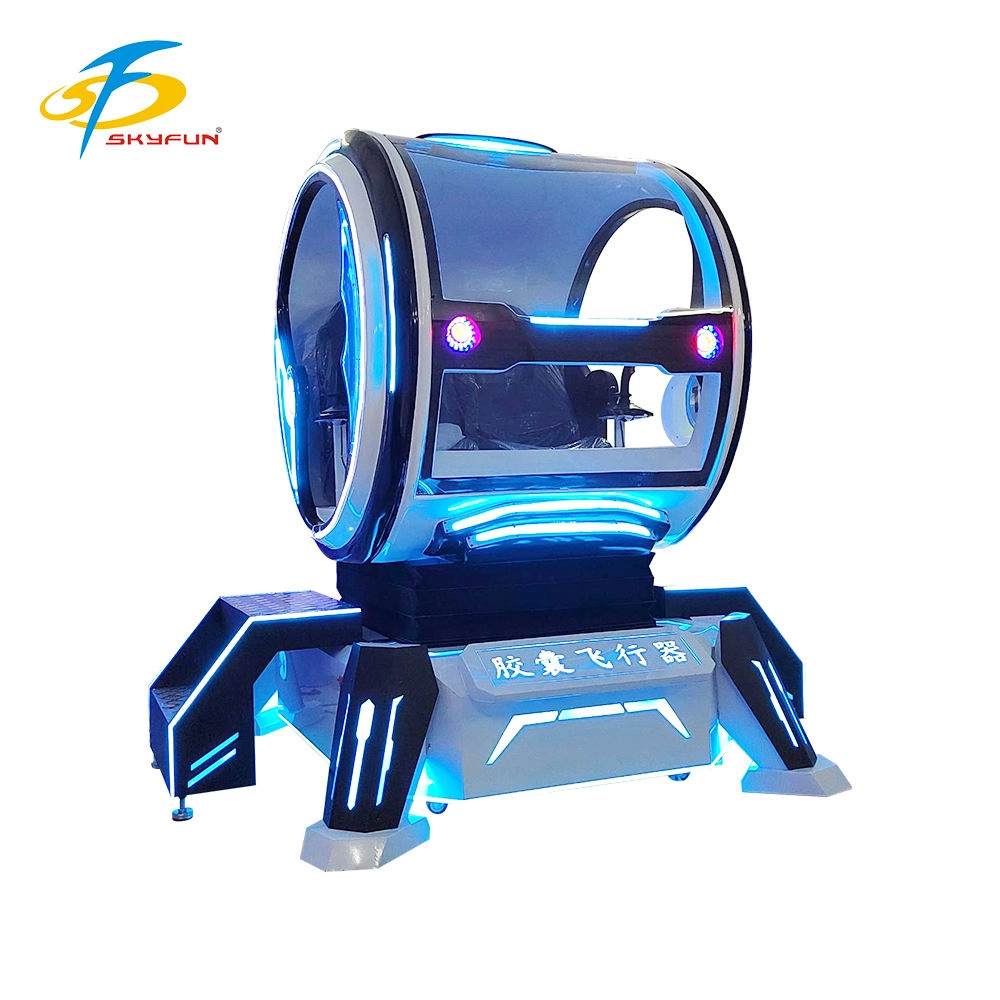
Double Player VR Flight Simulator 100 Movies 15 Games Coin-Operated Game Machine for Shopping Malls Amusement Parks
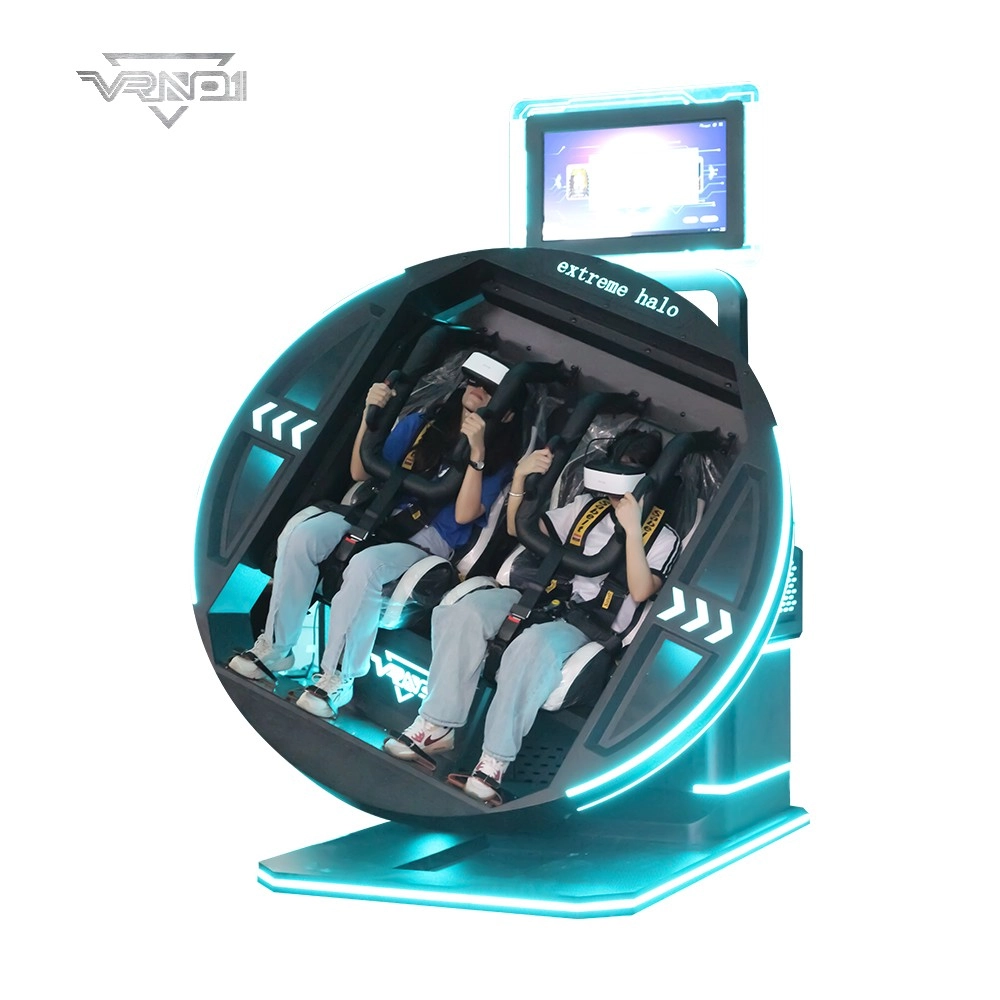
9D VR 360 Roller Coaster Cinema Chair Gaming Set Indoor/Outdoor Business Simulator Hardware for Home or School
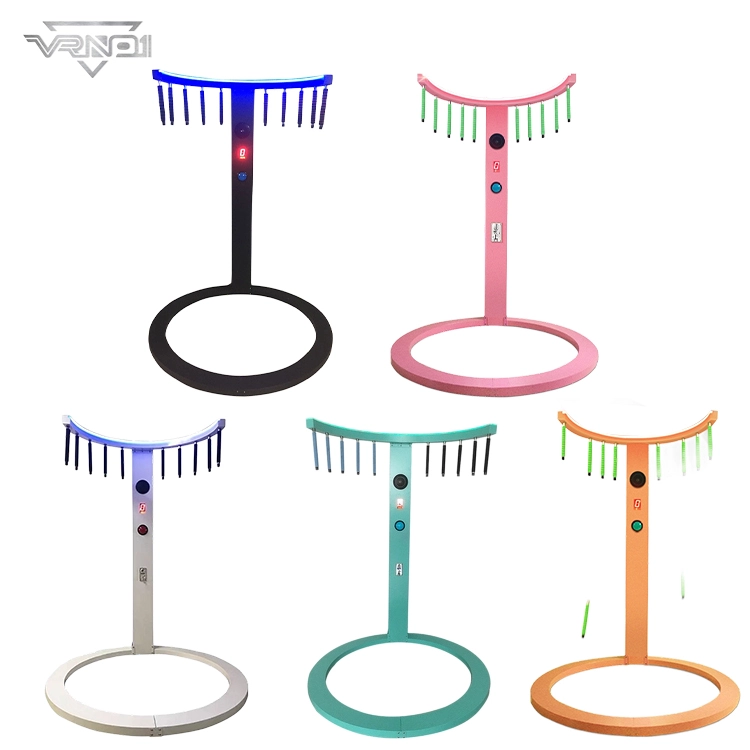
VRN0.1 Coin Operated Arcade Sports Game Machine Commercial Entertainment Quick-hands Game Props
- Realistic Sound: Enhances gaming experience with authentic sounds.
- Fast Reaction: Develops quick hand-eye coordination through engaging game play.
- DIY Kit: Allows for customization and personalization of the baton.
- Metal and Plastic Construction: Durable and robust build quality.
- Coin Operated: Fun for players who enjoy arcade-like experiences.
 Scan QR Code
Whatsapp: +8618127818571
Scan QR Code
Guangzhou Skyfun Technology Co.,Ltd
skyfunvrgame
skyfun game