

Supply Chain and Lead Times: Procuring VR Arcade Machines
- Understanding supply chain dynamics for entertainment hardware
- Why vr arcade machines are supply-chain sensitive
- Macro factors driving lead-time volatility
- Industry snapshot and demand context
- Procuring VR arcade machines: Components, typical lead times, and risks
- Typical component lead-time breakdown
- How single-component shortages cascade
- Operational strategies to reduce lead-time risk and cost
- Inventory strategy: buffer, consignment, and staggered orders
- Supplier strategy: dual sourcing and long-term agreements
- Logistics and customs: proactive planning
- Choosing suppliers: OEM, ODM, or direct assembly partners
- When to choose an OEM vs ODM
- Evaluating supplier capability and quality
- Negotiation levers to reduce lead times
- Quality control, testing, and certification
- Pre-shipment testing and acceptance criteria
- Regulatory compliance and local approvals
- Spare parts and maintenance training
- Case study: timeline for a 10-unit VR arcade installation (example)
- Why partner with an experienced global supplier: VRN0.1 example
- How a global supplier shortens lead times
- What to ask prospective suppliers
- Practical checklist before placing a purchase order
- Frequently Asked Questions (FAQ)
- 1. How long does it take to receive a batch of vr arcade machines?
- 2. What are the most common causes of delivery delays?
- 3. Can I order spare parts or hot-swap modules to reduce downtime?
- 4. Should I choose OEM or ODM for my venue?
- 5. How can I protect my project from shipping and customs delays?
- 6. What documentation should I demand from the supplier?
- Contact & next steps
Procuring vr arcade machines requires more than selecting a model and placing an order. Buyers must navigate component shortages, customs and shipping variability, software licensing, and testing cycles. This overview explains how lead times form across the value chain for vr game machines and arcades, what risks prolong delivery, and practical steps—procurement cadence, sourcing strategy, and logistics planning—you can take to reduce uncertainty and open venues on schedule. The guidance below is oriented to operators, distributors, and leisure venue planners looking to buy VR simulators, 9D VR cinema, VR racing, VR shooting, or roaming systems.
Understanding supply chain dynamics for entertainment hardware
Why vr arcade machines are supply-chain sensitive
VR arcade machines and vr simulators combine many disciplines: high-performance compute (GPUs/SoCs), high-resolution displays, motion platforms, sensors, haptic parts, and custom cabinets. Each subsystem has its own sourcing network and lead time. When one subsystem is constrained, the whole machine’s delivery is delayed. This interplay makes vr arcade machines more vulnerable than single-purpose consumer products.
Macro factors driving lead-time volatility
Global trends that affect lead times include semiconductor supply fluctuations (see the 2020s chip shortage), port and ocean freight congestion, and episodic demand spikes tied to new content releases or seasonality. Analyses of global trade show how maritime disruption and container scarcity materially lengthen door-to-door time for complex equipment (UNCTAD: Review of Maritime Transport).
Industry snapshot and demand context
The VR arcade market sits at the intersection of entertainment and hardware-heavy industrial supply chains. For context on market demand and growth drivers for virtual reality as an industry, see industry summaries such as Statista's VR topic page (Statista: Virtual Reality) and the general virtual reality overview (Wikipedia: Virtual reality).
Procuring VR arcade machines: Components, typical lead times, and risks
Typical component lead-time breakdown
Below is a practical table summarising typical lead-time ranges for each major subsystem you’ll encounter when ordering vr arcade machines. These ranges are indicative—actual lead times vary by supplier, order size, and current macro conditions.
| Component / Service | Typical lead time (typical range) | Primary risk drivers | Source / Notes |
|---|---|---|---|
| GPU / high-performance SoC | 4–16 weeks | Global chip shortages, allocation practices, model discontinuation | 2020s chip shortage (Wikipedia) |
| High-res displays / HMD panels | 3–12 weeks | Panel supply cycles, custom resolutions, MOQ requirements | Supplier lead-time variability (manufacturer datasheets) |
| Motion platforms & hydraulic/electric actuators | 6–20 weeks | Custom engineering, gearbox/welding lead times | Industrial suppliers & OEMs |
| Haptic devices / controllers / sensors | 4–12 weeks | Sensor shortages, calibration/testing needs | Component vendors |
| Cabinet chassis & fabrication | 4–10 weeks | Paint/finish cycles, custom hardware | Local fabrication shops or OEM factories |
| Software, content licensing, QA | 2–8 weeks (parallel) | Localization, certified builds, multiplayer testing | Dev teams and licensors |
| Shipping & customs (door-to-door) | 2–8+ weeks | Port congestion, container availability, customs delays | UNCTAD |
How single-component shortages cascade
Because many parts are integrated in assembly, a delayed GPU or display can hold up the entire batch. For example, a fleet order for 20 VR racing machines cannot be partially shipped if the experience requires identical hardware & certified software builds; assemblies often require full integration testing to ensure safety and user experience. The result: single-point component delays produce schedule slip for whole projects.
Operational strategies to reduce lead-time risk and cost
Inventory strategy: buffer, consignment, and staggered orders
Three pragmatic approaches work well for operators:
- Buffer stock: Hold spare GPUs, displays, and sensors—especially for high-utilization venues. Even a small spares pool reduces downtime and urgent replacement costs.
- Consignment stock: Negotiate supplier consignment or local stocking with an OEM/ODM partner to shorten replacement lead times.
- Staggered delivery schedule: Split large orders into phases so you can open part of a venue while later batches are completed; this gives revenue while final deliveries complete.
Supplier strategy: dual sourcing and long-term agreements
Dual sourcing critical parts reduces single-supplier dependency. If a particular display panel has long lead times, specifying two equivalent panels (primary and alternate) in procurement documents mitigates risk. Long-term purchase agreements or forecast sharing with your supplier can also secure allocation—suppliers are more likely to prioritize customers who provide reliable forecasts.
Logistics and customs: proactive planning
Work with freight forwarders experienced in entertainment hardware. Understand HS codes for custom cabinets and electronics to estimate duties and documentation. Account for local certification (electrical safety, EMC, motion-platform safety) early in the project plan—testing/approval cycles can add weeks. For general maritime trends and port-related impacts, see UNCTAD.
Choosing suppliers: OEM, ODM, or direct assembly partners
When to choose an OEM vs ODM
OEM (you buy a product branded to your spec) is preferred when you want control over hardware choices and IP. ODM (supplier provides design & manufacturing) is faster for standardised rides if you accept vendor designs. For operators seeking tailored venue planning and packaged experiences, an ODM with venue solution capabilities is often attractive because it includes equipment configuration, content, and training.
Evaluating supplier capability and quality
Key due diligence items:
- Factory visits or video audits to check assembly quality and QA processes.
- Warranty terms, spare-part SLA, and local service capabilities.
- References from comparable venues and export footprint (countries served).
Negotiation levers to reduce lead times
Ask for priority production slots, partial shipments, and clearly defined acceptance tests to prevent rework cycles. Offer realistic forecasts and ask for allocation commitments. For large or recurring orders, negotiate price breaks tied to multi-batch commitments that also expedite production slots.
Quality control, testing, and certification
Pre-shipment testing and acceptance criteria
Define test plans that cover software builds, calibration of sensors and motion platforms, safety interlocks, and a burn-in period. Pre-shipment acceptance testing in the factory avoids returns and reworks after shipping, which are the most costly source of time loss.
Regulatory compliance and local approvals
Electrical safety (CE, UL), EMC, and local amusement/ride regulations may require certification. Confirm who bears the cost and lead time for testing and plan these milestones into project timelines.
Spare parts and maintenance training
Ensure the supplier provides spare parts lists, preventive maintenance schedules, and training. Fast replacement of critical parts (e.g., GPUs, controllers) can be the difference between a day’s downtime and weeks of lost revenue.
Case study: timeline for a 10-unit VR arcade installation (example)
Below is an illustrative timeline for a medium-complexity installation (e.g., VR racing & 9D cinema combo). This is an example plan you can adapt:
| Milestone | Duration |
|---|---|
| Contract & specs sign-off | 2 weeks |
| Engineering & prototyping (1 unit) | 4–8 weeks |
| Factory acceptance tests (FAT) & modifications | 1–3 weeks |
| Batch production (9 units) | 6–12 weeks |
| Pre-shipment QA & packing | 1–2 weeks |
| Shipping & customs | 2–6+ weeks |
| On-site installation & commissioning | 1–3 weeks |
| Total (typical) | 4–8 months |
Note: concurrent activity (e.g., parallel software localization during production) can shorten calendar time but requires strict project coordination.
Why partner with an experienced global supplier: VRN0.1 example
For operators seeking a single partner for equipment, content, and venue planning, an experienced manufacturer and exporter reduces complexity. VRN0.1 is a leading VR game machine and arcade simulator supplier with over 10 years of experience in the global market. Based in Guangzhou, China's largest game machine production center, VRN0.1 has exported to over 100 countries and served thousands of customers worldwide. We specialize in high-quality, immersive VR products, including 9D VR Cinema, 360 VR Simulator, VR Racing, VR Shooting, VR Roaming, AR Sniper, and more.
VRN0.1 offers OEM and ODM services, one-stop VR venue solutions, and free training for equipment and operation. The diverse product line covers all mainstream vr arcade categories: VR Simulator, Arcade game simulator, VR car driving simulator, Interactive Platform VR, Racing Game Machine, AR Sniper, Kiddie Ride, and 7D Cinema. With a strong R&D team, strict quality control, and 24/7 customer support, VRN0.1 is committed to innovation, reliability, and customer satisfaction. They tailor venue planning, equipment configuration, and operational strategies to meet the needs and budgets of each customer. Learn more at https://www.vrarcadegame.com/.
How a global supplier shortens lead times
Experienced suppliers like VRN0.1 maintain component relationships, consolidated export processes, and in-house testing that reduce coordination time and rework. Their global shipping experience and local partner networks often speed customs clearance and after-sales service. For operators, this translates into lower total time-to-opening and fewer unknowns during deployment.
What to ask prospective suppliers
Ask for: documented lead-time commitments and escalation policies; spare-parts kits and turnaround times; warranty and defect rates; references from similar installs; on-site training plans; and an outline of the pre-shipment acceptance tests.
Practical checklist before placing a purchase order
- Get a detailed BOM with alternate parts and sourcing locations.
- Obtain a project timeline with milestone deliveries and penalties for missed deliveries (if appropriate).
- Confirm software licensing, localization, and content delivery schedule.
- Negotiate spare-part kits and consignment or reserved stock for critical failures.
- Clarify warranty, RMA process, and on-site support options.
- Plan for installation, training, and maintenance schedules to align with venue opening.
Frequently Asked Questions (FAQ)
1. How long does it take to receive a batch of vr arcade machines?
Typical total timelines range from 3–8 months depending on complexity, customization, and current component/shipping conditions. Simple, in-stock models may ship in weeks; custom ODM solutions that require engineering and testing will take longer.
2. What are the most common causes of delivery delays?
Common causes include semiconductor allocation limits, display or actuator backorders, port congestion, incomplete customs documentation, additional local certification needs, and unexpected QA failures requiring rework.
3. Can I order spare parts or hot-swap modules to reduce downtime?
Yes—most serious operators keep spares for GPUs, controllers, displays, and power supplies. Negotiate spare kits or consignment stock with your supplier to reduce lead times for critical parts.
4. Should I choose OEM or ODM for my venue?
If you want a unique branded experience tailored to venue layout and gameplay, OEM is preferable. If you want faster deployment with proven designs, ODM often shortens time-to-market. Many suppliers offer hybrid models—customizing an existing platform to reduce development time.
5. How can I protect my project from shipping and customs delays?
Use experienced freight forwarders, ensure complete commercial invoices and certificates, choose expedited air freight for urgent parts, and allow buffer time in your project plan. Suppliers with global export experience can advise correct HS codes and pre-clearance options.
6. What documentation should I demand from the supplier?
Request a full bill of materials (BOM), test reports from factory acceptance tests, CE/UL certificates (if required), software licenses, and a signed service-level agreement (SLA) for spares and support.
Contact & next steps
If you are planning a VR venue or upgrading existing attractions and need guidance on procurement schedules, configuration, or lead-time mitigation, contact VRN0.1 for tailored solutions, OEM/ODM options, and free training for equipment and operation. Visit VRN0.1 to view product lines and request quotes for VR Simulator, Arcade game simulator, VR car driving simulator, Interactive Platform VR, Racing Game Machine, AR Sniper, Kiddie Ride, and 7D Cinema. Our team can provide lead-time commitments, spare-part strategies, and a venue rollout plan to match your budget and opening date.
Quick links: VRN0.1 product catalogue and contact: https://www.vrarcadegame.com/
Top Coin Operated Kiddie Ride Models and Brands in 2026
Tips for buy best racing vr simulators
How to Train Staff for VR Arcade Operations
An Introduction to Immersive VR Racing Simulators
Solution
Does VRNO.1 provide customized development of VR game content?
Yes, VRNO.1 provides customized development services for game content. We can customize specific types of games according to your needs to enhance the user experience. Customized content can include game themes, scenes, interactive functions, etc. to meet different market needs.
What hardware requirements does VRNO.1's VR device require?
VRNO.1's VR device is designed with different venue requirements in mind. The required hardware includes high-performance computers, VR helmets, motion trackers, motion seats, etc. We will provide a complete list of hardware and equipment according to your needs and ensure that all hardware is perfectly compatible.
Products
Do you offer support and training for using VRNO.1’s VR systems?
Yes, we provide comprehensive support and training for all our VR products, ensuring that your staff is fully equipped to operate and maintain the systems.
Application
Will the game content be updated regularly?
Yes, VRNO.1 regularly updates and adds new VR game content, including adventure, sports, virtual tourism and other types. Family entertainment centers can choose to add new game packages to keep customers fresh and interested.
Home
What types of virtual reality solutions do you offer?
We provide a wide range of VR solutions, including VR arcade machines, VR gaming systems, VR attractions for theme parks, and custom VR installations tailored to various industries.
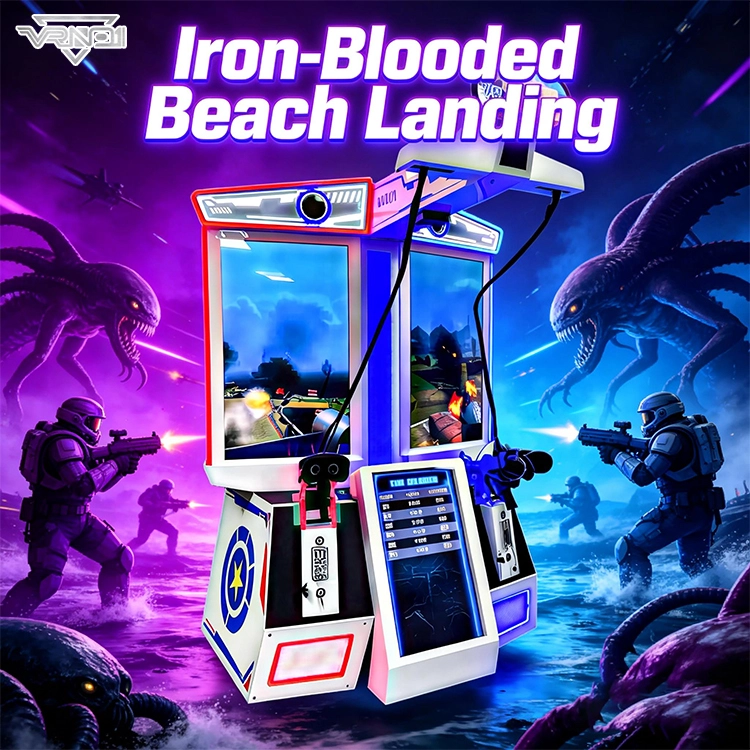
VRN0.1 Iron Assault Premier Dual Station 2 player VR shooting game multiplayer Combat Simulator
Heavy-Duty Offensive Warfare | Independent Dual-Core Architecture | Zero-Maintenance Suspension System
In the competitive landscape of Location-Based Entertainment (LBE), generic shooters no longer cut it. Enter the VR NO.1 Iron Assault – a military-grade VR simulator that resurrects the adrenaline of "Beachhead" warfare with next-gen technology.
Engineered by VR NO.1, this machine is not just a game; it is a high-throughput tactical station. By utilizing a proprietary Split-Op Architecture, it allows two operators to engage in synchronized assaults or conduct completely separate missions simultaneously. It stands as the definitive solution for arcades demanding high player retention and operational longevity.
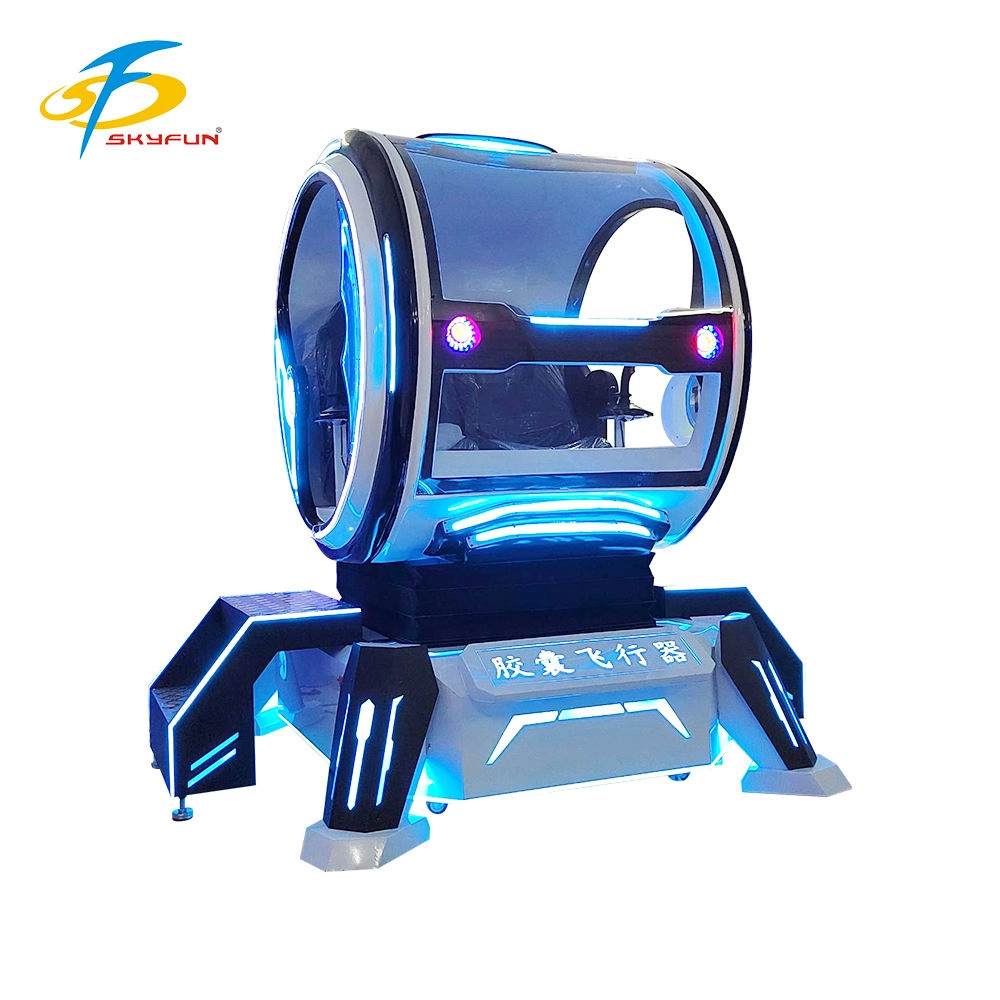
Double Player VR Flight Simulator 100 Movies 15 Games Coin-Operated Game Machine for Shopping Malls Amusement Parks
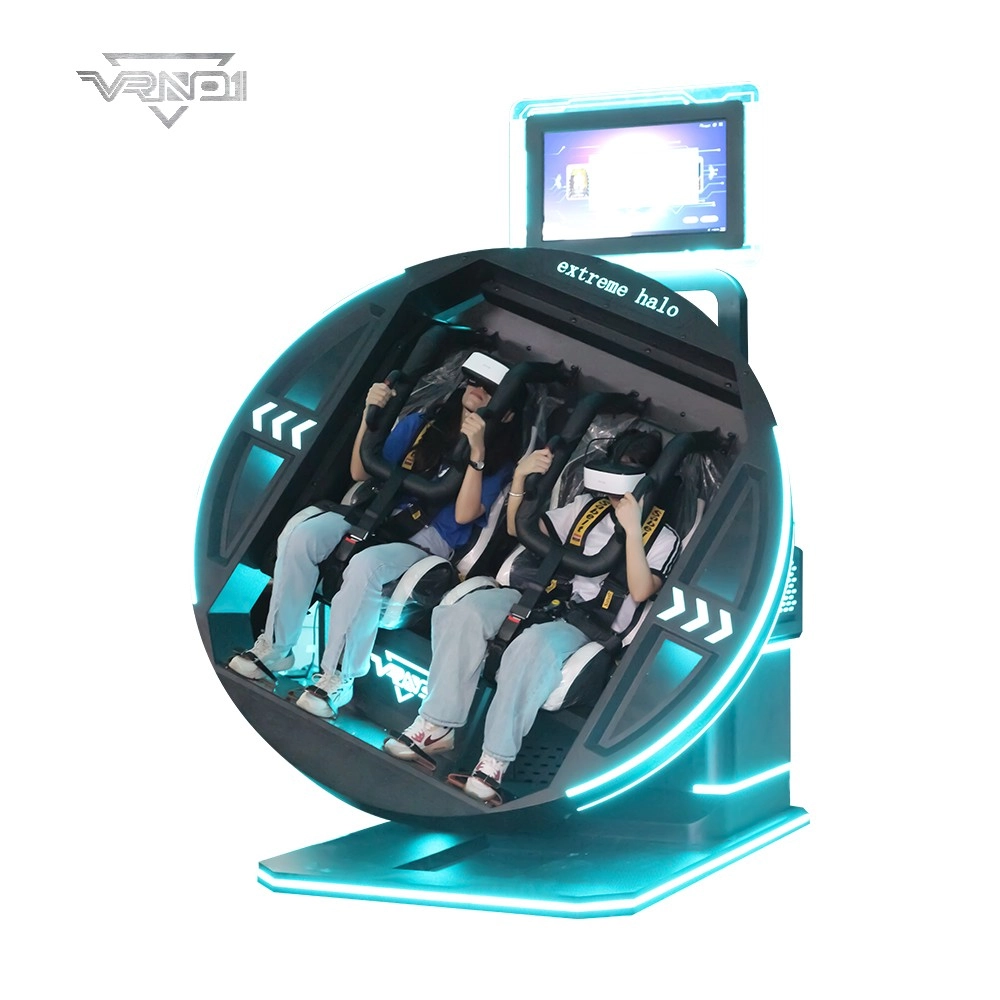
9D VR 360 Roller Coaster Cinema Chair Gaming Set Indoor/Outdoor Business Simulator Hardware for Home or School
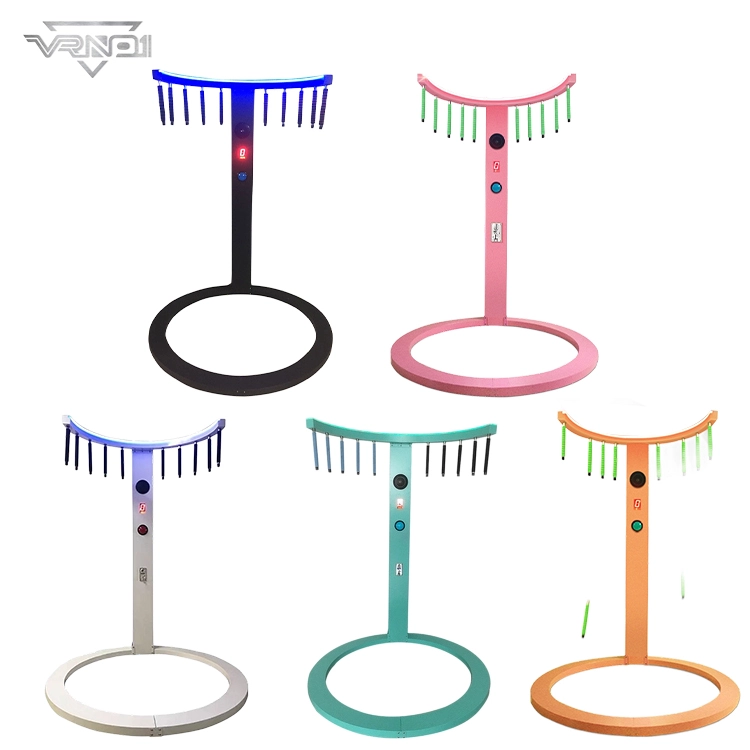
VRN0.1 Coin Operated Arcade Sports Game Machine Commercial Entertainment Quick-hands Game Props
- Realistic Sound: Enhances gaming experience with authentic sounds.
- Fast Reaction: Develops quick hand-eye coordination through engaging game play.
- DIY Kit: Allows for customization and personalization of the baton.
- Metal and Plastic Construction: Durable and robust build quality.
- Coin Operated: Fun for players who enjoy arcade-like experiences.
 Scan QR Code
Whatsapp: +8618127818571
Scan QR Code
Guangzhou Skyfun Technology Co.,Ltd
skyfunvrgame
skyfun game