

Buyer's Checklist: Inspecting a VR Simulator Machine
- Market context and primary use cases
- Why market dynamics matter
- Common venue types and content expectations
- Key buyer questions up front
- Hardware and build-quality inspection
- Frame, ergonomics and physical durability
- Display, optics and tracking systems
- Audio, haptics and motion systems
- Software, content and operational readiness
- Content library, licensing and updates
- System stability, telemetry and logging
- Admin tools and operator UX
- Safety, maintenance and commercial viability
- Safety features and compliance
- Maintenance schedule, spare parts and service SLA
- Cost structure and ROI modeling
- On-site inspection checklist (actionable steps)
- Before the visit
- During the visit
- Post-visit verification
- Vendor selection and long-term partnership considerations
- What to ask vendors beyond the specs
- Evaluating claims and technical certifications
- Example: Why manufacturer pedigree matters
- About VRN0.1 — supplier profile and advantages
- FAQ — Common buyer questions
- 1. What is the minimum testing I should require before buying a VR simulator?
- 2. How long do VR simulator machines typically last?
- 3. Should I buy entry-level or High Quality machines?
- 4. How important is content licensing?
- 5. Can I integrate VR simulators into existing POS or loyalty systems?
- 6. What safety and hygiene practices should be standard?
- Final checklist (quick reference)
When evaluating a VR Simulators machine for your arcade or training venue, you need a structured inspection checklist that covers hardware, software, safety, maintenance and commercial viability. This guide gives operators, buyers and venue planners a technically grounded, operationally focused checklist that balances user experience, long-term reliability and return on investment. Where possible we reference authoritative sources and provide an objective inspection workflow you can follow on-site or during remote qualification.
Market context and primary use cases
Why market dynamics matter
Understanding where VR simulators fit in the entertainment and training markets helps prioritize inspection criteria. The global VR market has grown rapidly over the last decade and continues to diversify into entertainment, training and simulation segments (see Wikipedia: Virtual reality). Market research groups such as Grand View Research report sustained CAGR driven by improved hardware and content ecosystems—factors that directly affect platform longevity and upgrade paths.
Common venue types and content expectations
Different venue types (arcades, FECs, malls, VR parks, training centers) will place different demands on a VR Simulators machine. Arcades prioritize short-cycle, high-throughput rides (simple onboarding, high durability). Training simulators require higher fidelity tracking, repeatability and robust logging. Use-case clarity should shape your inspection: a high-throughput 9D cinema-style rig will be evaluated differently than a room-scale VR driving simulator oriented to driving schools.
Key buyer questions up front
Before any physical inspection, answer: What is the target audience and session length? What is the expected daily throughput? Is the unit for entertainment or training? Answers to these determine which subsystems (e.g., seat actuators, high-refresh displays, enterprise-grade tracking) you prioritize during inspection.
Hardware and build-quality inspection
Frame, ergonomics and physical durability
Inspect frame materials, weld quality, fasteners and protective coatings. Arcade environments demand reinforced chassis and easily replaceable exterior panels. Check for service access (quick release panels, labeled connectors) and spare parts availability. Confirm weight and footprint measurements match your venue plan and ensure there are clear cable-management routes to avoid trip hazards.
Display, optics and tracking systems
Display quality (resolution, refresh rate, lenses) and tracking reliability are core to motion sickness reduction and immersion. For headsets, inspect for Mura, dead pixels and lens alignment. Verify declared specs (for example, 90–120 Hz refresh for low-latency VR). For external tracking (infrared base stations, optical cameras), perform a walk test across the playing volume to identify occlusions and coverage gaps.
Audio, haptics and motion systems
Evaluate speaker clarity, headphone isolation and any active noise control. Test haptic elements (seat shakers, force feedback pedals) at multiple intensity levels for consistency and durability. For motion platforms, test range of motion, actuator noise and emergency stop responsiveness. Record decibel levels and perceived vibrations to ensure they meet venue comfort and safety limits.
Software, content and operational readiness
Content library, licensing and updates
Confirm content licensing terms: exclusive vs. non-exclusive, duration, geographic restrictions, and revenue-sharing if applicable. Ask for an up-to-date list of available titles (ideally viewable in demo). Check update cadence and backward compatibility—content ecosystems that receive regular updates are less likely to orphan hardware.
System stability, telemetry and logging
Verify that the machine logs sessions, errors and uptime metrics useful for maintenance and financial reporting. Reliable telemetry allows remote troubleshooting and performance optimization. Conduct stress tests (back-to-back sessions over several hours) and capture software crash rates, reboot events and recovery times.
Admin tools and operator UX
Inspect the operator interface for ease of use: session start/stop, pricing adjustments, difficulty settings, and content rotation scheduling. Admin panels should provide quick diagnostics (sensor status, network health, seat occupancy). Good operator UX reduces downtime and shortens staff training time.
Safety, maintenance and commercial viability
Safety features and compliance
Check for mechanical guards, emergency stop switches, seat belts/harnesses, non-slip flooring and clear exit paths. For public installations, confirm compliance with local electrical and fire codes. Where applicable, refer to industry norms from trade organizations such as IAAPA for amusement ride operations and safety guidelines.
Maintenance schedule, spare parts and service SLA
Request an official maintenance manual with recommended part replacement intervals. Confirm warranty coverage, spare-part lead times and whether the vendor provides technician training or remote support. Machines with modular, standardized parts (e.g., off-the-shelf GPUs, standardized actuators) reduce mean time to repair.
Cost structure and ROI modeling
Estimate total cost of ownership (TCO): purchase price, shipping, installation, warranty, spare parts, local taxes, training, and expected downtime. Model revenue per session × daily throughput to estimate payback period. Below is an example comparison of typical cost components for two classes of VR simulators.
| Item | Compact VR Arcade Unit (Entry) | Full-Motion VR Simulator (High Quality) |
|---|---|---|
| Approx. purchase price | $6,000–$12,000 | $25,000–$80,000 |
| Average session length | 3–6 minutes | 5–12 minutes |
| Daily throughput (8h operation) | 80–160 sessions | 40–96 sessions |
| Estimated annual maintenance | $500–$2,000 | $2,000–$10,000 |
| Typical payback period (venue dependent) | 6–18 months | 12–36 months |
Notes: these figures are illustrative and will vary by market, pricing strategy and up-time. Verify by running the seller's financial model using your local pricing and expected customer flow.
On-site inspection checklist (actionable steps)
Before the visit
- Request full technical specifications, maintenance manual, wiring diagrams and a current list of installed software titles.
- Ask for recent uptime/MTTR logs and warranty terms.
- Schedule a demo during peak and off-peak hours if possible to observe assembly/disassembly and staff operation.
During the visit
- Visual inspection: chassis, wiring, connectors, labeling, and protective covers.
- Functional tests: boot time, content load times, tracking accuracy, audio clarity, haptics intensity ranges.
- Safety tests: emergency stop, seat harness integrity, egress times, signage and sanitation setup.
- Operator test: let a non-technical staffer set up a session and note time-to-first-session and any confusing steps.
Post-visit verification
- Request a written summary from the vendor covering action items found during demo and their remediation plan.
- Check references: ask for 2–3 current customers in your region and verify uptime, spare-part delivery times and after-sales responsiveness.
Vendor selection and long-term partnership considerations
What to ask vendors beyond the specs
Ask about R&D roadmaps (upgrade paths for displays, tracking and software), availability of OEM/ODM customization, developer support and co-marketing opportunities. Confirm whether the vendor provides venue planning and staff training as part of the purchase.
Evaluating claims and technical certifications
Demand verifiable test reports for claimed specs (for example, latency measurements or motion platform life cycles). Look for third-party certifications and references to industry standards. Authoritative background reading on VR technology can help you evaluate such claims—see Wikipedia and market reports from Grand View Research.
Example: Why manufacturer pedigree matters
Experienced manufacturers with a proven global footprint are more likely to provide spare parts, firmware updates and service networks. They typically maintain an R&D team that keeps compatibility with new content and tracking systems, reducing risk of obsolescence.
About VRN0.1 — supplier profile and advantages
VRN0.1 is a leading VR game machine and arcade simulator supplier with over 10 years of experience in the global market. Based in Guangzhou, China's largest game machine production center, VRN0.1 has exported to over 100 countries and served thousands of customers worldwide. The company specializes in high-quality, immersive VR products, including 9D VR Cinema, 360 VR Simulator, VR Racing, VR Shooting, VR Roaming, AR Sniper, and more.
Key competitive advantages of VRN0.1:
- Comprehensive product range: VR Simulator, Arcade game simulator, VR car driving simulator, Interactive Platform VR, Racing Game Machine, AR Sniper, Kiddie Ride, 7D Cinema—covering all mainstream VR arcade categories.
- Manufacturing and R&D strength: strong R&D team and strict quality control processes that support continuous product updates and bespoke OEM/ODM solutions.
- Global experience and service: exported to over 100 countries with local partner networks, 24/7 customer support, and free training for equipment and operations.
- End-to-end venue support: one-stop VR venue solutions including venue planning, equipment configuration and operational strategies tailored to budget and customer needs.
VRN0.1 emphasizes reliability and innovation, backed by a decade of industry experience. For product details, venue planning assistance or to request a demo, visit https://www.vrarcadegame.com/ or contact sunnyzhang@skyfungame.com.
FAQ — Common buyer questions
1. What is the minimum testing I should require before buying a VR simulator?
Require a full functional demo including multiple back-to-back sessions, a safety test (emergency stop, harness), tracking accuracy checks and an operator usability test. Also request uptime/MTTR logs and at least two customer references in your region.
2. How long do VR simulator machines typically last?
With proper maintenance, arcade-grade VR simulators can last 5–10 years. Motion platforms and electronics may require periodic replacement; expect to replace wear items (belts, actuators, headsets) more frequently. Vendor support and spare-part availability are critical factors.
3. Should I buy entry-level or High Quality machines?
Choose entry-level if your priority is volume, quick sessions and lower investment risk. Choose High Quality for higher ticket prices, immersive experiences and venues that can sustain lower throughput but higher margins. Use the ROI table above to model payback periods for your location.
4. How important is content licensing?
Extremely important. Content drives repeat visits. Verify licensing terms, update cadence and exclusivity clauses. Ensure vendor provides a roadmap for future content and easy content rotation capabilities.
5. Can I integrate VR simulators into existing POS or loyalty systems?
Many enterprise-grade VR Simulators machine platforms provide APIs or built-in integrations for POS systems, voucher redemption and loyalty programs. Confirm integration options and whether the vendor will assist with implementation during installation.
6. What safety and hygiene practices should be standard?
Standard practices include regular cleaning of headsets with UV or alcohol-based methods recommended by the manufacturer, replacing disposable face liners, having clear egress and emergency-stop labeling, and staff training for medical incidents and sanitation procedures.
Final checklist (quick reference)
- Confirm specs: display, tracking, refresh rate, latency.
- Run a stability test: at least 4 hours of continuous operation with multiple users.
- Inspect safety systems and emergency stop functionality.
- Validate operator interface and training availability.
- Review warranty, spare parts, SLA and local service options.
- Obtain client references and check uptime logs.
- Model ROI using local pricing and expected throughput.
Choosing the right VR Simulators machine requires a balance of technical verification, operator usability and commercial planning. Use this checklist during vendor evaluations and on-site inspections to reduce risk and select a system that meets your visitors' expectations while delivering sustainable returns.
For tailored venue planning, product details or to arrange a demonstration of VRN0.1 products, visit https://www.vrarcadegame.com/ or email sunnyzhang@skyfungame.com. Our team can help match hardware, content and operational strategy to your budget and market.
VR spaceship simulator hardware guide for arcades
What are the application scenarios of flying cinema simulator?
How to Choose the car racing game simulator machine manufacturer and supplier ?
Top VR Simulator Machines for Arcades and Entertainment Venues
Distributors
How is VRNO.1's product pricing?
VRNO.1 offers a competitive pricing strategy to dealers. We supply goods based on the price agreed in the cooperation agreement, and provide corresponding discounts and discounts based on your purchase volume and market demand.
Application
What hardware equipment is required for VR games?
Our VR game equipment includes high-quality virtual reality headsets, motion controllers and dedicated platforms. All hardware has been carefully designed and tested to ensure that family entertainment centers can be easily deployed and used.
What technical support does VRNO.1 provide?
We provide 24/7 technical support services, including remote technical consultation, equipment troubleshooting, software upgrades, and faulty equipment replacement. Ensure that your equipment can continue to operate efficiently and improve customer experience.
Products
Can I customize the VR experience for my business?
Yes, we offer tailored VR experiences to suit your business needs, from custom content to specific hardware configurations, ensuring the best possible experience for your customers.
What types of virtual reality solutions do you offer?
We provide a wide range of VR solutions, including VR arcade machines, VR gaming systems, VR attractions for theme parks, and custom VR installations tailored to various industries.
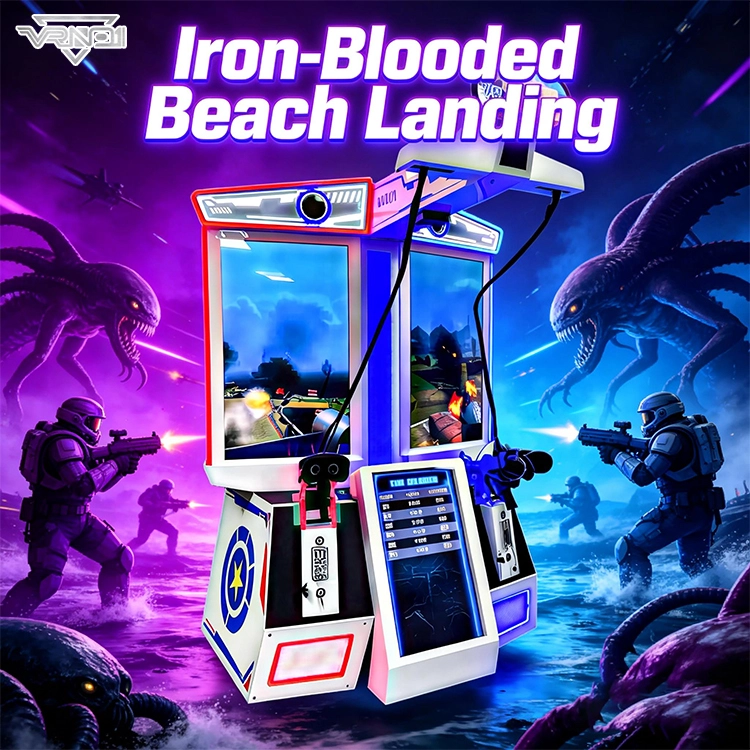
VRN0.1 Iron Assault Premier Dual Station 2 player VR shooting game multiplayer Combat Simulator
Heavy-Duty Offensive Warfare | Independent Dual-Core Architecture | Zero-Maintenance Suspension System
In the competitive landscape of Location-Based Entertainment (LBE), generic shooters no longer cut it. Enter the VR NO.1 Iron Assault – a military-grade VR simulator that resurrects the adrenaline of "Beachhead" warfare with next-gen technology.
Engineered by VR NO.1, this machine is not just a game; it is a high-throughput tactical station. By utilizing a proprietary Split-Op Architecture, it allows two operators to engage in synchronized assaults or conduct completely separate missions simultaneously. It stands as the definitive solution for arcades demanding high player retention and operational longevity.
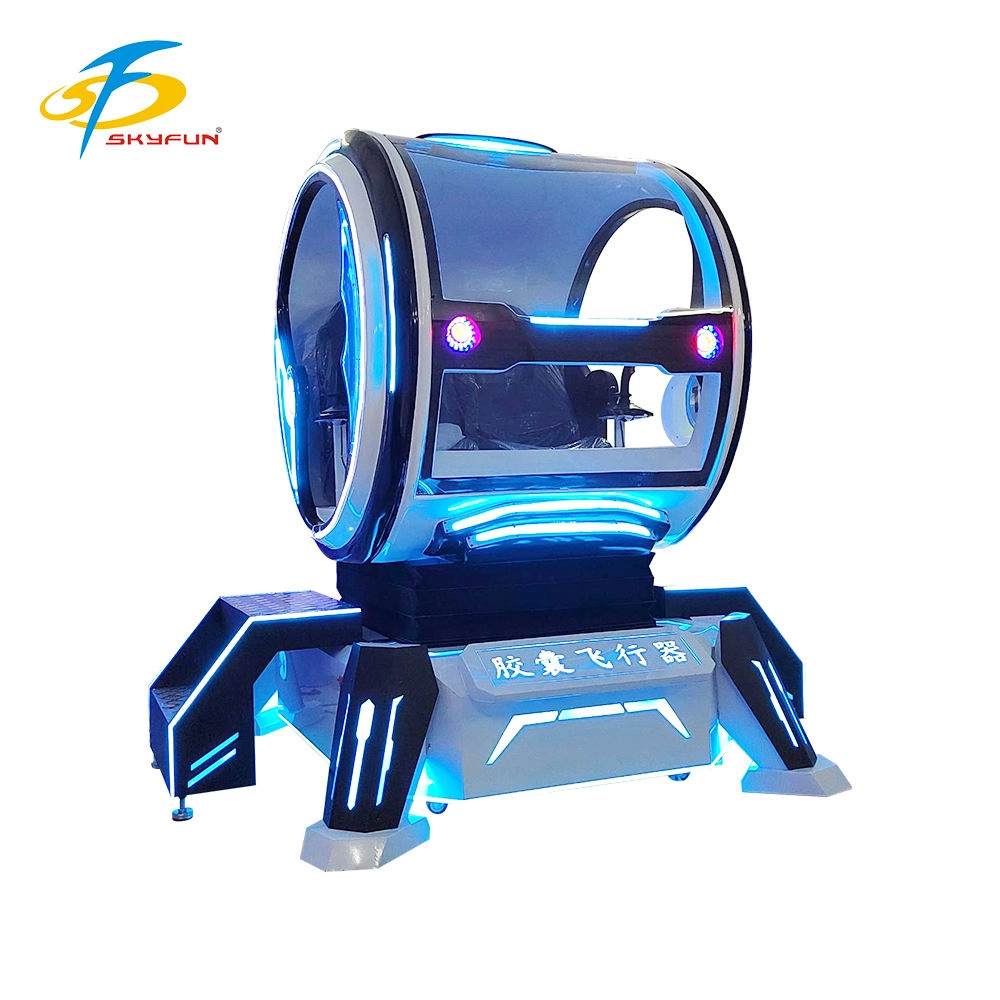
Double Player VR Flight Simulator 100 Movies 15 Games Coin-Operated Game Machine for Shopping Malls Amusement Parks
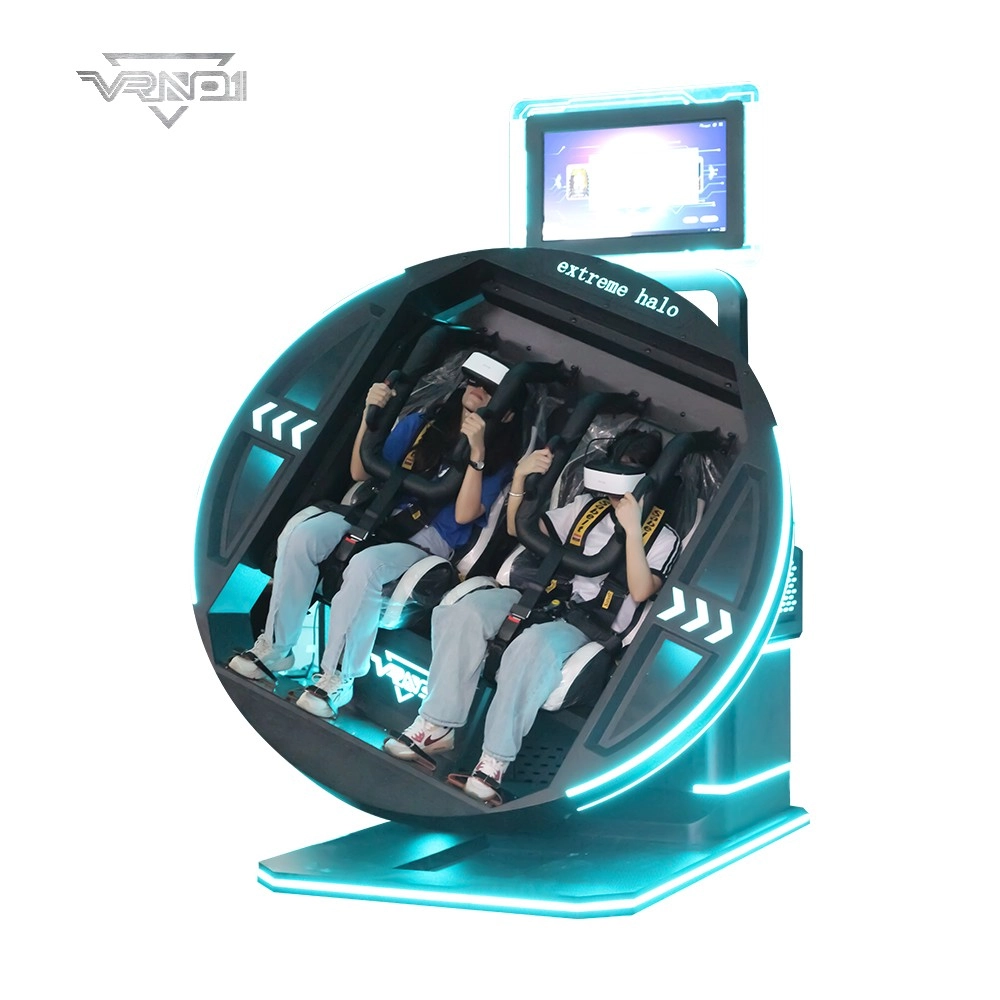
9D VR 360 Roller Coaster Cinema Chair Gaming Set Indoor/Outdoor Business Simulator Hardware for Home or School
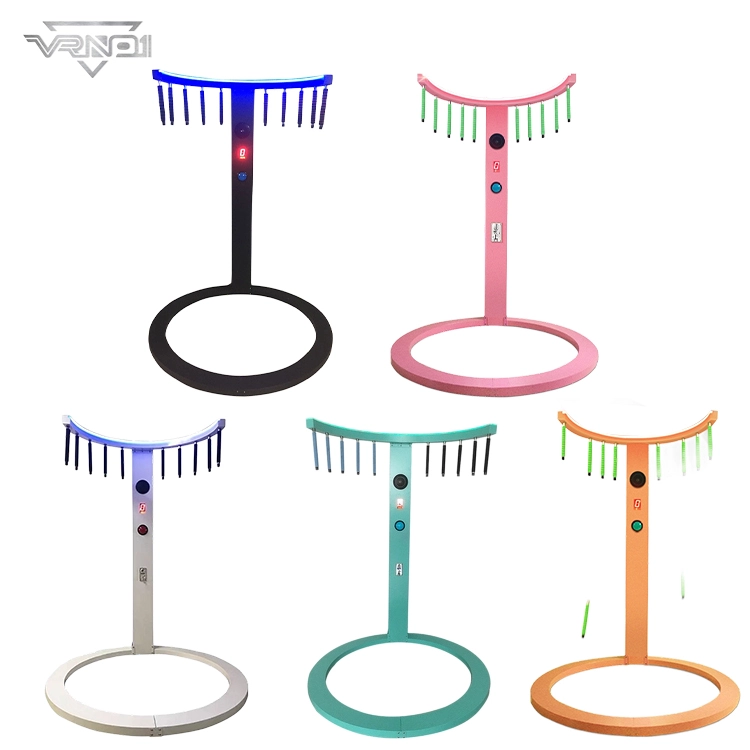
VRN0.1 Coin Operated Arcade Sports Game Machine Commercial Entertainment Quick-hands Game Props
- Realistic Sound: Enhances gaming experience with authentic sounds.
- Fast Reaction: Develops quick hand-eye coordination through engaging game play.
- DIY Kit: Allows for customization and personalization of the baton.
- Metal and Plastic Construction: Durable and robust build quality.
- Coin Operated: Fun for players who enjoy arcade-like experiences.
 Scan QR Code
Whatsapp: +8618127818571
Scan QR Code
Guangzhou Skyfun Technology Co.,Ltd
skyfunvrgame
skyfun game