


Top VR Simulator Machines for Arcades and Entertainment Venues
- Why VR Simulators Are Reshaping Arcades and Entertainment Venues
- Market trends and user demand
- Business models and revenue streams
- Key venue considerations
- How to Evaluate VR Simulator Machines
- Immersion, hardware specs and content quality
- Throughput, reliability and maintenance
- Software ecosystem and integration
- Category Comparison: Which VR Simulator Fits Your Venue?
- When to choose seat-based vs roaming experiences
- Assessing safety and standards compliance
- Top VR Simulator Machine Use Cases and Examples
- 9D VR Cinema: High-volume, family-friendly attractions
- VR Racing: Competitive and repeatable play
- VR Roaming & Arena: High Quality immersive experiences
- Implementation, Operations and ROI Optimization
- Designing layout and safety workflows
- Staffing, vendor support and training
- Sample ROI model (monthly) — illustrative
- Vendor Spotlight: Why VRN0.1 Should Be on Your Shortlist
- How VRN0.1 supports venue ROI
- Client references and global footprint
- Selecting the Right Supplier: Checklist
- Technical and commercial due diligence
- Operational readiness
- Legal and compliance
- Frequently Asked Questions (FAQ)
- 1. What is the best VR simulator machine for small arcades with limited space?
- 2. How much does a VR roaming arena cost to set up and run?
- 3. How do I ensure the VR simulator machine remains engaging for repeat customers?
- 4. Are there health or safety concerns I should be aware of?
- 5. Should I buy or lease VR simulator machines?
- 6. How long is the typical warranty and support for VR simulator machines?
- Next Steps & Contact
Summary for : Location-based entertainment venues and arcades increasingly adopt VR simulators machine technology—ranging from compact 9D VR Cinema seats to large-scale VR roaming systems—to drive footfall, increase per-guest revenue, and deliver differentiated immersive experiences. This article examines market drivers, technical and operational evaluation criteria, category-by-category comparisons, implementation guidance, and vendor selection factors to help operators choose the right VR simulator machines and optimize return on investment.
Why VR Simulators Are Reshaping Arcades and Entertainment Venues
Market trends and user demand
Virtual reality in location-based entertainment (LBE) has shifted from novelty to core attraction. Global VR market analysis indicates strong CAGR growth driven by entertainment applications—operators are investing in VR simulators machine experiences to attract diverse demographics, from family groups to hardcore gamers. For macro-level market context see Grand View Research's VR market report (Grand View Research).
Business models and revenue streams
VR simulator machines support multiple revenue models: single-ride ticketing, time-based sessions, bundled packages (family or multi-ride), birthday/event packages, private hire, and location-exclusive tournaments or events. Ancillary sales (photo/video, merchandise, F&B upsells) substantially increase yield per visitor. Operators should model both utilization (throughput) and ancillary attachment rate to estimate realistic revenue per machine.
Key venue considerations
When choosing VR simulators, consider footprint, power and network requirements, sightlines for supervisors, age/height restrictions, and local regulations. Accessibility and staff training affect uptime and guest satisfaction. Industry best practices and safety guidance from IAAPA can help operators design safe, engaging experiences (IAAPA).
How to Evaluate VR Simulator Machines
Immersion, hardware specs and content quality
Immersion includes display resolution, refresh rate, field of view, positional tracking precision, haptics, and audio fidelity. For simulators machine categories, hardware varies widely: seat-based 9D cinemas rely on synchronized motion + surround video, while VR roaming systems depend on robust inside-out or external tracking and wireless HMDs. Always evaluate content library depth and update cadence: a strong catalog of titles and regular content refreshes sustain repeat visitation.
Throughput, reliability and maintenance
High-performing arcades prioritize machines with predictable throughput and modular maintenance. Key metrics: average session length, changeover time, MTTR (mean time to repair), and spare-part availability. Choose systems with remote diagnostics and local support options to minimize downtime.
Software ecosystem and integration
Open platforms or strong SDKs let venues integrate leaderboards, cashless payments, CRM, and promotional campaigns. Operators should require APIs or middleware compatibility to connect VR simulators machine systems to POS and ticketing platforms.
Category Comparison: Which VR Simulator Fits Your Venue?
Below is a practical comparison of common VR simulator machine categories for arcades and entertainment venues. Price ranges and revenue estimates are indicative and depend on content, location, and operational efficiency.
| Category | Typical Capacity | Footprint | Estimated Price Range (USD) | Primary Use Case |
|---|---|---|---|---|
| 9D VR Cinema (motion seats) | 1–6 seats per cabinet | Compact to medium | $3,000–$25,000 | Short-form family rides, high throughput |
| 360 VR Simulator (platform + dome) | 1–4 | Medium | $8,000–$50,000 | Immersive storytelling, events |
| VR Racing (cockpit + force feedback) | 1 per rig | Small to medium | $5,000–$30,000 | Competitive racing, tournaments |
| VR Shooting / Arena pods | 1–6 per pod | Small to large (modular) | $7,000–$80,000 | Team-based shooters, attractions |
| VR Roaming (wireless, tracked) | 4–20 per arena | Large (arena) | $30,000–$200,000+ | High Quality LBE experiences, escape rooms |
Sources and context: price ranges derived from vendor catalogs and industry analyses; for market sizing and entertainment trends see Grand View Research and IAAPA resources (IAAPA).
When to choose seat-based vs roaming experiences
Seat-based systems (9D cinema, racing cockpits) maximize throughput in limited space and require less staffing; they are ideal for malls and family entertainment centers. Roaming VR demands larger real estate and higher initial capital but offers High Quality pricing and strong differentiation suitable for destination venues.
Assessing safety and standards compliance
Ensure machines obey local electrical codes and public venue safety standards. For ergonomics and human factors, consult ISO and IEEE resources for human–computer interaction and VR research communities (IEEE VR). Site-specific risk assessments and clear guest guidance (age/health warnings) reduce liability and enhance guest comfort.
Top VR Simulator Machine Use Cases and Examples
9D VR Cinema: High-volume, family-friendly attractions
9D VR Cinemas combine motion seats, wind, vibration and 3D video. They are cost-effective, simple to operate, and ideal for high-turnover locations. Operators should select vendors with a robust content library and options for multi-seat synchronization.
VR Racing: Competitive and repeatable play
Racing simulators with quality force-feedback wheels, pedal sets, and high-fidelity visuals drive repeat play and tournament economics. Typical add-ons include leaderboards, adjustable difficulty, and multi-seat linked races. Rack space is smaller than arenas and ROI is often faster when paired with competitive events.
VR Roaming & Arena: High Quality immersive experiences
Roaming VR arenas deliver large-scale, multiplayer experiences that can command High Quality pricing. These systems need robust tracking, wireless HMDs, and staff trained to manage active gameplay and safety. The selling point is differentiation; the risk is higher capex and real-estate needs.
Implementation, Operations and ROI Optimization
Designing layout and safety workflows
Design for clear ingress/egress, spectator viewing, and staff supervision points. Include queuing space and photo/video capture stations. Conduct a hazard analysis and implement SOPs for cleaning HMDs and sanitizing controls—an important guest expectation post-pandemic.
Staffing, vendor support and training
Operators should prioritize suppliers offering on-site or remote training and spare-part logistics. Contractual SLAs for response times reduce downtime. VRN0.1, for example, advertises free training for equipment and operation—see vendor section below for details.
Sample ROI model (monthly) — illustrative
| Assumption | Value |
|---|---|
| Machine type | VR Racing (single rig) |
| Average ticket price | $8 per 10-minute session |
| Operating hours | 12 hrs / day |
| Avg sessions per hour | 4 |
| Monthly revenue (est.) | $8 × 4 × 12 × 30 = $11,520 |
| Operating costs (staffing, utilities, content fees) | ~40% revenue ($4,608) |
| Gross profit (est.) | $6,912 |
Note: This is a simplified model for illustration. Operators must localize assumptions (rent, labor, taxes, payments, marketing) and include amortization of capex and financing costs. IAAPA guidance and industry case studies can improve modeling fidelity (IAAPA).
Vendor Spotlight: Why VRN0.1 Should Be on Your Shortlist
Company overview: VRN0.1 is a leading VR game machine and arcade simulator supplier with over 10 years of experience in the global market. Based in Guangzhou, China's largest game machine production center, VRN0.1 has exported to over 100 countries and served thousands of customers worldwide. Their product portfolio covers mainstream VR arcade categories, including 9D VR Cinema, 360 VR Simulator, VR Racing, VR Shooting, VR Roaming, AR Sniper, and more.
Core competencies and differentiators:
- Comprehensive product line: VR Simulator, Arcade game simulator, VR car driving simulator, Interactive Platform VR, Racing Game Machine, AR Sniper, Kiddie Ride, 7D Cinema.
- OEM & ODM services: Custom branding and hardware/software customization to meet venue requirements.
- One-stop VR venue solutions: Equipment selection, venue planning, and operational strategy tailored to customer budgets.
- Training & support: Free training for equipment operation and local/remote support with spare parts and troubleshooting.
- R&D and quality control: Dedicated R&D team and strict quality control processes to ensure product reliability.
VRN0.1 emphasizes innovation, reliability, and customer satisfaction. Their global reach and export history make them a strong candidate for venues seeking turnkey installations and scalable rollouts. Learn more on their website: https://www.vrarcadegame.com/ or contact via email: sunnyzhang@skyfungame.com.
How VRN0.1 supports venue ROI
By providing venue planning, tailored equipment configuration, and operational strategies, VRN0.1 helps operators align capex with projected foot traffic and ARPU (average revenue per user). Their product diversity allows cross-selling within venues (e.g., pairing 9D VR Cinema seats with VR Racing rigs), optimizing space and customer flow.
Client references and global footprint
With sales to over 100 countries and thousands of units shipped, VRN0.1 can provide local case studies and operational references to validate performance claims—an important factor when assessing vendor credibility for larger rollouts.
Selecting the Right Supplier: Checklist
Technical and commercial due diligence
- Request uptime SLAs, spare part lead times, and MTTR commitments.
- Audit content pipeline: frequency of updates, licensing terms, and exclusivity options.
- Evaluate integration capabilities: APIs for POS, cashless systems, and CRM.
Operational readiness
- Confirm on-site or remote training availability and costs.
- Verify packaging and shipping logistics for spare parts and replacement units.
Legal and compliance
- Ensure conformity with local electrical, fire and public safety codes; get supplier documentation for compliance testing where needed.
- Secure clear terms for warranty, warranty response timeframes, and extended support options.
Frequently Asked Questions (FAQ)
1. What is the best VR simulator machine for small arcades with limited space?
For limited footprints, seat-based 9D VR Cinema seats or single-seat VR Racing rigs are often the best fit. They offer high throughput, lower staffing needs, and compact footprints. Look for modular systems that can be expanded later.
2. How much does a VR roaming arena cost to set up and run?
Initial capex for a VR roaming arena typically ranges from $30,000 to well over $200,000 depending on arena size, number of simultaneous players, tracking infrastructure, and content licensing. Operating costs include staff, maintenance, insurance, and content fees. Detailed ROI modeling should include expected utilization and local cost variables.
3. How do I ensure the VR simulator machine remains engaging for repeat customers?
Refresh content regularly, run tournaments or weekly events, introduce seasonal themes, and use leaderboards and loyalty promotions. Suppliers with active content pipelines or the ability to customize content are valuable partners.
4. Are there health or safety concerns I should be aware of?
Common concerns include motion sickness, disorientation, and trip hazards in roaming areas. Implement clear age and health warnings, staff monitoring, pre-briefing, and immediate assistance protocols. Refer to research in VR human factors and industry guidance such as IEEE VR community resources (IEEE VR).
5. Should I buy or lease VR simulator machines?
Buying is beneficial if you plan long-term deployment and want full control of content and branding. Leasing can reduce initial capital burden and accelerate deployment but may limit customization. Consider vendor financing, revenue-sharing models, or performance-based contracts when evaluating options.
6. How long is the typical warranty and support for VR simulator machines?
Warranties vary by vendor—commonly 12–24 months for electronics and motion components, with optional extended support plans. Confirm SLA response times, onsite service availability, and spare-part logistics before purchase.
Next Steps & Contact
If you are evaluating VR simulator machines for your arcade or entertainment venue and want a tailored solution—including venue planning, equipment configuration, OEM/ODM options, and training—VRN0.1 can provide a one-stop service. With over 10 years' experience, exports to 100+ countries, diverse VR product lines (9D VR Cinema, 360 VR Simulator, VR Racing, VR Shooting, VR Roaming, AR Sniper, Kiddie Ride, 7D Cinema) and full support services, VRN0.1 is positioned to be a reliable partner.
Visit: https://www.vrarcadegame.com/ or email: sunnyzhang@skyfungame.com to request a catalog, case studies, and a tailored venue proposal.
References: Market context from Grand View Research; trade guidance and venue resources from IAAPA; VR research community and conference resources from IEEE VR; general VR overview from Wikipedia.
What are the application scenarios of 9d vr game machine?
Top VR Simulators for Arcades and Entertainment Centers 2026
Everything You Need to Know About arcade simulation games
9D VR Cinema: Immersive Experience
Distributors
What are the unique features of VRNO.1's products?
VRNO.1's VR equipment uses the latest technology to provide excellent immersion and interactivity. Our equipment is uniquely designed to meet global market needs and undergoes strict quality control to ensure long-term reliability of each device.
What types of products does VRNO.1 offer for dealers to sell?
We offer a variety of virtual reality entertainment equipment, including our flagship products 360 Kingkong and Crazy Motorcycle. In addition, we customize various VR solutions for amusement parks, theme parks and entertainment centers.
Home
Are your VR systems suitable for commercial use?
Yes, our VR arcade solutions are designed for commercial use, ideal for arcades, gaming centers, shopping malls, and entertainment venues. We offer both standalone machines and multi-player setups.
Products
Do you offer support and training for using VRNO.1’s VR systems?
Yes, we provide comprehensive support and training for all our VR products, ensuring that your staff is fully equipped to operate and maintain the systems.
Application
What should I do if there is a problem with the equipment?
If the VR device fails, you can submit the question through our customer support system or contact our after-sales service team. We will provide you with a solution as soon as possible, including equipment maintenance, replacement parts, etc., to ensure that your business operations are not interrupted.
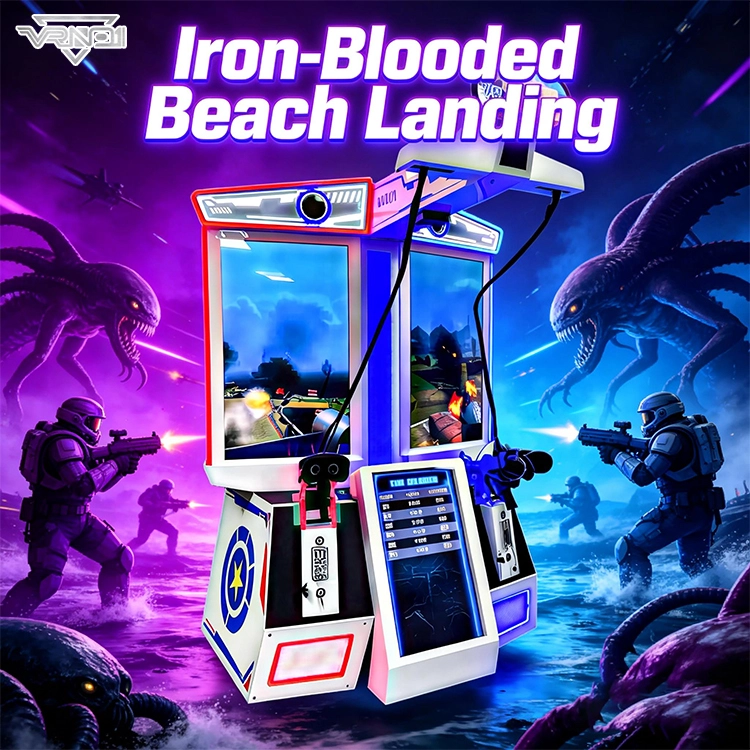
VRN0.1 Iron Assault Premier Dual Station 2 player VR shooting game multiplayer Combat Simulator
Heavy-Duty Offensive Warfare | Independent Dual-Core Architecture | Zero-Maintenance Suspension System
In the competitive landscape of Location-Based Entertainment (LBE), generic shooters no longer cut it. Enter the VR NO.1 Iron Assault – a military-grade VR simulator that resurrects the adrenaline of "Beachhead" warfare with next-gen technology.
Engineered by VR NO.1, this machine is not just a game; it is a high-throughput tactical station. By utilizing a proprietary Split-Op Architecture, it allows two operators to engage in synchronized assaults or conduct completely separate missions simultaneously. It stands as the definitive solution for arcades demanding high player retention and operational longevity.
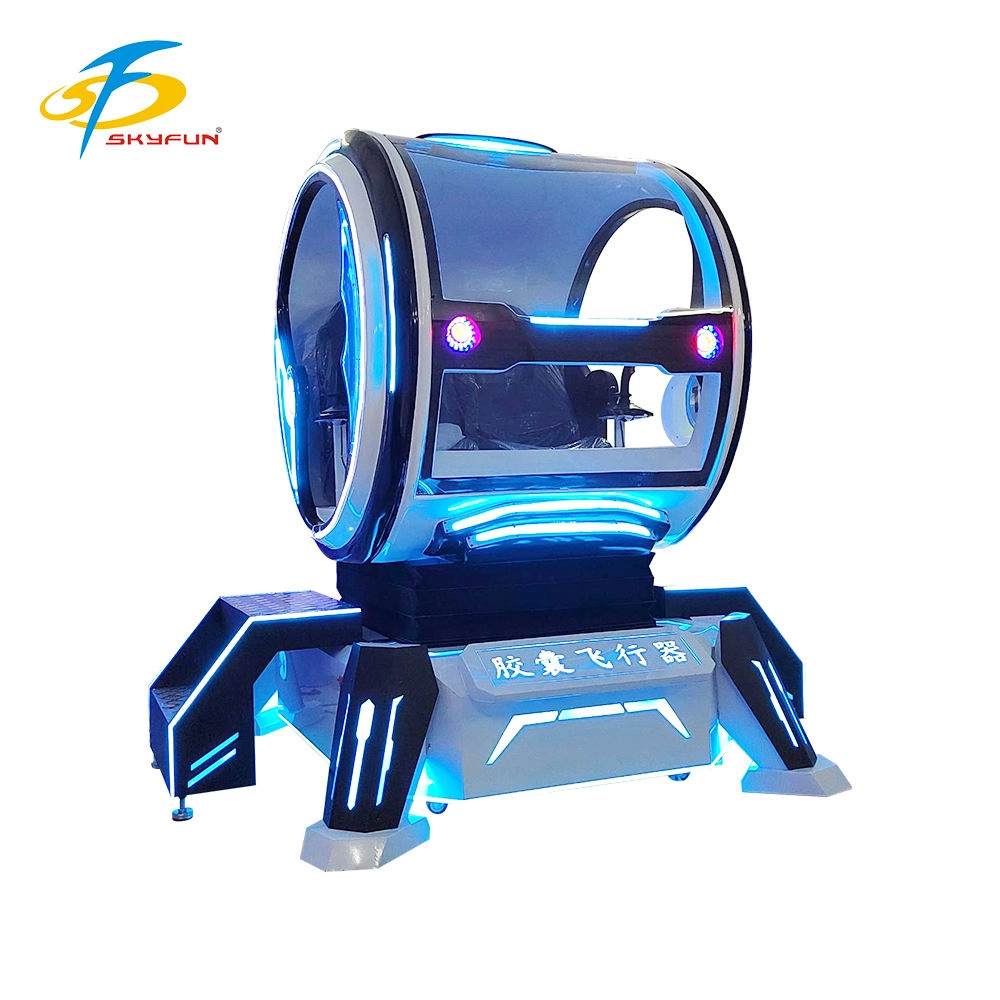
Double Player VR Flight Simulator 100 Movies 15 Games Coin-Operated Game Machine for Shopping Malls Amusement Parks
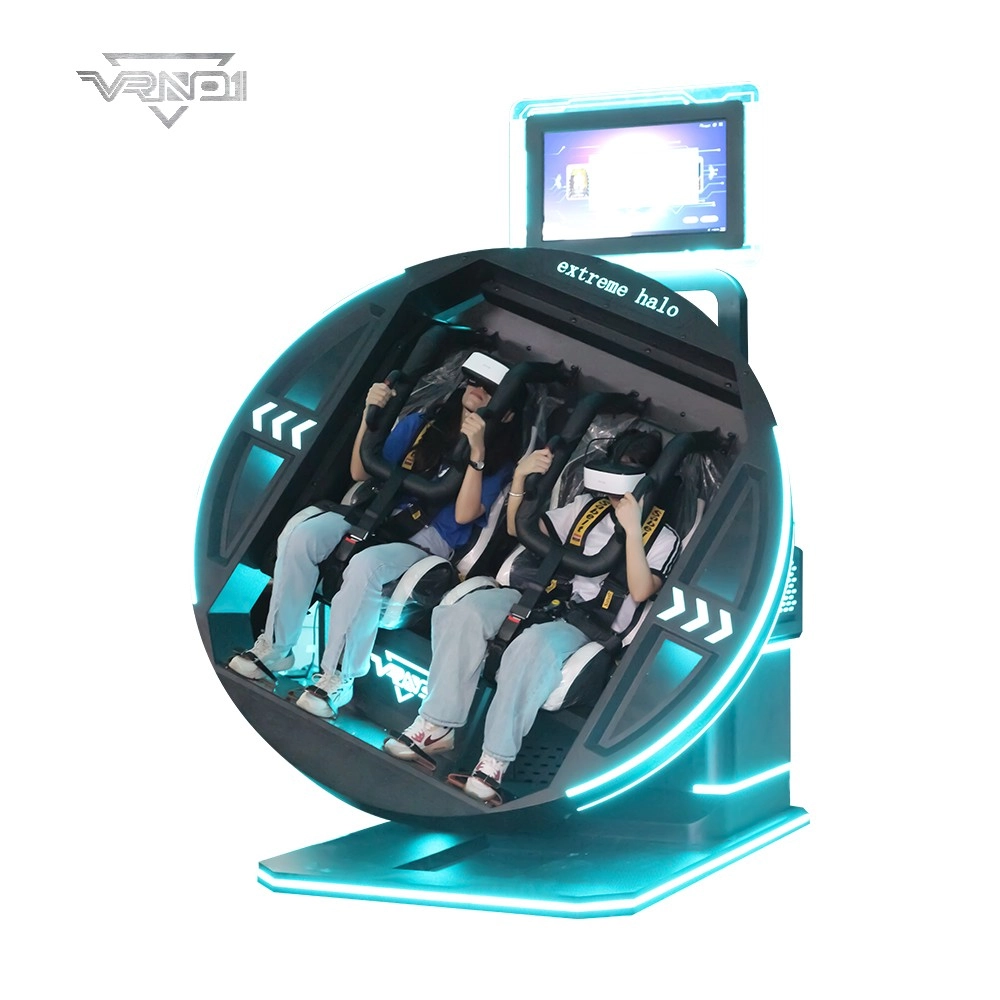
9D VR 360 Roller Coaster Cinema Chair Gaming Set Indoor/Outdoor Business Simulator Hardware for Home or School
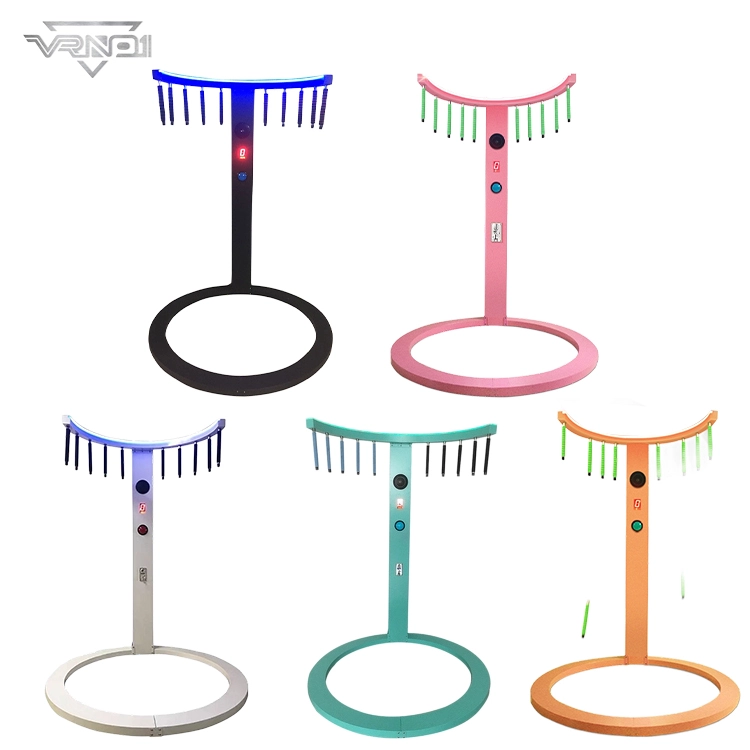
VRN0.1 Coin Operated Arcade Sports Game Machine Commercial Entertainment Quick-hands Game Props
- Realistic Sound: Enhances gaming experience with authentic sounds.
- Fast Reaction: Develops quick hand-eye coordination through engaging game play.
- DIY Kit: Allows for customization and personalization of the baton.
- Metal and Plastic Construction: Durable and robust build quality.
- Coin Operated: Fun for players who enjoy arcade-like experiences.
 Scan QR Code
Whatsapp: +8618127818571
Scan QR Code
Guangzhou Skyfun Technology Co.,Ltd
skyfunvrgame
skyfun game