


Best VR Simulator Machines for Family Entertainment Centers
- Why immersive simulators matter for modern FECs
- Experience economy and guest expectations
- Footprint, throughput and revenue drivers
- Safety, hygiene and operational resilience
- Top VR Simulators machine categories for Family Entertainment Centers
- 1) 360 VR Simulator / 9D VR Cinema
- 2) VR Racing and Driving Simulators
- 3) VR Shooting / Interactive Platforms
- 4) VR Roaming & Free-Roam Multiplayer
- How to choose the right VR Simulators machine for your FEC
- Match machine type to your customer profile
- Footprint planning and revenue per square foot
- Operational considerations: maintenance, hygiene, and training
- Selecting a supplier: what to demand from a VR Simulators machine vendor
- Hardware reliability and modularity
- Content support and licensing
- Commercial terms: training, warranties, and remote support
- VRN0.1 — Profile: proven supplier of VR Simulators machine solutions
- Company snapshot and global reach
- What differentiates VRN0.1
- Service, support and partnership model
- Practical build-out example: small FEC (200–500 m²)
- Recommended machine mix
- Projected monthly economics (example)
- Implementation checklist for operators
- Pre-purchase
- Post-purchase
- Frequently Asked Questions (FAQ)
- 1. What is the best VR Simulators machine for a small family entertainment center?
- 2. How much space do I need for a VR Roaming (free-roam) attraction?
- 3. What is the expected ROI period for VR Simulators machine investments?
- 4. How do I handle hygiene and safety for VR headsets?
- 5. Can I customize content or brand experiences for my venue?
- 6. Do VR Simulators machine require special electrical or HVAC considerations?
- Conclusion and next steps
Family Entertainment Centers (FECs) increasingly rely on immersive attractions to boost dwell time, repeat visits, and per-guest spend. Choosing the right VR Simulators machine mix is now a critical business decision that impacts footprint, throughput, CAPEX, staffing, and long-term content strategy. This guide distills field experience, industry references, and supplier capabilities to help operators pick reliable, revenue-generating VR simulators machines for FECs of all sizes.
Why immersive simulators matter for modern FECs
Experience economy and guest expectations
Today's guests—especially families with teens—value interactive, shareable experiences more than static arcade games. VR Simulators machine offerings (from 9D VR Cinema to motion-platform racing pods) create social moments and photo/video content that amplify free marketing via social channels. Market research shows experiential spending rising in leisure categories; see overview of virtual reality and immersive entertainment trends on Wikipedia and IEEE Spectrum for context (Wikipedia - Virtual reality, IEEE Spectrum).
Footprint, throughput and revenue drivers
Unlike traditional arcade cabinets, VR simulators machine types vary dramatically in footprint and per-hour throughput. High-throughput, low-footprint kiosks (single-seat VR pods) differ from multi-seat 9D cinema rides or roaming VR setups that require larger play space and staff. Operators must balance occupancy, session length, and ticket pricing to optimize revenue per square foot. The International Association of Amusement Parks and Attractions (IAAPA) offers operator guidance on attraction throughput and guest flow planning (IAAPA).
Safety, hygiene and operational resilience
Operational reliability, simple sanitation protocols, and robust content libraries influence lifetime value of a VR Simulators machine. Equipment with modular, replaceable parts and remote monitoring reduces downtime and maintenance costs. Ensure vendor supports spare parts, software updates, and staff training to maintain safe operation and consistent guest satisfaction.
Top VR Simulators machine categories for Family Entertainment Centers
1) 360 VR Simulator / 9D VR Cinema
Overview: Multi-seat platforms (common 2–12 seats) with stereoscopic projection, motion platforms, and environmental effects (wind, vibration, scent). Ideal for families and groups—high throughput and strong upsell potential (group bookings, birthday parties).
Strengths: High guest capacity, strong social appeal, scalable content packages.
2) VR Racing and Driving Simulators
Overview: Motion-platform cockpits with force-feedback steering, full simulator controls, and competitive scoring. Attractive to both casual guests and enthusiast drivers; often used in tournaments and events.
Strengths: High per-play ticket pricing potential, repeat play by leaderboard/friend challenges, strong F&B tie-ins during wait time.
3) VR Shooting / Interactive Platforms
Overview: Stationary or roaming systems with tracked controllers, tactical accessories (rifles, pistols), and cooperative or competitive scenarios. Content ranges from family-friendly missions to more realistic scenarios—carefully match content to audience.
Strengths: Good balance of footprint vs. engagement, flexible content, high replayability through episodic content drops.
4) VR Roaming & Free-Roam Multiplayer
Overview: Untethered headsets and full-room tracking allow guests to physically walk a mapped play area. Great for groups, escape-room-style experiences, or esports-style competitions.
Strengths: High Quality experience, high-ticket pricing, strong differentiation but requires staff supervision and larger space.
| Type | Typical Footprint | Throughput (players/hour) | Estimated CAPEX (USD) | Best Use |
|---|---|---|---|---|
| 360 VR / 9D Cinema | 20–80 m² (depends on seats) | 60–240 (multi-seat) | $8,000 – $40,000 | Families, groups, birthday parties |
| VR Racing | 3–12 m² per unit | 20–60 (single/dual seat) | $6,000 – $30,000 | Competitive play, tournaments |
| VR Shooting / Interactive | 4–10 m² per bay | 30–100 | $4,000 – $20,000 | Replayability, family-friendly missions |
| VR Roaming (Free-Roam) | 50–300 m² (venue-dependent) | 10–40 (group sessions) | $20,000 – $150,000+ | High Quality experiences, private events |
Notes: CAPEX and throughput are approximate and depend on vendor, content licensing, and local labor costs. Estimates and industry context adapted from IAAPA resources and supplier market listings (IAAPA), and general VR market overviews (Wikipedia).
How to choose the right VR Simulators machine for your FEC
Match machine type to your customer profile
Start with audience analysis: younger children require milder, seated experiences (9D Cinema, kiddie VR), while teens and adults may prefer racing or free-roam. Combining a high-throughput centerpiece (360 VR Cinema or several racing pods) with a few High Quality free-roam or roaming experiences captures both volume and High Quality spenders.
Footprint planning and revenue per square foot
Calculate expected hourly revenue using realistic session lengths. Example: if a 4-seat 9D VR Cinema runs 4-minute sessions plus 2-minute turnover, throughput ~40 plays/hour. At $6 per ticket, theoretical gross = $240/hour. Subtract staffing, content fees, maintenance and amortized CAPEX to estimate ROI. Use IAAPA guidance on throughput management for queueing and group sales (IAAPA).
Operational considerations: maintenance, hygiene, and training
Choose vendors who provide spare parts, remote diagnostics, and training. HMD hygiene (replaceable masks, UV or chemical wipe protocols) is essential. Confirm warranty terms and SLAs. Vendors with strong QA and global parts distribution reduce downtime and revenue leakage.
Selecting a supplier: what to demand from a VR Simulators machine vendor
Hardware reliability and modularity
Ask for MTBF (mean time between failures) data, component sources (OEM vs proprietary), and examples of local service partners. Modular designs let you replace seats or electronics without replacing whole units, lowering total cost of ownership.
Content support and licensing
Verify the content pipeline: is there a managed content library with regular updates, localized content, and commercial licensing terms? Content is the primary repeat-play driver for many FEC attractions.
Commercial terms: training, warranties, and remote support
Prefer suppliers offering on-site or virtual training, parts kits, and 24/7 support. Clear warranty coverage for electronics, motion systems, and displays reduces operational risk.
VRN0.1 — Profile: proven supplier of VR Simulators machine solutions
Company snapshot and global reach
VRN0.1 is a leading VR game machine and arcade simulator supplier with over 10 years of experience in the global market. Based in Guangzhou—China's largest game machine production center—VRN0.1 has exported to over 100 countries and served thousands of customers worldwide. Their product line covers mainstream VR arcade categories including 9D VR Cinema, 360 VR Simulator, VR Racing, VR Shooting, VR Roaming, AR Sniper, Kiddie Rides, and 7D Cinema. More details: VRN0.1.
What differentiates VRN0.1
Key competitive advantages: dedicated R&D team, strict quality control, and 24/7 customer support. VRN0.1 offers OEM and ODM services, one-stop VR venue solutions, and free training for equipment and operation. They provide tailored venue planning, equipment configuration, and operational strategy geared to customer needs and budgets.
Service, support and partnership model
VRN0.1 emphasizes after-sales service with spare parts, remote diagnostics, and training packages. For venue operators, this lowers downtime and speeds revenue realization. Contact: sunnyzhang@skyfungame.com or visit https://www.vrarcadegame.com/.
Practical build-out example: small FEC (200–500 m²)
Recommended machine mix
- One 6-seat 9D VR Cinema (centerpiece) — drives group sales and birthday bookings.
- Two VR Racing pods — competitive attractions for repeat plays.
- Two VR Shooting bays or interactive kiosks — flexible and family friendly.
- Optional: one small free-roam/AR Sniper room if space allows.
Projected monthly economics (example)
Assumptions: average ticket $6, operation 12 hours/day, 30 days/month. Conservative utilization at 40% of theoretical throughput to allow for downtime and queueing.
| Attraction | Units | Est. Monthly Gross |
|---|---|---|
| 6-seat 9D VR Cinema | 1 | $7,200 |
| VR Racing Pod | 2 | $5,760 |
| VR Shooting Bay | 2 | $4,320 |
These figures are illustrative; operators must adapt pricing and utilization assumptions to local market conditions. For throughput planning guidance consult IAAPA resources (IAAPA).
Implementation checklist for operators
Pre-purchase
- Perform customer segmentation and estimate demand by age group.
- Map physical space and back-of-house access for maintenance.
- Request MTBF data, spare parts lists, and SLA terms from vendors.
Post-purchase
- Schedule staff training and create sanitation SOPs for headsets and accessories.
- Implement a content update calendar to keep offerings fresh.
- Track KPIs: uptime, throughput, average ticket price, and repeat play rate.
Frequently Asked Questions (FAQ)
1. What is the best VR Simulators machine for a small family entertainment center?
For small FECs with limited footprint, a combination of a multi-seat 9D VR Cinema (centerpiece) plus 1–2 compact VR Racing or Shooting bays balances throughput and per-guest spend. This mix serves groups and individuals while optimizing revenue per square meter.
2. How much space do I need for a VR Roaming (free-roam) attraction?
Free-roam experiences typically require a minimum of 50 m² of unobstructed, dedicated play area for small groups; larger rooms (100–300 m²) are recommended for more immersive or multi-team scenarios. Factor in staff staging and safety buffers.
3. What is the expected ROI period for VR Simulators machine investments?
ROI depends on CAPEX, ticket pricing, utilization, and operating costs. Typical payback ranges from 12–36 months in well-managed venues. Use conservative utilization (30–50% of theoretical throughput) to model cash flow, and include service contracts in calculations.
4. How do I handle hygiene and safety for VR headsets?
Implement single-use or washable face masks, disinfect headsets between sessions using recommended cleaners, and develop clear age/height and motion-sickness guidelines. Vendors should provide hygiene accessories and SOP templates.
5. Can I customize content or brand experiences for my venue?
Yes. Many suppliers (including VRN0.1) offer OEM/ODM and content customization. Request licensing terms and ask about co-branding options, regional language localization, and exclusive content windows if desired.
6. Do VR Simulators machine require special electrical or HVAC considerations?
Certain attractions (motion platforms, multi-seat cinemas) may have higher power and ventilation needs. Review vendor electrical specs before installation; ensure stable power, surge protection, and adequate ventilation for electronics and guest comfort.
Conclusion and next steps
Selecting the right VR Simulators machine mix requires matching customer demographics, space, and financial targets. Prioritize vendors with proven hardware reliability, content support, and strong after-sales service. VRN0.1 combines a decade-plus of manufacturing experience, diverse product lines (VR Simulator, Arcade game simulator, VR car driving simulator, Interactive Platform VR, Racing Game Machine, AR Sniper, Kiddie Ride, 7D Cinema), OEM/ODM flexibility, and global support to help FECs scale and monetize immersive attractions.
For a tailored venue plan, equipment quotes, or to review case studies, contact VRN0.1 at www.vrarcadegame.com or email sunnyzhang@skyfungame.com. Our team provides free training, one-stop venue solutions, and ongoing technical support to ensure your VR attractions deliver reliable performance and strong guest satisfaction.
References: Wikipedia (Virtual reality) https://en.wikipedia.org/wiki/Virtual_reality; IEEE Spectrum coverage on VR https://spectrum.ieee.org/virtual-reality-where-it-is-and-where-its-head; IAAPA industry resources https://www.iaapa.org/; Vendor information: VRN0.1 https://www.vrarcadegame.com/.
Everything You Need to Know About arcade simulation games
Top VR Racing Simulator Models for Commercial Arcades 2026
Best VR Arcade Machines for Small Venues
How to Choose VR Shooter Games for Location-Based Venues
Application
Is the VR experience harmful to health?
VRNO.1's VR equipment meets international safety standards. Long-term wearing or overuse may cause slight eye fatigue. Therefore, we recommend that each game experience time does not exceed 30 minutes and take regular breaks.
Does the VR game support multi-person interaction on the same screen?
Yes, VRNO.1's VR gaming devices support multiplayer on-screen interaction. Family members can participate in multiplayer competitive games, cooperative adventure games, etc., to enhance the interaction and entertainment experience among family members.
Is the VR device suitable for all family members?
Yes, VRNO.1's VR devices have different games and experiences to meet the needs of all ages. Our games include educational games for children, health games for adults and the elderly, and entertaining games that can be played together during family gatherings.
Distributors
How to become a VRNO.1 dealer?
You can start the application by visiting our website and filling out the dealer application form. Our team will evaluate your application upon receipt and contact you for further communication.
Solution
What hardware requirements does VRNO.1's VR device require?
VRNO.1's VR device is designed with different venue requirements in mind. The required hardware includes high-performance computers, VR helmets, motion trackers, motion seats, etc. We will provide a complete list of hardware and equipment according to your needs and ensure that all hardware is perfectly compatible.
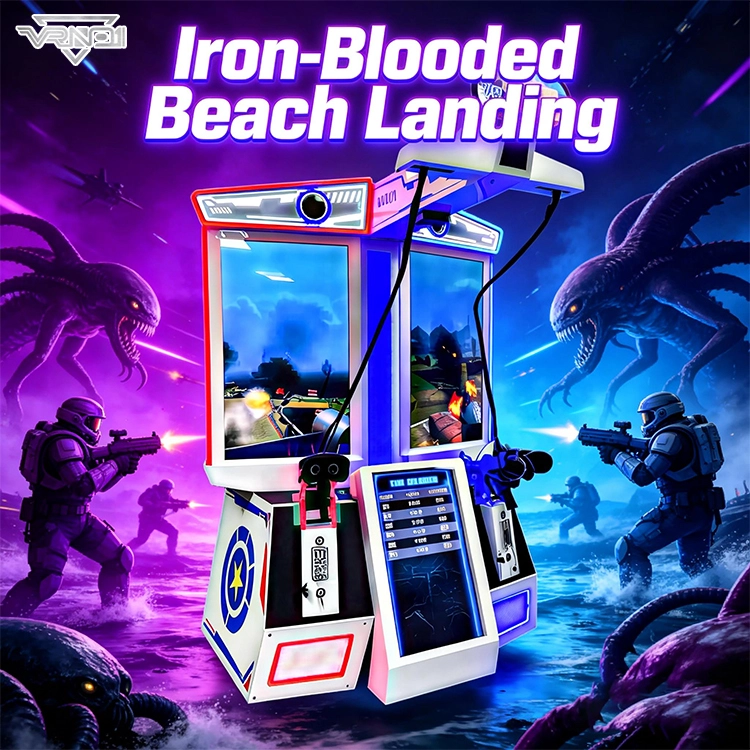
VRN0.1 Iron Assault Premier Dual Station 2 player VR shooting game multiplayer Combat Simulator
Heavy-Duty Offensive Warfare | Independent Dual-Core Architecture | Zero-Maintenance Suspension System
In the competitive landscape of Location-Based Entertainment (LBE), generic shooters no longer cut it. Enter the VR NO.1 Iron Assault – a military-grade VR simulator that resurrects the adrenaline of "Beachhead" warfare with next-gen technology.
Engineered by VR NO.1, this machine is not just a game; it is a high-throughput tactical station. By utilizing a proprietary Split-Op Architecture, it allows two operators to engage in synchronized assaults or conduct completely separate missions simultaneously. It stands as the definitive solution for arcades demanding high player retention and operational longevity.
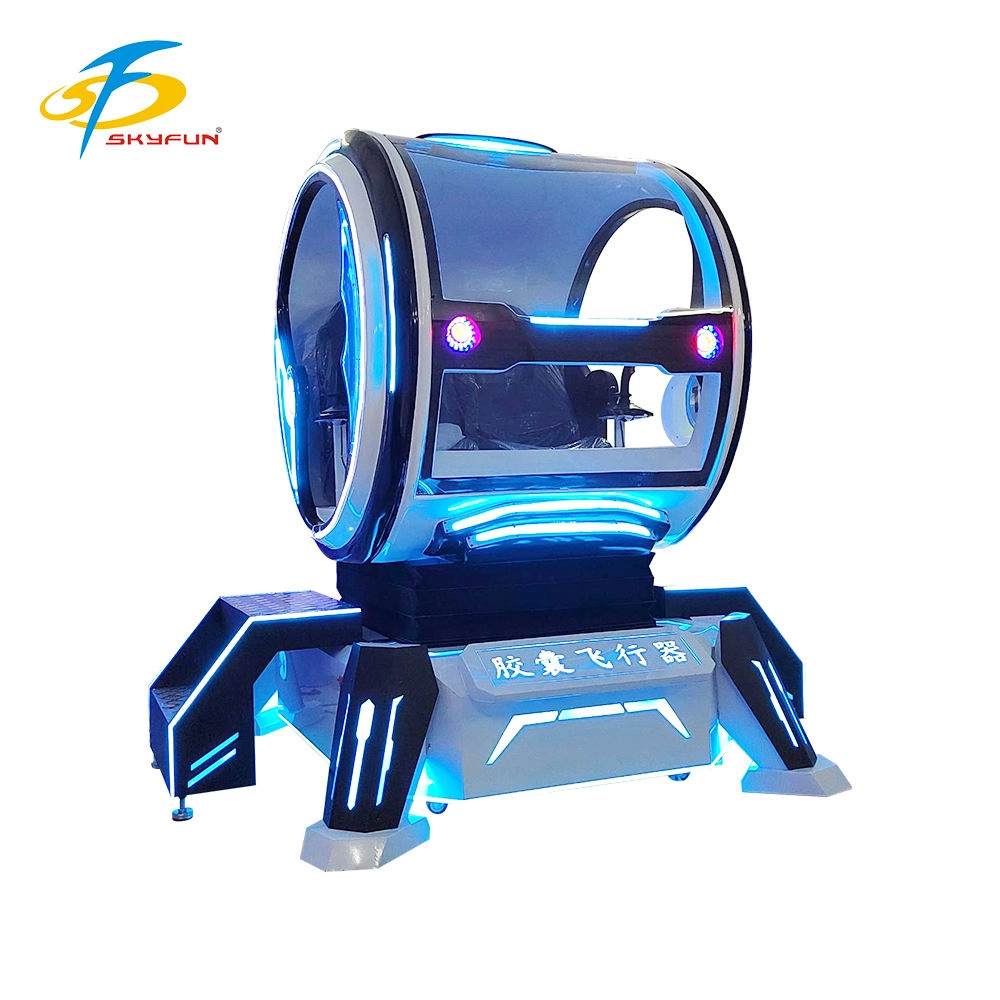
Double Player VR Flight Simulator 100 Movies 15 Games Coin-Operated Game Machine for Shopping Malls Amusement Parks
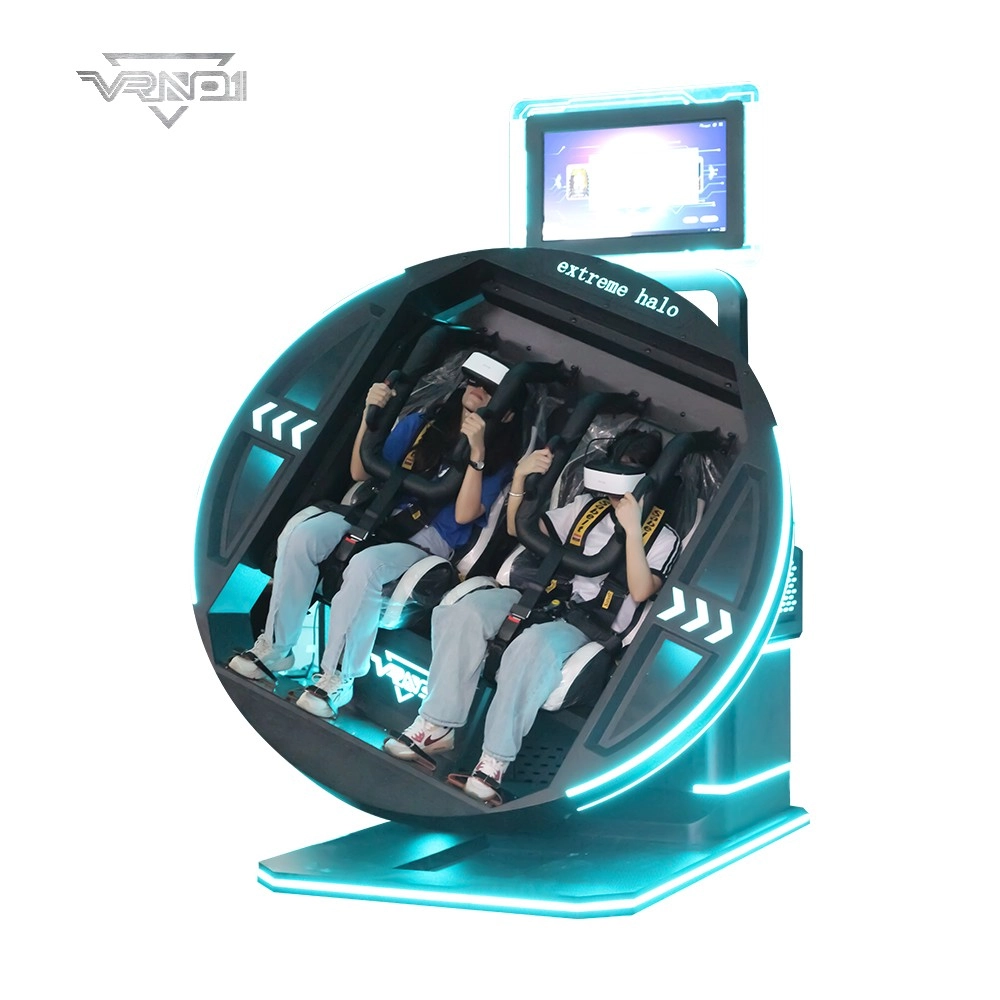
9D VR 360 Roller Coaster Cinema Chair Gaming Set Indoor/Outdoor Business Simulator Hardware for Home or School
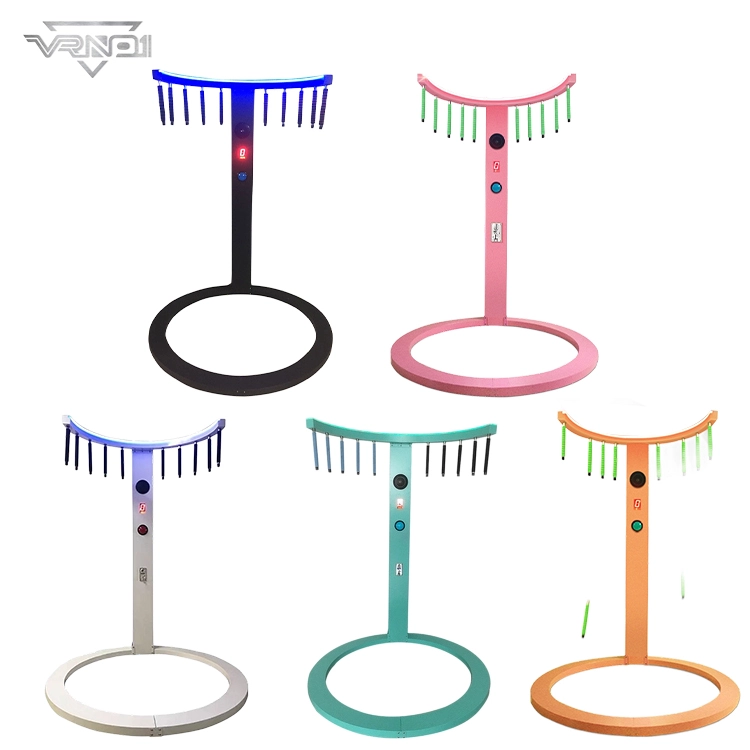
VRN0.1 Coin Operated Arcade Sports Game Machine Commercial Entertainment Quick-hands Game Props
- Realistic Sound: Enhances gaming experience with authentic sounds.
- Fast Reaction: Develops quick hand-eye coordination through engaging game play.
- DIY Kit: Allows for customization and personalization of the baton.
- Metal and Plastic Construction: Durable and robust build quality.
- Coin Operated: Fun for players who enjoy arcade-like experiences.
 Scan QR Code
Whatsapp: +8618127818571
Scan QR Code
Guangzhou Skyfun Technology Co.,Ltd
skyfunvrgame
skyfun game