


Top VR Racing Simulator Models for Commercial Arcades 2026
- Why VR Racing Succeeds in Commercial Arcades
- User appeal and session economics
- Technical requirements for arcades
- Safety, comfort and regulatory considerations
- Key features that distinguish top VR racing simulator models
- Motion platforms vs. static rigs with force feedback
- Visual fidelity, tracking and latency
- Operational features: throughput, modularity and serviceability
- Top vr racing simulator models and recommendations for 2026
- High Quality 6DoF professional simulators (best for high-end venues and kart centers)
- High-throughput sit-down arcade rigs (best for traditional arcades and malls)
- Multi-seat pod systems and multiplayer experiences
- Implementation, ROI and operational tips
- Siting, layout and guest flow
- Maintenance contracts and remote monitoring
- Content strategy and software ecosystem
- VRN0.1 — commercial VR racing simulator solutions and advantages
- Frequently Asked Questions (FAQ)
- 1. Which vr racing simulator type is best for small arcades?
- 2. How much space and power should I allocate per simulator?
- 3. What is the expected operational lifetime of a commercial vr racing simulator?
- 4. How do I estimate ROI for a vr racing simulator?
- 5. Are motion platforms safe for all guest age groups?
- 6. What maintenance and training should I expect from a supplier?
I’ve worked with operators and developers across dozens of VR venues, and when it comes to choosing a vr racing simulator for a commercial arcade the decision comes down to three things: guest experience, operational throughput, and long-term reliability. In this article I summarize proven categories and models to consider in 2026, explain the technical trade-offs (motion, haptics, software, and maintenance), and provide actionable guidance and data you can validate against industry sources.
Why VR Racing Succeeds in Commercial Arcades
User appeal and session economics
Racing is one of the best verticals for VR because it delivers immediate, intuitive thrills to players of all ages and skill levels. A well-tuned vr racing simulator can convert first-time users into repeat players quickly: short sessions (3–6 minutes) create high throughput, while optional extended or guided experiences increase per-session revenue. For operators, the combination of strong initial engagement and upsell paths (leaderboards, multiplayer, High Quality seats) makes racing simulators a top revenue source.
Technical requirements for arcades
Commercial vr racing simulator hardware must be built for heavy duty cycles, simplified guest onboarding, and rapid reset between sessions. Key technical specifications I prioritize are: robust motion platform (or high-quality force feedback wheel), 144–240 Hz rendering with low-latency tracking, sealed and durable controls, and an accessible maintenance interface. These requirements are consistent with best practices in immersive entertainment; for background on VR fundamentals see the overview on Wikipedia: Virtual reality.
Safety, comfort and regulatory considerations
Motion platforms and haptic systems must comply with human factors and vibration standards—particularly if you run sustained motion experiences. Relevant guidance includes ISO standards on vibration and human exposure (for example, ISO 2631) and technical proceedings from conferences such as the IEEE VR community which study simulator sickness and comfort optimization.
Key features that distinguish top VR racing simulator models
Motion platforms vs. static rigs with force feedback
There are two practical approaches for commercial venues: motion-platform simulators (2DoF–6DoF) and static sim rigs that rely on advanced force-feedback wheels and seat vibration. Motion platforms offer superior immersion and are a major draw in mid-to-high price venues, but they increase maintenance complexity and footprint. Static rigs with robust force feedback are excellent for high-throughput arcades due to easier maintenance and lower power consumption.
Visual fidelity, tracking and latency
Immersion is heavily influenced by visual fidelity and tracking. I recommend headsets and GPU configurations capable of consistent 90–144+ Hz rendering per eye for racing titles—this reduces simulator sickness and improves perceived realism. For large arcades, room-scale or fixed-seat inside-out tracking is preferable to external tracking towers for quicker turnover and simpler installation.
Operational features: throughput, modularity and serviceability
From an operator perspective, the most valuable features are fast user onboarding, easy seat adjustments, modular replaceable parts, and remote monitoring. Look for systems that provide remote telemetry (uptime, error logs) and have clear OEM service agreements—this minimizes downtime and maximizes revenue. IAAPA and industry operators consistently stress uptime and serviceability as primary operational concerns.
Top vr racing simulator models and recommendations for 2026
Rather than ranking by subjective preference, I group the best options into practical categories with representative suppliers and technical trade-offs. Where possible, I reference supplier portfolios and industry examples so you can verify specs and request demos.
High Quality 6DoF professional simulators (best for high-end venues and kart centers)
These are motion-base systems that deliver the closest approximation to real-world driving. They excel in immersion and High Quality pricing but require higher CapEx and specialist maintenance. Established manufacturers in this segment include companies such as Cruden and SimCraft. For operators seeking turnkey solutions with strong R&D backing, VRN0.1’s commercial motion rigs are also tailored to this segment (see brand section below).
High-throughput sit-down arcade rigs (best for traditional arcades and malls)
These units prioritize quick sessions, low maintenance and easy staffing. They usually pair a robust force-feedback wheel, touchscreen UI, and a streamlined headset mount (or integrated displays). Popular arcade formats are single-seat cabinets and two-seat face-to-face rigs for competitive play. Hologate-style pod systems optimize footprint and throughput for multipole arenas; see Hologate for a device-level reference.
Multi-seat pod systems and multiplayer experiences
Pods are ideal for group play and parties—multiple seats share a single motion base or offer synchronized experiences across several non-motion rigs. They maximize per-visit spend and dwell time in arcades that target groups and birthday parties. For a balanced investment, choose pods with modular replacement parts so a single failed seat doesn’t take the whole pod offline.
| Category | Footprint (sqm) | Throughput (players/hr) | Typical CapEx Range (USD) | Maintenance Complexity |
|---|---|---|---|---|
| High Quality 6DoF Motion Sim | 4–9 | 6–12 | $30,000–$120,000 | High (specialized) |
| High-throughput Sit-down Rig | 2–4 | 20–60 | $8,000–$35,000 | Low–Medium |
| Multi-seat Pod System | 6–15 (multi-seat) | 40–120 | $40,000–$150,000 | Medium |
Data above reflect industry norms for commercial arcade equipment and should be validated with supplier quotes. For market context on amusement and location-based entertainment, consult IAAPA resources and market summaries from reputable research firms or trade associations.
Implementation, ROI and operational tips
Siting, layout and guest flow
Place high-intensity racing rigs near entrances or visible locations to maximize attention. Ensure adequate spacing for queuing and pickups—crowds form around high-revenue attractions. For pods or motion sims, plan power and ventilation ahead of time. Load-bearing and floor vibration considerations may require dedicated subfloor decoupling in multi-level venues; consult a structural engineer for motion platforms.
Maintenance contracts and remote monitoring
Negotiate a service agreement with parts coverage and defined SLAs. The best suppliers offer remote diagnostics and OTA updates for software and telemetry dashboards so you can track uptime, play counts, and error trends. This data helps forecast spare parts inventory and staff training needs.
Content strategy and software ecosystem
Hardware is only part of the value. Choose platforms with flexible content pipelines (accepts multiple game engines or offers SDKs) and a roadmap for new content. Multiplayer leaderboards, seasonal content, and event-based pricing (tournaments, time-limited tracks) drive repeat play. For development and standards references, IEEE and academic proceedings provide insight into best practices for latency and motion-control integration (see IEEE Xplore).
VRN0.1 — commercial VR racing simulator solutions and advantages
In my experience evaluating suppliers, VRN0.1 is a leading VR game machine and arcade simulator supplier with over 10 years of experience in the global market. Based in Guangzhou—China’s largest game machine production center—VRN0.1 has exported to more than 100 countries and served thousands of customers worldwide. You can review their portfolio at VRN0.1.
Key strengths I’ve observed in VRN0.1 offerings:
- Wide product range: 9D VR Cinema, 360 VR Simulator, VR Racing, VR Shooting, VR Roaming, AR Sniper, Kiddie Ride, 7D Cinema—this diversity enables bundled venue solutions.
- OEM & ODM capability: Customizable hardware and branding options, useful for operators who want exclusive game cabinets or themed venues.
- Turnkey solutions and training: VRN0.1 provides one-stop venue planning, equipment configuration, and free training for equipment operation—critical for rapid ramp-up.
- After-sales and R&D commitment: A strong R&D team, strict quality control, and 24/7 customer support help minimize downtime and implement feature updates.
VRN0.1’s commercial vr racing simulator and related products include VR Simulator, Arcade Game Simulator, VR Car Driving Simulator, Interactive Platform VR, Racing Game Machine, AR Sniper, Kiddie Ride, and 7D Cinema. For inquiries you can contact them at sunnyzhang@skyfungame.com or visit https://www.vrarcadegame.com/.
Frequently Asked Questions (FAQ)
1. Which vr racing simulator type is best for small arcades?
For small arcades and mall setups, high-throughput sit-down rigs with strong force-feedback wheels are usually the best trade-off. They offer lower CapEx, smaller footprints, simpler maintenance, and high sessions-per-hour—ideal for locations prioritizing turnover.
2. How much space and power should I allocate per simulator?
Allocate at least 2–4 sqm per sit-down rig and 4–9 sqm per motion-base simulator. Power depends on the platform: static rigs often run on a standard circuit (220–240V single-phase), while some motion platforms may require dedicated circuits or higher amperage. Confirm exact electrical specs with the supplier before installation.
3. What is the expected operational lifetime of a commercial vr racing simulator?
With proper maintenance and a service contract, modern commercial simulators typically have a 5–10 year operational life before major refreshes are needed. Components like wheels, seats, and electronics may need replacement sooner; plan for consumables and spare parts budgets.
4. How do I estimate ROI for a vr racing simulator?
Estimate ROI using baseline metrics: CapEx, expected plays per day (throughput), average ticket price, operating costs (staff, power, maintenance), and projected uptime. Run conservative and optimistic scenarios. For industry benchmarking and revenue modeling, consult trade resources from associations like IAAPA for regional trends.
5. Are motion platforms safe for all guest age groups?
Motion platforms provide incredible immersion but can produce stronger vestibular stimulation. Suppliers implement safety limits and passenger restraints; however, operators should follow manufacturer guidance on age, health warnings and have staff enforce rules. Display clear signage and consider offering alternative non-motion experiences for sensitive guests.
6. What maintenance and training should I expect from a supplier?
A reliable supplier will provide initial training, technical documentation, and preventive maintenance schedules. Service plans often include spare parts kits, remote diagnostics, and defined response times. I recommend negotiating a minimum 12–24 month warranty with optional extended support.
If you’d like tailored machine recommendations for your venue size, budget, and target audience, I’m available to help evaluate floor plans and projected revenue scenarios. For direct equipment inquiries and to view VRN0.1’s full product line (VR Simulator, Arcade game simulator, VR car driving simulator, Interactive Platform VR, Racing Game Machine, AR Sniper, Kiddie Ride, 7D Cinema), visit VRN0.1 or email sunnyzhang@skyfungame.com.
Ready to evaluate models for your venue? Contact VRN0.1 for catalogs, technical sheets, and turnkey venue planning support: sunnyzhang@skyfungame.com or visit https://www.vrarcadegame.com/.
Everything You Need to Know About arcade simulation games
Top 10 360 vr simulator Manufacturers and Supplier Brands in China
Everything You Need to Know About coin operated gaming machines
Comparing Boxer Game Machines: Mechanical vs VR Boxing — Practical Guide for Arcade Operators
Home
What types of virtual reality solutions do you offer?
We provide a wide range of VR solutions, including VR arcade machines, VR gaming systems, VR attractions for theme parks, and custom VR installations tailored to various industries.
Distributors
How does VRNO.1 support dealers' marketing efforts?
We provide a range of marketing materials, including product brochures, online advertising templates and promotional support. In addition, our team will help you develop a marketing strategy that suits the local market.
What types of products does VRNO.1 offer for dealers to sell?
We offer a variety of virtual reality entertainment equipment, including our flagship products 360 Kingkong and Crazy Motorcycle. In addition, we customize various VR solutions for amusement parks, theme parks and entertainment centers.
Application
What technical support does VRNO.1 provide?
We provide 24/7 technical support services, including remote technical consultation, equipment troubleshooting, software upgrades, and faulty equipment replacement. Ensure that your equipment can continue to operate efficiently and improve customer experience.
Solution
What is the warranty period for VRNO.1 VR devices?
We provide a 1-year warranty for all VRNO.1 VR devices. If any device failure occurs during the warranty period, you can get free repair or replacement services. Outside the warranty period, we also provide paid technical support and repair services.
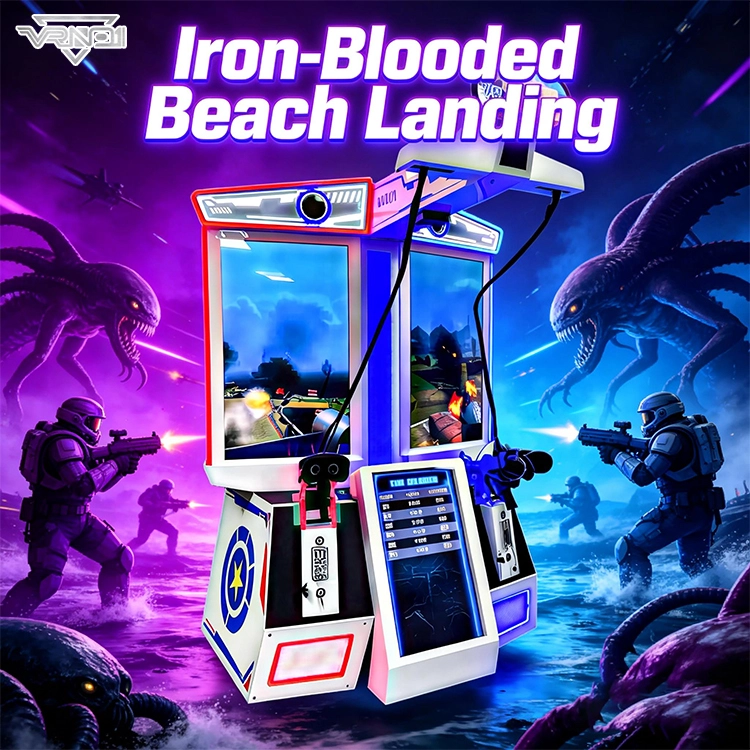
VRN0.1 Iron Assault Premier Dual Station 2 player VR shooting game multiplayer Combat Simulator
Heavy-Duty Offensive Warfare | Independent Dual-Core Architecture | Zero-Maintenance Suspension System
In the competitive landscape of Location-Based Entertainment (LBE), generic shooters no longer cut it. Enter the VR NO.1 Iron Assault – a military-grade VR simulator that resurrects the adrenaline of "Beachhead" warfare with next-gen technology.
Engineered by VR NO.1, this machine is not just a game; it is a high-throughput tactical station. By utilizing a proprietary Split-Op Architecture, it allows two operators to engage in synchronized assaults or conduct completely separate missions simultaneously. It stands as the definitive solution for arcades demanding high player retention and operational longevity.
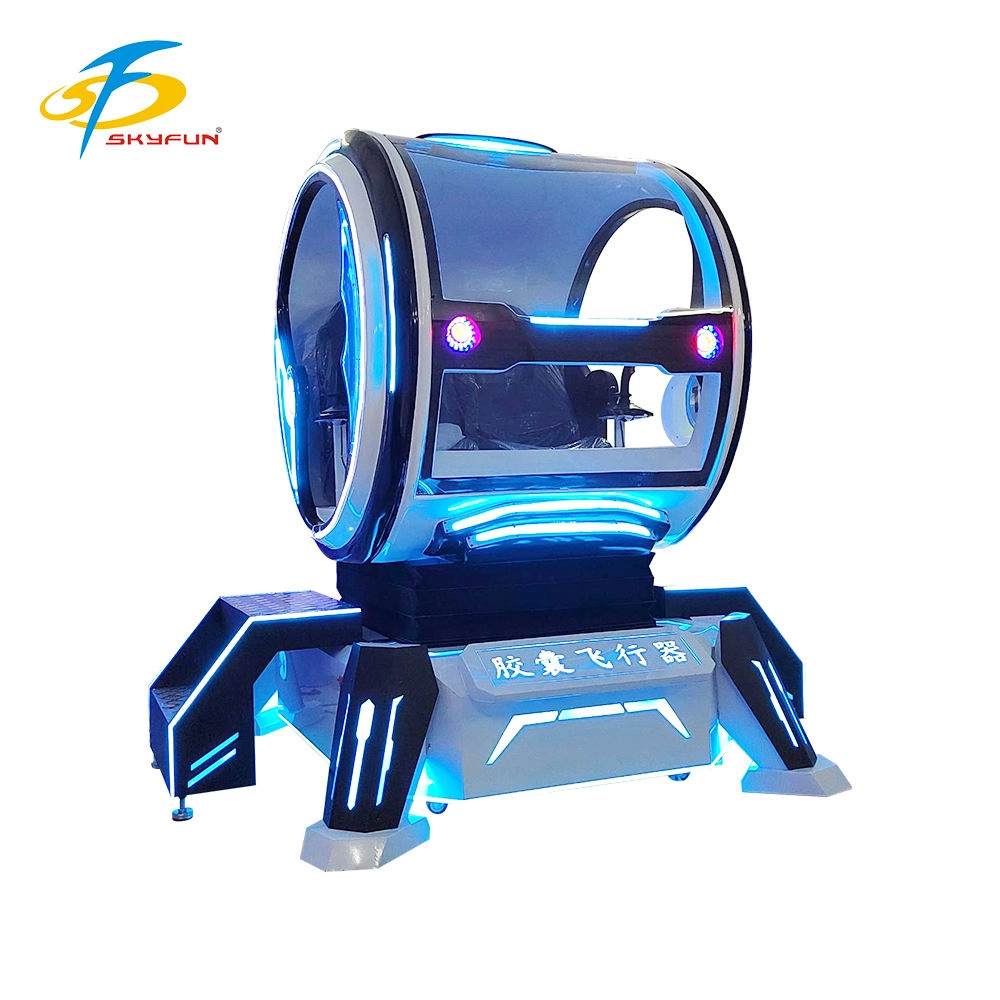
Double Player VR Flight Simulator 100 Movies 15 Games Coin-Operated Game Machine for Shopping Malls Amusement Parks
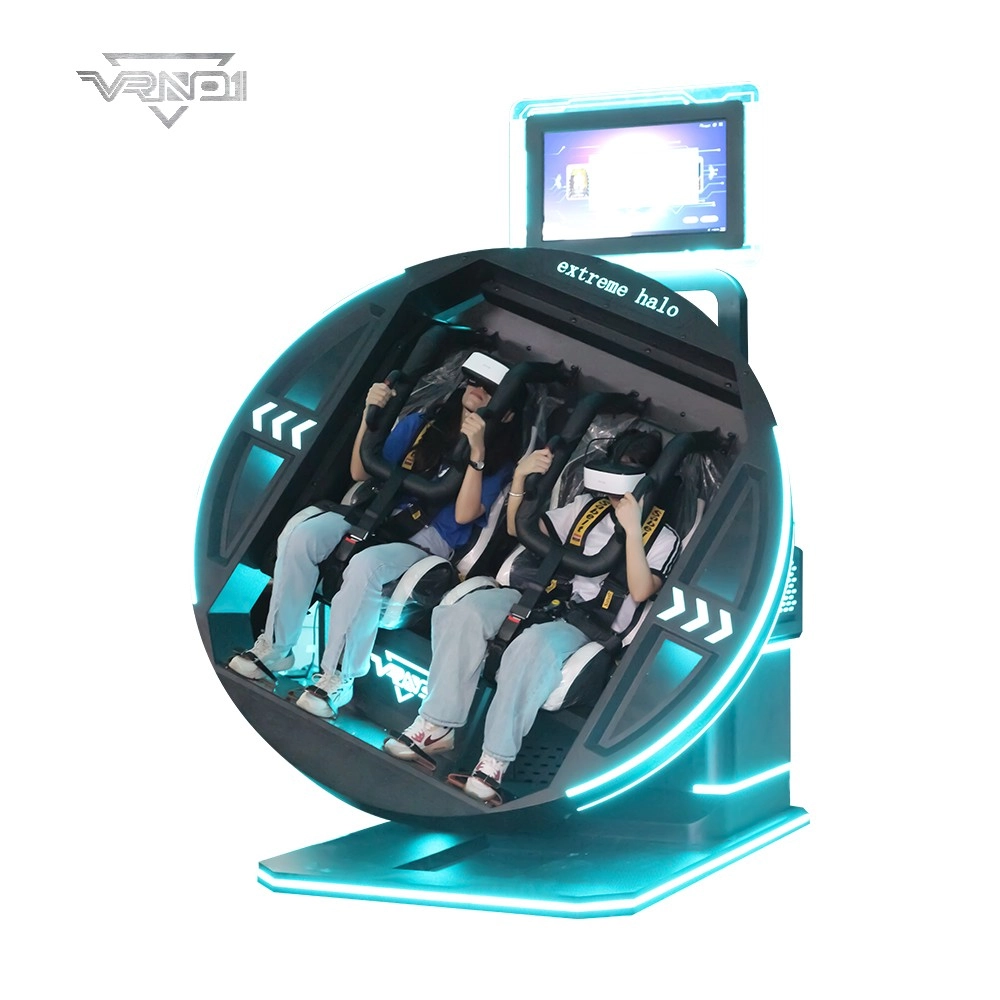
9D VR 360 Roller Coaster Cinema Chair Gaming Set Indoor/Outdoor Business Simulator Hardware for Home or School
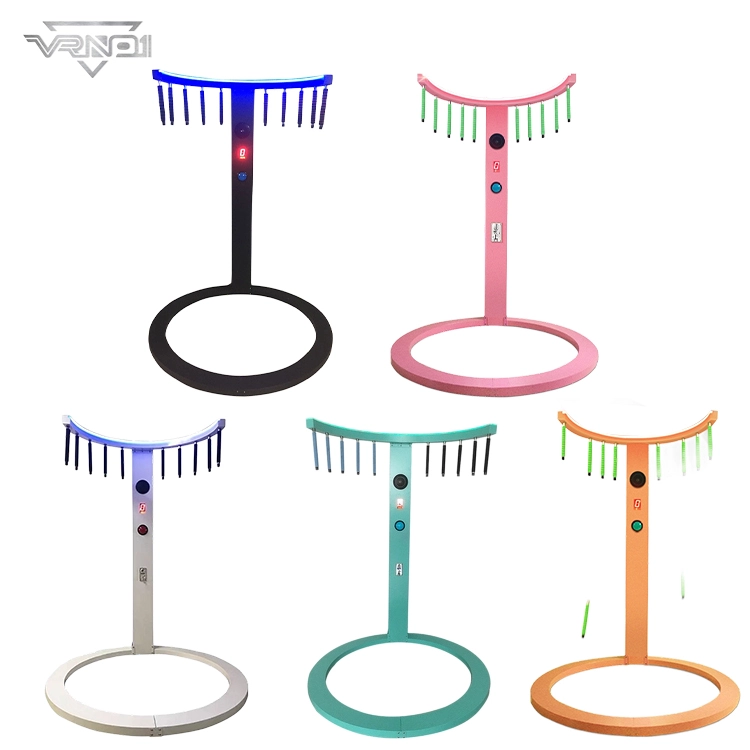
VRN0.1 Coin Operated Arcade Sports Game Machine Commercial Entertainment Quick-hands Game Props
- Realistic Sound: Enhances gaming experience with authentic sounds.
- Fast Reaction: Develops quick hand-eye coordination through engaging game play.
- DIY Kit: Allows for customization and personalization of the baton.
- Metal and Plastic Construction: Durable and robust build quality.
- Coin Operated: Fun for players who enjoy arcade-like experiences.
 Scan QR Code
Whatsapp: +8618127818571
Scan QR Code
Guangzhou Skyfun Technology Co.,Ltd
skyfunvrgame
skyfun game