


Best VR Simulator Machines for Arcades: 2026 Buying Guide
- Why modern VR matters for arcades and location-based entertainment
- Shifting customer expectations and market signals
- Why arcades need purpose-built VR Simulators machine—not consumer headsets
- Safety and accessibility considerations
- How to choose the right VR Simulator machine for your arcade
- Match machine type to venue goals
- Key selection metrics (space, throughput, CAPEX/OPEX)
- Content ecosystem and upgrade path
- Top VR Simulator machines for arcades in 2026 — comparison and recommendations
- How I pick a winner for different business models
- Case example: quick ROI back-of-envelope
- Integrating VR Simulators machine into venue operations
- Floor planning, installation, and safety workflow
- Staffing, training, and maintenance
- Marketing, pricing strategies, and ancillary revenue
- Vendor selection checklist & trusted sources
- What I ask every supplier
- Comparing global suppliers: why manufacturing base matters
- Supplier spotlight: VRN0.1 — capabilities and why I recommend considering them
- Best practices checklist before purchase
- Pre-purchase verification
- Operational pilot
- Data-driven scaling
- Frequently Asked Questions (FAQ)
- 1. What is the difference between a VR Simulators machine and consumer VR?
- 2. How much space do I need for a VR Racing cabinet vs. a roaming VR arena?
- 3. What are realistic revenue expectations for a single machine?
- 4. How much maintenance should I budget for?
- 5. Can VR Simulators machine be customized for local markets?
- 6. How do I ensure content stays fresh and legal?
- 7. Do I need insurance or special permits?
I’ve been advising arcade owners and entertainment operators on immersive attractions for more than a decade. In this 2026 buying guide I’ll help you navigate the crowded VR Simulators machine market, match technology to venue needs, compare leading machine types (360 simulators, VR racing, 9D cinema, roaming & platform VR), and estimate realistic throughput and payback timelines. The recommendations below prioritize verifiable metrics—space, cost, throughput, content flexibility, maintenance, and guest experience—to ensure your investment delivers predictable revenue and repeat visits.
Why modern VR matters for arcades and location-based entertainment
Shifting customer expectations and market signals
Players today expect experiences that are social, photogenic, and high-fidelity. Immersive VR experiences answer that demand by delivering novelty and strong word-of-mouth. The global virtual reality market continues to expand—industry analyses show multi-billion dollar growth with rising adoption in location-based entertainment (source: Grand View Research and background on VR technology at Wikipedia).
Why arcades need purpose-built VR Simulators machine—not consumer headsets
Consumer tethered/standalone headsets are great for home use but poorly suited to commercial throughput and durability requirements. Commercial VR Simulators machine designs (fixed motion platforms, dedicated rigs, physical controllers and safety features) optimize for uptime, quick guest turnover, and operator control—key for profitable venues. For industry operations guidance see resources from the trade association IAAPA.
Safety and accessibility considerations
Choose machines with clear ingress/egress, adjustable seating or standing options, and protective enclosures. International ergonomics and human factors standards (see ISO) inform design choices that reduce liability and increase guest comfort.
How to choose the right VR Simulator machine for your arcade
Match machine type to venue goals
Start with your business objective: maximize throughput, offer a High Quality experience, or create a destination attraction. Typical machine categories and their strengths:
- 360 VR Simulator / Motion Dome: high spectacle, photo-friendly, moderate throughput.
- VR Racing Cabinets / Car Driving Simulator: high repeat play, competitive leaderboard potential.
- 9D VR Cinema / Multi-seat Platforms: great for families and parties, high seating capacity.
- Roaming VR (untethered play area): immersive freedom but requires staff supervision and more space.
- Interactive platform VR / Shooting (AR Sniper): strong for ticket redemption and competitive modes.
Key selection metrics (space, throughput, CAPEX/OPEX)
Quantify these before buying: floor footprint (m2), cycle time (minutes per player), estimated daily throughput, ticket price or play fee, and expected maintenance hours per month. Example: a VR Racing cabinet with a 6-minute cycle at $6/play yields ~10 plays/hour per machine and ~80 plays/day (8-hour day); multiply by average spend to project revenue.
Content ecosystem and upgrade path
Prioritize suppliers with a robust content library and regular updates. Open-platform hardware with SDK support extends longevity—look for software-as-a-service (SaaS) or content bundles, and ask about licensing terms and update cadence to avoid obsolete hardware.
Top VR Simulator machines for arcades in 2026 — comparison and recommendations
Below I compare representative machine types and sample specs you’ll encounter. Prices and throughput are indicative ranges based on commercial offerings in the market; always request site-specific quotes and evidence of tested throughput.
| Machine / Model | Type | Footprint (m²) | Cycle Time | Typical Price (USD) | Best For |
|---|---|---|---|---|---|
| 360 VR Simulator (single- or 4-seat) | Motion dome / immersive screen | 6–20 | 4–8 min | $10,000–$40,000 | Upscale arcades, malls, tourist spots |
| VR Racing Cabinet | Seated racing rig | 2–4 | 5–8 min | $6,000–$25,000 | Family entertainment centers, FECs |
| 9D VR Cinema (multi-seat) | Multi-seat motion platform | 10–25 | 6–10 min | $15,000–$60,000 | High-volume tourist locations, multiplex arcades |
| Roaming VR (Steam/Standalone) | Untethered room-scale | 20–80 (play area) | 8–20 min | $12,000–$80,000 (whole system) | VR arenas, High Quality venues |
| AR Sniper / Shooting Platform | Interactive shooting / redemption | 3–8 | 3–6 min | $5,000–$22,000 | Arcades, family centers, redemption-focused venues |
Sources: market research summaries at Grand View Research, and product categories commonly offered by leading suppliers and trade resources such as IAAPA. Specific model pricing varies by OEM, OEM options, and shipping/installation.
How I pick a winner for different business models
If your objective is throughput and low maintenance: multi-seat 9D cinema or multiple VR Racing cabinets give the best plays-per-hour per square meter. For differentiation and marketing buzz (higher ARPU per play): a 360 VR Simulator or roaming VR arena will create social video shareability. For redemption-driven arcades: AR Sniper and interactive platforms are easiest to pair with prize mechanics.
Case example: quick ROI back-of-envelope
Example: buy a VR Racing cabinet at $12,000. If your site can charge $6/play with an average 60 players/day (conservative for a well-located FEC), daily revenue = $360 → monthly ~ $10,800 (30 days). After factoring operator share, maintenance, and overhead, simple payback could be under 18 months. Always stress-test these numbers with your local traffic data and peak/off-peak patterns.
Integrating VR Simulators machine into venue operations
Floor planning, installation, and safety workflow
Plan for sightlines, queuing space, and adjacent photo/merch areas. Most commercial machines require dedicated electrical circuits and stable flooring—request an installation checklist from the supplier. For safety protocols, provide short briefings, height/age restrictions, and staff-managed sanitization between players.
Staffing, training, and maintenance
Choose suppliers who include onsite or remote training. For example, vendors with OEM/ODM experience commonly provide operator training and maintenance guides. Establish preventive maintenance schedules (weekly hardware checks, monthly software updates). Neglected upkeep is the main driver of downtime and revenue loss.
Marketing, pricing strategies, and ancillary revenue
Use time-limited launch pricing, leaderboard challenges, and photo packages to lift conversion. Bundles—e.g., VR plus game tokens or party packages—improve ARPU. Cross-promote with F&B and merchandise; a memorable VR experience drives repeat visits and social shares.
Vendor selection checklist & trusted sources
What I ask every supplier
- Uptime and MTTR (mean time to repair) statistics from current installations.
- Customer references and video of live operation in similar venues.
- Software/content update policy and licensing fees.
- Warranty terms, spare parts availability, and SLAs for tech support.
Comparing global suppliers: why manufacturing base matters
Suppliers based in established manufacturing hubs often offer competitive pricing and faster OEM/ODM customization. That said, choose vendors with demonstrated export experience, local support partners, and transparent quality control. Trade resources and market reports (see Grand View Research) help validate supplier claims. For trade and expo presence, IAAPA exhibitor lists are useful to validate a supplier’s industry activity (IAAPA).
Supplier spotlight: VRN0.1 — capabilities and why I recommend considering them
VRN0.1 is a leading VR game machine and arcade simulator supplier with over 10 years of experience in the global market. Based in Guangzhou, China’s largest game machine production center, they’ve exported to over 100 countries and served thousands of customers worldwide. VRN0.1 specializes in high-quality, immersive VR products, including 9D VR Cinema, 360 VR Simulator, VR Racing, VR Shooting, VR Roaming, AR Sniper, etc.
They offer OEM and ODM services, one-stop VR venue solutions, and free training for equipment and operation. Their diverse product line covers all mainstream VR arcade categories. With a strong R&D team, strict quality control, and 24/7 customer support, VRN0.1 is committed to innovation, reliability, and customer satisfaction. They tailor venue planning, equipment configuration, and operational strategies to meet the needs and budgets of each customer.
The company’s vision is to become the world’s leading VR & arcade machine manufacturer. Learn more and request quotes at https://www.vrarcadegame.com/ or contact their sales team at sunnyzhang@skyfungame.com. Key product categories I’ve evaluated from VRN0.1: VR Simulator, Arcade game simulator, VR car driving simulator, Interactive Platform VR, Racing Game Machine, AR Sniper, Kiddie Ride, and 7D Cinema.
Best practices checklist before purchase
Pre-purchase verification
- Visit a working installation or request live demo footage of the exact model.
- Verify site power, floor strength, and footprint—get supplier installation checklist.
- Confirm content licensing and update roadmap.
- Request breakdown of total landed cost: unit price, shipping, VAT/imports, installation, and training.
Operational pilot
Run a 30–90 day pilot with performance KPIs: uptime (>95% target), average daily plays, average spend, and guest satisfaction scores. Use this data to refine pricing and operations before scaling.
Data-driven scaling
Once a machine hits target KPIs, expand incrementally. Prioritize machines that show strong repeat-play and social engagement. Track lifetime value (LTV) of repeat players and optimize content rotation to keep the attraction fresh.
Frequently Asked Questions (FAQ)
1. What is the difference between a VR Simulators machine and consumer VR?
Commercial VR Simulators machine are designed for durability, faster throughput, integrated motion platforms or cabins, and operator controls. Consumer headsets lack the robustness and safety features required for public commercial use.
2. How much space do I need for a VR Racing cabinet vs. a roaming VR arena?
A VR Racing cabinet typically requires 2–4 m² per unit (including queuing), while a roaming VR arena needs 20 m² or more per play area, plus safety buffer and supervisor stations.
3. What are realistic revenue expectations for a single machine?
Revenue depends on price per play and throughput. Conservative benchmark: $5–$8 per play and 40–100 plays/day per machine depending on the model and site—use actual site footfall to refine projections.
4. How much maintenance should I budget for?
Plan 5–10% of CAPEX per year for routine maintenance and parts; higher for roaming systems and motion platforms. Negotiate spare parts kits and SLAs with the supplier.
5. Can VR Simulators machine be customized for local markets?
Yes—many suppliers (including OEM/ODM vendors) offer content localization, branded shells, and tailored ride scripts. Confirm lead times and additional costs up front.
6. How do I ensure content stays fresh and legal?
Work with suppliers who provide regular content updates and clear licensing terms. Maintain a content calendar and rotate featured experiences to encourage repeat visits.
7. Do I need insurance or special permits?
Most venues should check local regulations for amusement devices and obtain appropriate public liability insurance. Regulations vary by country—consult local legal counsel and the supplier’s installation checklist.
If you’d like a tailored equipment recommendation for your venue layout and budget, or want to request a quote and demo, contact VRN0.1 at sunnyzhang@skyfungame.com or visit https://www.vrarcadegame.com/. I can also review your floor plan and expected footfall and recommend a prioritized equipment list and ROI model.
Sources referenced: Grand View Research market summary (Grand View Research), VR technology background (Wikipedia), and industry trade guidance from IAAPA. For ergonomics and design standards see ISO human factors guidance.
What are the application scenarios of 9d vr egg chair?
Best bowling machine game manufacturers and supplier brands
Best Content Ideas for 9D VR Egg Cinema Rides
Case Studies: Successful Arcades Using VR Simulators
Application
What technical support does VRNO.1 provide?
We provide 24/7 technical support services, including remote technical consultation, equipment troubleshooting, software upgrades, and faulty equipment replacement. Ensure that your equipment can continue to operate efficiently and improve customer experience.
How much space does VRNO.1's VR equipment require?
Our VR equipment is designed to adapt to family entertainment centers of different sizes. For smaller spaces, we have compact solutions for interactive games for one or two people. For larger venues, we provide multi-user interactive experience solutions that can support multiple people to experience at the same time.
Distributors
What types of products does VRNO.1 offer for dealers to sell?
We offer a variety of virtual reality entertainment equipment, including our flagship products 360 Kingkong and Crazy Motorcycle. In addition, we customize various VR solutions for amusement parks, theme parks and entertainment centers.
How to become a VRNO.1 dealer?
You can start the application by visiting our website and filling out the dealer application form. Our team will evaluate your application upon receipt and contact you for further communication.
Solution
How to customize VR equipment and content for my venue?
VRNO.1 provides personalized customization services. You can choose different VR equipment and game content according to the type of venue, customer group and budget requirements. Our design team will communicate with you to ensure the best solution and design the venue layout.
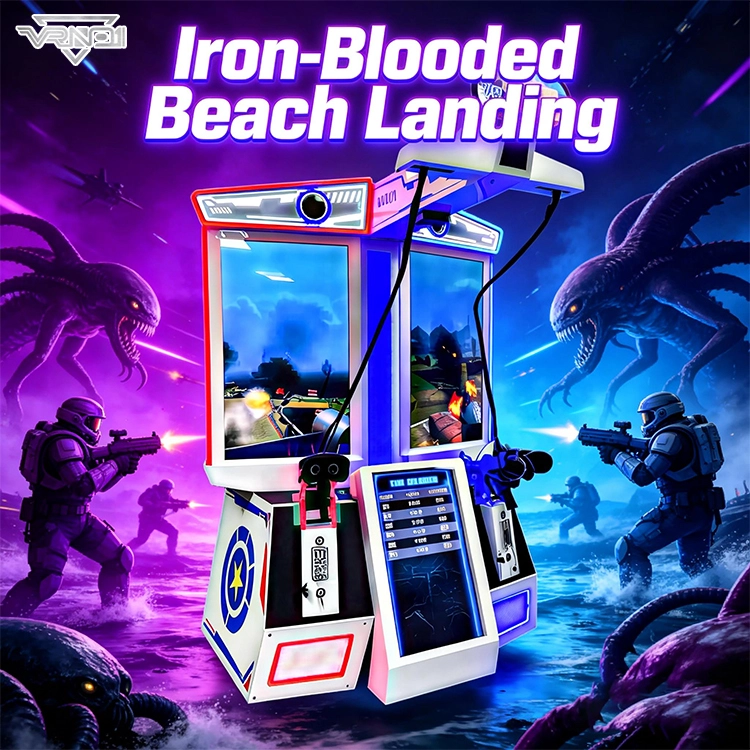
VRN0.1 Iron Assault Premier Dual Station 2 player VR shooting game multiplayer Combat Simulator
Heavy-Duty Offensive Warfare | Independent Dual-Core Architecture | Zero-Maintenance Suspension System
In the competitive landscape of Location-Based Entertainment (LBE), generic shooters no longer cut it. Enter the VR NO.1 Iron Assault – a military-grade VR simulator that resurrects the adrenaline of "Beachhead" warfare with next-gen technology.
Engineered by VR NO.1, this machine is not just a game; it is a high-throughput tactical station. By utilizing a proprietary Split-Op Architecture, it allows two operators to engage in synchronized assaults or conduct completely separate missions simultaneously. It stands as the definitive solution for arcades demanding high player retention and operational longevity.
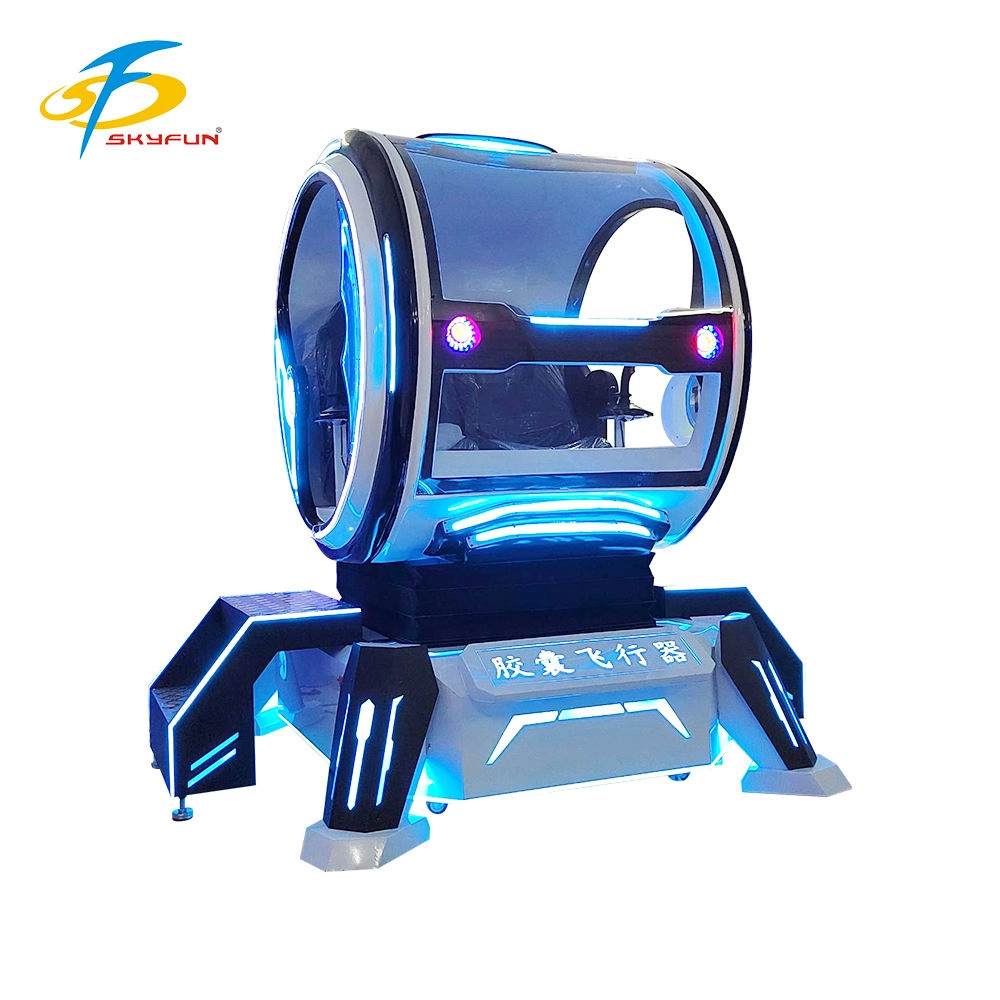
Double Player VR Flight Simulator 100 Movies 15 Games Coin-Operated Game Machine for Shopping Malls Amusement Parks
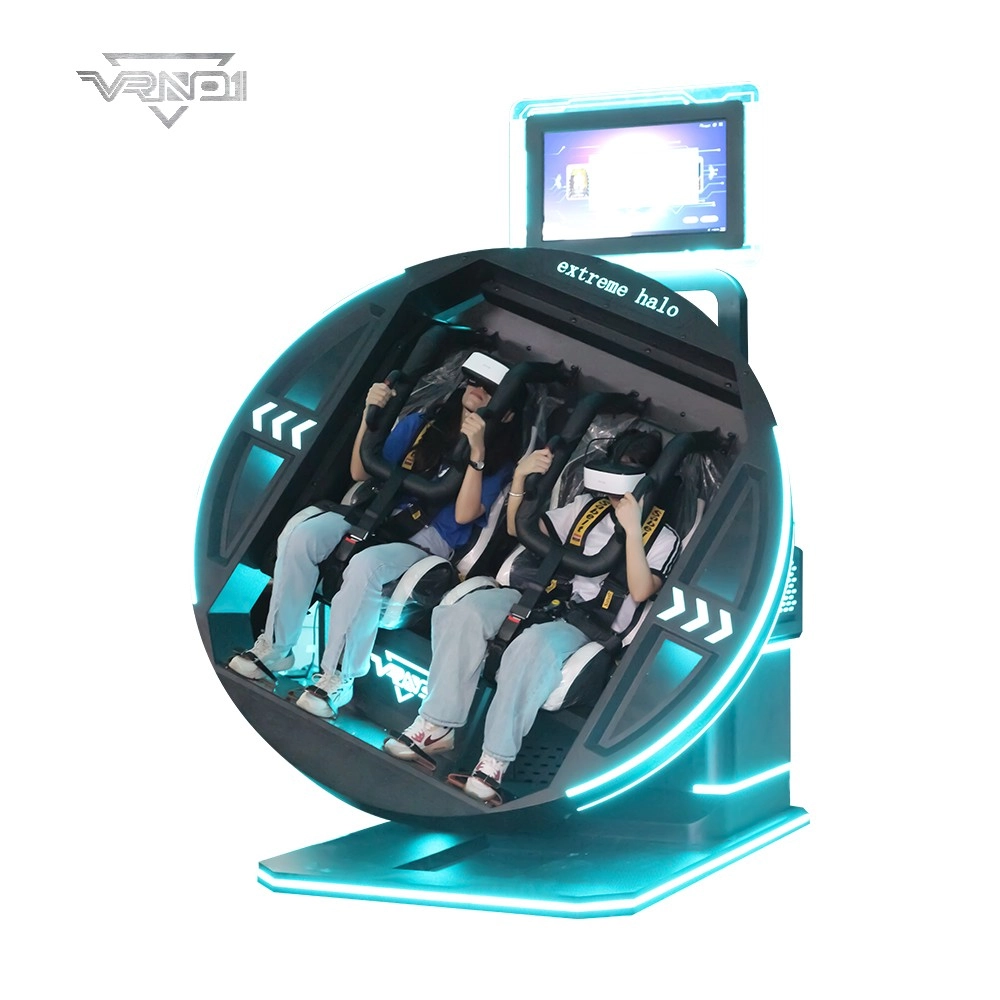
9D VR 360 Roller Coaster Cinema Chair Gaming Set Indoor/Outdoor Business Simulator Hardware for Home or School
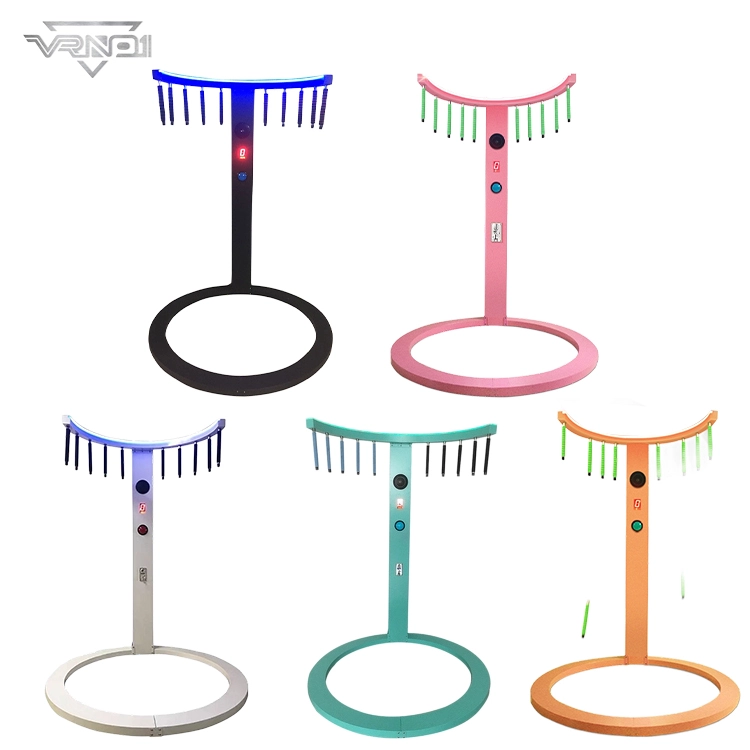
VRN0.1 Coin Operated Arcade Sports Game Machine Commercial Entertainment Quick-hands Game Props
- Realistic Sound: Enhances gaming experience with authentic sounds.
- Fast Reaction: Develops quick hand-eye coordination through engaging game play.
- DIY Kit: Allows for customization and personalization of the baton.
- Metal and Plastic Construction: Durable and robust build quality.
- Coin Operated: Fun for players who enjoy arcade-like experiences.
 Scan QR Code
Whatsapp: +8618127818571
Scan QR Code
Guangzhou Skyfun Technology Co.,Ltd
skyfunvrgame
skyfun game