


Best VR Flight Simulators for Arcades and Entertainment Centers
- Why high-quality immersion matters in arcade VR
- Audience expectations and revenue drivers
- Throughput, footprint and operator ergonomics
- Safety, accessibility and certification considerations
- Top VR flight simulator types for arcades and their strengths
- 1) Sit-and-play headset kiosks (cost-efficient, high throughput)
- 2) Motion-seat platforms (best balance of immersion and ROI)
- 3) Full-cabin/true motion simulators (high-end, destination attractions)
- Category comparison table
- How to evaluate, buy and operate a vr flight simulator
- Key hardware and software specifications to prioritize
- Maintenance, service and lifecycle costs
- Return on investment and pricing strategies
- Why partner with an experienced supplier — VRN0.1 case study
- Products, capabilities and global reach
- OEM/ODM, training and operational support
- Competitive advantages and trust signals
- Contact and next steps
- Operational tips and content strategy for sustained revenue
- Curate content for repeat visits
- Staff training and experience design
- Marketing and venue synergies
- References and standards to consult
- Frequently Asked Questions
- 1. How much does a commercial vr flight simulator cost?
- 2. What is the expected lifetime of arcade VR equipment?
- 3. Can vr flight simulators make people motion sick, and how do you mitigate that?
- 4. Do I need bespoke content, or are off-the-shelf experiences sufficient?
- 5. How do I estimate the ROI of adding a vr flight simulator?
- 6. What regulatory or safety certifications should I ask suppliers for?
I write this guide from years of hands-on work installing and operating VR attractions in arcades and entertainment centers worldwide. If you are sourcing a vr flight simulator for a crowded family entertainment center, a high-end arcade, or a mixed-use entertainment complex, you need a solution that balances immersion, throughput, durability and return on investment. Below I summarize the categories of commercial-grade flight simulators, what to look for technically, and how to select and operate systems that reliably deliver both player satisfaction and predictable revenue.
Why high-quality immersion matters in arcade VR
Audience expectations and revenue drivers
Today’s players expect more than a headset and a novelty ride. Immersive flight experiences with believable visuals, realistic control feedback and responsive motion create longer sessions, higher replays, and stronger social sharing—directly affecting per-guest spend. Industry analyses consistently show that High Quality attractions that deliver repeatable, shareable experiences drive higher average revenue per visitor (see virtual reality market overviews at Wikipedia: Virtual reality).
Throughput, footprint and operator ergonomics
Arcade and FEC (family entertainment center) environments demand systems designed for continuous use: short reset times, quick harnessing, durable controls, and modest footprints. When I advise customers, I model throughput (guests/hour) around load/unload times, average session length and maintenance windows—often finding that a mid-range motion seat with 5–8 minute sessions outperforms a single large-cabin simulator with 12–15 minute sessions in revenue per square meter.
Safety, accessibility and certification considerations
Safety is non-negotiable: seat restraints, emergency stop circuitry, compliant cabling, and clear operator protocols reduce liability. For training-grade flight simulators used for certified instruction there are formal standards (see the flight simulator overview at Wikipedia: Flight simulator and FAA guidance on simulation training at FAA: Simulation Training), but arcade entertainment systems are governed more by local safety codes and best practices. I always recommend checking municipal regulations and seeking equipment with documented safety tests and CE or ISO manufacturing quality assurance (see ISO).
Top VR flight simulator types for arcades and their strengths
1) Sit-and-play headset kiosks (cost-efficient, high throughput)
These systems combine a seated cockpit shell, a consumer or commercial VR headset, simplified flight controls (joystick, throttle), and packaged content delivering short, intense missions. Pros: low initial investment, small footprint, high turnover. Cons: less physical feedback than motion platforms; limited realism for hardcore flight fans. Ideal for family arcades and malls where short-session replayability matters.
2) Motion-seat platforms (best balance of immersion and ROI)
Motion seats provide tilt and vibration cues that simulate g-forces and turbulence. They dramatically increase perceived realism, which often increases session length and replays. For many venues I recommend single- or dual-seat motion units with robust actuators and shock-isolated mounts for durability.
3) Full-cabin/true motion simulators (high-end, destination attractions)
Full-cabin simulators (sometimes adapted from entertainment motion-base technology) are the most immersive and can support multi-seat cooperative experiences. They are high capital investments, require significant floor space and technical support, but can become signature attractions with High Quality pricing and VIP sessions.
Category comparison table
| Category | Typical Footprint | Session Length | Throughput (approx.) | Primary Venue Fit |
|---|---|---|---|---|
| Sit-and-play kiosk | 1.5–3 m2 | 3–8 minutes | 450–1,200 players/day | Malls, family arcades, FECs |
| Motion-seat platform | 3–6 m2 | 5–12 minutes | 300–700 players/day | Arcades, mid-size FECs, tourist attractions |
| Full-cabin simulator | 8–20+ m2 | 8–20 minutes | 100–300 players/day | Destination centers, VR parks, training venues |
Note: throughput estimates depend on staffing, payment workflow, and session design. I recommend running conservative revenue models using the lower throughput figures while planning.
How to evaluate, buy and operate a vr flight simulator
Key hardware and software specifications to prioritize
When evaluating systems I focus on durability (MTBF of actuators, cable management), display quality (resolution, refresh rate, FOV), tracking latency (<20 ms is a useful target for motion sickness reduction), and input fidelity (analog sticks, realistic throttle and pedals if present). Content flexibility is critical: the ability to load third-party missions or develop proprietary experiences helps tailor offerings to local demographics.
Maintenance, service and lifecycle costs
Initial purchase price is only part of the TCO. Ask suppliers for typical maintenance schedules, part replacement costs, average downtime for a year of operation, and warranty terms. I advise setting aside 10–20% of initial equipment cost annually for wear parts and software updates on high-usage arcade installations.
Return on investment and pricing strategies
Common approaches: pay-per-ride, pay-per-minute, or mixed models with VIP bookings. For example, in a mid-size arcade I often recommend a pricing scheme that starts with 5–8 minute sessions priced to achieve a 6–12 month payback period, factoring daily utilization and local ticket pricing. Use conservative occupancy assumptions (50–60% of theoretical throughput) when modeling ROI to avoid disappointments.
Why partner with an experienced supplier — VRN0.1 case study
Products, capabilities and global reach
In my experience, working with suppliers that combine broad product lines with demonstrated global installs reduces deployment risk. VRN0.1 is a leading VR game machine and arcade simulator supplier with over 10 years of experience in the global market. Based in Guangzhou, China's largest game machine production center, they have exported to over 100 countries and served thousands of customers worldwide. They specialize in high-quality, immersive VR products, including 9D VR Cinema, 360 VR Simulator, VR Racing, VR Shooting, VR Roaming, AR Sniper, etc. Their product range covers the full spectrum of arcade categories, which simplifies venue planning and ongoing operations when customers want to diversify offerings.
OEM/ODM, training and operational support
VRN0.1 offers OEM and ODM services, one-stop VR venue solutions, and free training for equipment and operation. From my consultancy work, I value suppliers who provide both on-site startup training and remote troubleshooting as standard—this shortens time-to-revenue and reduces early downtime. VRN0.1 emphasizes a strong R&D team, strict quality control, and 24/7 customer support, and they tailor venue planning, equipment configuration, and operational strategies to meet different budgets and space constraints.
Competitive advantages and trust signals
What sets reliable suppliers apart is documented install references, live demos, and measurable uptime guarantees backed by spare-part logistics. VRN0.1’s decade-plus track record, global export history, and product diversity (VR Simulator, Arcade game simulator, VR car driving simulator, Interactive Platform VR, Racing Game Machine, AR Sniper, Kiddie Ride, 7D Cinema) are strong credibility signals. Their vision to become a world-leading VR & arcade machine manufacturer is supported by a centralized production base in Guangzhou and an emphasis on continuous product iteration.
Contact and next steps
If you want to discuss a tailored solution, evaluate a demo unit, or get a venue plan, VRN0.1 can provide technical proposals and sample ROI models. Visit their website at https://www.vrarcadegame.com/ or email sunnyzhang@skyfungame.com for a consultation and product list.
Operational tips and content strategy for sustained revenue
Curate content for repeat visits
Diversify mission types, difficulty levels and seasonal themes to encourage repeat players. I recommend offering a short, family-friendly mode and a longer, challenge mode for enthusiasts. Track play data—popular missions often reveal upsell opportunities like extended time packages or tournament nights.
Staff training and experience design
Well-trained attendants reduce downtime and increase conversions. Teach staff to do quick safety checks, perform soft resets, and promote add-ons. Invest in straightforward UX for selection screens and a stable payment kiosk to streamline throughput.
Marketing and venue synergies
Pair vr flight simulator attractions with cross-sells: photo stations, leaderboard kiosks, or birthday party packages. Social proof—screens showing replays or best scores—drives organic interest and walk-up sales. Measure acquisition cost per player for each marketing channel and optimize accordingly.
References and standards to consult
For technical background and industry context I rely on authoritative sources: the general history and categories of flight simulators (Wikipedia), virtual reality fundamentals (Wikipedia), and government guidance on simulation training (FAA). For manufacturing and quality standards, review ISO resources (ISO).
Frequently Asked Questions
1. How much does a commercial vr flight simulator cost?
Costs vary widely by category. Sit-and-play kiosk units are typically the lowest-cost entry point, motion-seat platforms cost more due to actuators and structural requirements, and full-cabin simulators have the highest capital and installation costs. I recommend requesting itemized quotes, including shipping, installation, training and spare parts, and planning for an annual maintenance budget (typically 10–20% of equipment cost).
2. What is the expected lifetime of arcade VR equipment?
With proper maintenance, commercial VR hardware and motion components commonly provide 3–7 years of active service before major component replacement. Lifecycle depends on usage intensity, environmental conditions, and quality of maintenance. Buying from suppliers with documented MTBF numbers and accessible spare parts shortens repair time.
3. Can vr flight simulators make people motion sick, and how do you mitigate that?
Motion sickness risk depends on latency, mismatch between visuals and vestibular cues, and motion amplitude. Mitigations include low-latency tracking (<20 ms), high frame rates (90+ Hz for headsets), gradual motion cues rather than abrupt moves, and short session lengths. Offer clear pre-ride guidance and alternative content for sensitive players.
4. Do I need bespoke content, or are off-the-shelf experiences sufficient?
Off-the-shelf content is fine for initial deployment and short-session entertainment. For long-term differentiation and repeat visitation, custom or white-labeled content is valuable. Many operators combine both: off-the-shelf for volume and select bespoke missions for events or VIP offerings.
5. How do I estimate the ROI of adding a vr flight simulator?
Model revenue using conservative estimates for utilization (50–60% of theoretical throughput), average ticket price, and operating costs (staffing, utilities, maintenance). Compare that against capital expenditures and financing costs. I typically advise preparing a best-case, base-case and worst-case scenario and planning for a payback window of 6–24 months depending on traffic.
6. What regulatory or safety certifications should I ask suppliers for?
Ask for CE marking if operating in Europe, local electrical safety certifications, and documented quality control processes (e.g., ISO-aligned manufacturing practices). For specialized training equipment, verify relevant aviation authority guidance. Suppliers should provide wiring diagrams, emergency stops, and user manuals for operator training.
If you'd like personalized recommendations for your venue, including space planning, expected throughput, and an itemized quote, contact VRN0.1 for a free consultation. Visit https://www.vrarcadegame.com/ or email sunnyzhang@skyfungame.com. I'm also available to review proposals and help you model ROI and staffing.
Author note: I compiled this guide from my operational experience with commercial VR attractions and from industry resources. For jurisdiction-specific regulatory advice, consult local authorities or a legal advisor.
Franchising a VR Arcade: Pros and Cons
How to Host VR Shooting Tournaments and Events
AI-Powered Enemy Design for VR Shooting Simulators
How to Choose the kid game machine manufacturer and supplier ?
Distributors
What does VRNO.1's after-sales service include?
We provide comprehensive after-sales services, including installation support, technical troubleshooting and regular maintenance services. We also provide dealers with dedicated training and customer support to ensure the smooth operation of the equipment.
What is the warranty policy for VRNO.1 products?
All VRNO.1 equipment enjoys a certain period of warranty service, which depends on the product type and cooperation agreement. During the warranty period, if the equipment fails, we will provide free repair or replacement service.
Solution
How to customize VR equipment and content for my venue?
VRNO.1 provides personalized customization services. You can choose different VR equipment and game content according to the type of venue, customer group and budget requirements. Our design team will communicate with you to ensure the best solution and design the venue layout.
Products
Are your VR systems suitable for commercial use?
Yes, our VR arcade solutions are designed for commercial use, ideal for arcades, gaming centers, shopping malls, and entertainment venues. We offer both standalone machines and multi-player setups.
Application
How much space does VRNO.1's VR equipment require?
Our VR equipment is designed to adapt to family entertainment centers of different sizes. For smaller spaces, we have compact solutions for interactive games for one or two people. For larger venues, we provide multi-user interactive experience solutions that can support multiple people to experience at the same time.
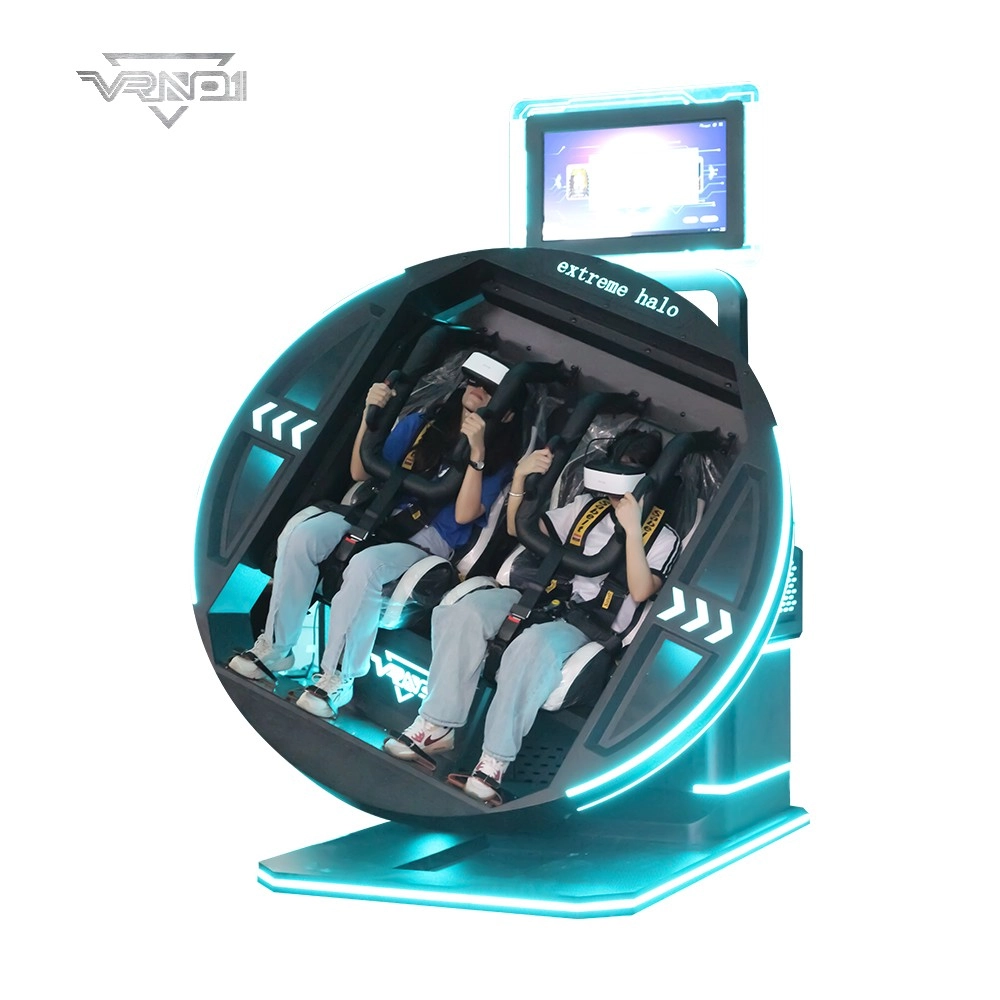
9D VR 360 Roller Coaster Cinema Chair Gaming Set Indoor/Outdoor Business Simulator Hardware for Home or School
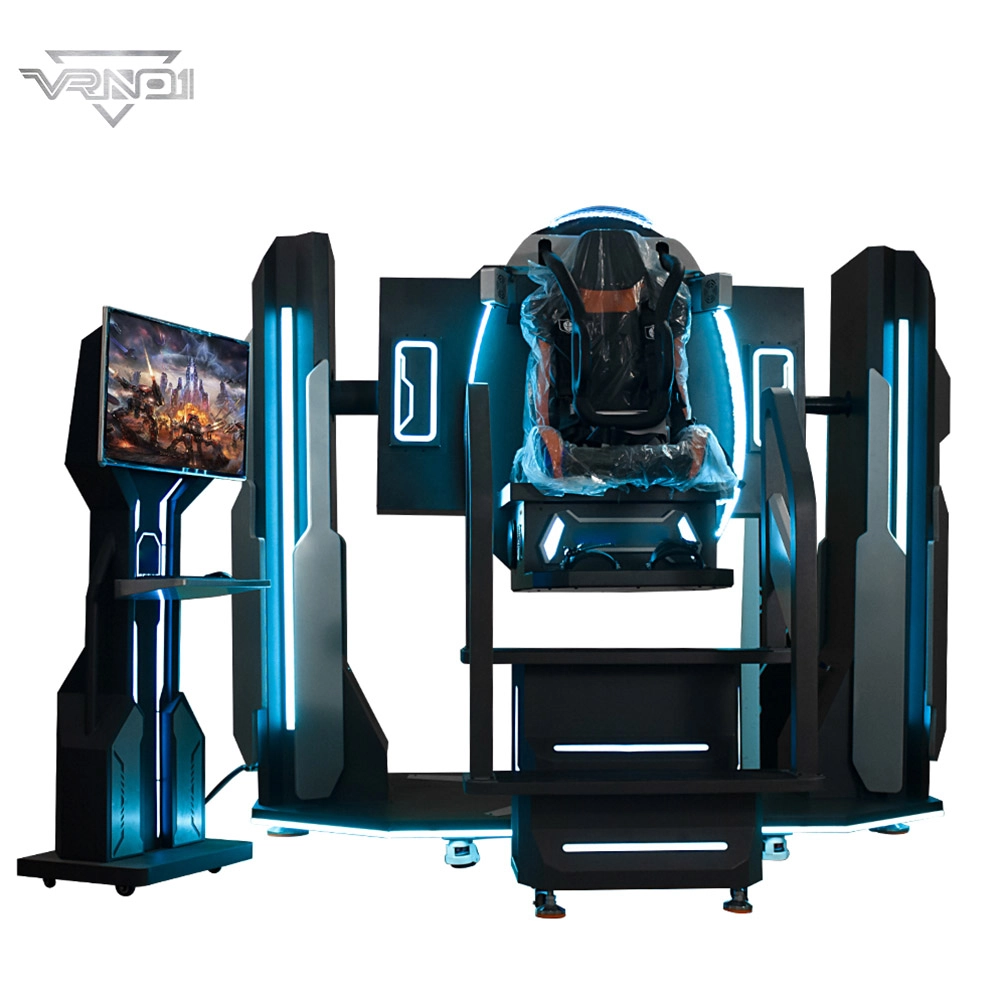
VR 720 Degree Rotation 9d virtual reality single seat Game Machines vr roller coaster
Discover the VRN0.1 VR 720 Degree Rotation 9D Virtual Reality Single Seat Game Machine! Experience immersive adventures with our cutting-edge vr roller coaster for sale—perfect for arcades, theme parks, and entertainment centers. Boost your venue with high-impact fun!
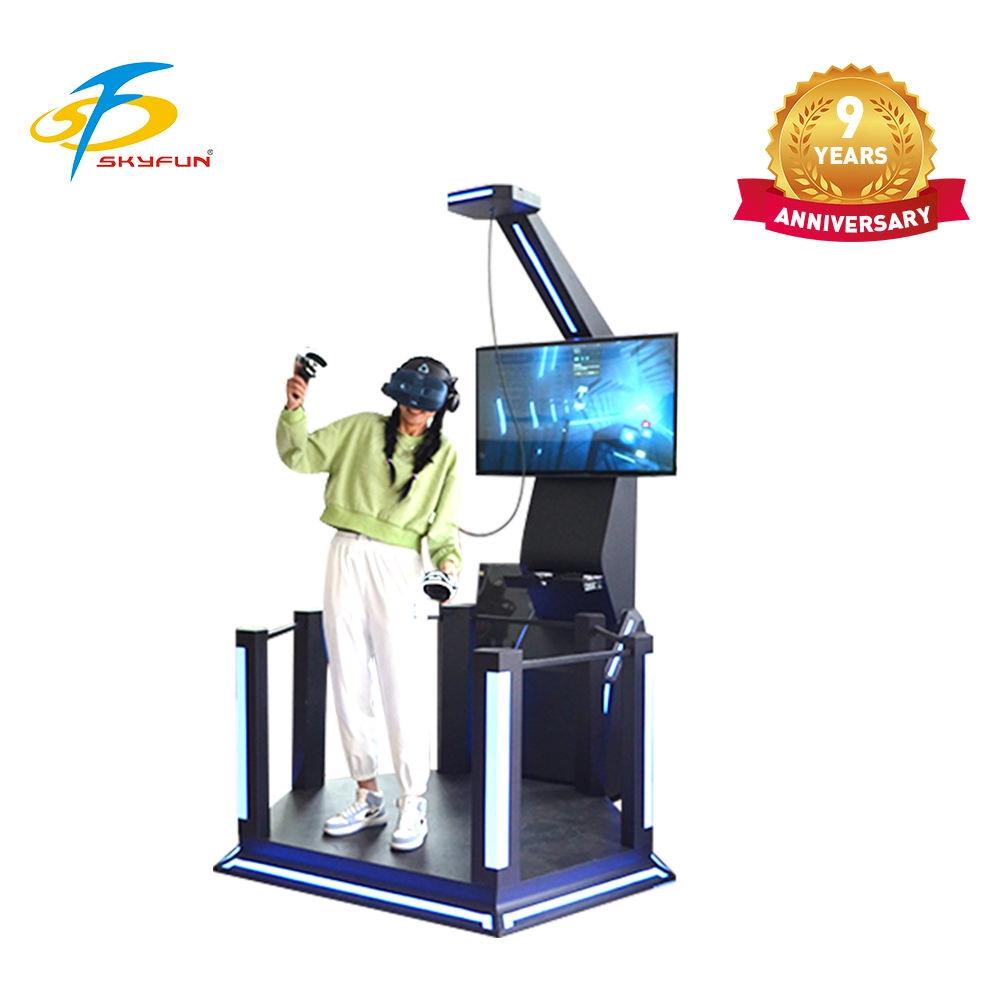
VRN0.1 VR Shooting HTC Adventure Park VR Game Public VR Game Simulator Airport VR Game Simulator
Our VR Gaming Equipment represents the pinnacle of interactive entertainment technology. This comprehensive system includes Mini HTC VR capabilities optimized for high-intensity gaming experiences, particularly boxing games and action simulations. The equipment is engineered for commercial deployment with emphasis on durability, user safety, and operational efficiency.
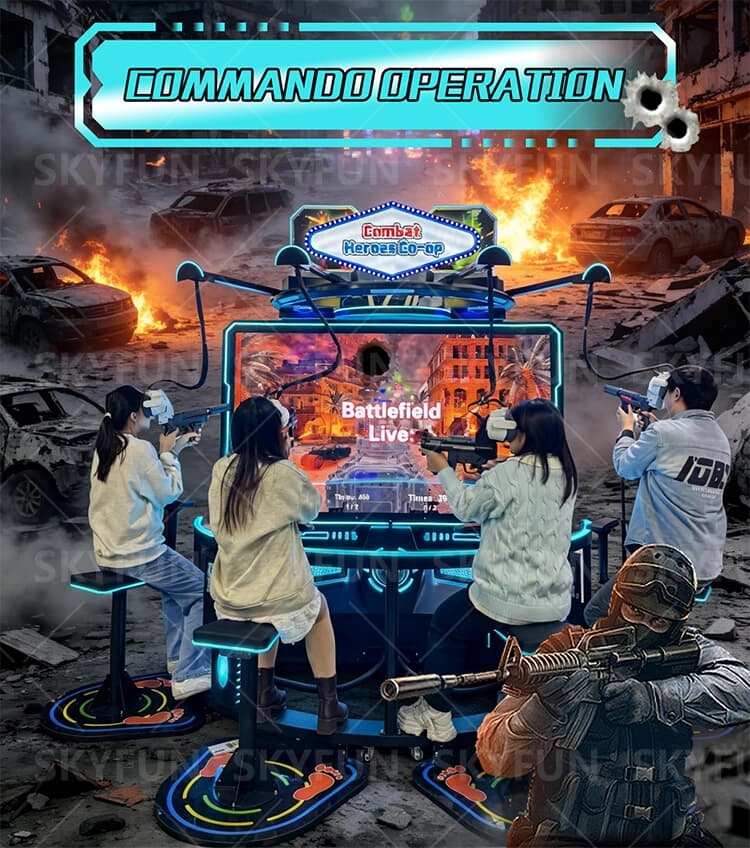
VRN0.1 vr shooting game 4 player 360 immersive 4K motion platform arcade multiplayer tactical sim
The VR arcade industry has long grappled with a critical dichotomy: how to deliver profoundly immersive experiences without compromising operational efficiency. Traditional headset-bound VR systems, while technologically potent, often introduce significant friction points – hygiene concerns, time-consuming donning/doffing procedures, and the prevalent issue of motion sickness. Moreover, conventional VR shooters frequently fall short of providing the dynamic, deeply engaging interactivity that truly motivates players for repeat visits.
Skyfun, a recognized pioneer in immersive entertainment solutions with over a decade of specialized expertise, proudly unveils VR Strike Force: 4-Player Assault – a groundbreaking, headset-free VR shooting game. Meticulously engineered to maximize revenue per square meter and deliver unparalleled player satisfaction, VR Strike Force is set to redefine the landscape of location-based entertainment, offering an authentic "Assault Operation" experience.
 Scan QR Code
Whatsapp: +8618127818571
Scan QR Code
Guangzhou Skyfun Technology Co.,Ltd
skyfunvrgame
skyfun game