


Best VR Arcade Machines for Small Arcades 2026
- Choosing the Right VR Arcade Machines for Small Arcades in 2026
- Market context for VR Arcade Machines
- Key selection criteria for VR Arcade Machines in small arcades
- Top compact categories of VR Arcade Machines for small arcades
- Recommended VR Arcade Machines for small arcades (practical picks)
- 1. VR Racing Pod — VR Arcade Machines (single-seat)
- 2. VR Shooting Booth — VR Arcade Machines (compact shooter)
- 3. 360/VR Motion Simulator — VR Arcade Machines (360/6DOF)
- 4. 9D/7D VR Cinema — VR Arcade Machines (multi-seat group)
- 5. Room-scale VR Roaming Kits — VR Arcade Machines (High Quality roaming)
- 6. Interactive Platform & Kiddie Ride — VR Arcade Machines (family-friendly)
- Comparing compact VR Arcade Machines: footprint, throughput and cost
- Estimating revenue and ROI for VR Arcade Machines
- Installation, staff training and maintenance for VR Arcade Machines
- Why choose a proven supplier — VRN0.1 and its advantages for small arcades
- Layout examples and small-arcade configuration suggestions with VR Arcade Machines
- Checklist before purchase of VR Arcade Machines
- FAQ — Common questions about VR Arcade Machines for small arcades
- Q1: What is the ideal mix of VR arcade machines for a 500–800 sq ft venue?
- Q2: How much should I budget for initial equipment and setup?
- Q3: Are roaming VR systems recommended for small arcades?
- Q4: What are typical operating costs for VR arcade machines?
- Q5: How quickly can I expect to break even on VR arcade machines?
- Contact & next steps — evaluate VR Arcade Machines for your venue
- References
Choosing the Right VR Arcade Machines for Small Arcades in 2026
Market context for VR Arcade Machines
In 2026 small arcades face a growth opportunity: consumer demand for immersive, social entertainment remains strong while floor space and budgets are often constrained. Global immersive entertainment spending and VR location-based entertainment (LBE) revenues have been expanding — analysts estimated the VR LBE market to grow at double digits through the mid‑2020s, driven by improved hardware and content diversity (see references). For small-venue operators, the practical question is not which machine is the most advanced, but which VR arcade machines deliver reliable throughput, compact footprint, manageable operating costs, and predictable ROI.
Key selection criteria for VR Arcade Machines in small arcades
When evaluating VR arcade machines for a small venue, prioritize criteria proven to affect profitability and guest satisfaction:
- Footprint and layout efficiency: Machines that maximize revenue per square foot are essential. Consider units allowing one operator to supervise multiple units.
- Throughput & session length: Short, repeatable sessions (5–8 minutes) often maximize revenue. Balance experience depth with turnover.
- Reliability & maintenance: Downtime kills revenue. Choose vendors with strong QC, spare parts availability, and service support.
- Content flexibility: Machines that support multiple games or easy content updates increase repeat visits.
- Staff training & operation: Look for suppliers offering training and simple user interfaces to reduce labor costs.
- Initial cost vs TCO: Total cost of ownership (hardware, license fees, consumables, power) should match projected revenue.
Top compact categories of VR Arcade Machines for small arcades
For small arcades, a curated mix of the following categories typically yields the best balance of appeal and profitability:
- VR Racing Pods: Single-seat enclosed pods with force feedback—high perceived value, compact.
- VR Shooting Booths: Small footprint, easy to operate, broad audience appeal.
- 360/VR Motion Simulators: Multi-seat or single-seat motion rigs (360 rotation optional) that deliver visceral experiences.
- 9D/7D VR Cinema: Multi-seat group experiences with simple operations—good for families and school groups.
- VR Roaming Kits (tetherless): Room-scale roaming for High Quality experiences—requires dedicated safety planning but high immersion.
- Interactive Platform VR / Kiddie Ride: Low-barrier attractions for children and casual customers—good add-on revenue.
Recommended VR Arcade Machines for small arcades (practical picks)
Below are recommended machine types and example use-cases for small arcades in 2026. Each entry emphasizes the business value rather than marketing hype.
1. VR Racing Pod — VR Arcade Machines (single-seat)
Why: Racing pods deliver a high-perceived-value attraction that suits solo players and pairs. They are intuitive, require minimal staff assistance, and typically run short sessions.
Operational notes: Choose pods with adjustable seats and accessible entry/exit. Look for integrated telemetry for leaderboards, which increases repeat play. Expect session lengths of 5–8 minutes with an average price point varying by vendor and motion complexity.
2. VR Shooting Booth — VR Arcade Machines (compact shooter)
Why: Shooting booths convert well in limited space. They appeal to families and competitive players and can be monitored by a single attendant. Content modularity (different missions) increases repeatability.
Operational notes: Prioritize sanitized, easy-to-clean accessories and quick content switching. Safety enclosures reduce the need for large buffer zones.
3. 360/VR Motion Simulator — VR Arcade Machines (360/6DOF)
Why: Motion simulators provide a dramatic, cinematic experience—excellent for parties and groups. Single or dual-seat options fit small spaces when strategically placed.
Operational notes: Higher acquisition and maintenance costs than pods/booths, but High Quality pricing per session and group sales can justify investment. Confirm power requirements and floor loading limits before purchase.
4. 9D/7D VR Cinema — VR Arcade Machines (multi-seat group)
Why: Multi-seat VR cinemas (2–8 seats) maximize revenue per session by selling multiple tickets at once and appeal to families. These units require less per-player equipment handling and simplify sanitization.
Operational notes: Good for locations near family destinations. Content should be updated regularly to maintain return visits.
5. Room-scale VR Roaming Kits — VR Arcade Machines (High Quality roaming)
Why: Roaming VR delivers the deepest immersion and is a strong differentiator. It works well as a high-margin High Quality offering (e.g., escape room-style sessions).
Operational notes: Requires dedicated, well-marked roaming space, trained staff, and robust safety systems. Consider tetherless headsets with clear guardian boundaries and reliable wireless tracking systems.
6. Interactive Platform & Kiddie Ride — VR Arcade Machines (family-friendly)
Why: Low-threshold rides and interactive platforms attract children and casual spenders. These have low maintenance and fast turnover.
Operational notes: Keep sessions short (2–4 minutes) and price competitively to maximize impulse plays.
Comparing compact VR Arcade Machines: footprint, throughput and cost
Use the table below to compare typical machine types for a small arcade. Values are representative ranges based on supplier catalogs and market listings; always verify specs with the chosen vendor.
| Machine Type | Typical Footprint (sq ft) | Seats / Capacity | Avg Session Time | Estimated Price Range (USD) | Ideal for Small Arcade? |
|---|---|---|---|---|---|
| VR Racing Pod | 10–15 | 1 | 5–8 min | $8,000–$40,000 | Yes |
| VR Shooting Booth | 8–12 | 1 | 5–7 min | $4,000–$20,000 | Yes |
| 360 / Motion Simulator | 12–25 | 1–2 | 6–10 min | $15,000–$60,000 | Yes (select models) |
| 9D / 7D VR Cinema | 20–40 | 2–8 | 6–12 min | $10,000–$50,000 | Yes (for family locations) |
| Room-scale Roaming Kit | 100+ (dedicated area) | 1–4 (staggered) | 10–20 min | $10,000–$80,000 | Conditional (space & staff) |
| Interactive Platform / Kiddie Ride | 6–15 | 1–4 | 2–5 min | $3,000–$25,000 | Yes |
Notes: Price ranges and footprints are indicative; specific models may vary. Sources include supplier catalogs and industry surveys (see references).
Estimating revenue and ROI for VR Arcade Machines
A practical revenue model for small arcades uses conservative assumptions: average price per play $6–$12, 8–12 plays per hour for single-seat attractions during busy times, and partial utilization during off-peak. Example: a $10 average ticket, 8 sessions per hour, 8 revenue hours per day, 25 operating days/month yields about $16,000/month gross per popular unit at peak conditions. Subtract rent, staff, utilities, maintenance and license fees to estimate net. Use conservative utilization (30–60%) in projections to avoid over-optimism.
Installation, staff training and maintenance for VR Arcade Machines
Successful small arcades minimize downtime through vendor partnerships. Essential operational practices:
- Request on-site or remote training from suppliers and insist on documented SOPs.
- Keep a small inventory of critical spare parts (headsets, power supplies, motion actuators).
- Schedule daily headsets and controller sanitization; use quick-swap accessories to reduce turn-over delays.
- Monitor analytics (play counts, average session length) and adjust pricing/queueing live.
Why choose a proven supplier — VRN0.1 and its advantages for small arcades
VRN0.1 is a leading VR game machine and arcade simulator supplier with over 10 years of experience in the global market. Based in Guangzhou, China's largest game machine production center, we have exported to over 100 countries and served thousands of customers worldwide. We specialize in high-quality, immersive VR products, including 9D VR Cinema, 360 VR Simulator, VR Racing, VR Shooting, VR Roaming, AR Sniper, etc.
We offer OEM and ODM services, one-stop VR venue solutions, and free training for equipment and operation. Our diverse product line covers all mainstream VR arcade categories. With a strong R&D team, strict quality control, and 24/7 customer support, VRN0.1 is committed to innovation, reliability, and customer satisfaction. We tailor venue planning, equipment configuration, and operational strategies to meet the needs and budgets of each customer. Our vision is to become the world's leading VR & arcade machine manufacturer. Visit: https://www.vrarcadegame.com/
Why VRN0.1 is a practical fit for small arcades:
- Product breadth: from kiddie rides to advanced simulators — enables tailored lineups that fit tight footprints.
- Support and training: free equipment and operation training reduces time-to-profit.
- OEM/ODM capability: customization for branding and space constraints.
- Global shipping & parts network: reduces downtime and simplifies expansion to multiple locations.
Layout examples and small-arcade configuration suggestions with VR Arcade Machines
Example 600 sq ft arcade configuration (balanced mix):
- 2 × VR Racing Pods (20–30 sq ft total)
- 1 × VR Shooting Booth (10 sq ft)
- 1 × 9D VR Cinema (20–30 sq ft)
- 2 × Kiddie Rides / Interactive Platforms (12–20 sq ft)
- Circulation, queue space, small F&B counter and cashier (remaining area)
This configuration balances family and core gamer appeal and allows flexible staffing during off-peak hours.
Checklist before purchase of VR Arcade Machines
Before signing a purchase order, verify the following with the supplier:
- Detailed power, floor loading and footprint drawings.
- Warranty terms, spare parts lead times, and local service options.
- Content licensing model and update frequency.
- Training scope and post-sale support SLA.
- References from operators with similar venue sizes.
FAQ — Common questions about VR Arcade Machines for small arcades
Q1: What is the ideal mix of VR arcade machines for a 500–800 sq ft venue?
A1: A balanced lineup typically includes 1–2 high-value single-seat attractions (racing or simulator), 1 multi-seat 9D cinema or motion unit, and 1–2 kiddie/interactive units. This mix maximizes appeal across demographics while keeping staff needs low.
Q2: How much should I budget for initial equipment and setup?
A2: For a narrow but profitable setup expect to budget roughly $30,000–$100,000 depending on machine selection and customization. Lower-cost options exist, but factor in shipping, installation, spare parts, and training.
Q3: Are roaming VR systems recommended for small arcades?
A3: Roaming systems can be a strong differentiator but require dedicated space, safety protocols, and trained attendants. For very small footprints, prioritize compact pods and booths first.
Q4: What are typical operating costs for VR arcade machines?
A4: Operating costs include staff wages, electricity (varies by machine), maintenance, content/license fees, and consumables (sanitizers, disposable face covers). A rough rule: plan for 10–25% of gross revenue in variable operating costs, but calculate specifically per location.
Q5: How quickly can I expect to break even on VR arcade machines?
A5: Break-even timing varies widely by location, machine mix, and pricing strategy. Conservative projections for small arcades often estimate 12–24 months. Aggressive marketing and high utilization can shorten that timeline.
Contact & next steps — evaluate VR Arcade Machines for your venue
If you’re planning or upgrading a small arcade and want a tailored equipment configuration, layout plan, or ROI model, contact VRN0.1 for a free consultation and venue plan. Visit https://www.vrarcadegame.com/ to view product catalogs and request pricing, or ask for an OEM/ODM quote and free operation training package.
References
- Grand View Research — Location-based Entertainment Market Size (market analysis overview) — https://www.grandviewresearch.com/ (accessed 2025-09-20)
- Statista — Virtual Reality (VR) Market Revenue (global trends) — https://www.statista.com/ (accessed 2025-08-10)
- IAAPA — Industry reports on family entertainment centers and attractions (policy and trends) — https://www.iaapa.org/ (accessed 2025-07-18)
- VRN0.1 Official Site — product lines and company profile — https://www.vrarcadegame.com/ (accessed 2025-11-01)
- Supplier product catalogs and industry dealer listings (combined survey of 2023–2025 vendor specs) — various vendors and catalogs (accessed 2025-10-05)
2DOF vs 6DOF: Motion Platforms for VR Simulator Machines
Everything You Need to Know About simulator shooting game machines
A Deep Dive into the Best VR Racing Games of the Year
How to Choose the gift game machine manufacturer and supplier ?
Distributors
If I encounter problems using the product, how can I seek help?
If you or your customers encounter problems using our products, you can contact our technical support team at any time. We provide online customer service, phone support and email services to ensure that the problem is solved quickly.
Solution
How to customize VR equipment and content for my venue?
VRNO.1 provides personalized customization services. You can choose different VR equipment and game content according to the type of venue, customer group and budget requirements. Our design team will communicate with you to ensure the best solution and design the venue layout.
Does the VR device consume a lot of power?
Our VR devices are designed with energy efficiency in mind. The power consumption of the device is low and suitable for long-term use. The specific power consumption will vary depending on the type of device and frequency of use, and usually runs at standard voltage.
Home
How does VRNO.1’s VR technology work?
Our VR systems use advanced headsets, motion tracking, and interactive controls to create an immersive, 360-degree experience. Players can engage with digital environments in real time, simulating real-world and fantastical scenarios.
Products
Are your VR systems suitable for commercial use?
Yes, our VR arcade solutions are designed for commercial use, ideal for arcades, gaming centers, shopping malls, and entertainment venues. We offer both standalone machines and multi-player setups.
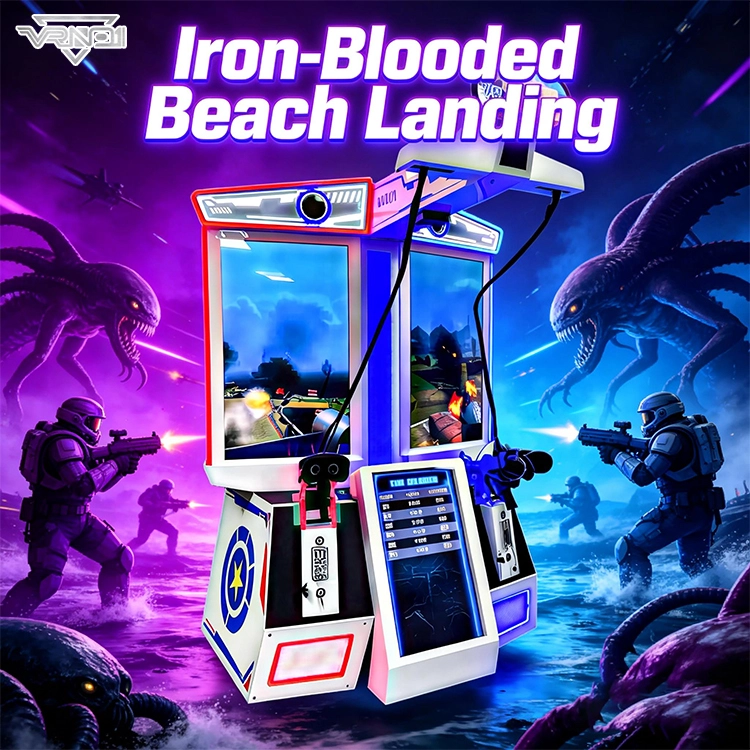
VRN0.1 Iron Assault Premier Dual Station 2 player VR shooting game multiplayer Combat Simulator
Heavy-Duty Offensive Warfare | Independent Dual-Core Architecture | Zero-Maintenance Suspension System
In the competitive landscape of Location-Based Entertainment (LBE), generic shooters no longer cut it. Enter the VR NO.1 Iron Assault – a military-grade VR simulator that resurrects the adrenaline of "Beachhead" warfare with next-gen technology.
Engineered by VR NO.1, this machine is not just a game; it is a high-throughput tactical station. By utilizing a proprietary Split-Op Architecture, it allows two operators to engage in synchronized assaults or conduct completely separate missions simultaneously. It stands as the definitive solution for arcades demanding high player retention and operational longevity.
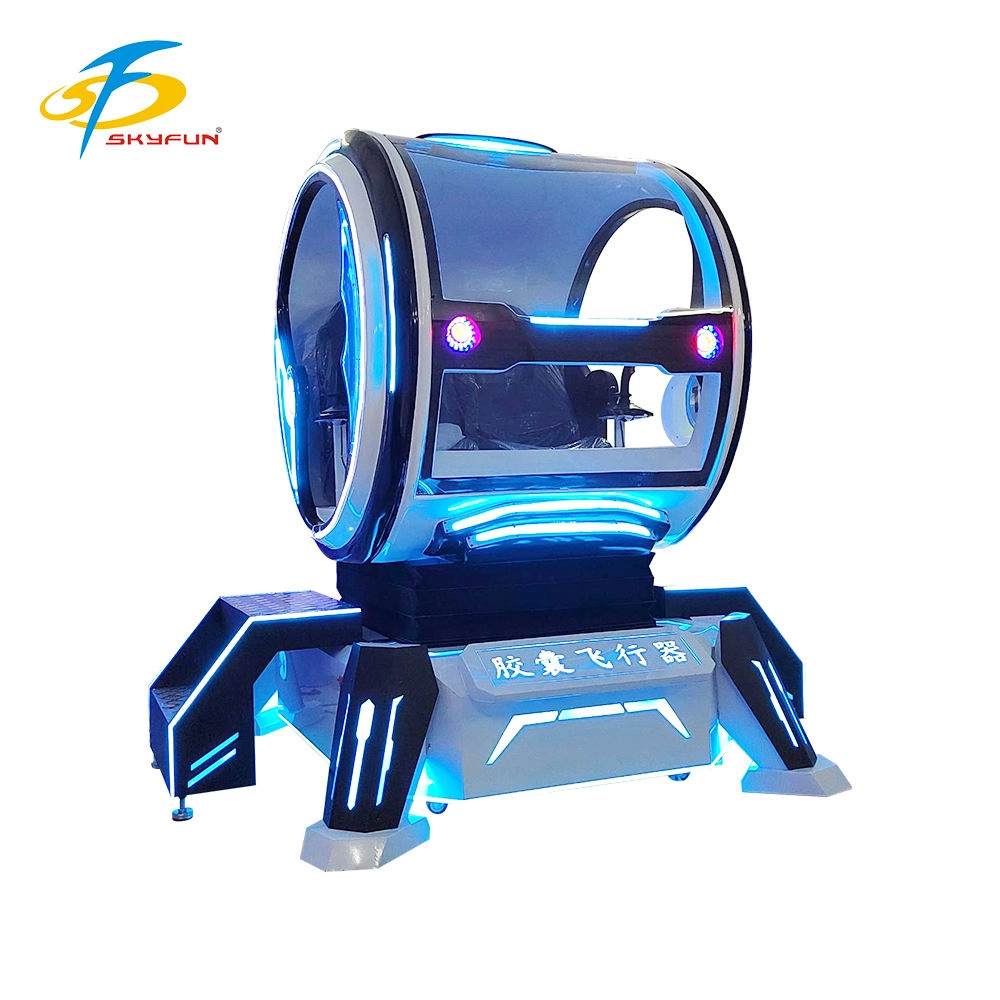
Double Player VR Flight Simulator 100 Movies 15 Games Coin-Operated Game Machine for Shopping Malls Amusement Parks
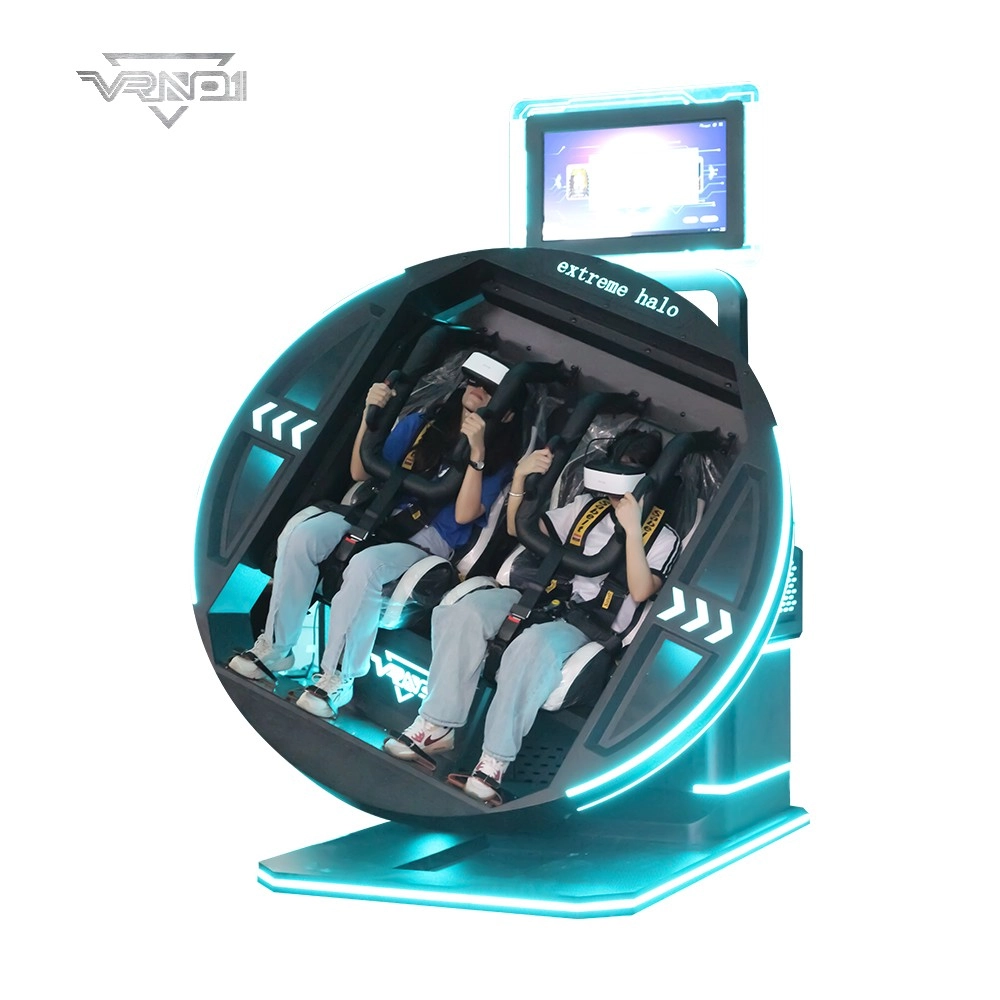
9D VR 360 Roller Coaster Cinema Chair Gaming Set Indoor/Outdoor Business Simulator Hardware for Home or School
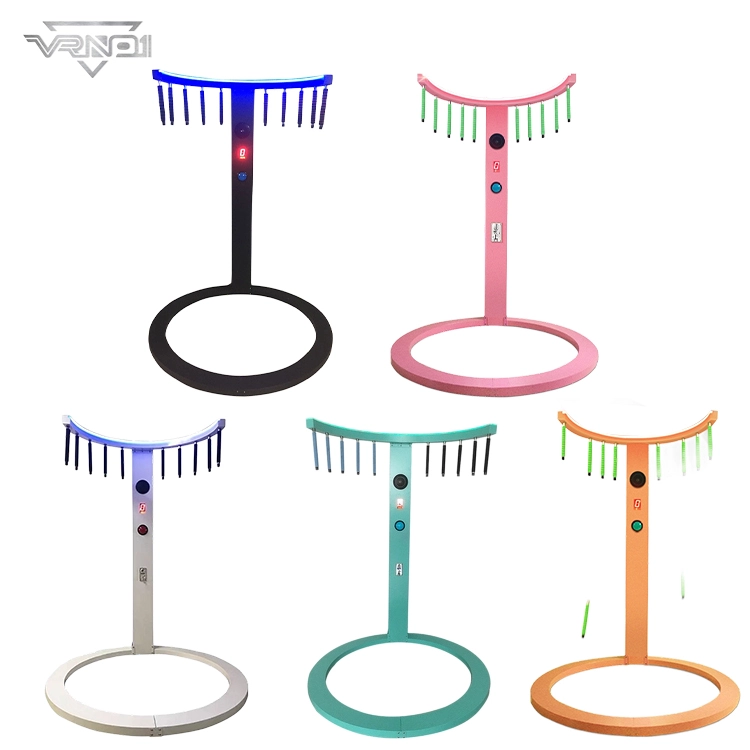
VRN0.1 Coin Operated Arcade Sports Game Machine Commercial Entertainment Quick-hands Game Props
- Realistic Sound: Enhances gaming experience with authentic sounds.
- Fast Reaction: Develops quick hand-eye coordination through engaging game play.
- DIY Kit: Allows for customization and personalization of the baton.
- Metal and Plastic Construction: Durable and robust build quality.
- Coin Operated: Fun for players who enjoy arcade-like experiences.
 Scan QR Code
Whatsapp: +8618127818571
Scan QR Code
Guangzhou Skyfun Technology Co.,Ltd
skyfunvrgame
skyfun game