


5D vs 7D Cinema: What's the Real Difference?
Discover the key differences between 5D Cinema and 7D Cinema with VRN0.1. Explore features, immersive experiences, and how each cinema technology transforms entertainment. Learn more to choose the best option for your venue.
- The Foundation: What Is 5D Cinema?
- Key Features of 5D Cinema:
- The Evolution: What Is 7D Cinema?
- Key Features of 7D Cinema:
- 5D Cinema vs 7D Cinema: The Key Differences
- Summary:
- Equipment and Technology Breakdown
- 5D Cinema Equipment Includes:
- 7D Cinema Equipment Adds:
- Use Cases: Where Do They Fit Best?
- Content Development: The Film Factor
- Challenges and Considerations
- Which One Should You Choose?
The entertainment landscape has been revolutionized by immersive cinema technologies, particularly with the advent of 5D cinema and 7D cinema. Both formats offer a level of interactivity and realism that goes far beyond traditional 2D or even 3D movie experiences. But as these cutting-edge formats grow in popularity, many consumers, business owners, and arcade investors are left wondering: what exactly is the difference between a 5D cinema and a 7D cinema?
In this article, we will take an expert-level deep dive into the defining features, technologies, user experiences, and operational equipment involved in both 5D cinema and 7D cinema, helping you make an informed decision whether you're a cinema enthusiast or a venue operator.
The Foundation: What Is 5D Cinema?
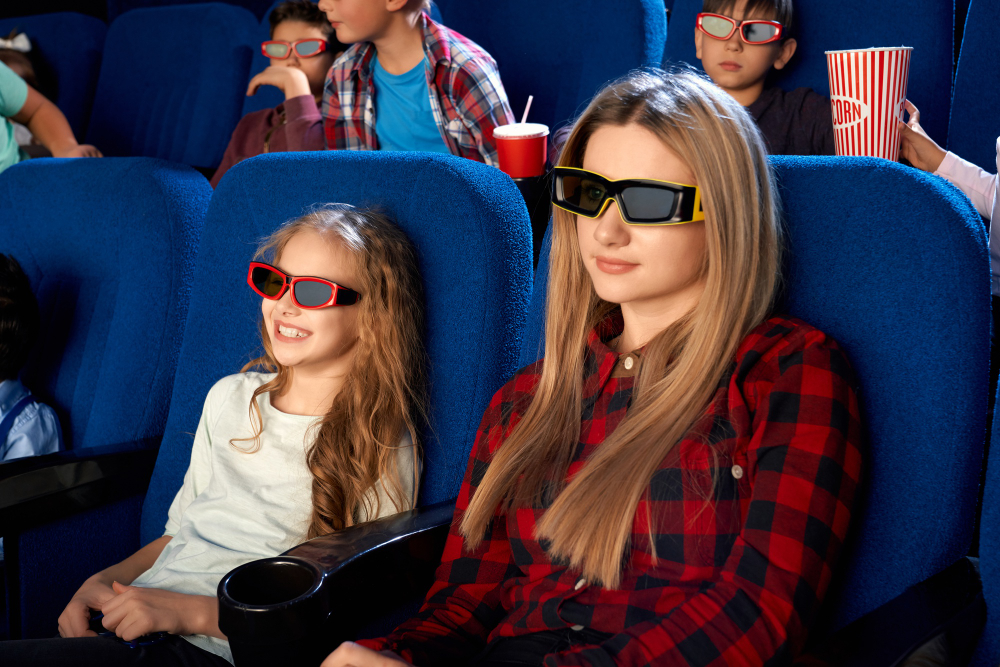
5D cinema is a type of multidimensional movie experience that builds upon 3D visuals by incorporating physical effects such as motion seats, wind, water sprays, fog, lighting, and even scents to synchronize with the on-screen action. It is often considered the first major leap beyond standard 3D and 4D formats.
Key Features of 5D Cinema:
- Stereoscopic 3D Visuals: Using polarized glasses and special projection systems, 5D cinema movies create a three-dimensional visual effect that gives depth to scenes.
- Motion-Based Seats: Actuators beneath the seats tilt, shake, or move based on the movie's narrative.
- Environmental Effects: Wind, bubbles, water sprays, fog, and even aroma effects create a multisensory 5D cinema experience.
- Short Film Format: Most 5D cinema movies last between 5 and 15 minutes, focusing on action or adventure themes that leverage the physical effects for maximum impact.
The Evolution: What Is 7D Cinema?
While 5D cinema focuses on physical interactivity and immersive realism, 7D cinema builds on that base by incorporating audience participation through gaming-like elements. It merges cinema and interactive gaming to create a hybrid entertainment model.
Key Features of 7D Cinema:
- Everything in 5D: All the motion, environmental, and visual elements of a 5D cinema are retained.
- Interactive Guns/Remotes: Audience members are given devices to interact with the film, such as shooting targets or making decisions that influence the story.
- Scoring System: Participants often receive scores based on accuracy or reaction time, adding a competitive edge.
- Real-Time Interaction: The narrative may change slightly based on collective or individual performance.
- Short Game-Cinema Hybrid Films: Like 5D, 7D cinema theatre productions are generally short (5–15 minutes) but structured more like a ride or game than a traditional film.
The integration of these features makes the 7D cinema experience not just immersive, but participatory, enhancing engagement and repeatability.
5D Cinema vs 7D Cinema: The Key Differences
|
Feature |
5D Cinema |
7D Cinema |
|
Visuals |
3D Stereoscopic |
3D Stereoscopic |
|
Motion Seats |
Yes |
Yes |
|
Environmental Effects |
Yes |
Yes |
|
Interactivity |
No |
Yes (guns/remotes) |
|
Story Control |
Passive viewing |
Active interaction |
|
Scoring System |
No |
Yes |
|
Target Audience |
Family entertainment |
Gamers, teens, adventure lovers |
Summary:
- 5D cinema provides a sensory-enhanced storytelling experience.
- 7D cinema adds game-like interactivity to that same foundation.
-
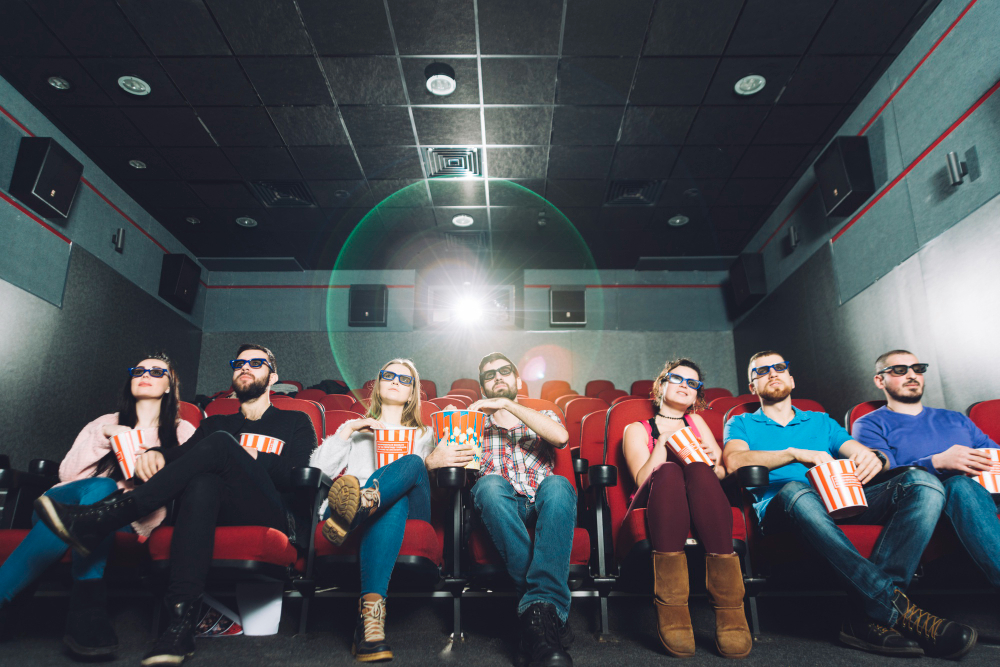
Equipment and Technology Breakdown
5D Cinema Equipment Includes:
- Motion-controlled seats with pneumatic or hydraulic actuators
- 3D projection systems with compatible glasses
- Environmental effect generators (e.g., wind turbines, fog machines, scent dispensers)
- Synchronization software for seamless movie-effect integration
7D Cinema Equipment Adds:
- Interactive gun or joystick devices
- IR sensors or tracking systems for input
- Game engine or AI system to adapt content based on interaction
- Central scoring and feedback systems
Whether you're operating a 5D cinema or planning to build a 7D cinema theater, investing in the right equipment is crucial for performance, reliability, and customer satisfaction.
Use Cases: Where Do They Fit Best?
- 5D Cinema: Ideal for theme parks, shopping mall attractions, science centers, or family entertainment venues. Its passive, story-driven experience appeals to a broad audience.
- 7D Cinema: Better suited for arcades, e-sports venues, and adventure parks. The competitive, interactive nature of the 7D cinema experience encourages repeat plays and longer customer engagement.
Content Development: The Film Factor
5D cinema movies are often pre-produced and use timed sequences to trigger effects. This makes it easier to control pacing and synchronize elements.
In contrast, 7D cinema content must be designed with real-time responsiveness. This requires more advanced game development skills, making 7D cinema equipment more reliant on high-performance computing and responsive programming.
Challenges and Considerations
- Maintenance: The more effects and interactivity, the higher the maintenance needs. 7D systems require more robust technical support.
- Staff Training: Operating 7D cinema equipment demands trained personnel for troubleshooting, calibration, and customer guidance.
- Investment: Initial costs for 7D cinema theatre installations are higher, but the ROI can be greater due to higher ticket pricing and replay value.
Which One Should You Choose?
If you're building an attraction that caters to families or educational audiences, 5D cinema is an excellent choice due to its immersive yet accessible experience. It’s easier to operate and generally has broader demographic appeal.
On the other hand, if your target market includes tech-savvy teens, arcade enthusiasts, or competitive gamers, then a 7D cinema installation offers greater engagement and potential profitability.
Choose a Trusted Partner for Your Immersive Cinema Project
For industry-grade 5D and 7D cinema solutions, choose VRN0.1. With over a decade of experience and a diverse range of immersive VR products, VRN0.1 helps bring your entertainment vision to life with reliable equipment, tailored services, and expert support.


Application
Is the VR device suitable for all family members?
Yes, VRNO.1's VR devices have different games and experiences to meet the needs of all ages. Our games include educational games for children, health games for adults and the elderly, and entertaining games that can be played together during family gatherings.
Does the device support wireless use?
Some VRNO.1 VR devices support wireless connection, which makes it easier to move freely in different spaces without worrying about cable restrictions, enhancing the immersion and freedom of the game.
How much space does VRNO.1's VR equipment require?
Our VR equipment is designed to adapt to family entertainment centers of different sizes. For smaller spaces, we have compact solutions for interactive games for one or two people. For larger venues, we provide multi-user interactive experience solutions that can support multiple people to experience at the same time.
Products
How durable are your VR machines?
Our VR machines are designed for durability and high traffic use, ensuring long-lasting performance. We also provide maintenance and support services to keep your equipment running smoothly.
Distributors
How to become a VRNO.1 dealer?
You can start the application by visiting our website and filling out the dealer application form. Our team will evaluate your application upon receipt and contact you for further communication.
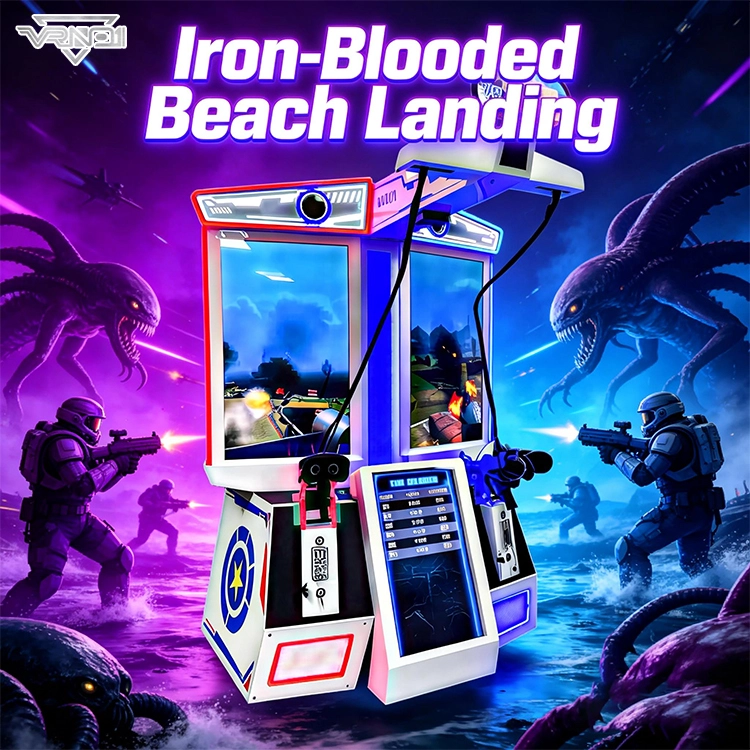
Heavy-Duty Offensive Warfare | Independent Dual-Core Architecture | Zero-Maintenance Suspension System
In the competitive landscape of Location-Based Entertainment (LBE), generic shooters no longer cut it. Enter the VR NO.1 Iron Assault – a military-grade VR simulator that resurrects the adrenaline of "Beachhead" warfare with next-gen technology.
Engineered by VR NO.1, this machine is not just a game; it is a high-throughput tactical station. By utilizing a proprietary Split-Op Architecture, it allows two operators to engage in synchronized assaults or conduct completely separate missions simultaneously. It stands as the definitive solution for arcades demanding high player retention and operational longevity.
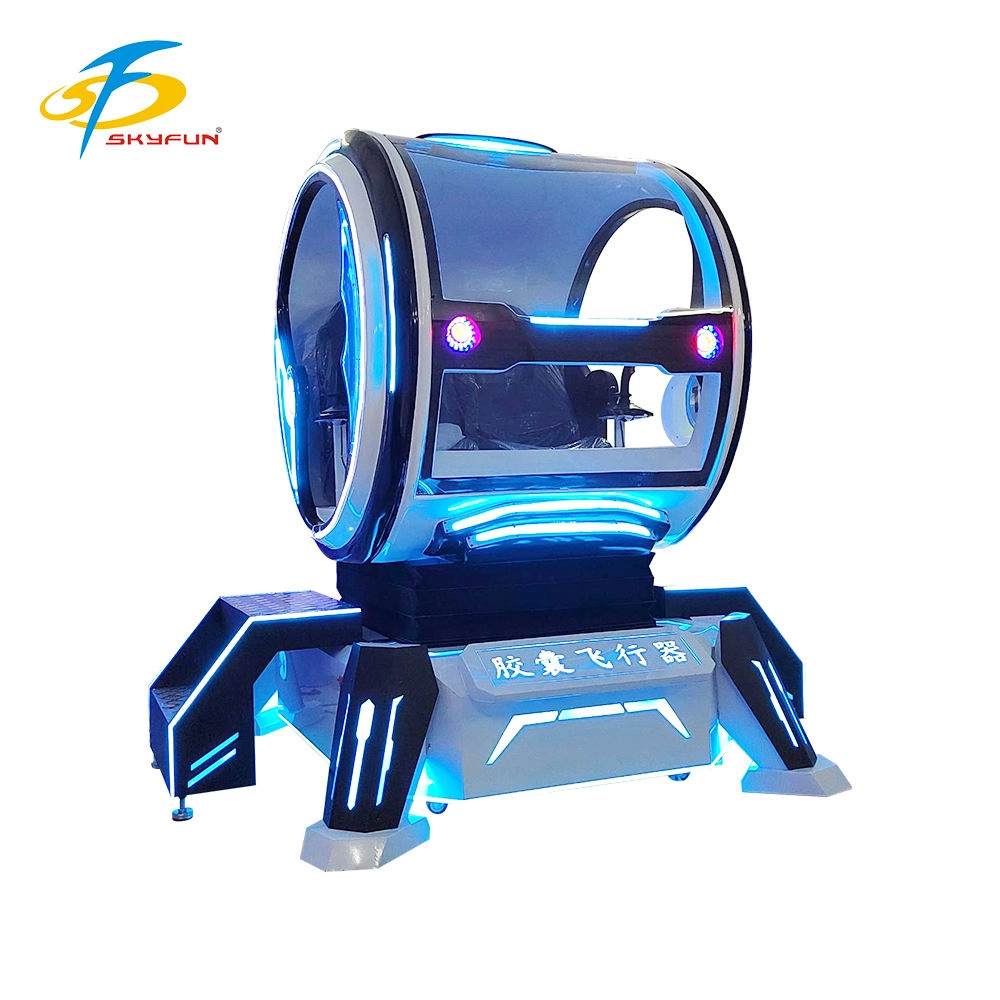
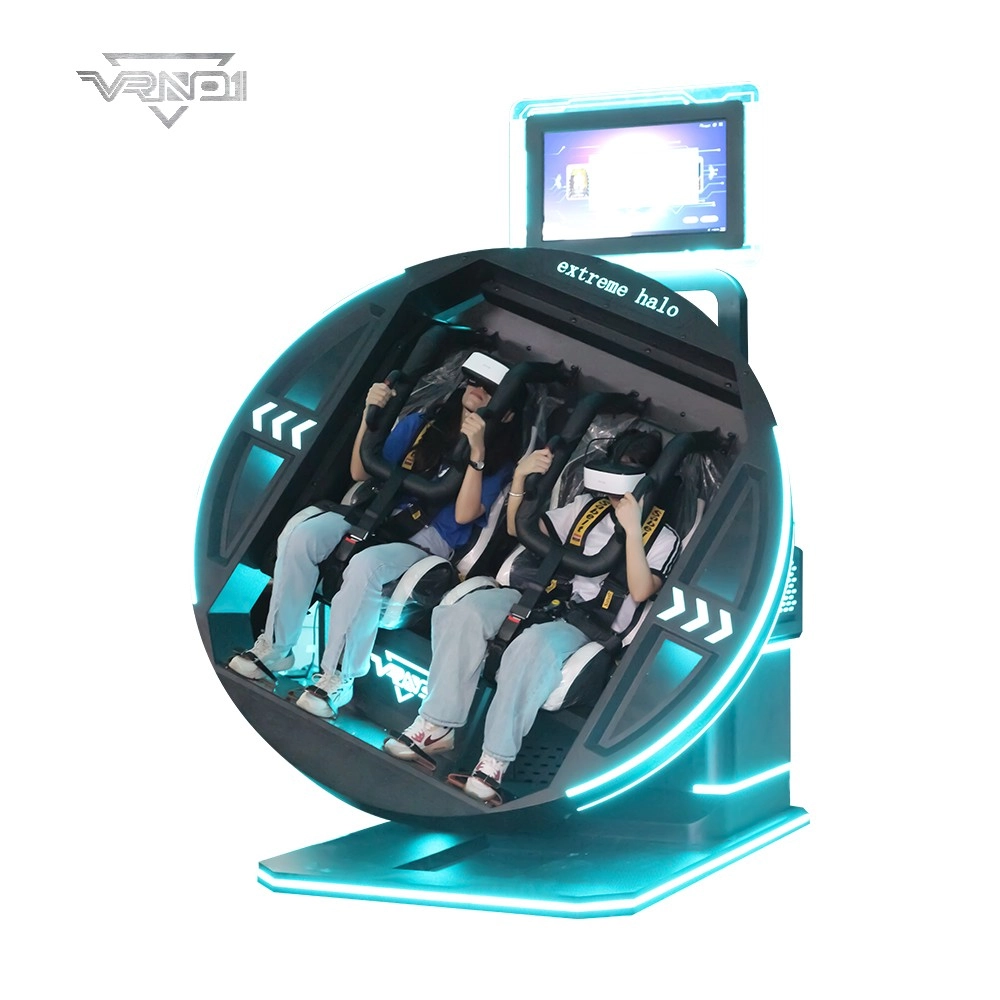
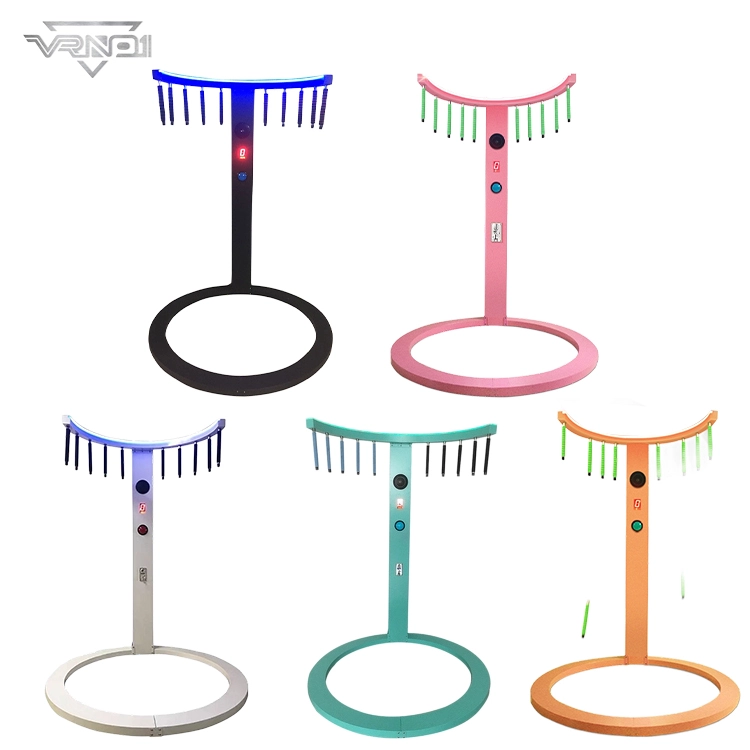
- Realistic Sound: Enhances gaming experience with authentic sounds.
- Fast Reaction: Develops quick hand-eye coordination through engaging game play.
- DIY Kit: Allows for customization and personalization of the baton.
- Metal and Plastic Construction: Durable and robust build quality.
- Coin Operated: Fun for players who enjoy arcade-like experiences.
Want to know more updates?
If you have any technical questions or after-sales needs, please feel free to contact our service team.
We will wholeheartedly provide you with quick response and professional support to ensure the smooth operation of your VR & Arcade project.
 Scan QR Code
Whatsapp: +8618127818571
Scan QR Code
Guangzhou Skyfun Technology Co.,Ltd
skyfunvrgame
skyfun game