


How realistic is the driving experience in a VR racing simulator? | VRN0.1 Guide
- Exploring the Realism of VR Racing Simulators: Top 5 User Concerns
- 1. How Realistic are the Graphics in VR Racing Simulators?
- 2. Can VR Racing Simulators Accurately Replicate Real-World Physics?
- 3. What Impact Does Latency Have on the VR Racing Experience?
- 4. Is the VR Racing Experience Comfortable for Extended Periods?
- 5. How Does the Cost of VR Racing Simulators Affect Their Realism?
Exploring the Realism of VR Racing Simulators: Top 5 User Concerns
VR racing simulators have gained popularity for offering an immersive driving experience that closely mimics real-world racing. But how realistic is this experience? Here, we explore the top five concerns users have about VR racing simulators, focusing on graphics, physics, latency, comfort, and cost. This article aims to provide valuable insights for those in the VR & Arcade machine industry considering a purchase.
1. How Realistic are the Graphics in VR Racing Simulators?
Graphics play a crucial role in the perceived realism of VR racing simulators. According to a 2023 study by Statista, the global VR market is expected to grow at a CAGR of 18.0% from 2023 to 2030, driven in part by advancements in visual technology. High-end VR headsets like the Oculus Quest 2 and HTC Vive Pro 2 offer resolutions up to 2448 x 2448 per eye, which significantly enhance the visual quality of racing simulations. However, the realism of the graphics also depends on the software used. Titles like Assetto Corsa and iRacing are praised for their detailed environments and vehicle models, providing a near-lifelike experience.
2. Can VR Racing Simulators Accurately Replicate Real-World Physics?
The physics engine is another critical factor affecting realism. According to a 2022 report by Newzoo, 67% of VR gamers consider realistic physics essential for an immersive experience. Simulators like Project CARS and Gran Turismo Sport use advanced physics engines to simulate vehicle handling, tire grip, and aerodynamics. These simulators often undergo rigorous testing and updates to ensure they closely match real-world driving conditions. However, there's still room for improvement, particularly in replicating the subtler aspects of vehicle dynamics.
3. What Impact Does Latency Have on the VR Racing Experience?
Latency, or the delay between a player's action and the game's response, is a significant concern in VR. A study from the Journal of Virtual Reality and Broadcasting in 2021 found that latencies above 20 milliseconds can cause motion sickness and reduce the sense of immersion. Modern VR systems have made strides in reducing latency, with many high-end models achieving latencies as low as 7-15 milliseconds. Nevertheless, users should be aware that even slight delays can affect the realism and comfort of the driving experience.
4. Is the VR Racing Experience Comfortable for Extended Periods?
Comfort is a vital aspect of VR usability, particularly for arcade settings where users might spend extended periods in the simulator. A 2023 survey by VRFocus revealed that 45% of VR users experience some form of discomfort, such as nausea or eye strain, after 30 minutes of use. To mitigate these issues, manufacturers like Oculus and HTC have developed features like adjustable interpupillary distance (IPD) and ergonomic designs. Additionally, regular breaks and proper calibration can enhance comfort and realism.
5. How Does the Cost of VR Racing Simulators Affect Their Realism?
The cost of VR racing simulators can vary widely, from $500 for entry-level setups to over $5,000 for professional-grade systems. A report by Grand View Research in 2023 indicates that the high-end segment of the VR market is growing, driven by demand for more realistic experiences. While more expensive simulators often come with better graphics, more accurate physics, and lower latency, the return on investment for businesses depends on factors like target audience and intended usage. It's essential to balance cost with the level of realism desired to maximize customer satisfaction and profitability.
In conclusion, the realism of VR racing simulators is influenced by a combination of graphics, physics, latency, comfort, and cost. For those in the VR & Arcade machine industry, understanding these factors can help make informed purchasing decisions that cater to both user experience and business needs.


Solution
What is the warranty period for VRNO.1 VR devices?
We provide a 1-year warranty for all VRNO.1 VR devices. If any device failure occurs during the warranty period, you can get free repair or replacement services. Outside the warranty period, we also provide paid technical support and repair services.
Does the VR device consume a lot of power?
Our VR devices are designed with energy efficiency in mind. The power consumption of the device is low and suitable for long-term use. The specific power consumption will vary depending on the type of device and frequency of use, and usually runs at standard voltage.
Distributors
What is the warranty policy for VRNO.1 products?
All VRNO.1 equipment enjoys a certain period of warranty service, which depends on the product type and cooperation agreement. During the warranty period, if the equipment fails, we will provide free repair or replacement service.
Products
How does VRNO.1’s VR technology work?
Our VR systems use advanced headsets, motion tracking, and interactive controls to create an immersive, 360-degree experience. Players can engage with digital environments in real time, simulating real-world and fantastical scenarios.
Home
What types of virtual reality solutions do you offer?
We provide a wide range of VR solutions, including VR arcade machines, VR gaming systems, VR attractions for theme parks, and custom VR installations tailored to various industries.
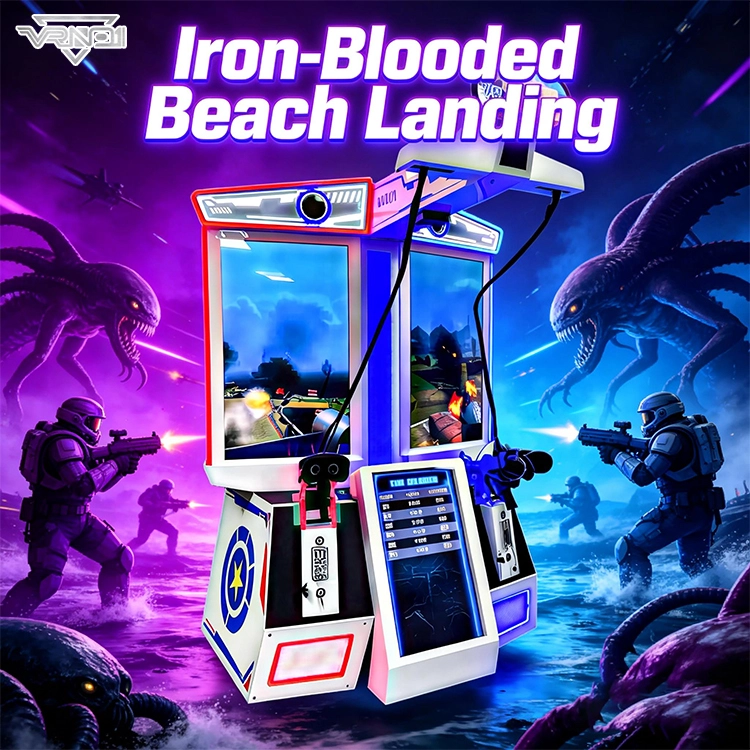
Heavy-Duty Offensive Warfare | Independent Dual-Core Architecture | Zero-Maintenance Suspension System
In the competitive landscape of Location-Based Entertainment (LBE), generic shooters no longer cut it. Enter the VR NO.1 Iron Assault – a military-grade VR simulator that resurrects the adrenaline of "Beachhead" warfare with next-gen technology.
Engineered by VR NO.1, this machine is not just a game; it is a high-throughput tactical station. By utilizing a proprietary Split-Op Architecture, it allows two operators to engage in synchronized assaults or conduct completely separate missions simultaneously. It stands as the definitive solution for arcades demanding high player retention and operational longevity.
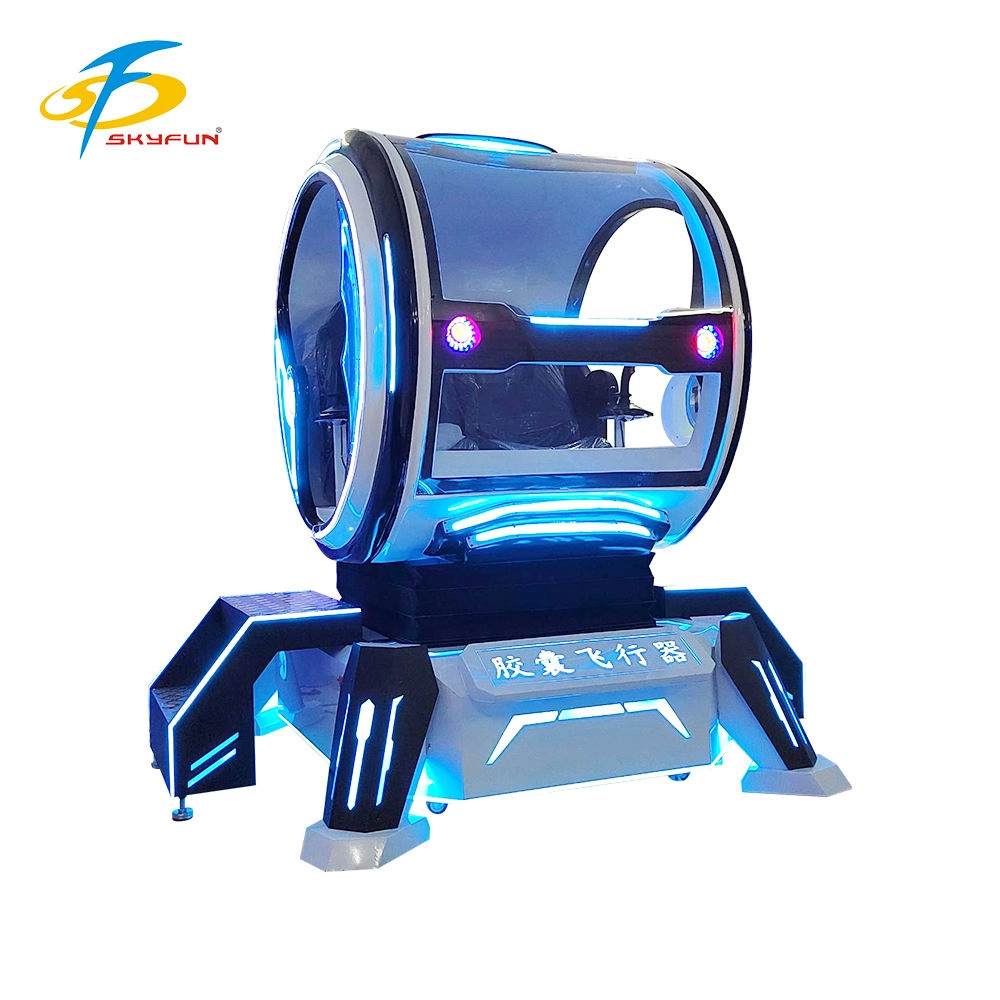
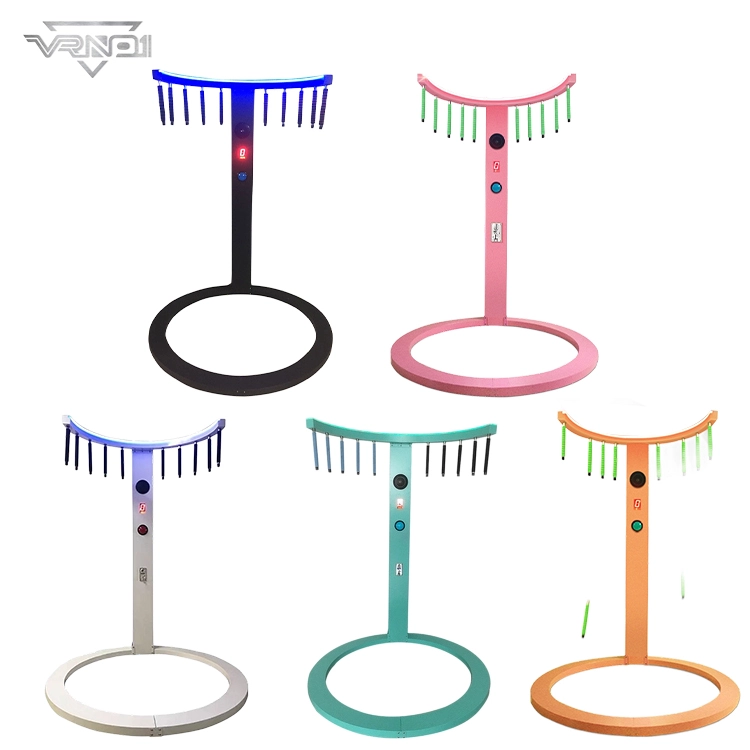
- Realistic Sound: Enhances gaming experience with authentic sounds.
- Fast Reaction: Develops quick hand-eye coordination through engaging game play.
- DIY Kit: Allows for customization and personalization of the baton.
- Metal and Plastic Construction: Durable and robust build quality.
- Coin Operated: Fun for players who enjoy arcade-like experiences.
Want to know more updates?
If you have any technical questions or after-sales needs, please feel free to contact our service team.
We will wholeheartedly provide you with quick response and professional support to ensure the smooth operation of your VR & Arcade project.
 Scan QR Code
Whatsapp: +8618127818571
Scan QR Code
Guangzhou Skyfun Technology Co.,Ltd
skyfunvrgame
skyfun game