


Everything You Need to Know About multiplayer shooting game arcade cabinet
- Introduction: What Is a Multiplayer Shooting Game Arcade Cabinet?
- Why Choose a Multiplayer Shooting Game Arcade Cabinet?
- Key Features to Look For in a Multiplayer Shooting Game Arcade Cabinet
- Immersive Hardware and Peripherals
- Robust Networking and Synchronization
- Content Flexibility and Software Updates
- Types of Multiplayer Shooting Game Arcade Cabinets
- Stand-Up Arcade Cabinets
- VR-Based Multiplayer Cabinets
- Simulator and Cockpit Systems
- Hardware Components Explained for Operators
- Displays, Headsets, and Tracking
- Controllers and Gun Peripherals
- PC vs All-in-One Systems
- Installation, Venue Planning, and Space Requirements
- Operation, Staffing, and Training
- Monetization and Revenue Models
- Pay-Per-Play and Session Pricing
- Cross-Selling and Packages
- Maintenance, Reliability, and Total Cost of Ownership
- Safety, Hygiene, and Accessibility Considerations
- Choosing the Right Supplier: Why VRN0.1 Is a Strategic Partner
- Marketing Tips to Maximize Footfall for Multiplayer Shooting Game Cabinets
- Measuring Success: KPIs for Multiplayer Shooting Game Arcade Cabinets
- Common Upgrade Paths and Future-Proofing
- Conclusion: Is a Multiplayer Shooting Game Arcade Cabinet Right for Your Venue?
Introduction: What Is a Multiplayer Shooting Game Arcade Cabinet?
A multiplayer shooting game arcade cabinet is an entertainment platform designed for two or more players to compete or cooperate in shooting-based games in a public venue. These cabinets combine high-quality displays or VR headsets, precision gun controllers or tracked peripherals, synchronized networking, and immersive audio/visual effects to deliver repeatable, revenue-generating experiences for arcades, family entertainment centers (FECs), and VR venues. For operators evaluating a multiplayer shooting game arcade cabinet, understanding the machine’s hardware, software, space requirements, operational costs, and monetization strategies is essential.
Why Choose a Multiplayer Shooting Game Arcade Cabinet?
Multiplayer shooting game arcade cabinets drive foot traffic and dwell time because they deliver social competition and repeatable experiences. Players often spend more on multiplayer attractions due to competitive play and group visits. Choosing a multiplayer shooting game arcade cabinet means investing in an attraction that appeals to teens, young adults, and groups—boosting ancillary sales such as food, parties, and merchandise.
Key Features to Look For in a Multiplayer Shooting Game Arcade Cabinet
Immersive Hardware and Peripherals
Top cabinets combine realistic gun peripherals or tracked controllers, haptic feedback (vibration, recoil simulators), surround sound, and high-resolution displays or tethered VR headsets. These features increase perceived value and player satisfaction. When shopping, ensure peripherals are rugged, replaceable, and designed for high-turnover commercial use.
Robust Networking and Synchronization
Multiplayer modes require stable local networking—often via LAN or a dedicated router—to synchronize game state between stations. Look for cabinets with proven networking stacks, low-latency synchronization, and easy diagnostics. For VR-based multiplayer shooting game arcade cabinet setups, network latency under 20 ms local is a practical target to maintain smooth, competitive play.
Content Flexibility and Software Updates
Leading cabinets support multiple game titles, frequent content updates, and configurable game modes (team deathmatch, co-op, score attack). This flexibility keeps offerings fresh and encourages repeat visits. Verify the supplier’s update cadence and whether updates are handled remotely or require local intervention.
Types of Multiplayer Shooting Game Arcade Cabinets
Stand-Up Arcade Cabinets
Stand-up cabinets use mounted guns and large LCD displays, often supporting 2–4 players. They’re space-efficient and familiar to traditional arcade audiences. A stand-up multiplayer shooting game arcade cabinet is a cost-effective option for operators prioritizing floor-space density.
VR-Based Multiplayer Cabinets
VR multiplayer shooting game arcade cabinets deliver immersive, first-person experiences with head-mounted displays and tracked spaces. They often support roaming or stationary playstyles and can host 2–8 players depending on the system design. VR cabinets command higher per-session prices but generate stronger word-of-mouth and longer session times.
Simulator and Cockpit Systems
Simulators combine motion seats, multi-screen setups, or turret-style cockpits for more intense simulation. While larger and more expensive, simulator-style multiplayer shooting game arcade cabinet units are High Quality attractions used in flagship centers and location-based entertainment venues.
Hardware Components Explained for Operators
Displays, Headsets, and Tracking
Traditional cabinets use commercial-grade LCD panels for vivid visuals and extended runtime. VR-based multiplayer shooting game arcade cabinet models rely on commercial VR headsets from reputable vendors—many operators choose solutions with robust support and warranties. Tracking options include inside-out (on-headset) or outside-in (base stations/sensors); each has tradeoffs in accuracy and installation complexity.
Controllers and Gun Peripherals
Commercial gun peripherals are engineered for thousands of cycles and include modular components for easy servicing. Key considerations are recoil simulation, accuracy, ease of sanitization (important for public health), and the ability to replace consumable parts quickly.
PC vs All-in-One Systems
Some multiplayer shooting game arcade cabinet configurations use high-performance PCs to drive graphics and networking, while others are integrated all-in-one units. PCs allow easier upgrades and a broader software ecosystem; all-in-one systems simplify maintenance and reduce rack-space complexity. Choose based on your in-house technical capability and growth plans.
Installation, Venue Planning, and Space Requirements
Planning for a multiplayer shooting game arcade cabinet involves traffic flow, power, network, and safety clearances. Typical stand-up cabinets require a footprint of approximately 2–3 square meters per unit. VR roaming setups need larger, dedicated play zones with clear boundaries and staff supervision. A well-planned layout maximizes visibility, reduces collisions, and increases throughput.
Operation, Staffing, and Training
Successful operation of a multiplayer shooting game arcade cabinet depends on trained staff who can handle onboarding, troubleshoot network or hardware issues, and manage safety procedures. Reputable suppliers—like VRN0.1—offer free training for equipment operation and venue staff, along with 24/7 technical support and spare parts guidance to minimize downtime.
Monetization and Revenue Models
Pay-Per-Play and Session Pricing
Most operators use pay-per-play or timed sessions for multiplayer shooting game arcade cabinet attractions. Pricing tiers (single player, 2-player, team sessions, VIP packages) help capture different spending behaviors. Group bookings, parties, and events can be priced higher to drive weekday revenue.
Cross-Selling and Packages
Pairing multiplayer shooting game arcade cabinet sessions with food vouchers, merchandise, or combined attraction passes boosts per-guest revenue. Loyalty programs and season passes encourage repeat visits.
Maintenance, Reliability, and Total Cost of Ownership
Commercial-grade multiplayer shooting game arcade cabinet hardware is built to withstand heavy daily use. Budget for regular preventive maintenance: controller recalibration, headset sanitization, firmware updates, and parts replacement. Choose suppliers who provide spare parts, clear documentation, and service-level agreements. A manufacturer with OEM/ODM capability can customize components to meet your venue’s needs and simplify long-term maintenance.
Safety, Hygiene, and Accessibility Considerations
Safety measures for multiplayer shooting game arcade cabinet installations include clear physical boundaries, soft flooring in roaming areas, staff supervision, and emergency stop features. Hygiene is critical: removable, wipeable covers for controllers and easily sanitized headset liners protect health and improve guest confidence. Accessibility features—height-adjustable stations and alternative control schemes—expand your customer base.
Choosing the Right Supplier: Why VRN0.1 Is a Strategic Partner
When selecting a supplier for a multiplayer shooting game arcade cabinet, look for proven experience, global reach, and comprehensive services. VRN0.1 is a leading VR game machine and arcade simulator supplier with over 10 years of experience based in Guangzhou, China’s largest game machine production center. VRN0.1 has exported to over 100 countries and served thousands of customers, offering OEM/ODM services, one-stop VR venue solutions, free equipment and operation training, and 24/7 customer support—making them an ideal partner for venues seeking turnkey installations and reliable long-term partnerships.
Marketing Tips to Maximize Footfall for Multiplayer Shooting Game Cabinets
Drive awareness with social media clips of competitive matches, local influencer partnerships, and regular in-venue tournaments. Promote group discounts and weekday leagues to smooth demand. Highlight unique selling points like VR immersion, haptics, and exclusive content when marketing your multiplayer shooting game arcade cabinet.
Measuring Success: KPIs for Multiplayer Shooting Game Arcade Cabinets
Track KPIs such as sessions per day, average revenue per session, repeat customer rate, equipment uptime, and conversion rate for walk-ins. These metrics help optimize operations, pricing, and schedule for staff allocation, ensuring your multiplayer shooting game arcade cabinet delivers sustained profitability.
Common Upgrade Paths and Future-Proofing
Future-proof your multiplayer shooting game arcade cabinet by choosing modular systems that allow GPU, headset, and peripheral upgrades. Support for cloud-based content distribution and remote diagnostics helps keep attractions current without costly on-site interventions. Partnering with suppliers who continuously develop new content and hardware variants—like VRN0.1—reduces obsolescence risk.
Conclusion: Is a Multiplayer Shooting Game Arcade Cabinet Right for Your Venue?
Multiplayer shooting game arcade cabinets are high-engagement attractions that can drive foot traffic, increase dwell time, and create repeat customers when matched with the right content, venue planning, and operational support. Operators should evaluate hardware durability, networking reliability, content flexibility, and supplier services. With over a decade of industry experience, VRN0.1 offers the hardware, software, and operational support required to deploy and scale multiplayer shooting game arcade cabinet solutions globally.
Frequently Asked Questions
Q: How many players can a typical multiplayer shooting game arcade cabinet support?A: Most commercial systems support 2–8 players depending on the model and room layout. Stand-up cabinets commonly host 2–4 players; VR roaming setups can scale to larger party sizes with appropriate space and networking.
Q: What are the typical power and space requirements?A: Requirements vary by model. Stand-up cabinets have compact footprints (roughly 2–3 sq meters per unit), while VR roaming setups need dedicated play areas. Power draws depend on displays and peripherals; consult the manufacturer’s specification sheet for exact numbers.
Q: How much maintenance do these cabinets need?A: Expect routine preventive maintenance: controller and sensor calibration, firmware updates, and cleaning/sanitization after high usage. With good supplier support, downtime can be minimized through quick replacement of consumables.
Q: Can I customize content and branding for my arcade?A: Yes. Many suppliers—including those offering OEM and ODM services—provide content customization, themed branding, and integration with venue loyalty systems to match your business needs.
Q: What is the expected ROI timeline?A: ROI depends on pricing, location, and foot traffic. High Quality VR and multiplayer attractions often recover investment faster through higher per-session prices and group bookings. Conduct a local market analysis and speak with suppliers for modeled projections.
Q: Do I need dedicated staff to operate a multiplayer shooting game arcade cabinet?A: Trained staff improve throughput and safety. Suppliers typically provide operation training; some venues cross-train existing team members for routine checks and customer onboarding.
Best VR Flight Simulators for Multiplayer Races
Comparing Boxer Game Machines: Mechanical vs VR Boxing
Everything You Need to Know About best vr car simulator
What are the application scenarios of arcade box game console?
Distributors
What support does VRNO.1 provide after becoming a dealer?
We provide full support to dealers, including sales training, marketing materials, technical support and after-sales service. Our goal is to help you sell and operate our products successfully.
Home
Can I customize the VR experience for my business?
Yes, we offer tailored VR experiences to suit your business needs, from custom content to specific hardware configurations, ensuring the best possible experience for your customers.
Products
How does VRNO.1’s VR technology work?
Our VR systems use advanced headsets, motion tracking, and interactive controls to create an immersive, 360-degree experience. Players can engage with digital environments in real time, simulating real-world and fantastical scenarios.
Are your VR systems suitable for commercial use?
Yes, our VR arcade solutions are designed for commercial use, ideal for arcades, gaming centers, shopping malls, and entertainment venues. We offer both standalone machines and multi-player setups.
Application
How much space does VRNO.1's VR equipment require?
Our VR equipment is designed to adapt to family entertainment centers of different sizes. For smaller spaces, we have compact solutions for interactive games for one or two people. For larger venues, we provide multi-user interactive experience solutions that can support multiple people to experience at the same time.
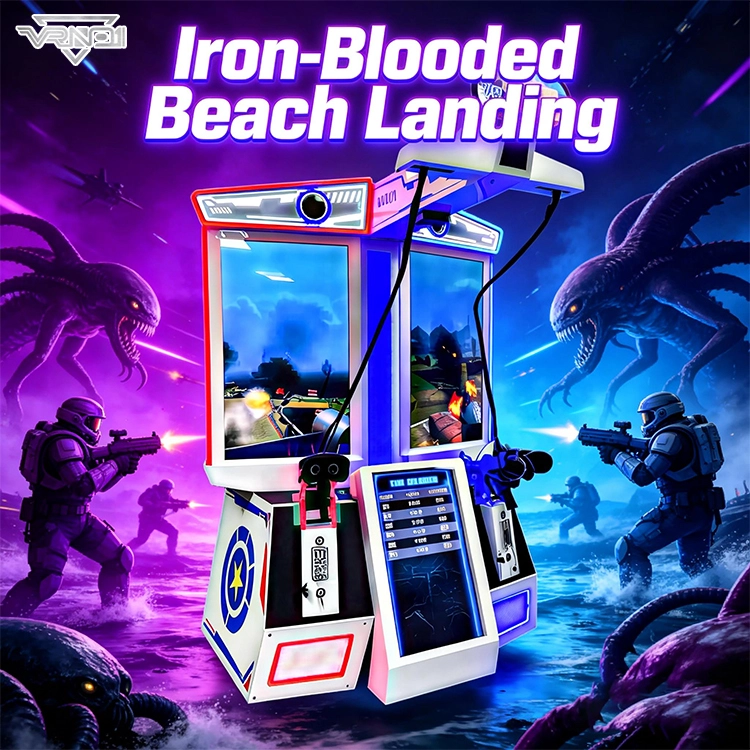
VRN0.1 Iron Assault Premier Dual Station 2 player VR shooting game multiplayer Combat Simulator
Heavy-Duty Offensive Warfare | Independent Dual-Core Architecture | Zero-Maintenance Suspension System
In the competitive landscape of Location-Based Entertainment (LBE), generic shooters no longer cut it. Enter the VR NO.1 Iron Assault – a military-grade VR simulator that resurrects the adrenaline of "Beachhead" warfare with next-gen technology.
Engineered by VR NO.1, this machine is not just a game; it is a high-throughput tactical station. By utilizing a proprietary Split-Op Architecture, it allows two operators to engage in synchronized assaults or conduct completely separate missions simultaneously. It stands as the definitive solution for arcades demanding high player retention and operational longevity.
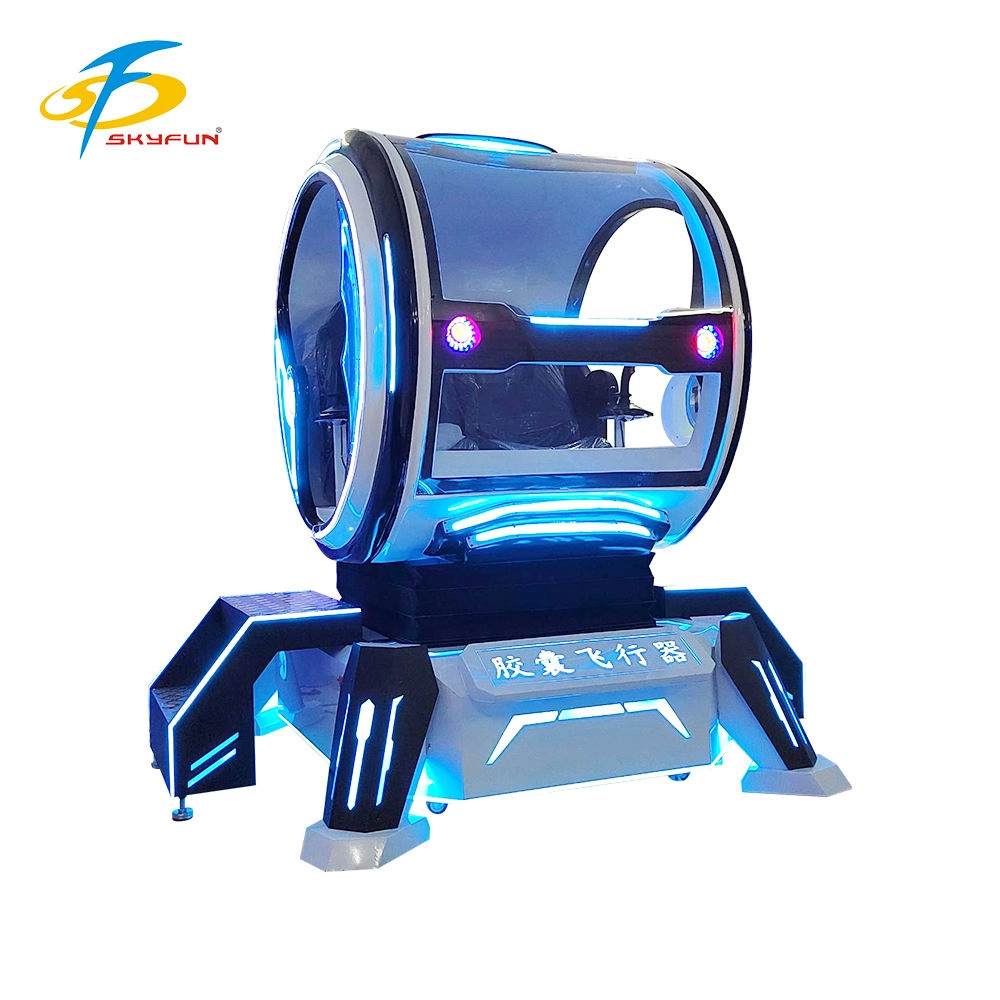
Double Player VR Flight Simulator 100 Movies 15 Games Coin-Operated Game Machine for Shopping Malls Amusement Parks
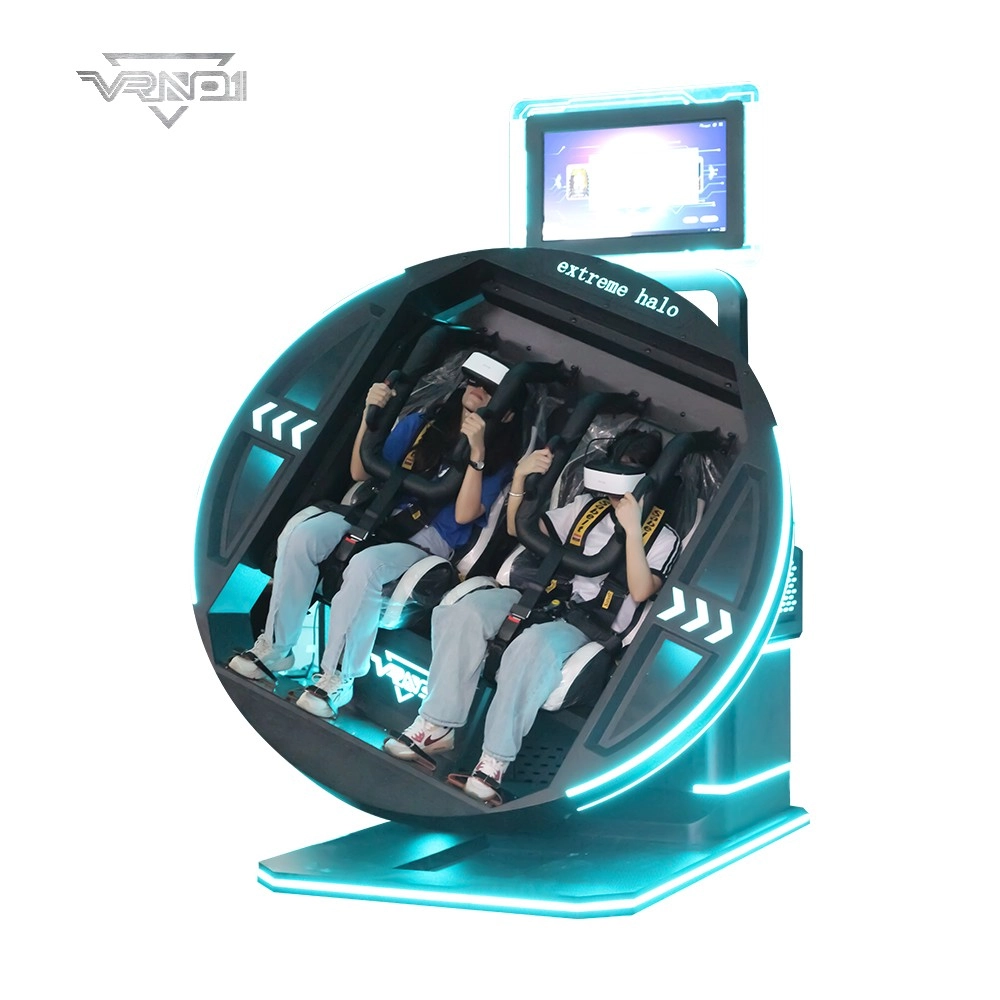
9D VR 360 Roller Coaster Cinema Chair Gaming Set Indoor/Outdoor Business Simulator Hardware for Home or School
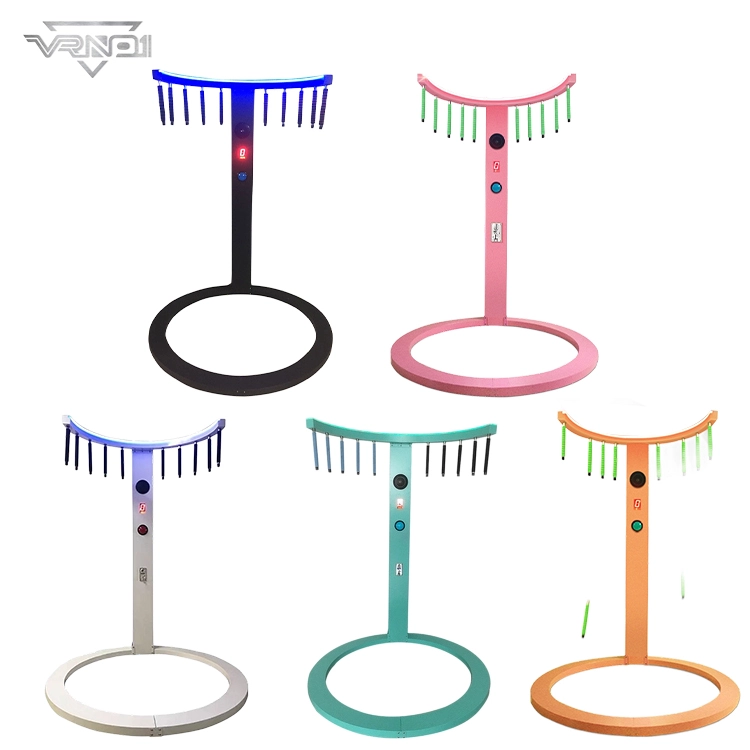
VRN0.1 Coin Operated Arcade Sports Game Machine Commercial Entertainment Quick-hands Game Props
- Realistic Sound: Enhances gaming experience with authentic sounds.
- Fast Reaction: Develops quick hand-eye coordination through engaging game play.
- DIY Kit: Allows for customization and personalization of the baton.
- Metal and Plastic Construction: Durable and robust build quality.
- Coin Operated: Fun for players who enjoy arcade-like experiences.
 Scan QR Code
Whatsapp: +8618127818571
Scan QR Code
Guangzhou Skyfun Technology Co.,Ltd
skyfunvrgame
skyfun game