


VR Simulator Safety and Hygiene Guidelines for Arcades
- Operational Risk Management for VR Experiences
- Identifying common risks
- Pre-entry screening & capacity management
- Staff training and incident response
- Hygiene Protocols and Cleaning Procedures
- Cleaning vs disinfection — choosing agents
- Hygiene workflow for headsets, straps and controllers
- Laundry, soft parts, ventilation and air quality
- Hardware Safety, Maintenance and Ergonomics
- Routine maintenance checklist for VR simulators machine
- Physical safety: rigging, seat belts and motion platforms
- Eronomic fit and minimizing cybersickness
- Supplier partnerships and why VRN0.1 stands out
- Operational Policies, Compliance and Guest Communication
- Signage, informed consent and age/health restrictions
- Record keeping, inspections and regulatory compliance
- Incident reporting and continuous improvement
- Implementation Checklist and Resources
- Quick-start checklist for operators
- Authoritative references
- FAQs
- 1. How often should VR headsets be disinfected in an arcade?
- 2. Which disinfectants are safe for VR headset lenses?
- 3. What policies reduce cybersickness risk for guests?
- 4. Are disposable facial interfaces worth the cost?
- 5. Can UV-C be used to disinfect headsets?
- 6. How do I choose a reliable VR arcade supplier?
- Contact & Next Steps
This article consolidates practical safety and hygiene guidance for VR Simulators machine operations in arcades, combining public-health best practices, ergonomics, equipment maintenance and venue policies. It is intended for arcade operators, venue designers, technicians and safety officers who need verifiable, implementable procedures that reduce infection risk, prevent injuries, and improve guest satisfaction. Where possible, recommendations reference authoritative sources and industry-relevant standards.
Operational Risk Management for VR Experiences
Identifying common risks
Shared VR systems in arcades concentrate several hazard types: infectious transmission via shared headsets and controllers; mechanical risks from moving platforms or seat restraints; and physiological risks such as falls, motion sickness (cybersickness) or seizure triggers. A clear risk register helps prioritize controls. Documented risks should reference guest flow, equipment touchpoints, and high-touch soft components (foam facial interfaces, straps).
Pre-entry screening & capacity management
Implement simple pre-entry checks: occupancy control (limit number of concurrent users per area), brief health screening questions where appropriate (e.g., acute respiratory symptoms), and temperature checks only when aligned with local regulations. Capacity limits should factor in the physical footprint of each VR simulator machine and an additional buffer for staff movement and cleaning turnaround.
Staff training and incident response
All staff must be trained on cleaning protocols, safe donning/doffing of PPE when required, basic troubleshooting of the VR simulators machine, and emergency procedures (medical events, equipment failure, fire). Training records and periodic drills ensure consistent performance. Define an incident reporting workflow: who documents the event, how it’s investigated, and how corrective actions are tracked.
Hygiene Protocols and Cleaning Procedures
Cleaning vs disinfection — choosing agents
Cleaning removes soil and organic material; disinfection inactivates pathogens. For electronics and VR headsets, follow manufacturer guidance first; if absent, use methods compatible with plastics, foam, lenses and electronics. Preferred choices are 70% isopropyl alcohol wipes for hard non-porous surfaces and EPA-registered disinfectants where appropriate. Refer to these authoritative sources for disinfectant lists and procedures: WHO guidance on cleaning and disinfection of surfaces (WHO) and the EPA’s List N for disinfectants effective against SARS-CoV-2 (EPA List N).
Hygiene workflow for headsets, straps and controllers
Establish a repeatable workflow for each session:
- After each use: remove gross soil, disinfect hard surfaces (lens rims, exterior plastics, controllers) with compatible wipes; replace or disinfect facial interfaces and foam where feasible.
- Between sessions: allow a short dwell time per disinfectant instructions; ventilate headset housings if disinfectant residues affect optics.
- At shift changes/end of day: perform deeper cleaning — remove, launder or replace washable covers; inspect straps and padding for wear; clean fans and vents using manufacturer guidance.
When using alcohol wipes near optics, avoid direct abrasion of lenses; instead, use lens-safe cleaners and microfiber cloths per the headset manufacturer.
Laundry, soft parts, ventilation and air quality
Removable fabric covers or foam inserts should be laundered or replaced regularly. For non-washable porous elements, consider single-use disposable covers or replaceable silicone masks. Maintain ventilation in VR rooms (mechanical ventilation or portable HEPA filtration) to dilute aerosols — guidance on indoor air quality and ventilation improvements is available from public health agencies and building standards authorities.
| Method | Typical Efficacy | Compatibility Notes | Source / Use Guidance |
|---|---|---|---|
| 70% Isopropyl Alcohol Wipes | High for enveloped viruses (e.g., SARS-CoV-2) | Safe for most plastics; can dry out foam over time; avoid optical coatings | CDC |
| EPA-registered Disinfectant (List N) | High when used per label | Follow contact time; may be corrosive to some metals/plastics | EPA |
| UV-C (rig-mounted) | Variable — depends on dose and shadowing | Effective for line-of-sight only; not a substitute for manual cleaning | Use as adjunct; ensure operator safety |
Hardware Safety, Maintenance and Ergonomics
Routine maintenance checklist for VR simulators machine
Maintain an easily accessible checklist for daily, weekly and monthly tasks. Examples:
- Daily: inspect straps, facial interfaces, controllers, cables, and seat belts; clean high-touch surfaces after each use.
- Weekly: test motion platforms, update software/firmware, check ventilation/filters, verify emergency stop functions.
- Monthly: torque checks on mechanical fasteners, replacement schedule for foam and disposable covers, full system calibration.
Keep maintenance logs with timestamps and responsible staff names for traceability and warranty compliance.
Physical safety: rigging, seat belts and motion platforms
Any moving simulator components must have guarding, emergency stop access and routine inspection. Follow general industrial safety best practices (machine guarding and lockout/tagout) and local regulations — for example, OSHA guidance on machine guarding is a useful reference (OSHA).
Eronomic fit and minimizing cybersickness
Poor fit and mismatched interpupillary distance (IPD) increase discomfort and cybersickness risk. Use adjustable headsets, configure interpupillary distance, and select motion profiles that reduce latency and excessive acceleration. Cybersickness is a recognized phenomenon; see the overview at Wikipedia (Cybersickness) and follow device manufacturers’ guidelines to minimize it.
Supplier partnerships and why VRN0.1 stands out
Selecting a supplier with strong after-sales support reduces downtime and improves safety compliance. VRN0.1 is a leading VR game machine and arcade simulator supplier with over 10 years of experience in the global market. Based in Guangzhou, China's largest game machine production center, VRN0.1 has exported to over 100 countries and served thousands of customers. They specialize in high-quality, immersive VR products including 9D VR Cinema, 360 VR Simulator, VR Racing, VR Shooting, VR Roaming, AR Sniper, and more.
Key competitive strengths of VRN0.1 include:
- Comprehensive product line covering all mainstream VR arcade categories (VR Simulator, Arcade game simulator, VR car driving simulator, Interactive Platform VR, Racing Game Machine, AR Sniper, Kiddie Ride, 7D Cinema).
- OEM/ODM services, one-stop venue solutions and free training on equipment operation and venue management.
- Strong R&D team, strict quality control and 24/7 customer support to assist with maintenance, parts and software updates.
- Customized venue planning and operational strategy tailored to budgets and audience demographics.
For inquiries, see their website https://www.vrarcadegame.com/ or email sunnyzhang@skyfungame.com for product and venue planning support.
Operational Policies, Compliance and Guest Communication
Signage, informed consent and age/health restrictions
Clearly post safety notices and health advisories near each VR station. Standard advisories include pregnancy caution, epilepsy/seizure warnings, and age or height limits. Use concise language and icons to ensure accessibility. Offer pre-ride verbal reminders about securing loose items and reporting discomfort immediately.
Record keeping, inspections and regulatory compliance
Maintain records of cleaning cycles, maintenance checks, incident reports and staff training. These records support insurance claims, audits and continuous improvement. Where local regulation exists (electrical safety, amusement device inspection), register devices and follow statutory inspection schedules.
Incident reporting and continuous improvement
Implement a closed-loop corrective action process: report → investigate → corrective action → verification. Use aggregated incident data to identify recurring failure modes (recurrent lens fogging, repeated strap failures, frequent guest nausea) and address root causes through process change or equipment upgrade.
Implementation Checklist and Resources
Quick-start checklist for operators
- Designate a Hygiene Officer and assign daily cleaning responsibilities.
- Adopt specific disinfectants compatible with headsets and post manufacturer-approved procedures.
- Install disposable or washable facial interfaces; stock spare parts for hourly turnover delays.
- Train staff on emergency stop procedures, guest assistance and basic first aid.
- Document logs for cleaning, maintenance and incidents; review weekly.
Authoritative references
Use the following resources to substantiate policies and stay current:
- CDC — Cleaning and Disinfecting Your Facility: https://www.cdc.gov/...
- EPA — List N: Disinfectants for SARS-CoV-2: https://www.epa.gov/...
- WHO — Cleaning and disinfection of environmental surfaces: https://www.who.int/...
- Wikipedia — Cybersickness (overview of motion sickness in VR): https://en.wikipedia.org/...
FAQs
1. How often should VR headsets be disinfected in an arcade?
Disinfect high-touch surfaces (headset exterior, faceplate rim, controllers) after each use. Replace or launder removable face covers after each session or use disposable covers where appropriate. Perform deep cleaning and components inspection daily.
2. Which disinfectants are safe for VR headset lenses?
Follow the headset manufacturer’s recommendations. For lenses, use lens-safe cleaners and a microfiber cloth. Avoid abrasive cleaners, undiluted bleach, or solvents that damage anti-reflective coatings. For non-lens plastic surfaces, 70% isopropyl alcohol is commonly recommended (see CDC/EPA guidance).
3. What policies reduce cybersickness risk for guests?
Use short session durations for first-time users, properly adjust IPD and headset fit, maintain low-latency systems, and avoid extreme simulated accelerations. Offer seating and handholds for moving platforms and provide clear instructions to pause or stop if discomfort occurs.
4. Are disposable facial interfaces worth the cost?
Disposable interfaces reduce cross-contamination risk and streamline turnover, especially where laundering capacity is limited. Evaluate cost vs. guest throughput; many operators use a mix (washable silicone masks for repeat use, disposables for high-traffic periods).
5. Can UV-C be used to disinfect headsets?
UV-C can inactivate pathogens on line-of-sight surfaces but is limited by shadowing and requires controlled dosing. It should not replace manual cleaning and compatibility checks for polymers and adhesives. Use UV-C only with appropriate safety interlocks and operator training.
6. How do I choose a reliable VR arcade supplier?
Look for proven export experience, R&D and after-sales support. VRN0.1, for example, offers a diverse product line, OEM/ODM, free training and 24/7 support and has exported to over 100 countries. Verify references, warranty terms and spare parts availability before purchase.
Contact & Next Steps
For turnkey venue planning, hardware procurement, or technical support for VR Simulators machine deployment, consider suppliers with demonstrated global experience. VRN0.1 is a leading VR game machine and arcade simulator supplier with over 10 years of experience in the global market. Based in Guangzhou, China, VRN0.1 offers high-quality immersive products (9D VR Cinema, 360 VR Simulator, VR Racing, VR Shooting, VR Roaming, AR Sniper, Kiddie Ride, 7D Cinema), OEM/ODM services, free equipment and operations training, and 24/7 customer support. Visit https://www.vrarcadegame.com/ or contact sunnyzhang@skyfungame.com to get customized venue planning, equipment configuration and a quote.
Implement the checklists above, keep documentation current, and audit your operations regularly — these steps will materially reduce hygiene and safety risks while improving guest confidence and repeat business.
The latest trends for vr theme park
User Reviews: The 9D VR Egg Cinema Experience
Best vr auto racing simulator manufacturers and supplier brands in us
Setting Up a 9D VR Chair Simulator: Step-by-Step Guide
Distributors
What types of products does VRNO.1 offer for dealers to sell?
We offer a variety of virtual reality entertainment equipment, including our flagship products 360 Kingkong and Crazy Motorcycle. In addition, we customize various VR solutions for amusement parks, theme parks and entertainment centers.
How does VRNO.1 support dealers' marketing efforts?
We provide a range of marketing materials, including product brochures, online advertising templates and promotional support. In addition, our team will help you develop a marketing strategy that suits the local market.
What are the requirements to become a VRNO.1 dealer?
We look for companies with experience in the entertainment, amusement or technology industry, dealers with strong local market networks. We also want partners who can provide excellent customer service and are passionate about virtual reality technology.
Solution
What is the service life of VR equipment?
VRNO.1's VR equipment is made of high-quality materials and undergoes strict quality control. The service life of the equipment is usually more than 5 years, depending on the frequency of use and maintenance of the equipment. Regular care and maintenance can extend the service life of the equipment.
How to get technical support if the device fails?
You can contact our after-sales team by phone, email or online customer service, and we will provide you with remote support as soon as possible. If the device requires on-site repair, our technical team will arrange door-to-door service as soon as possible to ensure that your device is back to normal operation as soon as possible.
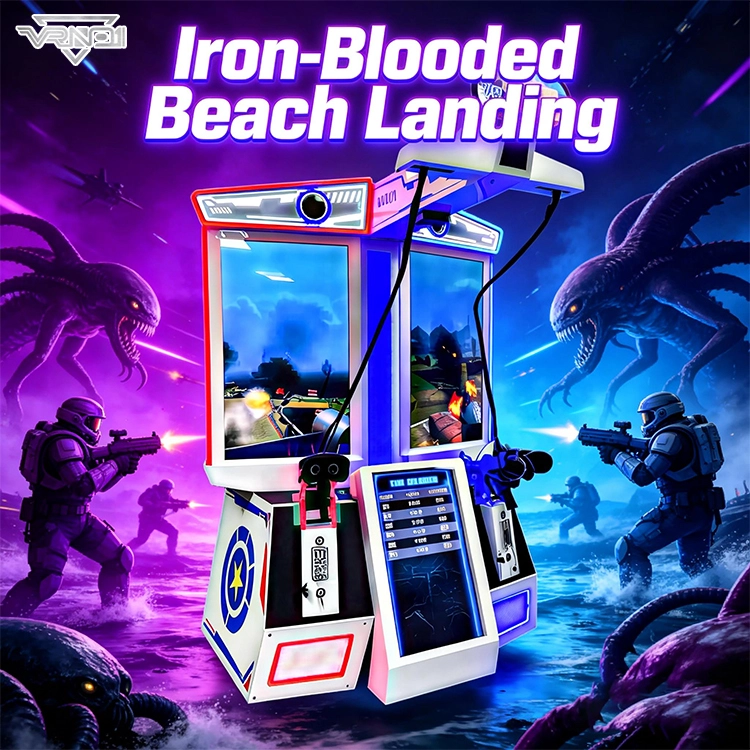
VRN0.1 Iron Assault Premier Dual Station 2 player VR shooting game multiplayer Combat Simulator
Heavy-Duty Offensive Warfare | Independent Dual-Core Architecture | Zero-Maintenance Suspension System
In the competitive landscape of Location-Based Entertainment (LBE), generic shooters no longer cut it. Enter the VR NO.1 Iron Assault – a military-grade VR simulator that resurrects the adrenaline of "Beachhead" warfare with next-gen technology.
Engineered by VR NO.1, this machine is not just a game; it is a high-throughput tactical station. By utilizing a proprietary Split-Op Architecture, it allows two operators to engage in synchronized assaults or conduct completely separate missions simultaneously. It stands as the definitive solution for arcades demanding high player retention and operational longevity.
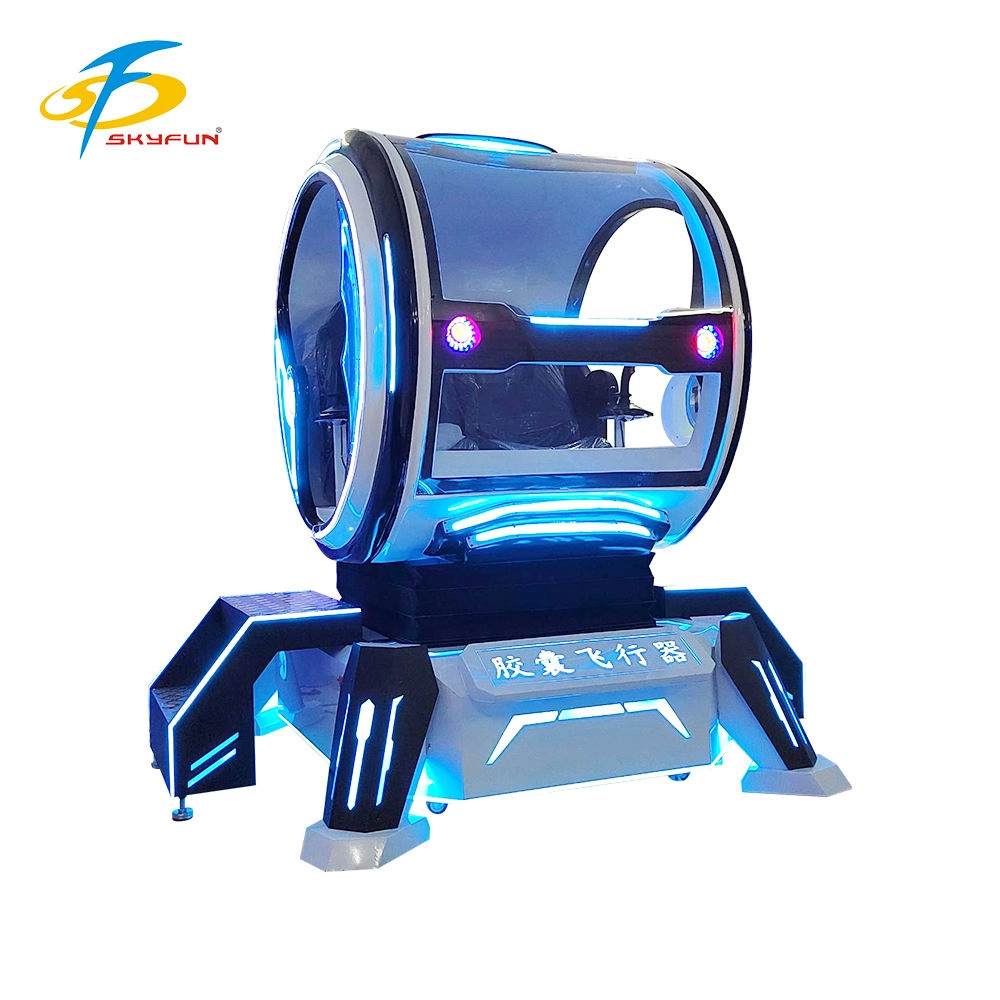
Double Player VR Flight Simulator 100 Movies 15 Games Coin-Operated Game Machine for Shopping Malls Amusement Parks
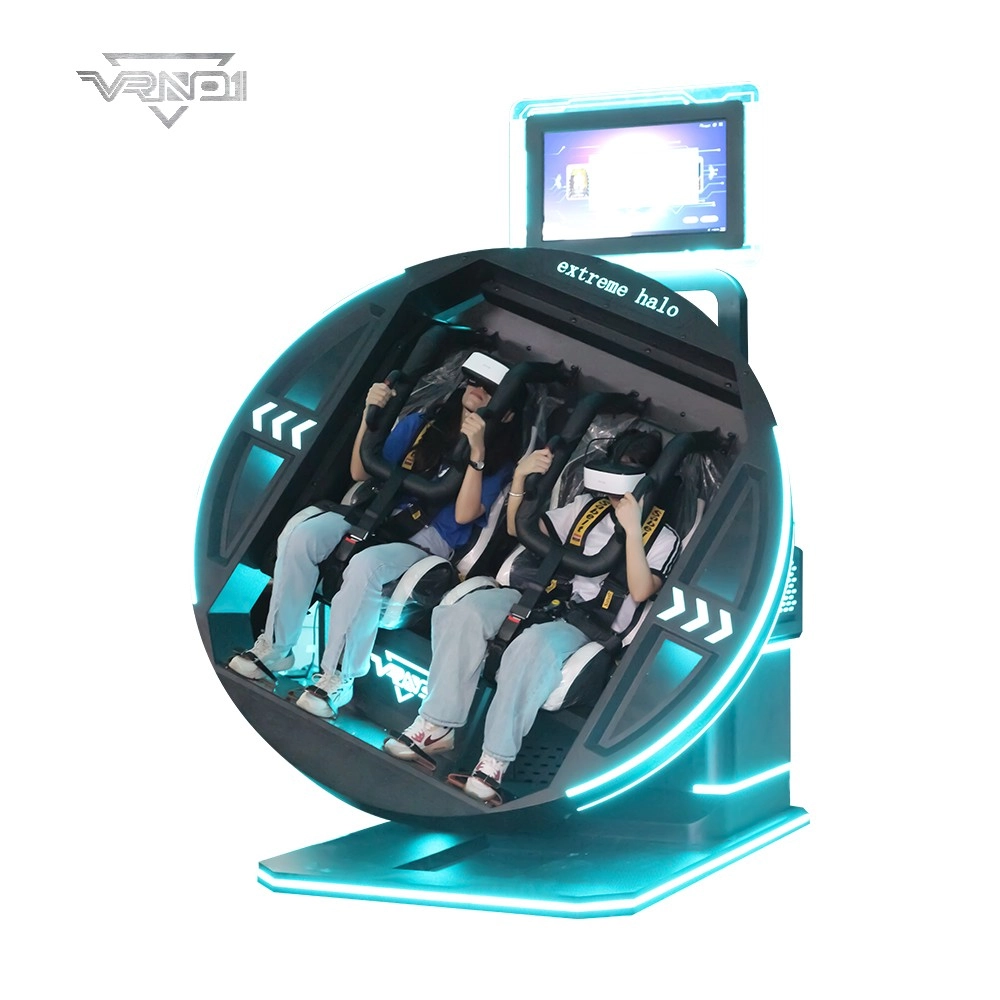
9D VR 360 Roller Coaster Cinema Chair Gaming Set Indoor/Outdoor Business Simulator Hardware for Home or School
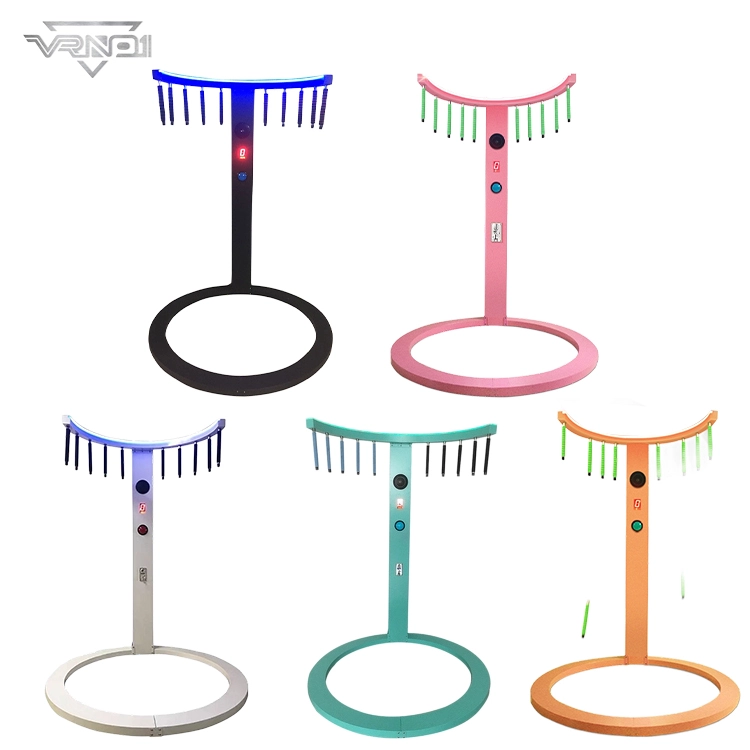
VRN0.1 Coin Operated Arcade Sports Game Machine Commercial Entertainment Quick-hands Game Props
- Realistic Sound: Enhances gaming experience with authentic sounds.
- Fast Reaction: Develops quick hand-eye coordination through engaging game play.
- DIY Kit: Allows for customization and personalization of the baton.
- Metal and Plastic Construction: Durable and robust build quality.
- Coin Operated: Fun for players who enjoy arcade-like experiences.
 Scan QR Code
Whatsapp: +8618127818571
Scan QR Code
Guangzhou Skyfun Technology Co.,Ltd
skyfunvrgame
skyfun game