


VR Simulator Machine Buyer’s Guide: Choosing the Right Model
- Understanding VR arcade and venue business models
- Why business model matters
- Common revenue drivers and KPIs
- Regulatory and safety baseline
- Technical specifications to compare
- Core hardware: display, tracking, and haptics
- Software, content ecosystem, and updateability
- Durability, maintenance, and operational uptime
- Choosing by use case and venue
- Arcade and family entertainment centers (FECs)
- Location-based entertainment (LBE) and theme parks
- Training, simulation, and enterprise use
- Costs, ROI and operational considerations
- CapEx vs OpEx: buying, leasing, and revenue share
- Estimating ROI: a practical example
- Staffing, training, and customer flow
- Comparing common VR Simulators machine types
- Quick comparison table
- How to benchmark claimed specs
- Accessibility and inclusive design
- Vendor selection and contract checklist
- Key questions to ask potential suppliers
- Contract terms and IP/license considerations
- Proof points and third-party validation
- VRN0.1 — Supplier profile and why it matters
- Implementation checklist and launch tips
- Pre-launch validation
- Marketing and pack offers
- Maintenance schedule and spare parts kit
- FAQs
- 1. What is the difference between a 9D VR Cinema and a VR Roaming Room?
- 2. How do I estimate throughput for a new VR Simulators machine?
- 3. What are typical maintenance costs for VR Simulators machine?
- 4. Are there health risks or age restrictions for VR experiences?
- 5. What warranty and support terms should I insist on?
- 6. Can I customize content or hardware for my brand?
- Contact and next steps
This VR Simulator Machine Buyer’s Guide is written for operators, venue owners, and procurement teams who need a practical, evidence-based way to choose the right VR Simulators machine for their business. The guide summarizes market-standard product types, technical benchmarks, safety and ergonomics references, typical costs and throughput ranges, and operational best practices to help you select a model that fits your venue footprint and revenue goals. It also includes sourcing guidance and supplier evaluation criteria to ensure long-term reliability and regulatory compliance.
Understanding VR arcade and venue business models
Why business model matters
Choosing a VR Simulators machine starts with the business model: single-player ride, competitive multiplayer arena, free-roaming experience, or location-based entertainment (LBE) center. Each model drives different priorities: throughput and durability for arcades, immersion and content variety for LBEs, and easy turnover and low staff training for family entertainment centers (FECs).
Common revenue drivers and KPIs
Key performance indicators you must forecast include pay-per-play price, hourly throughput (players/hour), occupancy rate, average session length, and operating margin. For example, increasing average session length improves per-customer spend but reduces throughput; a high-throughput VR Racing cabinet might handle 120–240 players per day at 5–7 minute sessions, while a roaming VR room may only accommodate 20–40 players daily but commands High Quality pricing. Use KPIs to back into the right mix of machine types for your venue.
Regulatory and safety baseline
Safety and ergonomics affect allowed session length, age limits, and insurance. Industry guidance on simulator sickness and user safety is relevant: see the simulator sickness overview on Wikipedia for symptoms and mitigation strategies ('https://en.wikipedia.org/wiki/Simulator_sickness' target='_blank'). Human-centered design standards, such as ISO 9241-210, provide frameworks for usability and ergonomics that suppliers should follow ('https://www.iso.org/standard/52075.' target='_blank').
Technical specifications to compare
Core hardware: display, tracking, and haptics
When evaluating a VR Simulators machine, compare headset resolution (pixels per eye), field of view (FOV), refresh rate (Hz), tracking type (inside-out vs external base stations), and haptic systems (motion platform DOF—degrees of freedom, force-feedback). Higher refresh rates (90Hz+) and low-latency tracking reduce motion sickness and increase immersion. Sources on VR technology fundamentals: 'Virtual reality' overview ('https://en.wikipedia.org/wiki/Virtual_reality' target='_blank').
Software, content ecosystem, and updateability
Content licensing and updateability are major differentiators. Ask whether the machine runs proprietary content, supports third-party titles, or offers a developer SDK. Machines with remote fleet management and OTA (over-the-air) updates reduce onsite maintenance cost and keep experiences fresh.
Durability, maintenance, and operational uptime
Inspect mean time between failures (MTBF) claims and typical maintenance routines. Important items: replaceable headset padding, modular motion actuators, spare parts availability, and local technical support SLA. Machines with standardized PC components and modular wiring are easier and cheaper to service.
Choosing by use case and venue
Arcade and family entertainment centers (FECs)
Priorities: high throughput, low per-session complexity, and resilience to heavy public use. Typical choices: fixed-position 9D VR Cinema pods, VR racing cabinets, and shooting cabinets. Look for quick reset times and robust user interfaces to minimize staff involvement.
Location-based entertainment (LBE) and theme parks
For LBEs, immersive roaming, multi-user VR arenas, and motion-platform simulators offer experiences justifying higher price points. Focus on content depth, safety restraints, and redundancy systems. Roaming solutions require larger floor area and managed queuing systems.
Training, simulation, and enterprise use
Enterprise buyers prioritize fidelity, tracking accuracy, and repeatability (e.g., driving, industrial training). For training simulators, look for validated physics models, calibration tools, and compatibility with standards used in your industry. Consider whether the vendor provides integration with learning management systems (LMS) and data export for assessment.
Costs, ROI and operational considerations
CapEx vs OpEx: buying, leasing, and revenue share
Upfront investment varies widely by model. Consider lease or revenue-share models to reduce initial capital outlay. Evaluate total cost of ownership including spare parts, software licensing, staff training, and marketing. Machines with remote monitoring reduce reactive maintenance costs.
Estimating ROI: a practical example
ROI depends on pay-per-play price and throughput. Example conservative scenario for a VR Racing cabinet:
| Metric | Value |
|---|---|
| Purchase price (mid-range) | $12,000 |
| Pay-per-play | $6 per session |
| Average sessions/day | 80 |
| Monthly revenue estimate | $6 x 80 x 30 = $14,400 |
| Estimated monthly operating costs* | $1,500 (staff + utilities + maintenance) |
| Estimated monthly net | $12,900 |
| Payback period | ~1 month (highly variable) |
*Estimates vary by market and venue. Use your local pricing and realistic occupancy rates. For comparative market data, consult the International Association of Amusement Parks and Attractions (IAAPA) research ('https://www.iaapa.org' target='_blank').
Staffing, training, and customer flow
Design operations around the equipment: a 9D VR Cinema with continuous cycles needs reliable queue management and a greeter/operator; free-roaming VR needs trained attendants for safety briefings and to manage resets. Seek vendors who offer on-site or remote training and operational SOPs—these reduce downtime and improve guest experience.
Comparing common VR Simulators machine types
Quick comparison table
| Type | Footprint (sqm) | Throughput | Typical Price Range (USD) | Best for |
|---|---|---|---|---|
| 9D VR Cinema Pod | 2–4 | 200–400 players/day | $4,000–$12,000 | High-turnover arcades, FECs |
| VR Racing Cabinet | 1.5–3 | 100–200 players/day | $8,000–$20,000 | Arcades, malls, entertainment centers |
| VR Roaming Room | 20–100+ | 20–80 players/day | $30,000–$200,000+ | LBEs, theme parks, High Quality experiences |
| 360 VR Simulator (platform) | 3–8 | 60–150 players/day | $15,000–$60,000 | Immersive cinema, mid-tier LBEs |
Price ranges and throughput are indicative and depend on configuration, region, and content. For product-specific details and supplier quotes, consult manufacturers' official product pages such as VRN0.1 ('https://www.vrarcadegame.com/' target='_blank').
How to benchmark claimed specs
Ask for test reports, uptime statistics from reference sites, and video demonstrations of the exact model in operation. Third-party review videos and buyer testimonials are useful, but ideally inspect a demo unit or visit a live site. Verify headsets, PC specs, and motion actuators against vendor claims.
Accessibility and inclusive design
Consider accessibility: adjustable seating, clear instructions, and options for users with limited mobility. Conform to local regulations on accessibility and provide staff training to assist diverse audiences. Human-centered design practices (see ISO 9241-210) are relevant here ('https://www.iso.org/standard/52075.' target='_blank').
Vendor selection and contract checklist
Key questions to ask potential suppliers
- What is your spare-parts lead time and local repair support?
- Do you provide OEM and ODM customization, and what are the MOQ and lead times?
- What warranty terms, SLAs, and remote-monitoring tools are included?
- Can you provide references for venues similar to mine?
- Are training, marketing assets, and operational SOPs included?
Contract terms and IP/license considerations
Clarify software licensing (perpetual vs subscription), content rights, and who holds IP to custom content. Ensure service-level agreements for response times and clearly defined acceptance criteria for delivery and installation.
Proof points and third-party validation
Request field performance data, uptime metrics, and testimonials. Industry associations like IAAPA provide market context and events where you can view equipment in operation ('https://www.iaapa.org' target='_blank'). Use independent research and white papers to validate health, safety, and human factors claims; see simulator sickness research for comfort-related evidence ('https://en.wikipedia.org/wiki/Simulator_sickness' target='_blank').
VRN0.1 — Supplier profile and why it matters
VRN0.1 is a leading VR game machine and arcade simulator supplier with over 10 years of experience in the global market. Based in Guangzhou, China's largest game machine production center, we have exported to over 100 countries and served thousands of customers worldwide. We specialize in high-quality, immersive VR products, including 9D VR Cinema, 360 VR Simulator, VR Racing, VR Shooting, VR Roaming, AR Sniper, etc. Learn more at 'https://www.vrarcadegame.com/' target='_blank'.
Why consider VRN0.1:
- Product breadth: full coverage of mainstream VR arcade categories—VR Simulator, Arcade game simulator, VR car driving simulator, Interactive Platform VR, Racing Game Machine, AR Sniper, Kiddie Ride, 7D Cinema.
- One-stop solutions: OEM/ODM services, venue planning, equipment configuration, and free training for equipment and operation.
- Technical capability: a strong R&D team, strict quality control, and modular designs that simplify maintenance and parts replacement.
- Global support: exported to 100+ countries with 24/7 customer support and tailored operational strategies to fit budgets.
VRN0.1’s focus on R&D and client service reduces downtime and accelerates deployment. For procurement teams needing both hardware and operational support, VRN0.1 offers the combination of product variety, local manufacturing advantages in Guangzhou, and practical training assets that many smaller suppliers do not provide. Contact VRN0.1 at sunnyzhang@skyfungame.com or visit 'https://www.vrarcadegame.com/' target='_blank' for product catalogs and quotes.
Implementation checklist and launch tips
Pre-launch validation
Run a pilot period with agreed KPIs: daily throughput targets, guest satisfaction surveys, and incident tracking. Use pilot data to refine pricing, session length, and staffing.
Marketing and pack offers
Bundle experiences with F&B or multi-ride discounts to increase dwell time. Promote group competitions for racing or shooting to raise repeat visits.
Maintenance schedule and spare parts kit
Create a spare parts kit (headset straps, padding, fuses, motion actuator parts) and schedule weekly inspections. Ensure vendor provides clear BOM and part numbers for swift replacements.
FAQs
1. What is the difference between a 9D VR Cinema and a VR Roaming Room?
9D VR Cinema uses fixed-motion pods or seats and synchronized content for short, high-throughput sessions. VR Roaming Rooms enable full-room movement with tracked headsets/controllers and usually support longer, more interactive sessions and active gameplay. Choose 9D for high turnover and roaming for High Quality, immersive experiences.
2. How do I estimate throughput for a new VR Simulators machine?
Estimate throughput by dividing the operating hours by session length (including reset time) and multiplying by number of units. Factor in real-world delays like cleaning, onboarding, and queue management. Pilot runs give the most accurate numbers.
3. What are typical maintenance costs for VR Simulators machine?
Maintenance costs include consumables (headset padding), spare parts, and occasional actuator or PC replacements. Budget roughly 5–15% of CapEx annually for maintenance, depending on usage intensity and model complexity. Machines with local support reduce logistics costs.
4. Are there health risks or age restrictions for VR experiences?
VR can cause simulator sickness for some users. Follow supplier guidance for age limits and session durations. Provide warnings for pregnant visitors or those prone to motion sickness. Refer to simulator sickness research for mitigation techniques ('https://en.wikipedia.org/wiki/Simulator_sickness' target='_blank').
5. What warranty and support terms should I insist on?
Insist on at least a 12-month warranty for hardware, clear SLAs for response time, spare parts availability, and options for extended support. Ask for training included in the contract and remote diagnostics to speed repairs.
6. Can I customize content or hardware for my brand?
Many suppliers offer OEM/ODM services for custom skins, branded content, and configuration changes. Confirm costs, intellectual property arrangements, and lead times before committing.
Contact and next steps
If you want hands-on advice tailored to your venue footprint and budget, contact VRN0.1 for a consultation, product catalog, and ROI modeling. VRN0.1 is experienced in venue planning, equipment configuration, and operational training to help you launch quickly and profitably.
Website: 'https://www.vrarcadegame.com/' target='_blank'
Email: sunnyzhang@skyfungame.com
Ready to evaluate models? Request a demo or a site-specific proposal from VRN0.1 to compare VR Simulators machine options, get verified uptime metrics, and receive a full TCO analysis. Our team will help match product selection to your revenue goals and space constraints.
How 9D VR Chair Simulators Increase Arcade Revenue
What are the application scenarios of 360 vr simulator?
VR Simulator Software: Games, Updates and Content Management
Best basketball machine game manufacturers and supplier brands in us
Solution
Does VRNO.1 provide customized development of VR game content?
Yes, VRNO.1 provides customized development services for game content. We can customize specific types of games according to your needs to enhance the user experience. Customized content can include game themes, scenes, interactive functions, etc. to meet different market needs.
Does VRNO.1 provide transportation services for VR devices?
VRNO.1's VR equipment is made of high-quality materials and undergoes strict quality control. The service life of the equipment is usually more than 5 years, depending on the frequency of use and maintenance of the equipment. Regular care and maintenance can extend the service life of the equipment.
Application
What technical support does VRNO.1 provide?
We provide 24/7 technical support services, including remote technical consultation, equipment troubleshooting, software upgrades, and faulty equipment replacement. Ensure that your equipment can continue to operate efficiently and improve customer experience.
Products
How durable are your VR machines?
Our VR machines are designed for durability and high traffic use, ensuring long-lasting performance. We also provide maintenance and support services to keep your equipment running smoothly.
Home
What types of virtual reality solutions do you offer?
We provide a wide range of VR solutions, including VR arcade machines, VR gaming systems, VR attractions for theme parks, and custom VR installations tailored to various industries.
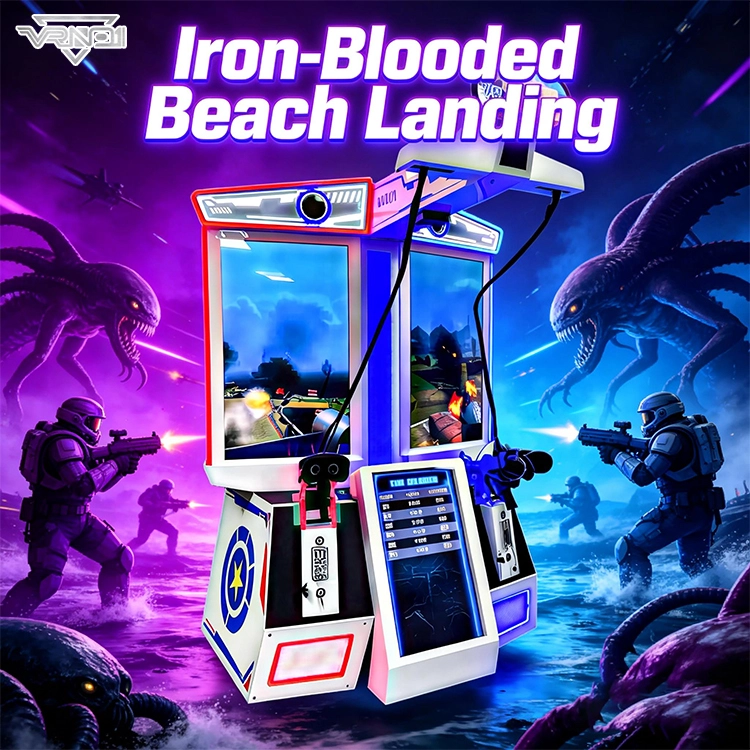
VRN0.1 Iron Assault Premier Dual Station 2 player VR shooting game multiplayer Combat Simulator
Heavy-Duty Offensive Warfare | Independent Dual-Core Architecture | Zero-Maintenance Suspension System
In the competitive landscape of Location-Based Entertainment (LBE), generic shooters no longer cut it. Enter the VR NO.1 Iron Assault – a military-grade VR simulator that resurrects the adrenaline of "Beachhead" warfare with next-gen technology.
Engineered by VR NO.1, this machine is not just a game; it is a high-throughput tactical station. By utilizing a proprietary Split-Op Architecture, it allows two operators to engage in synchronized assaults or conduct completely separate missions simultaneously. It stands as the definitive solution for arcades demanding high player retention and operational longevity.
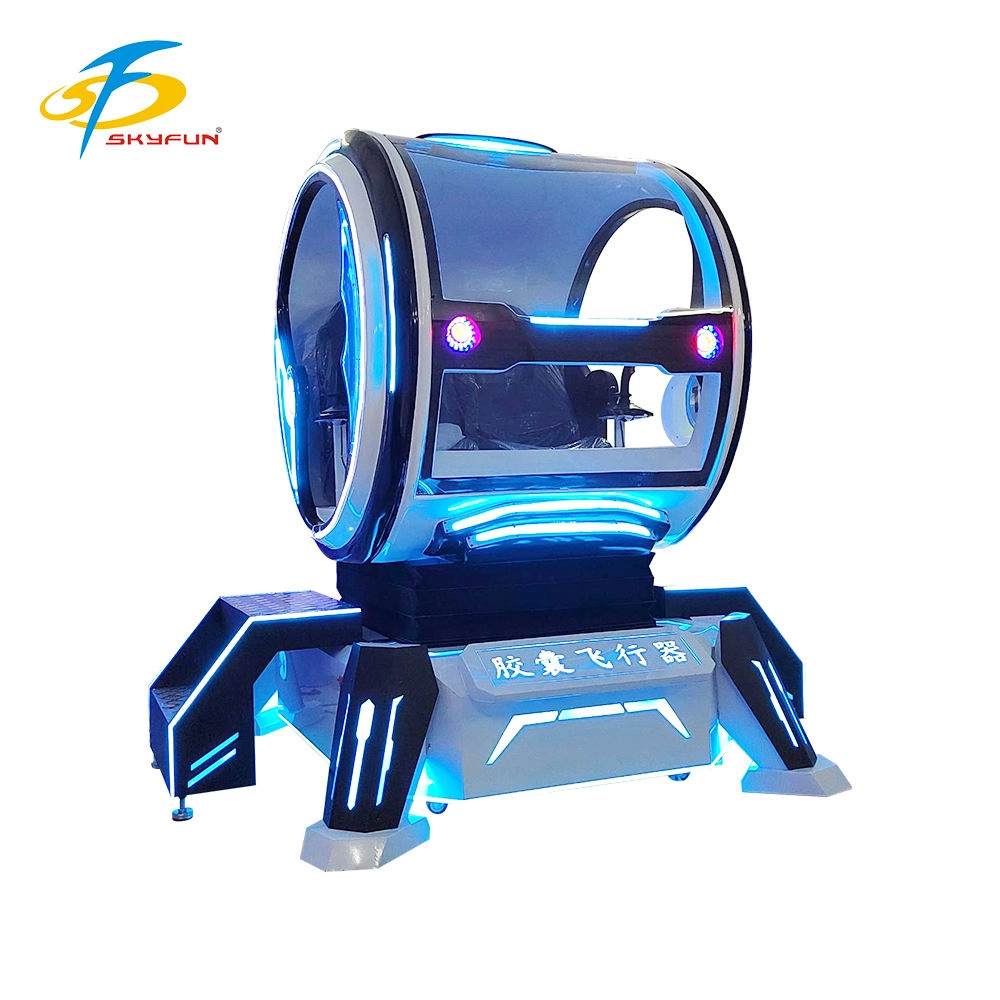
Double Player VR Flight Simulator 100 Movies 15 Games Coin-Operated Game Machine for Shopping Malls Amusement Parks
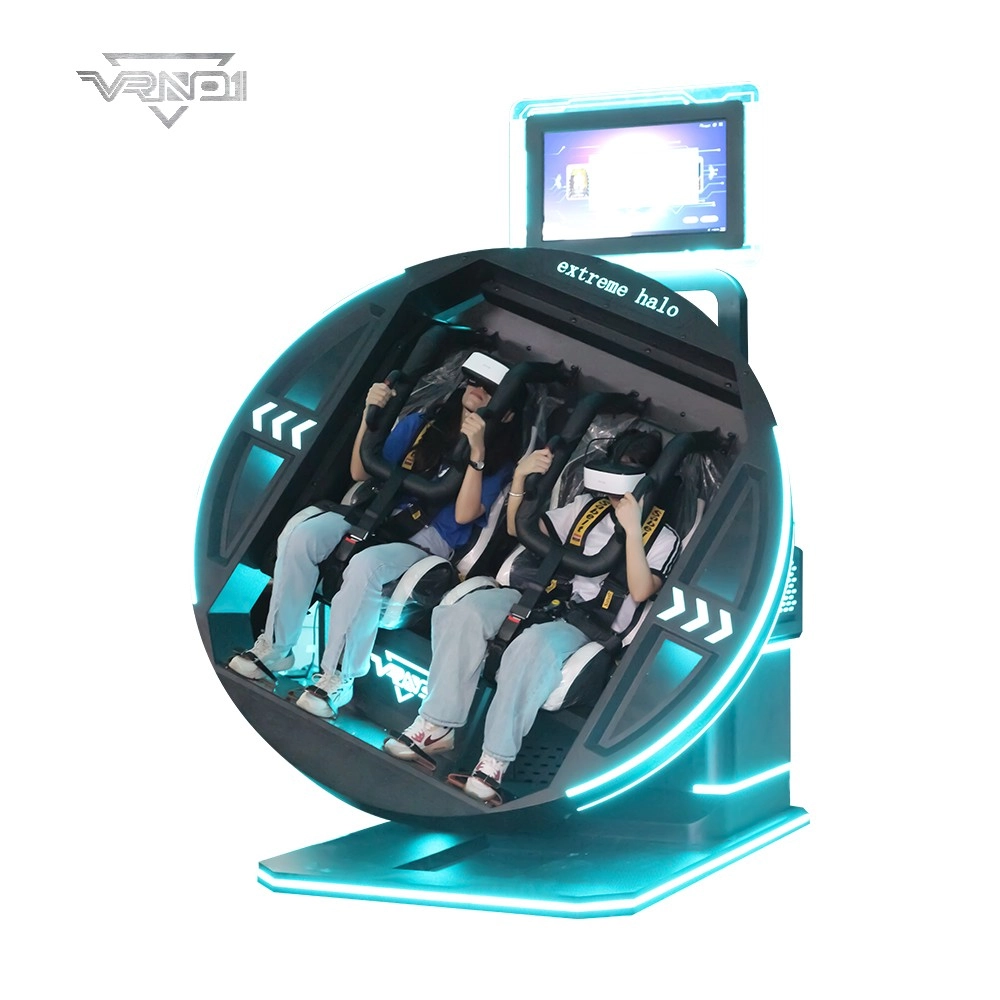
9D VR 360 Roller Coaster Cinema Chair Gaming Set Indoor/Outdoor Business Simulator Hardware for Home or School
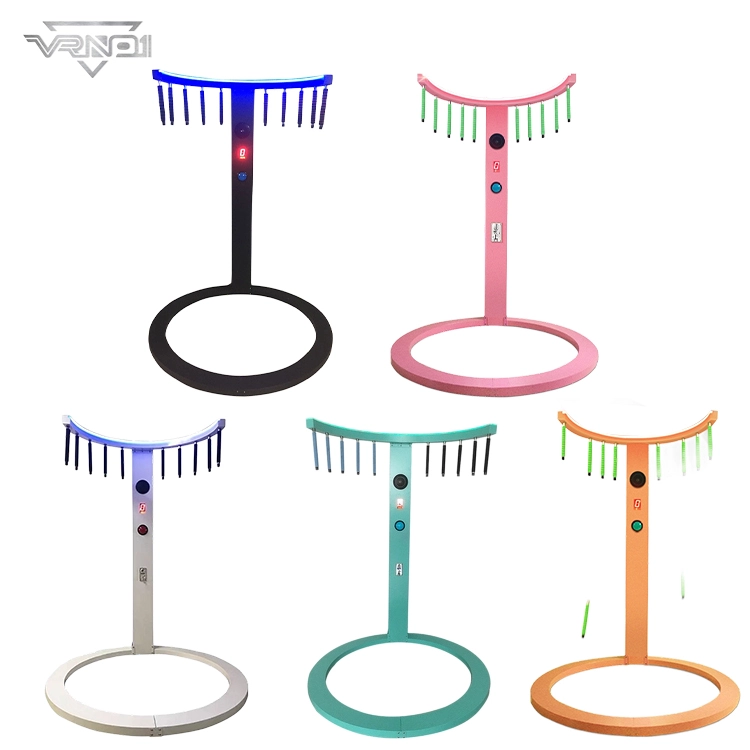
VRN0.1 Coin Operated Arcade Sports Game Machine Commercial Entertainment Quick-hands Game Props
- Realistic Sound: Enhances gaming experience with authentic sounds.
- Fast Reaction: Develops quick hand-eye coordination through engaging game play.
- DIY Kit: Allows for customization and personalization of the baton.
- Metal and Plastic Construction: Durable and robust build quality.
- Coin Operated: Fun for players who enjoy arcade-like experiences.
 Scan QR Code
Whatsapp: +8618127818571
Scan QR Code
Guangzhou Skyfun Technology Co.,Ltd
skyfunvrgame
skyfun game