


VR Arcade Setup: Space, Flooring, and Safety Tips
- Designing a Profitable VR Arcade Space — VR Arcade Machines
- Space Planning for VR Arcade Machines: Footprint, Capacity, and Layout
- Flooring Choices for VR Arcade Machines: Comfort, Durability, and Safety
- Technical Infrastructure for VR Arcade Machines: Power, Networking, and Cooling
- Safety Protocols for VR Arcade Machines: Physical, Health, and Emergency
- Operational Best Practices for VR Arcade Machines: Staff, Training, and Throughput
- Layout Examples and Cost Estimates for VR Arcade Machines
- Why Choose VRN0.1 for VR Arcade Machines: Manufacturer Capabilities and Service
- Compliance Checklist and Risk Management for VR Arcade Machines
- Final Recommendations and Quick Setup Checklist for VR Arcade Machines
- FAQ — Frequently Asked Questions about VR Arcade Machines
- References
Designing a Profitable VR Arcade Space — VR Arcade Machines
Opening a VR arcade requires more than buying hardware: success depends on smart space planning, durable and safe flooring, robust technical infrastructure, and operational procedures that protect customers and equipment while maximizing throughput. This guide brings together industry best practices, safety standards, and venue design strategies specifically for VR Arcade Machines to help operators plan a compliant, high-performing VR venue.
Space Planning for VR Arcade Machines: Footprint, Capacity, and Layout
Good space planning begins with station footprint and customer flow. Two common VR operation modes change space requirements dramatically: stationary/seated experiences (e.g., racing, 7D cinema) and room-scale/roaming experiences (e.g., VR roaming, VR shooting). Allocate space based on the experience type and expected peak throughput.
- Recommended per-station clear space for room-scale VR: minimum 2 m × 2 m (6.5 ft × 6.5 ft). For aggressive movement or full-body roaming, increase to 3 m × 3 m (10 ft × 10 ft).
- Seated/simulator stations: 1.2 m × 1.2 m (4 ft × 4 ft) footprint plus operator and egress space.
- Aisles and egress: minimum 1.2 m (48 in) clear aisles; main evacuation routes should meet local fire code (often 32 in/813 mm minimum door clear width and larger for high occupancies).
Capacity calculation example (ballpark): For a 200 m² venue using 2 m × 2 m per roaming station plus 1.2 m circulation per station, expect 12–14 roaming stations. If average session = 12 minutes (including briefing), theoretical hourly throughput per station = 5 sessions; with 12 stations = 60 sessions/hr. Projected revenue depends on price per session and operating hours.
Flooring Choices for VR Arcade Machines: Comfort, Durability, and Safety
Flooring directly affects safety, maintenance costs, and the customer experience. Choose materials that balance shock absorption, slip resistance, durability, cleaning, and noise control. The table below summarizes common flooring options used in VR arcades.
| Floor Type | Shock Absorption | Durability & Wear | Cleaning / Hygiene | Typical Cost (USD/m²) | Notes |
|---|---|---|---|---|---|
| Interlocking EVA Foam | High | Moderate (can dent) | Moderate (wipes well) | 10–30 | Comfortable, good for safety zones; edges can lift over time |
| Rubber Gym Flooring | High | High | Good (mopable) | 20–60 | Durable and slip-resistant; commercial-grade preferred |
| Vinyl (Commercial) | Low–Medium | High | Very Good | 15–40 | Easy to clean, good for high-traffic aisles and seating areas |
| Epoxy Coating | Low | Very High | Excellent | 20–70 | Seamless and durable; add mats in active zones for impact |
| Commercial Carpet | Medium | Medium | Poor (stains, sweat) | 10–35 | Comfortable but harder to sanitize; avoid in high-sweat zones |
Recommendation: Use rubber gym flooring or interlocking EVA foam within active play boundaries and durable vinyl or epoxy in circulation areas. Add clearly marked transition strips to prevent trip hazards.
Technical Infrastructure for VR Arcade Machines: Power, Networking, and Cooling
Technical readiness is often overlooked in venue planning. Typical requirements per PC-based VR station include 500–1,200 W peak electrical load (depending on PC specs, displays, and accessories). Consoles and lightweight systems will use less. Plan dedicated circuits and consider UPS protection for high-value systems.
- Electrical: Install dedicated circuits for clusters of stations, label breakers, and plan for surge protection. Consult a licensed electrician to meet local codes.
- Networking: For multiplayer and content updates, prefer wired Ethernet (Gigabit) to minimize latency. Use managed switches, VLANs for payment/operations, and a separate guest Wi‑Fi SSID.
- Bandwidth: For content streaming/updates and multiple playback devices, plan 100–300 Mbps symmetric at minimum for medium-sized arcades; scale up for streaming multiplayer or cloud-rendered content.
- Cooling & HVAC: VR PCs and simulators generate heat. Ensure adequate HVAC capacity and airflow, especially in enclosed booths. Maintain ambient temperatures <26°C (79°F) for comfort and hardware longevity.
Safety Protocols for VR Arcade Machines: Physical, Health, and Emergency
Protect customers and minimize liability with clear safety protocols:
- Boundary Systems: Enforce virtual boundaries using system chaperones/guardian tools; mark physical floors around stations to reinforce boundaries.
- Staff Supervision: For roaming experiences, provide one attendant per 6–8 active customers to assist and monitor for unsafe behavior.
- Age & Health Warnings: Post visible warnings for motion sickness, epilepsy risks, pregnancy, and heart conditions; require parental consent for minors per local law.
- Sanitation: Use replaceable face covers, disposable masks, or fast-acting disinfectant wipes between sessions. Follow CDC guidance for surface cleaning where applicable.
- Emergency Response: Maintain a first-aid kit, AED where required, and staff first-aid/CPR training. Keep emergency exits unobstructed and conduct periodic drills.
- Insurance & Liability Waivers: Obtain commercial general liability and premises insurance that specifically lists VR equipment and guest activities. Use clear, concise waivers compliant with local law.
Operational Best Practices for VR Arcade Machines: Staff, Training, and Throughput
Operations determine repeat business and profitability. Implement standardized procedures for session onboarding, safety briefing, and equipment sanitization. Key considerations:
- Session Length & Pricing: Typical session durations are 8–15 minutes for single-player experiences and 10–20 minutes for group or simulator rides. Price according to local market and include peak/off-peak variations.
- Staff Training: Train staff on hardware setup, boundary enforcement, rapid sanitize routines, and customer engagement to reduce downtime between sessions.
- Spares & Maintenance: Keep an inventory of spare headsets, batteries, straps, sensors, and key PC components. Schedule preventive maintenance monthly and deep cleaning weekly.
- Booking & Queue Management: Use online booking and timed sessions to avoid overcrowding. Offer express passes or private bookings to increase revenue per customer.
Layout Examples and Cost Estimates for VR Arcade Machines
Below is a simplified estimate for a 200 m² mid-size arcade with mixed station types (prices are indicative—get vendor quotes for accurate budgeting).
| Item | Qty | Unit Cost (USD) | Total (USD) |
|---|---|---|---|
| Room-scale VR station (PC + HMD + sensors) | 8 | 6,000–10,000 | 48,000–80,000 |
| Seated/Simulator station (racing/7D) | 4 | 8,000–20,000 | 32,000–80,000 |
| Flooring & installation | 200 m² | 20–50 / m² | 4,000–10,000 |
| Networking / Electrical / HVAC adjustments | — | — | 5,000–20,000 |
| Furniture, POS, signage, safety equipment | — | — | 3,000–10,000 |
| Total estimated CAPEX | — | — | 92,000–200,000+ |
Tip: Combine simulator kiosks with roaming stations to diversify revenue streams—simulators command higher per-session pricing, while roaming stations increase throughput.
Why Choose VRN0.1 for VR Arcade Machines: Manufacturer Capabilities and Service
VRN0.1 is a leading VR game machine and arcade simulator supplier with over 10 years' experience in the global market. Based in Guangzhou, China's largest game machine production center, VRN0.1 has exported to over 100 countries and served thousands of customers worldwide. Their strengths relevant to operators include:
- Comprehensive product range: 9D VR Cinema, 360 VR Simulator, VR Racing, VR Shooting, VR Roaming, AR Sniper, Kiddie Ride, 7D Cinema, and more.
- OEM & ODM services and one-stop venue solutions: customized cabin/exterior, game content options, and hardware configurations to suit budgets and local regulations.
- Free training: equipment operation and venue operation training for operators and staff.
- Strong R&D and QC: in-house development and strict quality control across production lines.
- After-sales: 24/7 customer support, spare parts supply, and remote troubleshooting.
VRN0.1 advantage summary: scalable product portfolio across mainstream VR arcade categories; proven export experience to 100+ countries; technical and operational support that helps new operators open faster and reduce startup risk. For more details and product catalogs, visit https://www.vrarcadegame.com/.
Compliance Checklist and Risk Management for VR Arcade Machines
Before opening, complete this checklist and consult local authorities and legal counsel:
- Building permits and occupancy approvals
- Local fire code compliance and emergency egress approval
- ADA accessibility review and reasonable accommodations
- Commercial insurance covering premises, liability, and equipment
- Data protection measures for any customer accounts stored on-site
- Health and sanitation protocols, including SARS-CoV-2 guidance as applicable
Final Recommendations and Quick Setup Checklist for VR Arcade Machines
Actionable startup checklist:
- Define product mix (roaming vs simulators) and estimate target throughput.
- Map floor plan with 2–3 m clearances per roaming station and 1.2 m aisles.
- Select flooring: rubber/EVA in active zones + epoxy/vinyl in circulation.
- Plan electrical and network infrastructure with headroom for upgrades.
- Establish SOPs for safety briefings, sanitation, and incident response; train staff.
- Secure vendor partnerships (e.g., VRN0.1) for equipment, OEM/ODM, training, and support.
FAQ — Frequently Asked Questions about VR Arcade Machines
- 1. How much space do I need per VR Arcade Machines station?
- For room-scale VR, plan for at least 2 m × 2 m (6.5 ft × 6.5 ft) per station; for full-roam experiences consider 3 m × 3 m. Seated simulators require less floor area but additional space for access and egress.
- 2. What flooring is best for safety and maintenance in VR arcades?
- Commercial rubber or interlocking EVA foam within active play boundaries combined with vinyl or epoxy in walkways offers the best balance of safety, durability, and hygiene.
- 3. How do I manage hygiene for headsets and face contact surfaces?
- Use disposable face covers or replaceable foam pads, disinfect headsets between sessions with approved wipes, and schedule deep cleaning daily. Encourage hand sanitation before sessions.
- 4. What are typical power and network requirements for a mid-size VR arcade?
- Expect 500–1,200 W per PC-based station at peak. Use dedicated circuits and UPS protection. For networking, wired Gigabit Ethernet for stations plus 100–300 Mbps internet uplink for content and support is a practical starting point for medium venues.
- 5. How many staff do I need to run a VR arcade safely?
- Staff ratios depend on experience mix; aim for one full-time attendant per 6–8 active roaming customers and additional staff for ticketing, maintenance, and cleaning during peak hours.
- 6. Can VRN0.1 help with venue planning and training?
- Yes — VRN0.1 provides one-stop VR venue solutions, OEM/ODM services, and free training for equipment operation and venue management to help operators launch and scale.
Ready to plan your VR venue or see product options? Contact VRN0.1 for customized venue planning, equipment configuration, and operational training. Visit their website to view products, request a quote, or get a free consultation: https://www.vrarcadegame.com/
References
- Oculus Guardian Setup — Oculus Support. https://support.oculus.com/1733389433459968/ (accessed 2025-05-10)
- SteamVR Chaperone / Boundary System — Steamworks Documentation. https://partner.steamgames.com/doc/features/vr (accessed 2025-05-10)
- Grand View Research — Virtual Reality Market Size & Trends. https://www.grandviewresearch.com/industry-analysis/virtual-reality-vr-market (published 2024, accessed 2025-05-08)
- CDC — Cleaning and Disinfecting Your Facility. https://www.cdc.gov/coronavirus/2019-ncov/community/disinfecting-building-facility. (updated 2023-11-15, accessed 2025-05-09)
- ADA Standards for Accessible Design. https://www.ada.gov/2010ADAstandards_index.htm (accessed 2025-05-09)
- APC by Schneider Electric — Sizing UPS for IT Equipment (guidance on power planning). https://www.apc.com (accessed 2025-05-09)
Best arcade game machine manufacturers and supplier brands
VR Simulator Software: Games, Updates and Content Management
What are the application scenarios of arcade box game console?
360 VR Simulator: Immersive Experience for Arcades
Home
What types of virtual reality solutions do you offer?
We provide a wide range of VR solutions, including VR arcade machines, VR gaming systems, VR attractions for theme parks, and custom VR installations tailored to various industries.
Distributors
What are the unique features of VRNO.1's products?
VRNO.1's VR equipment uses the latest technology to provide excellent immersion and interactivity. Our equipment is uniquely designed to meet global market needs and undergoes strict quality control to ensure long-term reliability of each device.
Solution
What is the service life of VR equipment?
VRNO.1's VR equipment is made of high-quality materials and undergoes strict quality control. The service life of the equipment is usually more than 5 years, depending on the frequency of use and maintenance of the equipment. Regular care and maintenance can extend the service life of the equipment.
How to install and debug VRNO.1's VR equipment?
We provide professional installation and debugging services. After the equipment arrives at your venue, our technical team will send personnel to the site to install the equipment and ensure that all equipment and software functions can operate normally. After the installation is completed, we will also train your operators.
Application
What should I do if there is a problem with the equipment?
If the VR device fails, you can submit the question through our customer support system or contact our after-sales service team. We will provide you with a solution as soon as possible, including equipment maintenance, replacement parts, etc., to ensure that your business operations are not interrupted.
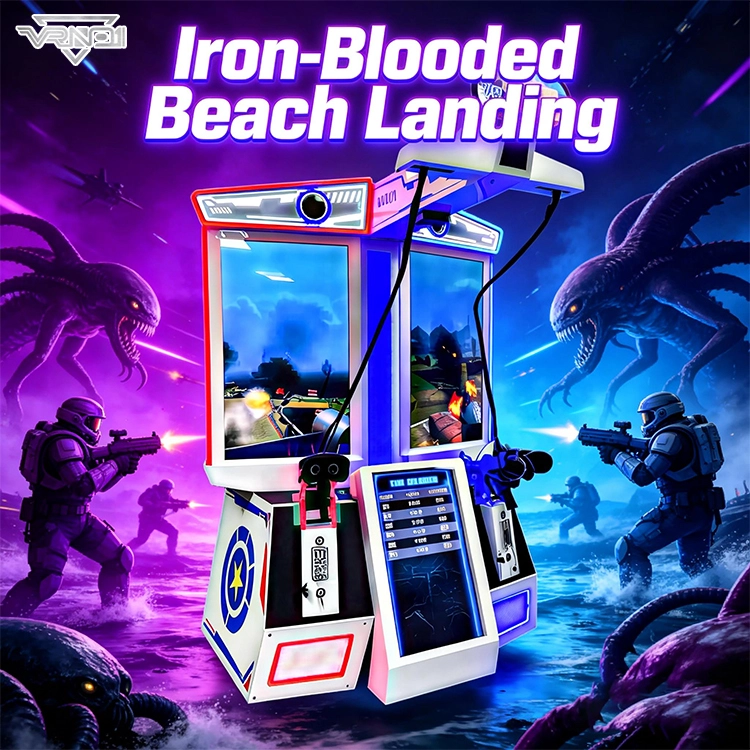
VRN0.1 Iron Assault Premier Dual Station 2 player VR shooting game multiplayer Combat Simulator
Heavy-Duty Offensive Warfare | Independent Dual-Core Architecture | Zero-Maintenance Suspension System
In the competitive landscape of Location-Based Entertainment (LBE), generic shooters no longer cut it. Enter the VR NO.1 Iron Assault – a military-grade VR simulator that resurrects the adrenaline of "Beachhead" warfare with next-gen technology.
Engineered by VR NO.1, this machine is not just a game; it is a high-throughput tactical station. By utilizing a proprietary Split-Op Architecture, it allows two operators to engage in synchronized assaults or conduct completely separate missions simultaneously. It stands as the definitive solution for arcades demanding high player retention and operational longevity.
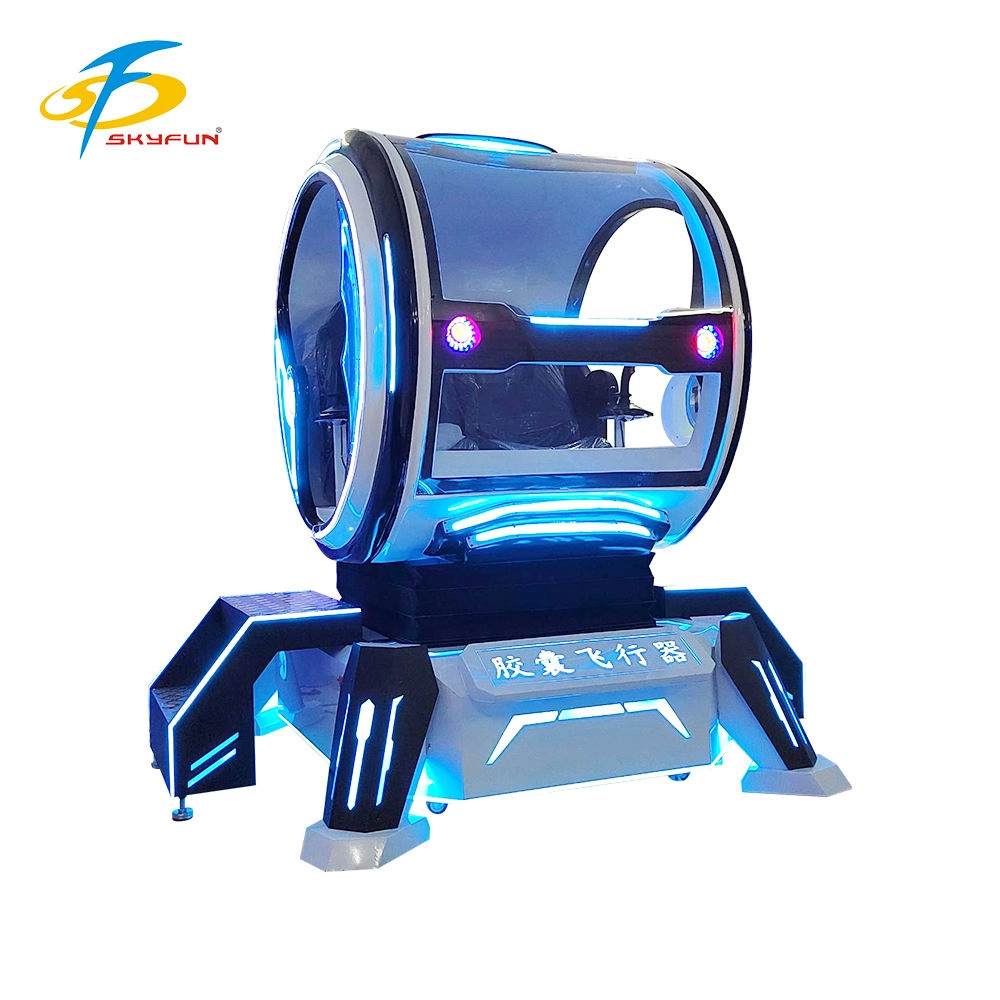
Double Player VR Flight Simulator 100 Movies 15 Games Coin-Operated Game Machine for Shopping Malls Amusement Parks
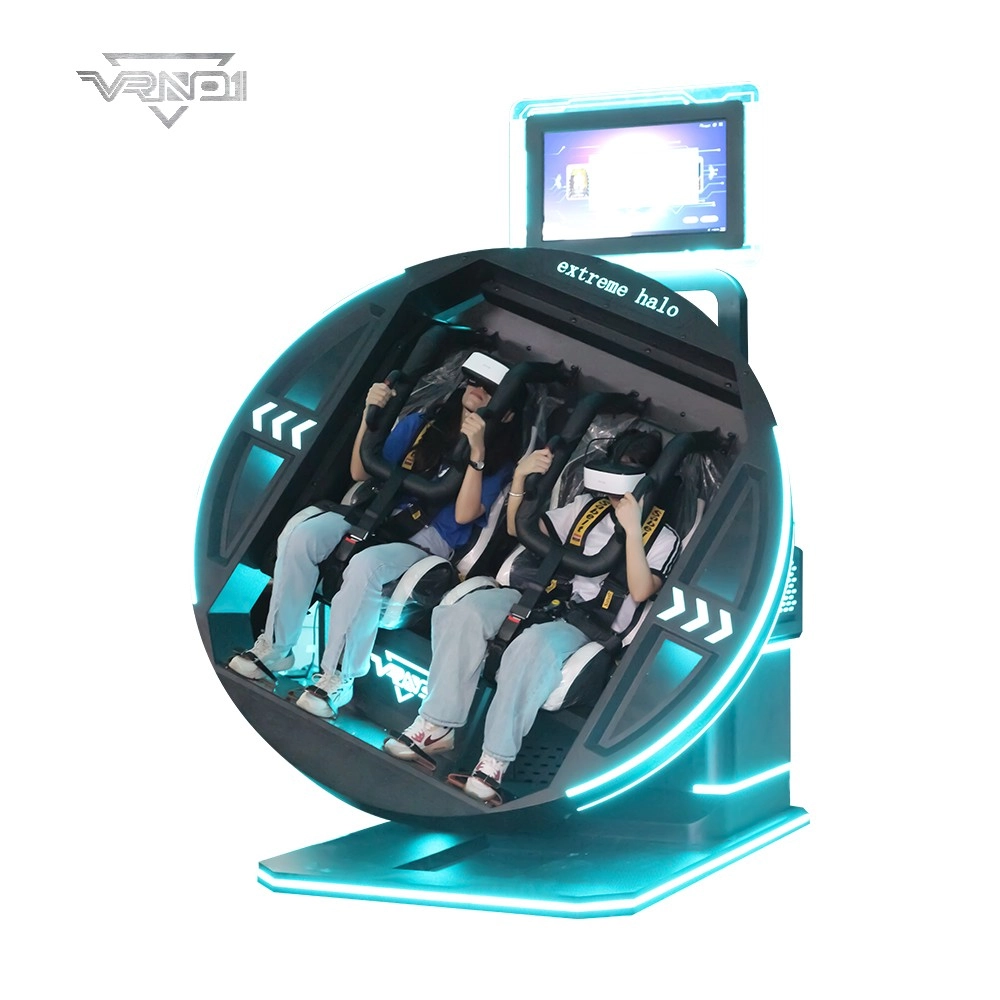
9D VR 360 Roller Coaster Cinema Chair Gaming Set Indoor/Outdoor Business Simulator Hardware for Home or School
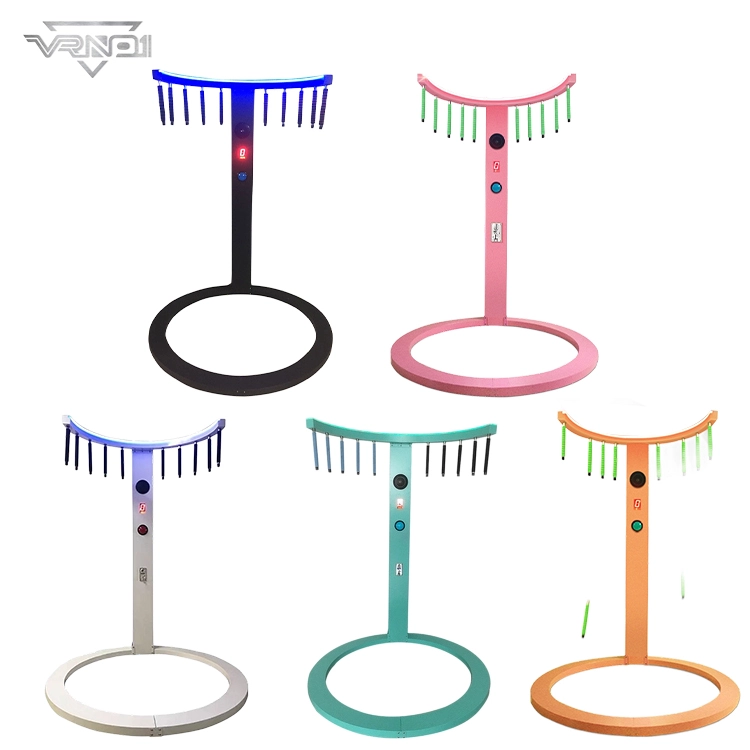
VRN0.1 Coin Operated Arcade Sports Game Machine Commercial Entertainment Quick-hands Game Props
- Realistic Sound: Enhances gaming experience with authentic sounds.
- Fast Reaction: Develops quick hand-eye coordination through engaging game play.
- DIY Kit: Allows for customization and personalization of the baton.
- Metal and Plastic Construction: Durable and robust build quality.
- Coin Operated: Fun for players who enjoy arcade-like experiences.
 Scan QR Code
Whatsapp: +8618127818571
Scan QR Code
Guangzhou Skyfun Technology Co.,Ltd
skyfunvrgame
skyfun game