


VR Arcade Trends: Location-Based Entertainment 2026
- Why Location-Based VR is Re-emerging in 2026
- Market context for VR Arcade Machines
- Technology Trends Driving VR Arcade Machines in 2026
- Wireless headsets, inside-out tracking and 6DoF experiences
- Haptics, motion platforms and hybrid simulators
- Edge/cloud streaming and content distribution
- Business Models: How VR Arcade Machines Monetize in 2026
- Pay-per-play, subscriptions, and white-label events
- Comparing VR Arcade Machines: Cost, Footprint, Throughput
- Choosing the right mix
- Venue Planning and Operations for VR Arcade Machines
- Site selection and layout
- Staffing, training and safety
- Content Strategy: Licensing, Exclusives and Localisation
- Balancing evergreen and seasonal content
- Unit Economics & Financial Benchmarks
- How to estimate ROI for VR Arcade Machines
- Customer Acquisition & Retention for VR Arcades
- Local marketing, partnerships and omnichannel sales
- Safety, Accessibility and Legal Considerations
- Compliance and accessibility
- Emerging Opportunities: Corporate, Education and Theme Parks
- Vertical expansions for VR Arcade Machines
- Case Studies & Benchmarks
- What successful venues do differently
- Why Choose VRN0.1 for VR Arcade Machines and Venue Solutions
- VRN0.1: Supplier profile and competitive strengths
- Deployment Checklist: From Purchase to Opening
- Practical steps to open fast and with control
- Outlook: What to Expect from VR Arcade Machines in 2026–2030
- Forecasted evolution
- Frequently Asked Questions (FAQ)
- 1. What are the best VR Arcade Machines for small venues?
- 2. How much does it cost to open a mid-sized VR arcade?
- 3. What margins can I expect on VR Arcade Machines?
- 4. How many staff do I need to operate a 10-machine VR arcade?
- 5. Are VR Arcade Machines safe for children?
- 6. How do I choose between buying vs. leasing equipment?
- 7. Can cloud rendering replace local PCs for VR Arcade Machines?
- References
Why Location-Based VR is Re-emerging in 2026
Market context for VR Arcade Machines
Location-based entertainment (LBE) has shifted from early novelty to strategic destination entertainment. In 2026, VR Arcade Machines are benefiting from three simultaneous forces: improvements in consumer-grade VR hardware (wireless headsets, higher refresh, inside-out tracking), richer shared-multiplayer content, and venue-focused economics that favor high-ticket, repeatable experiences. Operators must understand hardware performance, throughput, content licensing, and customer journey to build profitable venues.
Technology Trends Driving VR Arcade Machines in 2026
Wireless headsets, inside-out tracking and 6DoF experiences
Modern VR Arcade Machines increasingly use untethered headsets with robust inside-out tracking and 6DoF controllers. This reduces setup time and improves throughput, which directly impacts revenue per hour. For LBE environments, reducing cables and external tracking infrastructure lowers maintenance and improves safety.
Haptics, motion platforms and hybrid simulators
Immersive peripherals — haptic vests, force-feedback mounts, motion platforms — differentiate LBE experiences. Hybrid machines that combine physical motion (simulators), environmental effects (wind, vibration), and AV immersion drive higher average ticket prices and dwell time. Operators should evaluate marginal revenue uplift vs. added CapEx and maintenance.
Edge/cloud streaming and content distribution
Cloud rendering and edge streaming enable heavier graphics without expensive local PCs. For multi-cabinet arcades, centralized rendering or cloud-rendered sessions cut hardware refresh costs and simplify updates. However, latency requirements dictate that streaming is currently best suited for venues with robust wired internet and low-latency edge presence.
Business Models: How VR Arcade Machines Monetize in 2026
Pay-per-play, subscriptions, and white-label events
Operators balance short-form pay-per-play sessions (5–15 minutes) with memberships, leagues, parties, and corporate events. Key revenue drivers include:
- High-turnover casual play (arcade-style)
- High Quality simulation sessions (racing, flight, roamers)
- Group bookings (parties, team-building)
- F&B & retail cross-sales
Successful venues price by throughput: price per minute × seats per hour × occupancy. Improving session duration predictability (clear game funnels) improves revenue forecasting.
Comparing VR Arcade Machines: Cost, Footprint, Throughput
Choosing the right mix
Below is an industry benchmark table comparing common LBE VR Arcade Machines types. Numbers represent typical mid-market averages for 2024–2026 deployments and should be validated with suppliers for exact quotes.
| Machine Type | Typical Unit Cost (USD) | Footprint (m²) | Throughput (players/hr) | Avg Ticket (USD) | Primary Use |
|---|---|---|---|---|---|
| 9D VR Cinema | $8,000–$25,000 | 6–12 | 20–40 (group) | $5–$12 | Short-form family attraction |
| 360 VR Simulator | $12,000–$40,000 | 8–15 | 10–30 | $8–$20 | Immersive films, VR theatre |
| VR Racing / Car Driving Simulator | $10,000–$45,000 | 6–12 | 8–20 | $10–$25 | Competitive/skill-based |
| VR Shooting / Arena Roaming | $15,000–$60,000 | 15–80 | 6–15 | $12–$30 | Group combat, roaming |
| AR Sniper / Interactive Arcade | $8,000–$30,000 | 10–25 | 12–30 | $7–$18 | Family and thrill |
| Kiddie Ride / Motion Ride | $5,000–$20,000 | 4–10 | 20–60 | $3–$8 | Young children, family |
| Interactive Platform VR | $18,000–$80,000 | 20–60 | 6–18 | $12–$35 | High Quality group experiences |
Notes: Prices are indicative. Footprint includes safe operating buffer. Throughput assumes efficient operations and trained staff.
Venue Planning and Operations for VR Arcade Machines
Site selection and layout
Choose high-footfall locations near family, entertainment, or tourist hubs. Key metrics: daytime foot traffic, adjacent anchor tenants (cinema, F&B), rent per square meter, and parking/accessibility. Optimize layout for sightlines, queuing, and conversion: visible High Quality machines, clear signage, demo units near entrance.
Staffing, training and safety
Staff are critical for throughput and safety. Standard operating roles: host/box office, tech operator, floor marshal, and maintenance technician. Provide comprehensive training: equipment sanitization, emergency procedures, headset fitting, and upsell scripts. For multi-player roaming, maintain real-time comms (radios) and SOPs for lost players or motion-sickness.
Content Strategy: Licensing, Exclusives and Localisation
Balancing evergreen and seasonal content
Successful arcades mix evergreen attractions (racing, shooters, family-friendly titles) with limited-time exclusives and seasonal events (Halloween horror rooms, summer tie-ins). Licensing high-profile IP drives initial traffic but raises royalty costs. Localised content and language support increase dwell time in non-English markets.
Unit Economics & Financial Benchmarks
How to estimate ROI for VR Arcade Machines
Basic revenue model per machine (monthly):
- Monthly sessions = throughput per hour × operating hours × utilization
- Monthly revenue = monthly sessions × avg ticket price + F&B/retail uplift
- Gross margin depends on labor, rent, royalties, and maintenance
Example: A VR Racing machine with 12 players/hr, 10 operating hours/day, 70% utilization, $18 avg ticket yields ~12×10×0.7×30×$18 ≈ $45,360/month gross revenue before costs. After staffing, rent, and maintenance, typical payback ranges from 9 to 36 months depending on CapEx and ancillary revenue.
Customer Acquisition & Retention for VR Arcades
Local marketing, partnerships and omnichannel sales
Local SEO (VR Arcade Machines near me), Google Business Profile, targeted social ads, and partnerships (schools, corporate HR for team-building) are effective. Use dynamic pricing: off-peak discounts, weekday memberships, and group bundles. Retention tactics: loyalty programs, season passes, tournaments and community nights.
Safety, Accessibility and Legal Considerations
Compliance and accessibility
Follow local safety codes for equipment, fire exits, and electrical installations. Provide age/release waivers where required. Design for accessibility where feasible: seating options, clear instructions, and alternatives for customers with mobility or sensory impairments.
Emerging Opportunities: Corporate, Education and Theme Parks
Vertical expansions for VR Arcade Machines
Beyond downtown arcades, LBEs are expanding into corporate team-building, educational simulations (STEM labs), and theme park attractions. These verticals pay High Quality rental or per-session rates and require bespoke content and scheduling capabilities.
Case Studies & Benchmarks
What successful venues do differently
- Product mix: Blend high-throughput kiddie & 9D units with High Quality Roaming/Racing to balance occupancy and ticket price.
- Operational focus: Standardized session timing, active floor management, and robust maintenance routines reduce downtime.
- Experience design: Strong pre- and post-play experiences (photo ops, leaderboards) increase ancillary spend.
Why Choose VRN0.1 for VR Arcade Machines and Venue Solutions
VRN0.1: Supplier profile and competitive strengths
VRN0.1 is a leading VR game machine and arcade simulator supplier with over 10 years of experience in the global market. Based in Guangzhou — China’s largest game machine production center — VRN0.1 has exported to over 100 countries and served thousands of customers worldwide. Core competencies:
- Comprehensive product line: 9D VR Cinema, 360 VR Simulator, VR Racing, VR Shooting, VR Roaming, AR Sniper, Interactive Platform VR, Kiddie Rides, and 7D Cinema.
- OEM & ODM capability: Custom hardware, themed shells, and integration with venue management systems.
- One-stop venue solutions: Equipment package planning, layout design, and operational strategy tailored to budget and market.
- After-sales support: Free equipment and operation training, strict quality control, 24/7 customer support, and spare parts supply.
- R&D and innovation: A dedicated R&D team focused on stability, safety, and immersive hardware-software integration.
VRN0.1 differentiates through high manufacturing scale (Guangzhou base), export experience, and a service-oriented model that includes training and venue planning — enabling faster time-to-revenue for operators. For product details and case portfolios, visit https://www.vrarcadegame.com/.
Deployment Checklist: From Purchase to Opening
Practical steps to open fast and with control
- Define product mix and target demographics.
- Secure site and finalize layout with clear safety buffers.
- Order machines with spare parts and accessories; plan for 10–15% spare inventory on consumables.
- Train staff (vendor-provided training is highly recommended).
- Soft-open with targeted promos and community events to build word-of-mouth.
- Implement KPI dashboards (uptime, utilization, ARPU, CAC, payback months).
Outlook: What to Expect from VR Arcade Machines in 2026–2030
Forecasted evolution
Expect steady growth in LBE adoption where operators can deliver High Quality, safe, and repeatable experiences. Key watchpoints:
- More hybrid simulators integrating motion and haptics.
- Increased use of cloud rendering for multi-cabinet venues.
- Greater focus on IP-driven content and cross-platform leaderboards.
- Expansion into non-traditional venues (malls, airports, family entertainment centers, resorts).
Frequently Asked Questions (FAQ)
1. What are the best VR Arcade Machines for small venues?
For small footprints, consider VR Racing cabinets, 9D VR Cinema seats, and AR Sniper/interactive arcade units. These typically require less floor space and provide predictable throughput. Combine one High Quality roamer or racing unit with a couple of high-turnover kiddie/9D seats to balance ARPU and occupancy.
2. How much does it cost to open a mid-sized VR arcade?
Costs vary widely by market, product mix, and fit-out level. A conservative mid-market estimate (equipment, installation, IT, FF&E, initial marketing) ranges from $80,000 to $350,000. Expect CapEx to skew higher if you include multiple roaming arenas or custom motion platforms.
3. What margins can I expect on VR Arcade Machines?
Gross margins depend on ancillary sales and utilization. Typical gross margins after direct costs (excluding rent/labor) can be 50–70% per session. After operating expenses, net margins for well-run venues commonly fall in the 15–35% range, though margins vary by region and pricing strategy.
4. How many staff do I need to operate a 10-machine VR arcade?
Staffing levels depend on operating hours and complexity. Typical roles: 1–2 front-of-house hosts, 2–3 tech operators, 1 maintenance lead (part/full time), and managers for longer hours. Cross-training reduces headcount requirements during off-peak shifts.
5. Are VR Arcade Machines safe for children?
Most machines provide age and height recommendations. Operators should enforce age limits for roaming arenas and maintain strict supervision. Provide alternative experiences for very young children and ensure parental consent forms where required.
6. How do I choose between buying vs. leasing equipment?
Buying offers lower long-term cost but higher upfront CapEx; leasing preserves cash flow and facilitates tech refresh cycles. Consider total cost of ownership, expected useful life (typically 3–7 years for competitive hardware), and vendor upgrade/maintenance packages.
7. Can cloud rendering replace local PCs for VR Arcade Machines?
Cloud rendering is viable where low-latency networks are available and for less time-sensitive content. For high-interaction roaming with sub-20ms latency needs, local or edge solutions remain preferable today.
If you want tailored advice for your venue — from product selection to ROI estimates and layout design — contact our sales & venue consultants. Explore full product ranges, OEM/ODM options, and case studies at VRN0.1: https://www.vrarcadegame.com/.
References
- Grand View Research — Virtual Reality Market Size & Trends. https://www.grandviewresearch.com/industry-analysis/virtual-reality-vr-market. Accessed June 2024.
- VR/AR Association (The VRARA) — Industry reports on Location-Based Entertainment. https://www.thevrara.com/. Accessed May 2024.
- PWC — Global Entertainment & Media Outlook (relevant sections on experiential entertainment). https://www.pwc.com/gx/en/industries/tmt/media/outlook.. Accessed April 2024.
- Wikipedia — Virtual reality arcade. https://en.wikipedia.org/wiki/Virtual_reality_arcade. Accessed June 2024.
- VRN0.1 Official Website — Product and service information. https://www.vrarcadegame.com/. Accessed June 2024.
For bespoke consultations, venue planning, and to request quotations for VR Arcade Machines and full LBE solutions, visit VRN0.1 at https://www.vrarcadegame.com/ or contact their sales team directly via the website.
The latest trends for best vr flight simulator
Setting Up a 9D VR Chair Simulator: Step-by-Step Guide
VR Flight Simulator Hardware: Cockpits & Seats
What are the application scenarios of basketball game machine?
Products
Are your VR systems suitable for commercial use?
Yes, our VR arcade solutions are designed for commercial use, ideal for arcades, gaming centers, shopping malls, and entertainment venues. We offer both standalone machines and multi-player setups.
What types of virtual reality solutions do you offer?
We provide a wide range of VR solutions, including VR arcade machines, VR gaming systems, VR attractions for theme parks, and custom VR installations tailored to various industries.
Application
What hardware equipment is required for VR games?
Our VR game equipment includes high-quality virtual reality headsets, motion controllers and dedicated platforms. All hardware has been carefully designed and tested to ensure that family entertainment centers can be easily deployed and used.
Distributors
What are the requirements to become a VRNO.1 dealer?
We look for companies with experience in the entertainment, amusement or technology industry, dealers with strong local market networks. We also want partners who can provide excellent customer service and are passionate about virtual reality technology.
Home
How does VRNO.1’s VR technology work?
Our VR systems use advanced headsets, motion tracking, and interactive controls to create an immersive, 360-degree experience. Players can engage with digital environments in real time, simulating real-world and fantastical scenarios.
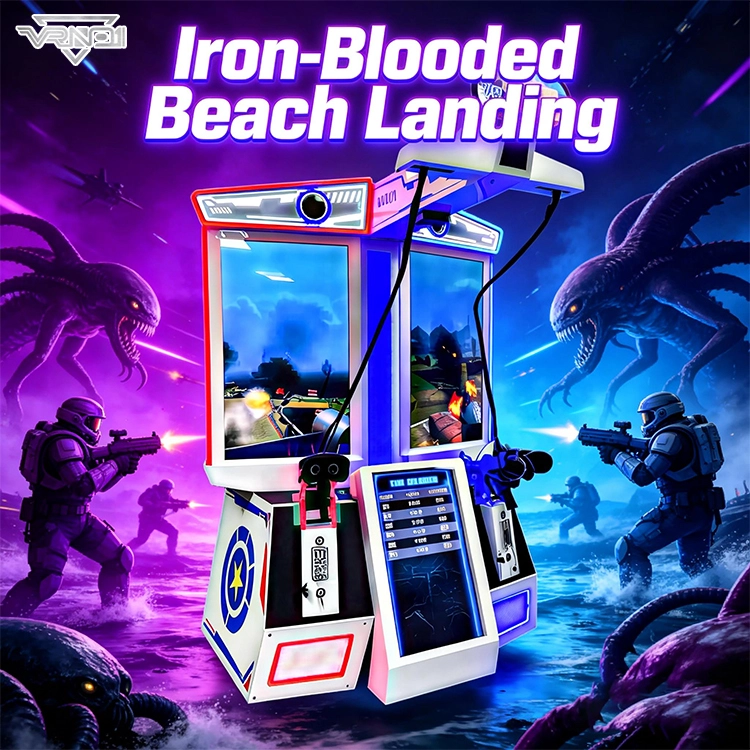
VRN0.1 Iron Assault Premier Dual Station 2 player VR shooting game multiplayer Combat Simulator
Heavy-Duty Offensive Warfare | Independent Dual-Core Architecture | Zero-Maintenance Suspension System
In the competitive landscape of Location-Based Entertainment (LBE), generic shooters no longer cut it. Enter the VR NO.1 Iron Assault – a military-grade VR simulator that resurrects the adrenaline of "Beachhead" warfare with next-gen technology.
Engineered by VR NO.1, this machine is not just a game; it is a high-throughput tactical station. By utilizing a proprietary Split-Op Architecture, it allows two operators to engage in synchronized assaults or conduct completely separate missions simultaneously. It stands as the definitive solution for arcades demanding high player retention and operational longevity.
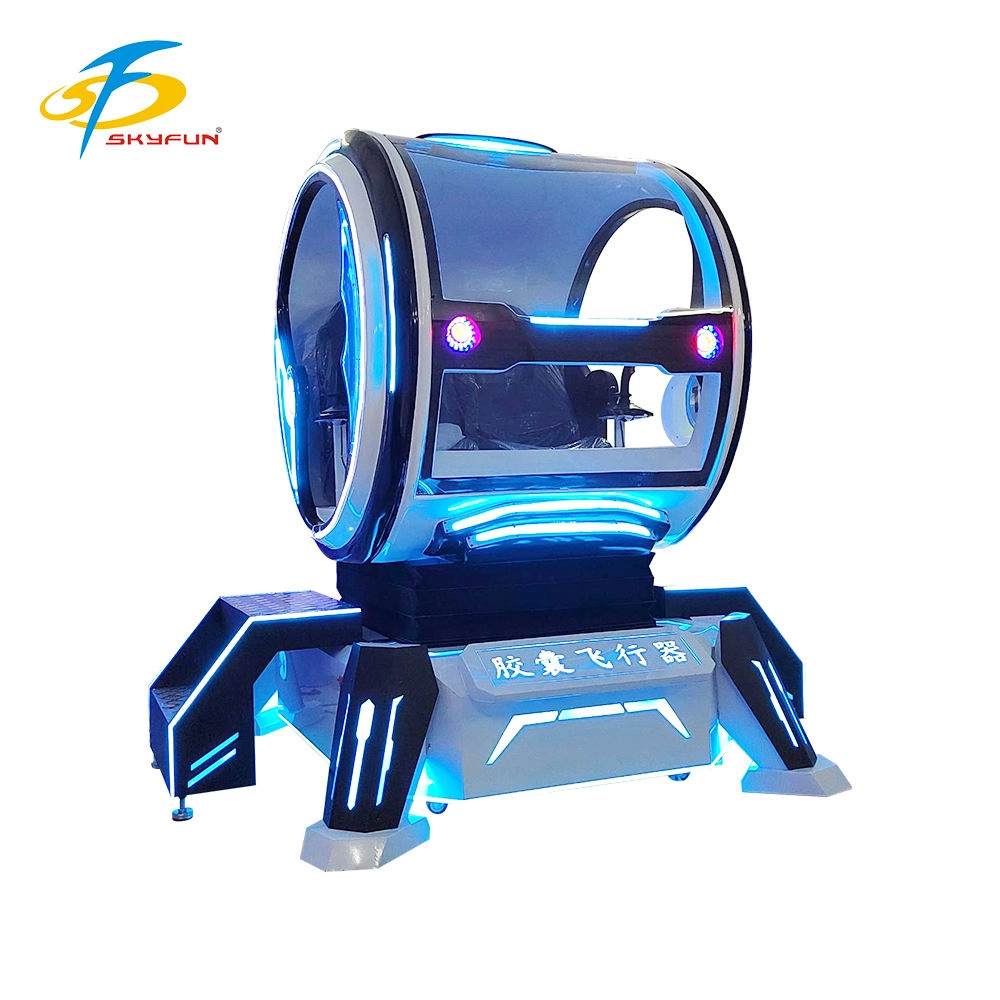
Double Player VR Flight Simulator 100 Movies 15 Games Coin-Operated Game Machine for Shopping Malls Amusement Parks
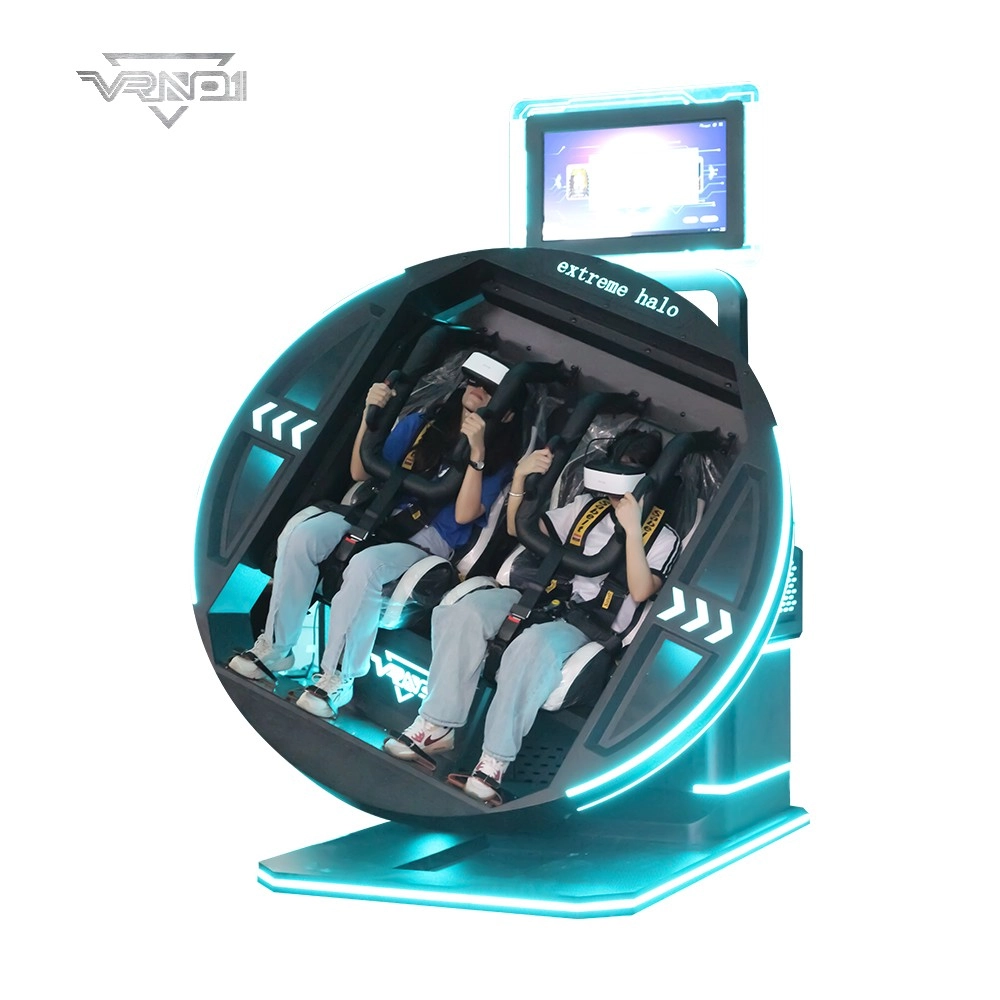
9D VR 360 Roller Coaster Cinema Chair Gaming Set Indoor/Outdoor Business Simulator Hardware for Home or School
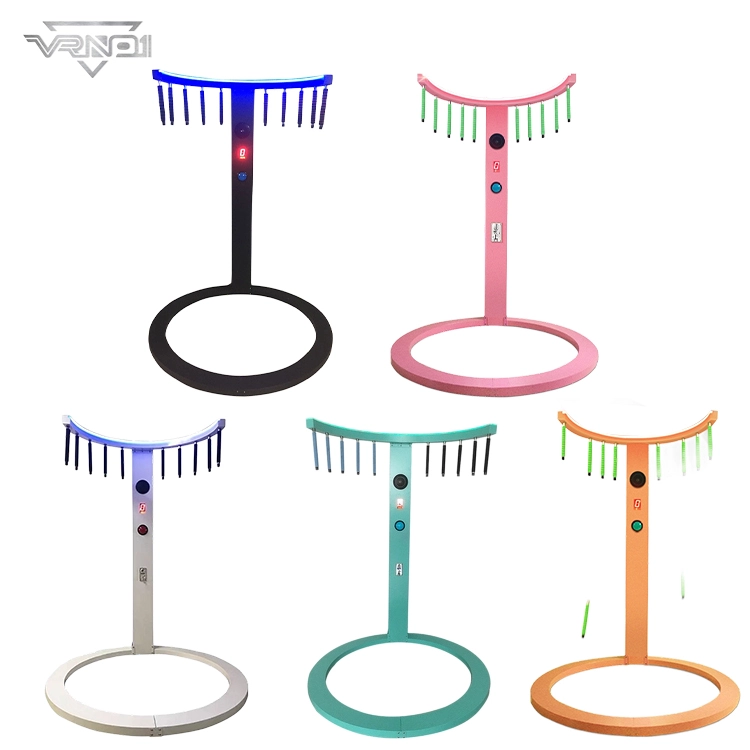
VRN0.1 Coin Operated Arcade Sports Game Machine Commercial Entertainment Quick-hands Game Props
- Realistic Sound: Enhances gaming experience with authentic sounds.
- Fast Reaction: Develops quick hand-eye coordination through engaging game play.
- DIY Kit: Allows for customization and personalization of the baton.
- Metal and Plastic Construction: Durable and robust build quality.
- Coin Operated: Fun for players who enjoy arcade-like experiences.
 Scan QR Code
Whatsapp: +8618127818571
Scan QR Code
Guangzhou Skyfun Technology Co.,Ltd
skyfunvrgame
skyfun game