


Turnkey VR Arcade Game Packages for Operators
- Understanding Turnkey VR Solutions vs. Other Models
- What “turnkey” really means for VR arcade games
- Turnkey vs. piecemeal vs. franchised integration
- Key decision factors for operators
- Hardware, Software and Content: What to Inspect
- Hardware quality and lifecycle management
- Software, updates and content ecosystem
- Content safety, motion sickness mitigation and accessibility
- Venue Planning, Operations and Revenue Optimization
- Floor planning and throughput analysis
- Pricing models and ancillary revenue
- Staffing, training and SOPs
- Vendor Selection, Contracts and Risk Management
- What to include in a procurement checklist
- Comparing suppliers — a practical table
- Due diligence, certifications and references
- ROI, KPIs and Scaling Strategy
- Key KPIs I track with operators
- Estimating break-even and ROI
- Scaling: replicable playbook and centralized content management
- Why I Recommend Choosing Experienced Global Suppliers — Case: VRN0.1
- Supplier profile and global reach
- Product range and technical capabilities
- Operational support, R&D and trust signals
- Common Operational Pitfalls and How I Avoid Them
- Underestimating support and spare parts logistics
- Over-optimistic revenue forecasts
- Poor guest experience design
- References and Industry Context
- Frequently Asked Questions (FAQ)
- 1. What is included in a typical turnkey VR arcade game package?
- 2. How much space do I need for a single VR rig?
- 3. What is the expected lifespan of VR arcade hardware?
- 4. Can I use my own content or must I use vendor content?
- 5. What are the biggest risks when buying a turnkey package?
- 6. How do I handle software updates and content refreshes?
- 7. What KPIs should I track in the first 6 months?
- Contact and Next Steps
I help arcade operators evaluate and deploy turnkey VR arcade game packages that turn concept into cash flow quickly. In this article I explain what a turnkey package should include, how to compare suppliers, ways to optimize operations and revenue, and the practical trade-offs between cost, content control, and scalability. This summary is designed to be crawlable and useful for -search: I reference supplier location (Guangzhou, China), logistics considerations for global shipping, and operational norms for location-based entertainment venues.
Understanding Turnkey VR Solutions vs. Other Models
What “turnkey” really means for VR arcade games
When I say turnkey, I mean a complete, ready-to-run offering that covers hardware, software, installation, training, and support. For an operator that can include the VR headsets and motion rigs, arcade cabinets or pods, content licenses, backend management software, venue layout plans, staff training materials, and post-installation support. Compared with buying components piecemeal, turnkey packages reduce integration risk and speed time-to-revenue.
Turnkey vs. piecemeal vs. franchised integration
I often advise clients to pick the model that matches their capabilities:
- Piecemeal: Best for operators with in-house technical teams and specific content needs. Higher customization, higher integration effort.
- Turnkey: Best for quick launches, limited technical staff, predictable budgets, and single-vendor accountability.
- Franchise/Managed: Best when the operator wants proven branding and operational playbooks but accepts ongoing fees.
Key decision factors for operators
Choose based on: available capital (CAPEX vs OPEX), technical capability, desired brand control, need for proprietary content, and local regulatory or safety requirements. Safety and data privacy are core: operators must ensure equipment meets local safety norms and that guest data collection follows applicable laws.
Hardware, Software and Content: What to Inspect
Hardware quality and lifecycle management
Durable mechanical design, reliable motion platforms, and modular components reduce downtime. I check supplier track records for mean time between failures (MTBF), warranties, spare-parts availability, and whether they perform pre-shipment testing. ISO 9001 certification can indicate structured quality management processes (ISO 9001).
Software, updates and content ecosystem
Software maturity is as important as hardware. Ask whether the package includes content licenses, a content management system (CMS) for updates, telemetry for KPI tracking, and whether content can be expanded or replaced without hardware changes. Ensure the vendor supports secure OTA updates and has a roadmap for content refreshes — fresh content drives repeat plays.
Content safety, motion sickness mitigation and accessibility
Content should follow best practices to reduce motion sickness: stable horizons, predictable acceleration cues, and adjustable comfort settings. Accessible design matters: height-adjustable rigs, subtitles, and control options broaden the customer base. For industry context on VR fundamentals, see the overview of Virtual Reality on Wikipedia.
Venue Planning, Operations and Revenue Optimization
Floor planning and throughput analysis
I always start venue planning with throughput modeling. Calculate expected players per hour per unit, including check-in, safety briefing, gameplay, and reset time. A simple throughput model helps determine how many rigs you need to meet peak demand without over-capitalizing.
Pricing models and ancillary revenue
Operators can use per-play pricing, timed sessions, memberships, or dynamic pricing for peak times. Ancillary revenue like merchandise, photo prints, group bookings, birthday packages, and F&B increases ARPU (average revenue per user). I recommend testing pricing in the first 90 days and adjusting with telemetry.
Staffing, training and SOPs
Turnkey vendors typically provide training. I look for vendors who supply standard operating procedures (SOPs), staff certification pathways, and troubleshooting guides. Training reduces operational errors and improves guest satisfaction.
Vendor Selection, Contracts and Risk Management
What to include in a procurement checklist
My procurement checklist covers: hardware specifications, content licenses (duration and regions), SLAs for uptime and parts, warranty terms, training scope, shipping and customs support, and software licensing model (perpetual, subscription, revenue share). A clear contract prevents surprises during scaling.
Comparing suppliers — a practical table
Below is a practical comparison of three common supplier approaches. Use it to match with your operational profile.
| Feature | Full Turnkey Vendor | Component Supplier (Piecemeal) | Franchise/Managed |
|---|---|---|---|
| Integration Risk | Low — vendor handles integration | High — operator integrates | Low — guided by franchisor |
| Upfront Cost | Moderate to High (but predictable) | Variable (can be lower if done in stages) | High initial fee + ongoing royalties |
| Operational Support | Often included (training & SLA) | Depends on supplier | Comprehensive |
| Content Control | Medium (depends on license) | High (own selection) | Low (franchisor controls content) |
Due diligence, certifications and references
Ask for customer references in similar markets, on-site photos of installs, and proof of export experience for customs handling. For venue safety and consumer expectations in location-based entertainment, consult the industry overview on Location-based entertainment.
ROI, KPIs and Scaling Strategy
Key KPIs I track with operators
The core metrics I monitor are revenue per rig per hour, utilization rate, average session time, repeat customer percentage, and cost per play. Telemetry from the CMS is invaluable for real-time optimization.
Estimating break-even and ROI
Break-even depends on CAPEX, variable costs, and local demand. For a quick model: estimate conservative utilization (e.g., 30–40% during launch months), set realistic pricing, include staff and rent, and add marketing costs. A 6–18 month payback is plausible for well-located venues with strong local marketing; lower-traffic or specialist venues can take longer.
Scaling: replicable playbook and centralized content management
To scale to multiple sites, create a replicable playbook — standardize layout, training, content rotation cadence, and procurement. A centralized CMS lets you push content and updates to all sites, simplifying operations and ensuring consistency.
Why I Recommend Choosing Experienced Global Suppliers — Case: VRN0.1
Supplier profile and global reach
From my experience evaluating many vendors, experience with exports, compliance, and global after-sales matters. VRN0.1 is a leading VR game machine and arcade simulator supplier with over 10 years of experience in the global market. Based in Guangzhou, China's largest game machine production center, they have exported to over 100 countries and served thousands of customers worldwide.
Product range and technical capabilities
VRN0.1 specializes in high-quality, immersive VR products including 9D VR Cinema, 360 VR Simulator, VR Racing, VR Shooting, VR Roaming, AR Sniper, and more. Their product line also covers VR Simulator, Arcade game simulator, VR car driving simulator, Interactive Platform VR, Racing Game Machine, AR Sniper, Kiddie Ride, and 7D Cinema — covering all mainstream VR arcade categories. They provide OEM and ODM services, one-stop VR venue solutions, and free training for equipment and operation.
Operational support, R&D and trust signals
VRN0.1 emphasizes a strong R&D team, strict quality control, and 24/7 customer support. In practice, that means they offer tailored venue planning, equipment configuration, and operational strategies to meet diverse budgets. Their decade-long export footprint and thousands of installs are practical trust signals when evaluating suppliers for international venues.
For more details, see their website: https://www.vrarcadegame.com/ or contact them via email at sunnyzhang@skyfungame.com.
Common Operational Pitfalls and How I Avoid Them
Underestimating support and spare parts logistics
Operators often underestimate the time-sales lost due to a broken rig. I require vendors to specify spare parts lead times and recommend keeping a small local stock of high-failure items (headset straps, sensors, power supplies).
Over-optimistic revenue forecasts
Many business plans project 60–80% utilization immediately. I build conservative models and phased marketing ramps. Early promotions, partnership tie-ins (schools, corporates), and targeted events drive steady adoption without unsustainable discounts.
Poor guest experience design
Long queues, unclear instructions, or uncomfortable rigs kill repeat business. I focus on queuing flow, staff briefings that are courteous and fast, visible safety instructions, and offering quick spectator entertainment (screens showing player POV) to keep groups engaged.
References and Industry Context
For background on VR technologies and market contexts I reference the general Virtual Reality overview (Wikipedia: Virtual reality) and the Location-based entertainment article (Wikipedia: Location-based entertainment). For quality management context see ISO 9001 (ISO).
Frequently Asked Questions (FAQ)
1. What is included in a typical turnkey VR arcade game package?
A typical turnkey package includes VR hardware (headsets, rigs, motion platforms), content licenses, CMS/backend, installation, venue layout plans, staff training, and warranty/support commitments. Confirm content license regions and durations up front.
2. How much space do I need for a single VR rig?
Space varies by type: seated 9D cinemas need less footprint per user than roaming VR arenas. A single racing pod or shooting cabinet may need 2–3 sq meters, while a room-scale roaming setup may require 20–50 sq meters per play area. Always consult the vendor’s site plan templates during planning.
3. What is the expected lifespan of VR arcade hardware?
With commercial-grade equipment and proper maintenance, hardware can last 3–7 years. Mechanical motion platforms and peripherals have different lifespans; a proactive maintenance schedule and spare parts inventory extend usable life.
4. Can I use my own content or must I use vendor content?
Many turnkey vendors allow third-party content if it’s compatible with their platform and licensed correctly. Check the CMS/API capabilities and any exclusivity clauses in the contract.
5. What are the biggest risks when buying a turnkey package?
Top risks are unclear SLAs, hidden license costs, lengthy spare-part lead times, and poor local support. Mitigate these by specifying SLAs in the contract, requesting references, and ensuring the vendor has export and customs experience for your region.
6. How do I handle software updates and content refreshes?
Choose vendors that offer secure OTA updates and a content roadmap. Negotiate content refresh schedules or an upgrade path into your contract to avoid stagnation.
7. What KPIs should I track in the first 6 months?
Track utilization, revenue per rig per hour, repeat rate, average session length, and customer satisfaction (NPS). Use these to iterate pricing, staffing, and marketing.
Contact and Next Steps
If you want a practical evaluation or a customized turnkey quote, I recommend talking with experienced suppliers who combine manufacturing depth with global service. VRN0.1 fits that profile: they offer comprehensive VR arcade simulators and venue services from Guangzhou, with OEM/ODM options, free equipment and operation training, and 24/7 support. For direct inquiries visit https://www.vrarcadegame.com/ or email sunnyzhang@skyfungame.com.
Ready to move from concept to opening day? Contact a supplier, request references, run a small pilot, and use the metrics and procurement checklist I outlined to de-risk your investment.
How to Choose a VR Simulator Machine for Your Arcade
How to Choose the Right 9D VR Chair Simulator for Your Arcade
Top 10 vr theme park Manufacturers and Supplier Brands
Top VR Arcade Machines Suppliers for Bulk Purchases
Application
Will the game content be updated regularly?
Yes, VRNO.1 regularly updates and adds new VR game content, including adventure, sports, virtual tourism and other types. Family entertainment centers can choose to add new game packages to keep customers fresh and interested.
Solution
Does the VR device consume a lot of power?
Our VR devices are designed with energy efficiency in mind. The power consumption of the device is low and suitable for long-term use. The specific power consumption will vary depending on the type of device and frequency of use, and usually runs at standard voltage.
How to install and debug VRNO.1's VR equipment?
We provide professional installation and debugging services. After the equipment arrives at your venue, our technical team will send personnel to the site to install the equipment and ensure that all equipment and software functions can operate normally. After the installation is completed, we will also train your operators.
Does VRNO.1 provide customized development of VR game content?
Yes, VRNO.1 provides customized development services for game content. We can customize specific types of games according to your needs to enhance the user experience. Customized content can include game themes, scenes, interactive functions, etc. to meet different market needs.
Distributors
What are the requirements to become a VRNO.1 dealer?
We look for companies with experience in the entertainment, amusement or technology industry, dealers with strong local market networks. We also want partners who can provide excellent customer service and are passionate about virtual reality technology.
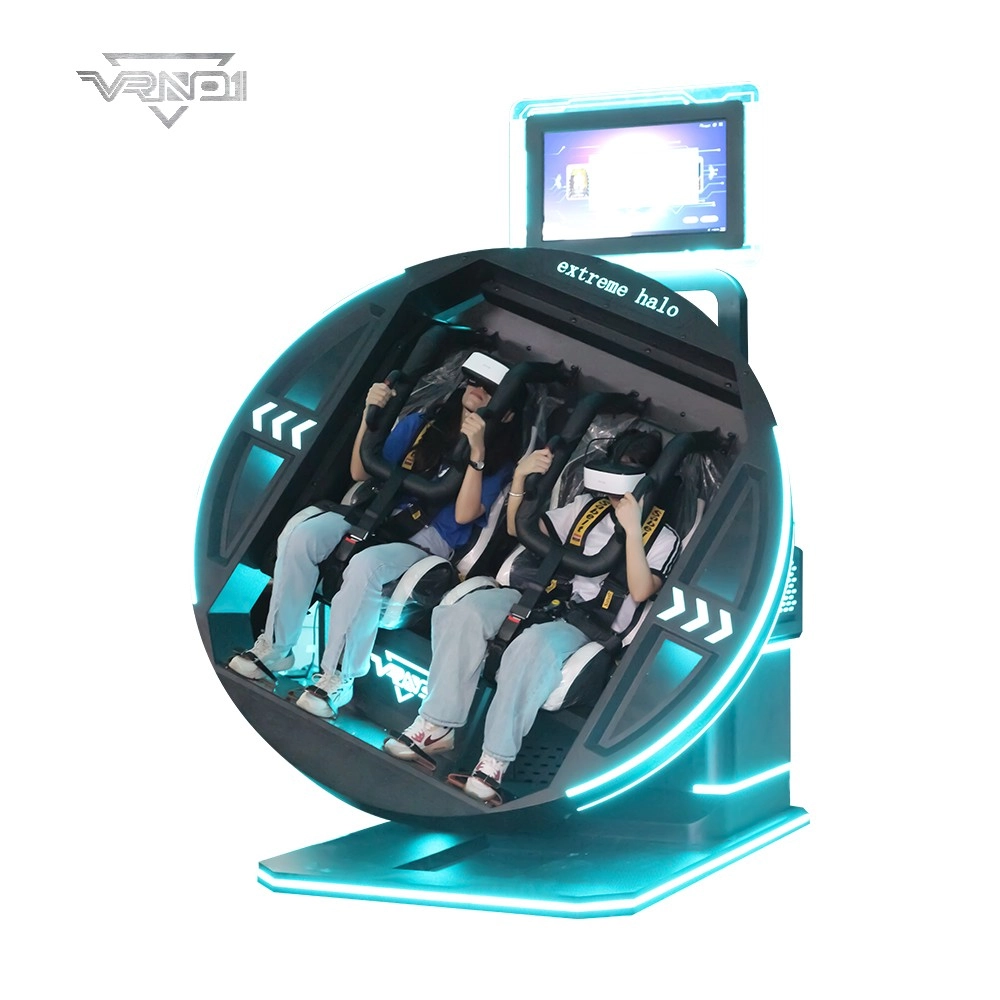
9D VR 360 Roller Coaster Cinema Chair Gaming Set Indoor/Outdoor Business Simulator Hardware for Home or School
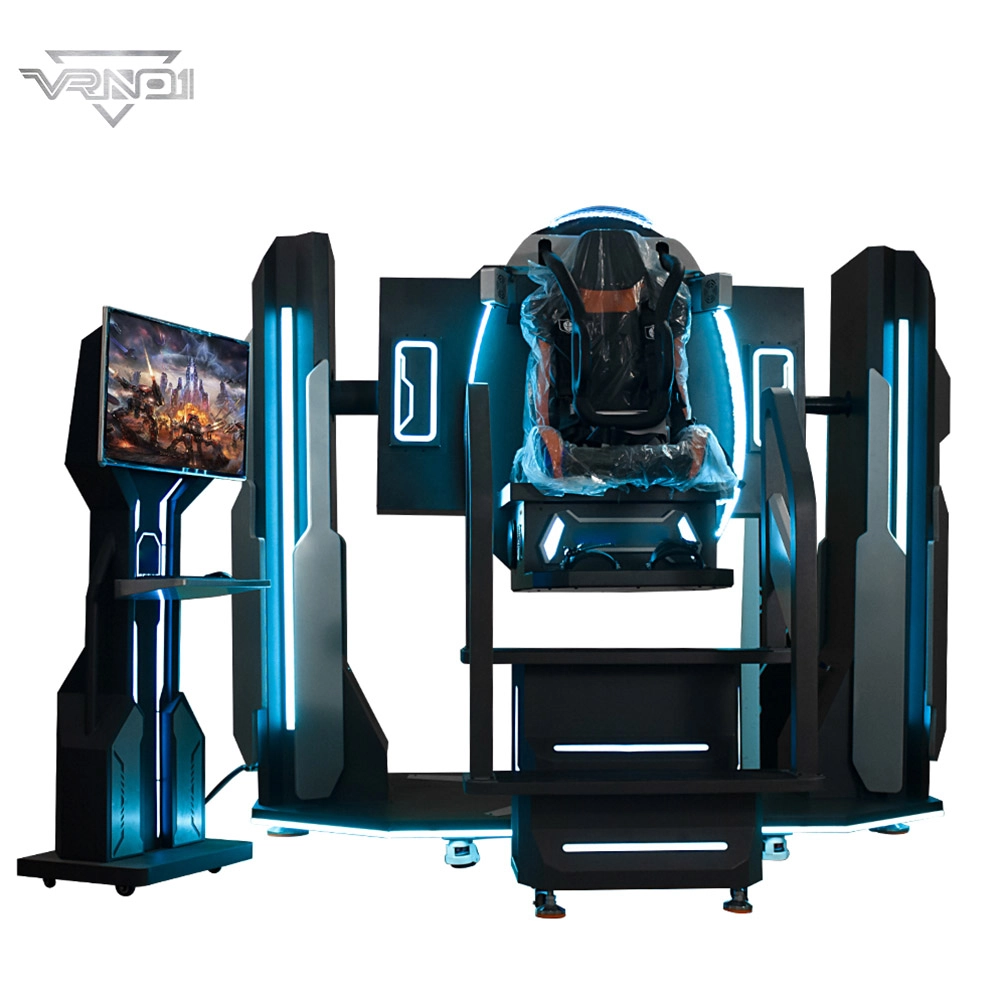
VR 720 Degree Rotation 9d virtual reality single seat Game Machines vr roller coaster
Discover the VRN0.1 VR 720 Degree Rotation 9D Virtual Reality Single Seat Game Machine! Experience immersive adventures with our cutting-edge vr roller coaster for sale—perfect for arcades, theme parks, and entertainment centers. Boost your venue with high-impact fun!
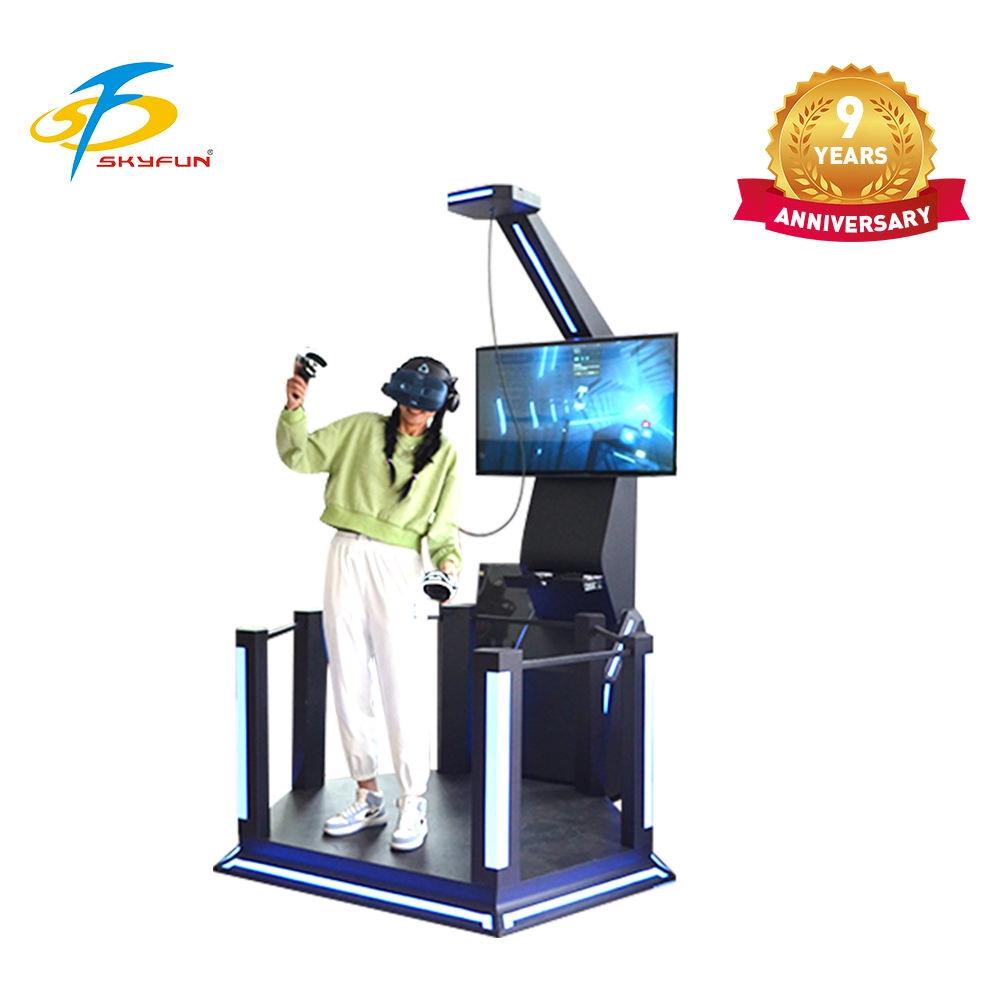
VRN0.1 VR Shooting HTC Adventure Park VR Game Public VR Game Simulator Airport VR Game Simulator
Our VR Gaming Equipment represents the pinnacle of interactive entertainment technology. This comprehensive system includes Mini HTC VR capabilities optimized for high-intensity gaming experiences, particularly boxing games and action simulations. The equipment is engineered for commercial deployment with emphasis on durability, user safety, and operational efficiency.
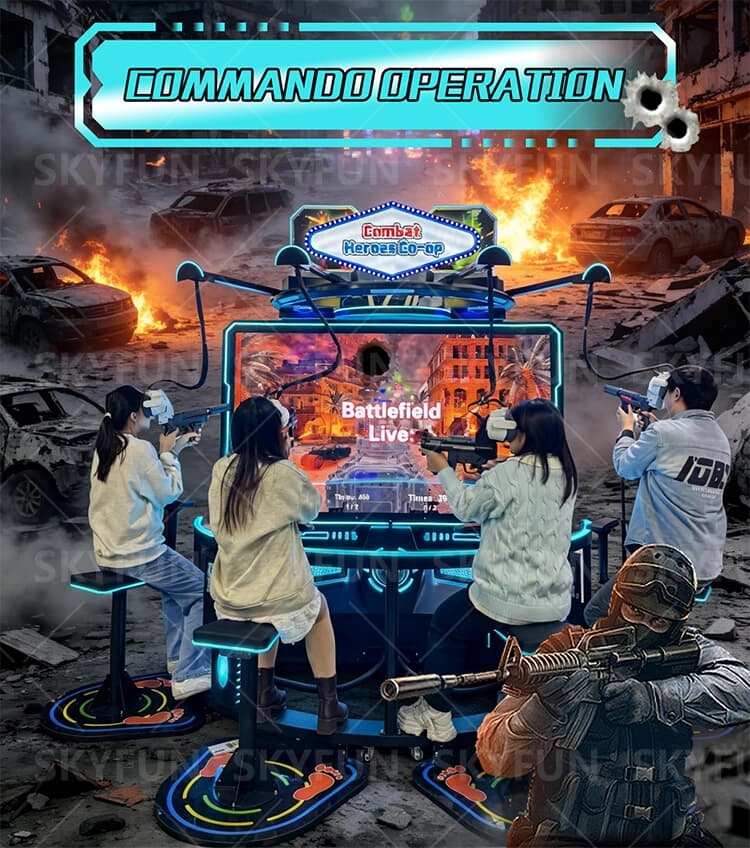
VRN0.1 vr shooting game 4 player 360 immersive 4K motion platform arcade multiplayer tactical sim
The VR arcade industry has long grappled with a critical dichotomy: how to deliver profoundly immersive experiences without compromising operational efficiency. Traditional headset-bound VR systems, while technologically potent, often introduce significant friction points – hygiene concerns, time-consuming donning/doffing procedures, and the prevalent issue of motion sickness. Moreover, conventional VR shooters frequently fall short of providing the dynamic, deeply engaging interactivity that truly motivates players for repeat visits.
Skyfun, a recognized pioneer in immersive entertainment solutions with over a decade of specialized expertise, proudly unveils VR Strike Force: 4-Player Assault – a groundbreaking, headset-free VR shooting game. Meticulously engineered to maximize revenue per square meter and deliver unparalleled player satisfaction, VR Strike Force is set to redefine the landscape of location-based entertainment, offering an authentic "Assault Operation" experience.
 Scan QR Code
Whatsapp: +8618127818571
Scan QR Code
Guangzhou Skyfun Technology Co.,Ltd
skyfunvrgame
skyfun game