


How to Train Staff for VR Arcade Operations
- Preparing Your Team for Immersive Entertainment Success with VR Arcade Machines
- Understanding Roles and Core Competencies for VR Arcade Machines
- Designing a Training Curriculum for VR Arcade Machines
- Training Module Comparison: VR Arcade Machines
- Hands-on Technical Training for VR Arcade Machines
- Customer Experience, Guest Safety & Medical Considerations for VR Arcade Machines
- Operational SOPs & Workflow Integration for VR Arcade Machines
- Measuring Training Effectiveness & KPIs for VR Arcade Machines
- Continuous Learning: Updates, New Releases, and Advanced Certifications for VR Arcade Machines
- Partner Spotlight: VRN0.1 — Your Supplier and Training Partner for VR Arcade Machines
- Hiring Tips and Onboarding Checklist for VR Arcade Machines
- Cost & Time Estimates: Budgeting Training for VR Arcade Machines
- Frequently Asked Questions (FAQ) — VR Arcade Machines Staff Training
- Contact & Next Steps — Get Trained, Buy Smart, Operate Better with VRN0.1
- References & Resources
Preparing Your Team for Immersive Entertainment Success with VR Arcade Machines
Opening a VR arcade or upgrading an existing entertainment venue requires more than hardware investment: it demands a trained team able to operate, maintain, sell, and support immersive experiences safely and reliably. This guide focuses on practical, verifiable strategies to train staff for VR Arcade Machines — from initial onboarding and technical competency to customer experience, safety standards, and operational KPIs. The approach balances industry best practices with actionable training modules you can adopt immediately.
Understanding Roles and Core Competencies for VR Arcade Machines
Before designing training, define the roles that keep a VR arcade running. Common positions and core competencies include:
- Floor Attendants / Hosts — customer greeting, product demo, queue management, light troubleshooting.
- Technicians / Maintenance — hardware diagnostics, software updates, sanitation and headset hygiene, replacement part inventory.
- Game Specialists / Sales — upselling packages, explaining game content and duration, VIP bookings.
- Managers / Shift Leads — staffing, incident reporting, operations analytics, vendor liaison.
Map each role to a competency matrix (technical, customer service, safety, sales, and SOP adherence). This clarity determines the depth of training required per role and helps prioritize resources.
Designing a Training Curriculum for VR Arcade Machines
A structured curriculum accelerates competence and creates consistent guest experiences. A typical curriculum contains: onboarding theory, hands-on technical labs, customer service simulations, safety and emergency response drills, and an assessment/ certification step. Recommended phases:
- Pre-hire screening and basic knowledge checklist (VR familiarity, physical fitness, language skills).
- Week 1: Orientation & product knowledge (hardware, software, common issues).
- Week 2–4: Role-specific hands-on training and shadow shifts.
- Week 5: Certification assessment and solo operation under supervision.
- Ongoing: Monthly refreshers, new-release training, and quarterly safety drills.
Align learning objectives to measurable outcomes: headsets sanitized in < 3 minutes, average downtime < 15 minutes, positive guest feedback > 90%, safe incident rate near zero.
Training Module Comparison: VR Arcade Machines
| Module | Target Role | Suggested Duration | Key Outcomes | Assessment Method |
|---|---|---|---|---|
| Product & Game Knowledge | All | 4–8 hours | Explain experiences; set expectations | Quiz + role-play demo |
| Hardware Setup & Troubleshooting | Technicians, Hosts | 16–24 hours | Boot, calibrate, replace components | Practical exam (repair & boot test) |
| Customer Service & Safety | Hosts, Sales | 8–12 hours | Handle complaints, manage motion sickness | Observed interactions |
| Sanitation & Hygiene | All | 2–4 hours | Fast, effective cleaning between users | Time trial + checklist |
| SOPs & Emergency Response | Managers, All | 4–8 hours | Evacuation, incident logging, refunds | Tabletop + drill |
Note: durations above reflect practical industry recommendations for new staff. Adapt times to venue size and machine complexity.
Hands-on Technical Training for VR Arcade Machines
Technical competence is the backbone of uptime and guest satisfaction. A hands-on program should include:
- Hardware fundamentals: headset components, trackers, PC/console basics, cable management, power considerations.
- Software operations: launching games, switching sessions, user profiles, content update pipelines, rollback procedures.
- Routine maintenance tasks: lens cleaning, padding replacement, strap adjustments, battery checks (for wireless systems).
- Diagnostics & common fixes: sensor calibration, frame-rate troubleshooting, audio issues, controller pairing.
- Spare parts and inventory: maintaining a minimal spare pool to ensure < 24–48 hour repair turnaround.
Document step-by-step manuals with photos and short videos. Use a ticketing/logging system so technicians learn from past incidents and follow repair history. For complex repairs, build relationships with manufacturers (or suppliers like VRN0.1) for OEM parts and escalation support.
Customer Experience, Guest Safety & Medical Considerations for VR Arcade Machines
Training should prepare staff to manage guest expectations and health risks associated with immersive systems. Key elements:
- Pre-briefing guests: explain playtime, physical demands, potential motion sickness, and recommended age/health restrictions.
- Motion sickness management: recognize early signs (pallor, sweating, nausea), offer immediate stop and recovery area. Staff should know safe postures and short stabilization techniques.
- Sanitation protocols: headset cleaning between users, disposable face covers, and earphone sanitation. Establish cleaning logs to demonstrate compliance.
- Incident handling: minor injury first-aid, evacuation, data capture (incident report), and follow-up procedures including refunds or vouchers.
Clinical research on cybersickness and VR indicates variable susceptibility; train staff to err on the side of caution and maintain clear guest consent and waiver procedures. (See references for technical literature.)
Operational SOPs & Workflow Integration for VR Arcade Machines
Standard Operating Procedures (SOPs) convert training into consistent daily operations. Important SOPs include:
- Opening and closing checklists (power-on sequences, software health checks, backup power test).
- Turnover procedures between sessions: cleaning, headset calibration, session reset.
- Queue and time management: buffer windows between sessions, group throughput planning, and walk-in vs reservation policies.
- Refunds, safety incidents, and disruptive customer procedures.
- Maintenance scheduling and vendor contact protocols.
Digitize SOPs via an operations manual or mobile app so staff have immediate access. Tie SOP adherence to manager reviews and performance metrics.
Measuring Training Effectiveness & KPIs for VR Arcade Machines
To ensure training investment pays off, define measurable KPIs and review them regularly. Suggested KPIs:
- First-time-right setup rate (%) — percentage of sessions starting without technical issues.
- Average downtime per machine (minutes/day).
- Guest satisfaction score (CSAT) or Net Promoter Score (NPS) tied to staff interactions.
- Sanitation compliance rate (%) — audits of cleaning logs and observed practice.
- Incident rate per 10,000 sessions — safety events or complaints requiring manager escalation.
Collect data through point-of-sale integrations, ticketing systems, and short guest surveys after play. Use monthly reviews to identify training gaps and update curricula. Example targets for a mature venue: first-time-right > 95%, average downtime < 30 minutes/day per machine, CSAT > 90%.
Continuous Learning: Updates, New Releases, and Advanced Certifications for VR Arcade Machines
VR technology evolves fast. Create a culture of continuous learning:
- Monthly tech briefings for software patches and game updates.
- Quarterly skill refreshers and cross-training so staff can cover multiple roles.
- Incentivized certification: reward staff who pass advanced technician or guest-experience certifications.
- Partnerships with suppliers for on-site or remote training sessions when new hardware or large software bundles are deployed.
Documented continuous learning improves retention and reduces reliance on external contractors.
Partner Spotlight: VRN0.1 — Your Supplier and Training Partner for VR Arcade Machines
For venues looking to scale or improve service quality, VRN0.1 is a leading VR game machine and arcade simulator supplier with over 10 years in the global market. Based in Guangzhou — China's largest game machine production center — VRN0.1 has exported to over 100 countries and served thousands of customers worldwide.
Core strengths and services from VRN0.1 relevant to staff training and operations:
- Product range: 9D VR Cinema, 360 VR Simulator, VR Racing, VR Shooting, VR Roaming, AR Sniper, Interactive Platform VR, VR Car Driving Simulator, Arcade Game Simulator, Kiddie Rides, and 7D Cinema.
- OEM & ODM services and one-stop VR venue solutions — tailored equipment configuration and venue planning.
- Free training on equipment and operation — including on-site or remote technical training, SOP templates, and maintenance guidance.
- Strong R&D team, strict quality control, and 24/7 customer support for rapid escalation and parts supply.
VRN0.1’s combination of product breadth, training support, and aftermarket service reduces your venue’s go-live time and helps standardize staff competencies across chains. For more information and product catalogs, visit https://www.vrarcadegame.com/.
Hiring Tips and Onboarding Checklist for VR Arcade Machines
Hiring the right people minimizes training time and improves long-term performance. Practical tips:
- Assess practical aptitude during interviews with role-play scenarios (simulate a headset fitting or a brief troubleshooting task).
- Check for soft skills: communication, patience, and situational awareness are critical.
- Use a 30/60/90-day onboarding plan that ties training modules to expected competencies at each milestone.
- Pair new hires with experienced staff during the first 2–4 weeks for shadowing and feedback.
An onboarding checklist should be signed off by the trainee and manager to verify readiness for solo operation.
Cost & Time Estimates: Budgeting Training for VR Arcade Machines
Estimate realistic budgets for training: allocate 3–8% of annual operating costs to training and certification for most small-to-medium venues. Time investments per new hire typically range from 40 to 80 hours to reach safe operational standards, depending on role complexity. These figures derive from practical venue operations and industry training norms; adjust to local labor rates and venue scale.
Frequently Asked Questions (FAQ) — VR Arcade Machines Staff Training
Q1: How long does it take to train a new VR arcade attendant to be independent?
A1: For a floor attendant, expect 40–60 hours including product knowledge, customer service simulations, and supervised shifts. Technicians require 60–120 hours depending on hardware complexity.
Q2: What safety training is mandatory for VR arcade staff?
A2: Mandatory items include basic first aid, incident reporting, evacuation procedures, and training to recognize and manage motion sickness. Local regulations may mandate further certifications — consult local authorities.
Q3: How do you measure if training is effective for VR Arcade Machines?
A3: Use KPIs such as first-time-right setup rate, machine downtime, guest satisfaction scores, sanitation audit pass rates, and incident rates. Regular testing and mystery shopper programs also help.
Q4: Can suppliers provide training for staff?
A4: Yes. Reputable suppliers like VRN0.1 offer training packages, manuals, and remote support. Vendor-led training ensures staff learn manufacturer-recommended maintenance and calibration methods.
Q5: How often should refresher training occur?
A5: Monthly briefings for software updates, quarterly refreshers for safety and SOPs, and role-specific refreshers after any major hardware or software change.
Q6: What should be included in a headset sanitation SOP?
A6: Use manufacturer-approved disinfectants, wipe lenses with a microfibre cloth, replace or disinfect facial foams, use disposable covers where feasible, and log each cleaning with staff initials and timestamps.
Contact & Next Steps — Get Trained, Buy Smart, Operate Better with VRN0.1
If you’re setting up a venue or upgrading operations, combine robust staff training with reliable hardware and supplier support. VRN0.1 offers one-stop VR venue solutions, free equipment and operations training, OEM/ODM services, and 24/7 support to help you deploy and scale. Visit https://www.vrarcadegame.com/ to explore product lines — VR Simulator, Arcade Game Simulator, VR Car Driving Simulator, Interactive Platform VR, Racing Game Machine, AR Sniper, Kiddie Ride, and 7D Cinema — or contact their sales team to request training packages and venue planning assistance.
References & Resources
- Virtual reality — Wikipedia. https://en.wikipedia.org/wiki/Virtual_reality (accessed 2025-12-10)
- IAAPA (International Association of Amusement Parks and Attractions) — industry resources and safety guidance. https://www.iaapa.org/ (accessed 2025-12-10)
- Simulator sickness and cybersickness review — PubMed Central. https://www.ncbi.nlm.nih.gov/pmc/articles/PMC7720077/ (accessed 2025-12-10)
- Grand View Research — Virtual Reality (VR) Arcade Market Overview. https://www.grandviewresearch.com/industry-analysis/virtual-reality-vr-arcade-market (accessed 2025-12-10)
- OSHA — Training and education resources for workplace training best practices. https://www.osha.gov/training (accessed 2025-12-10)
For further assistance designing a customized training program or to request vendor-led training and equipment quotes, contact VRN0.1 via https://www.vrarcadegame.com/.
Top 10 flying cinema experience Manufacturers and Supplier Brands
Safety Standards and Age Recommendations for VR Shooters
Top 9d vr simulator chair Manufacturers and Suppliers in us
The B2B Buyer’s Guide to best spaceship vr
Distributors
What support does VRNO.1 provide after becoming a dealer?
We provide full support to dealers, including sales training, marketing materials, technical support and after-sales service. Our goal is to help you sell and operate our products successfully.
What are the unique features of VRNO.1's products?
VRNO.1's VR equipment uses the latest technology to provide excellent immersion and interactivity. Our equipment is uniquely designed to meet global market needs and undergoes strict quality control to ensure long-term reliability of each device.
Products
What is VRNO.1’s main focus?
VRNO.1 specializes in providing cutting-edge virtual reality (VR) and arcade solutions, offering immersive entertainment experiences for both individual players and large-scale events.
Application
Does the VR game support multi-person interaction on the same screen?
Yes, VRNO.1's VR gaming devices support multiplayer on-screen interaction. Family members can participate in multiplayer competitive games, cooperative adventure games, etc., to enhance the interaction and entertainment experience among family members.
What technical support does VRNO.1 provide?
We provide 24/7 technical support services, including remote technical consultation, equipment troubleshooting, software upgrades, and faulty equipment replacement. Ensure that your equipment can continue to operate efficiently and improve customer experience.
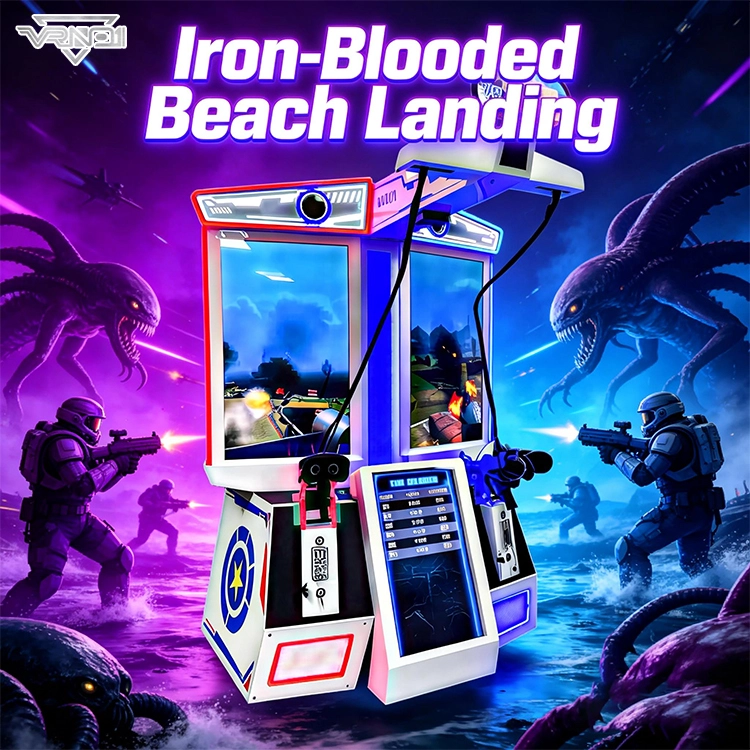
VRN0.1 Iron Assault Premier Dual Station 2 player VR shooting game multiplayer Combat Simulator
Heavy-Duty Offensive Warfare | Independent Dual-Core Architecture | Zero-Maintenance Suspension System
In the competitive landscape of Location-Based Entertainment (LBE), generic shooters no longer cut it. Enter the VR NO.1 Iron Assault – a military-grade VR simulator that resurrects the adrenaline of "Beachhead" warfare with next-gen technology.
Engineered by VR NO.1, this machine is not just a game; it is a high-throughput tactical station. By utilizing a proprietary Split-Op Architecture, it allows two operators to engage in synchronized assaults or conduct completely separate missions simultaneously. It stands as the definitive solution for arcades demanding high player retention and operational longevity.
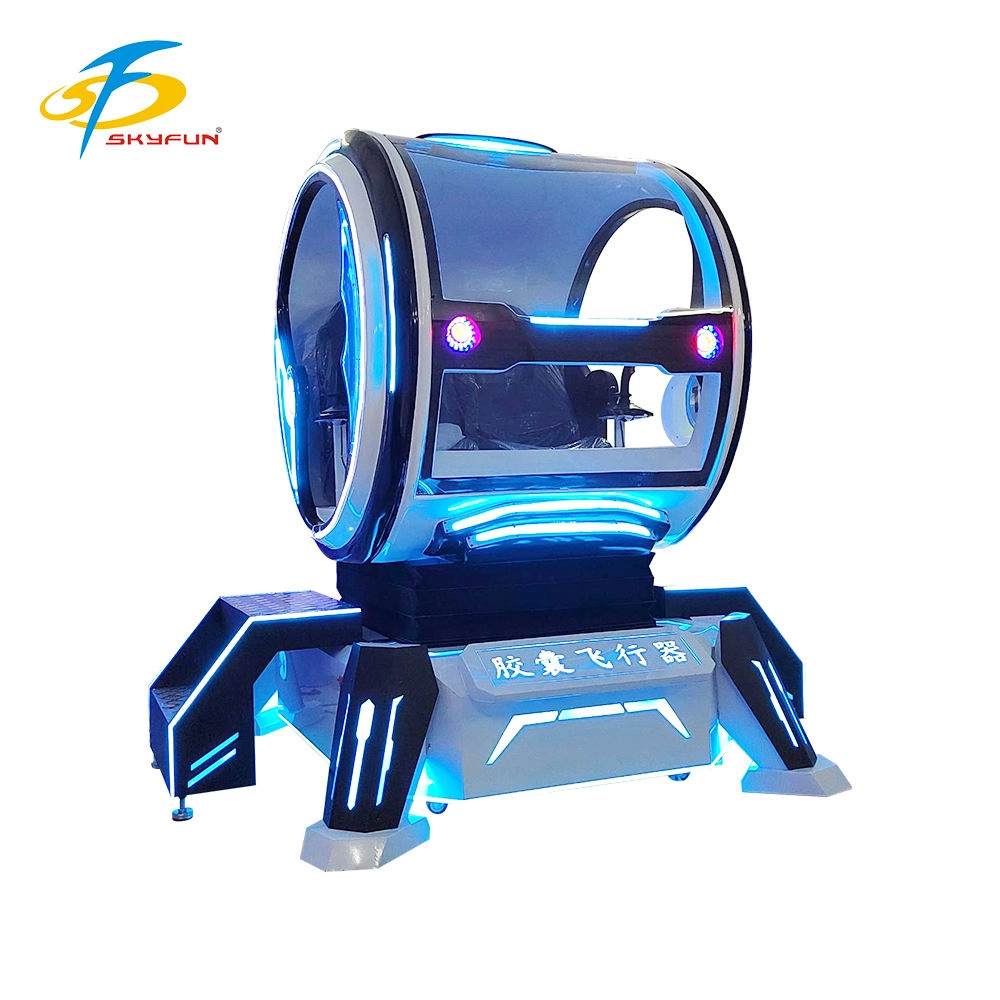
Double Player VR Flight Simulator 100 Movies 15 Games Coin-Operated Game Machine for Shopping Malls Amusement Parks
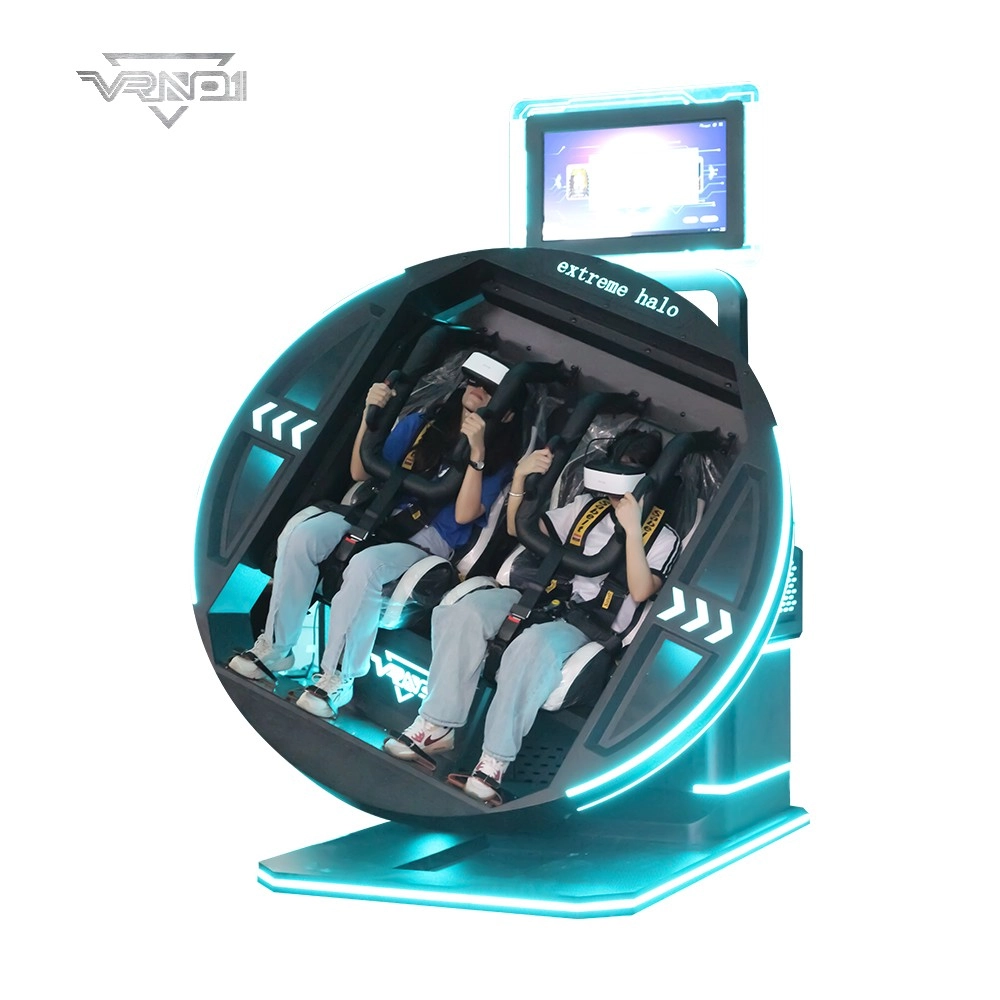
9D VR 360 Roller Coaster Cinema Chair Gaming Set Indoor/Outdoor Business Simulator Hardware for Home or School
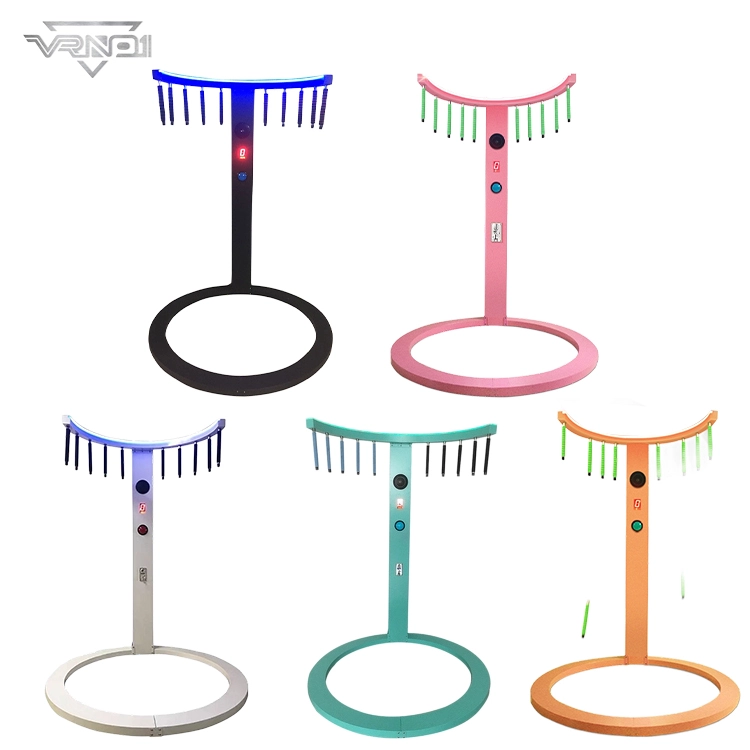
VRN0.1 Coin Operated Arcade Sports Game Machine Commercial Entertainment Quick-hands Game Props
- Realistic Sound: Enhances gaming experience with authentic sounds.
- Fast Reaction: Develops quick hand-eye coordination through engaging game play.
- DIY Kit: Allows for customization and personalization of the baton.
- Metal and Plastic Construction: Durable and robust build quality.
- Coin Operated: Fun for players who enjoy arcade-like experiences.
 Scan QR Code
Whatsapp: +8618127818571
Scan QR Code
Guangzhou Skyfun Technology Co.,Ltd
skyfunvrgame
skyfun game