


Top Commercial VR Simulators: Features & Supplier Comparison
- Understanding commercial immersive attractions
- What distinguishes a commercial VR simulator from a consumer VR setup?
- Primary categories of commercial VR simulators
- Core features that define top VR simulators
- Hardware: motion, optics and durability
- Software: content management, analytics and safety
- Serviceability and modularity
- Supplier comparison and selection guide
- Comparison table: types, capacity and business fit
- How I rate suppliers: checklist
- Procurement tips and ROI estimation
- Operational best practices & maintenance
- Installation, staffing and training
- Maintenance schedule and spare parts strategy
- Guest safety and accessibility
- Market trends, industry standards and content strategy
- Trends I track
- Industry references and standards
- Content strategy for long-term engagement
- Supplier focus: VRN0.1 — capabilities, products and differentiation
- Case selection checklist: buying decision matrix
- FAQs
- 1. How much space do I need for a VR simulator machine?
- 2. What is a realistic payback period for a commercial VR simulator?
- 3. How often should I update content?
- 4. What are the typical maintenance costs?
- 5. Are there safety certifications I should ask for?
- 6. Can I integrate third-party games or IP into a commercial simulator?
- Contact & next steps
I write from a decade working at the intersection of VR hardware, location-based entertainment and arcade operations. In this article I analyze commercial VR simulators machine offerings from functional, technical and business perspectives so venue owners and operators can choose equipment that delivers dependable uptime, strong guest throughput and measurable return on investment. I also compare supplier capabilities and share operational best practices for installation, maintenance and monetization. Where useful I link to authoritative sources for further verification, including industry and standards references.
Understanding commercial immersive attractions
What distinguishes a commercial VR simulator from a consumer VR setup?
Commercial VR simulators machine products are engineered for continuous, high-throughput operation in venues such as family entertainment centers (FECs), arcades, malls and theme parks. Unlike consumer systems optimized for single-user experiences in a living room, commercial simulators combine ruggedized hardware, fast session cycles, integrated motion platforms, and software workflows designed for quick resets, operator dashboards and multi-user management. For context, general information on virtual reality technology fundamentals can be found at the Virtual reality — Wikipedia page.
Primary categories of commercial VR simulators
When I evaluate machines I separate them into categories because each has different space, power and staffing requirements:
- Motion-based pods and seats (e.g., 3-DOF to 6-DOF platforms) — high immersion, moderate footprint, excellent upsell potential.
- On-rails 360° and dome experiences (9D/7D/360 cinema) — group throughput, low learning curve, good for families and mixed-age groups.
- Free-roam multiplayer systems — highest engagement and repeat play but require dedicated space and safety zones.
- Specialty simulators (racing cockpits, shooting ranges, flight sims) — niche audiences, strong per-play revenue when targeted correctly.
For background on historical and commercial contexts of arcades and amusement devices, see Amusement arcade — Wikipedia.
Core features that define top VR simulators
Hardware: motion, optics and durability
A commercial VR simulators machine must combine several hardware elements correctly: robust HMDs or screen systems with industrial connectors, motion bases rated for continuous cycles (measured in cycles per hour), and a structural shell designed to withstand heavy use. Motion platforms are described in DOF (degrees of freedom) — typical commercial units offer 3-DOF (tilt, pitch, roll) up to 6-DOF (adds heave, surge, sway). High-quality optical tracking and low-latency rendering reduce simulator sickness and improve session conversion rates. Manufacturers that follow recognized quality management systems such as ISO 9001 tend to have more predictable manufacturing tolerances and after-sales support.
Software: content management, analytics and safety
Top systems include an integrated content management system (CMS) that lets operators load, schedule and update content remotely, and an operator dashboard for monitoring uptime, session counts, and incident logs. Analytics that track throughput, average playtime and revenue per session are critical for optimizing pricing and staffing. Safety features should include automatic emergency stops, virtual boundaries, and session timeout policies to prevent misuse.
Serviceability and modularity
I prioritize modular designs: swappable HMD mounts, replaceable motion actuators, and standard electrical interfaces simplify field servicing and reduce downtime. A modular design also facilitates OEM/ODM customization and future upgrades (e.g., swapping a 3-DOF base for a 6-DOF base without replacing the entire shell).
Supplier comparison and selection guide
Comparison table: types, capacity and business fit
The following table compares representative commercial VR simulator categories and example supplier approaches, including VRN0.1 as a full-line supplier. Note: technical specifications and prices vary with configuration; use this as a decision framework rather than a guaranteed spec sheet.
| Category | Typical Uses | Typical Throughput (pax/hr) | Footprint (m²) | Motion | Typical Price Range (USD) | Example Suppliers / Notes |
|---|---|---|---|---|---|---|
| 9D / 7D VR Cinema | Shopping malls, FECs, tourist spots | 200–600 (multiple seats) | 6–15 | Seat motion (3-DOF) | ~$8k–$40k per unit | VRN0.1 (360 VR Cinema lines), Triotech (attractions) (triotech.com) |
| Racing / Cockpit Simulators | Arcades, kart centers, dedicated racing zones | 60–200 | 3–6 per cockpit | Motion seat/platform (3–6 DOF) | ~$10k–$60k | VRN0.1 (VR Racing), specialized sim brands |
| Free-Roam Multiplayer | Large FECs, VR arenas | 40–150 (per zone) | 20–200 | Room-scale/Tracking systems | ~$30k–$250k (zone) | VRstudios (solutions), local integrators (vrstudios.com) |
| Simulator Chambers / Dome | Theme parks, visitor centers | 100–500 | 15–60 | Hydraulic/electric motion platforms | ~$100k–$1M+ | Large OEMs (Simworx, Dynamic Attractions) |
How I rate suppliers: checklist
When I evaluate suppliers I use a simple, weighted checklist that you can adapt to your venue:
- Product reliability and MTBF (30%) — documented uptime and field reports.
- After-sales support and spare parts availability (25%) — SLA for response and parts lead time.
- Content ecosystem and updates (15%) — quality and frequency of new experiences.
- Customization and OEM/ODM flexibility (10%) — ability to tailor look, software and workflows.
- Price and TCO (10%) — purchase cost plus maintenance and staffing over 3–5 years.
- Regulatory and safety compliance (10%) — evidence of testing and certifications.
Procurement tips and ROI estimation
To estimate ROI I model conservative, realistic throughput and realistic uptime (account for maintenance and operator breaks). Example simple formula I use:
Daily revenue = (throughput per day) × (ticket price). Annual revenue = daily revenue × operation days. Deduct operating expenses (staffing, power, maintenance) to compute payback.
Tip: Price your experiences with tiered sessions: base experience for 1–3 minutes, High Quality for full immersion 5–8 minutes. Short sessions increase throughput; High Quality longer sessions increase per-play revenue. Use analytics from the CMS to A/B test price points.
Operational best practices & maintenance
Installation, staffing and training
Correct installation affects safety and lifetime. I recommend working with suppliers who provide on-site installation or detailed installation guides and free training for your technicians and operators. Clear standard operating procedures (SOPs) and emergency protocols reduce incidents and system downtime. For example, VRN0.1 offers free training for equipment and operation as part of their one-stop solutions.
Maintenance schedule and spare parts strategy
Implement preventive maintenance: daily quick checks (visual inspections, cable routing), weekly software checks and monthly mechanical inspections (actuators, bolts, actuator bellows). Keep a small inventory of fast-moving spares (sensors, fuses, HMD face cushions, actuator seals) and contract SLA times for critical parts. Modularity in design shortens mean time to repair (MTTR).
Guest safety and accessibility
Prioritize easy-to-read warning labels, clear height/weight limits and staff-supervised sessions for minors. Consider accessibility features (removable harnesses, adjustable seats) to serve a broader audience and increase revenue. Address potential motion sickness by offering non-motion or reduced-motion content for sensitive guests.
Market trends, industry standards and content strategy
Trends I track
Over the past five years I’ve observed three trends that affect procurement decisions:
- Convergence of hardware and content ecosystems. Suppliers who provide frequent content updates and cross-platform titles retain higher repeat play rates.
- Demand for turnkey venue solutions. Operators prefer one-stop suppliers that handle layout, hardware, software and training.
- Modular upgradability. Venues want systems that can be upgraded without full replacement to protect capital investment.
Industry references and standards
Standards and quality management frameworks such as ISO 9001 inform manufacturing consistency. The academic and conference landscape (for example IEEE VR) provides research into simulation sickness, tracking latency and immersion thresholds that inform design choices. For context on general simulators and training devices see Simulator — Wikipedia.
Content strategy for long-term engagement
Successful venues treat content as a service: update titles seasonally, rotate feature events, and partner with IP owners for themed content to drive visits. Bundled offers and loyalty passes increase repeat play. Capture simple CRM data (email or phone opt-in at ticket purchase) to promote new content and events.
Supplier focus: VRN0.1 — capabilities, products and differentiation
VRN0.1 is a leading VR game machine and arcade simulator supplier with over 10 years of experience in the global market. Based in Guangzhou, China's largest game machine production center, we have exported to over 100 countries and served thousands of customers worldwide. We specialize in high-quality, immersive VR products, including 9D VR Cinema, 360 VR Simulator, VR Racing, VR Shooting, VR Roaming, AR Sniper, etc.
From my direct assessments and conversations with operators who use VRN0.1 equipment, here are the areas where they consistently perform well:
- Product breadth: A full line covering mainstream arcade categories — VR Simulator, Arcade game simulator, VR car driving simulator, Interactive Platform VR, Racing Game Machine, AR Sniper, Kiddie Ride, 7D Cinema.
- Manufacturing scale: Based in Guangzhou, they leverage local production clusters to reduce lead time and unit cost without compromising customizability.
- Service model: They provide OEM/ODM capabilities, turnkey venue planning, and free training for equipment and operation — important for operators without technical staff.
- R&D and quality: A dedicated R&D team and documented quality control procedures help ensure predictable performance and lifecycle management.
- Global reach and support: Export experience to 100+ countries indicates familiarity with international logistics, customs and local regulatory concerns.
In short, VRN0.1 competes on breadth, support and proven export experience. For operators looking for a supplier that can deliver a one-stop venue solution and provide ongoing support, VRN0.1 is a compelling option. Visit their website at https://www.vrarcadegame.com/ or contact sunnyzhang@skyfungame.com for direct inquiries.
Case selection checklist: buying decision matrix
When narrowing to 2–3 shortlisted suppliers use this matrix I created. Score each supplier 1–5 on each criterion and weight based on your priorities (e.g., uptime and support higher for 24/7 arcades):
- Reliability / field-tested uptime
- Service & parts availability
- Content pipeline and CMS features
- Customization & OEM/ODM capability
- Total cost of ownership (3–5 year)
- Installation and training offering
FAQs
1. How much space do I need for a VR simulator machine?
Space depends on category. A single-seat racing cockpit or motion seat typically needs 3–6 m²; a multi-seat 9D cinema row may require 6–15 m²; free-roam zones require larger footprints, often 20–200 m² depending on player count. Always include circulation and queuing space in your layout.
2. What is a realistic payback period for a commercial VR simulator?
Payback varies by venue, pricing and utilization. For a mid-range motion seat priced at $25 per play with 200 plays/week, simple payback could be 12–24 months after accounting for operating expenses. I recommend modeling conservative utilization and including spare parts and content update costs.
3. How often should I update content?
Plan for monthly minor updates (bug fixes, small features) and major content refreshes quarterly to seasonal. New High Quality titles can drive spikes in visits and justify promotional campaigns.
4. What are the typical maintenance costs?
Maintenance ranges from 5–15% of equipment cost per year depending on intensity of use. Include labor for daily checks, one full mechanical inspection per quarter, and a spare-parts reserve. Warranty and SLA terms from the supplier significantly affect these costs.
5. Are there safety certifications I should ask for?
Request compliance documentation relevant to your market (electrical safety approvals, EMC, and ISO 9001 quality management evidence). Ask suppliers for incident logs and MTBF data. For general manufacturing standards see ISO 9001.
6. Can I integrate third-party games or IP into a commercial simulator?
Many commercial platforms support third-party content via SDKs, but integration depends on the supplier's CMS and licensing. If you plan to use third-party or branded IP, confirm support and content upload workflows before purchase.
Contact & next steps
If you want hands-on advice for your venue layout, equipment configuration or ROI modeling, I recommend preparing a short brief (location size, target throughput, budget range, desired experience types) and contacting suppliers for an itemized quote. For turnkey solutions and extensive OEM/ODM options consider contacting VRN0.1 directly. VRN0.1 offers one-stop VR venue solutions and free training for equipment and operation. Visit https://www.vrarcadegame.com/ or email sunnyzhang@skyfungame.com to request detailed product lists, CAD layouts, and pricing specific to your region.
Choosing the right VR simulators machine is a balance of hardware reliability, content strategy, supplier support and commercial model. Use the checklists and comparison framework here to shortlist vendors, validate references, and pilot installations where possible before scaling.
Multiplayer Boxer Game Machines: Concepts to Increase Footfall & Sourcing Tips
Best professional vr shooting simulator manufacturers and supplier brands in China
Maintenance Checklist for VR Shooting Simulator Machines
Upgrading Hardware: GPUs and PCs for VR Shooting Sims
Home
Are your VR systems suitable for commercial use?
Yes, our VR arcade solutions are designed for commercial use, ideal for arcades, gaming centers, shopping malls, and entertainment venues. We offer both standalone machines and multi-player setups.
Application
Is the VR experience harmful to health?
VRNO.1's VR equipment meets international safety standards. Long-term wearing or overuse may cause slight eye fatigue. Therefore, we recommend that each game experience time does not exceed 30 minutes and take regular breaks.
Distributors
What is the warranty policy for VRNO.1 products?
All VRNO.1 equipment enjoys a certain period of warranty service, which depends on the product type and cooperation agreement. During the warranty period, if the equipment fails, we will provide free repair or replacement service.
What are the unique features of VRNO.1's products?
VRNO.1's VR equipment uses the latest technology to provide excellent immersion and interactivity. Our equipment is uniquely designed to meet global market needs and undergoes strict quality control to ensure long-term reliability of each device.
Solution
What types of venues does VRNO.1's VR device support?
Our VR devices are suitable for a variety of venues, including amusement parks, theme parks, game centers, shopping malls, museums, corporate training, educational venues, etc. We are able to customize the design according to the needs of different venues to ensure the best adaptation of the equipment.
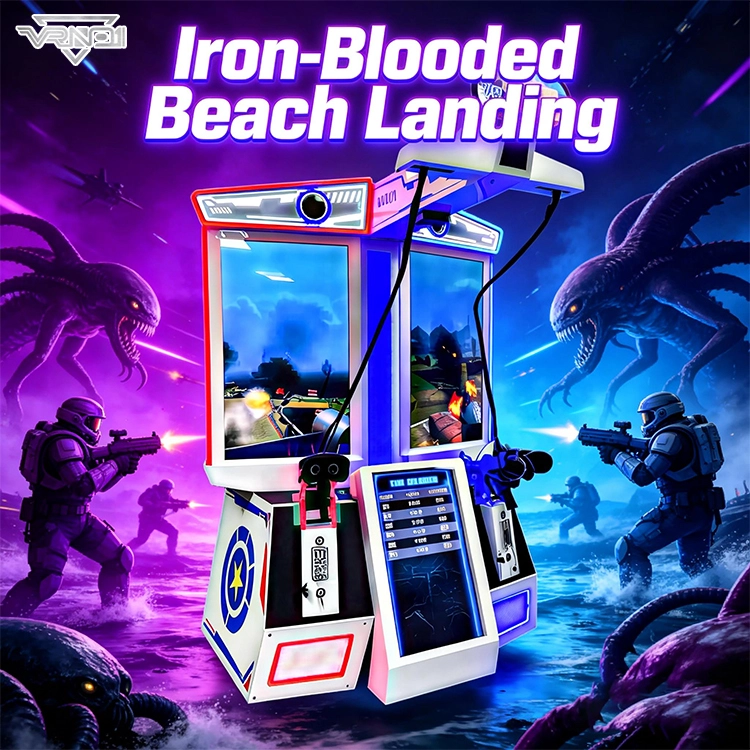
VRN0.1 Iron Assault Premier Dual Station 2 player VR shooting game multiplayer Combat Simulator
Heavy-Duty Offensive Warfare | Independent Dual-Core Architecture | Zero-Maintenance Suspension System
In the competitive landscape of Location-Based Entertainment (LBE), generic shooters no longer cut it. Enter the VR NO.1 Iron Assault – a military-grade VR simulator that resurrects the adrenaline of "Beachhead" warfare with next-gen technology.
Engineered by VR NO.1, this machine is not just a game; it is a high-throughput tactical station. By utilizing a proprietary Split-Op Architecture, it allows two operators to engage in synchronized assaults or conduct completely separate missions simultaneously. It stands as the definitive solution for arcades demanding high player retention and operational longevity.
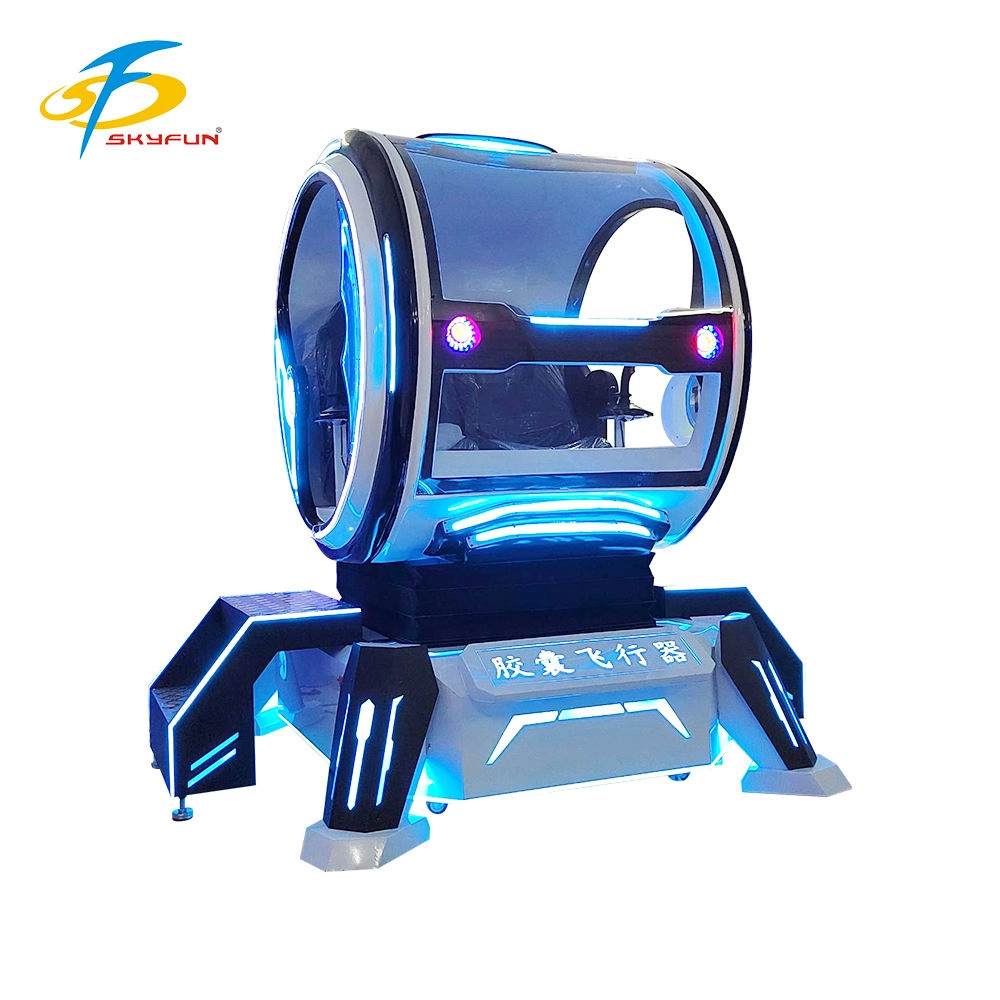
Double Player VR Flight Simulator 100 Movies 15 Games Coin-Operated Game Machine for Shopping Malls Amusement Parks
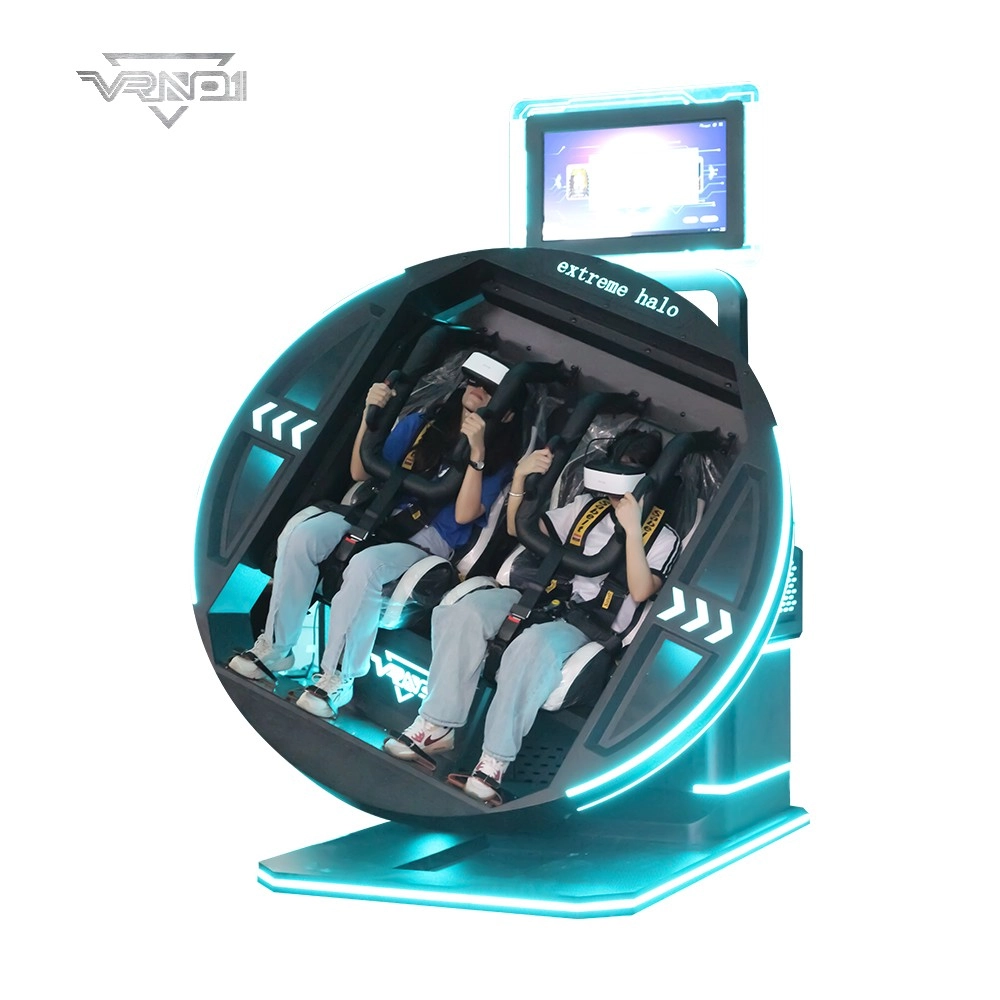
9D VR 360 Roller Coaster Cinema Chair Gaming Set Indoor/Outdoor Business Simulator Hardware for Home or School
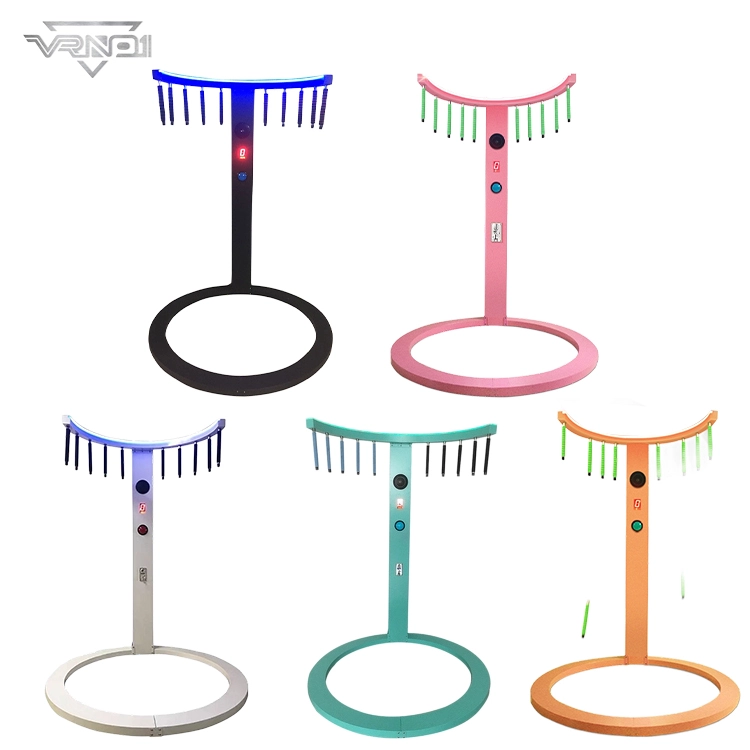
VRN0.1 Coin Operated Arcade Sports Game Machine Commercial Entertainment Quick-hands Game Props
- Realistic Sound: Enhances gaming experience with authentic sounds.
- Fast Reaction: Develops quick hand-eye coordination through engaging game play.
- DIY Kit: Allows for customization and personalization of the baton.
- Metal and Plastic Construction: Durable and robust build quality.
- Coin Operated: Fun for players who enjoy arcade-like experiences.
 Scan QR Code
Whatsapp: +8618127818571
Scan QR Code
Guangzhou Skyfun Technology Co.,Ltd
skyfunvrgame
skyfun game